What We Do Not Do
We don't keep a crew or a truck parked in Sugar Grove. We run out of Aurora, about 8 miles away, and every job here is a dispatched visit, not a drop-in from a local depot. That means we're not the people to call if you want someone on your driveway in ten minutes. We also don't do structural garage work - framing, concrete, or anything past the door and its hardware is outside what we handle. And we won't tell you to replace a door that just needs a new roller or a cable, even though a full install pays better. If the fix is a $40 part, that's what we quote.
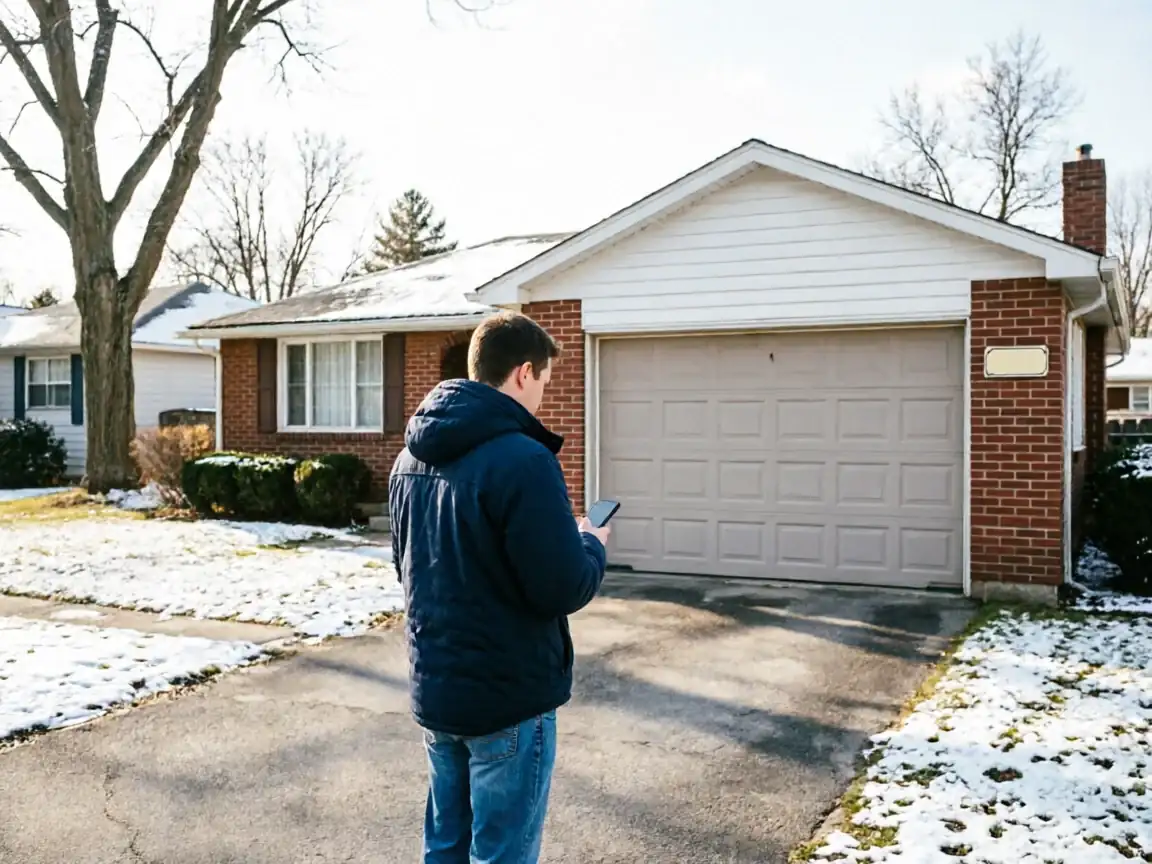
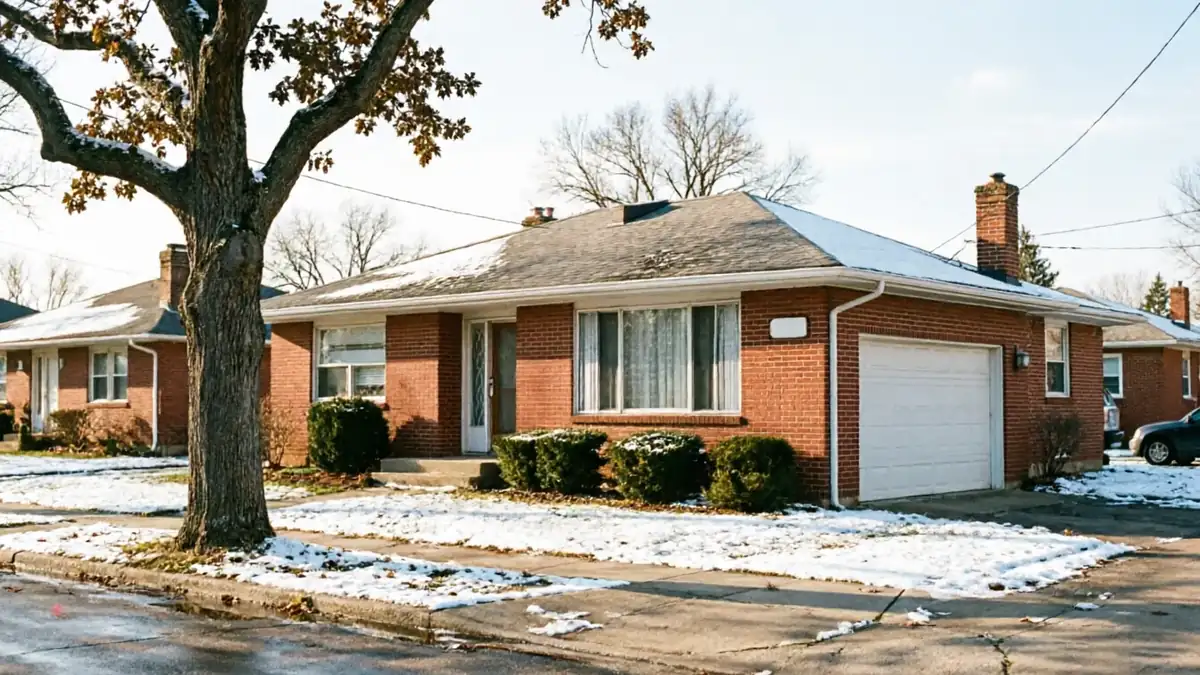
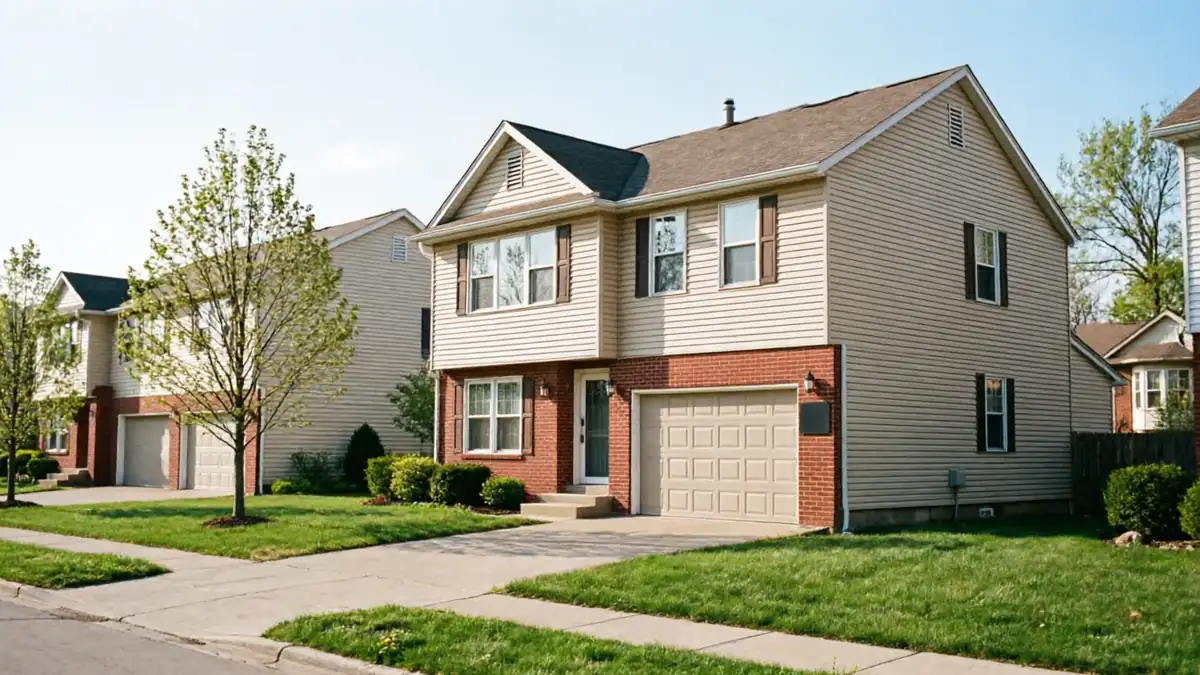
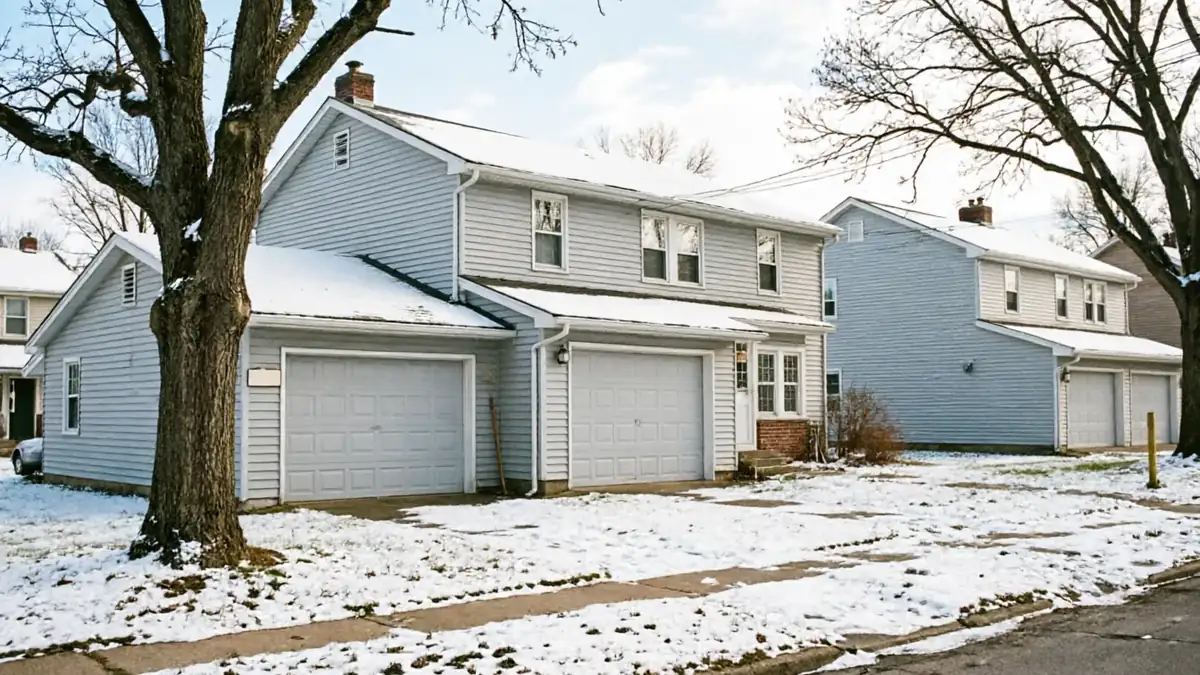
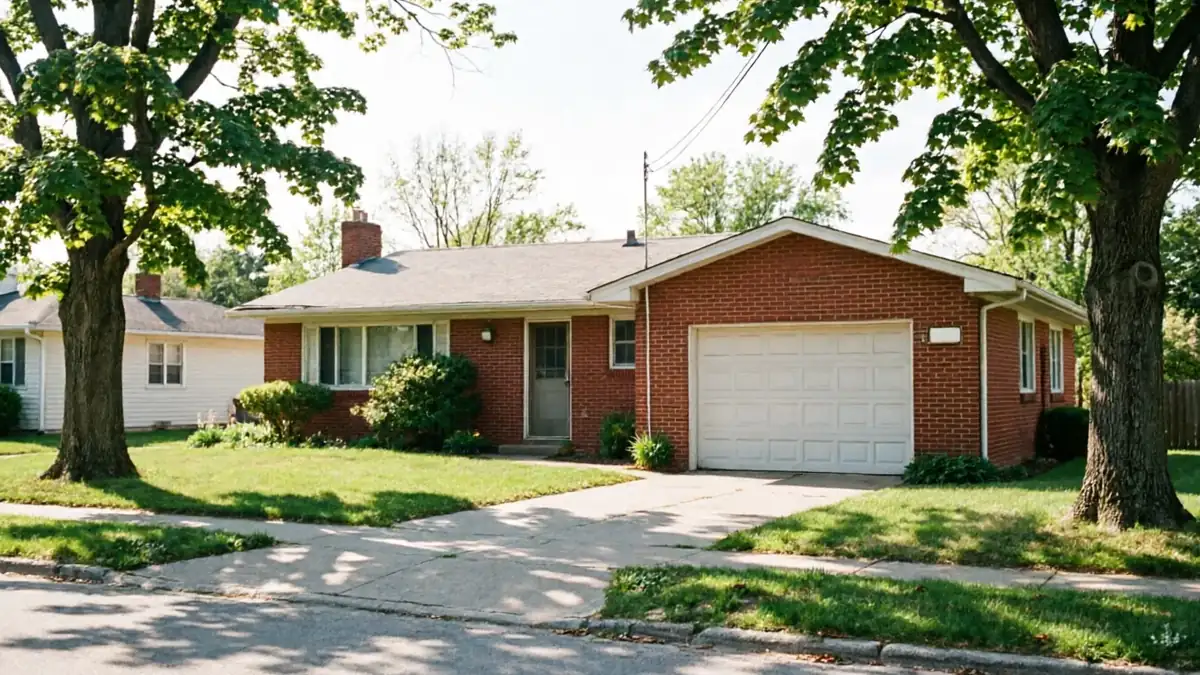
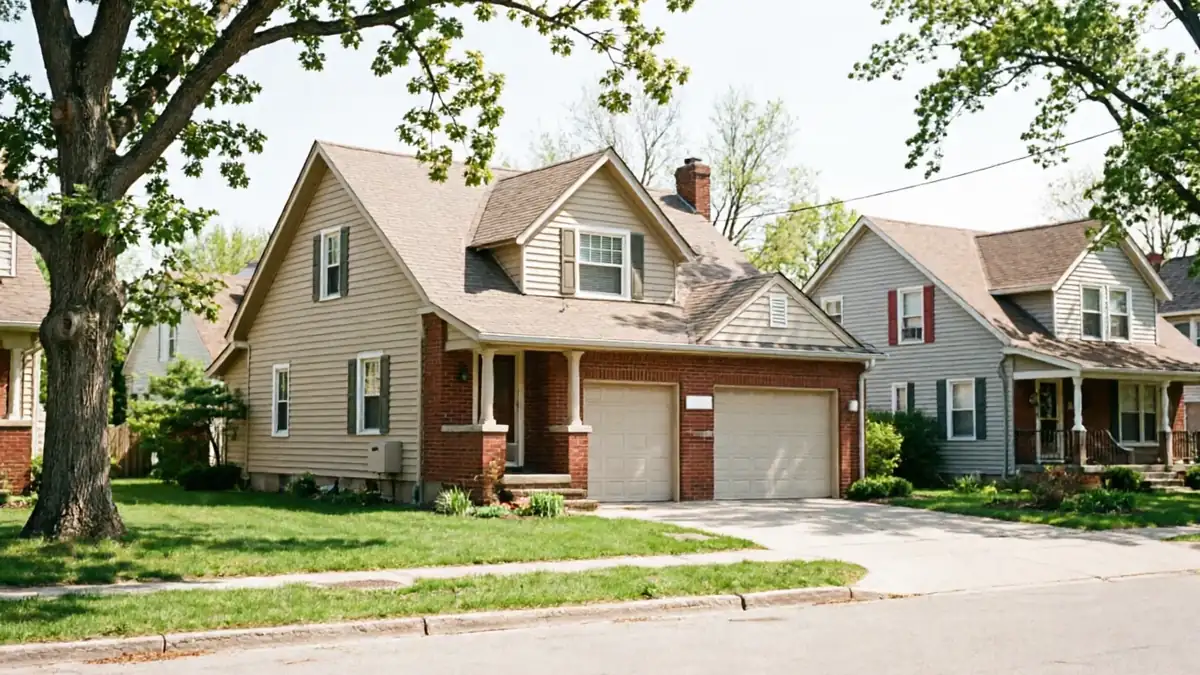
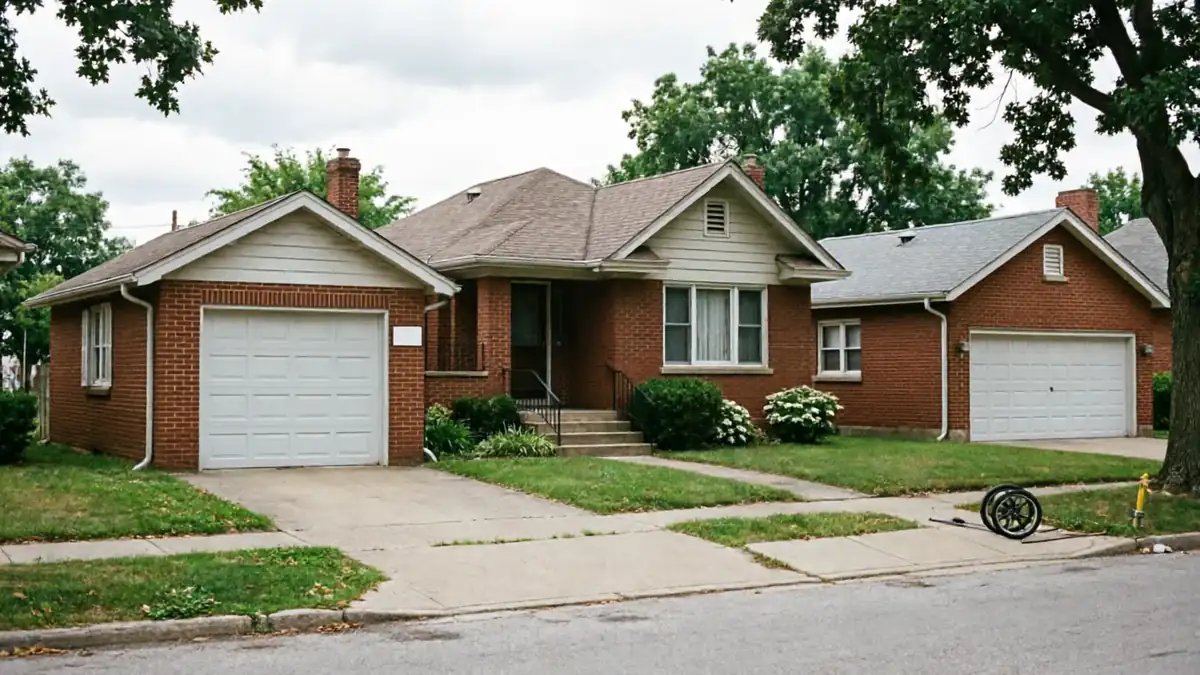
Worth saying plainly: Sugar Grove's housing is newer than most of what we see across the rest of the service area, and that changes the job mix. We're not pretending this is the same work as a 1960s subdivision closer to Aurora, and we'd rather tell you that up front than send someone out expecting original hardware that isn't there.
What That Means for Doors
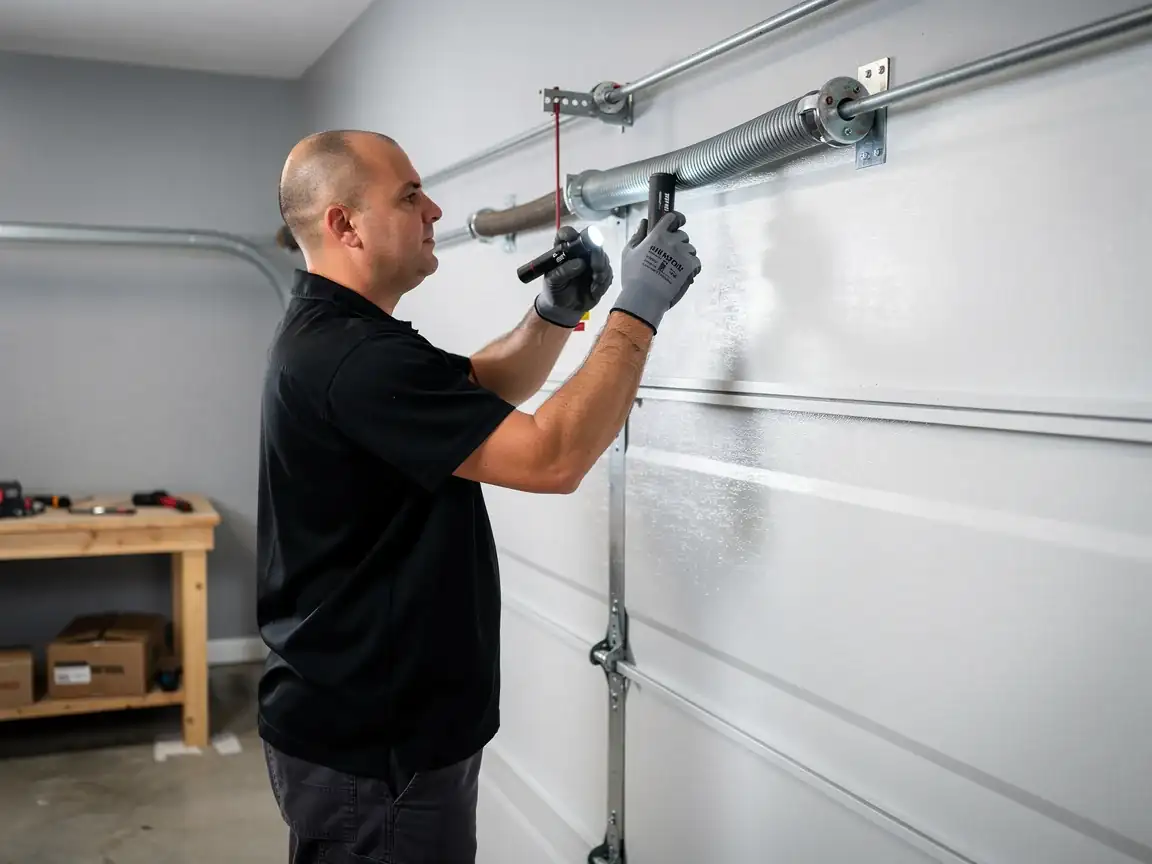
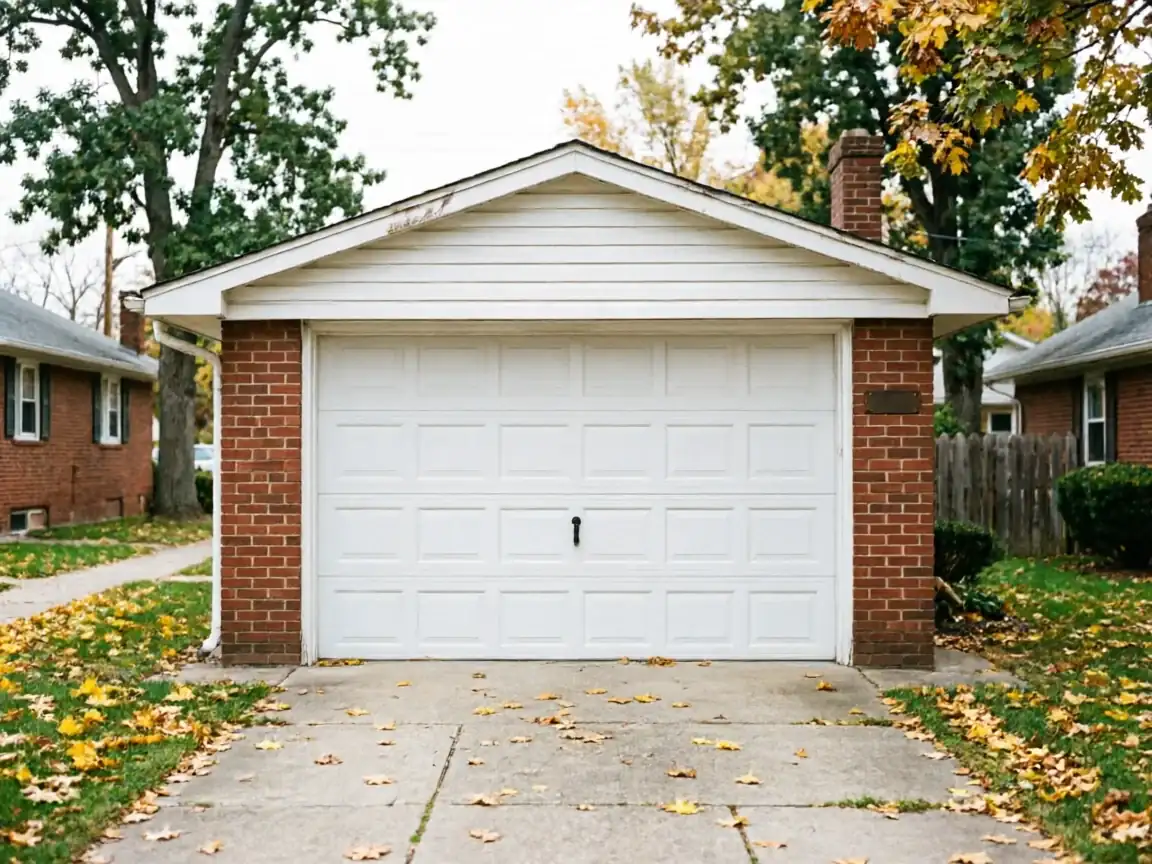
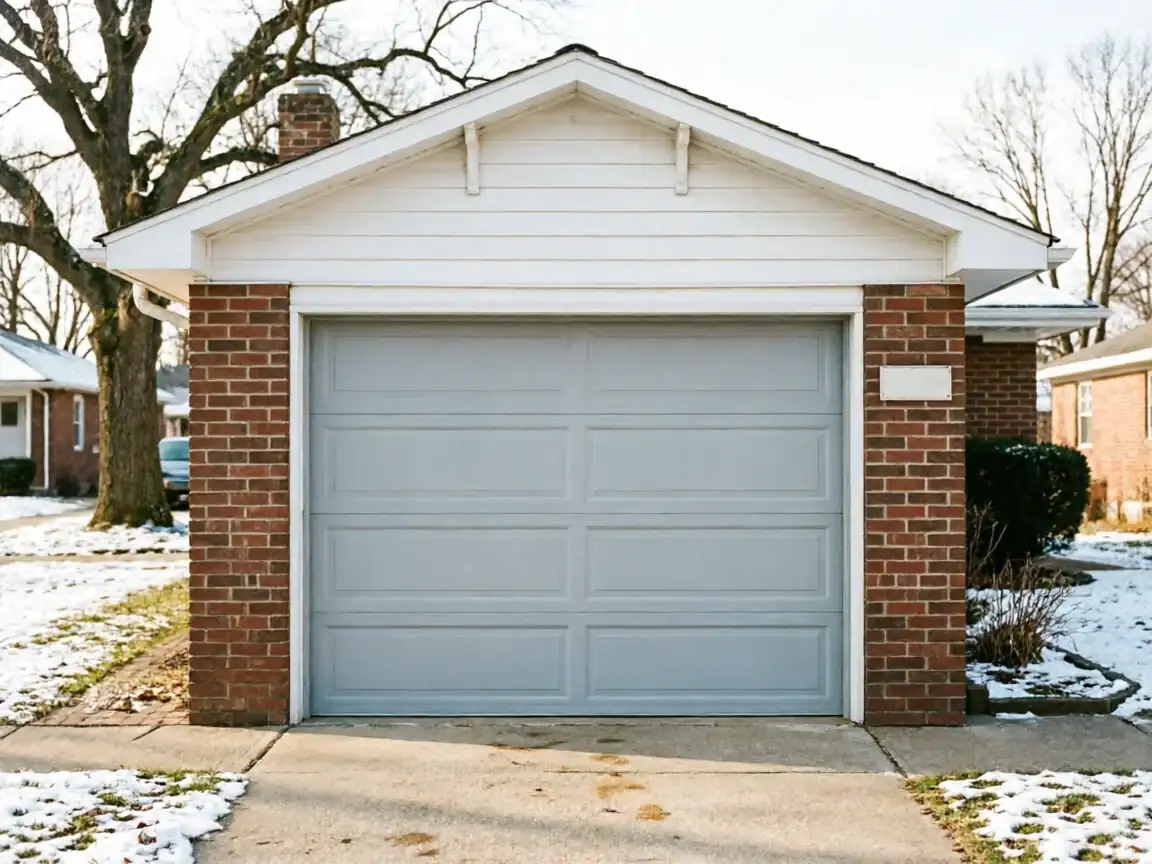
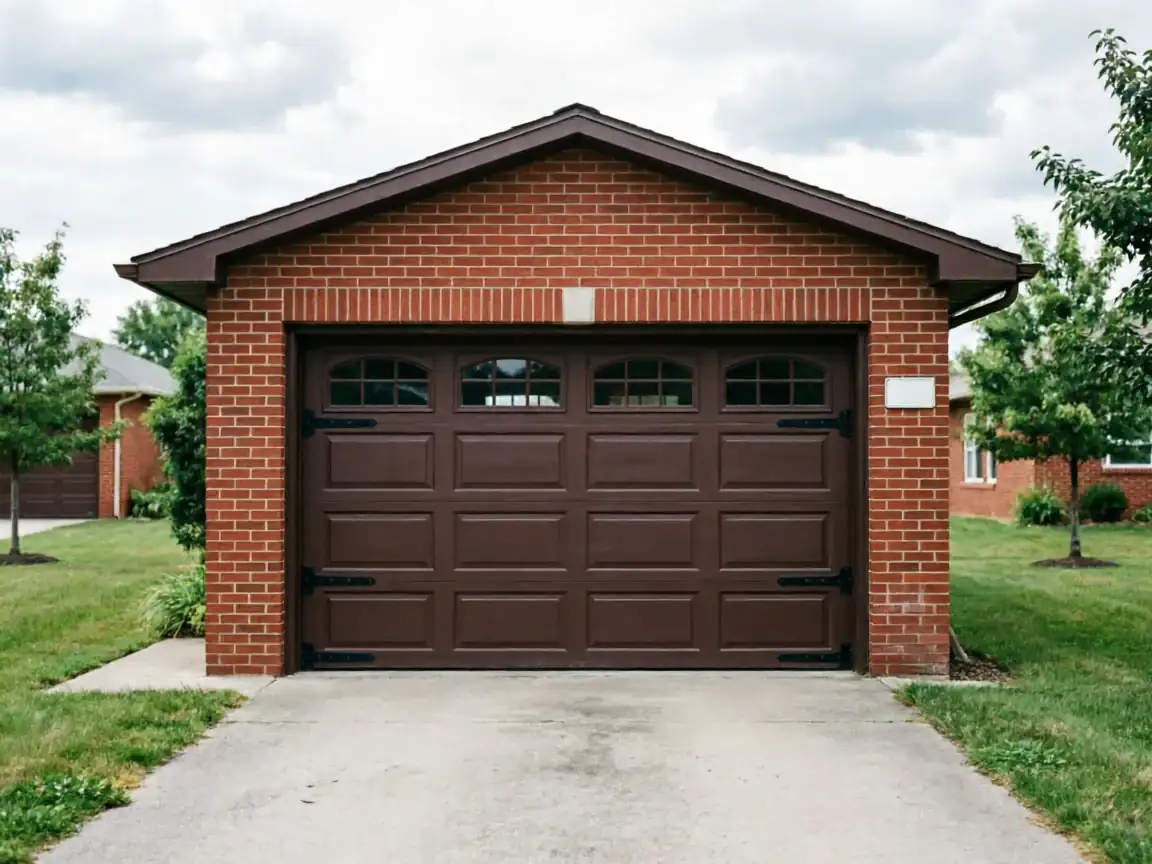
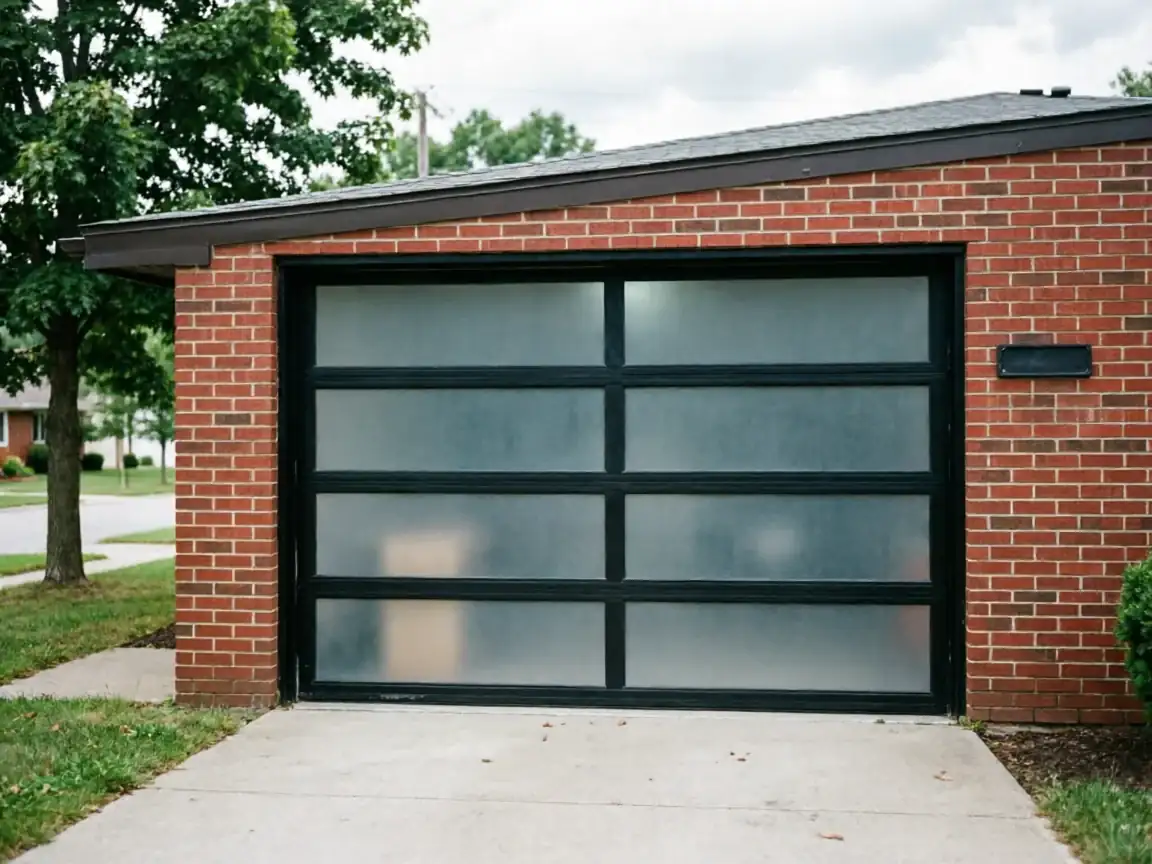
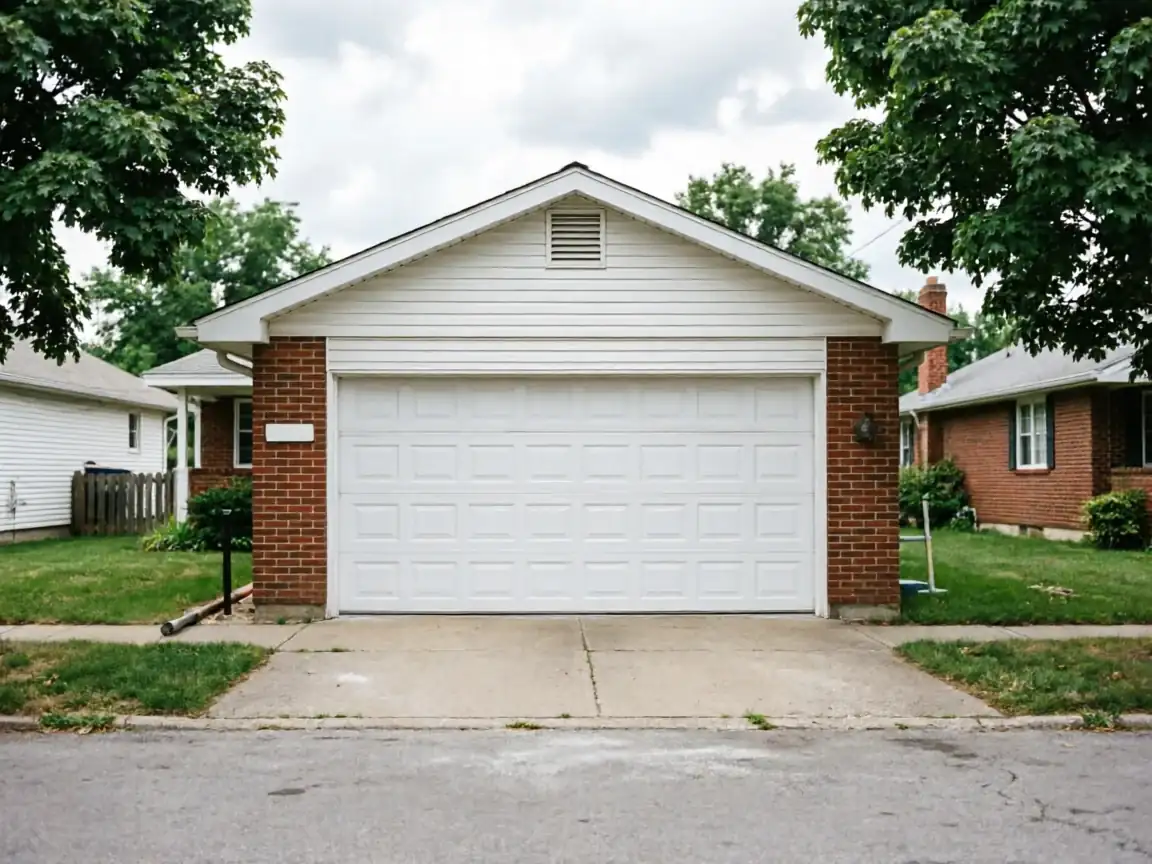
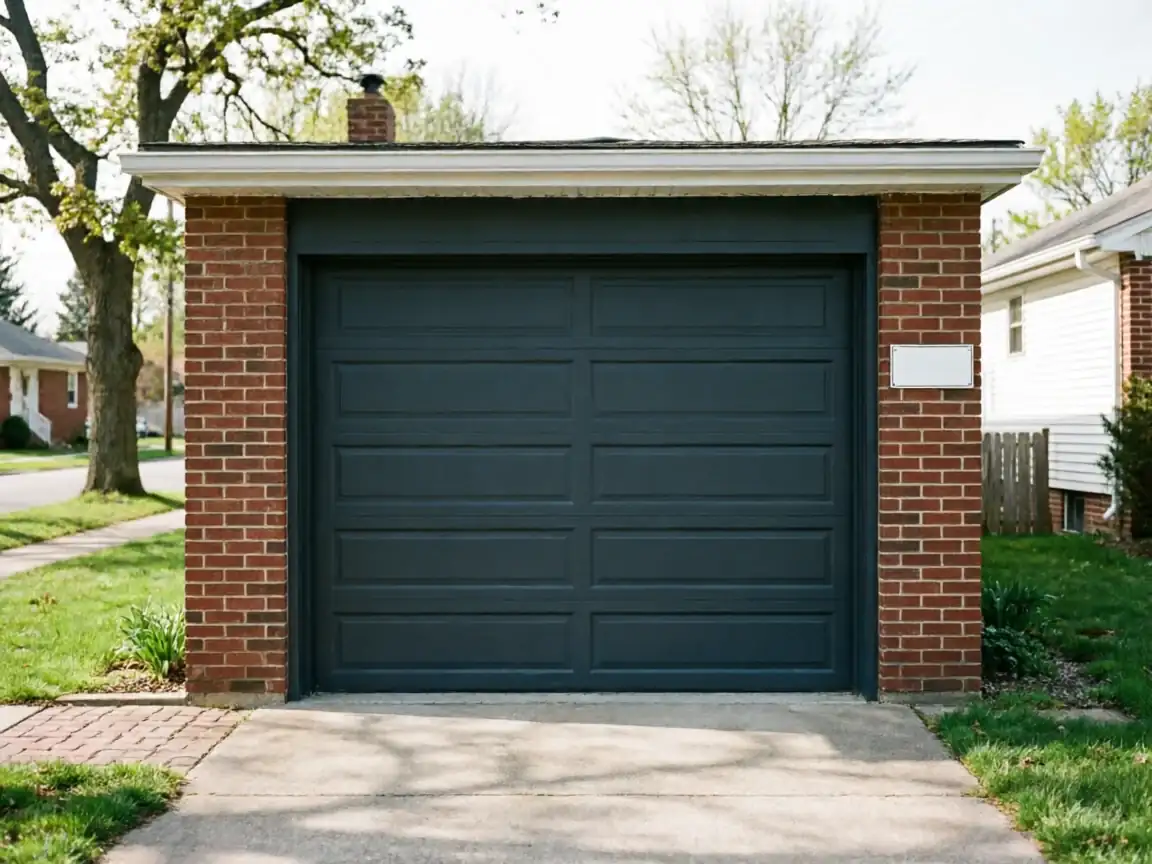
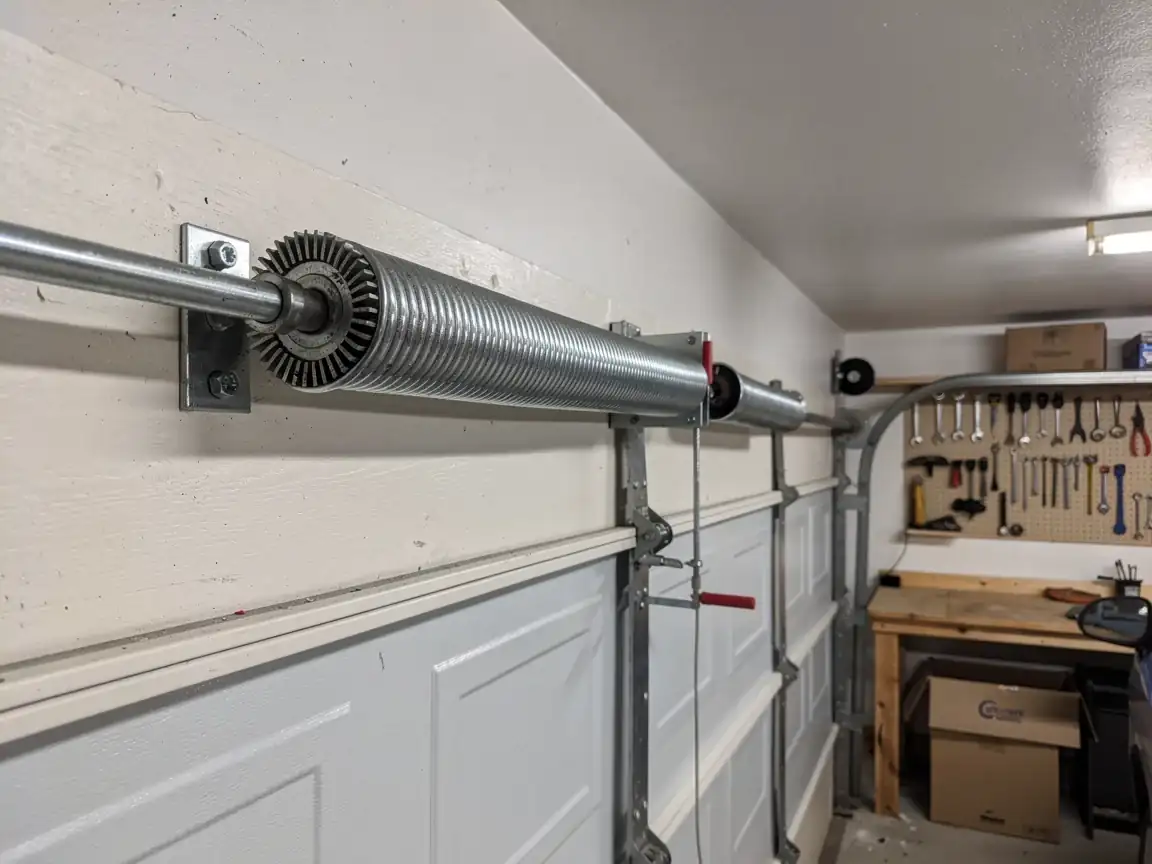
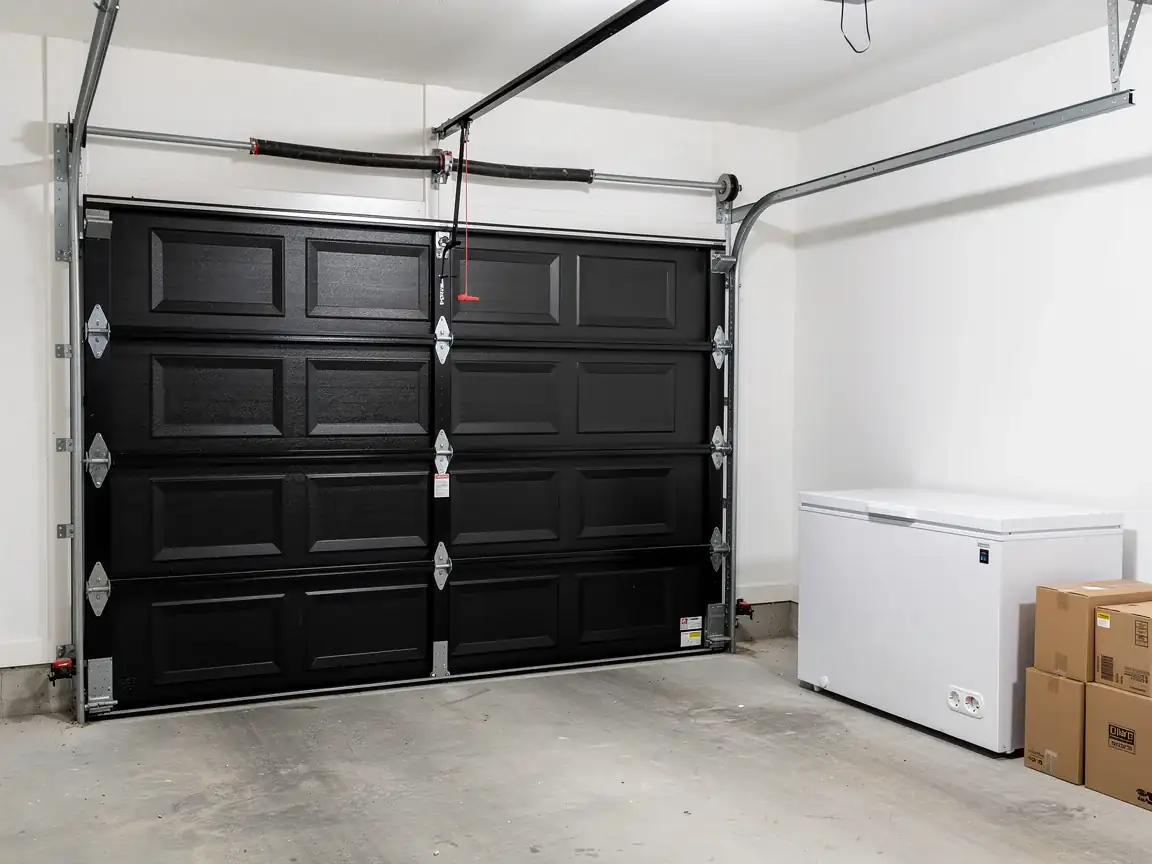
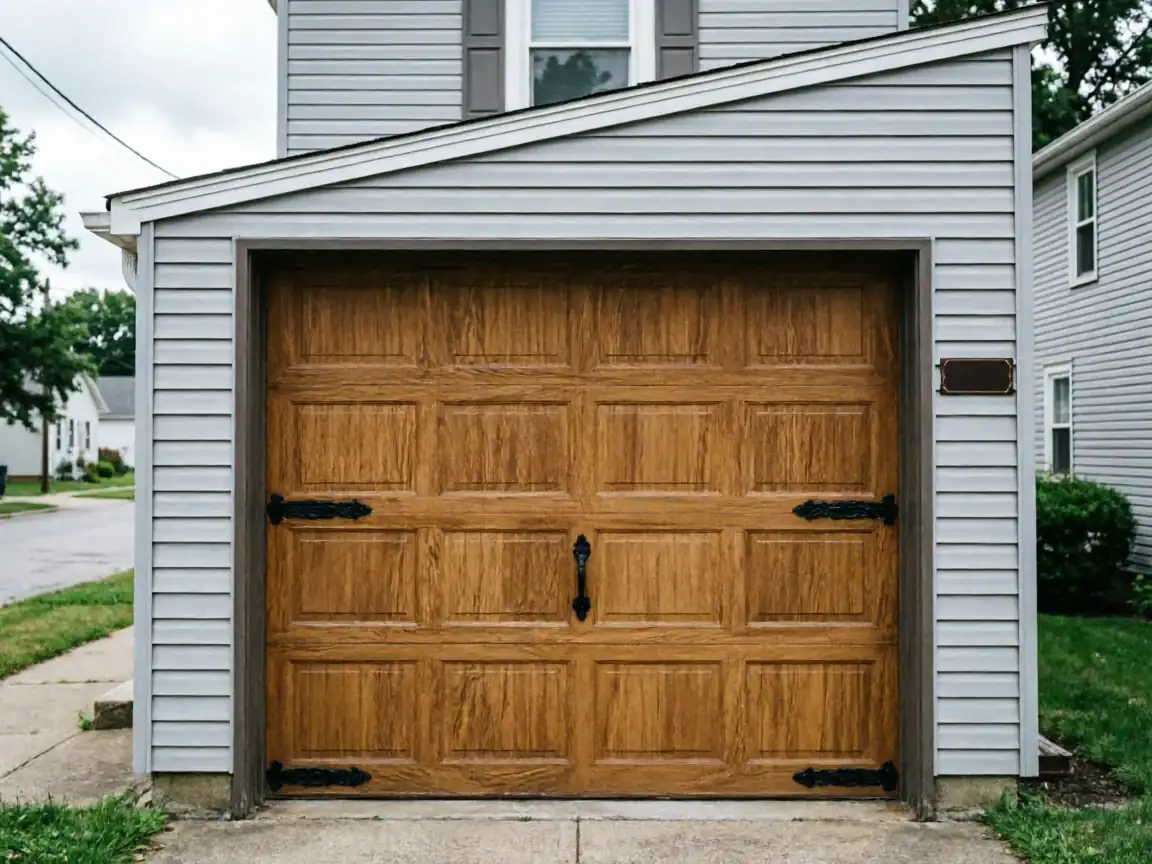
Sugar Grove's median home was built around 2002 - decades newer than the broader service area's median of 1981. That gap matters more than it sounds. A door put in during the early 2000s is almost always a steel sectional on a extension or torsion spring system manufactured to post-1990s standards, usually paired with a chain or belt-drive opener with a safety reversal sensor setup, not the older photo-eye retrofits you find on 1960s-70s garages. Panels tend to run wider, insulation is more common standard, and the track hardware is sized for taller openings than you'd see on older stock.
The failure points shift too. On newer construction we see more opener circuit board and sensor issues, more worn nylon rollers from original builder-grade parts reaching the end of their life around 20 years, and fewer of the one-piece door and odd-gauge spring problems that show up on older houses elsewhere in the area. Parts for 2000s-era doors are generally easier to source than parts for the 1980s stock that makes up more of the surrounding towns, which usually means a shorter wait once we've diagnosed the problem.
What Was Built Here
Sugar Grove has about 3,529 households
And the housing here skews newer than most of the towns this company covers - median year built around 2002, versus 1981 across the broader area that runs from 1958 to 2003. Household income here runs higher too, at a median of about $116,250 against $106,211 for the wider service area. That combination - newer construction, higher income - tends to show up as better-maintained original hardware and more owners who've already upgraded to a modern opener rather than running the builder's original unit for 25 years.
- 3,529 households
- 25 years
It also means fewer of the legacy problems we deal with elsewhere
Fewer uninsulated steel doors from the 1970s, fewer non-standard spring sizes that require special ordering. What we do find more of is opener electronics issues and warranty questions, since a lot of these doors and openers are still inside, or just past, their original manufacturer coverage windows.
Common Jobs Here
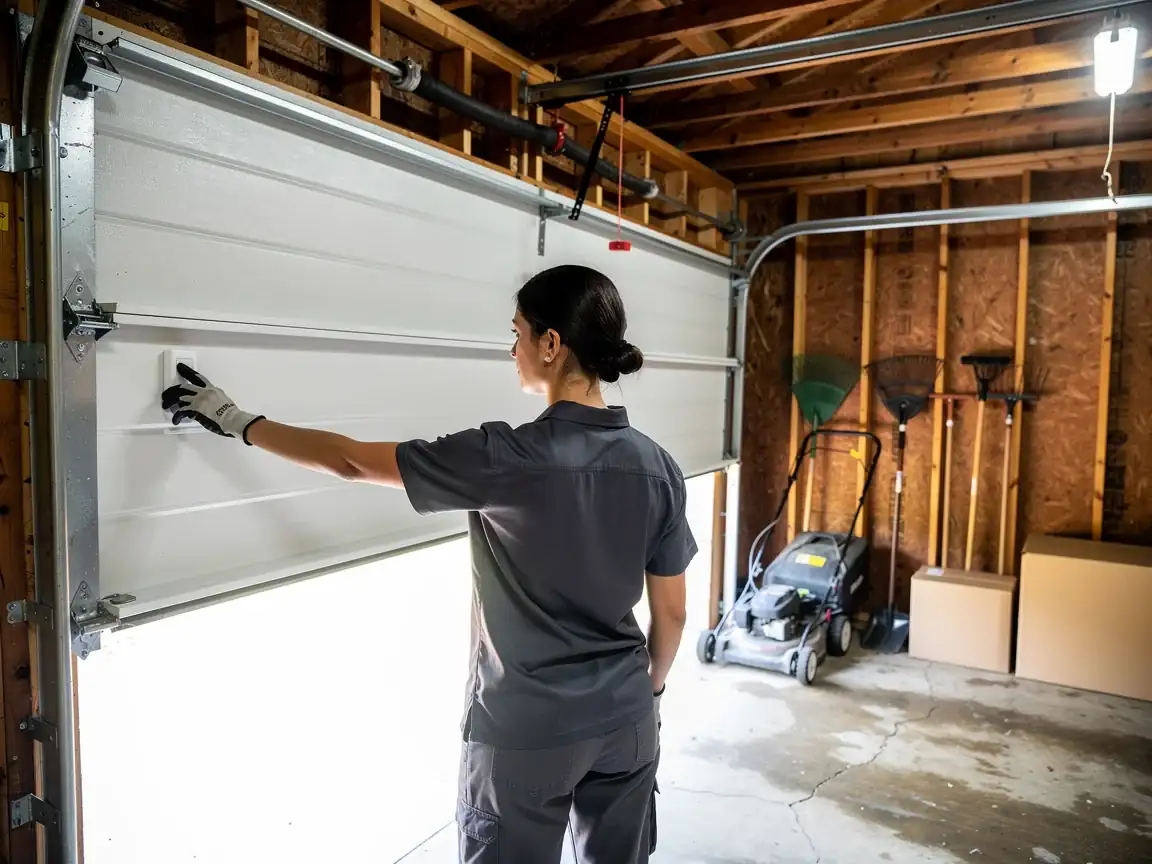
The calls we get out of Sugar Grove lean toward opener trouble - a unit that won't respond to the remote, a safety sensor knocked out of alignment, or a logic board that's finally given out after roughly two decades of daily use. We also see broken springs, but less often than in older housing stock, since most of these torsion systems haven't hit their cycle limit yet.
Roller and cable wear shows up around the 15-to-20-year mark on builder-grade hardware, which lines up with a lot of what's out there now. We also get the occasional call about a door that's cosmetically fine but out of square on the track - usually from a car bump rather than age. One honest limitation: if your opener's circuit board is a discontinued model from an older manufacturer that's stopped making parts, we may need to replace the whole unit rather than repair it, and that's not always a same-visit job.