What Can Go Wrong
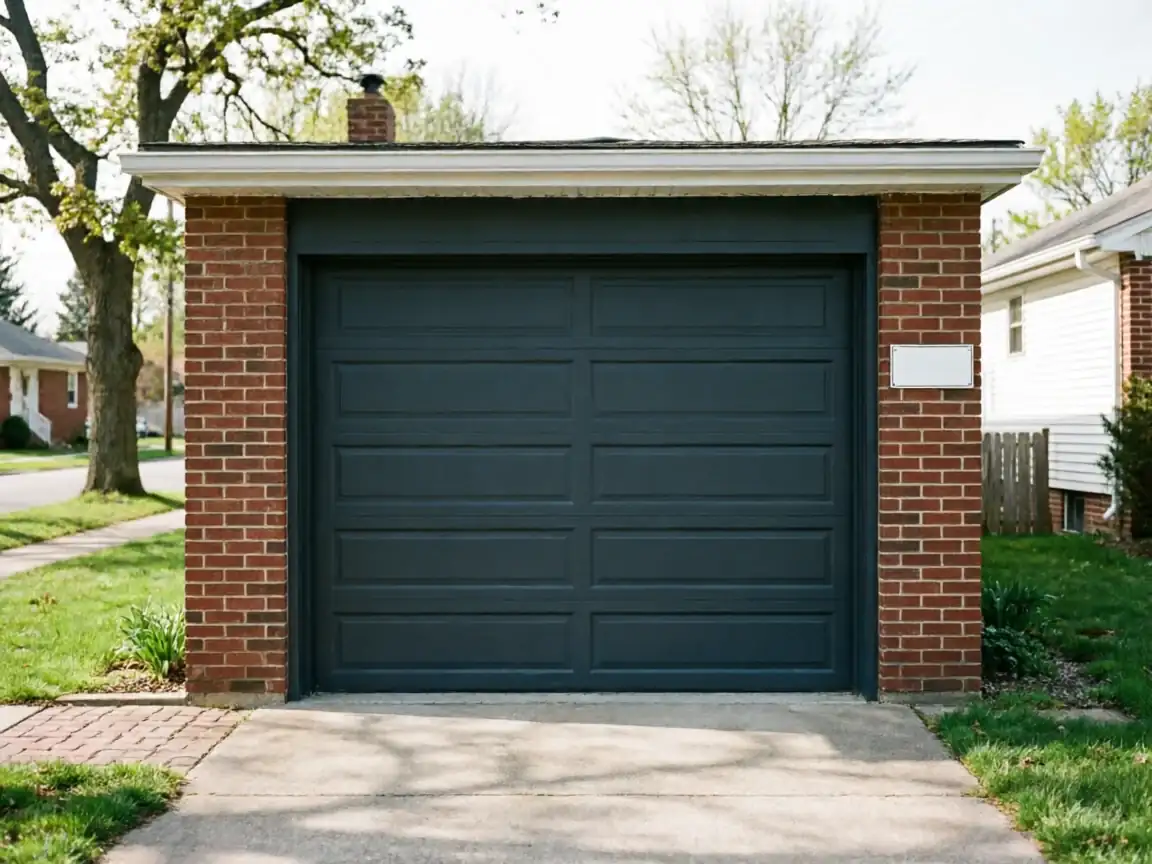
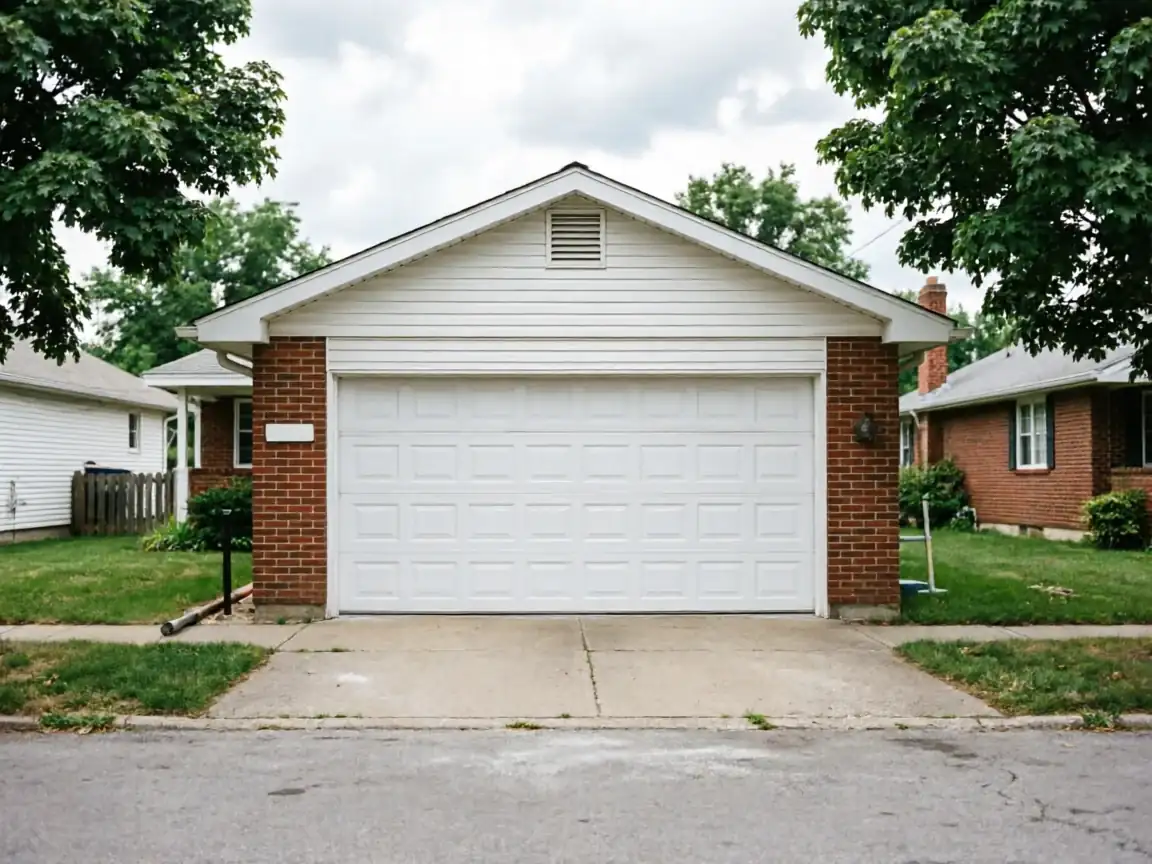
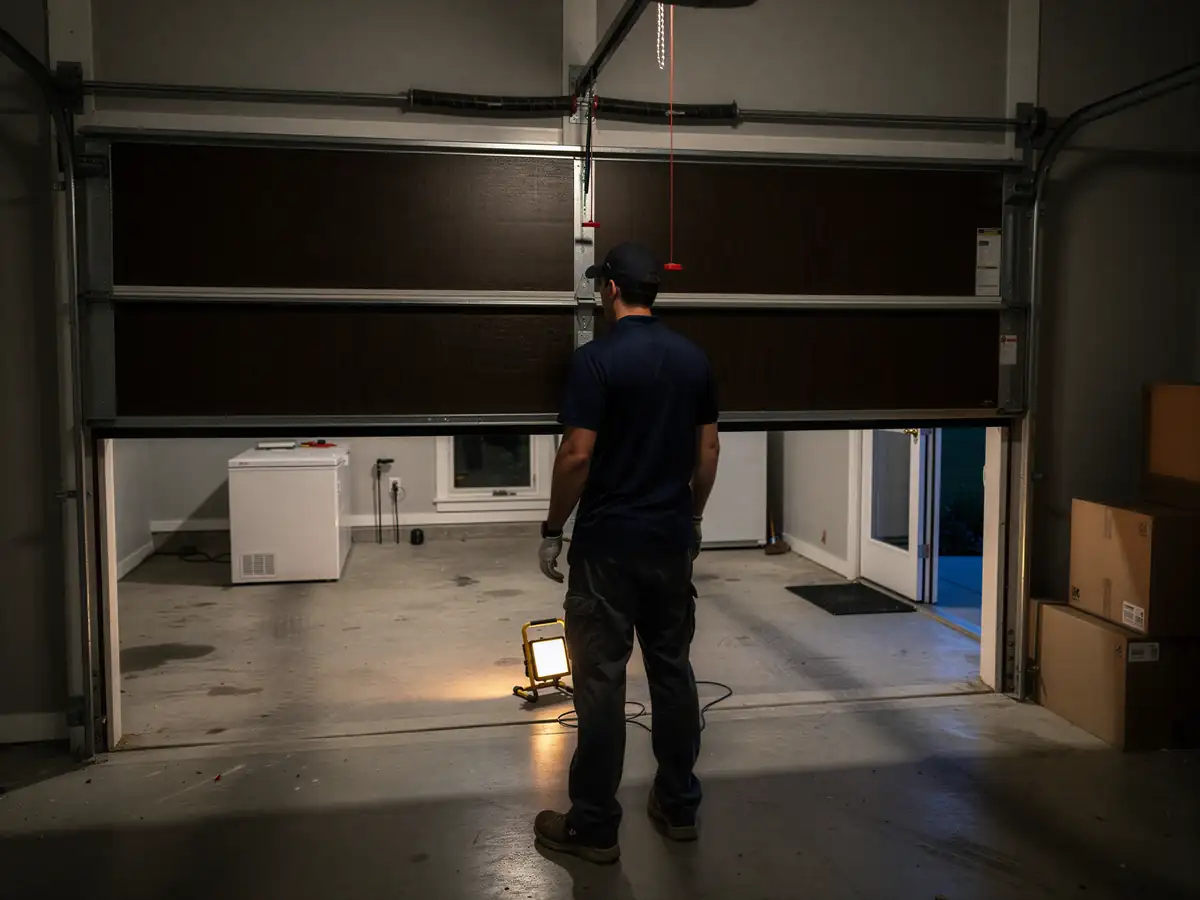
Sugar Grove has about 3,529 households, which makes it one of the smaller markets we cover out of Aurora, and the housing here is younger than a lot of what we see closer to the city. Most of it went up around 2002, well past the median build year of 1981 for the wider service area. That matters for springs: a door built in 2002 almost always came with a factory torsion system sized to a specific door weight, not the mismatched or upgraded hardware you find on a house from the 60s or 70s. The failure we see most in this stock is straightforward fatigue - the spring simply reaches the end of its cycle count after a couple decades of daily use, snaps clean, and the door won't lift or won't stay up. We also see a second pattern tied to income and home size: Sugar Grove's median household income runs $116,250, higher than the broader area's $106,211, and the doors tend to be larger, heavier two-car units. Heavier doors load the spring harder over time, so when one goes, it tends to go with a bang rather than a slow sag. Cable fraying at the drum is the other failure that rides along with a spring break on these doors, because the sudden drop can kink the cable before the door hits the floor.
Doing It Yourself
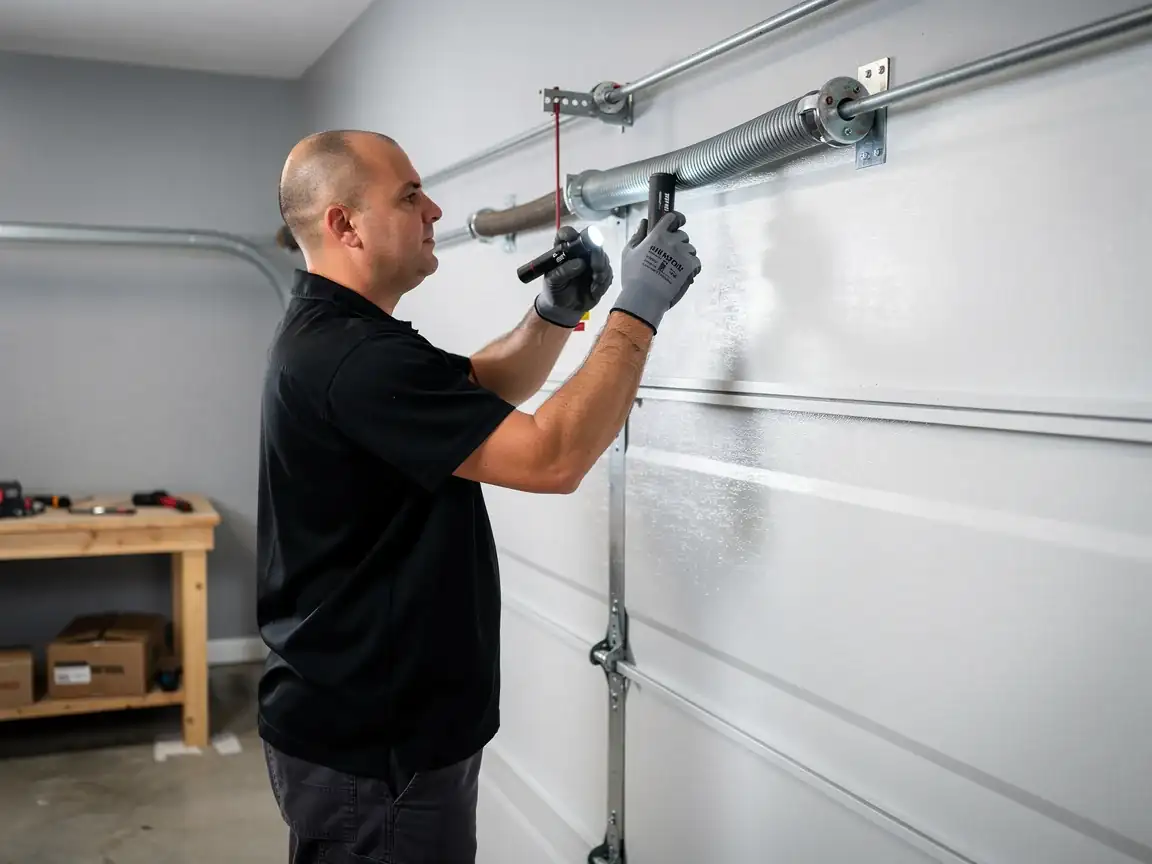
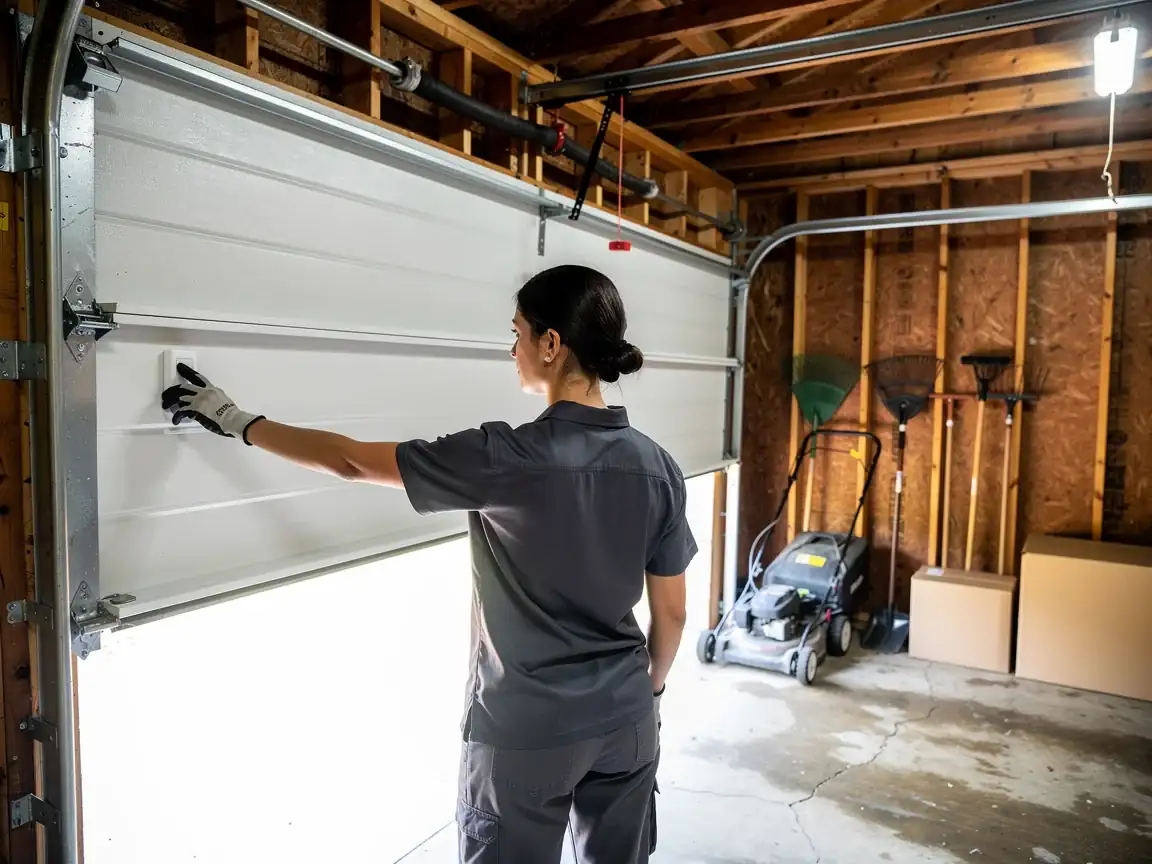
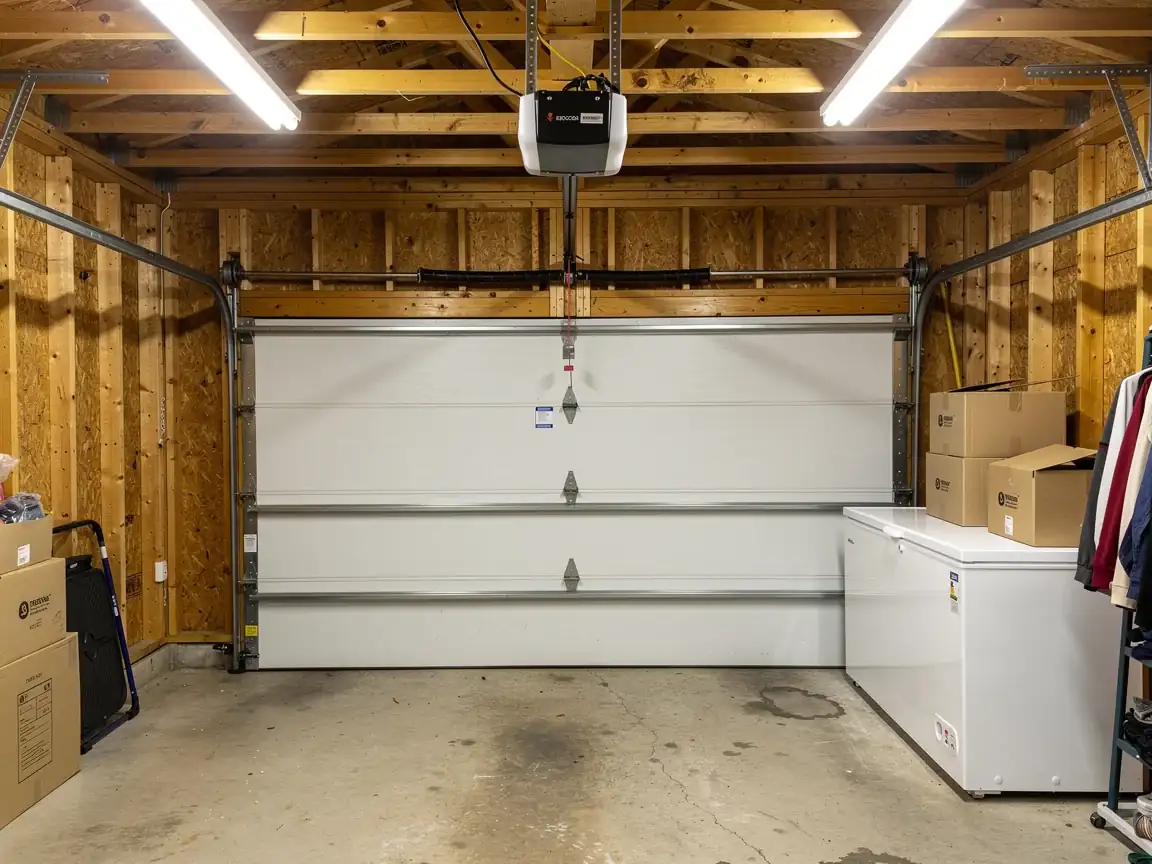
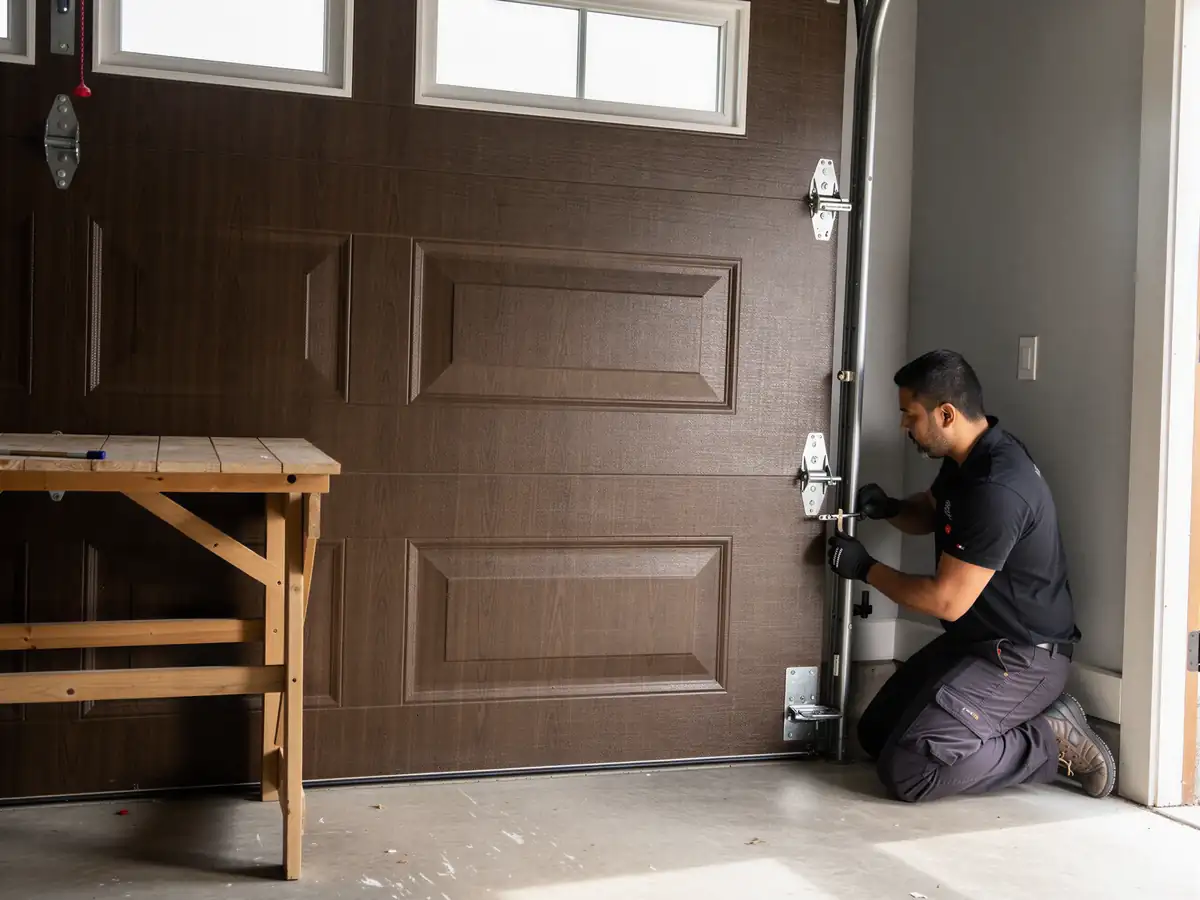
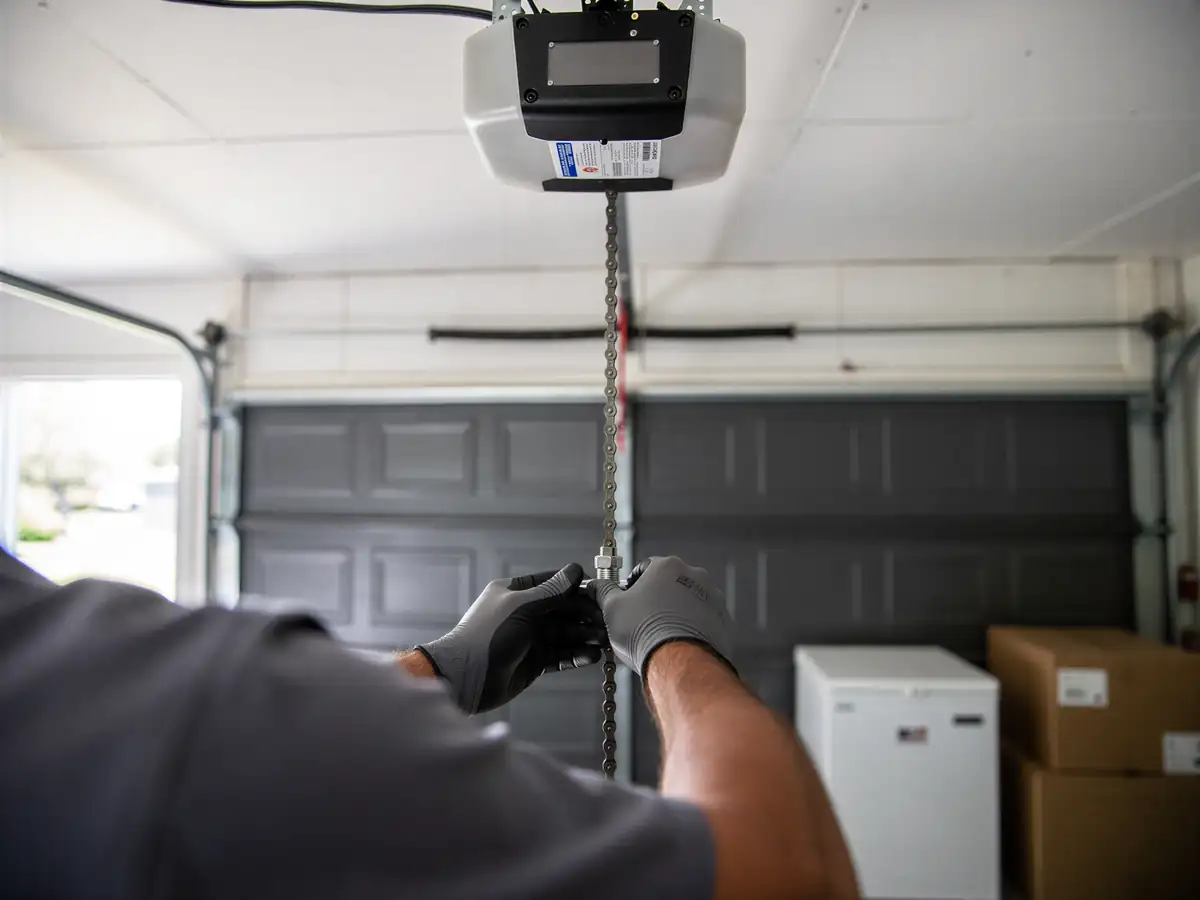
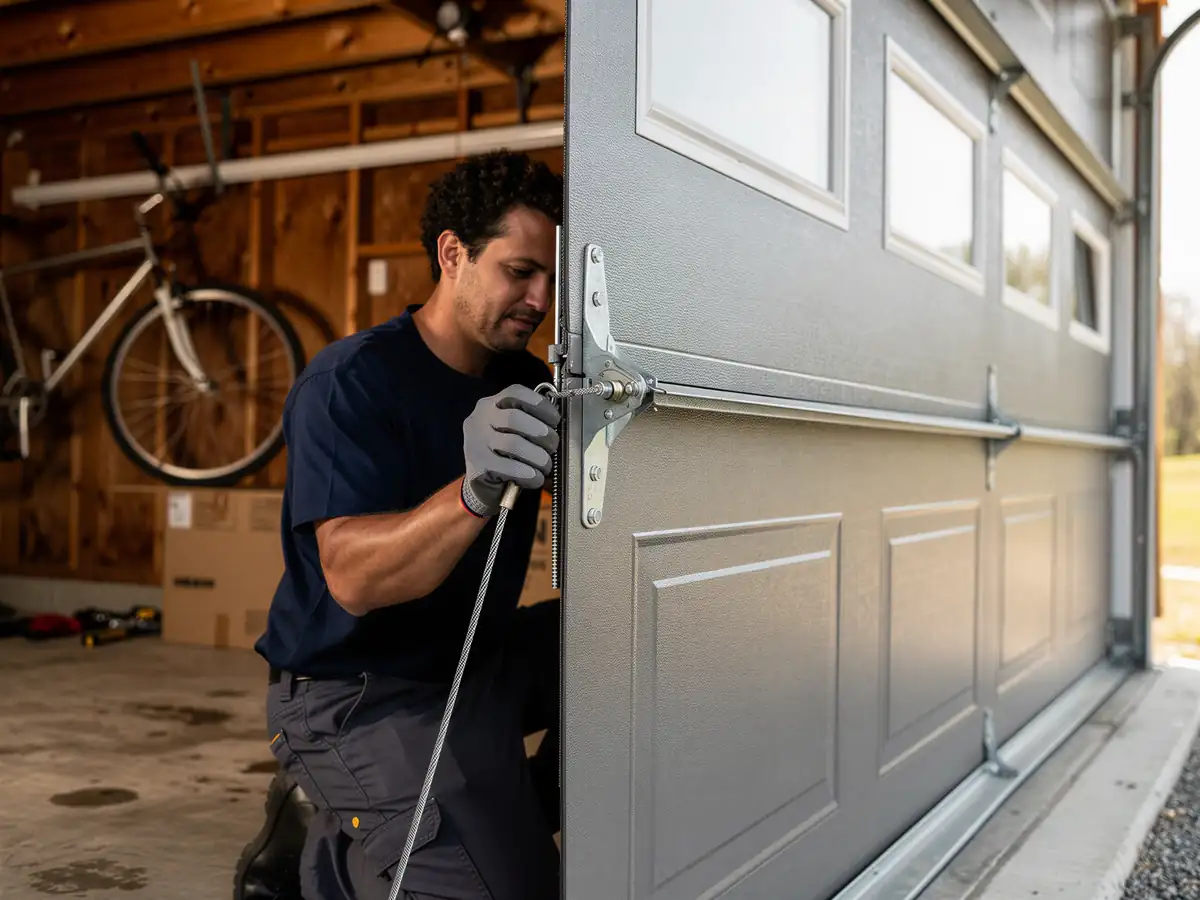
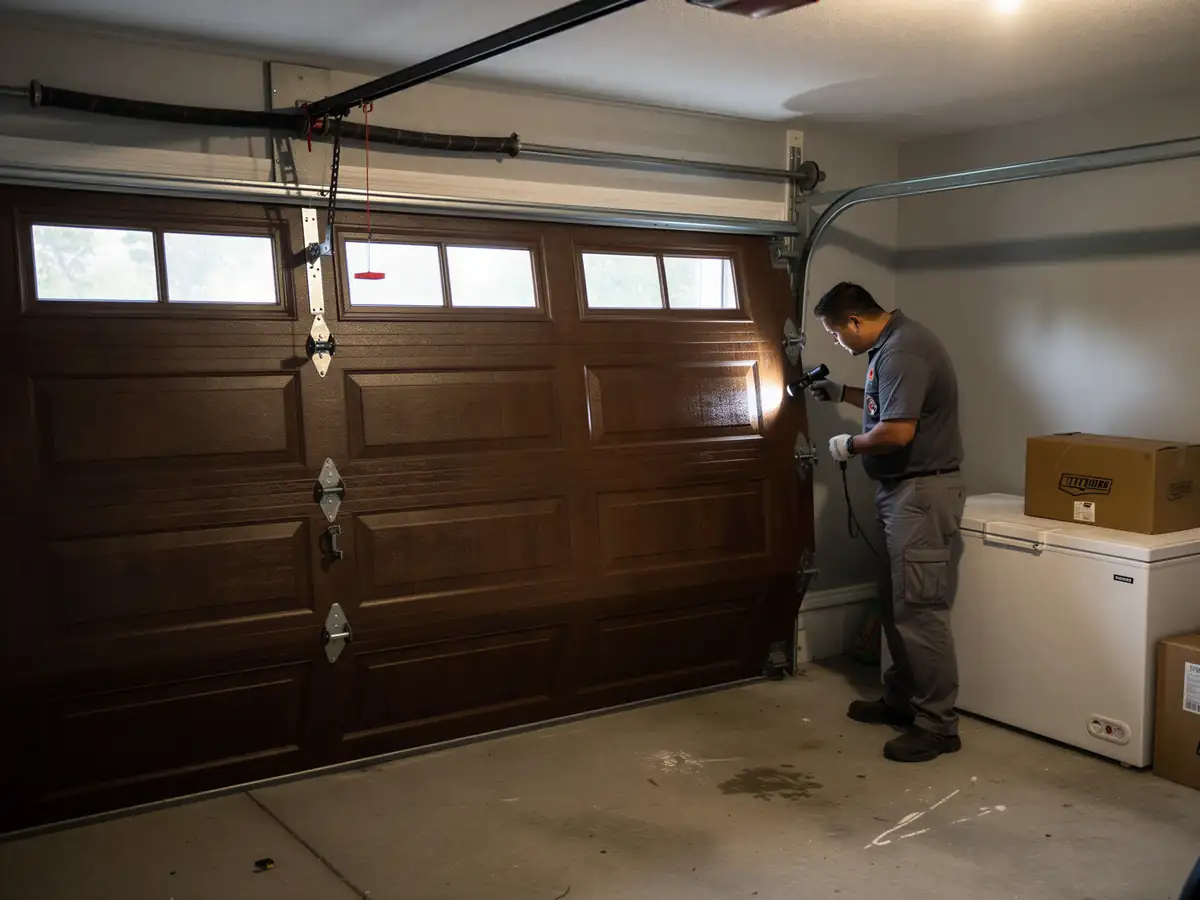
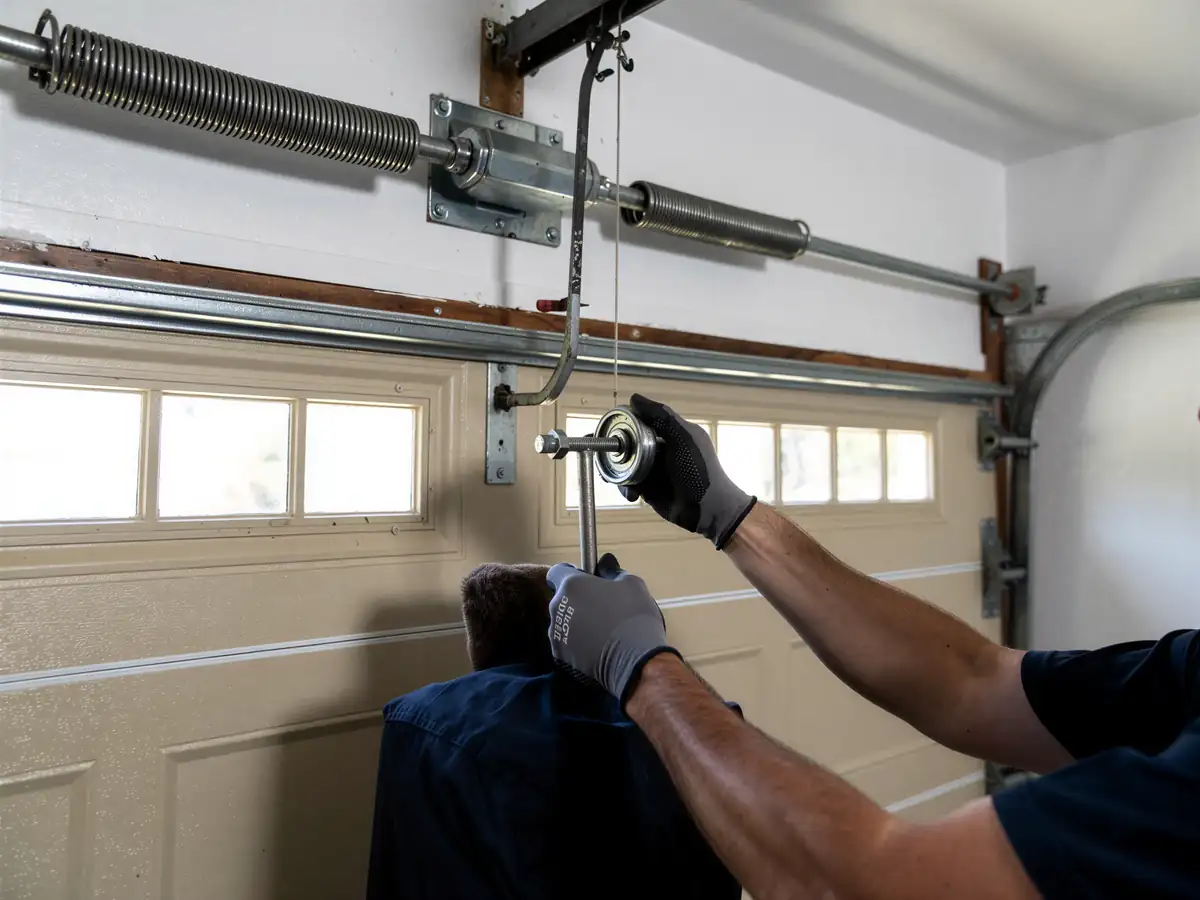
A torsion spring holds enough stored tension to break a bone or worse if the winding bars slip, and that risk doesn't change because your door is newer. Newer doors built around 2002 are not necessarily easier to work on - some came with dual torsion springs rather than a single center spring, and getting the tension split evenly between two springs without the right bars is harder than it looks on a video. If you're comfortable with a screwdriver and a drill, you can safely check whether a spring has broken: look for a visible gap in the coil above the door, and try lifting the door by hand with the opener disconnected. If it feels like dead weight instead of lifting with some resistance, the spring is done. That part is safe to confirm yourself. Winding or unwinding the spring is not something we'll walk you through here, and we won't sell you a spring to install solo - the liability and the injury risk both sit with whoever has their hands on the bars.
Stocked Parts
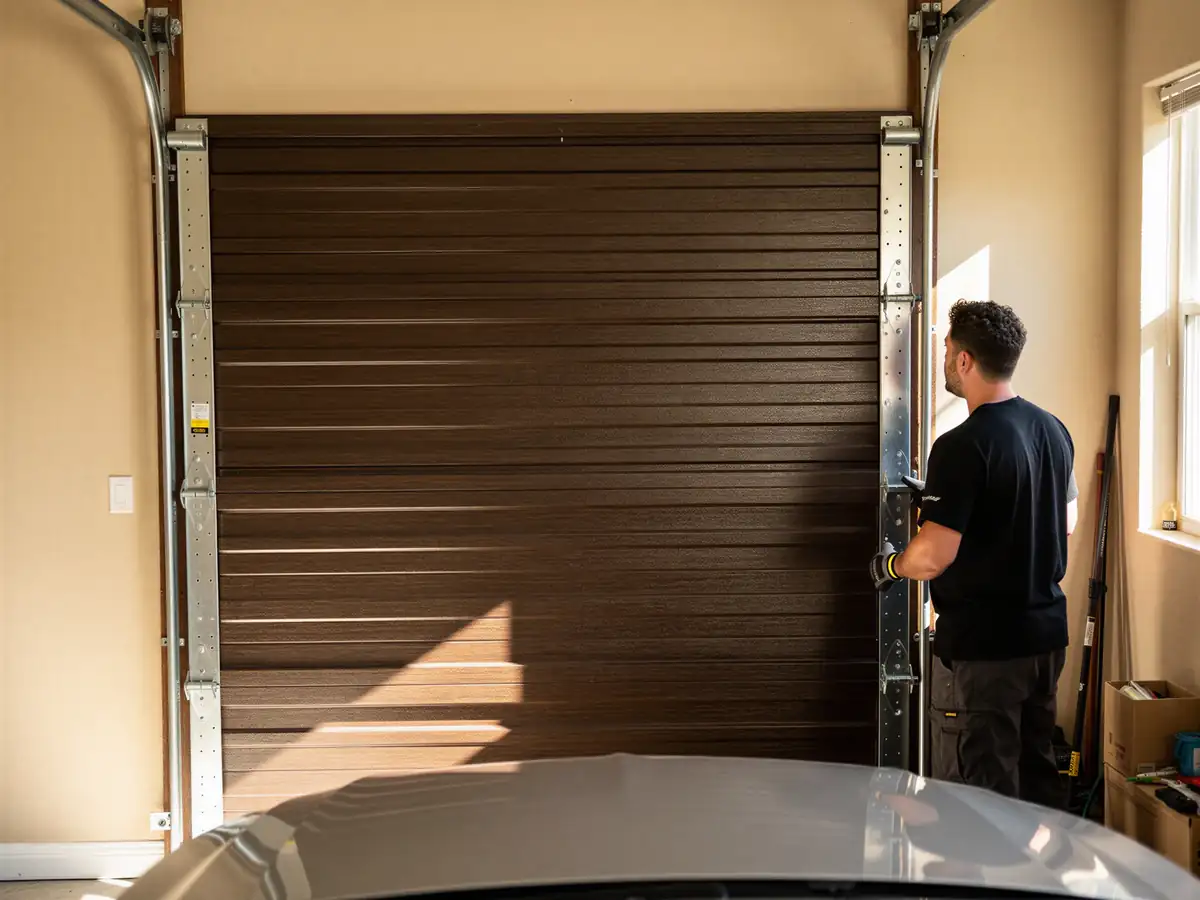
We carry torsion springs sized for the standard door weights that match the housing built across this area from the late 1950s through the early 2000s, which covers the double torsion setups common on Sugar Grove's newer two-car doors. We travel to Sugar Grove from Aurora, about 8 miles away, with spring sizing worked out ahead of the call rather than guessed on site - we ask the door's lift type and approximate size when you call so the truck rolls with the right spring, not a close guess. One honest limit: on a handful of custom or oversized doors we haven't matched to stock sizes, we may need to order the exact spring, which can add a day. For the common dual-torsion setups in this town, that's rarely the case.