How Local Conditions Play In
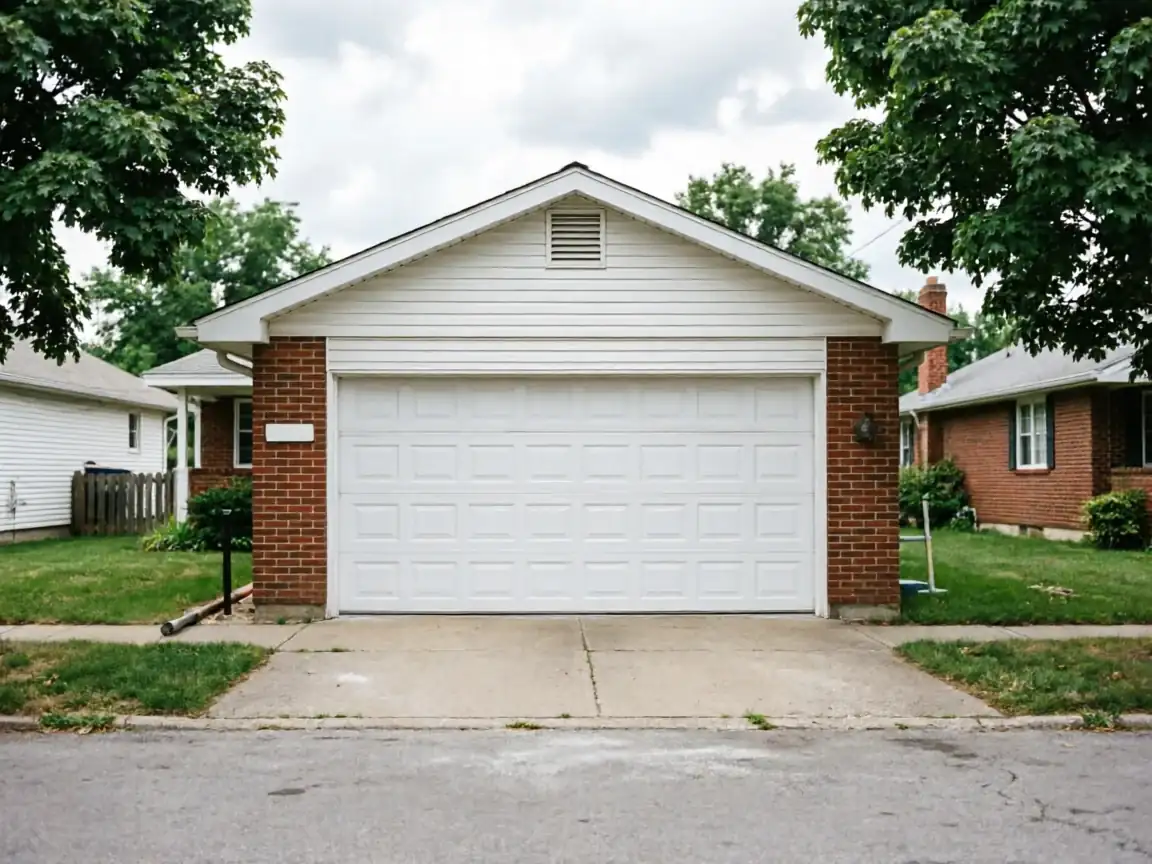
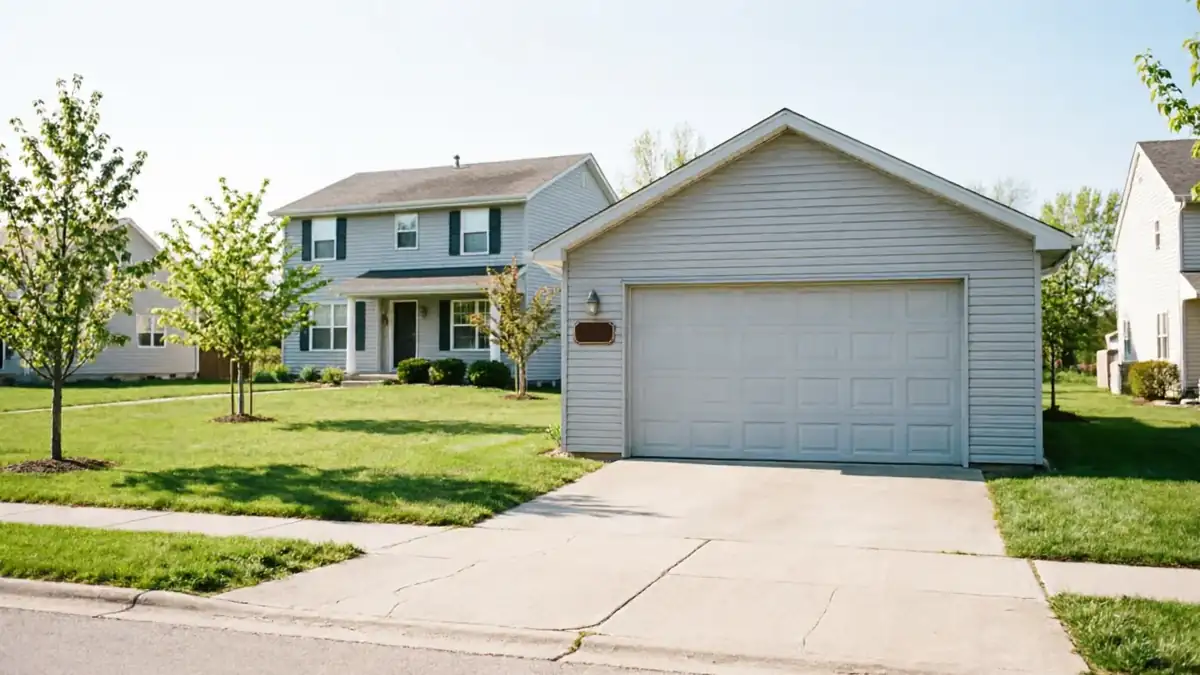
Most of Aurora's housing went up between 1958 and 2003, with the median build year sitting around 1981, and the stock leans heavily 1980s-90s across the named areas we work in. That matters here because a detached garage built in that window usually got a lighter header and a shorter track run than what you'd frame today, which limits how heavy a replacement door it can carry without extra blocking. An attached garage from the same era shares a wall with conditioned space, so the door is doing more work holding back cold air than a detached structure ever has to.
Aurora sits in a cold, moderate climate band, not the deep-freeze zone some parts of the upper Midwest deal with, but cold enough that winter swings stress weatherstripping, bottom seals, and the steel panel itself on both door types. On an attached garage, a door that's lost its seal lets that cold straight into a shared wall, which shows up as a cold bedroom or a frozen pipe near the header. On a detached garage, the same worn seal just means a cold garage - annoying, but not a house problem.
So the two door types age differently here even on the same street, built in the same decade, by the same builder.
When to Get Help
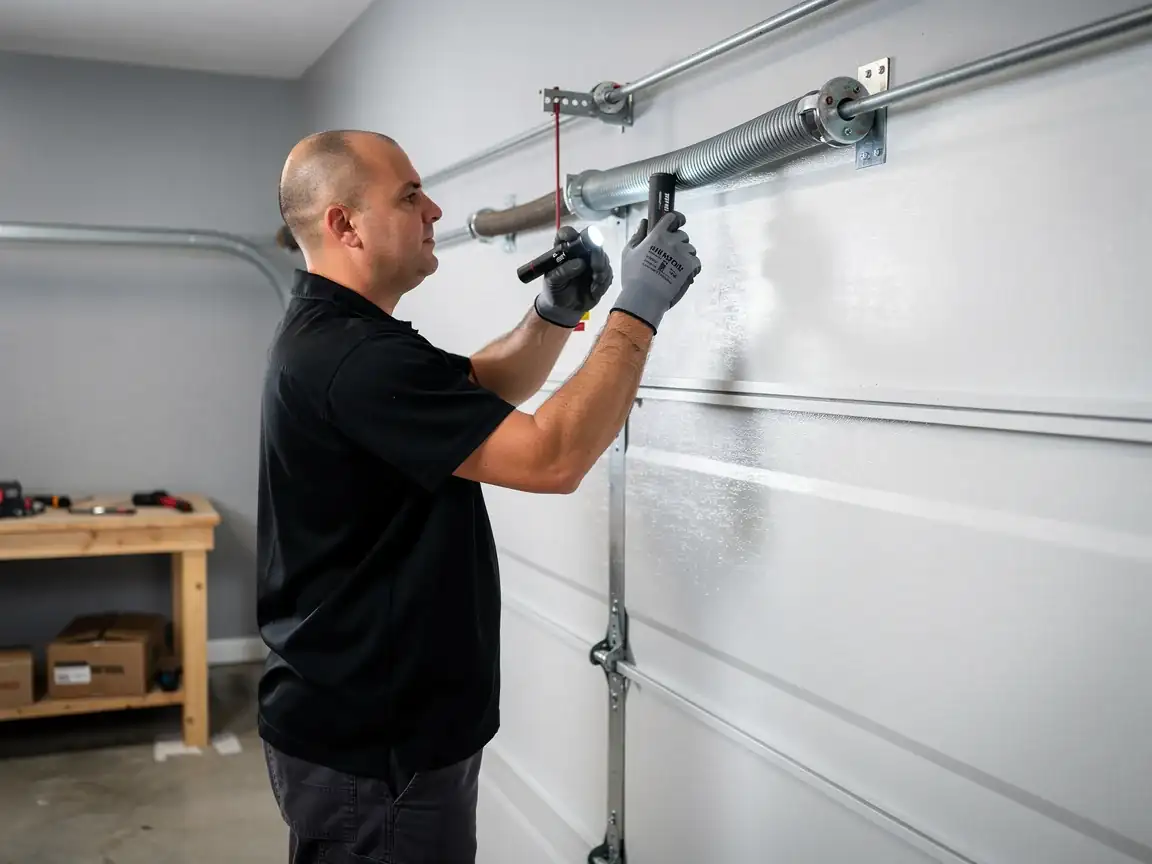
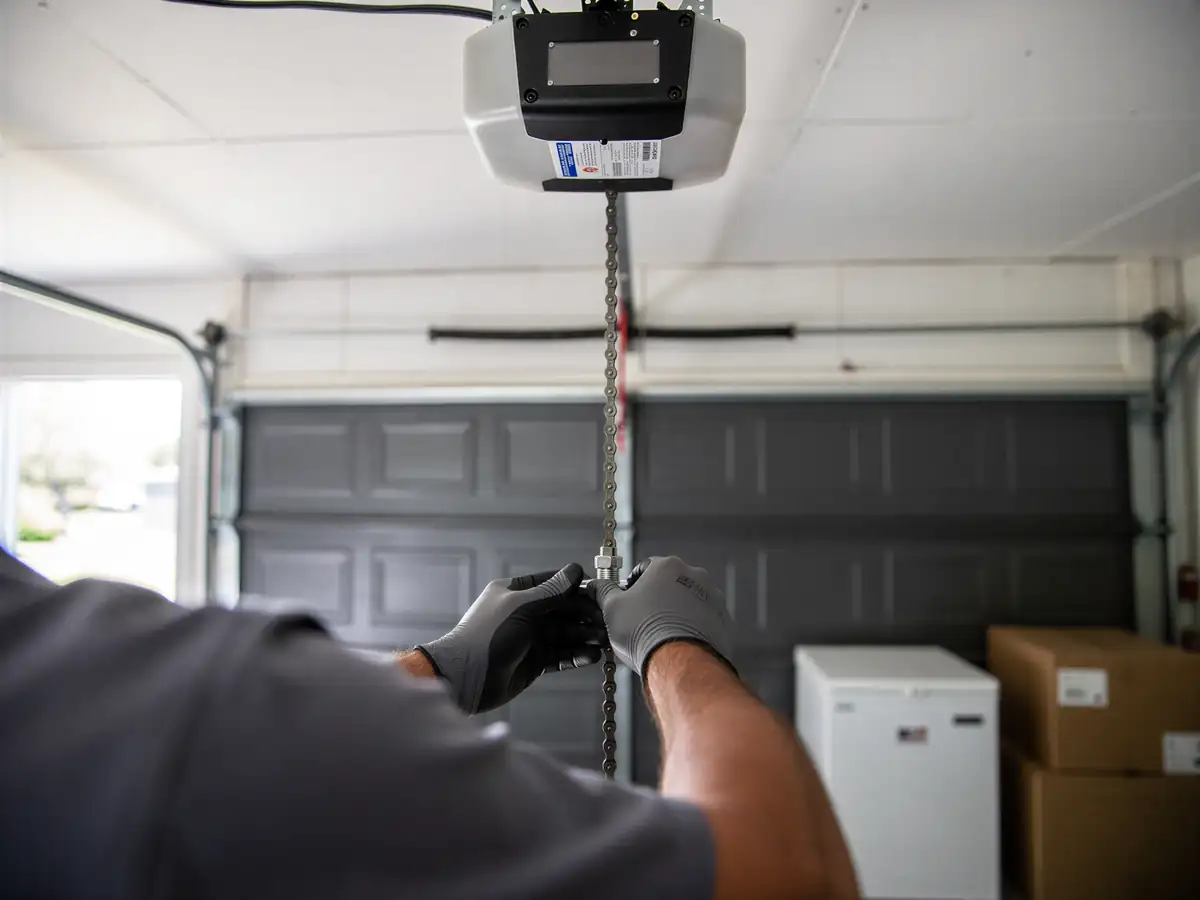
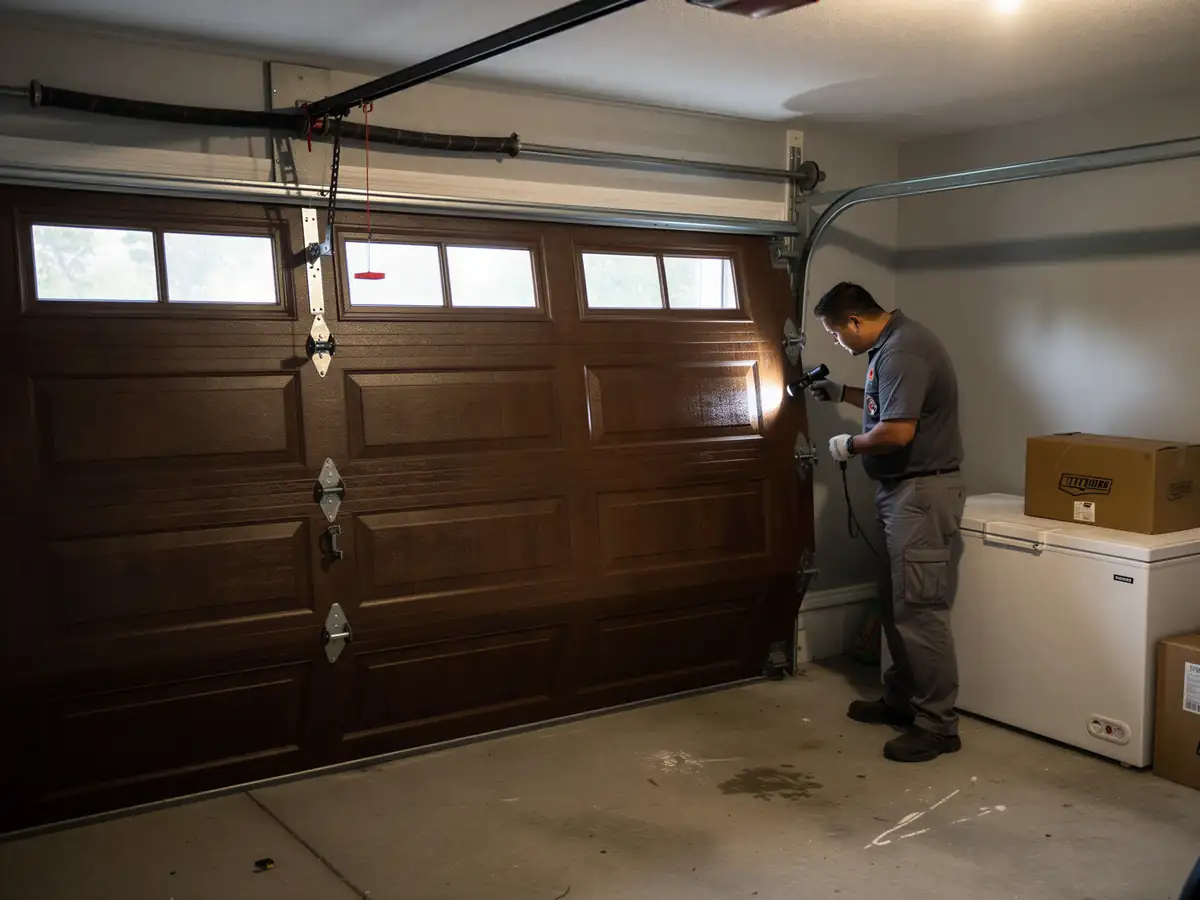
If you've got a detached garage from the 1958-2003 wave and the door's started sagging in the middle or binding on one side of the track, that's usually the original lightweight header settling, not the opener. Call before you force it - a door fighting its own frame wears the opener motor and cables faster than normal use ever would.
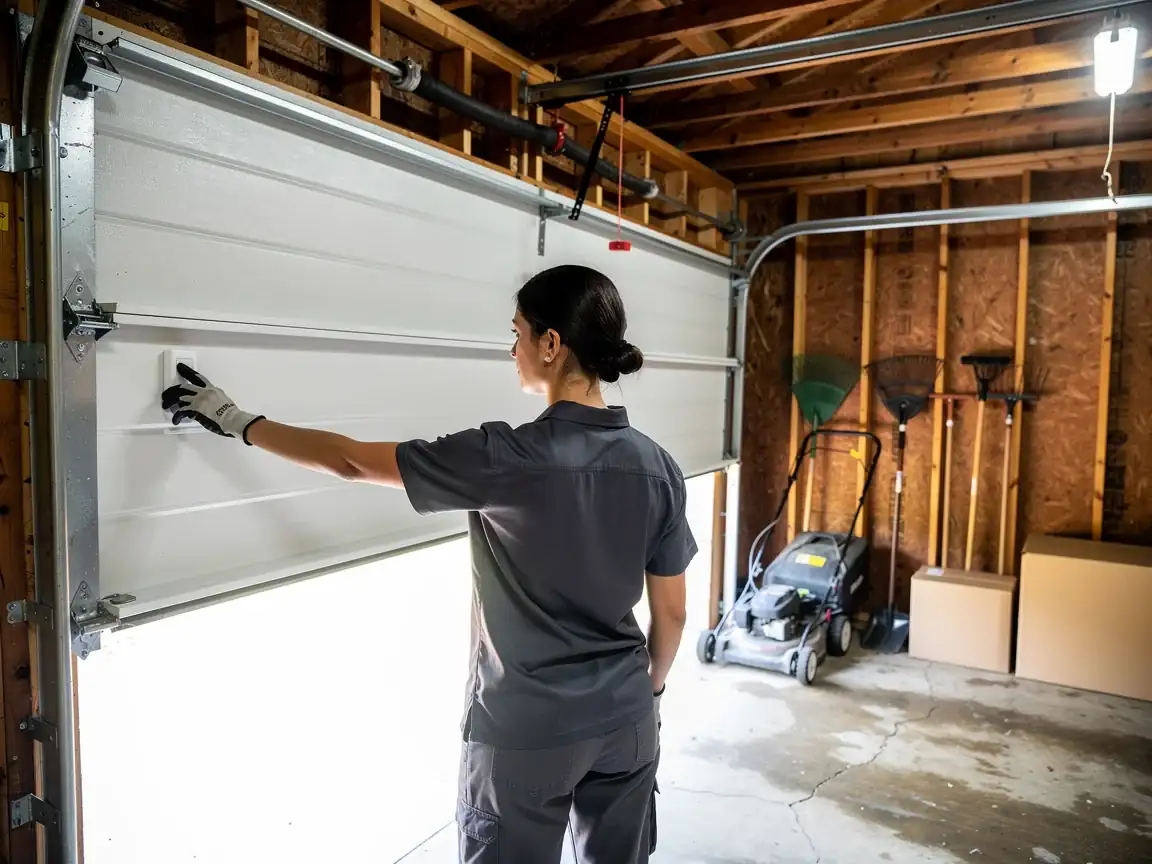
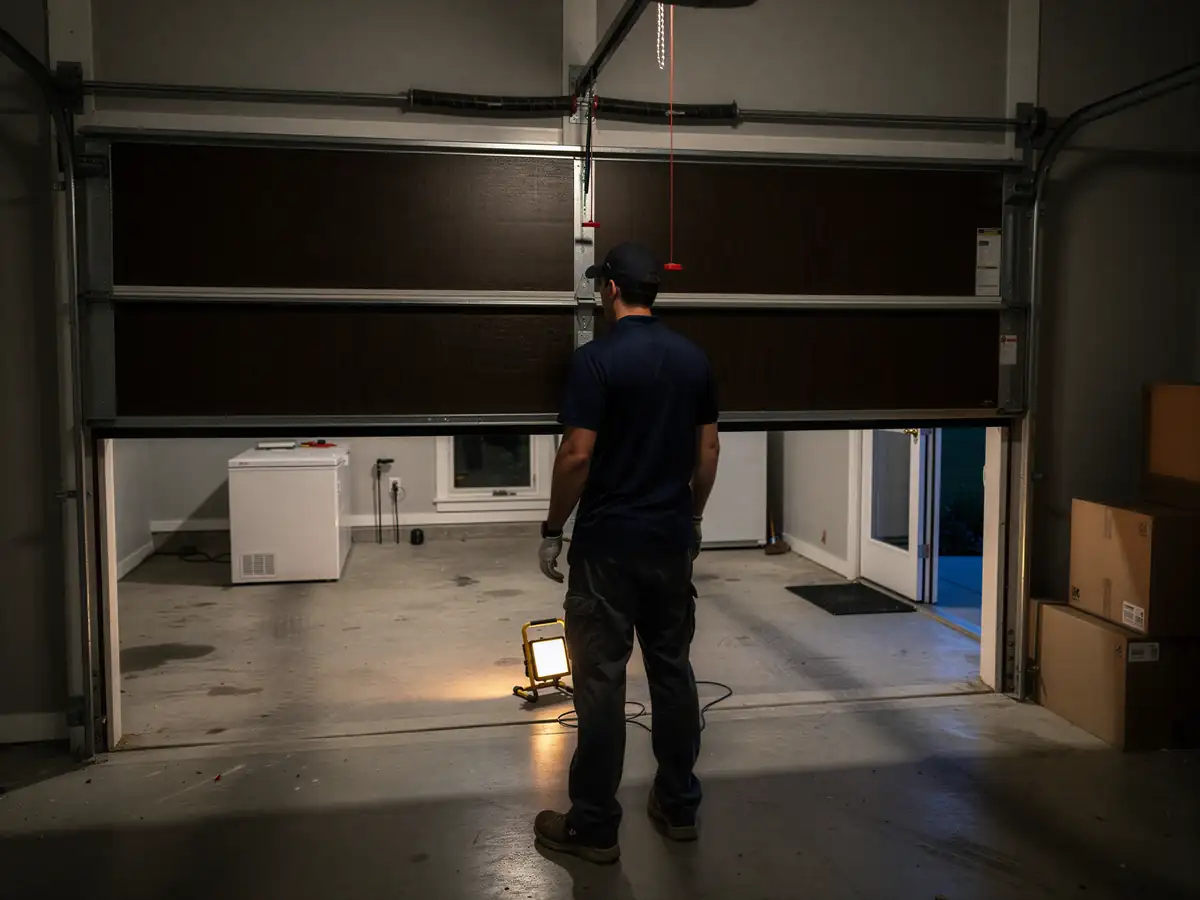
On an attached garage, get help sooner if you notice drafts along the bottom seal in winter, or if the wall shared with the house feels noticeably colder near the garage. In our climate band that's not cosmetic; it's heat loss you're paying for every month, and it usually means the door needs a seal replacement or, if the panel's warped, a full swap.
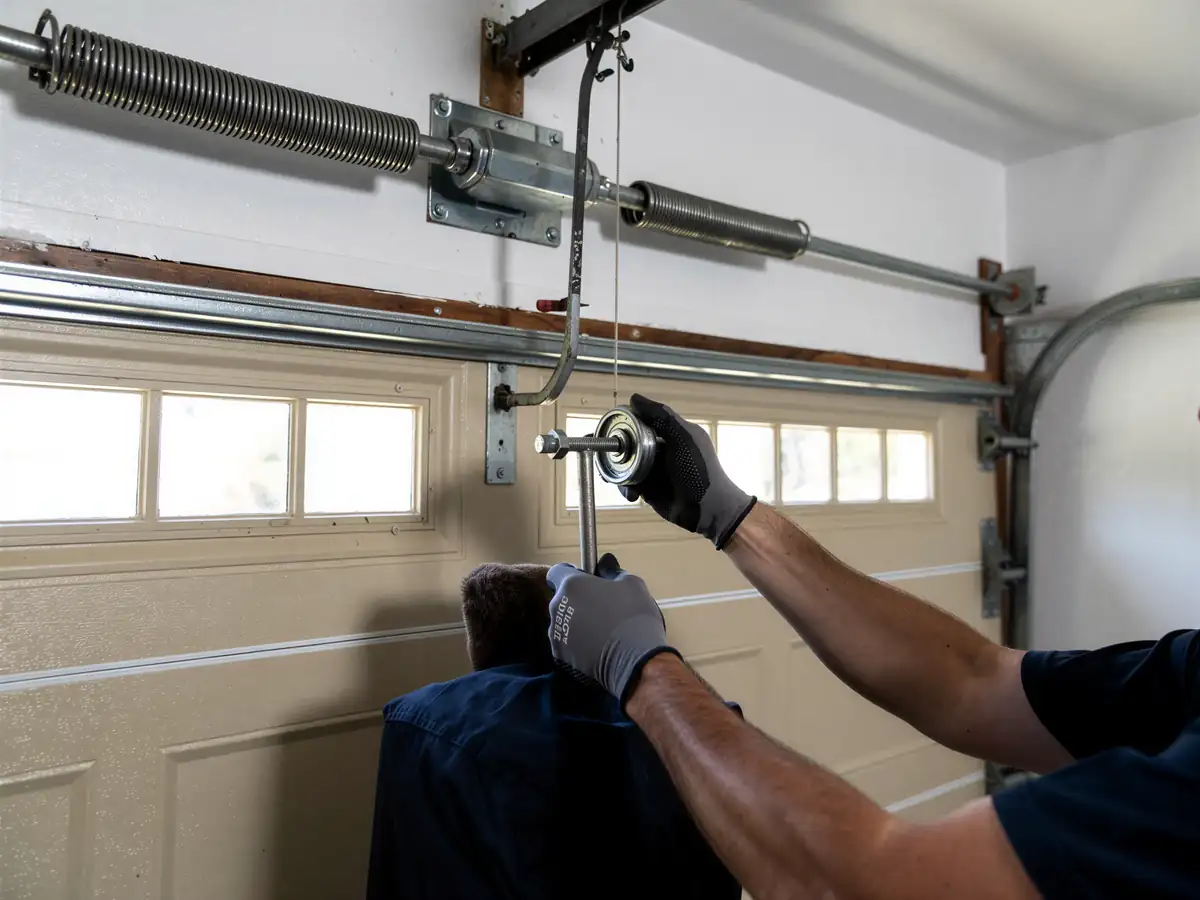
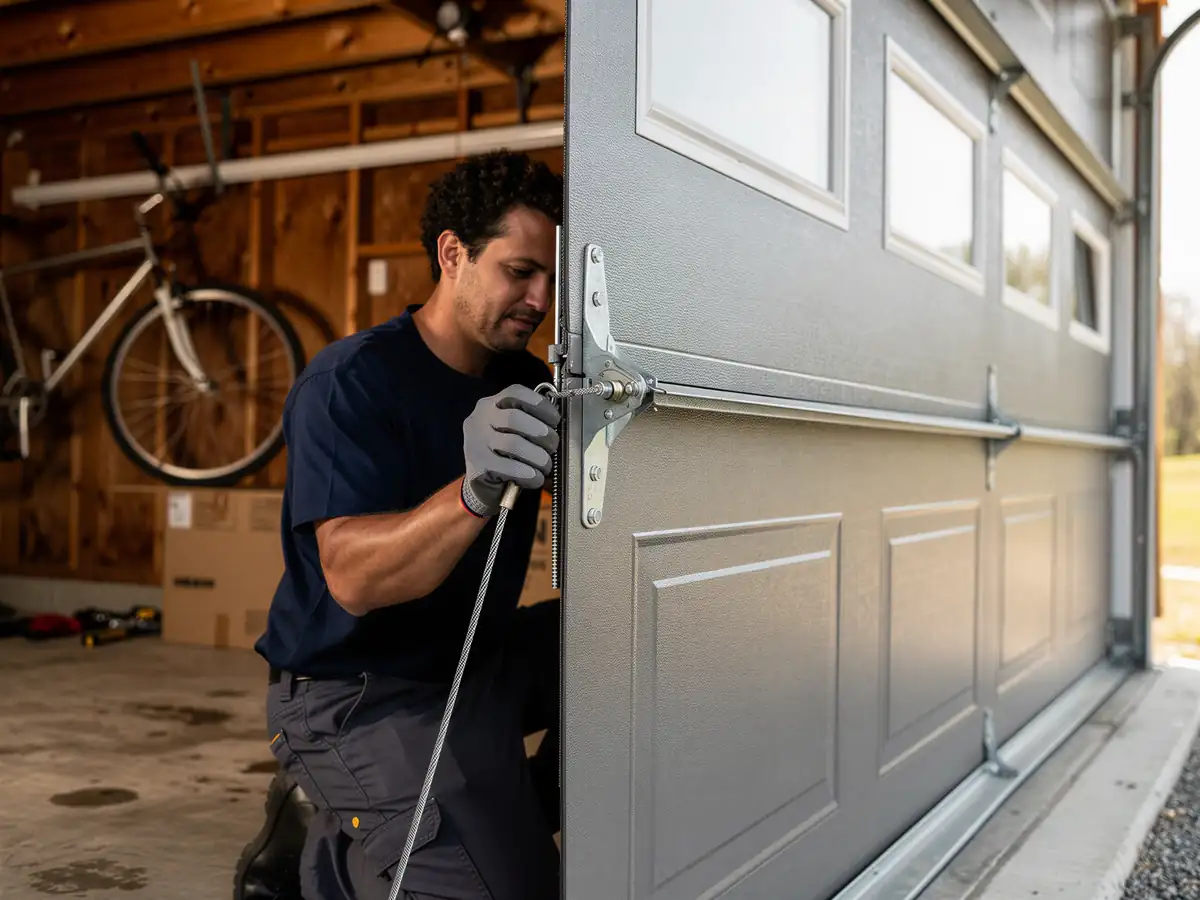
Either way, if the door came with the house and the house dates to that 1981-ish median build year, the springs and cables are almost certainly not original - they don't last that long - but the track and header might be, and that's the part worth having someone look at before you order a new door off a listing that assumes a modern opening.
The Common Mistake
The mistake we see most in Aurora is treating a detached garage door and an attached one as the same purchase decision
They're not. A detached garage door only has to keep out weather and whoever's walking by; it doesn't need the same insulation rating or air-seal tightness that an attached door does, because there's no shared wall transferring cold into living space.
People in the 1980s-90s stock especially tend to upgrade the attached door for curb appeal and skip the insulation spec
Or they insulate the detached one heavily because it was cheap at the store, when the house would have been better served the other way around. Given our cold moderate climate, the insulation money is better spent on the attached door every time.
The other common error
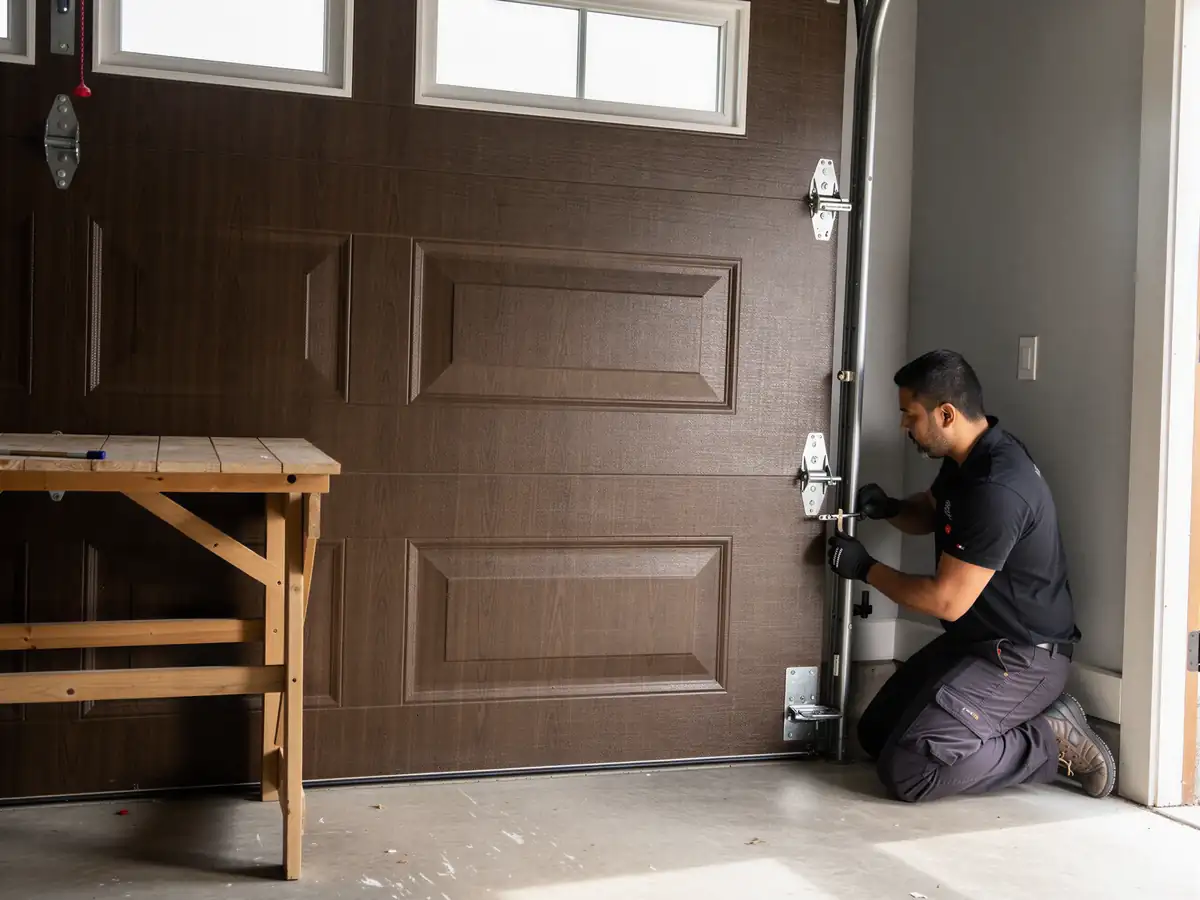
Assuming a header built for a 1980s single-layer door can take a heavier insulated steel replacement without reinforcement. Sometimes it can. Often, on the older end of that 1958-2003 range, it can't without added blocking.
The Problem
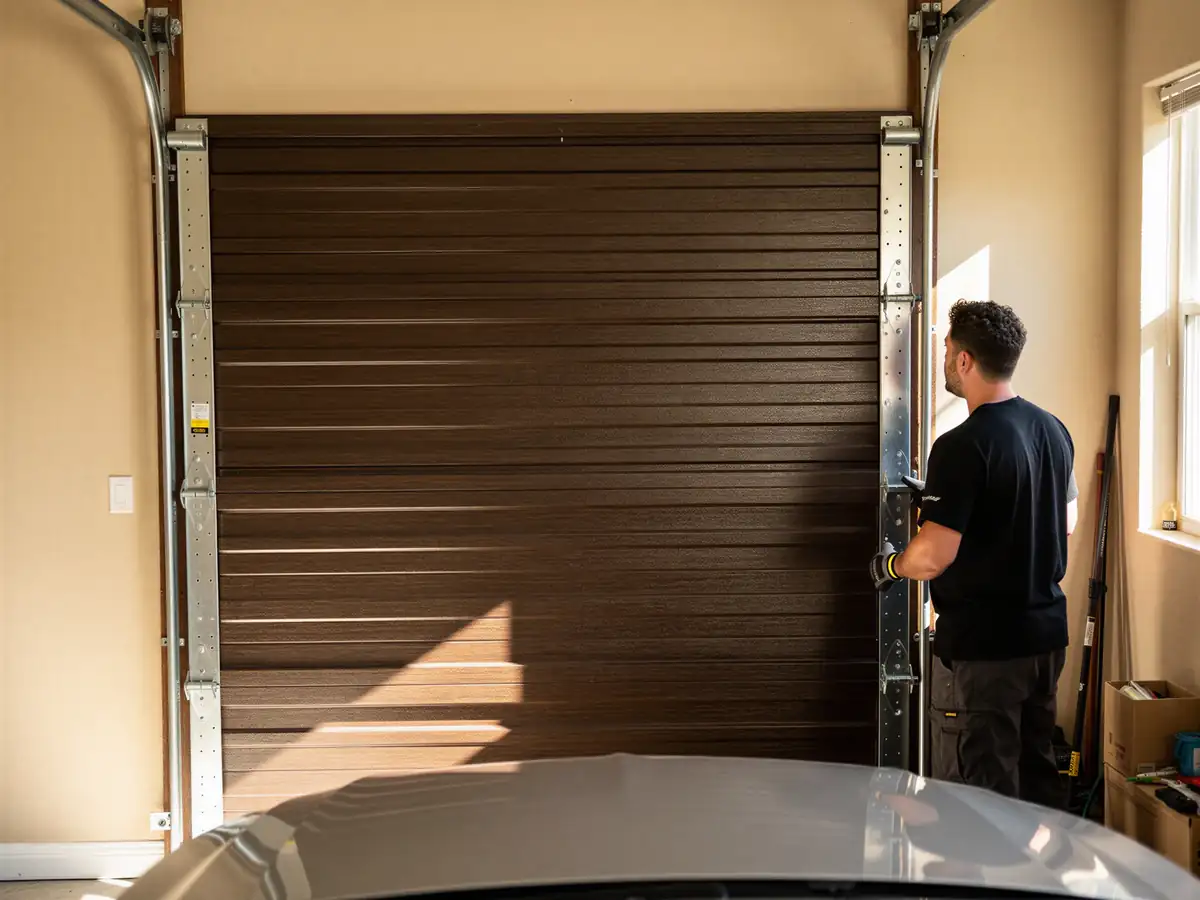
Across the roughly 158,029 owner-occupied houses in this service area, a lot of garages - attached and detached both - are original to a house built decades before today's door options existed. That's not a problem on day one. It becomes one when a homeowner buys an off-the-shelf insulated door sized for a modern opening and finds it doesn't sit right in a header framed in 1981.
We'll say the limitation plainly: we can't always tell you over the phone whether your header needs reinforcing before a heavier door goes in - that's a look-at-it-in-person call, not a guess. What we can tell you is that the fix is different depending on which garage type you've got, and in a cold climate band like ours, getting the attached door's seal and insulation right matters more for your heating bill than getting the detached one to match it.