Serving Aurora, IL & nearby
(630) 415-1529
Aurora, IL

Garage Doors on Older Aurora Homes Built Before Insulation Codes

Aurora's housing stock runs 1958 to 2003 with a median build year of 1981, before insulated steel doors were standard. Here's what that means for cold-weather performance and repairs.

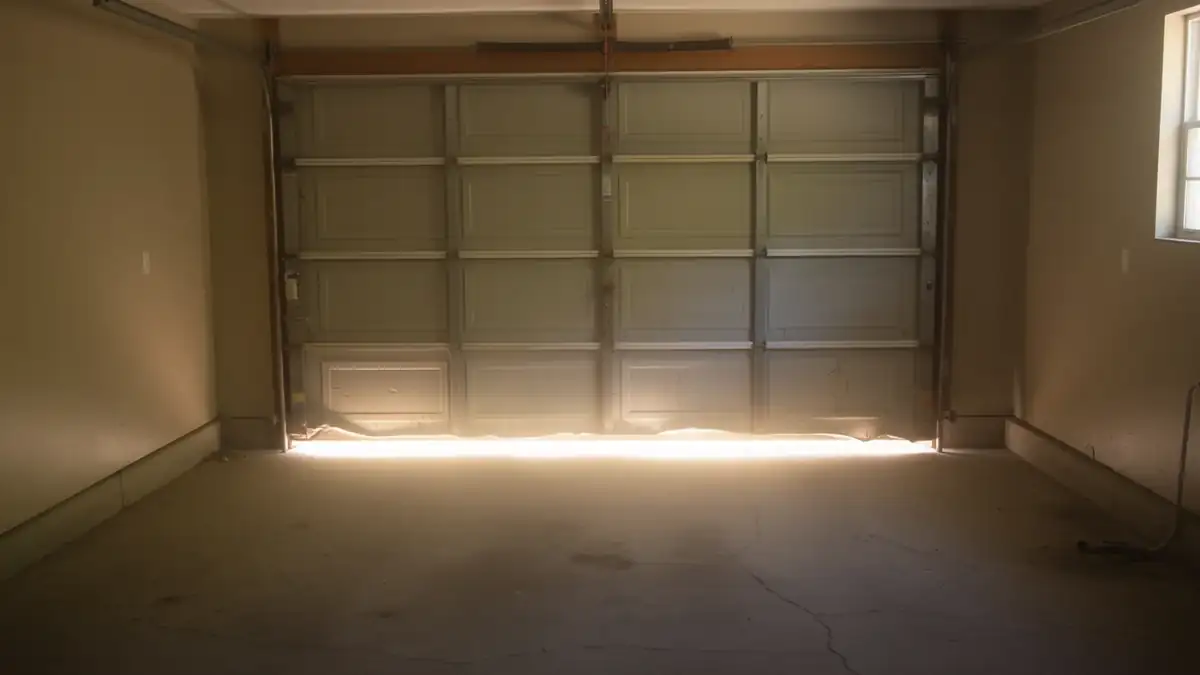
A closed garage door with light shining under it, viewed from inside the garage.

How Local Conditions Play In

Housing in this part of Illinois mostly went up between 1958 and 2003, with the median sitting around 1981, and the bulk of it dating to the 1980s and 90s across the named areas we work in. That matters because insulated steel garage doors weren't the default in that window. A lot of houses from that era got a single layer of steel, sometimes with a thin foil backing at best, and nothing resembling a real thermal break. The climate here is on the cold side of moderate, which means that gap between an insulated and an uninsulated door shows up every winter as a cold wall in an attached garage, frost on the inside of the panel, and sometimes a stiff, slow-moving door on the coldest mornings when the steel contracts and the weatherstripping hardens. We're not talking about storm damage or anything dramatic. It's a slower problem: a door built for a 1981 house doing a 2024 winter's work. The hardware on these doors - torsion springs sized for a lighter uninsulated panel, older rollers, sometimes the original opener - ages the same way the rest of the house does, just less visibly, until something seizes or snaps.

When to Get Help

Call when the door is noticeably harder to lift by hand on a cold morning than it is in July - that's usually the steel and the weatherstripping responding to temperature, not a spring that's about to go, but it's worth a look either way. Call if you can see daylight or feel a draft along the bottom seal or between panels; on a single-layer door from the 1980s or 90s that seal was never built to the standards we'd use today, and it degrades faster than the steel around it. Call if the opener struggles or reverses on cold days - that's often a sign the door itself got heavier with age (ice, moisture inside a non-insulated panel) rather than a problem with the opener. And call before a spring actually breaks, if you can catch it: a door built in this era is carrying original or close-to-original springs in a lot of cases, and those don't give much warning before they let go, especially once they're sized against the wrong weight for the panel that's on there now.

The Common Mistake

The mistake we see most is treating a cold-weather door problem as an opener problem. Someone's opener is straining, reversing, or just slow in January, so they replace the opener - sometimes twice - without ever addressing the door it's lifting. If that door is original to a house built in the 1958-2003 window, odds are decent it's a single, uninsulated steel panel that's heavier and stiffer in the cold than it was when it was installed, and no opener fix changes that physics. The other version of this mistake is weatherstripping as a cure-all. New bottom seal helps with drafts, but it doesn't address a panel with no insulation core, and it won't make a stiff cold-weather door move like a new one. Given the age bracket a lot of this area's houses fall into, the actual fix is often the door itself, not the parts around it. We'll say plainly: if your door and opener are both original to a 1980s or 90s build, chasing the opener first usually means paying for a repair that gets undone by the next cold snap.

The Problem

Here's the plain version. A door built anywhere in the 1958 to 2003 range - and especially around the 1981 median that a lot of this area's stock clusters near - was very likely built before insulated garage doors were common or expected. That's not a flaw specific to any one house; it's just what the building codes and manufacturing norms looked like at the time. In a cold moderate climate, that uninsulated steel does two things: it transmits outside temperature into the garage more directly, and it moves - contracts, stiffens, binds slightly - more than an insulated door would on the same morning. Across the households in this service area, a large share of the owner-occupied stock still has some version of that original door. We can't tell you from here whether your specific door is original or already replaced - that's a five-minute look, not a guess - but the odds, given the build years in this area, favor original more often than not.
How it works

From “it’s stuck” to “it’s fixed”

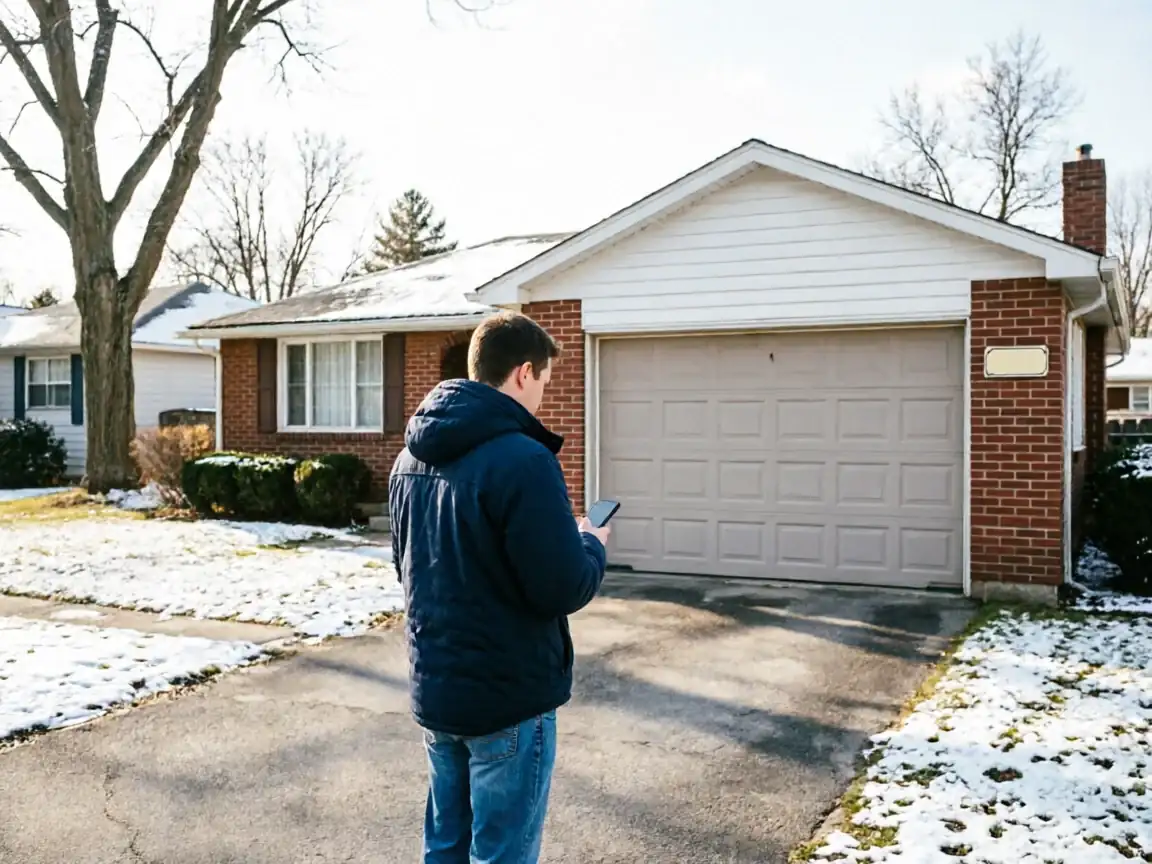
A man stands in a snowy driveway looking at his phone, facing a closed garage door.

Tell us what’s wrong

Describe the symptom - won’t open, loud bang, opener runs but the door won’t move.

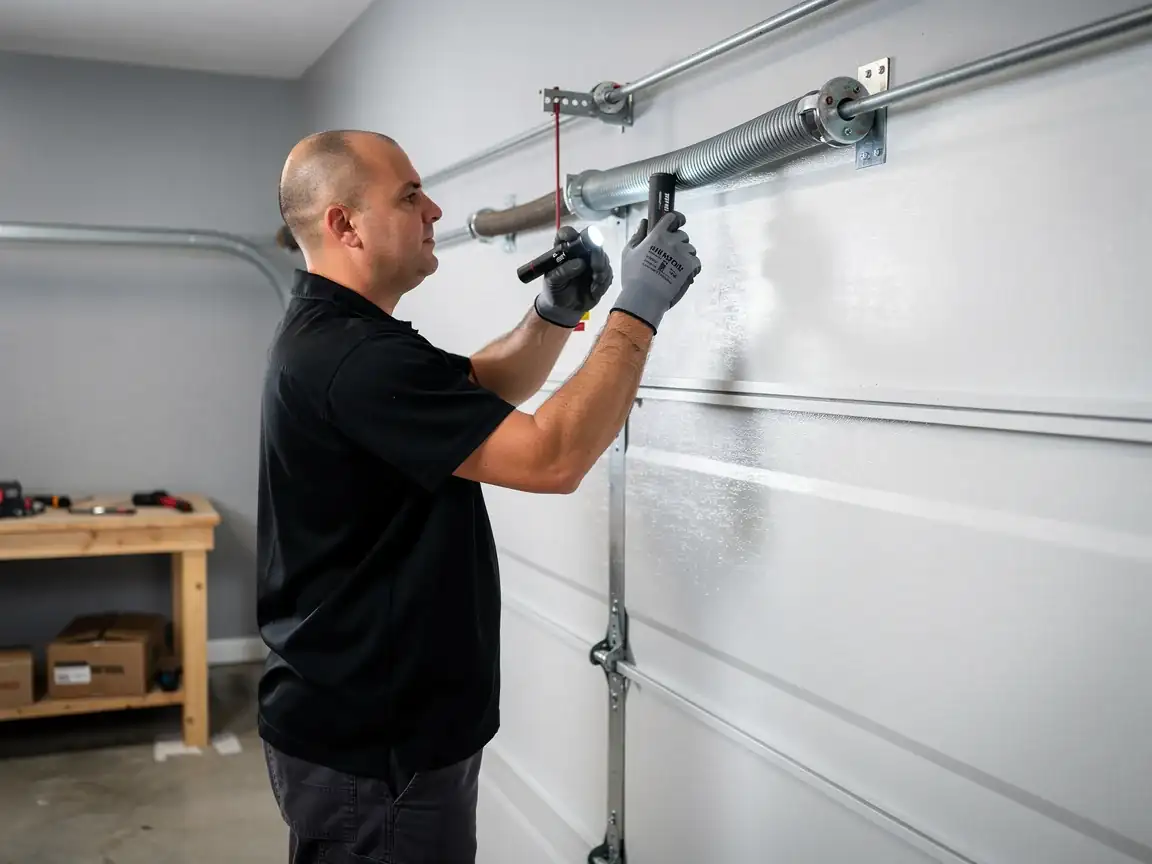
A technician inspects a garage door torsion spring with a flashlight.

On-site diagnosis

A technician tests the door under power and by hand and finds what actually failed.

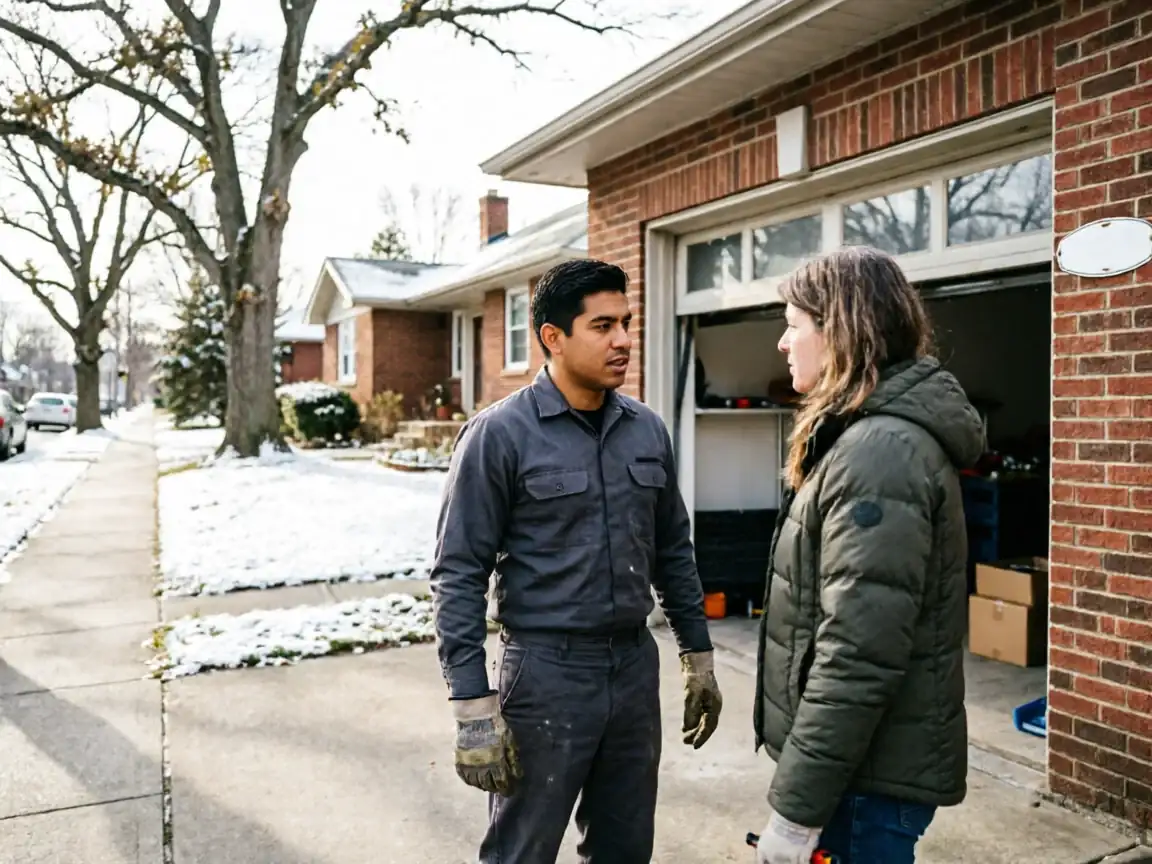
A technician talks to a woman in front of a house with an open garage door.

Clear, up-front plan

You get the fix that’s needed and what drives the cost - before any work starts.

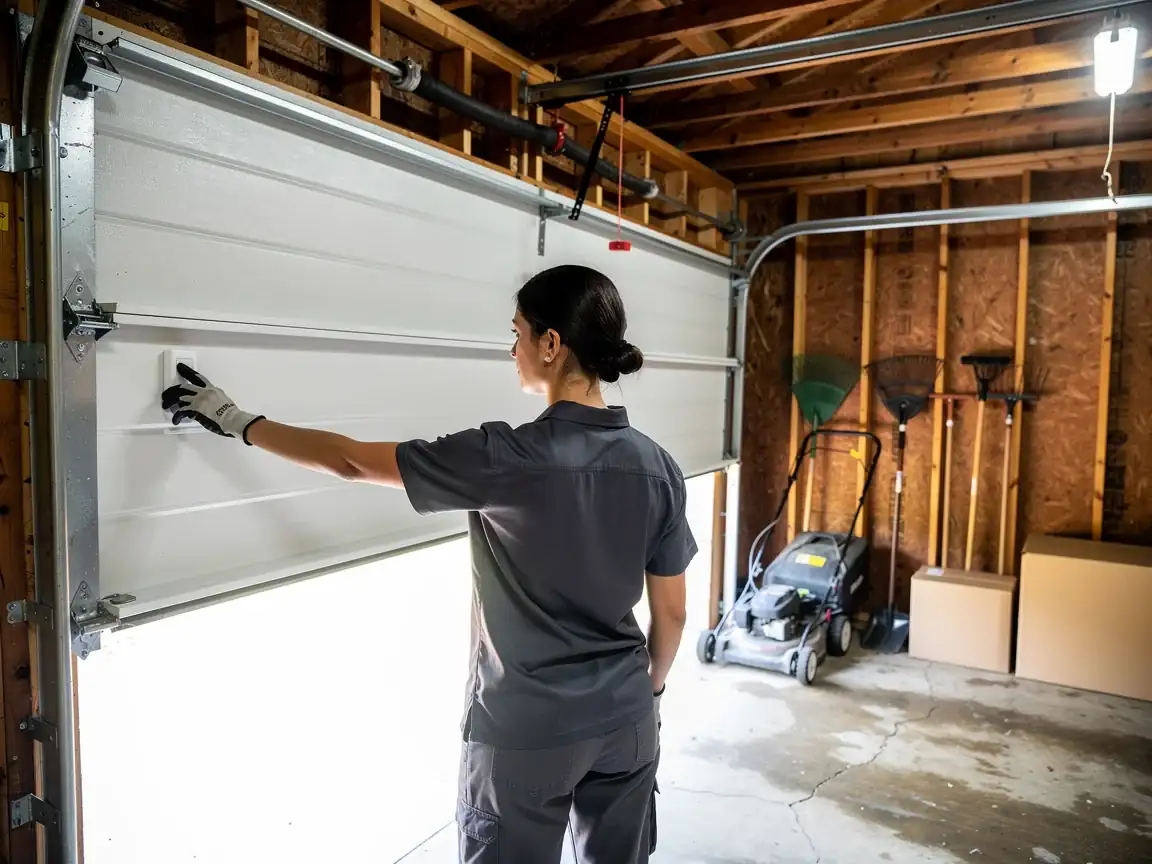
A technician in a gray uniform presses a button on a white garage door.

Repaired & tested

The repair is done, the door is set true and tested, and the work area left clean.

Not sure which repair your door needs in Aurora, IL? Describe what it’s doing - every job starts with a diagnosis.

How we work

What to expect

Diagnosis firstEvery visit starts by finding what actually failed - not a pre-written parts list.
The right part for the doorSprings and openers matched to the door’s weight and age, so the fix holds up.
Straight answersWhen a repair makes more sense than a replacement - or the reverse - you hear it plainly.
Clean, careful workTension released safely, hardware set true, the door tested under power before we leave.
What we do

Garage Door Services

Repair and installation work for Aurora homes and businesses.

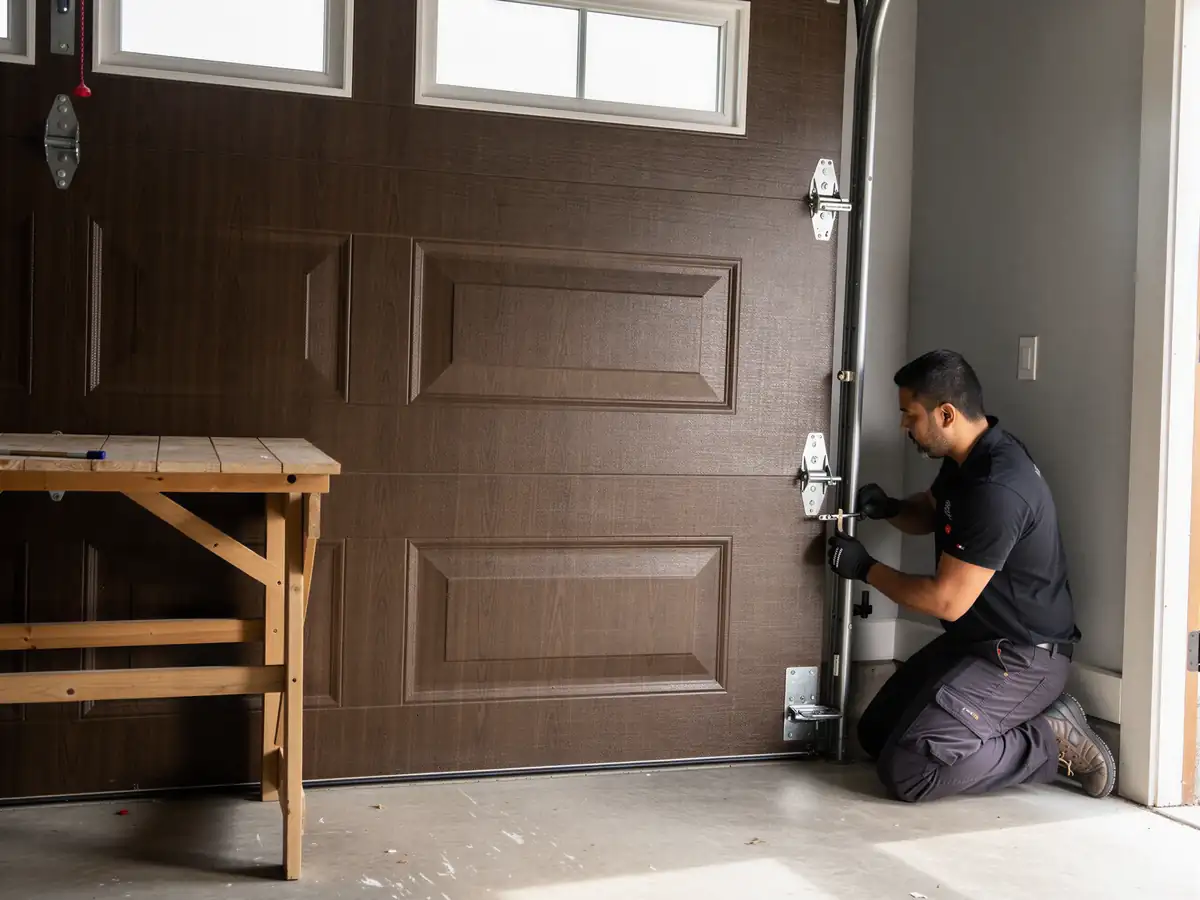
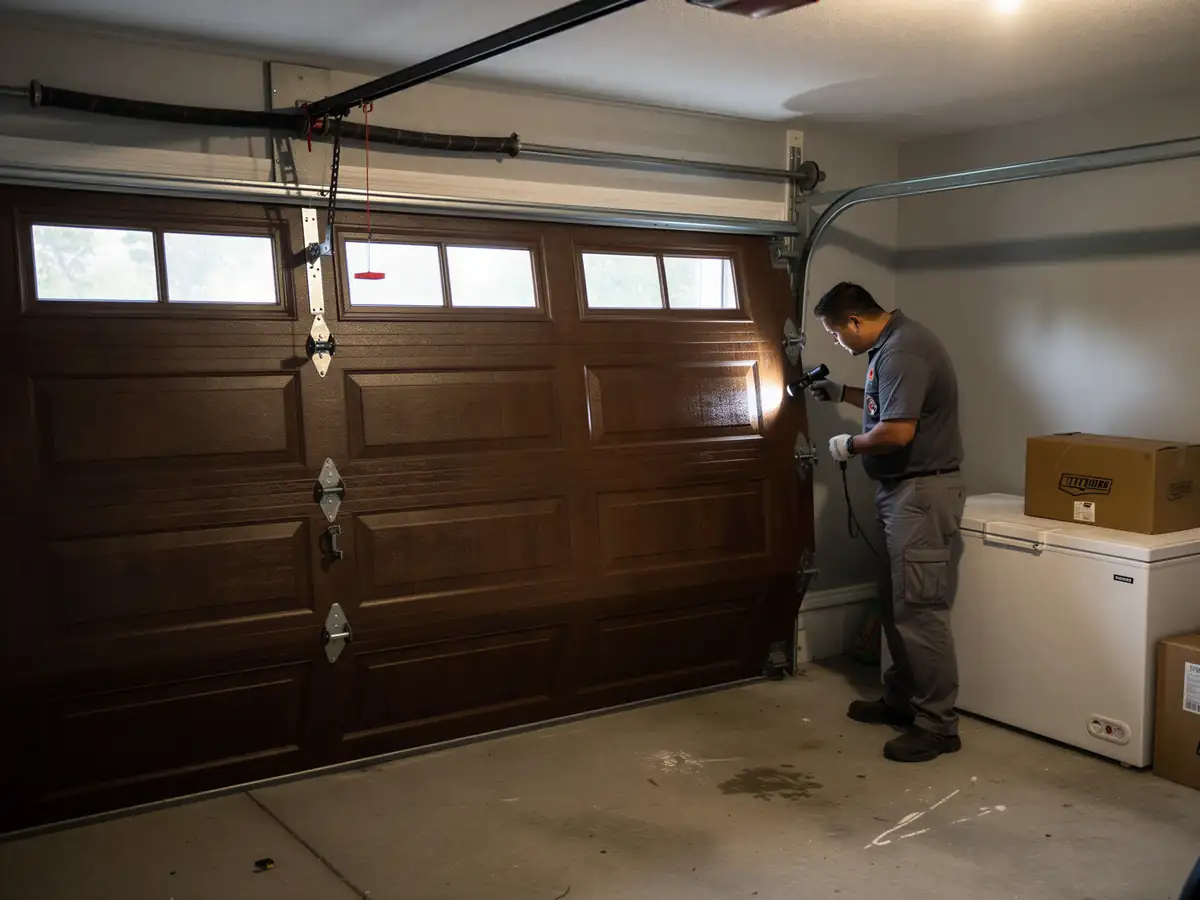
A technician kneels, adjusting the brown garage door's track and hinges.

Garage Door Repair

Aurora Garage Door Pros fixes springs, openers, and tracks on the 1958-2003 housing stock common across Aurora, IL, built for a cold-moderate climate.

Learn more
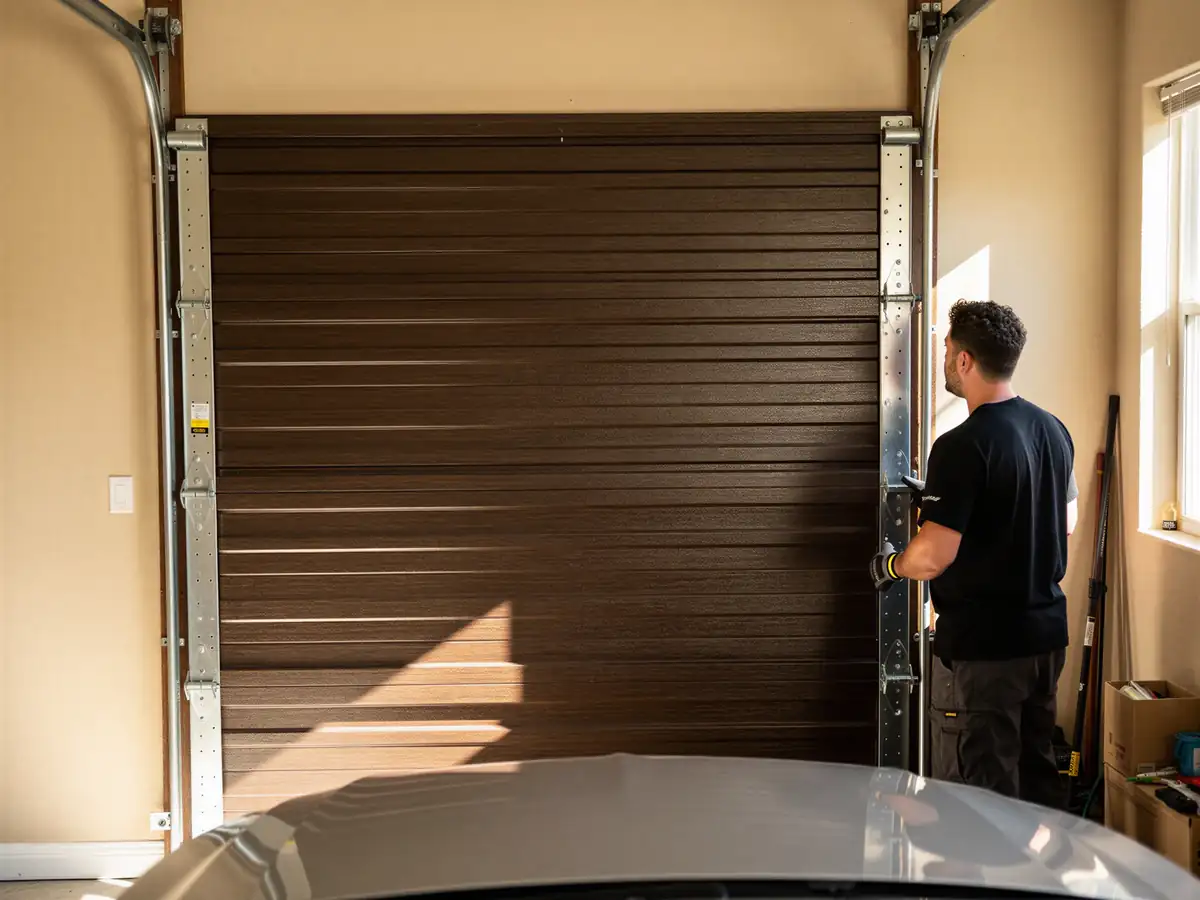
A technician stands next to a closed brown garage door.

Garage Door Installation

New garage door installation in Aurora, IL, built around the area's 1958-2003 housing stock and cold-moderate climate. Insulated doors sized for openings this area actually has.

Learn more
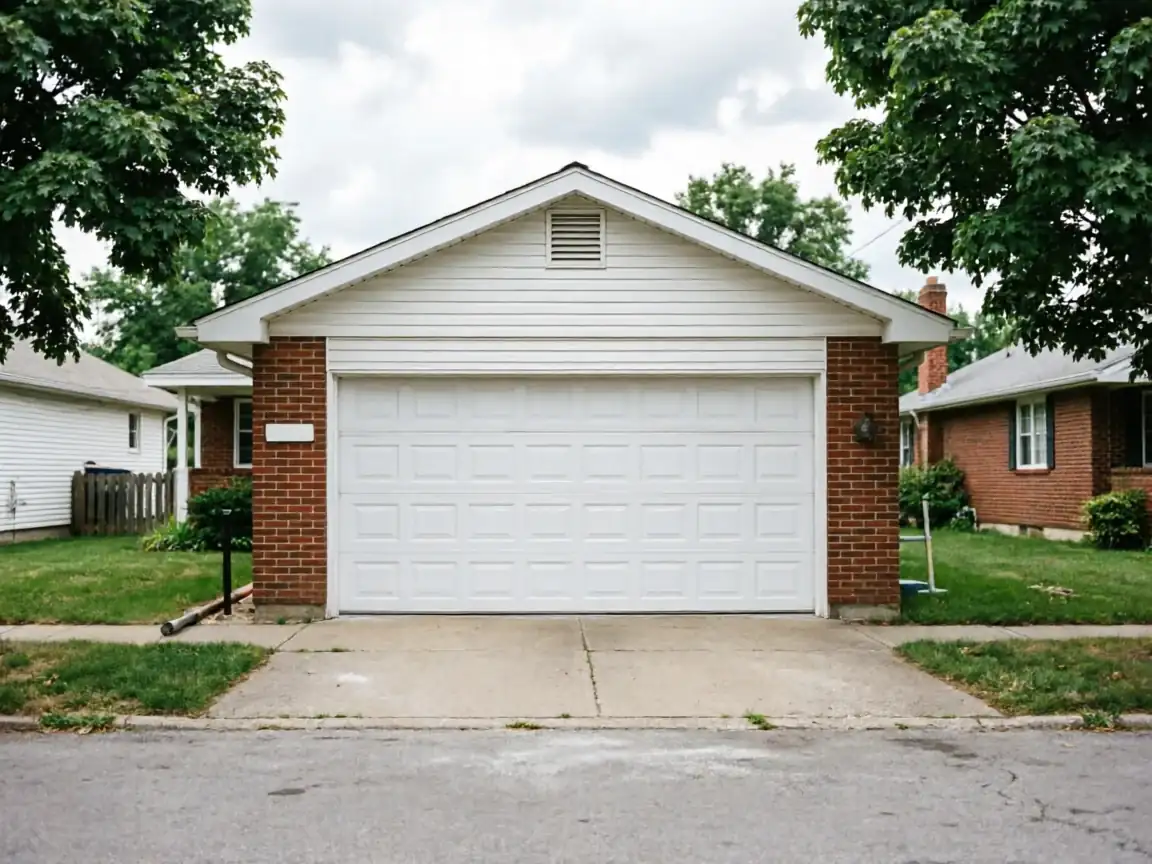
A white garage door on a brick house with white siding and a driveway.

Garage Door Service

Aurora homes built mostly between 1958 and 2003 wear out original springs and openers at a predictable rate. Here's what fails, why, and what the fix looks like.

Learn more
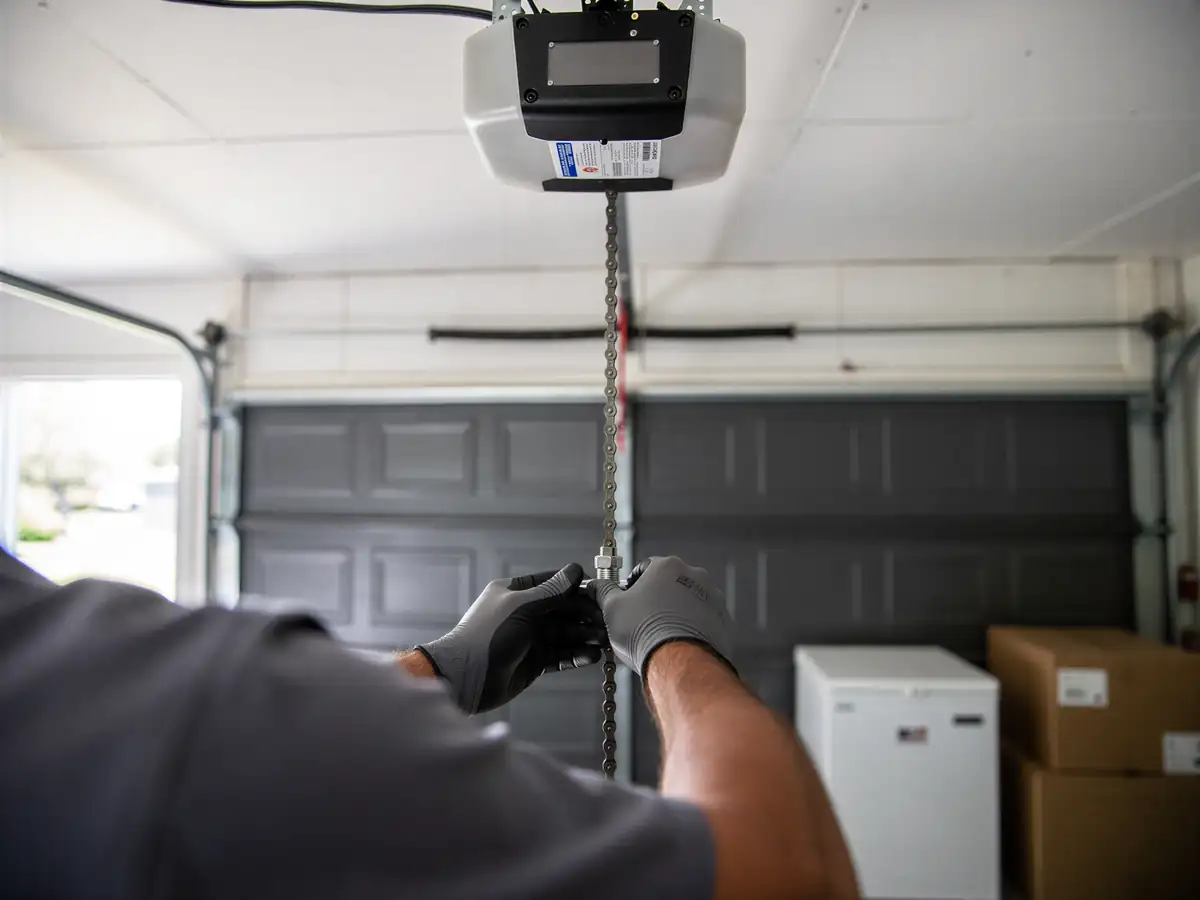
A technician in gloves adjusts the chain on a garage door opener.

Opener Repair

Garage door opener repair across Aurora, IL. We fix dead openers, grinding gears, and dropped remotes on the 1980s-90s openers common in local housing stock.

Learn more
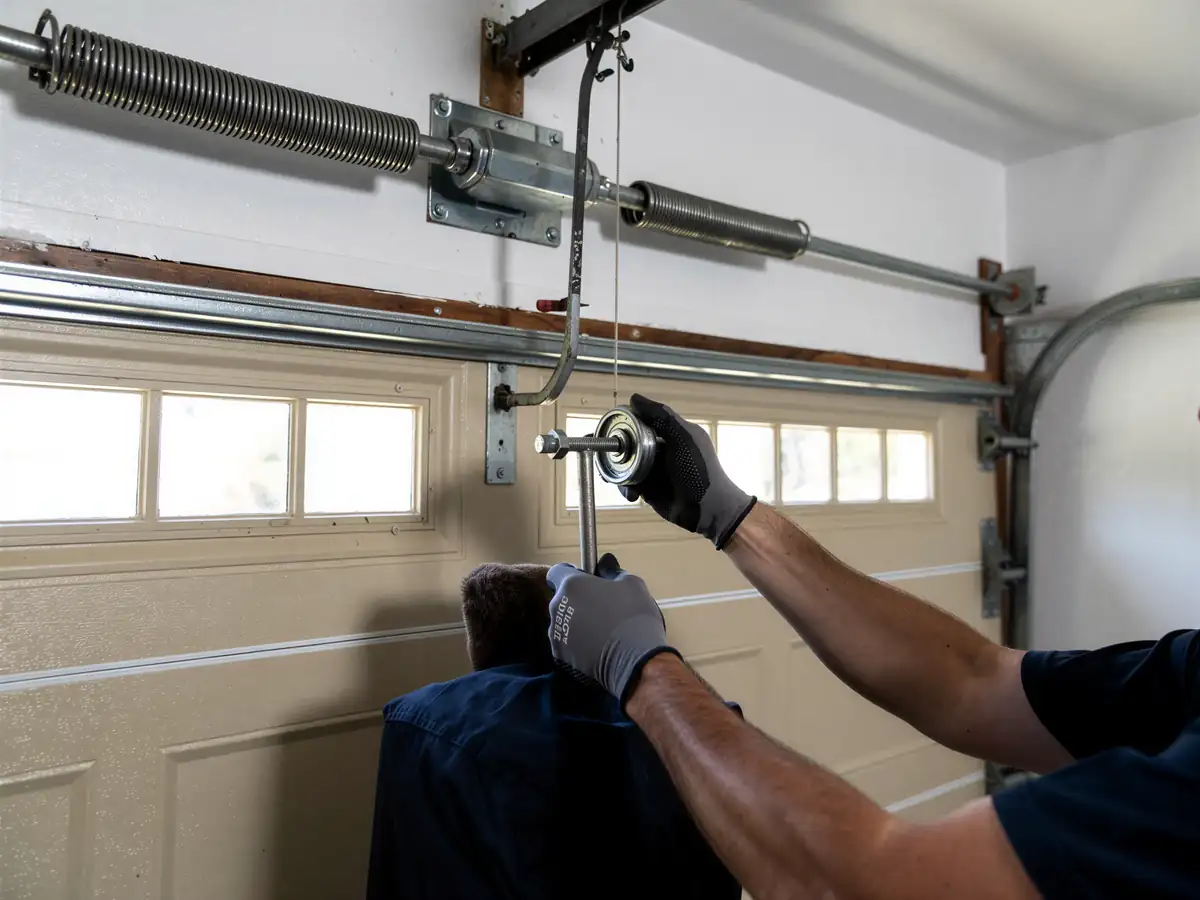
A technician adjusts the torsion spring and cable drum of a garage door.

Spring Repair

Torsion and extension spring repair for Aurora, IL homes built mostly in the 1958-2003 window, where cold winters and original hardware wear springs out fast.

Learn more
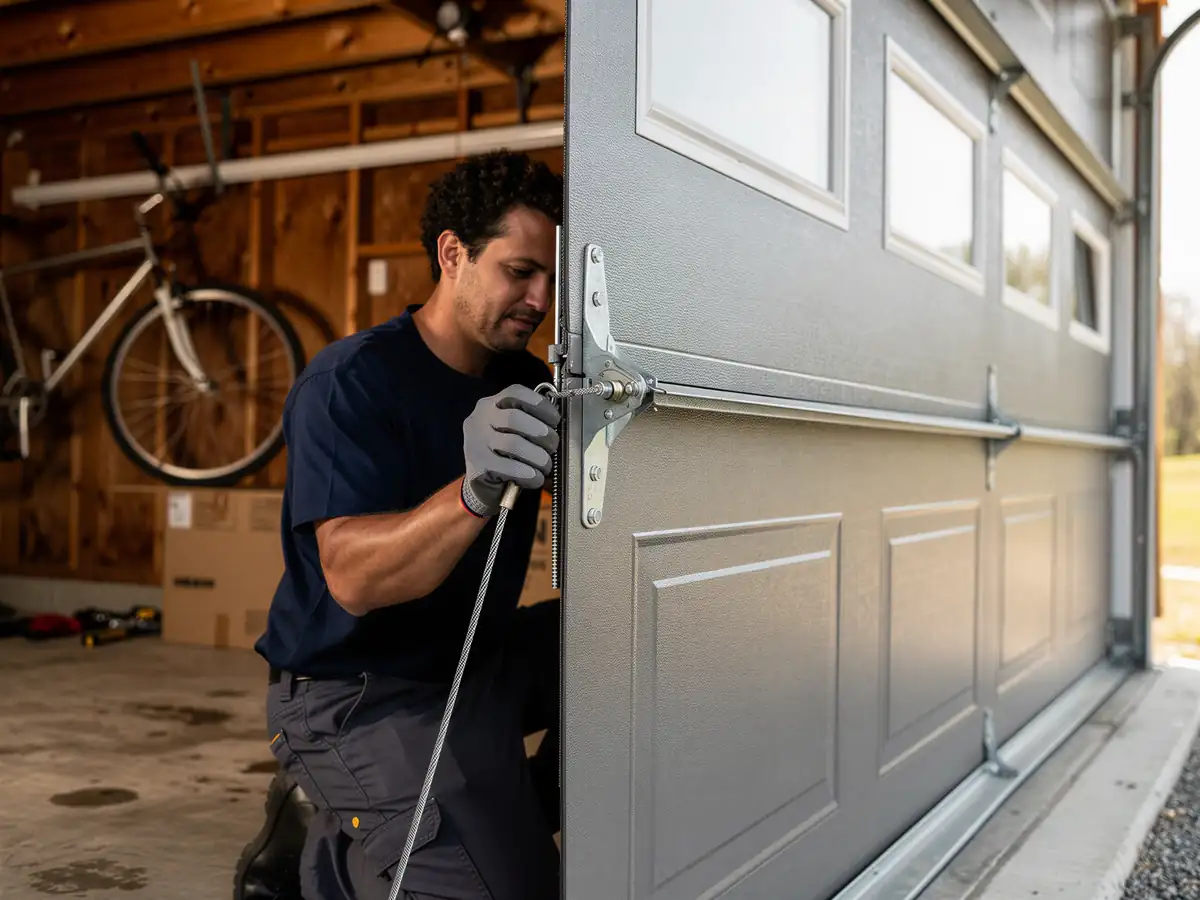
A technician kneels, working on the cable and roller of a gray garage door.

Cable Repair

Cable repair for Aurora homes built mostly between 1958 and 2003, where cold winters and original hardware wear through lift cables faster than owners expect.

Learn more
A technician inspects a brown garage door with a flashlight.

Off-Track Repair

Garage door off track in Aurora? We work on the 1958-2003 housing stock across the service area and know how cold snaps bend track on older rollers. Call for a fix.

Learn more
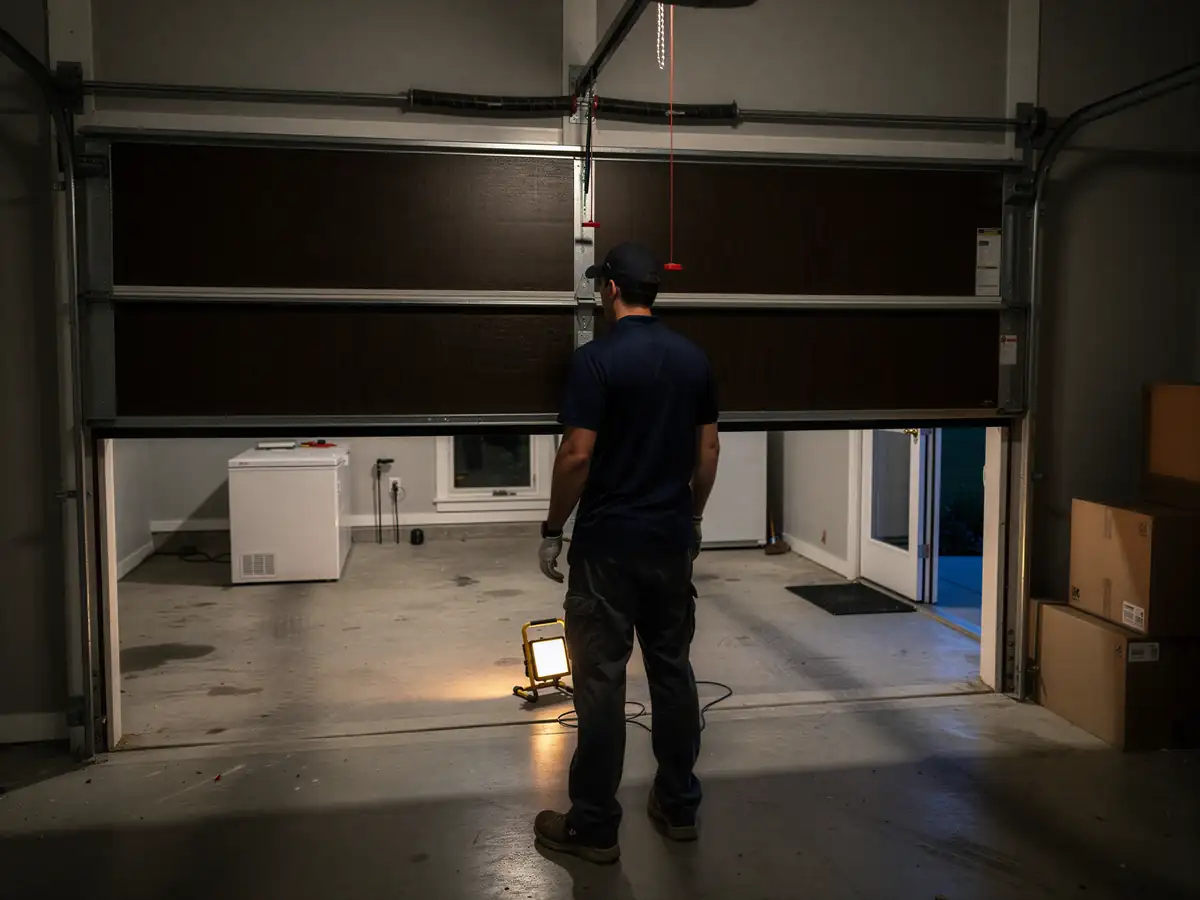
A technician stands in a garage looking at a partially open garage door.

Emergency Garage Door Repair

Broken spring or dead opener in Aurora, IL? We fix the doors common to 1958-2003 housing stock fast, with parts on the truck for cold-weather failures.

Learn more
Questions

Frequently asked

Straight answers about garage door repair in Aurora. Still unsure? Ask us directly.

Is my garage door likely original to the house if it was built in the 1980s?

Possibly. A lot of the housing in this area dates from the 1980s and 90s, and insulated steel doors weren't standard then, so an original door from that era is usually a single uninsulated panel. The only way to know for sure is to check the panel for an insulation core or a date sticker, but age alone makes it a reasonable guess.

Will a new bottom seal fix the cold draft in my garage?

It'll cut the draft along the floor, but it won't change the fact that an uninsulated steel panel transmits cold through the whole door, not just the bottom edge. If the panel itself has no insulation core, a new seal is a partial fix, not a complete one.

Why does my opener strain more in winter?

Often it's not the opener - it's the door getting heavier or stiffer in the cold, especially if it's an original single-layer panel from an older build. Moisture, stiffened seals, and contracted steel all add resistance the opener has to fight. Replacing the opener without looking at the door usually doesn't fix it.

Ready to get your garage door sorted?

Tell us what it’s doing and where you are in Aurora - we’ll take it from there.

Request a QuoteCall