What Causes It Around Here
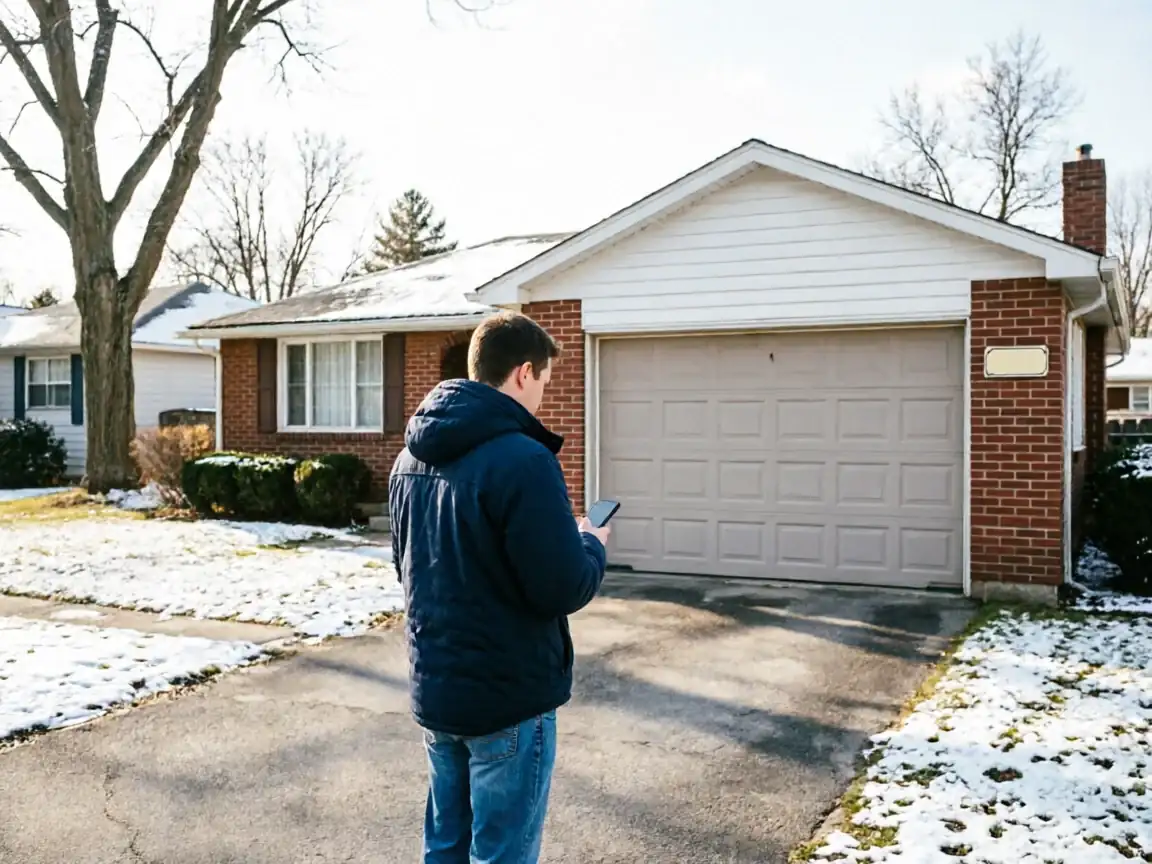
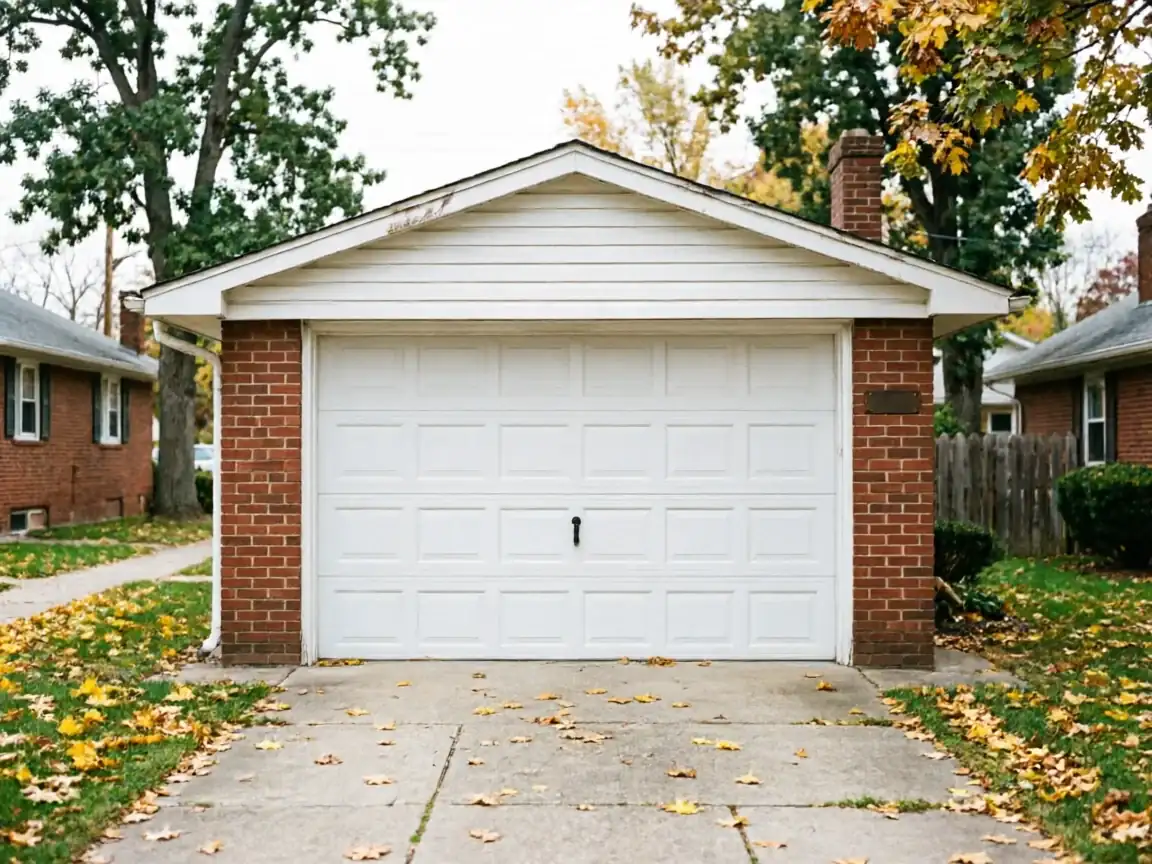
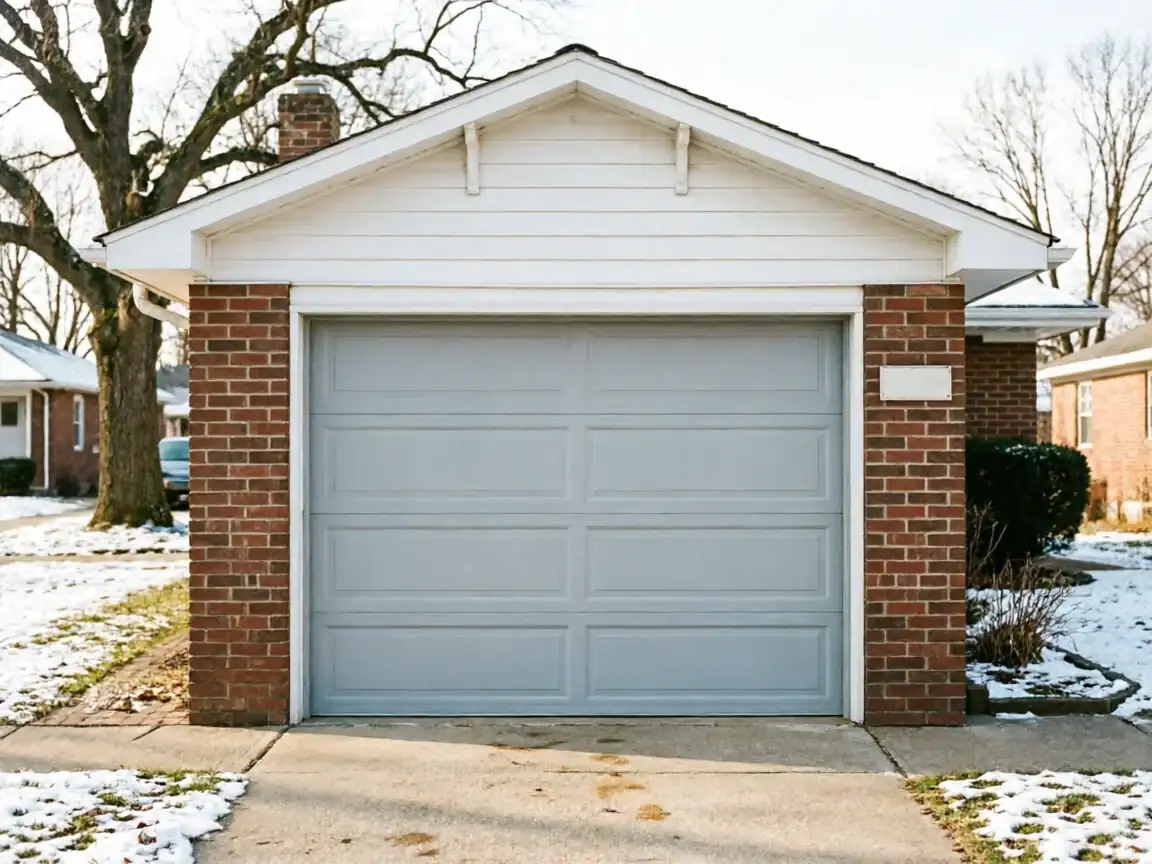
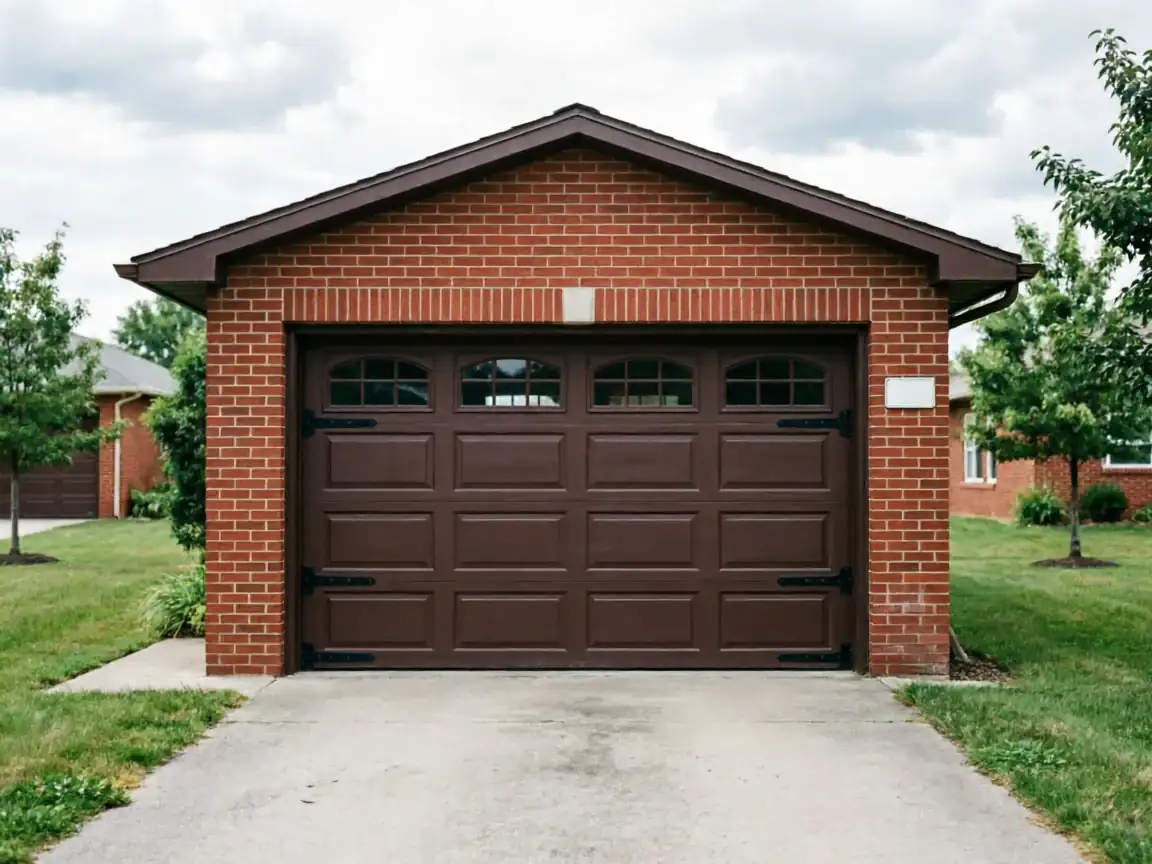
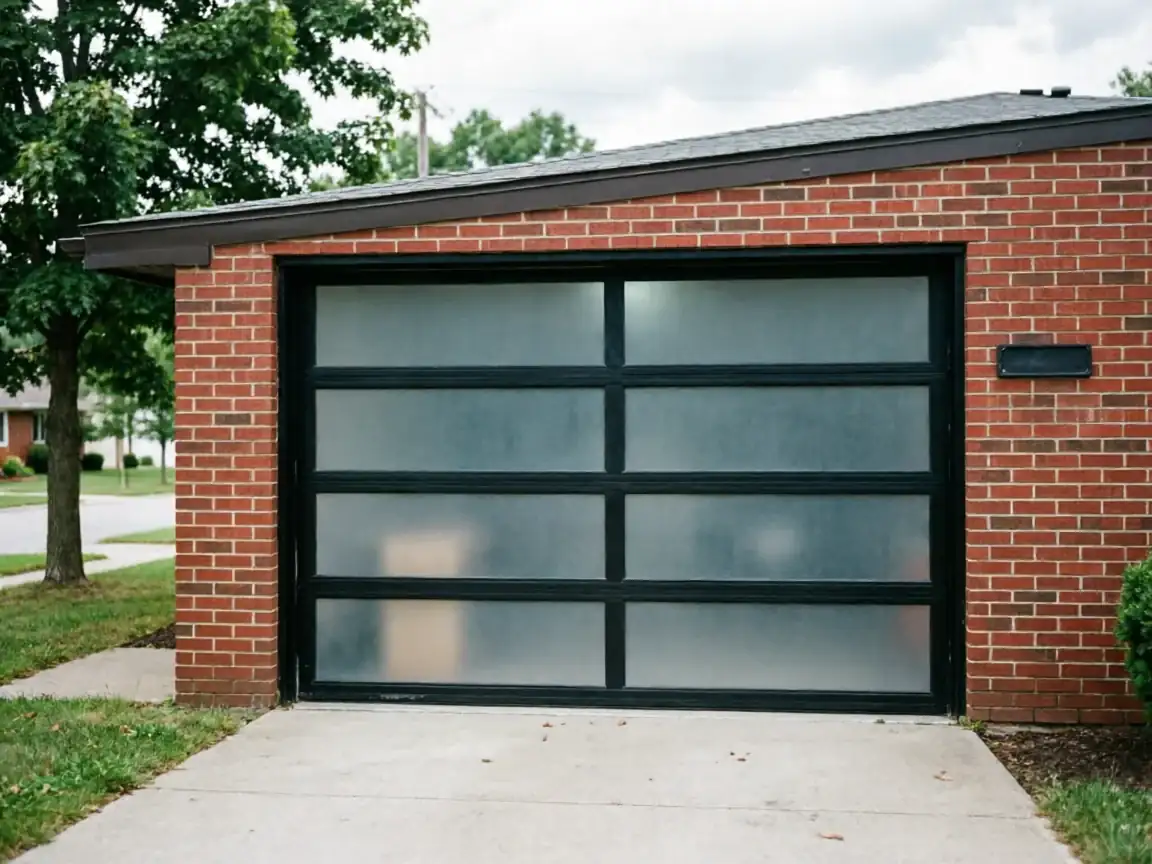
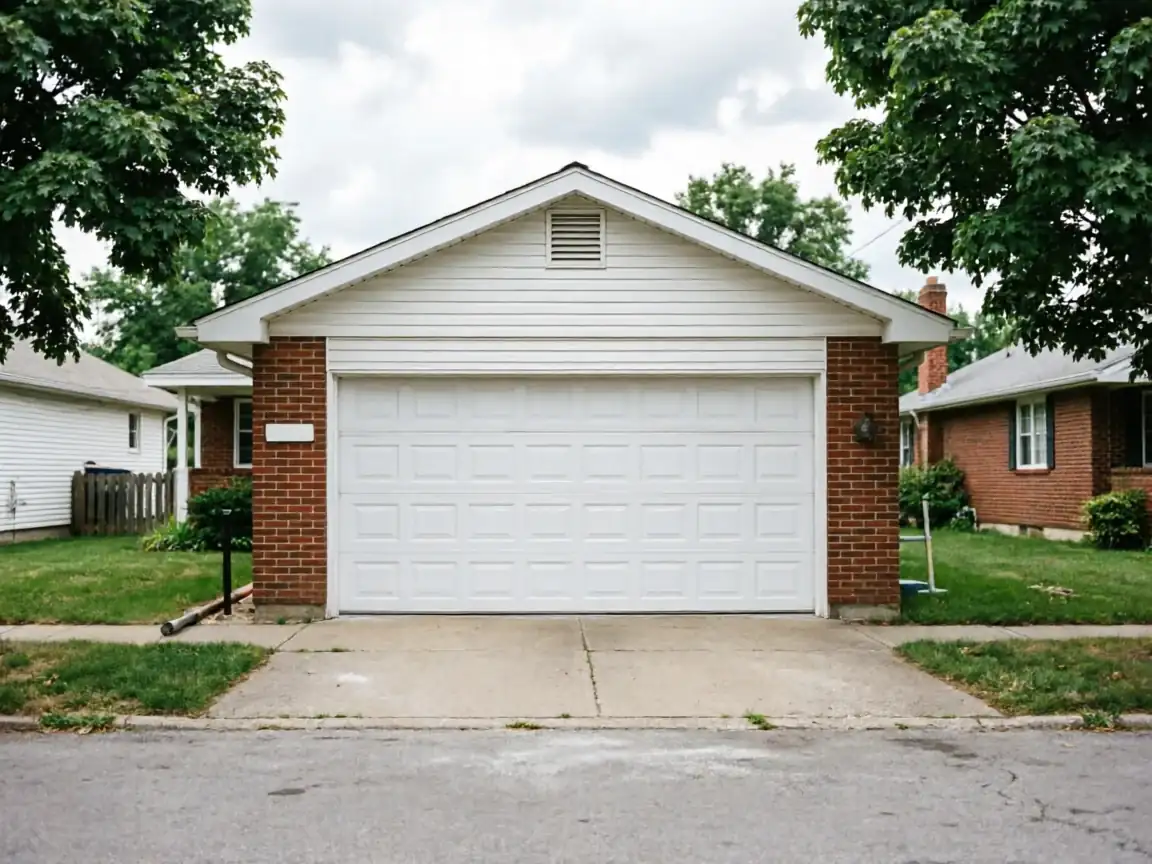
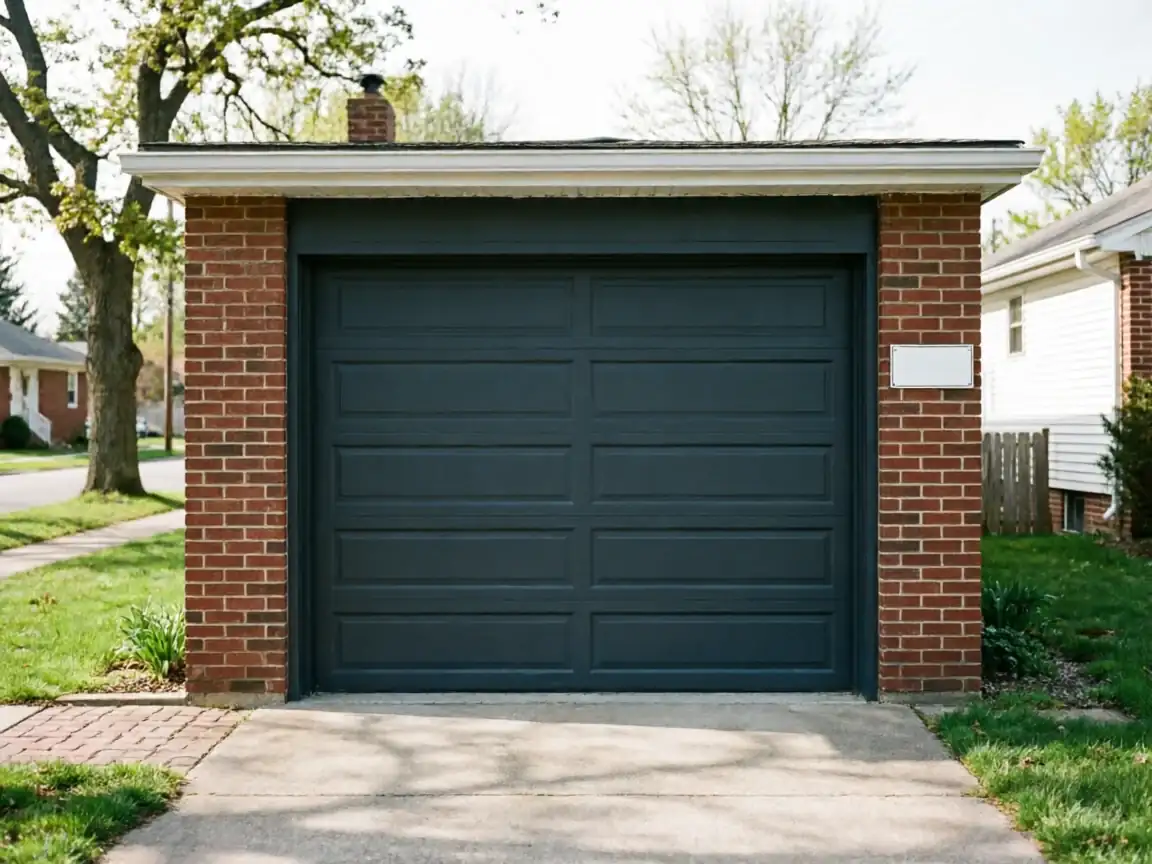
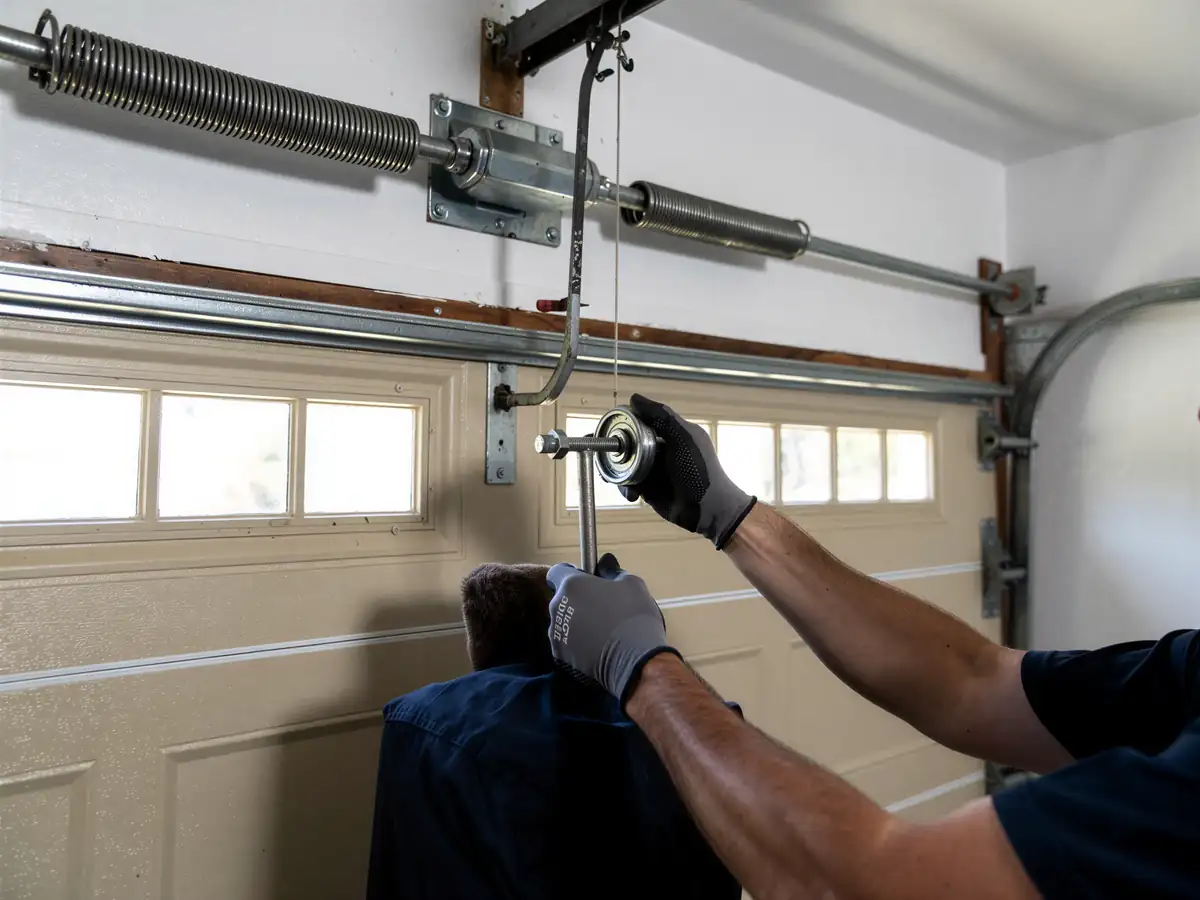
Most houses across Aurora's named neighborhoods were built between 1958 and 2003, with the median landing around 1981. Across the 48 areas we cover, the bulk of that stock is from the 1980s and 90s. That matters because torsion springs are rated in cycles, not years, and a door opened twice a day for 35 to 40 winters has used up its spring long before most owners think to check it.
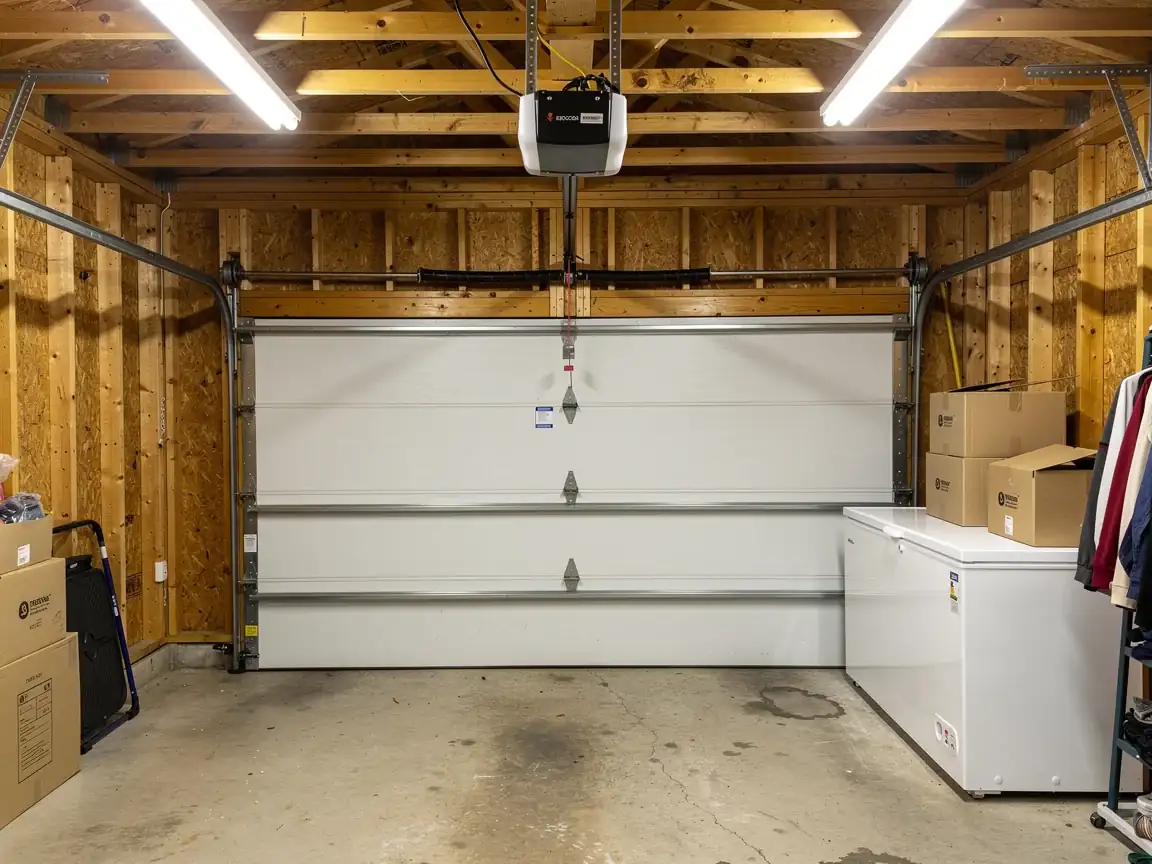
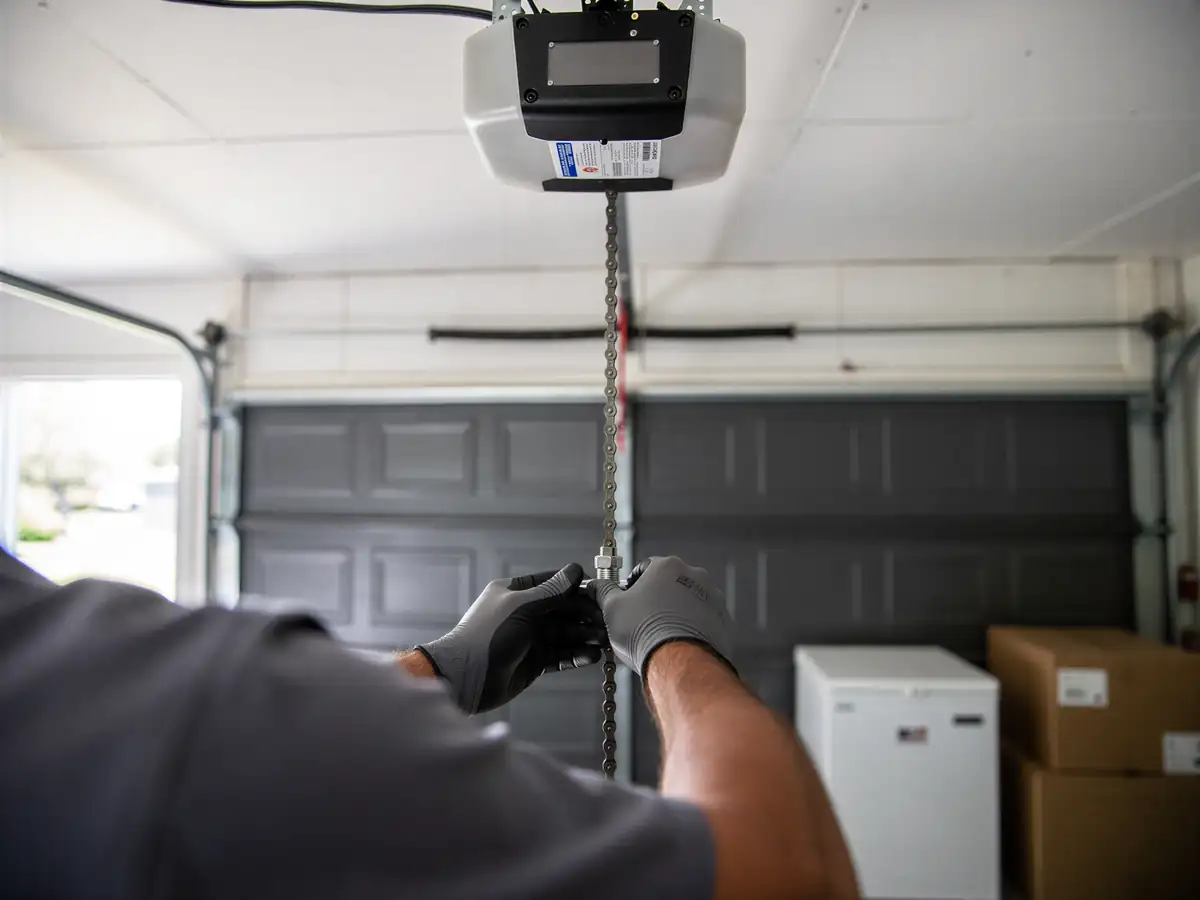
Aurora sits in a cold, moderate climate band. Steel contracts in deep cold, and a spring that's already fatigued from three decades of use is the one that snaps on a January morning instead of flexing through it. Original single-car openers from that era also used chain drives and capacitors that weren't built to last 40 years, so when the spring goes, the opener's logic board or motor is often not far behind.
With 158,029 owner-occupied houses across this service area, a large share of them hit this same age-and-cycle wall at close to the same time. It's not bad luck tied to one house - it's the math of a neighborhood that mostly went up in the same two decades.
How Long You Are Without the Door
A broken torsion spring on a standard double door is usually a same-visit fix once the part is on the truck - springs are a common size and we stock the ones that match 1980s and 90s production doors. What slows things down is a seized or burned-out opener motor on a door old enough that the mounting bracket or rail doesn't match current hardware; those sometimes need a rail adapter or a short wait on a part.
We won't pretend every job closes out in an hour. If the spring has snapped with the door in the up position, the cable can jump the drum, and that's a longer repair than a straight spring swap. Owners in homes near the older end of that 1958-2003 build range - the ones with the original low-horsepower chain opener still running - are more likely to need a second visit if the drive gear has also worn through.
We tell you up front which category your door falls into before we start, so you know whether you're looking at under an hour or a return trip.
The Symptom
The pattern we see most in this housing stock starts quiet
The door hesitates for a second before it moves, or the opener strains and makes a louder motor sound than it used to. That's a spring losing tension, not an opener problem, even though the opener is what's straining to compensate.
A few weeks later it's a loud bang from the garage
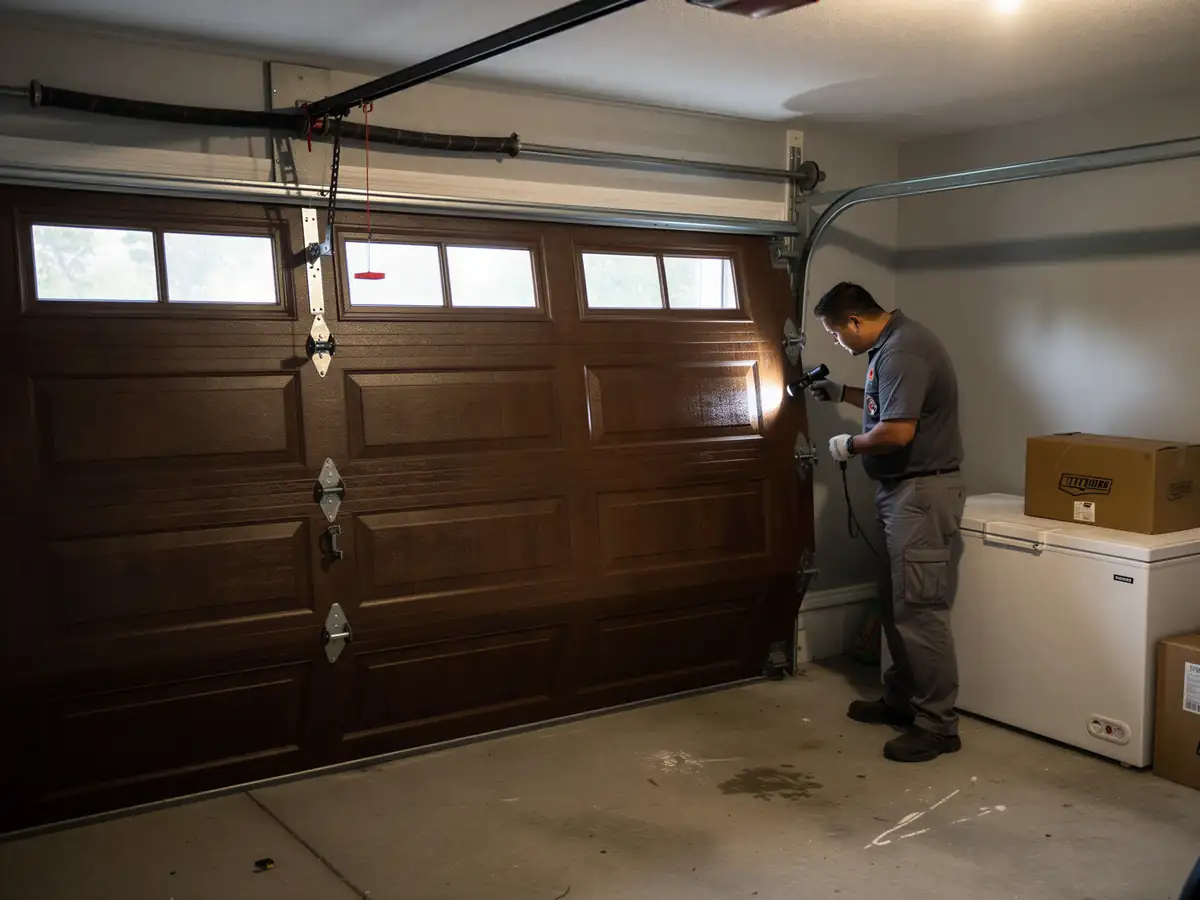
The spring letting go - and the door won't open at all, or it opens a few inches and stops. On older single-car doors common in the earlier part of Aurora's 1958-2003 build range, you'll sometimes see the door go crooked on the way up, which usually means one cable has slipped off a frayed drum rather than a clean spring break.
If your door is dropping fast when you pull the release cord, that's the spring gone, full stop
Not a track or roller issue, and not something to force with the opener.
What the Fix Involves
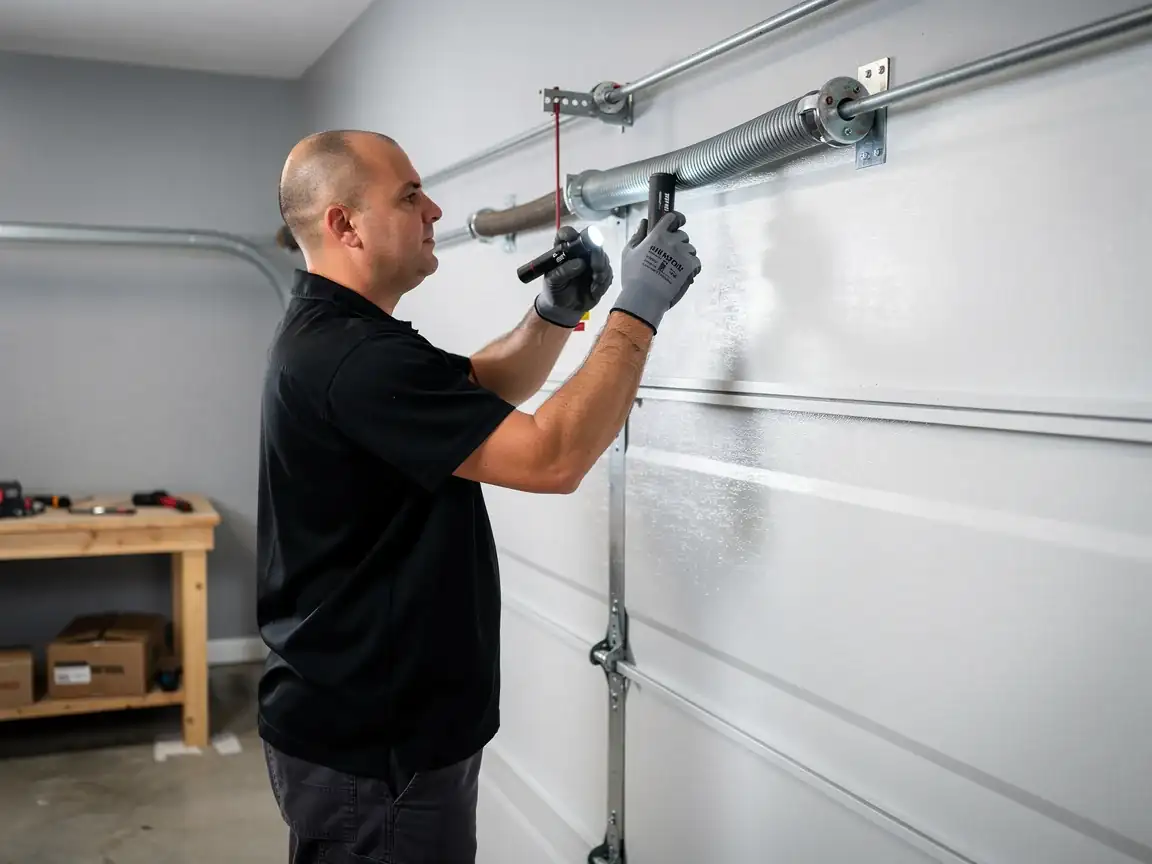
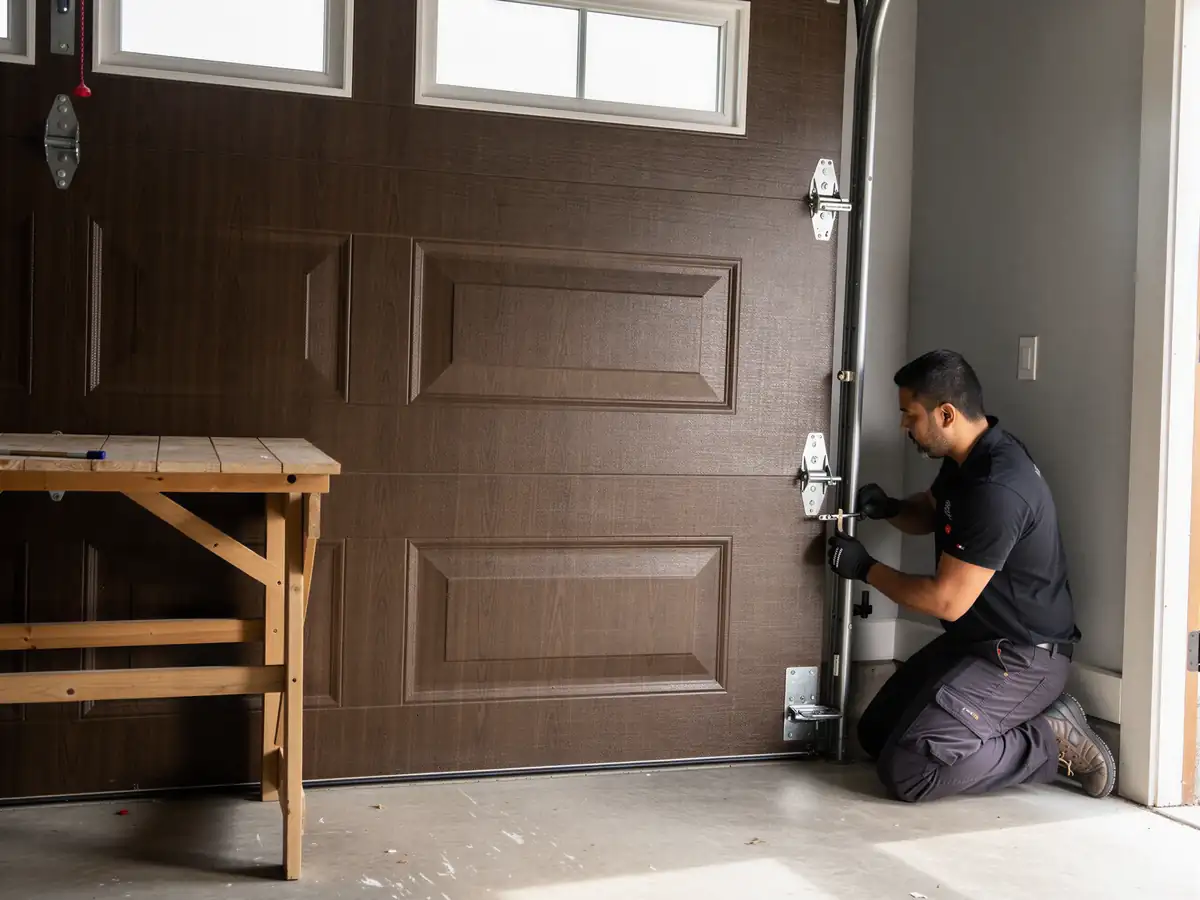
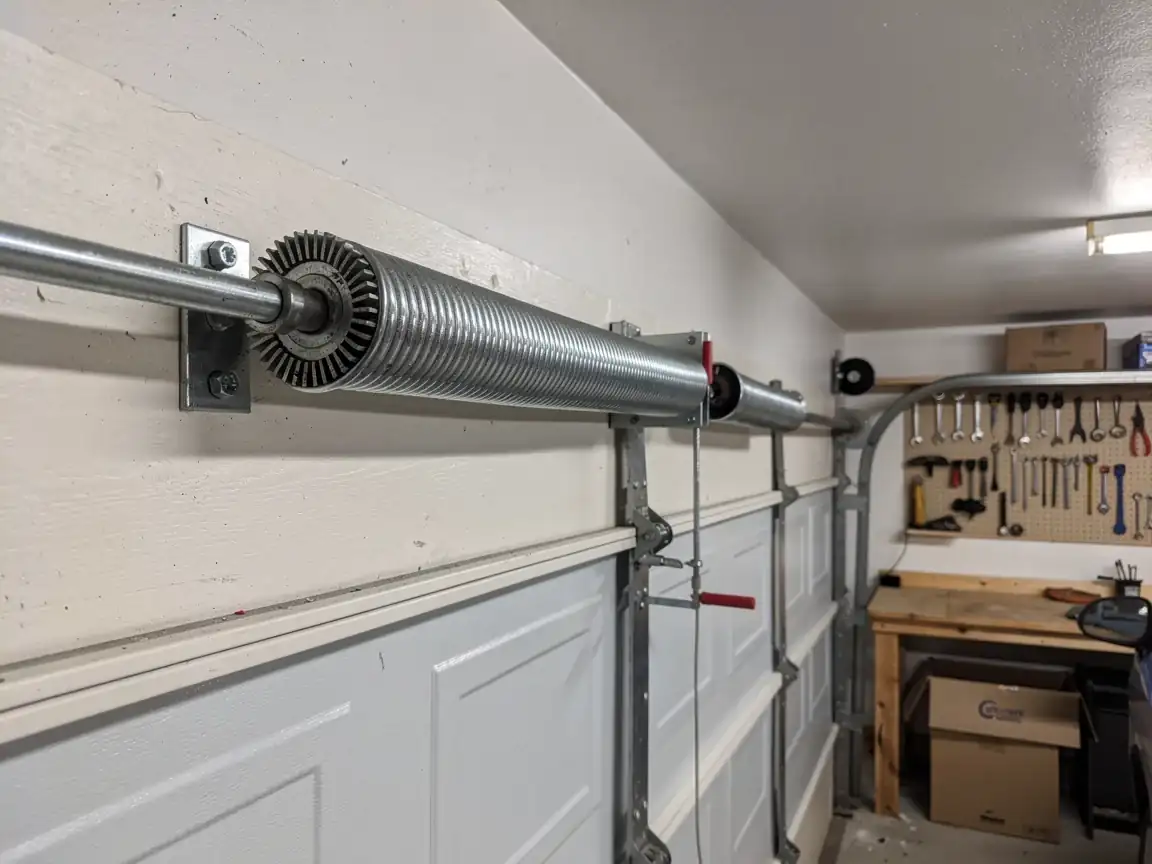
For a snapped torsion spring, the job is matching the new spring's wire size and wind to what the door and the weight of the panel need - guessing low means the opener fights the door every day afterward, and guessing high is hard on the opener in the other direction. On the 1980s and 90s doors common in Aurora, that usually means a standard residential torsion spring pair, not a specialty part.
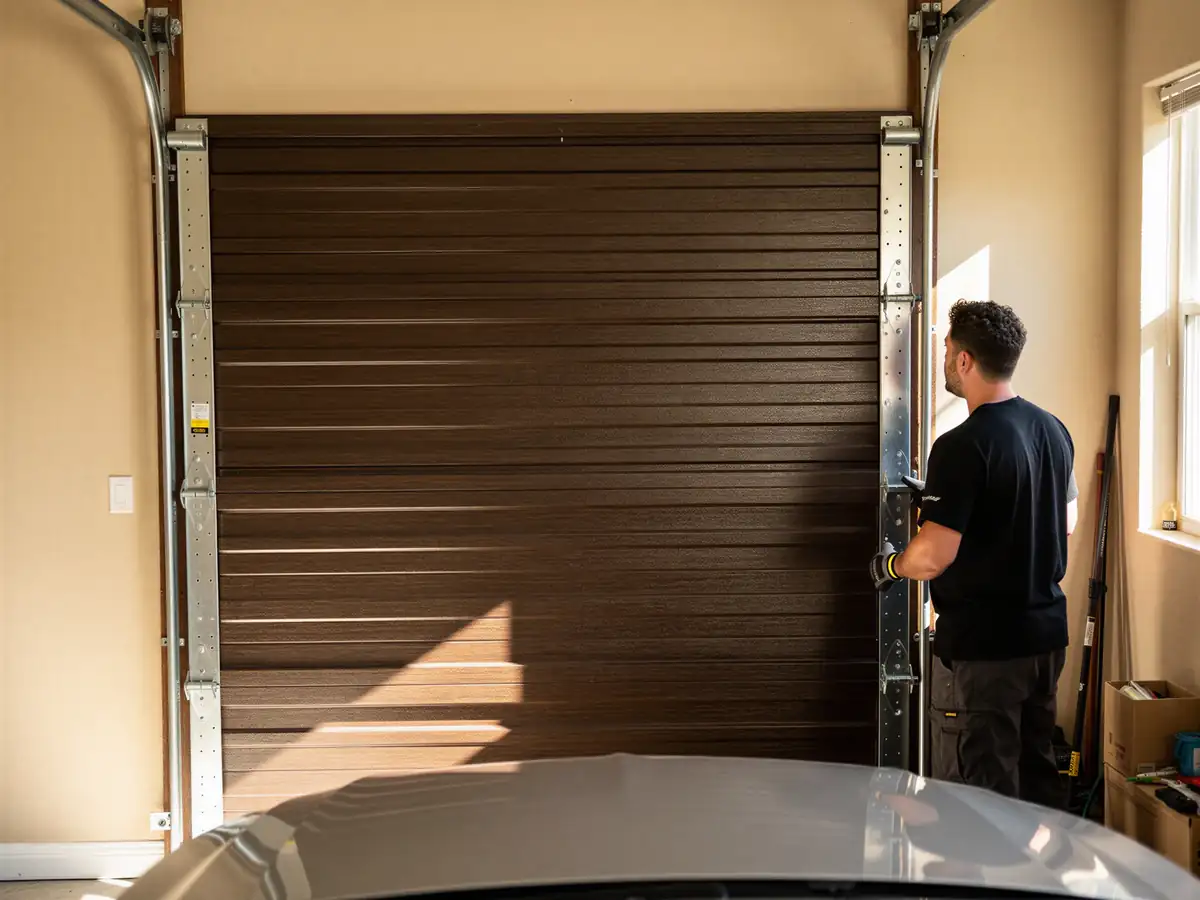
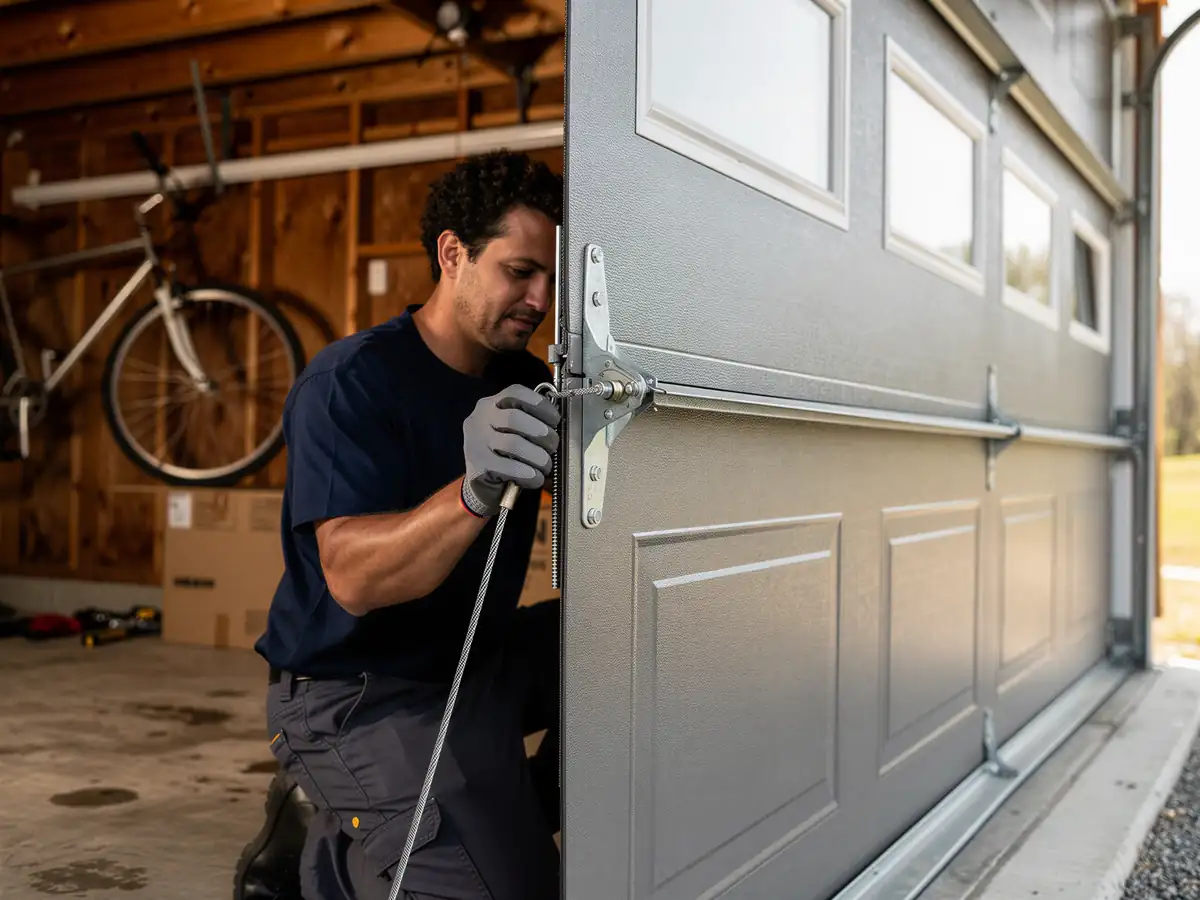
When the cable has jumped the drum, we reseat it, check the drum and bearing plate for wear, and replace anything grooved from years of running. If the opener itself is original to the house, we'll tell you honestly when it makes more sense to replace it outright rather than keep patching a 30-plus-year-old motor - parts for some of those older chain-drive units aren't made anymore, and chasing a ten-dollar gear with an hour of labor isn't always worth it.
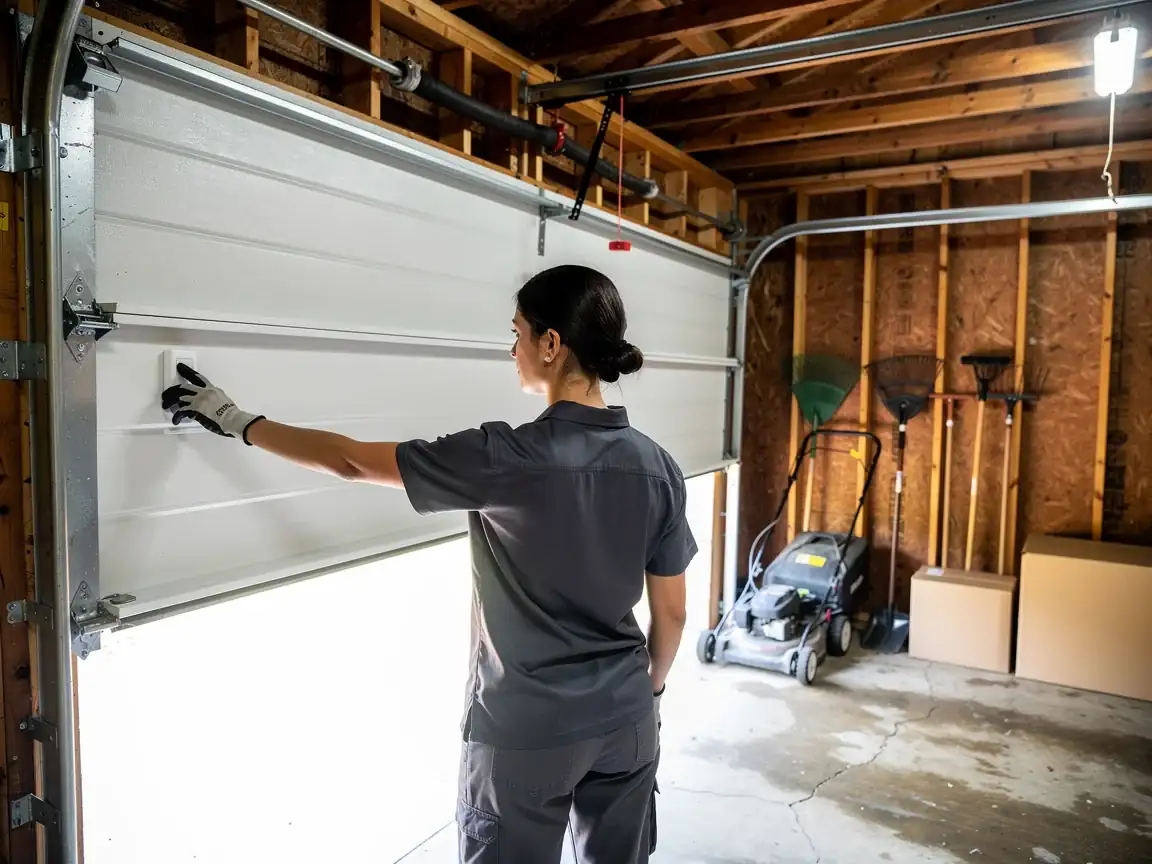
We test full cycle under load before we leave, not just a quick open-close.