How Local Conditions Play In
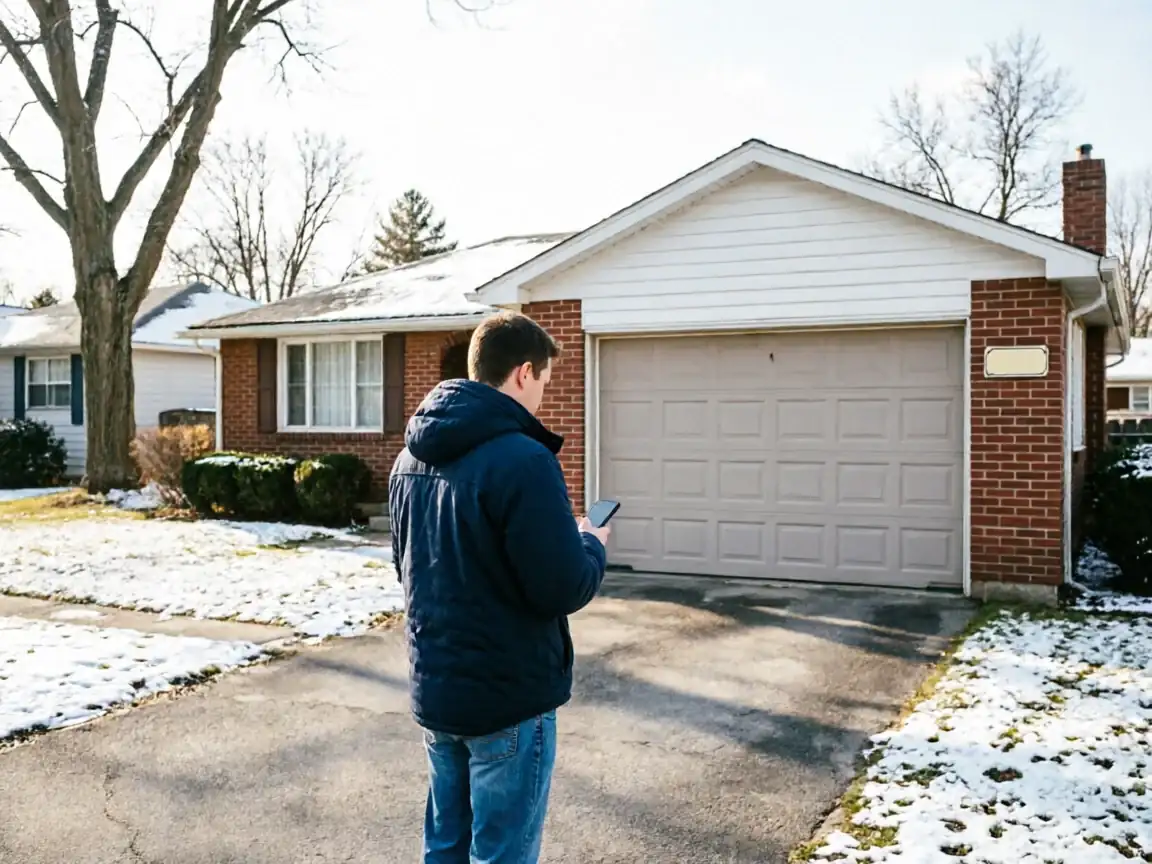
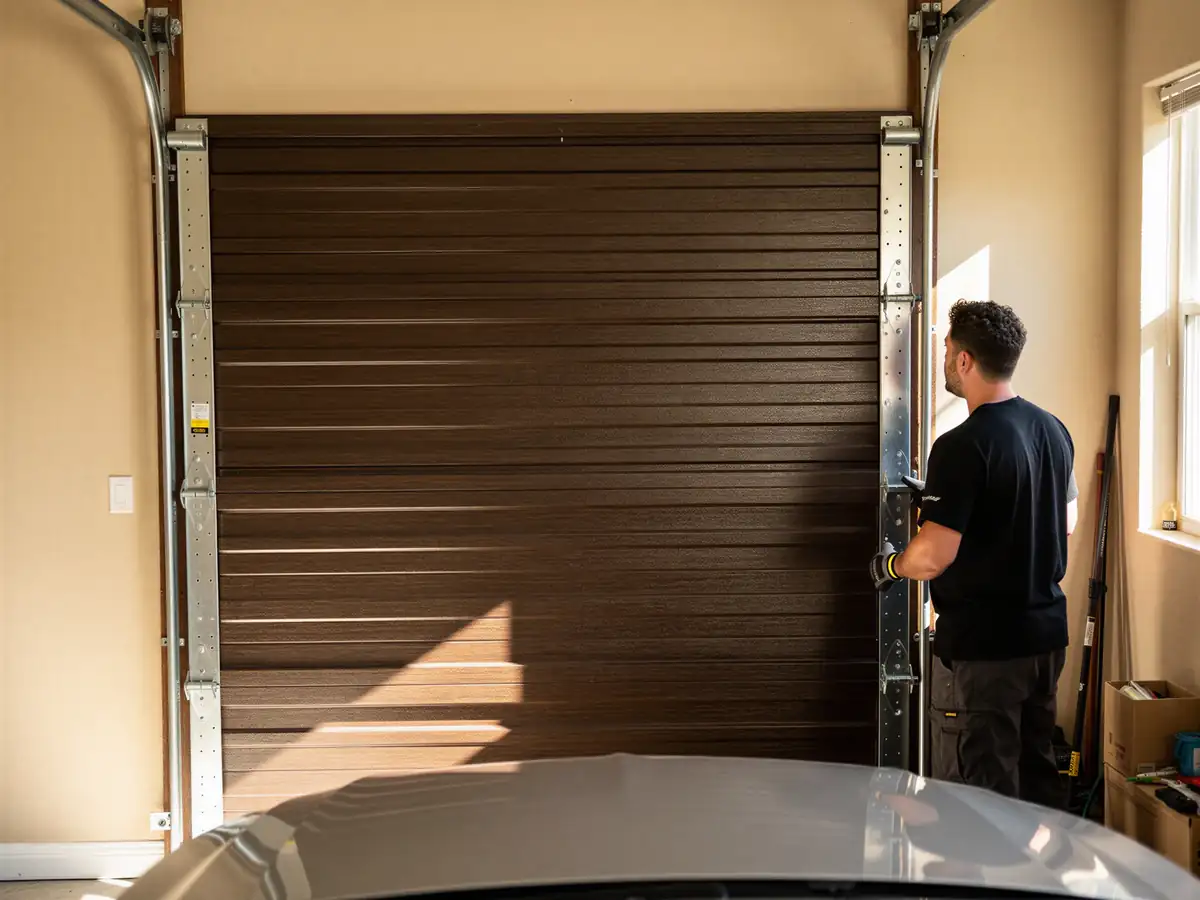
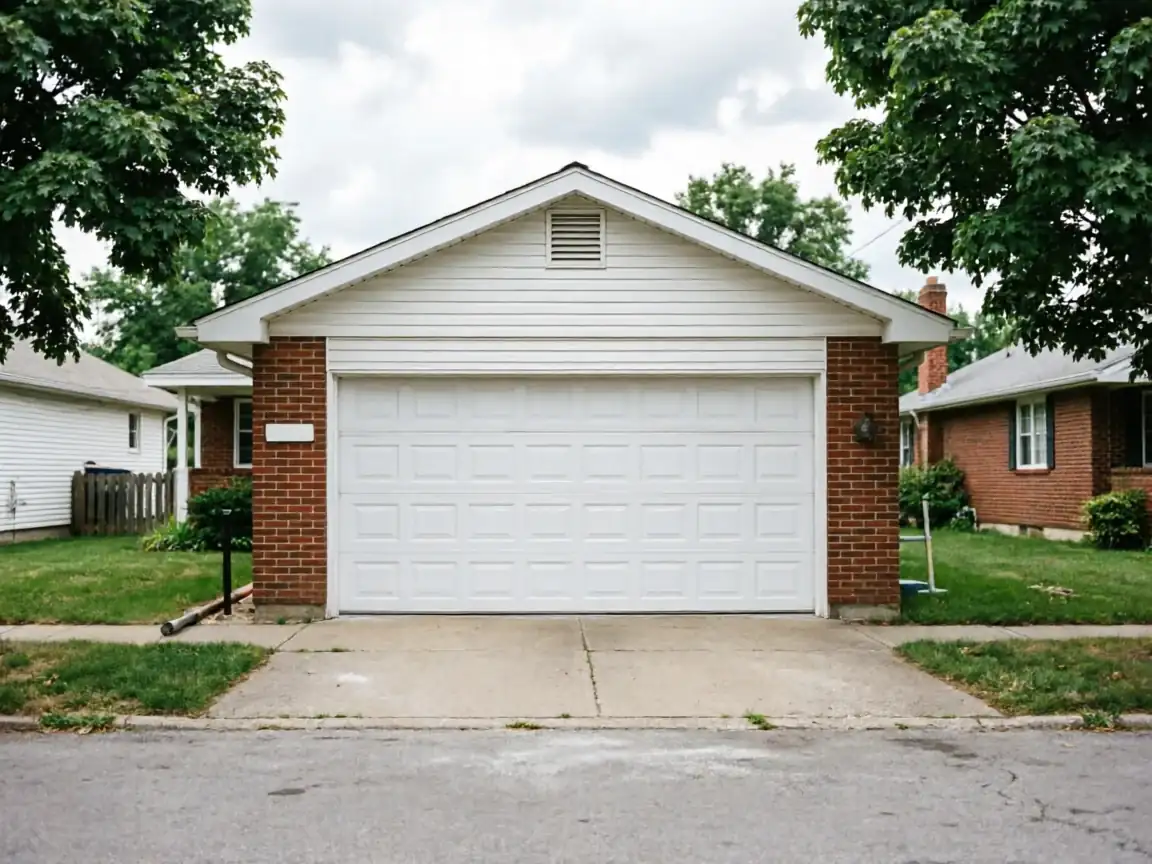
Most houses on this side of the Fox Valley went up between 1958 and 2003, with the bulk of that stock dating to the 1980s and 90s. That matters for weather seals because the bottom astragal and side seals on a door installed in, say, 1985 were never built to modern energy-code tolerances. They were rubber, they hardened over thirty-plus years, and nobody's replaced them since.
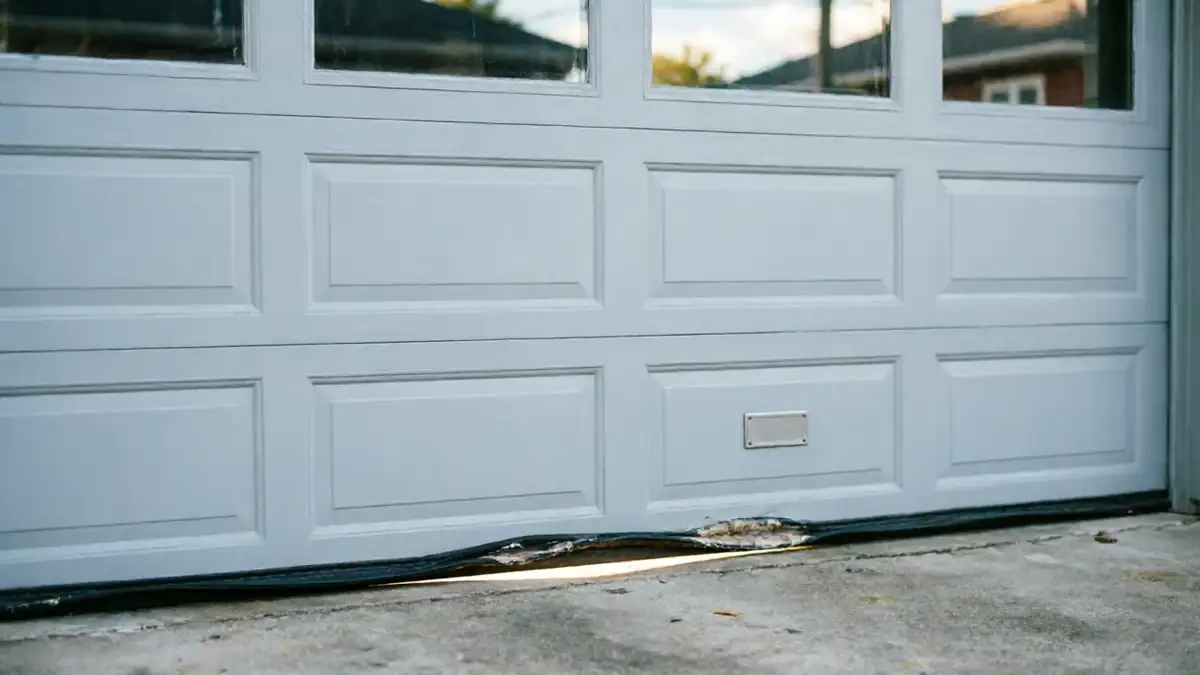
Aurora sits in a cold, moderate climate band, which means the seals do real work here. You're not just keeping out rain - you're keeping out a wind that drops the slab temperature in a closed garage by double digits on a bad January night. A seal that's cracked or flattened doesn't fail dramatically. It just lets a thin line of cold air in along the bottom of the door, and that line turns into a draught you feel standing at the kitchen door that backs onto the garage.
In the older pockets of 1958-1970s construction, the door frames themselves have settled slightly over the decades. That's not a weather-seal problem on its own, but it means the seal has to flex more to do its job, and a stock vinyl bulb seal bought off a shelf won't always close that extra gap. Worth checking before you assume a new seal alone fixes a cold garage.
When to Get Help
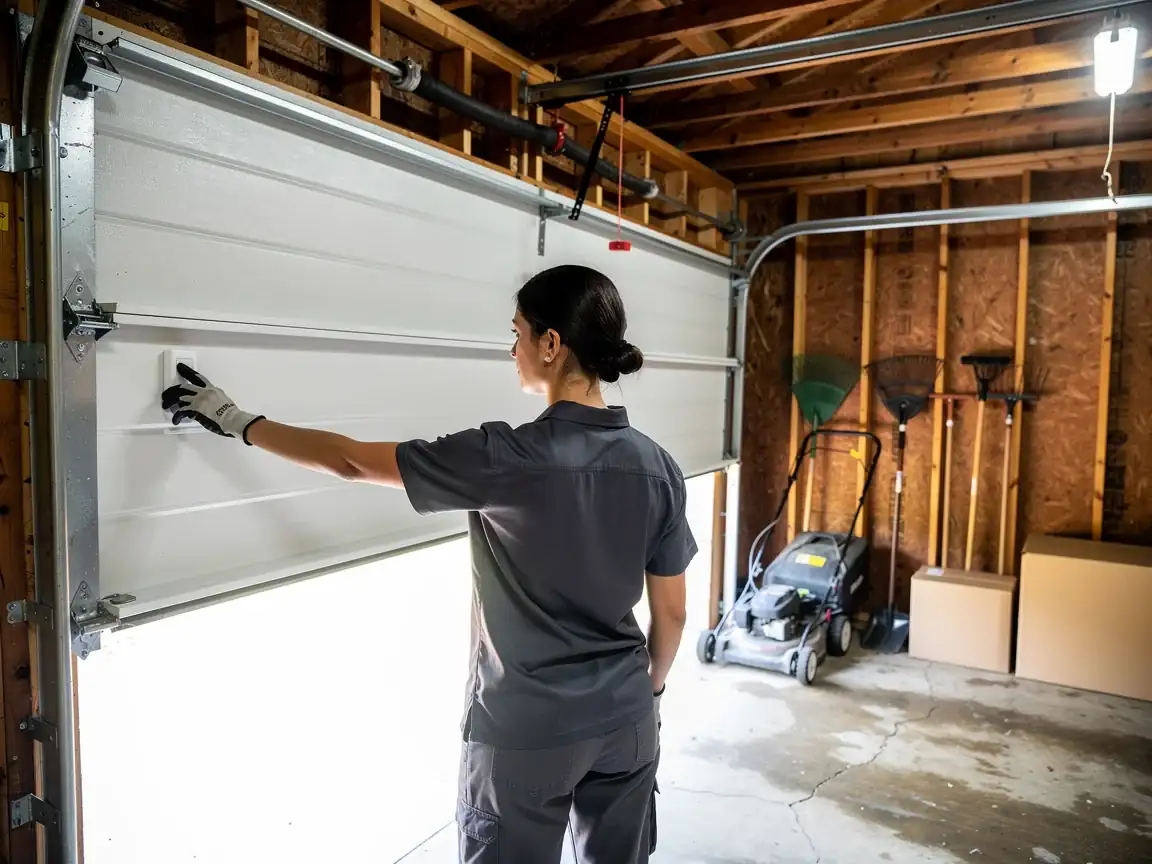
If you can see daylight under the door when it's closed, or feel moving air along the bottom edge with your hand, the seal has already failed - that's not a maintenance item anymore, that's a replace-it-now item. In a cold climate band like this one, a failed bottom seal in December isn't cosmetic; it's the difference between a garage that stays above freezing and one that doesn't, which matters if you've got pipes or a freezer out there.
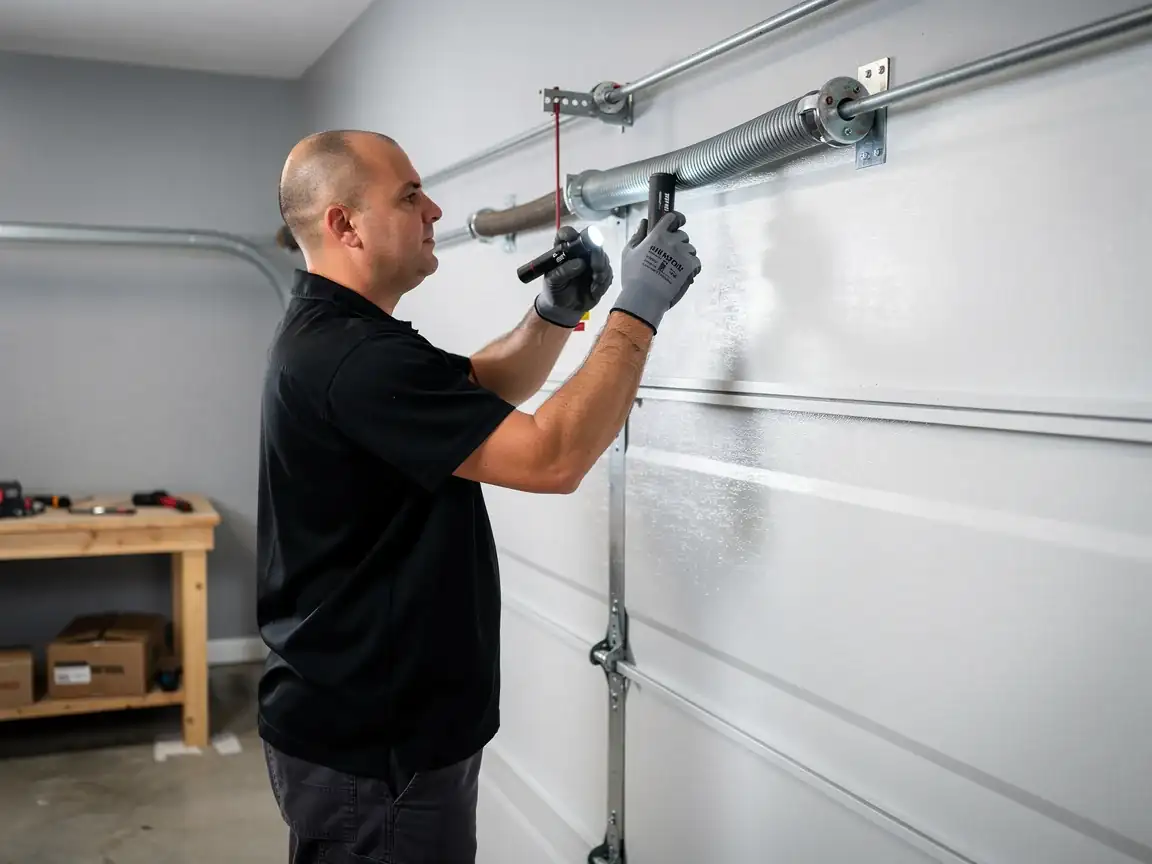
Side and top seals (the J-strip or bulb seal running up the vertical door frame) are easier to put off, but if the door predates the 1990s and has never been resealed, it's worth having someone look at the whole frame, not just the rubber. On houses from the 1958-1979 range especially, frame settling can mean the seal track itself needs shimming, not just a new strip pressed into the same channel.
We don't recommend waiting for a full winter to go by on a seal you already know is bad. The cost of the seal doesn't change with the season, but the heat loss does.
The Common Mistake
The mistake we see most in this area is homeowners replacing the bottom seal and stopping there
Because that's the visible one. On a door from the 1980s-90s stock that makes up most of this market, the bigger draught is often at the top panel seam or the side weatherstrip, which nobody looks at because it's not sitting in a puddle after rain the way the bottom seal is.
The other version of this mistake is buying a generic seal kit sized for a modern door and forcing it onto an older track
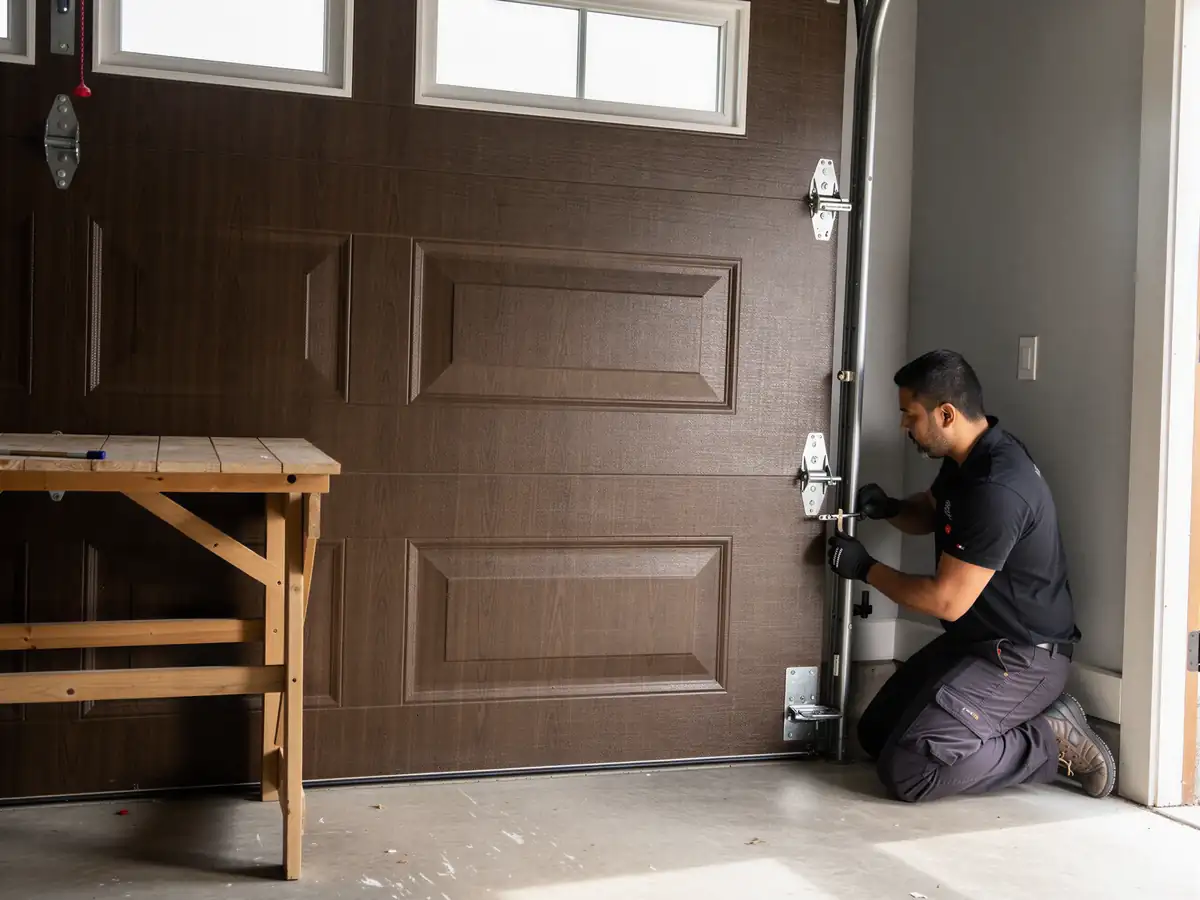
Door tracks and astragal channels weren't standardized the same way thirty or forty years ago, and a seal that's slightly the wrong width will look installed but won't actually compress enough to block a cold-climate draught. It'll last a season, maybe two, then you're back to the same cold line along the floor and wondering why the
The Problem
Here's the honest limitation: a new seal won't fix a door that's out of square. If the garage was built in the 1958-1970s window and the frame has shifted even a little, you can put on the best bottom seal available and still get a draught at one corner, because the gap isn't uniform. We'll tell you that on-site rather than sell you a seal that won't solve it.
The other real problem is timing. Seals that have hardened from years in a cold-moderate climate tend to crack the first time you try to remove them, which means a seal job sometimes turns into a seal-plus-track-cleaning job once we're in there. That's not an upsell - it's what thirty-year-old rubber does when you touch it.
And not every draught is a seal problem at all. On some of the 1980s-90s builds that make up most of the area's housing, the real air leak is around the opener's wall vent or an unsealed gap where the door track meets the framing, not the door itself. A seal replacement on a door that's already sealing fine just wastes the part.