How Local Conditions Play In
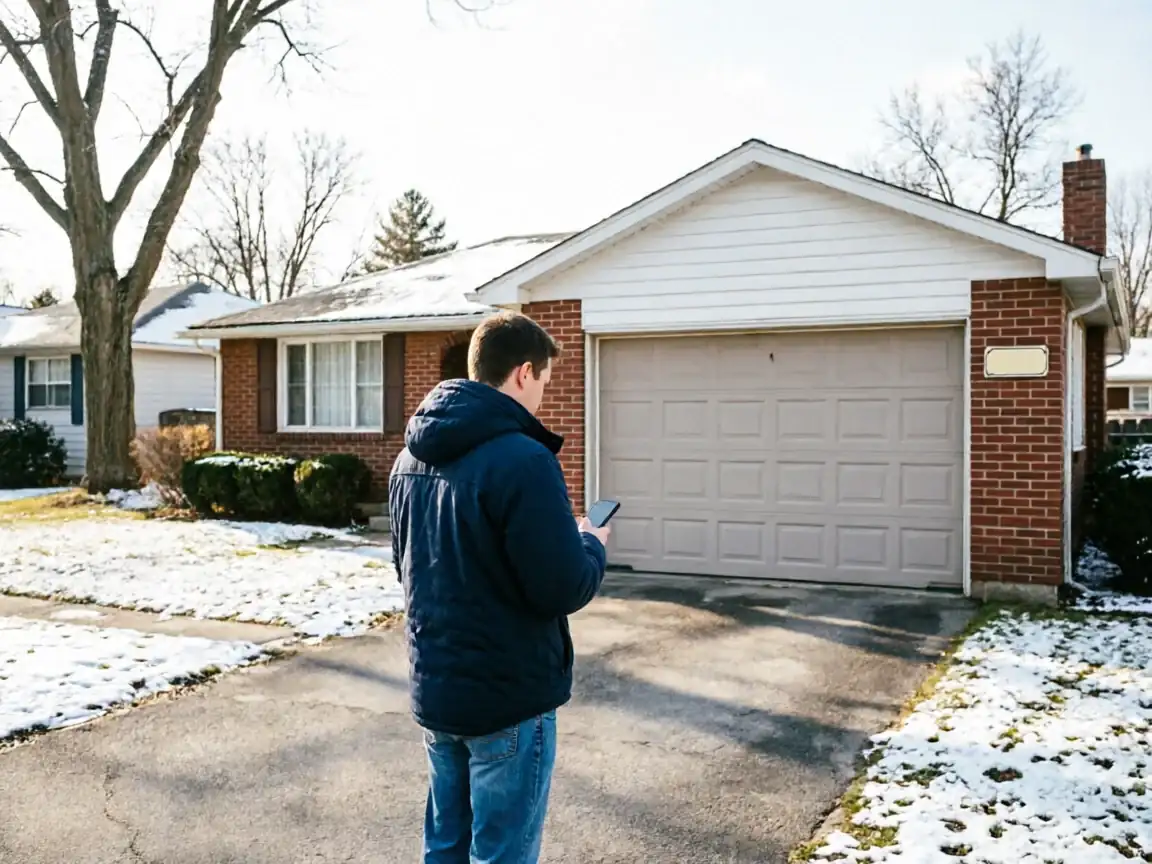
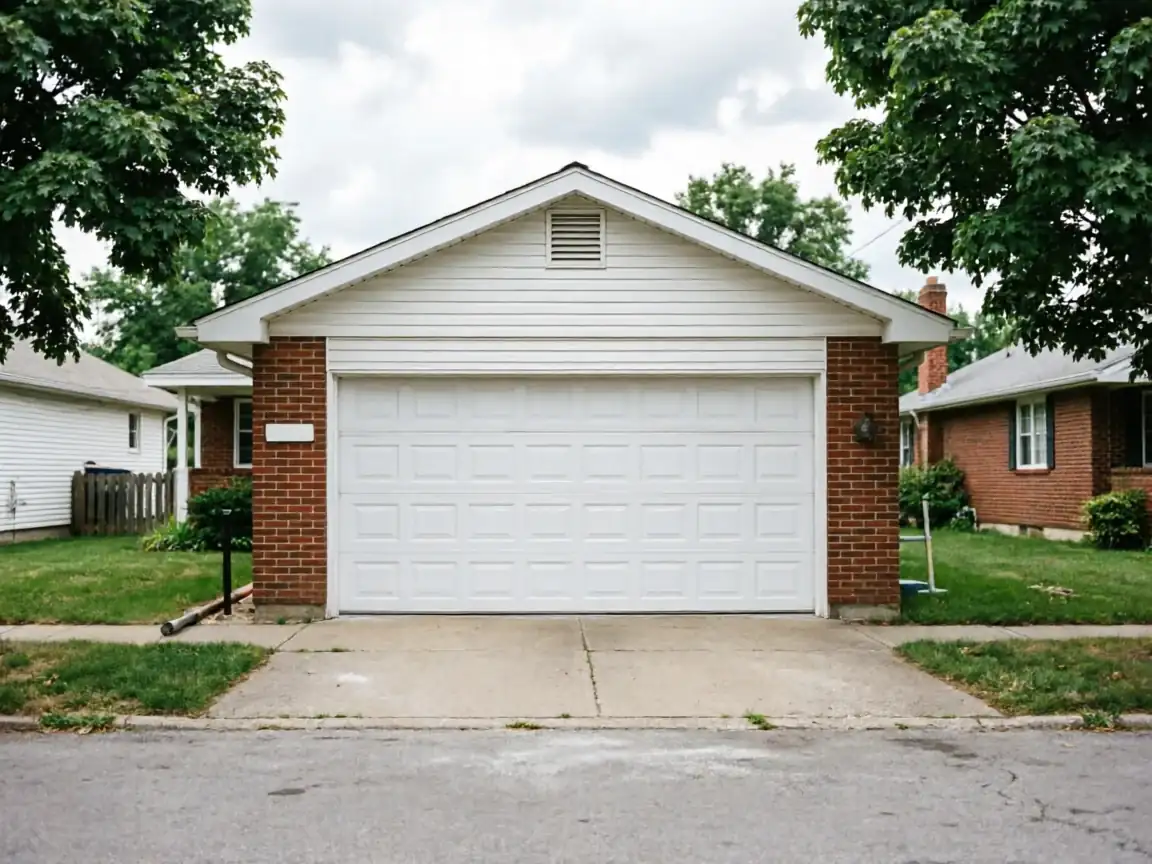
Most houses in Aurora went up between 1958 and 2003, with the median build year landing at 1981, and across the 48 named areas in this service territory the bulk of the stock dates to the 1980s and 90s. That matters because it means a lot of doors in this town are still running the builder-grade steel-track hardware that was standard for that era - the same torsion springs, the same roller style, often forty-plus years in service.
Aurora sits in a cold moderate climate band, and that swing matters more to a garage door than people think. Steel contracts in winter and expands again in summer, and a spring or hinge that's cycled through four decades of that contraction is not the same part it was in 1985. The metal fatigues. Lubricant that was fine in July gums up and stiffens in January. A door that was dead silent in its first fifteen years starts talking to you once it's logged enough of those seasonal swings, and in a town built mostly in that one twenty-year window, a huge share of doors are hitting that point at roughly the same time.
When to Get Help
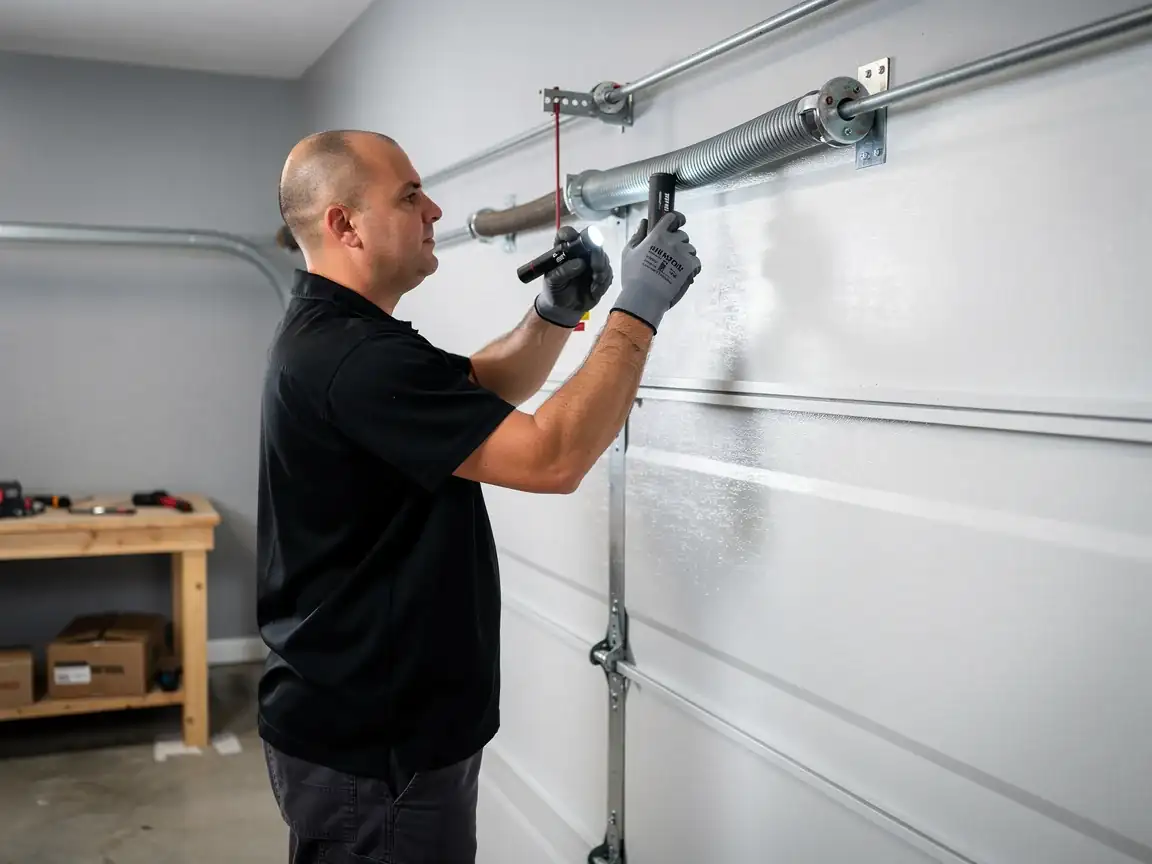
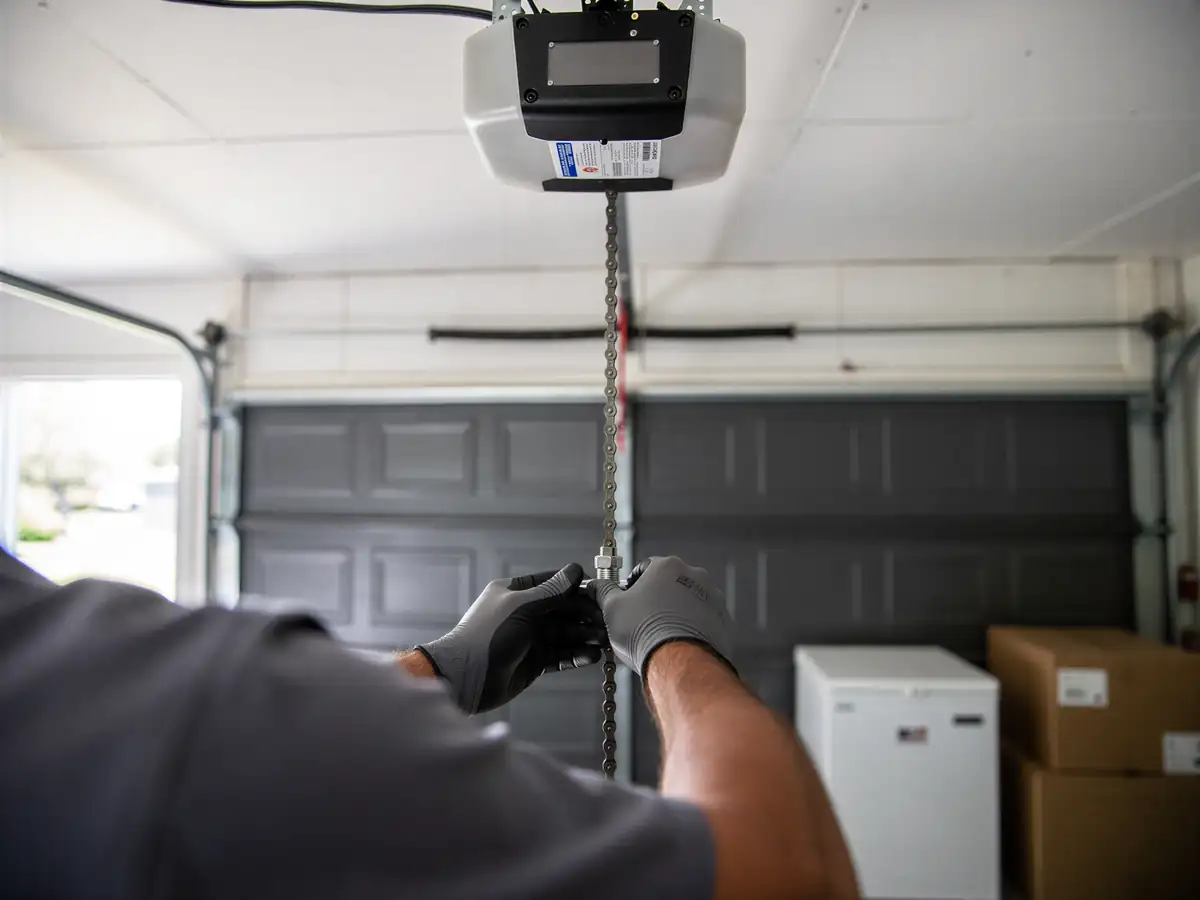
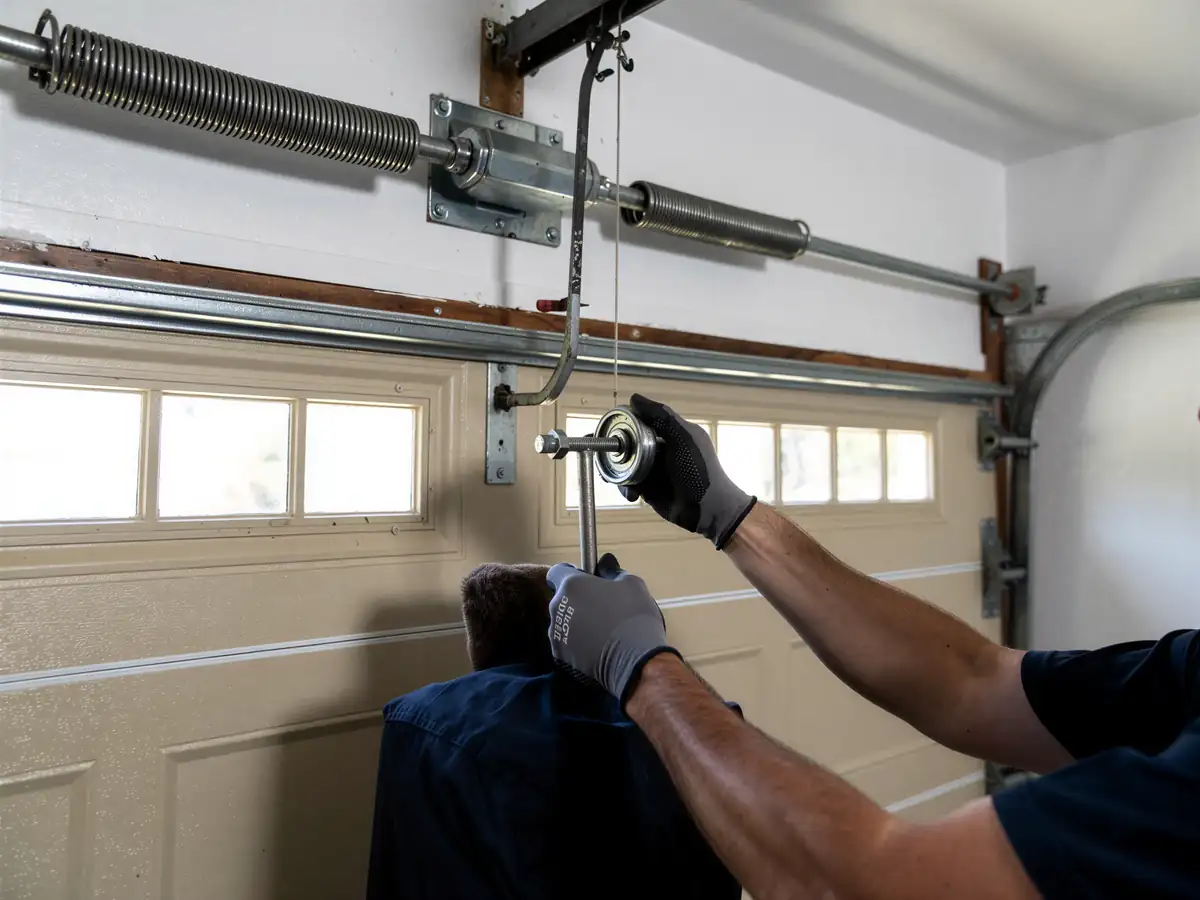
Not every sound is urgent, but some are. A sharp bang or a loud pop followed by the door refusing to move almost always means a torsion spring has let go - don't put a hand near it, and don't try to force the door open or closed. A grinding or scraping sound that gets worse each time you use the door usually means a roller or bearing is failing and metal is wearing on metal; that one won't fix itself and it gets more expensive the longer it runs. A rhythmic clunk that lines up with one spot on the track often means a bent track section or a loose roller bracket.
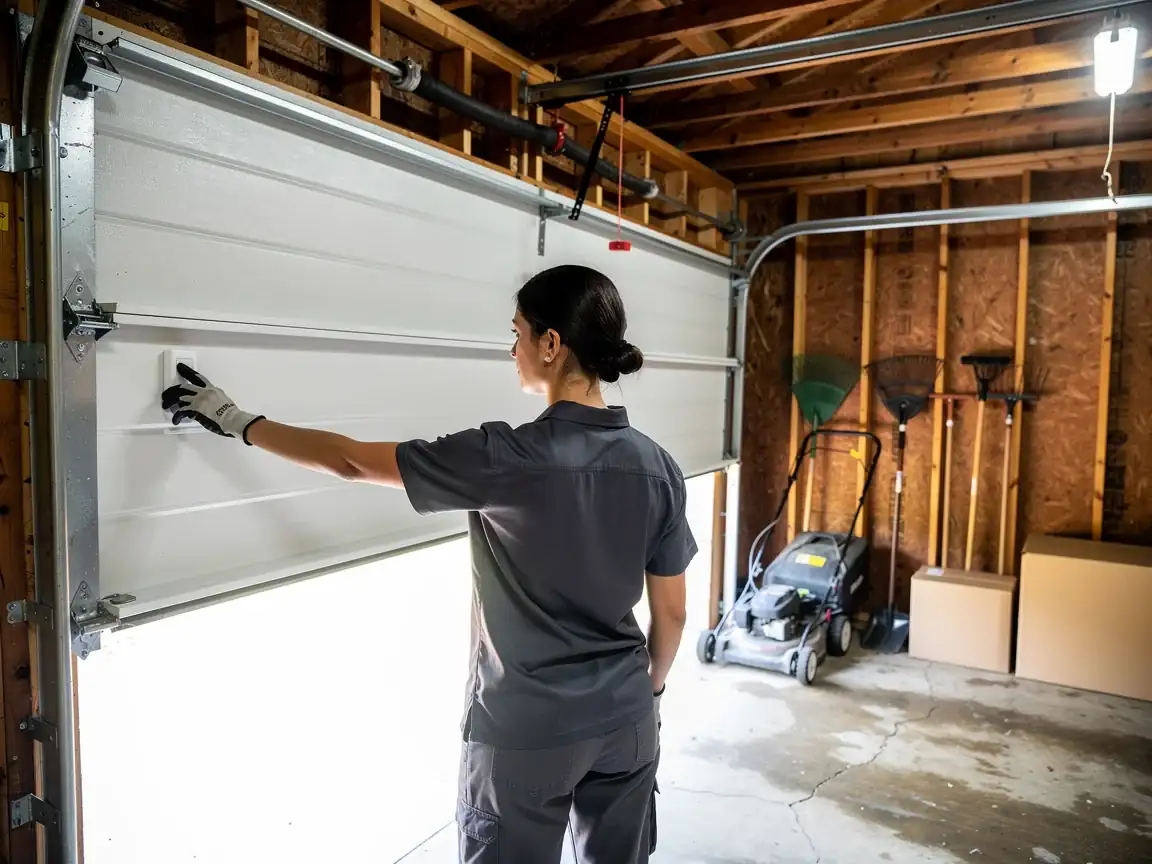
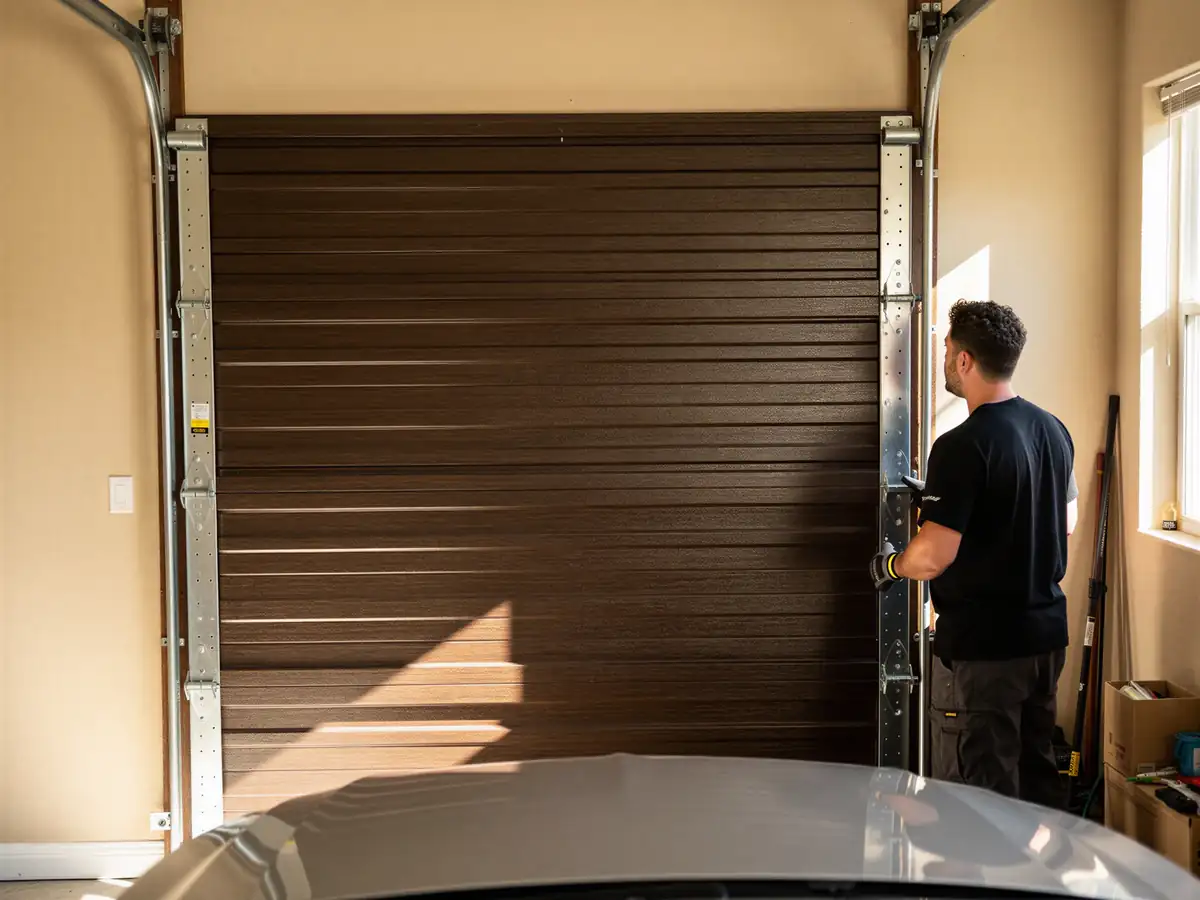
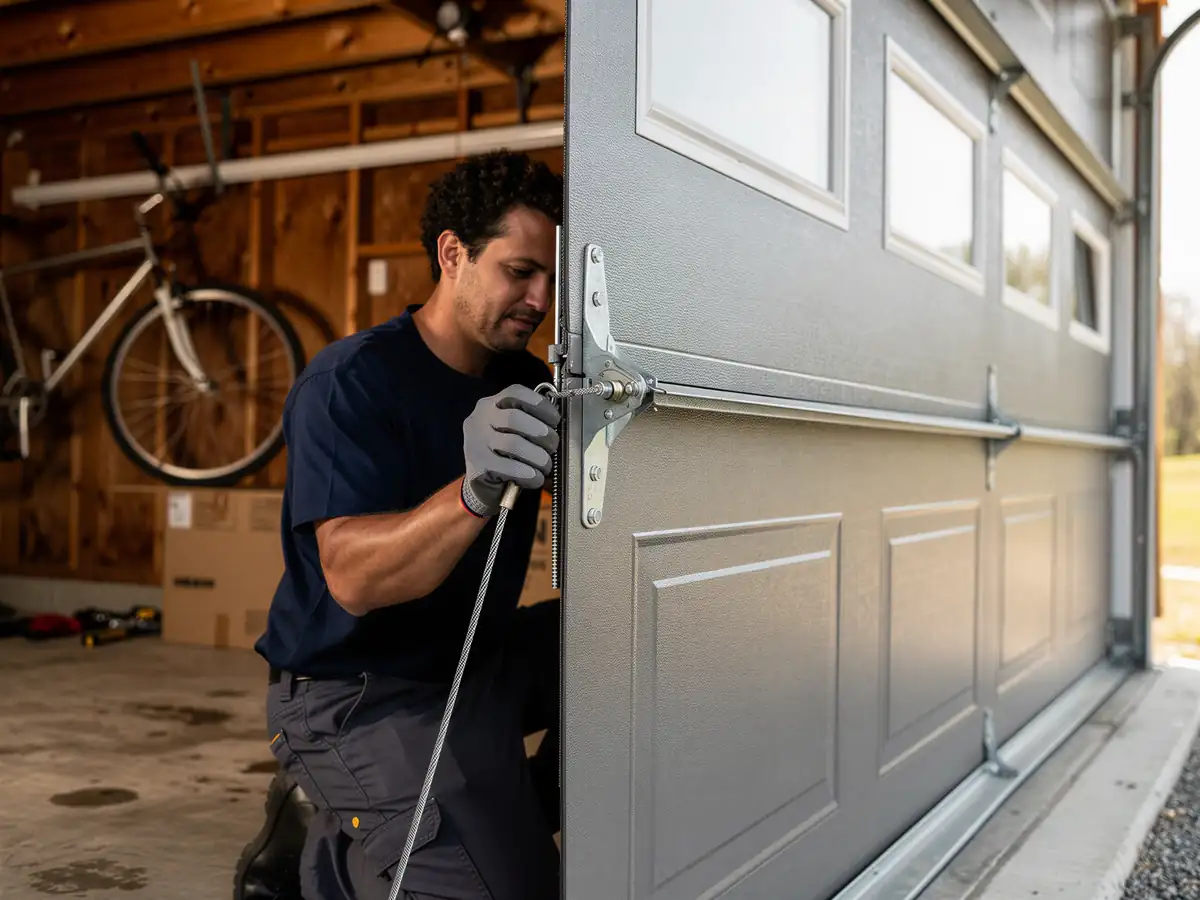
The doors on this builder-grade hardware from Aurora's 1980s and 90s building boom tend to fail in a predictable order as they age - rollers first, then cables and hinges, then springs. If you can describe where in the door's travel the noise happens, that's usually enough for us to tell you over the phone whether it's a same-day problem or something that can wait a week.
The Common Mistake
The mistake we see most is treating every noise the same way
Spray something on it and hope it goes away. WD-40 is a solvent, not a lubricant, and on a track or hinge it washes out the grease that's already there, which makes the grinding worse within a few weeks, not better. In a cold moderate climate like Aurora's, the right lubricant for rollers and hinges needs to hold up through winter stiffening without gumming, and a light spray-and-forget product usually doesn't.
The other common mistake is lubricating the noise away on a spring that's actually reaching the end of its service life
A spring that's been cycling for several decades in this climate doesn't get quieter with oil - it just gets quieter right up until it snaps. If a door on 1980s-era hardware has been making the same complaint for months despite regular lubrication, that's usually a sign the part needs replacing, not re-oiling. We'll tell you straight if that's what we're looking at instead of selling a service call that won't hold.
The Problem
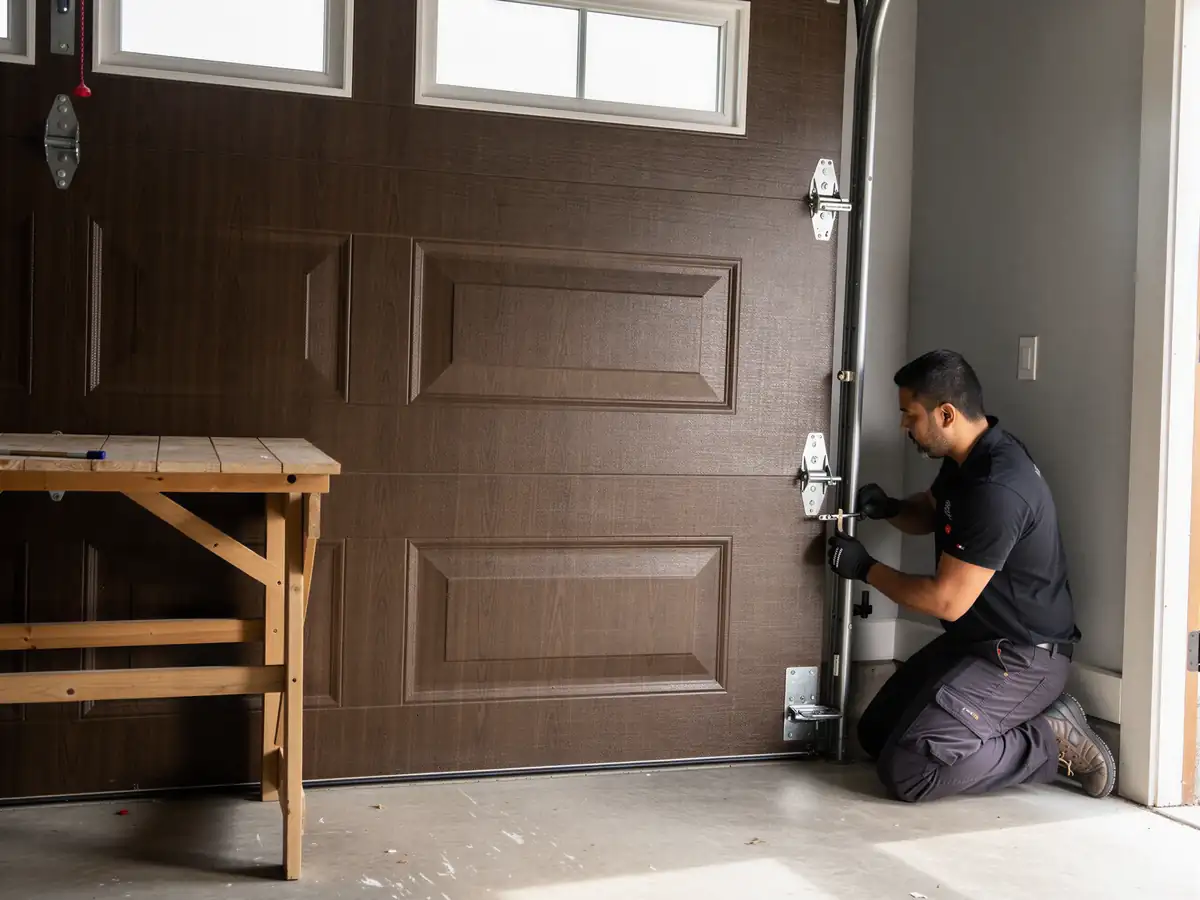
Underneath most of these noises is the same basic story: parts built into Aurora homes during that 1958-to-2003 construction window, with most of it concentrated in the 1980s and 90s, are reaching or past the point where steel hardware starts to fatigue. Rollers wear flat spots. Hinges develop play. Torsion springs lose tension unevenly, which is what makes a door sound different on the way up than on the way down.
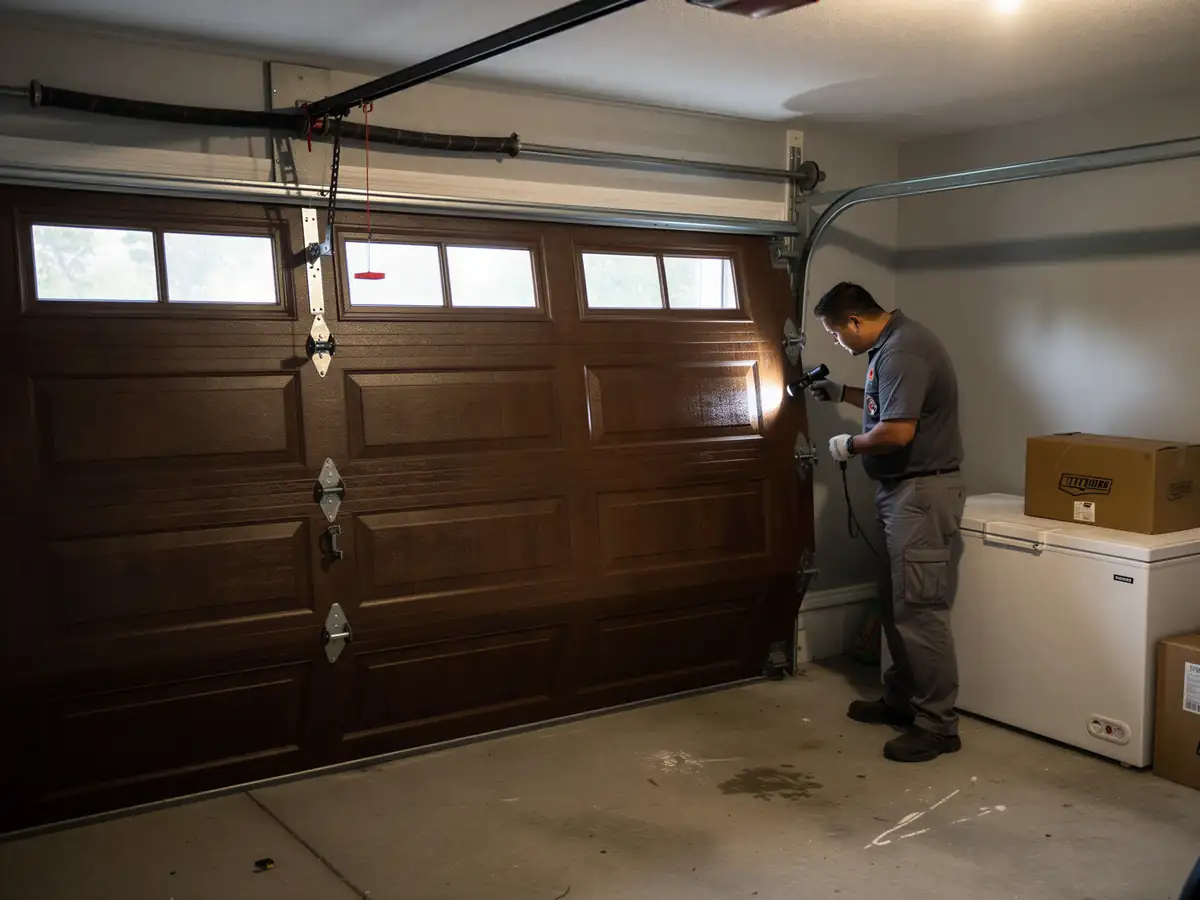
We can't always tell exactly which part is talking just from a description over the phone - a bad roller and a bent track can sound similar from inside the house - so there's a limit to how precise we can get before someone's eyes are actually on the door. What we can say is that a door built in this era, in this climate, that starts making a new noise is responding to real wear, not random bad luck, and the fix is almost always one specific part, not a full teardown.