How Local Conditions Play In
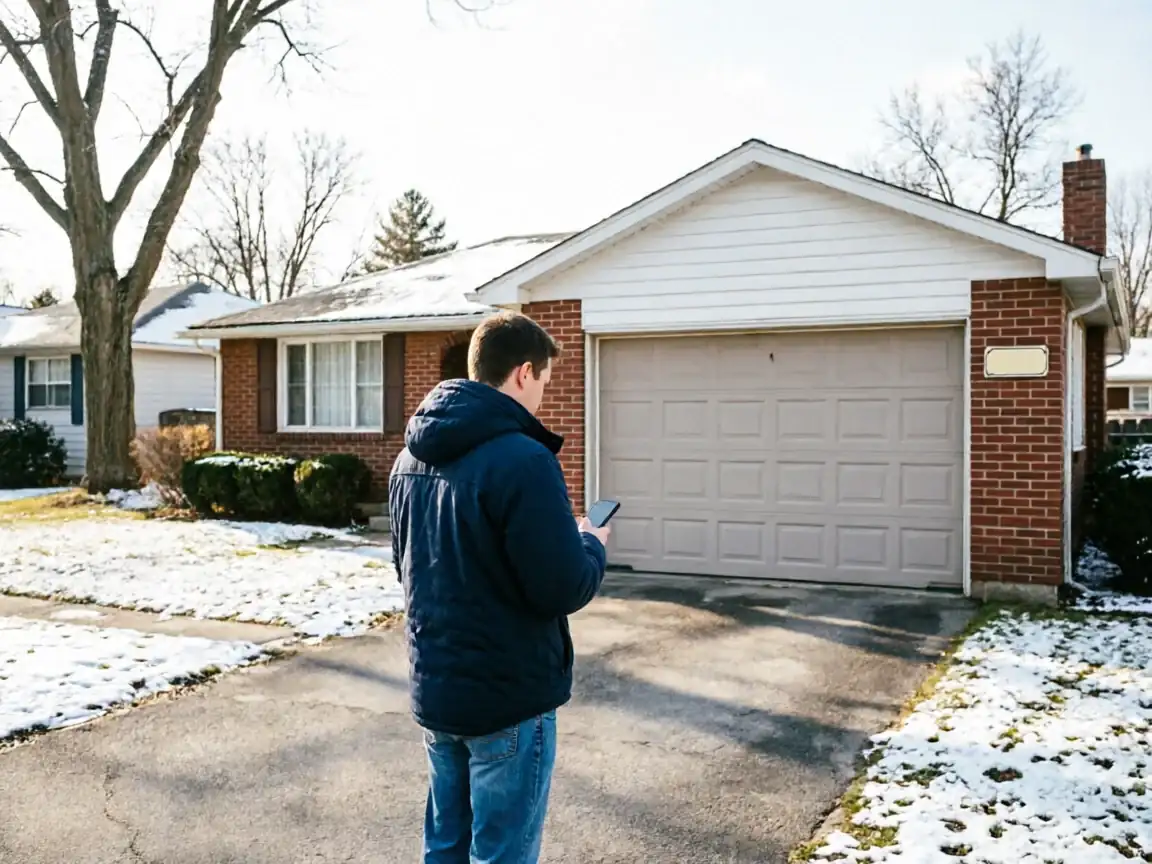
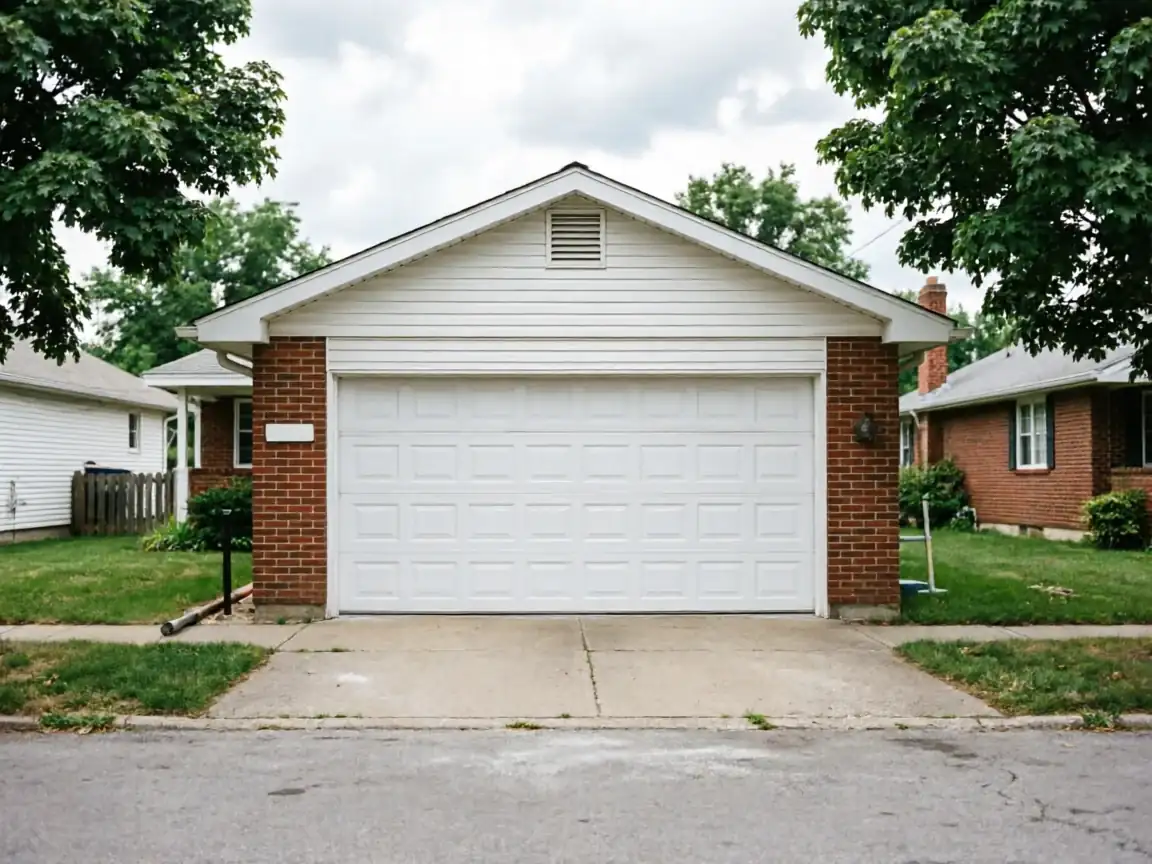
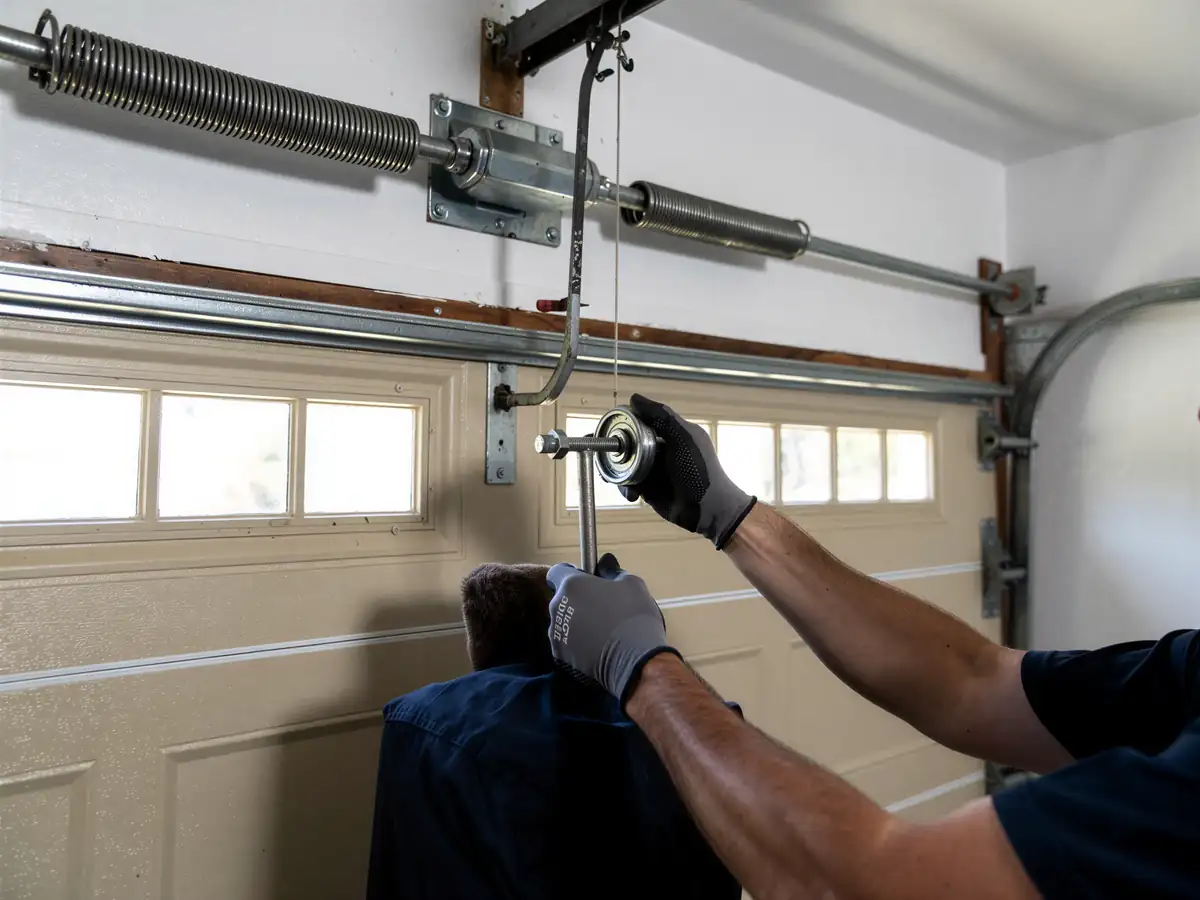
Most of the houses on this side of Aurora went up between 1958 and 2003, with the bulk of that stock dating to the 1980s and 90s. That matters because a torsion spring has a rated cycle life, and a spring installed when a house was built in, say, 1985 is now pushing forty years of expansion and contraction. Steel gets brittle with age, and brittle steel does not handle cold the way new steel does.
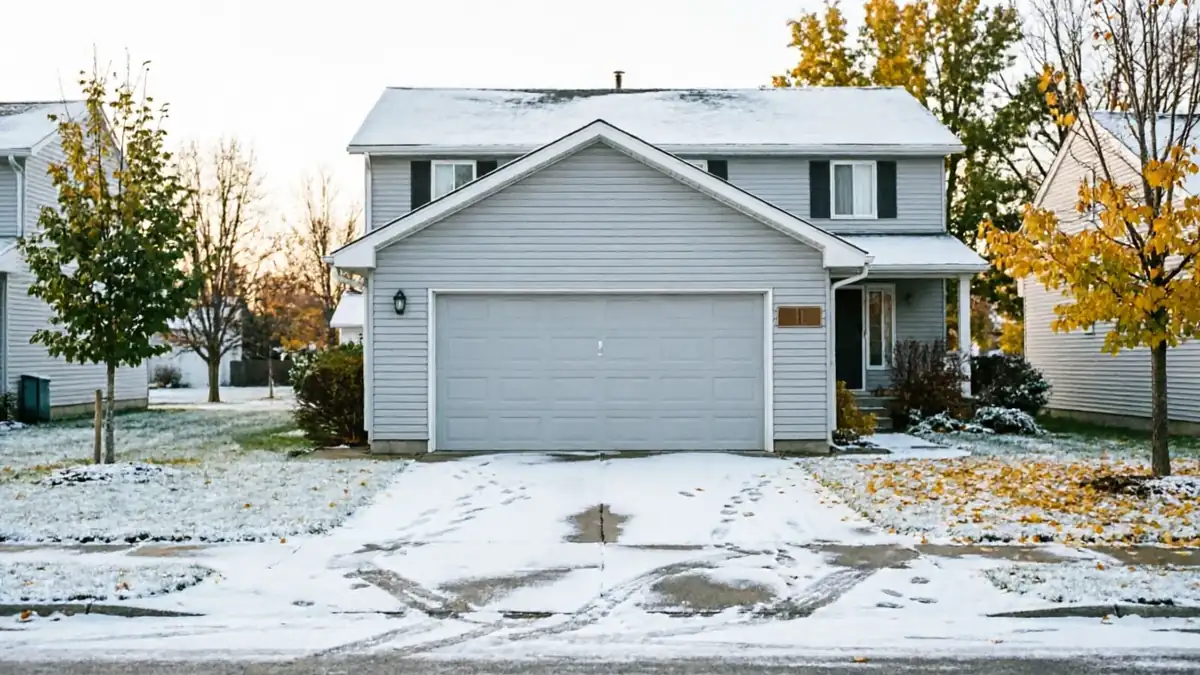
Aurora sits in a cold-moderate climate band, which means the garage sees real swings - not the brutal sustained cold of the far north, but enough freeze-thaw cycling every winter to work on metal that's already tired. A spring that's wound tight all summer contracts further when the temperature drops, and the torque on the winding cone goes up right as the steel is least able to flex with it. That's the exact combination - older coil, cold snap - that snaps a spring in a driveway at 6 a.m. instead of failing slow.
It's not that cold weather breaks healthy springs. It's that cold weather is the final push on a spring that was already near the end of its life, and a lot of Aurora garages are sitting on springs that age matches.
When to Get Help
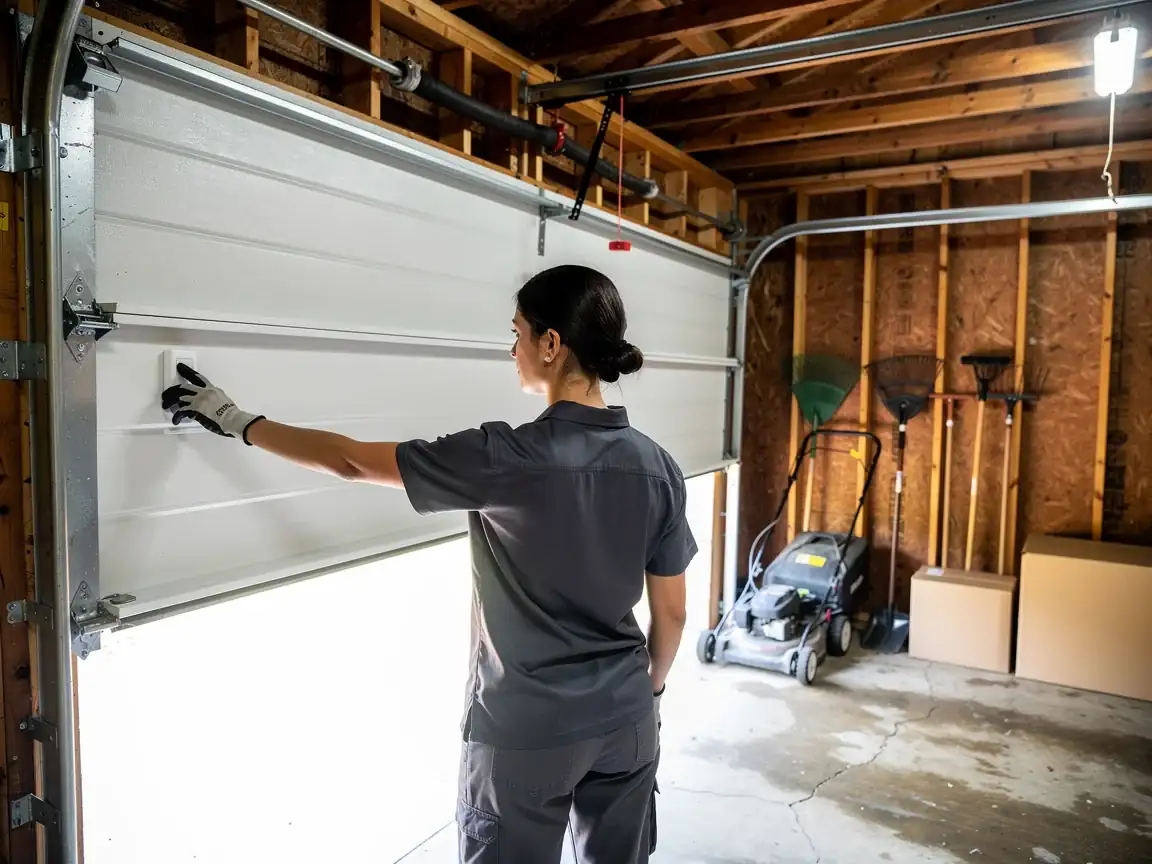
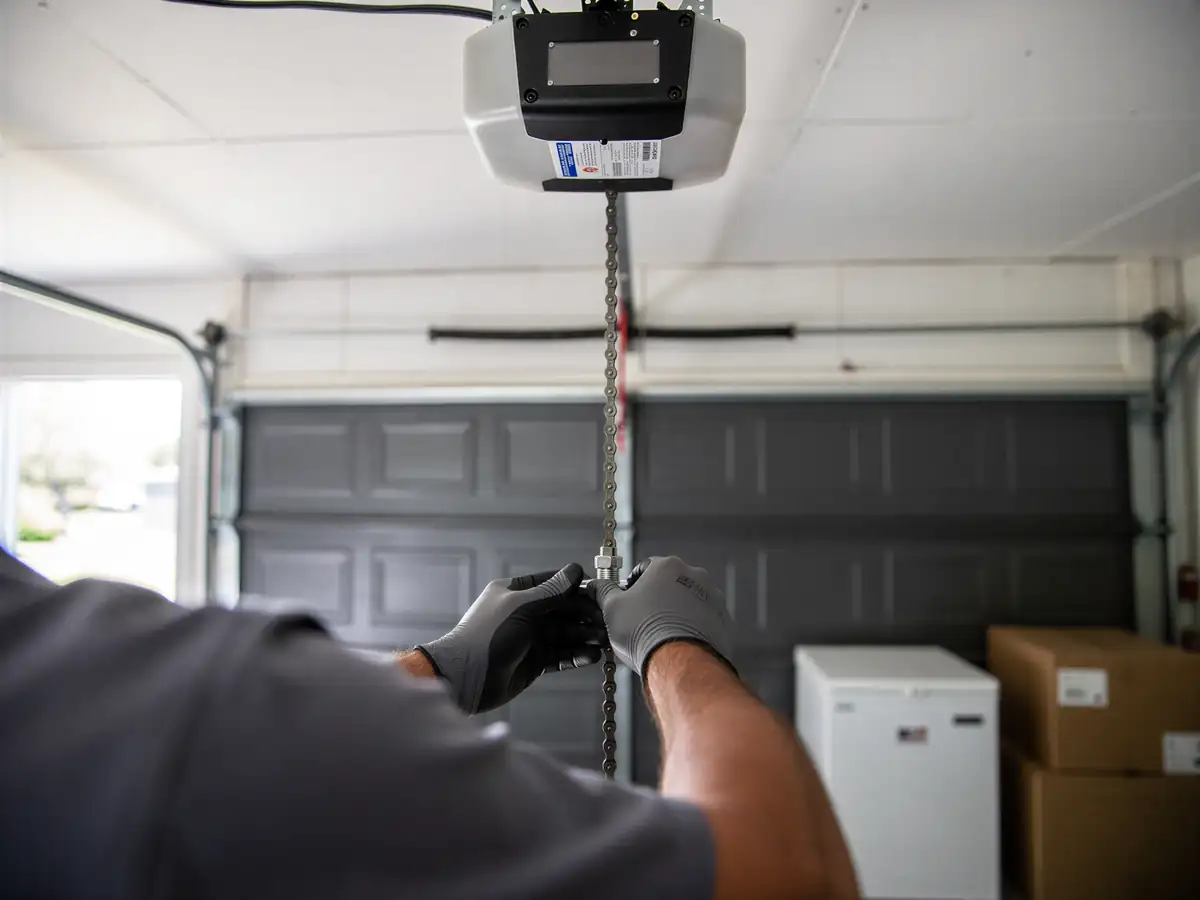
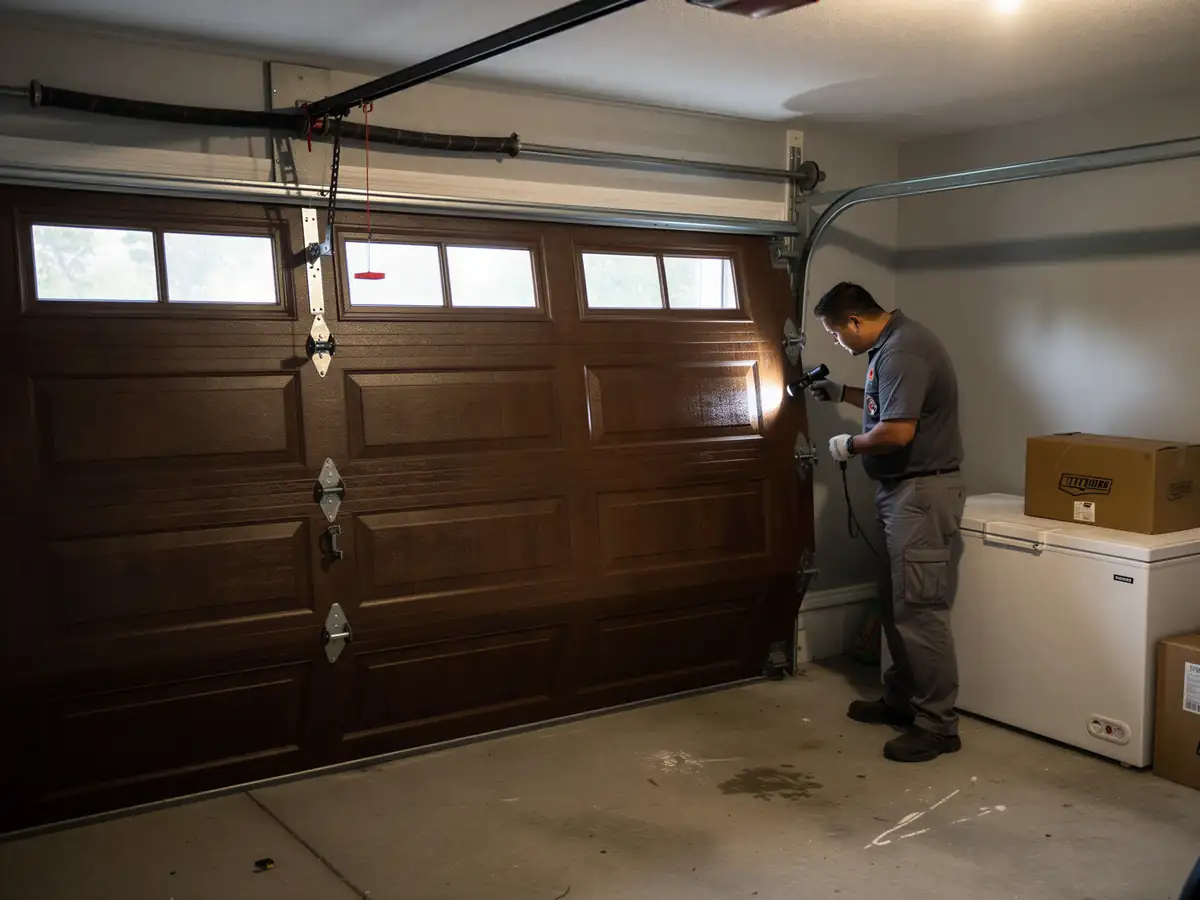
If the door won't budge, or it moves a few inches and stops, that's a broken spring, not a stuck track. Don't keep hitting the opener button - you'll burn out the motor trying to lift weight the spring is supposed to carry. A standard double garage door weighs more than most people guess, and without the spring doing its job, the opener is not built to take that load alone.
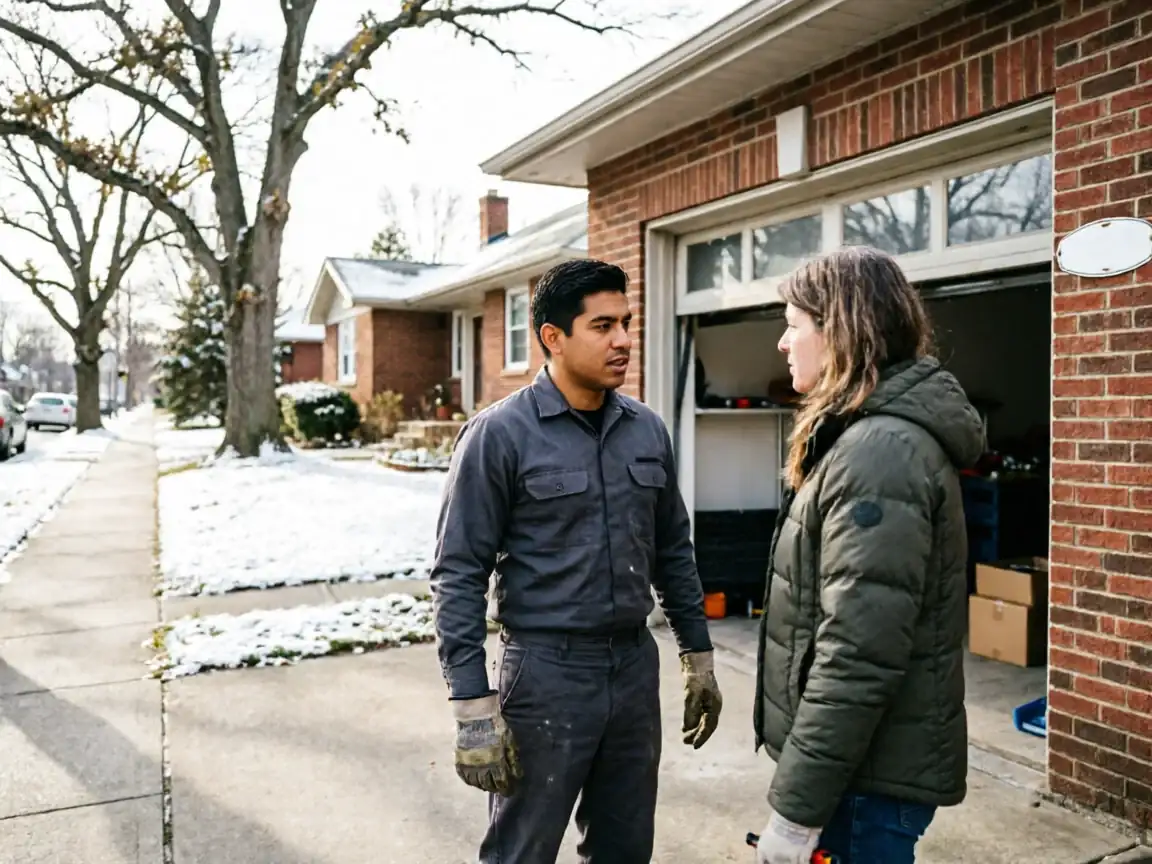
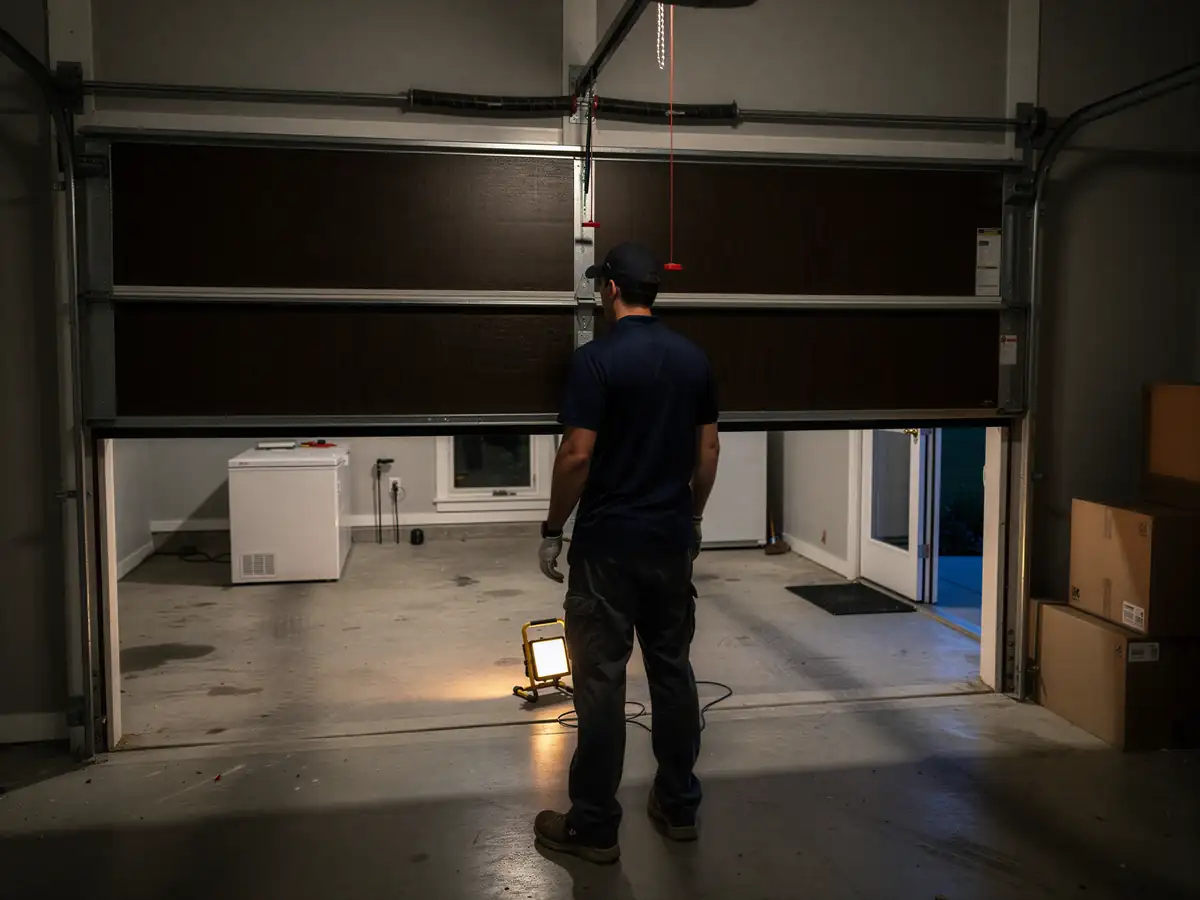
Call for help the same day if the door is stuck open - that's a security problem on top of being inconvenient. If it's stuck shut and you can live without the car for a day, that's less urgent, but don't leave it for weeks. A broken spring on a torsion system means the other spring, if there is one, is carrying double duty, and that one goes next.
We don't have a listed response time to quote you here, but a broken spring is the kind of call that normally gets worked into the same day or the next morning rather than scheduled out.
The Common Mistake
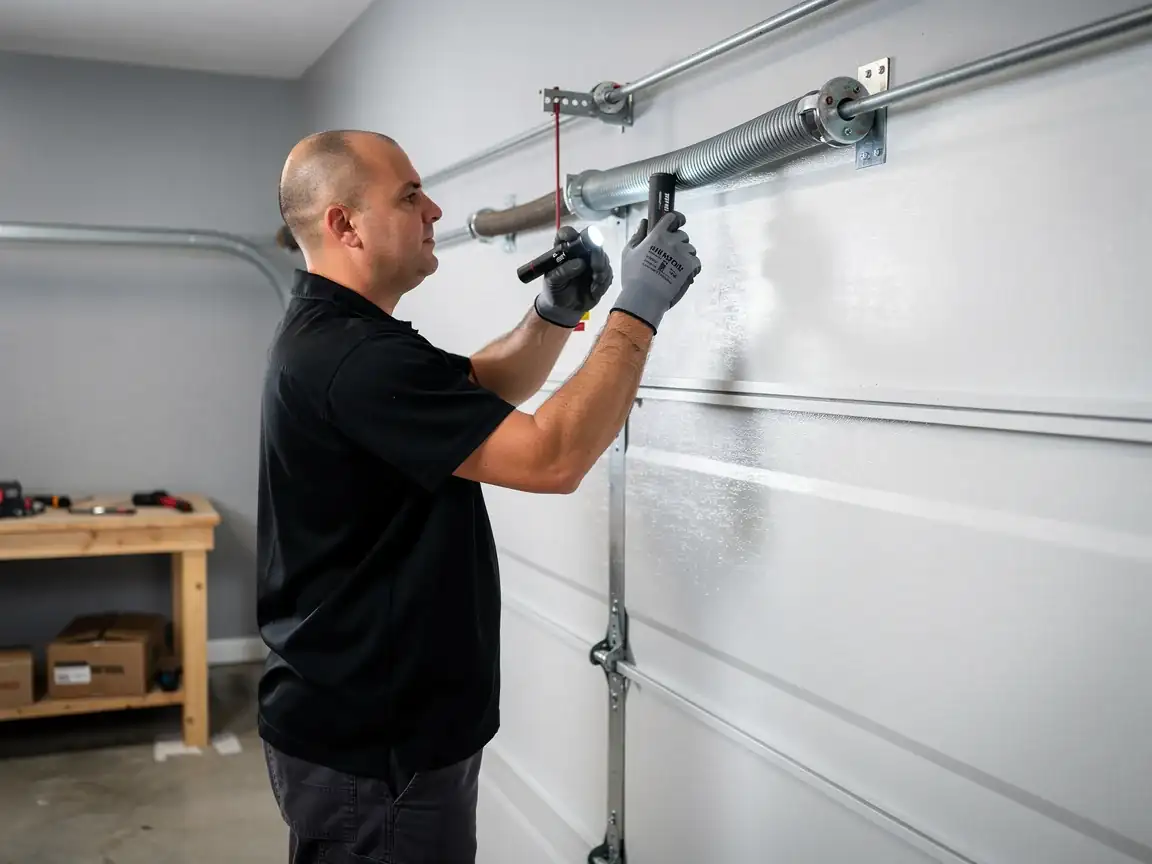
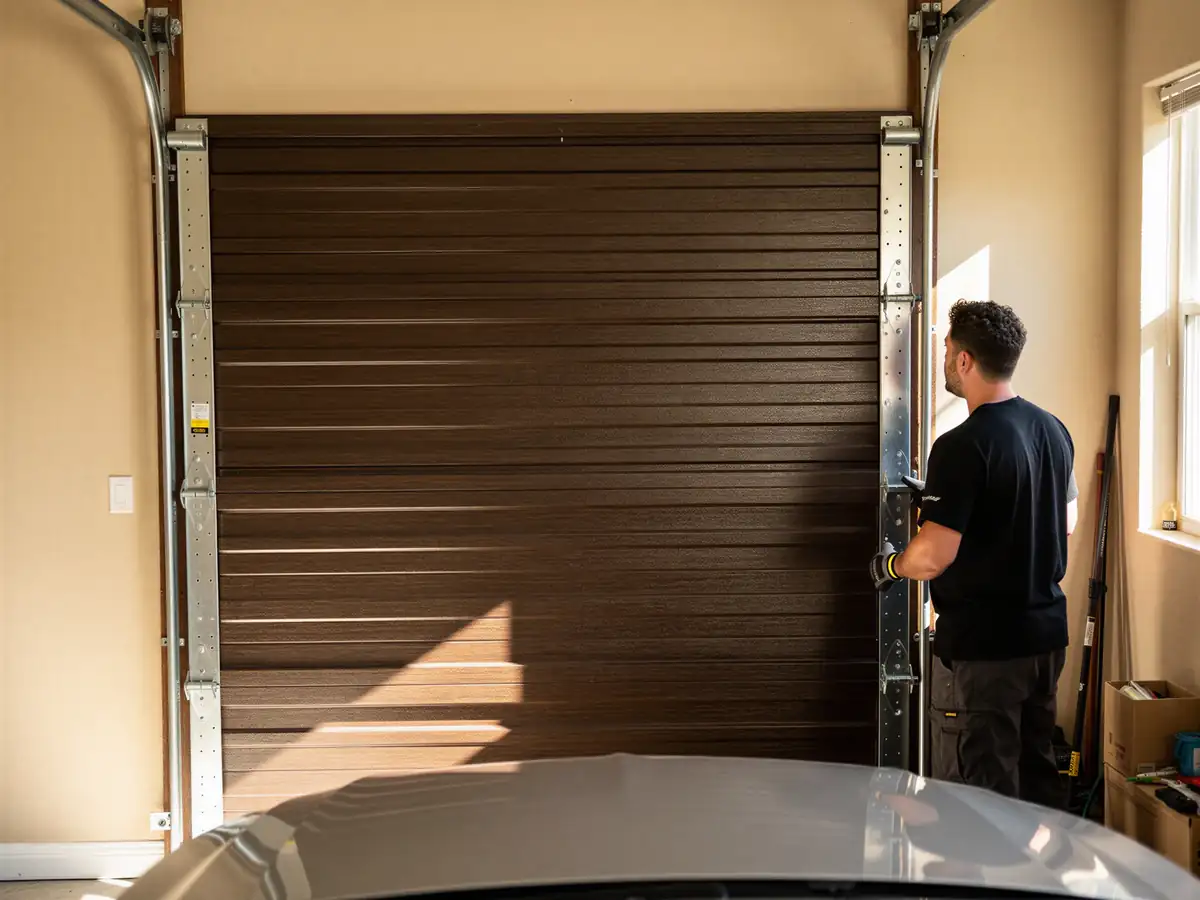
The mistake we see most in houses from that 1958-2003 wave is someone trying to replace one spring and leaving the other alone because it "still looks fine." Torsion springs are sold and installed as a matched pair for a reason: they're sized to the same door weight and wound to work together
A spring from 1985 and a spring from 2015 on the same shaft don't share load evenly, and the older one usually goes within a season or two of the new one going in.
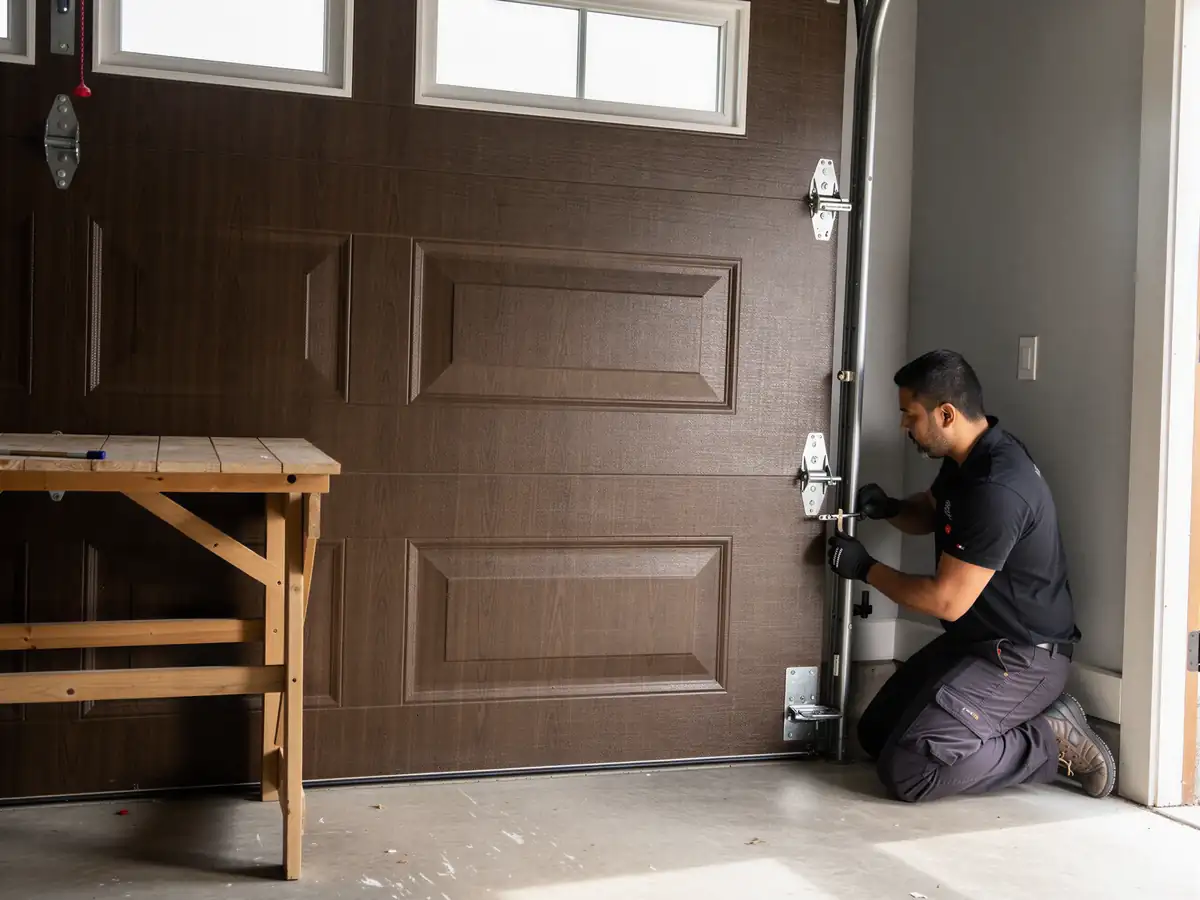
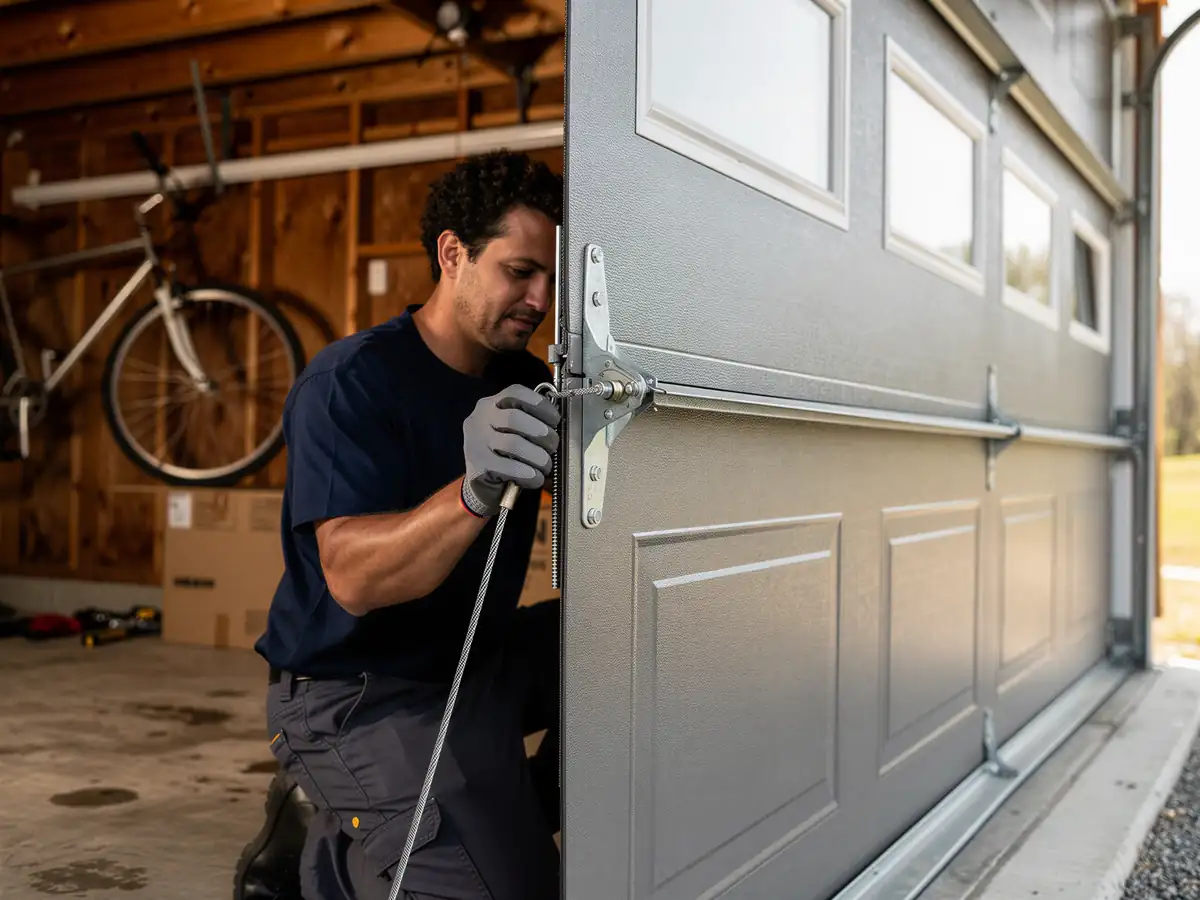
The other mistake is winding the new spring yourself with the door still under cable tension
This is the single most common way people get hurt on a garage door job, and it is not a place to save money by skipping a call. We won't walk someone through this over the phone, and that's the one limitation we'll be upfront about - some of this job needs tools and hands-on experience, not a video tutorial.
The Problem
Across the Aurora area, 158,029 of the roughly 311,217 households are owner-occupied houses, and a large share of those were built during that same 1958-2003 run. That's a lot of original or first-replacement torsion hardware reaching the end of its rated life at roughly the same time, which is why spring failures cluster in cold stretches rather than spreading evenly through the year.
Median household income here runs around $106,211, which puts spring replacement well within reach for most homeowners rather than a hardship call - but it also means people often wait longer than they should because the door still mostly works, just with more strain on the opener and more noise on the way up. That strain adds up faster once the cold sets in, which is exactly when the spring that's been complaining all fall finally gives out.