What Causes It Around Here
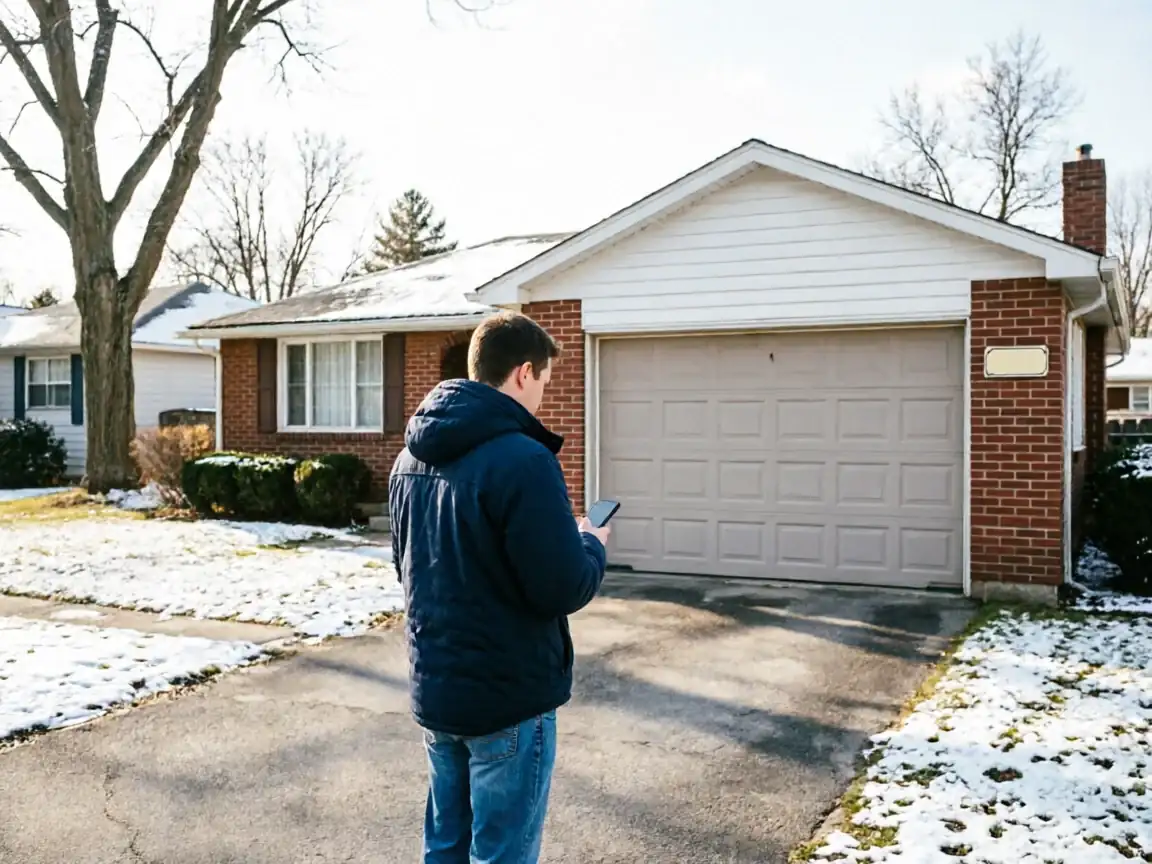
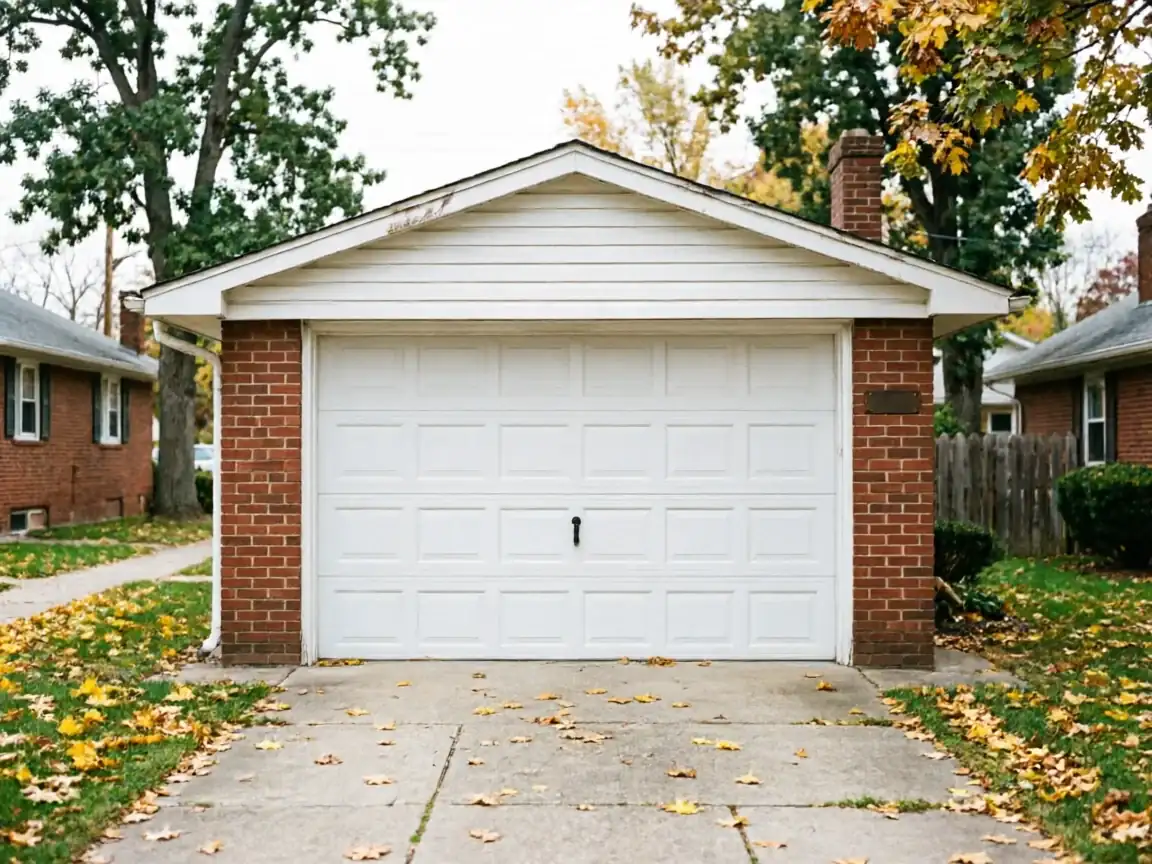
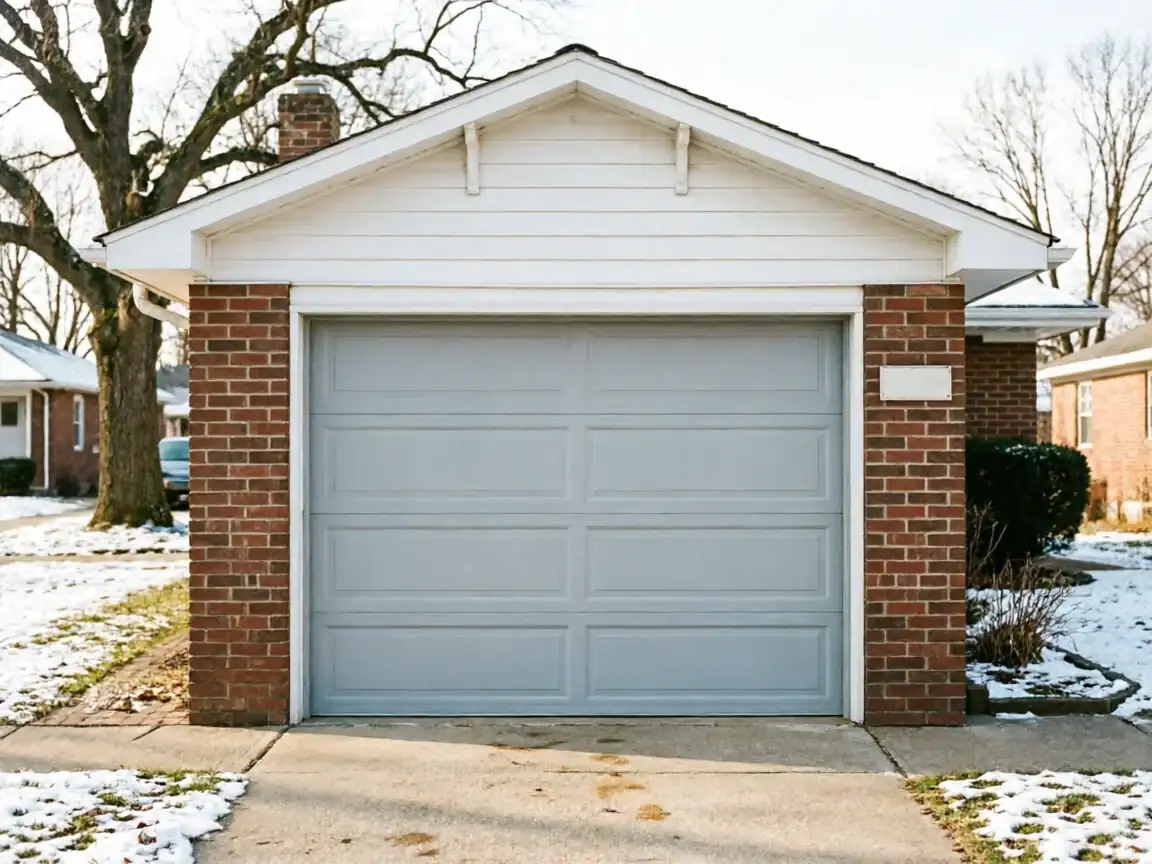
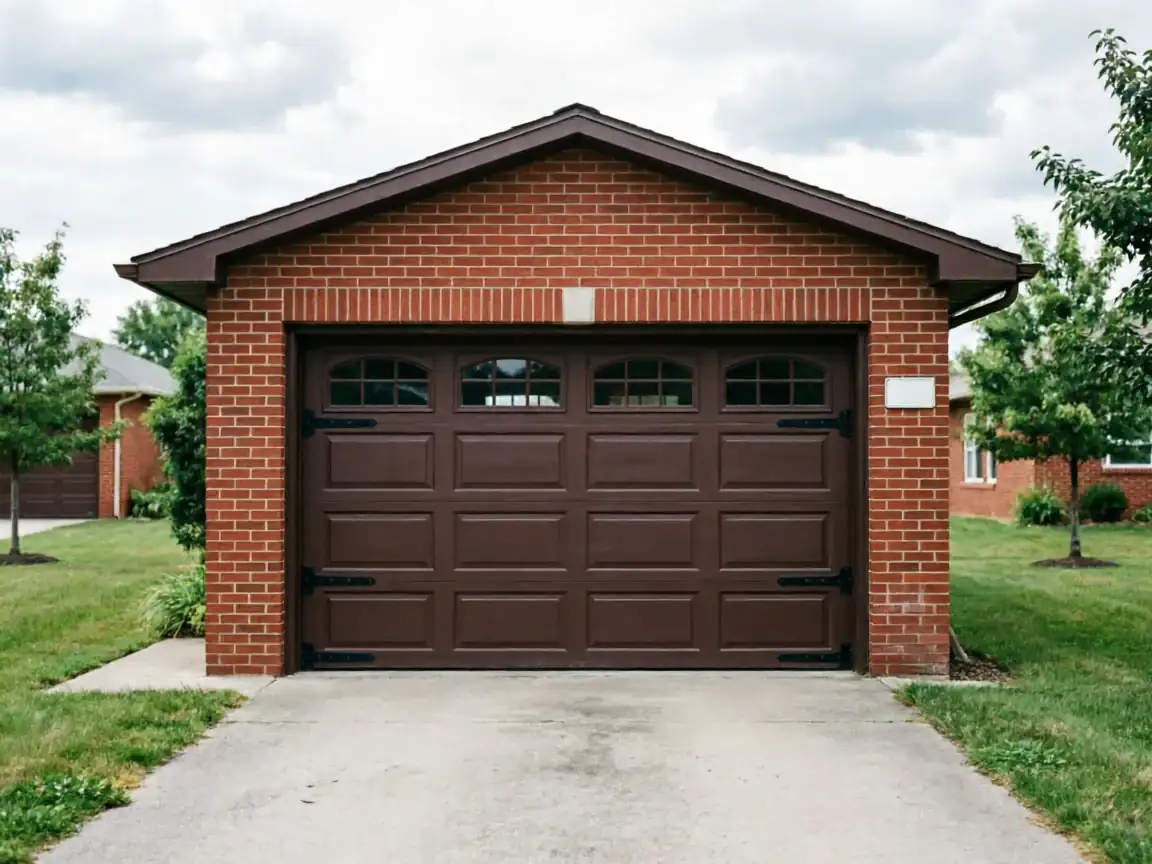
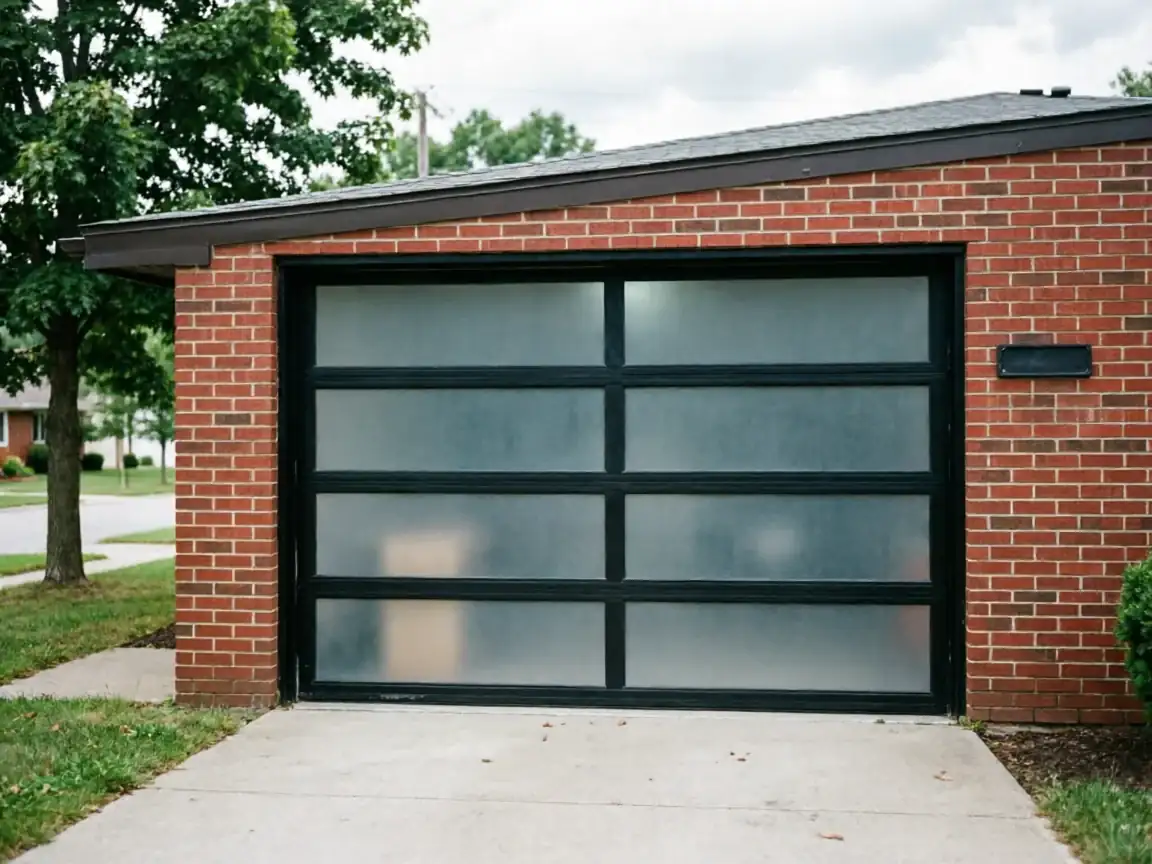
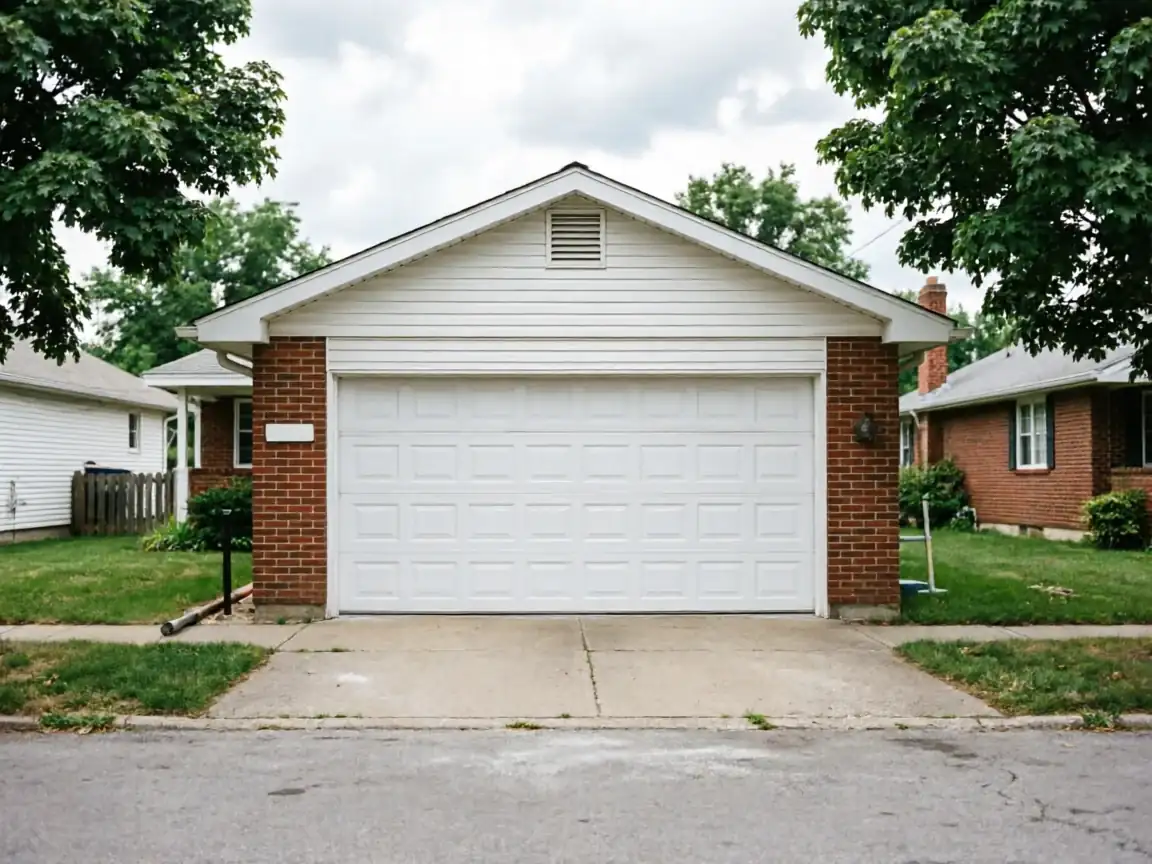
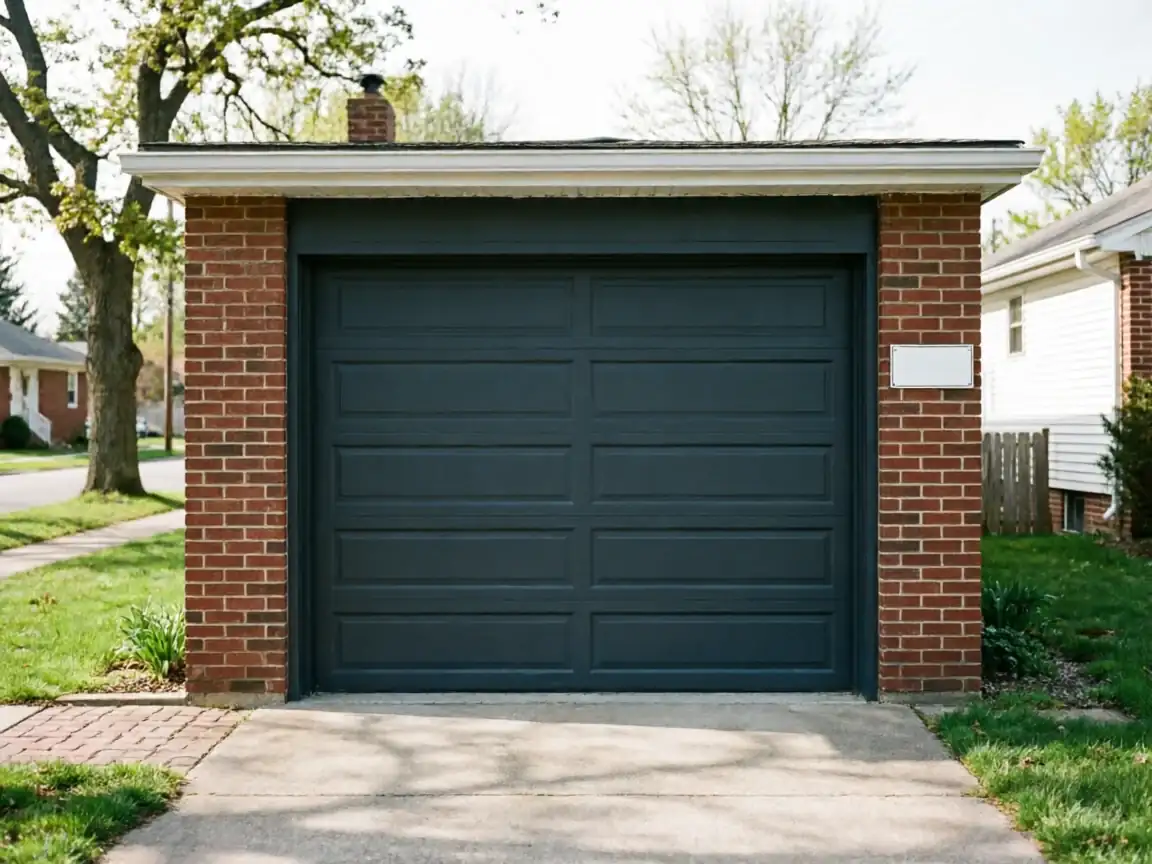
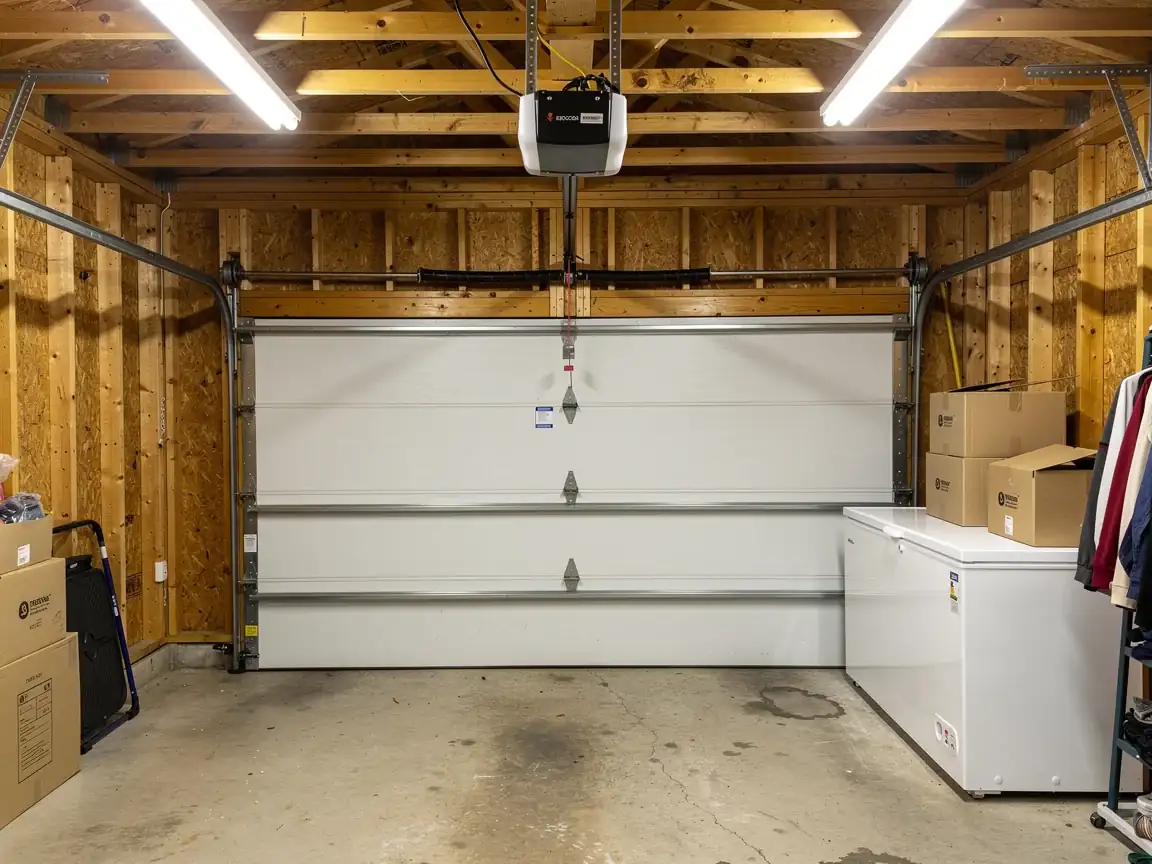
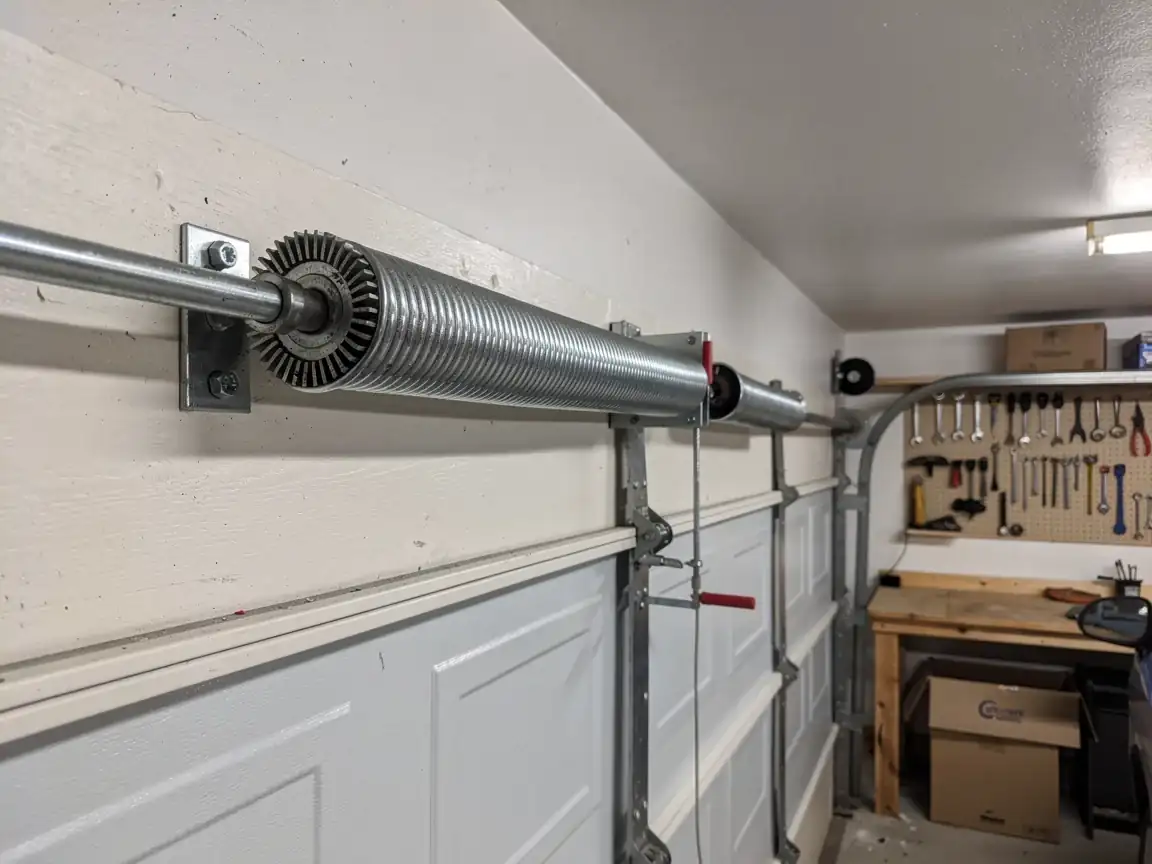
Most houses in and around Aurora went up between 1958 and 2003, with the bulk of the stock dating to the 1980s and 90s across the 48 named subdivisions that make up this service area. That matters for springs because a torsion spring is rated for a cycle count, not a calendar date - and a door installed in, say, 1985 has been opening and closing for close to forty years on the original hardware in a lot of cases. Add in a cold-moderate climate band, and you get steel that contracts hard in January, then expands again every time the sun hits the door face in a warm spell. That thermal swing fatigues the coil faster than it would in a mild climate. We see a steady pattern: homes from this build era, with their original torsion springs still in the brackets, start showing wear right around the age where the metal's done absorbing that stress. It's not bad luck. It's a steel part doing exactly what thirty-five winters of expansion and contraction will do to it, on a door that was never built to last forever in the first place.
How Long You Are Without the Door
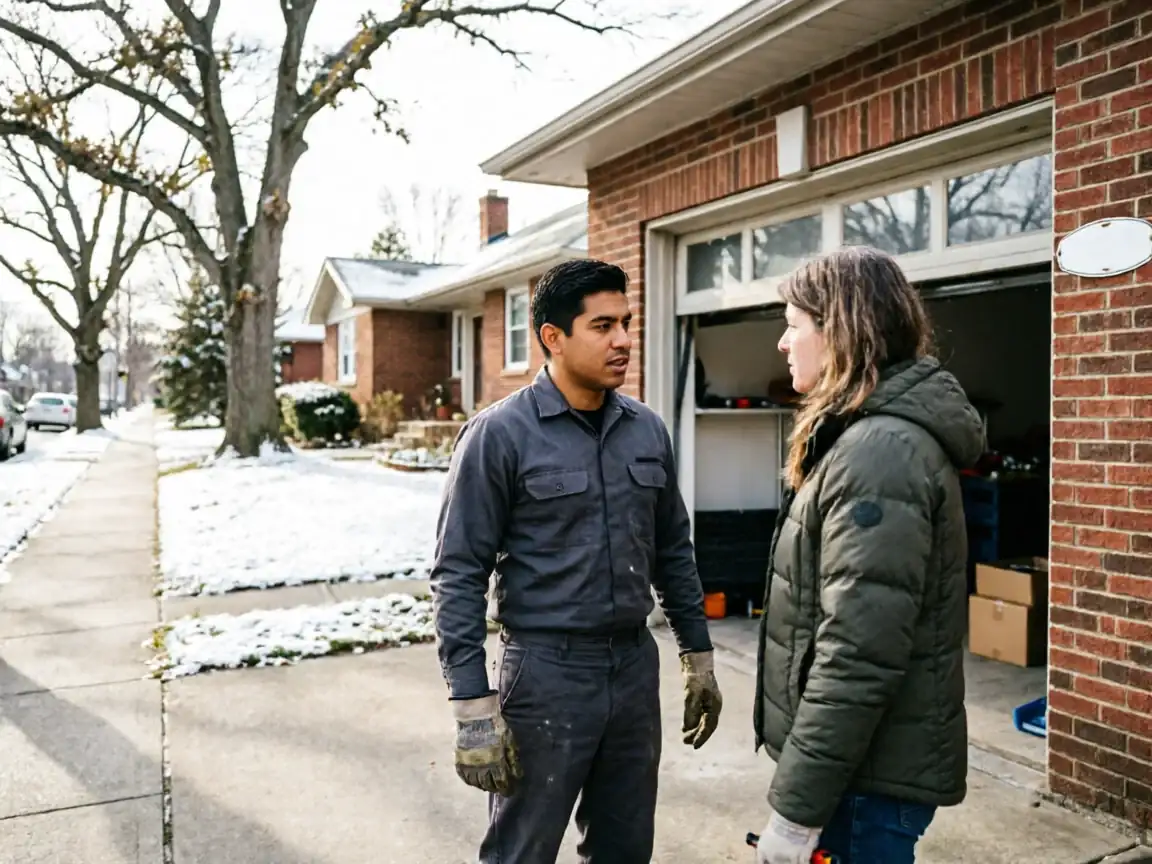
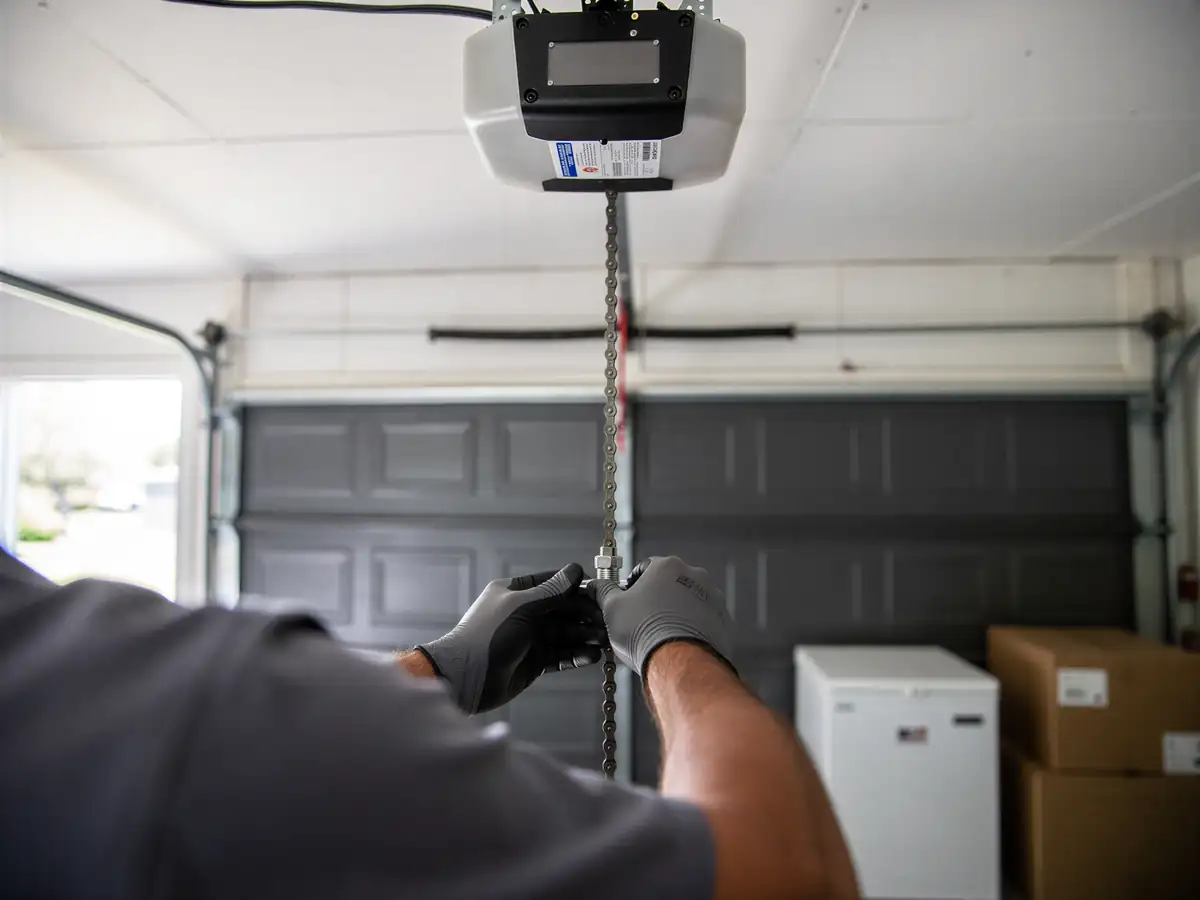
A broken spring doesn't mean a broken opener - the motor will still try to run the door, which is part of the problem, because it's now lifting 150+ pounds of door with no spring assist and can burn out the gear trying. Once a spring snaps, the door is effectively off its hinge for anyone trying to lift it by hand; it's too heavy and the cable or the other spring can let go under uneven load. Most jobs are a same-day fix once a truck is on site, because torsion and extension springs are stock parts we carry sized to the common door weights and track heights found on homes built in this 1958-2003 window. The time you actually lose is usually the gap between calling and getting scheduled, not the repair itself, which on a standard double door runs under an hour once we're there.
What the Fix Involves
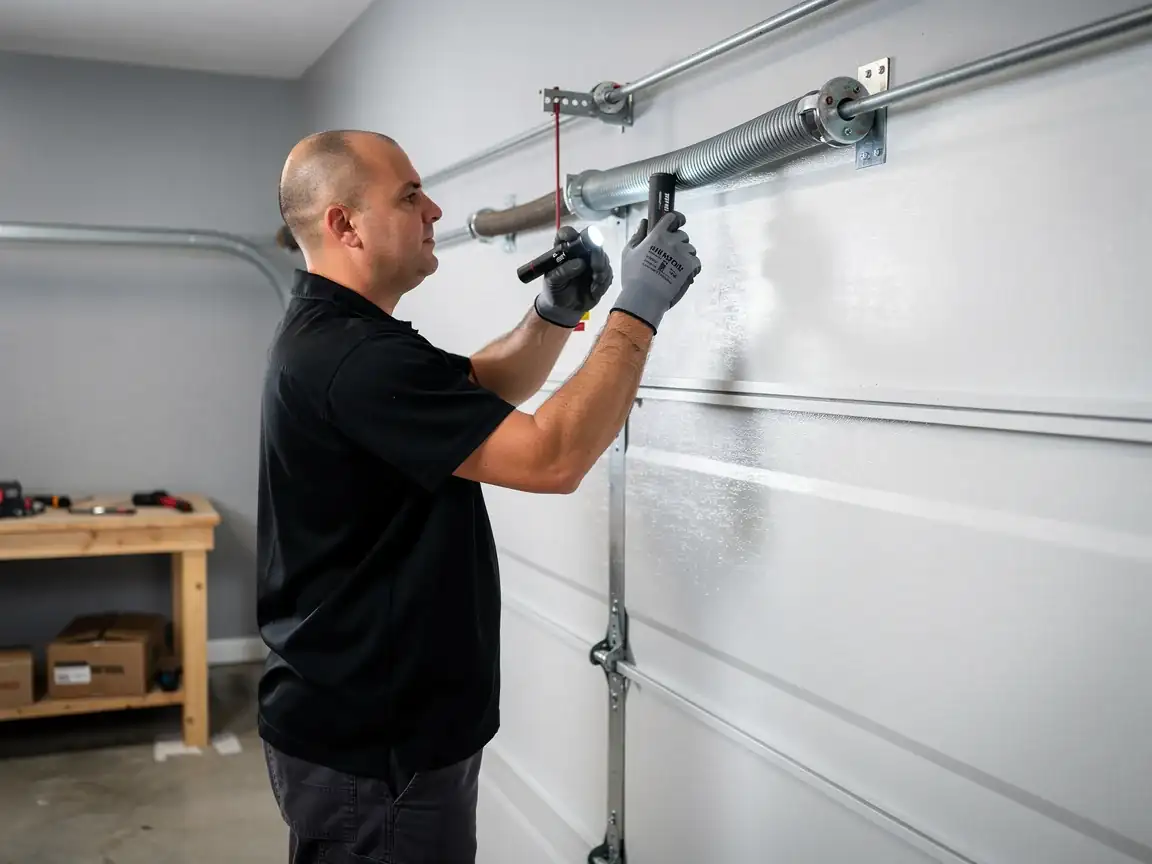
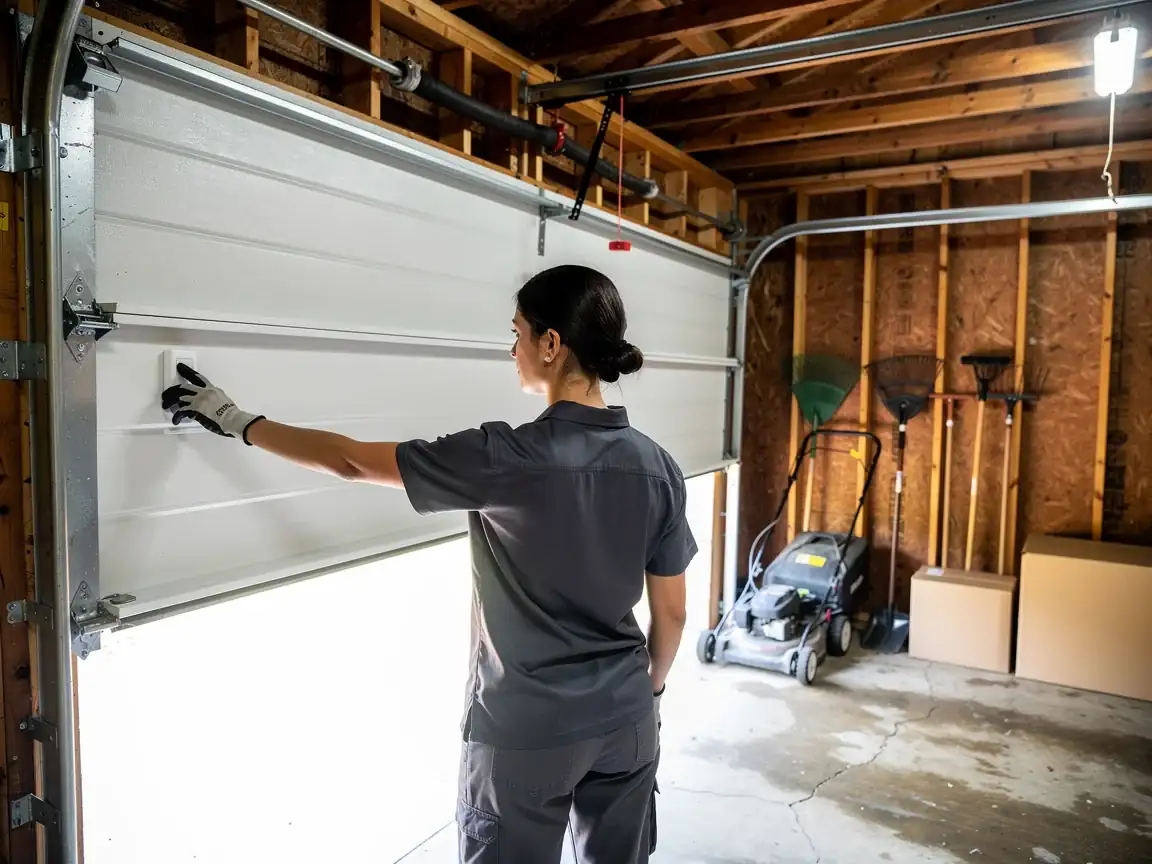
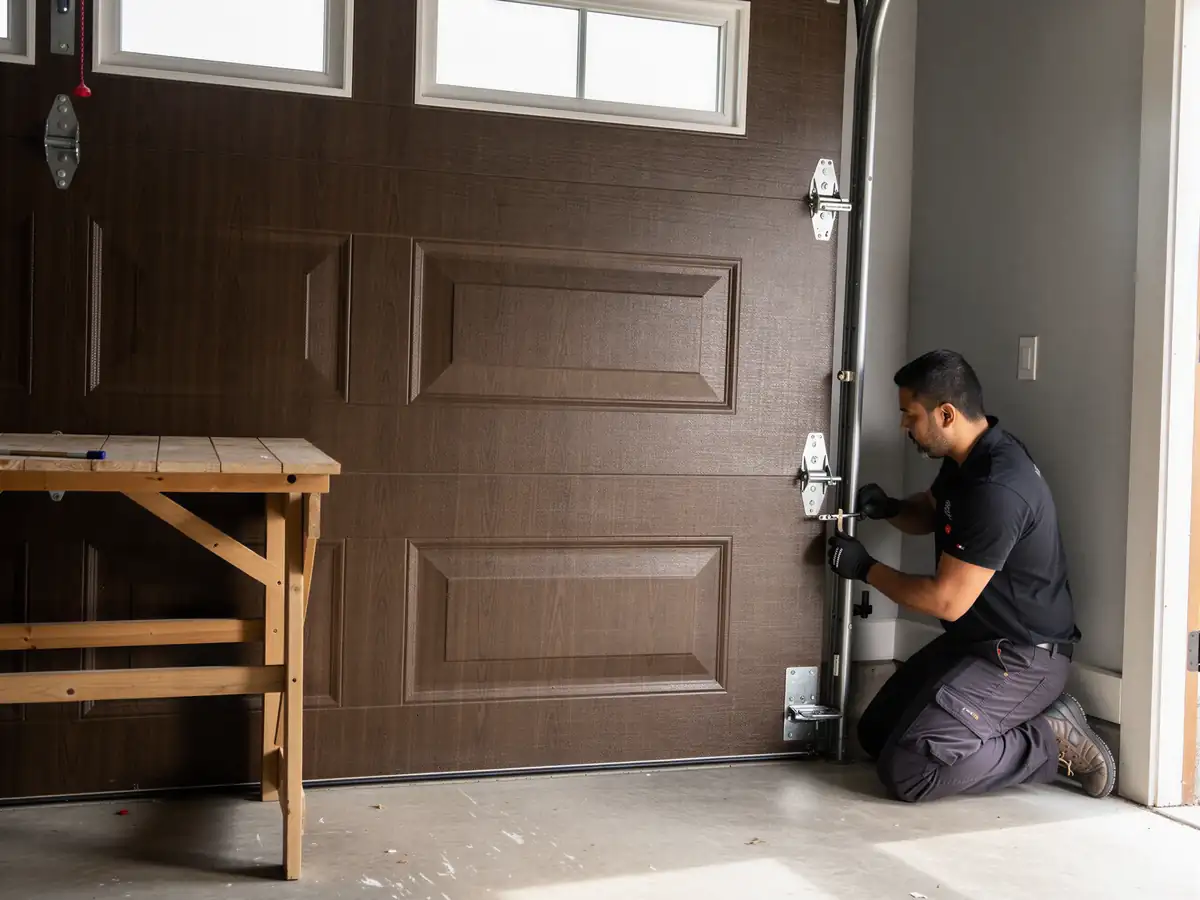
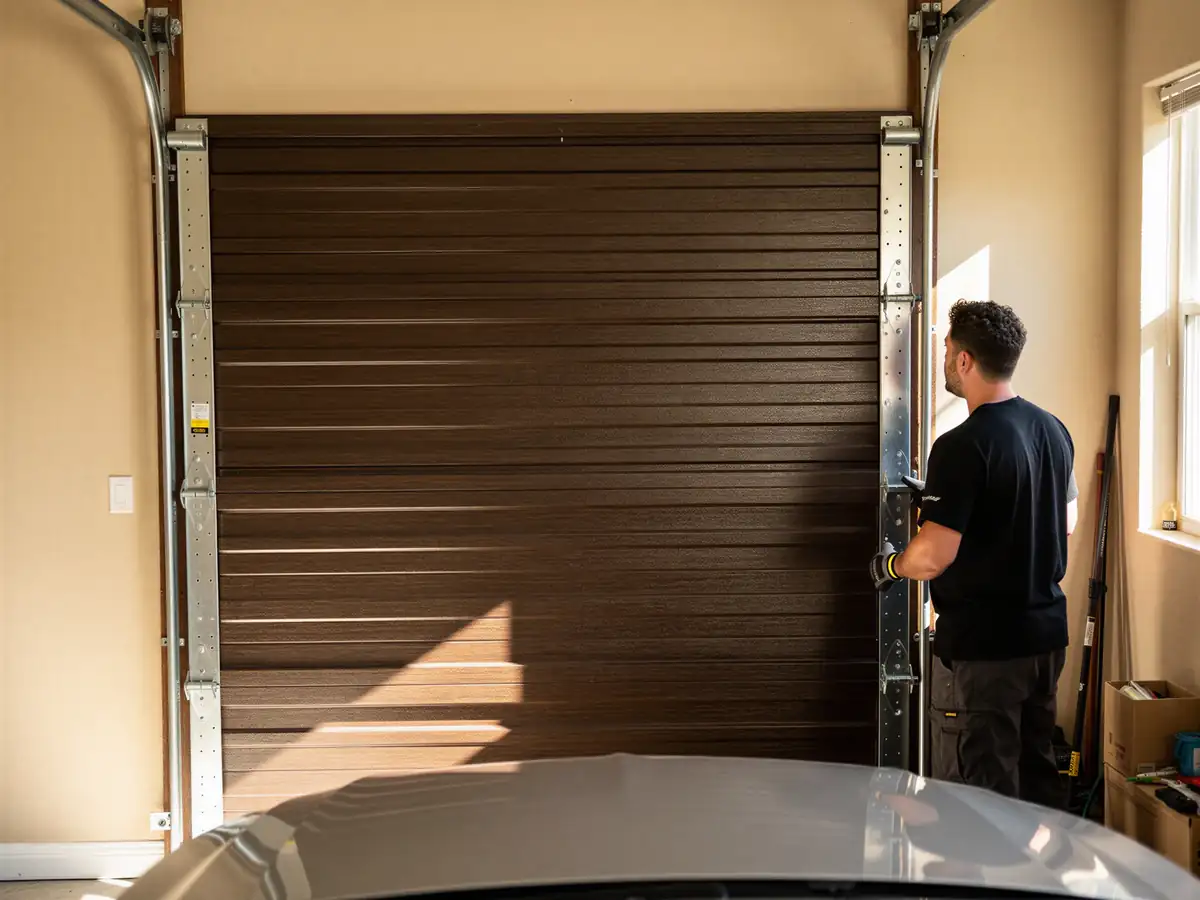
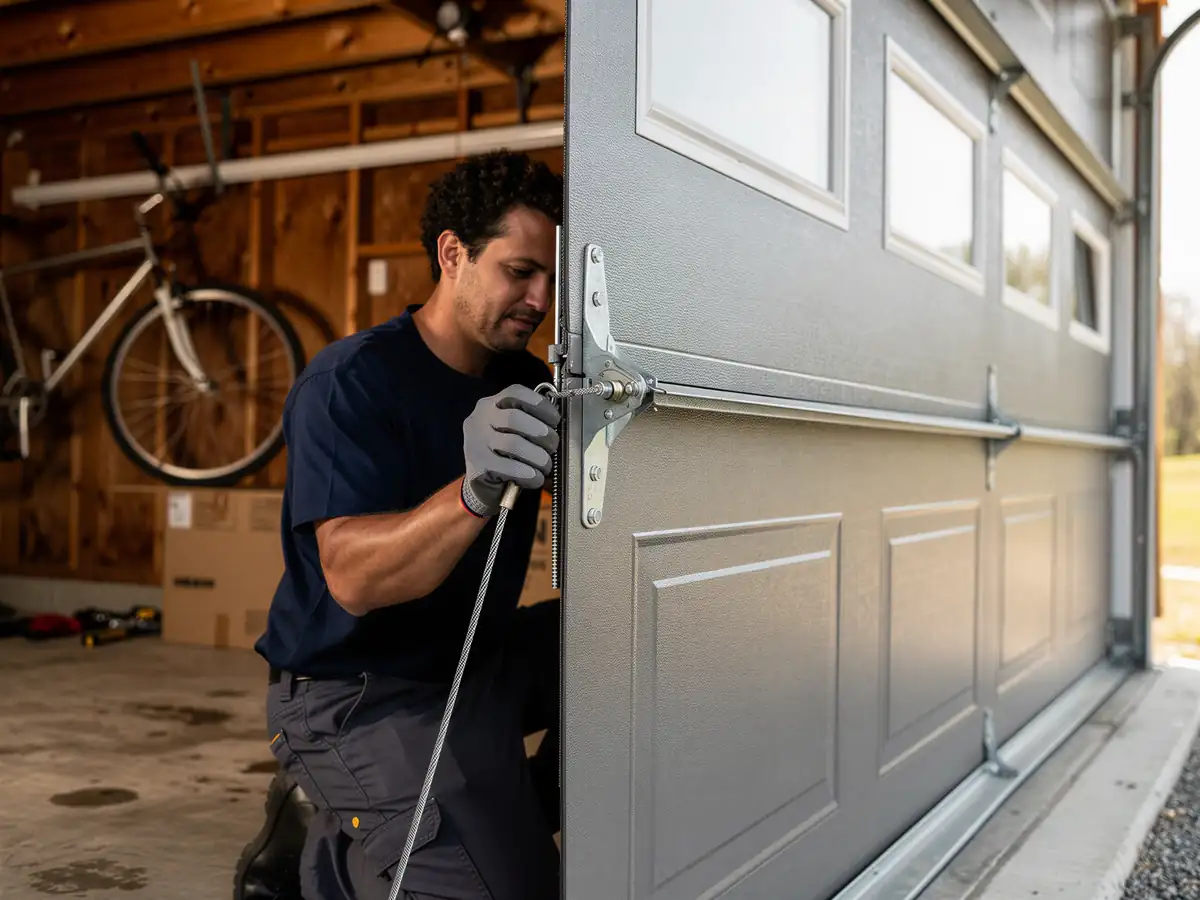
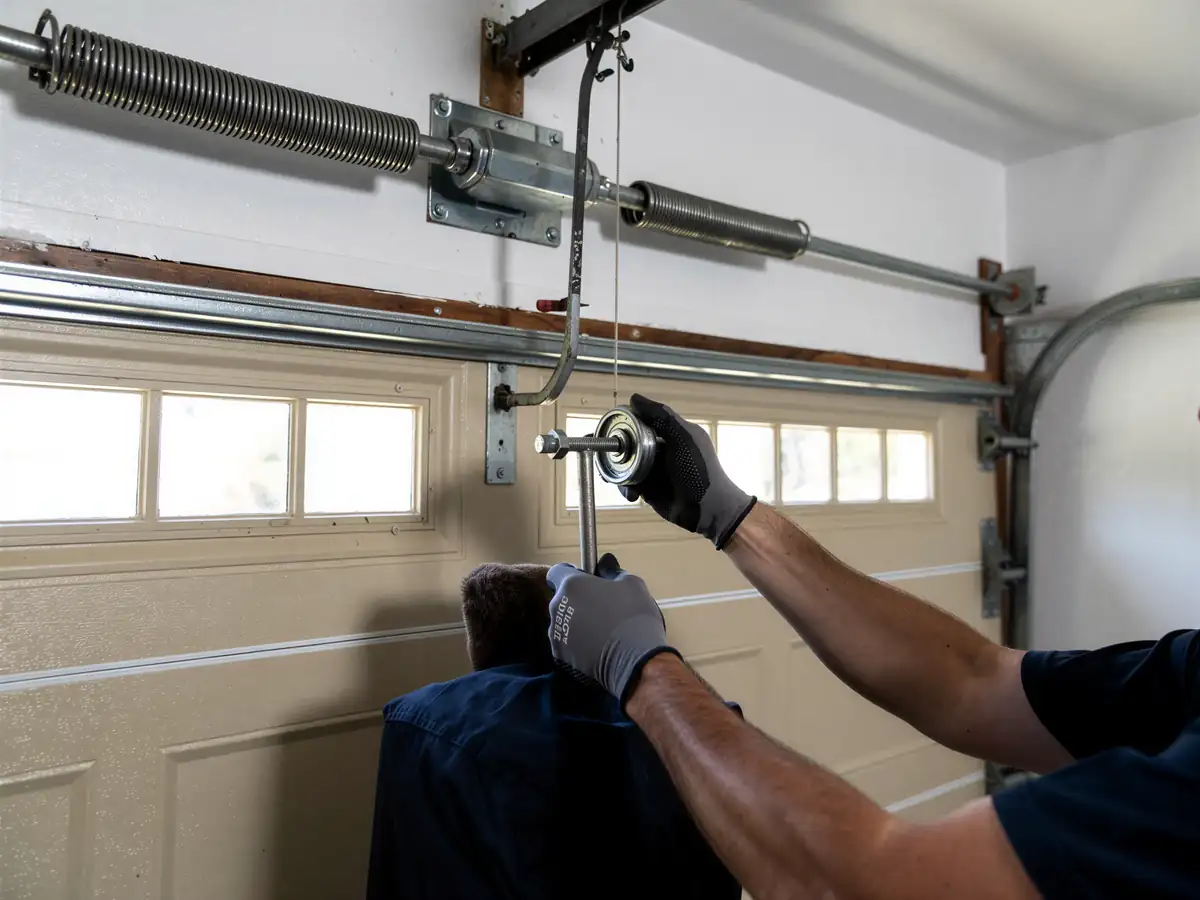
We match the spring to the door's actual weight and the drum size on the shaft - not a universal part, because a spring rated wrong for the door either won't lift it or will wear out again inside a year. For most single and double doors common to houses built in this service area's 1980s-90s stock, that's a torsion spring swap: pull the old coil off the shaft under controlled tension, set the new one to the door manufacturer's wind count, and balance it so the door holds position at waist height with the opener disconnected. We also check the cables and the bottom brackets while the door's open, since a spring failure sometimes takes a cable with it. One honest limit: if the drums, bearing plates, or the shaft itself are worn or bent from running on a failed spring for a while, that's a separate repair on top of the spring, and we'll tell you before we order parts, not after.