What We Do Not Do
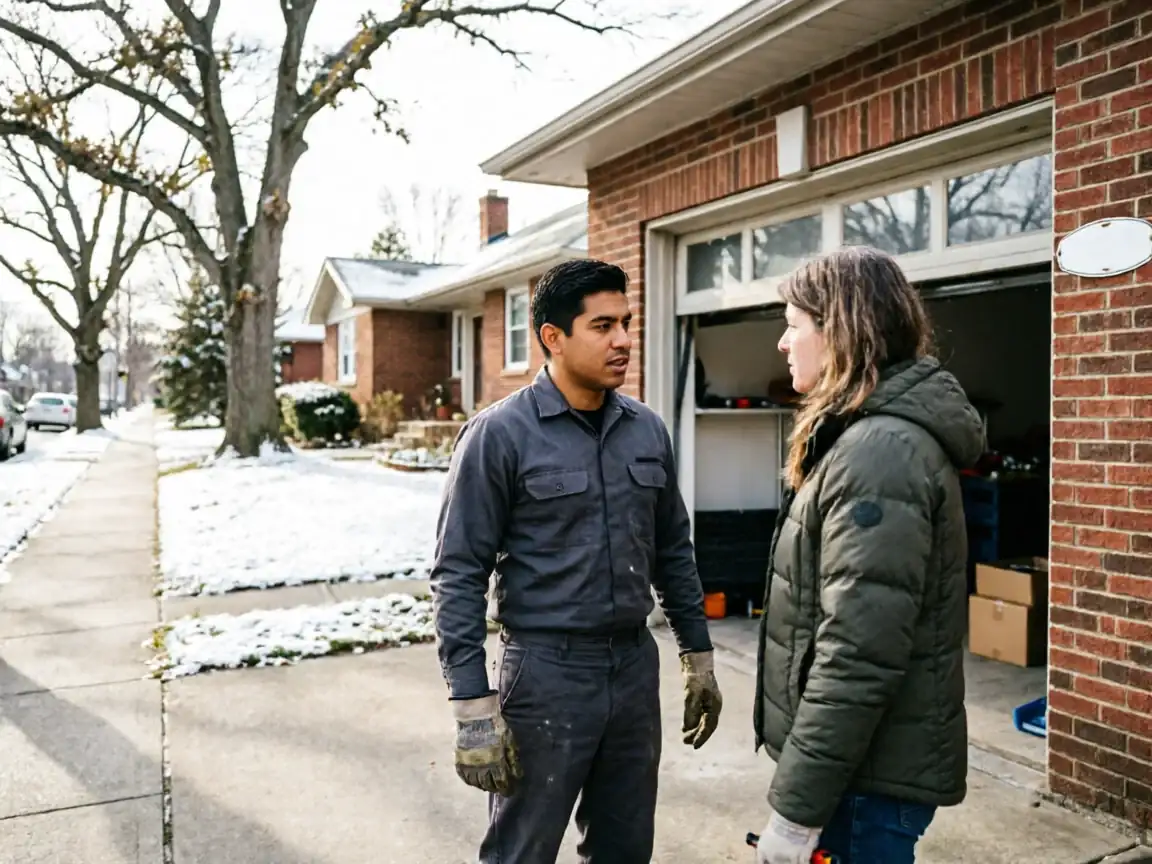
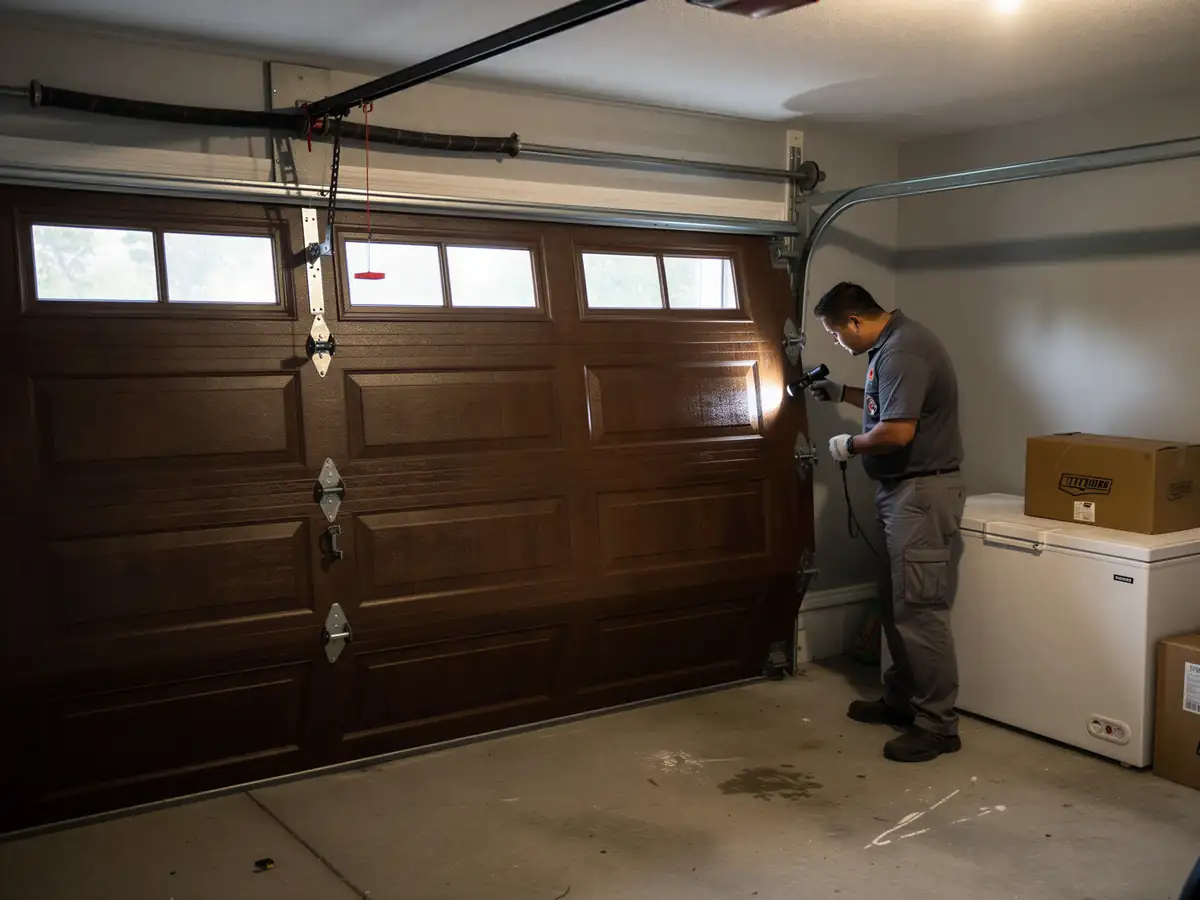
We don't keep a depot or a crew stationed in Streamwood. We run out of Aurora, 19 miles west, and every job here gets booked as a drive-out call, not a walk-in. That means we don't do same-day emergency guarantees for this area the way a shop sitting on your block could, and we won't pretend otherwise. We also don't stock every obsolete part on the truck for a one-off trip; if your door needs a part that isn't common, we may need a second visit once it's ordered. What we do is show up with the right tools for what we expect to find, because we know what's installed in a neighborhood built out mostly in a single twenty-year stretch. We don't sell openers or spring kits over the phone sight unseen, and we don't quote a flat price before we've seen the door - torsion versus extension springs, single versus double doors, and track condition all change the number. If a repair would cost more than a straightforward replacement given the door's age, we'll tell you that plainly instead of patching something that'll fail again in a year.
What That Means for Doors
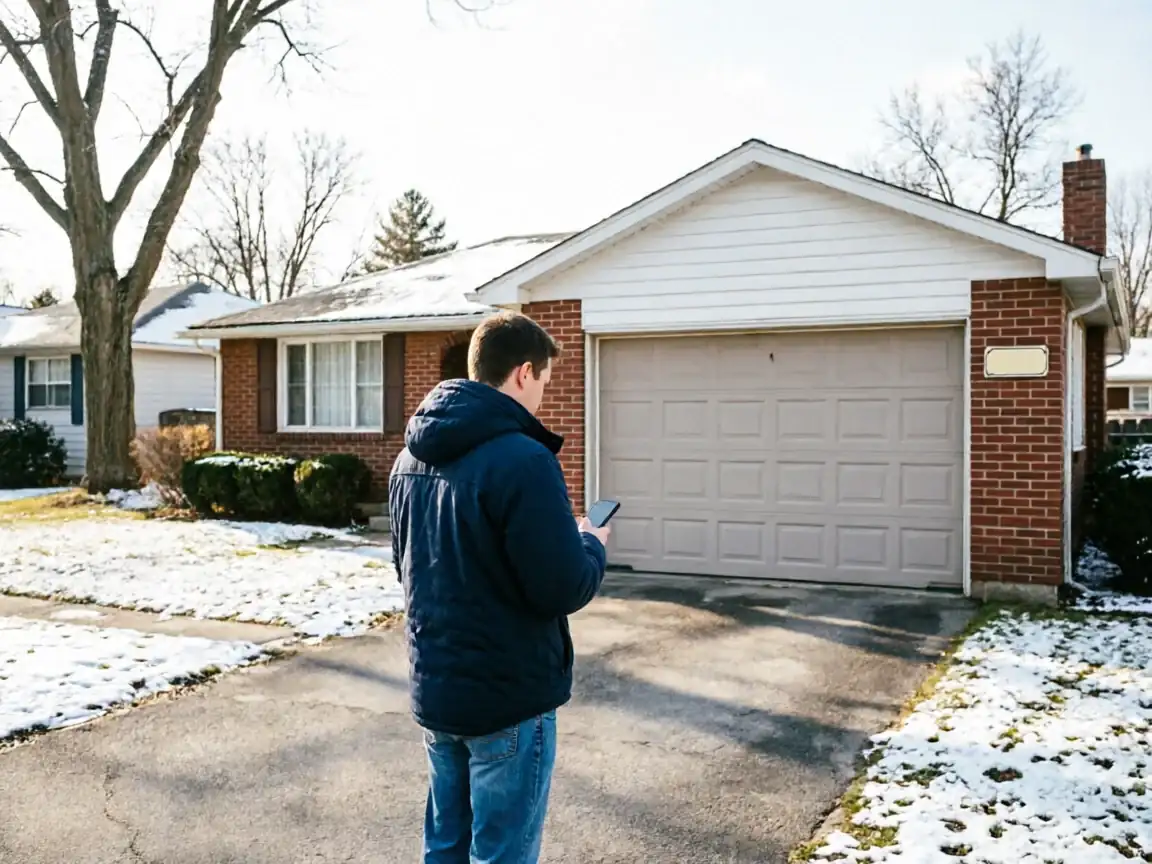
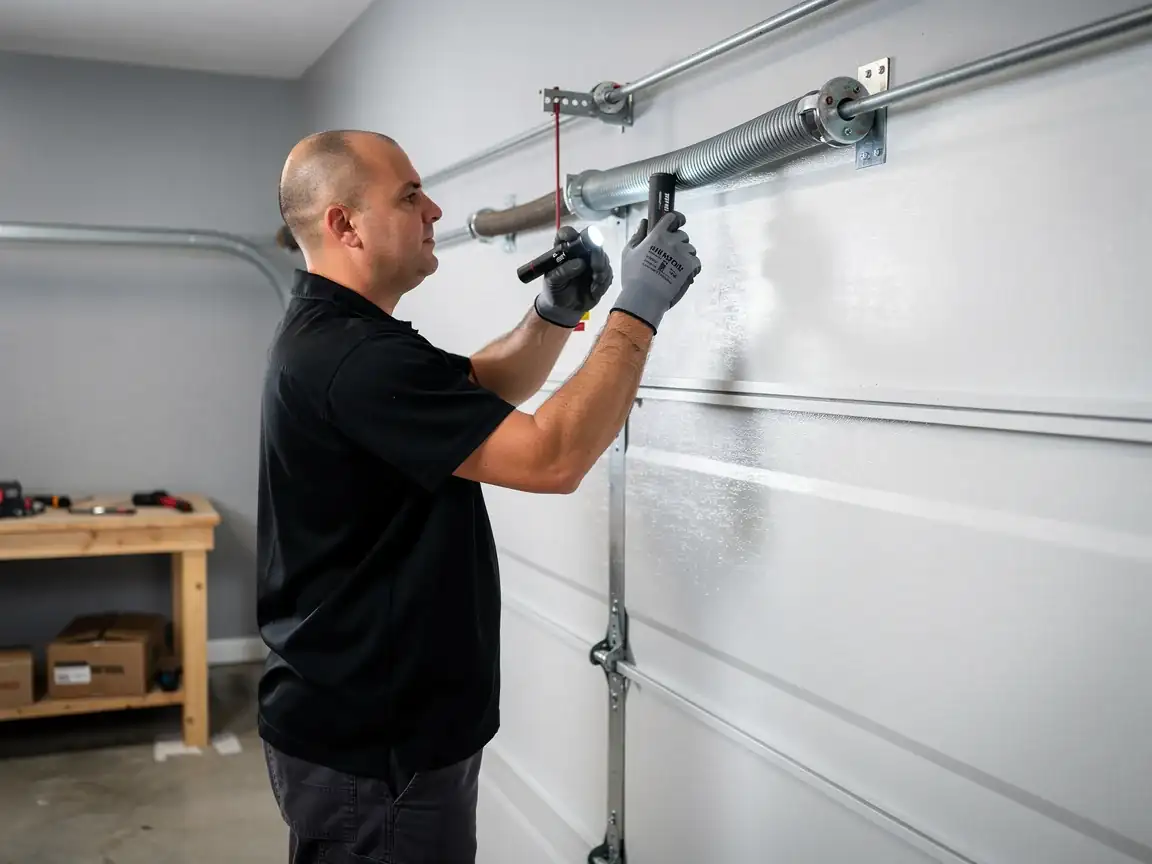
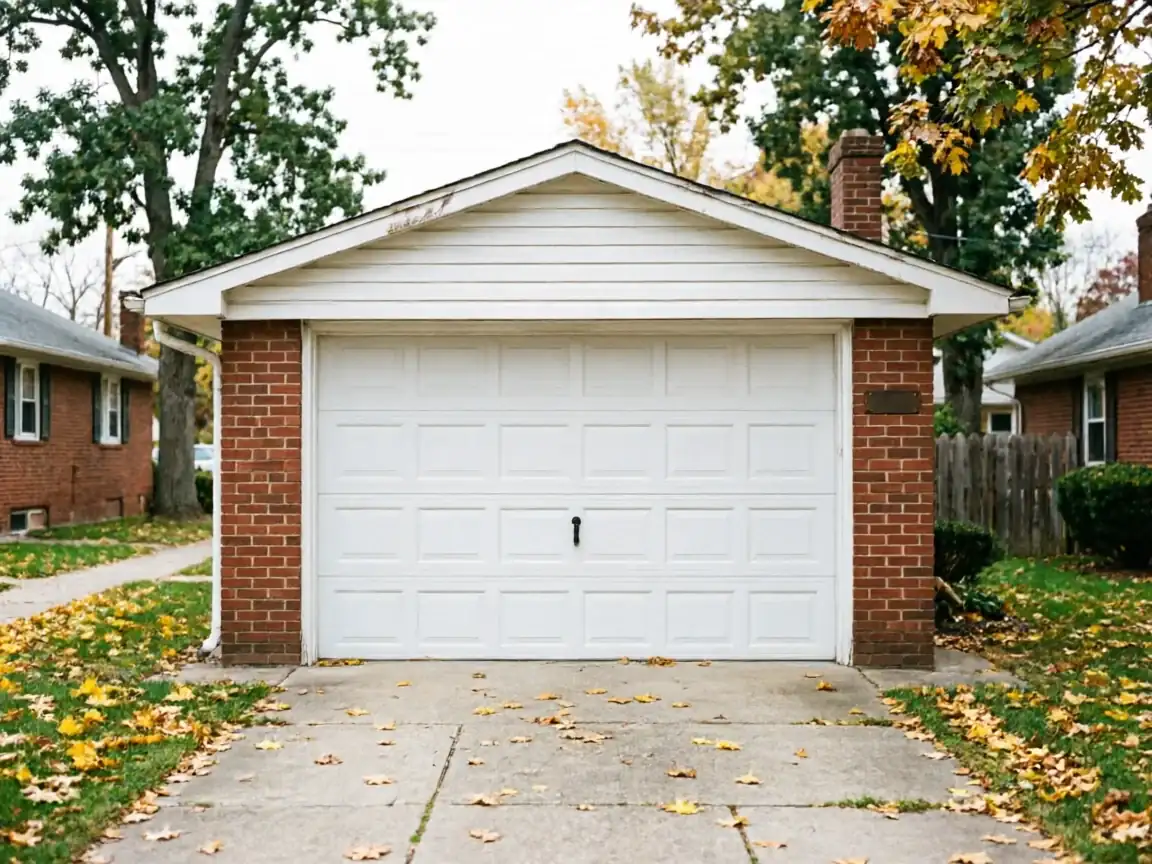
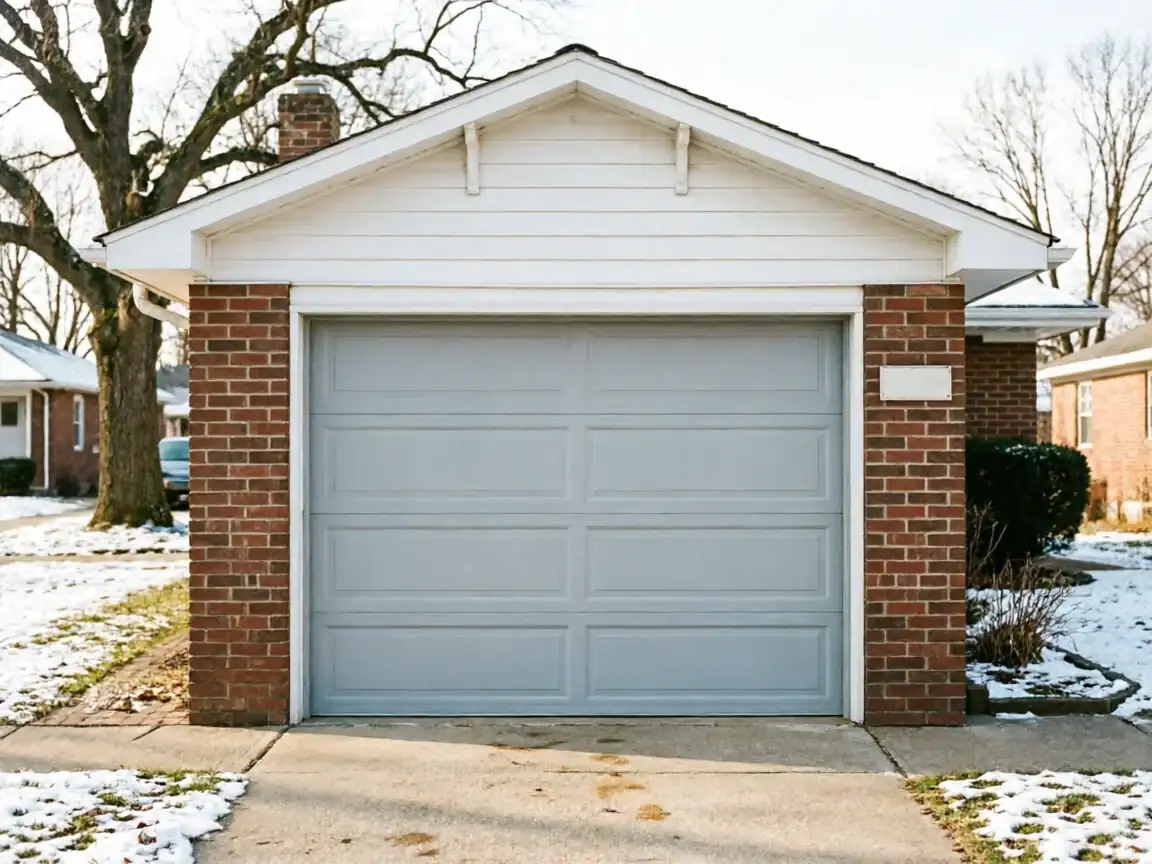
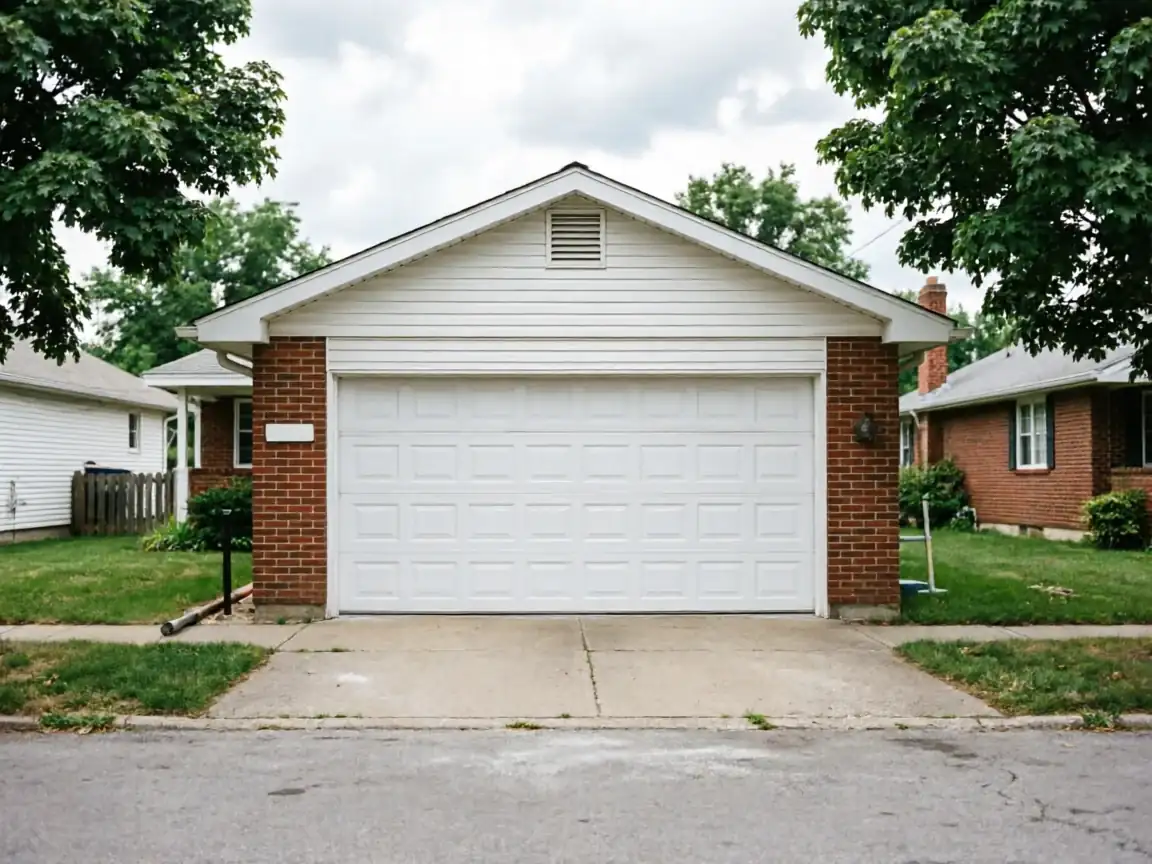
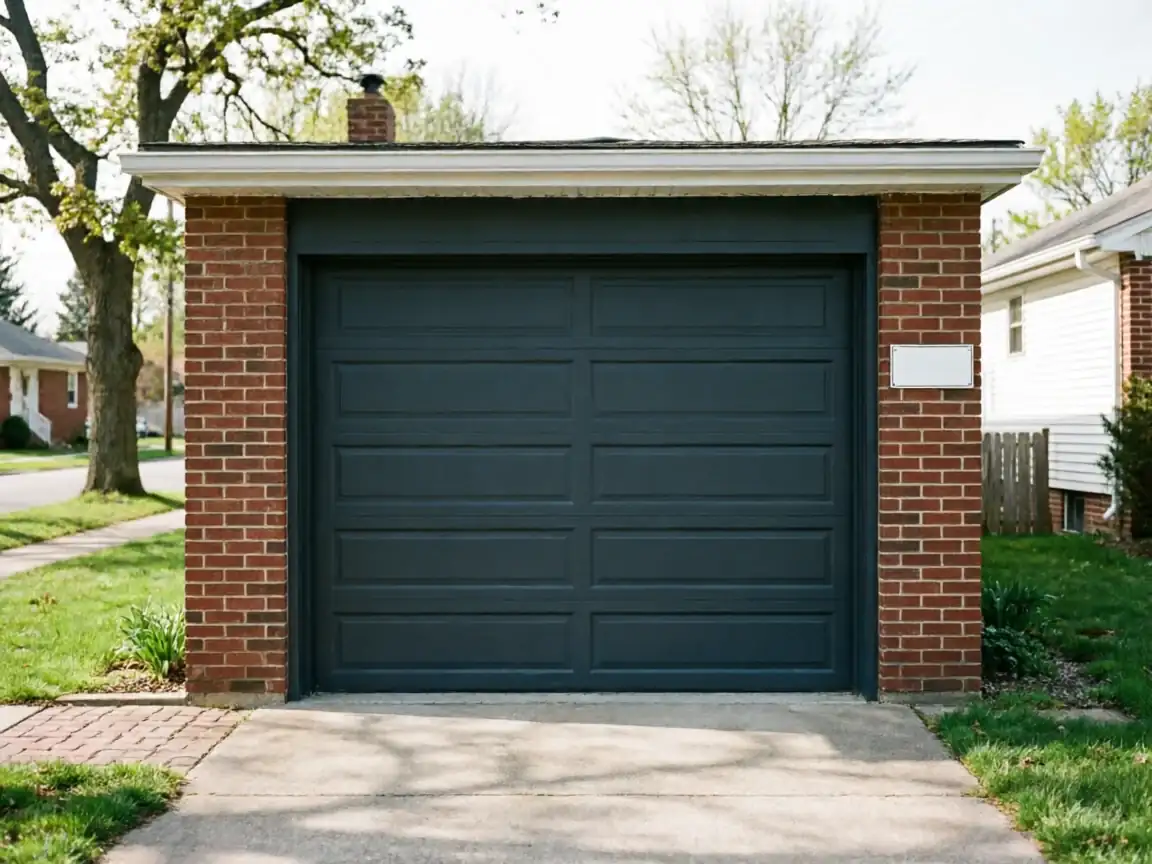
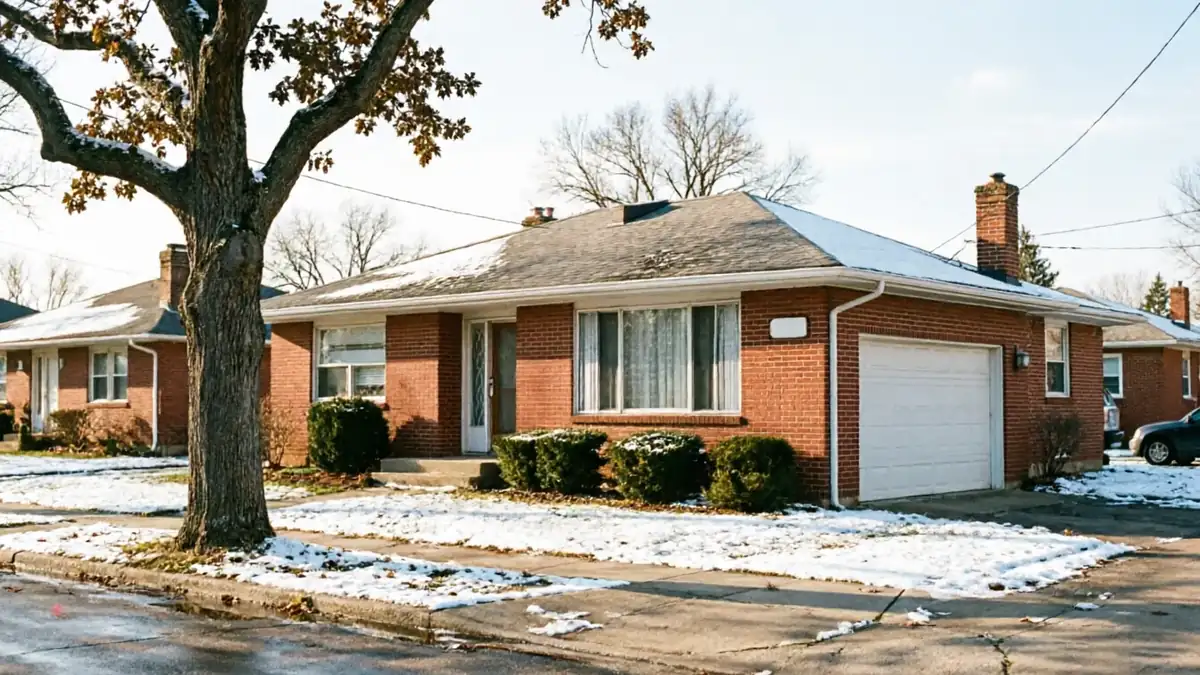
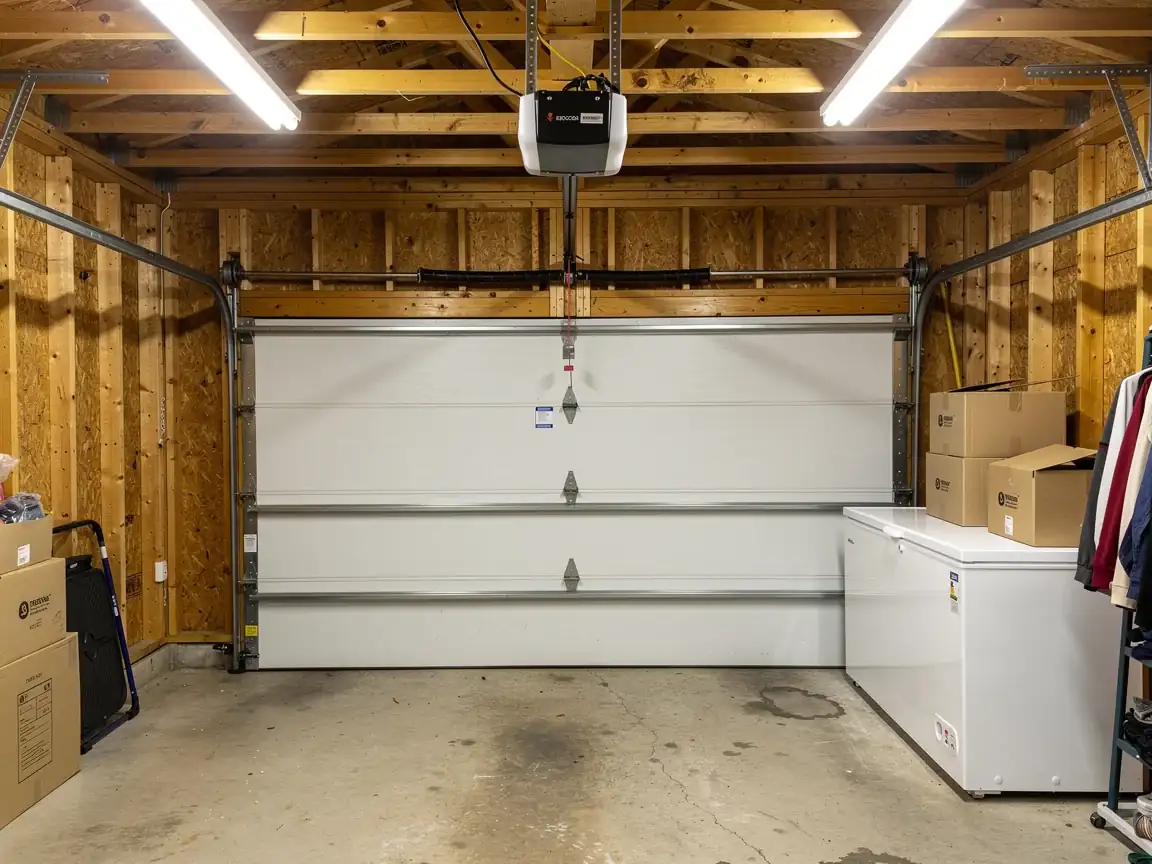
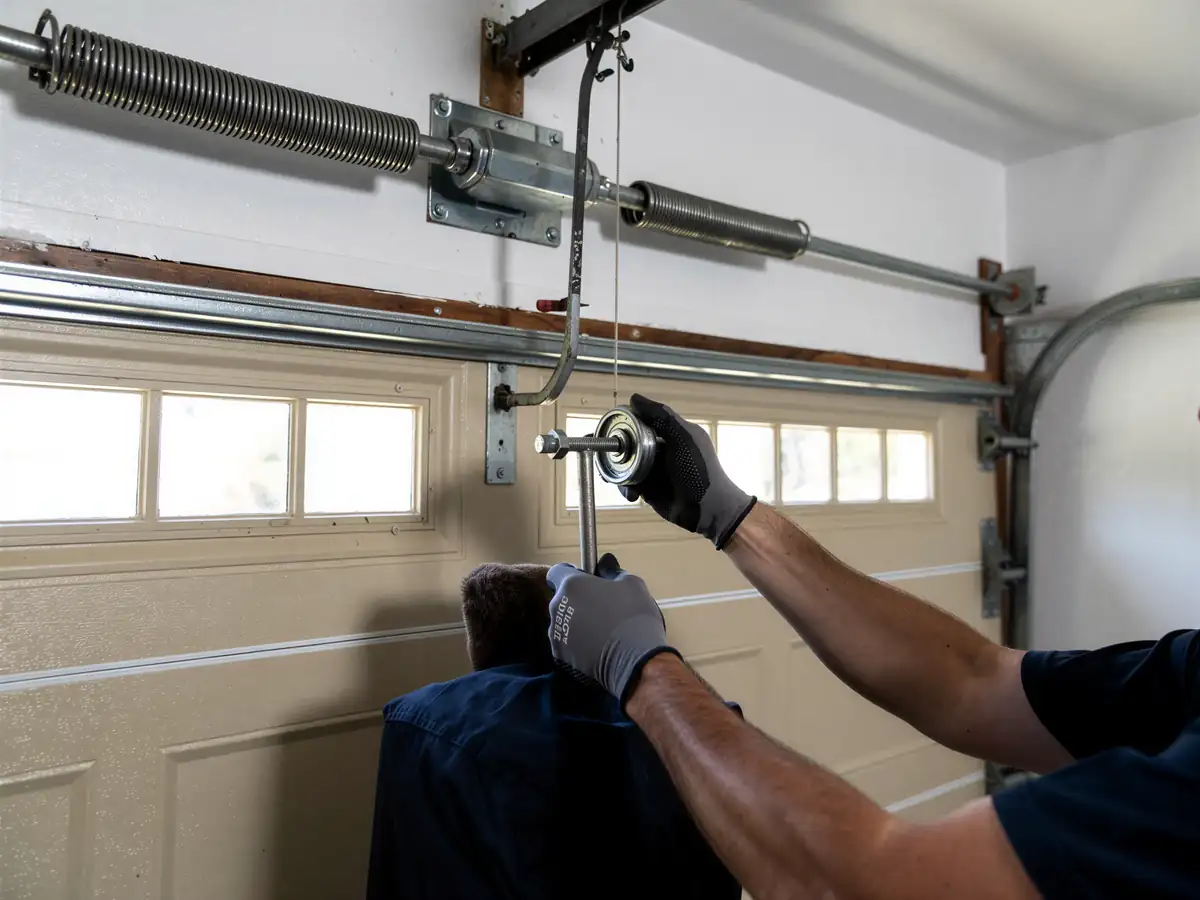
With a median build year of 1981 in Streamwood, most garage doors here are pushing four decades old, or they're a second-generation replacement installed sometime in the 1990s or 2000s. Original hardware from that era tends to be steel sectional doors on torsion springs sized for lighter panels than what's sold today, with openers that predate rolling-code security and modern safety reversal sensors. That combination shows up as worn galvanized cable starting to fray, torsion springs that have simply outlived their wind cycles, and chain-drive openers with stripped gears or a worn drive sprocket. The regional climate here runs cold and moderate, which over forty winters means steel panels with surface rust at the bottom weatherseal and hinges that have seized from salt and grit tracked in off driveways. None of this is unusual for a house from this period - it's just the predictable wear pattern of hardware that's done its job for a long time and is due.
Common Jobs Here
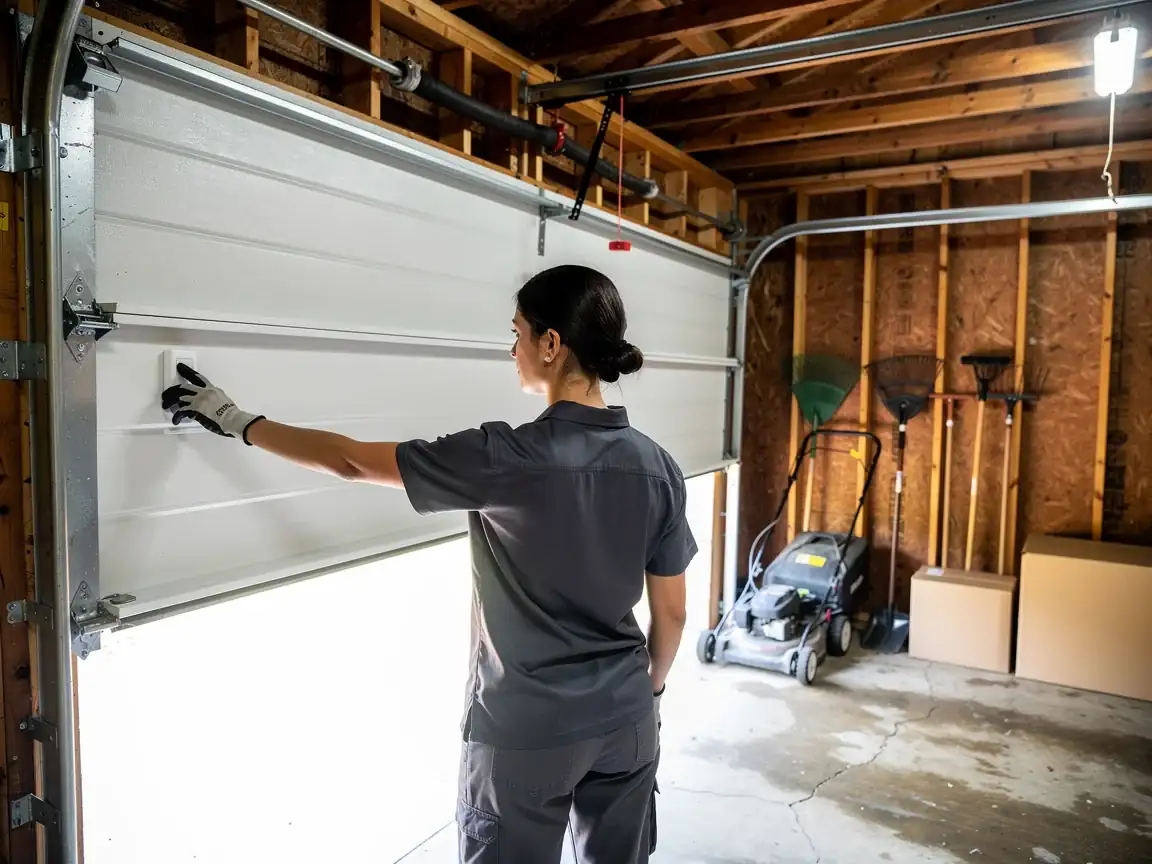
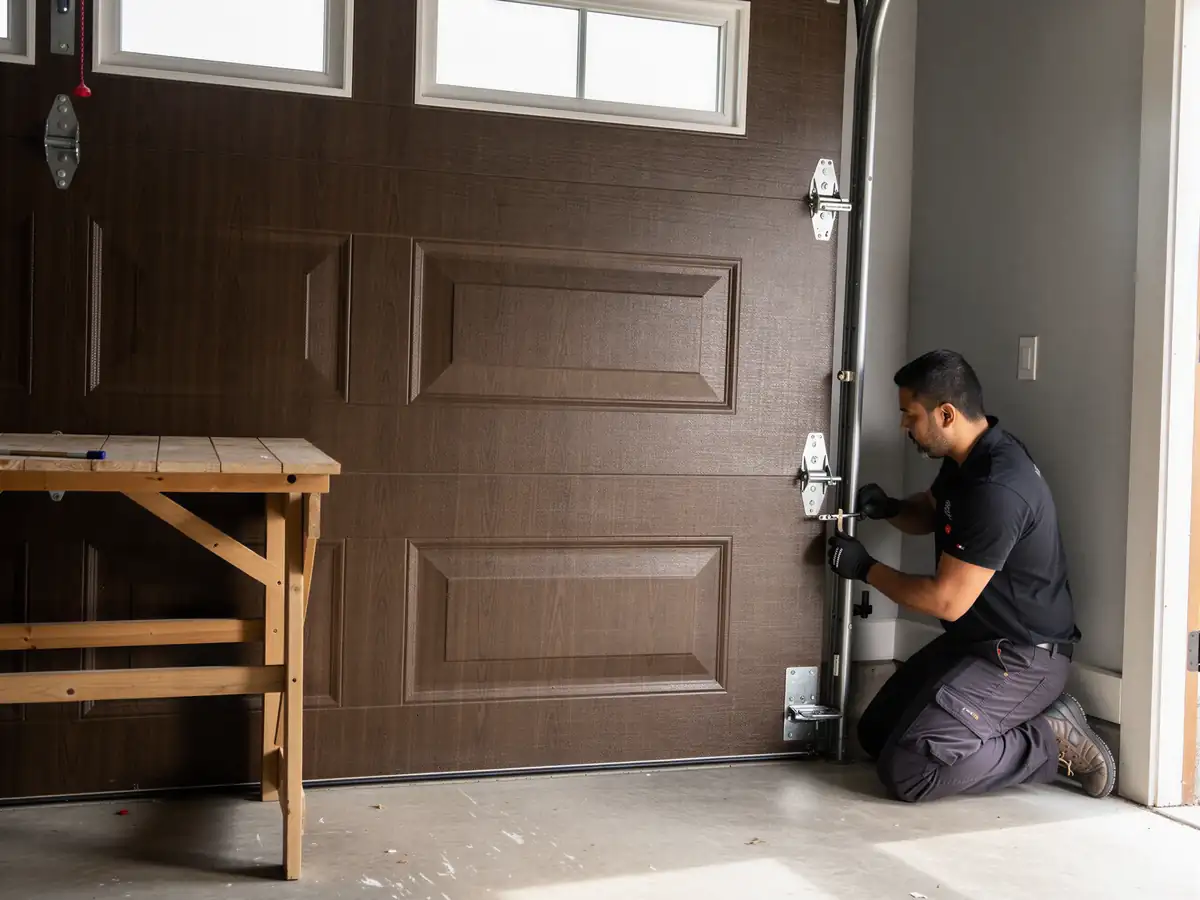
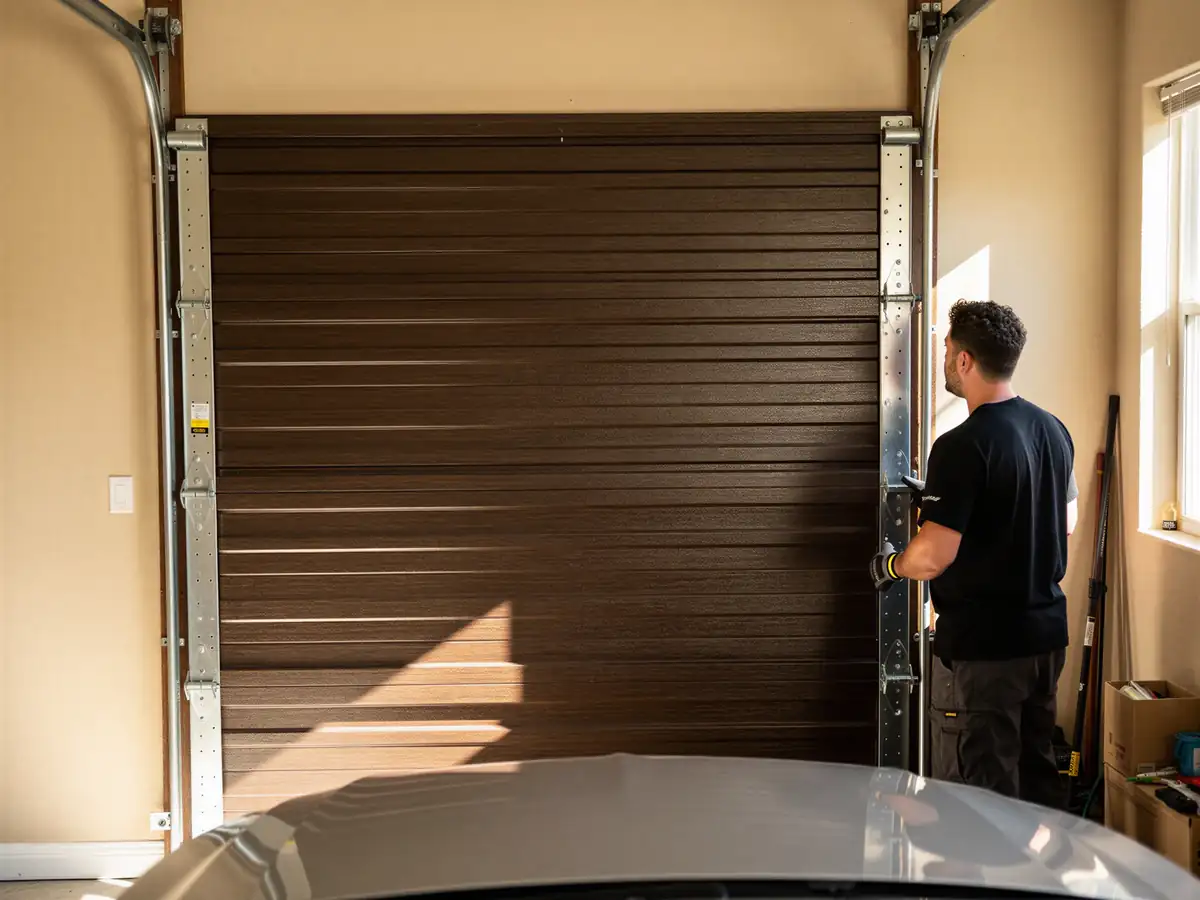
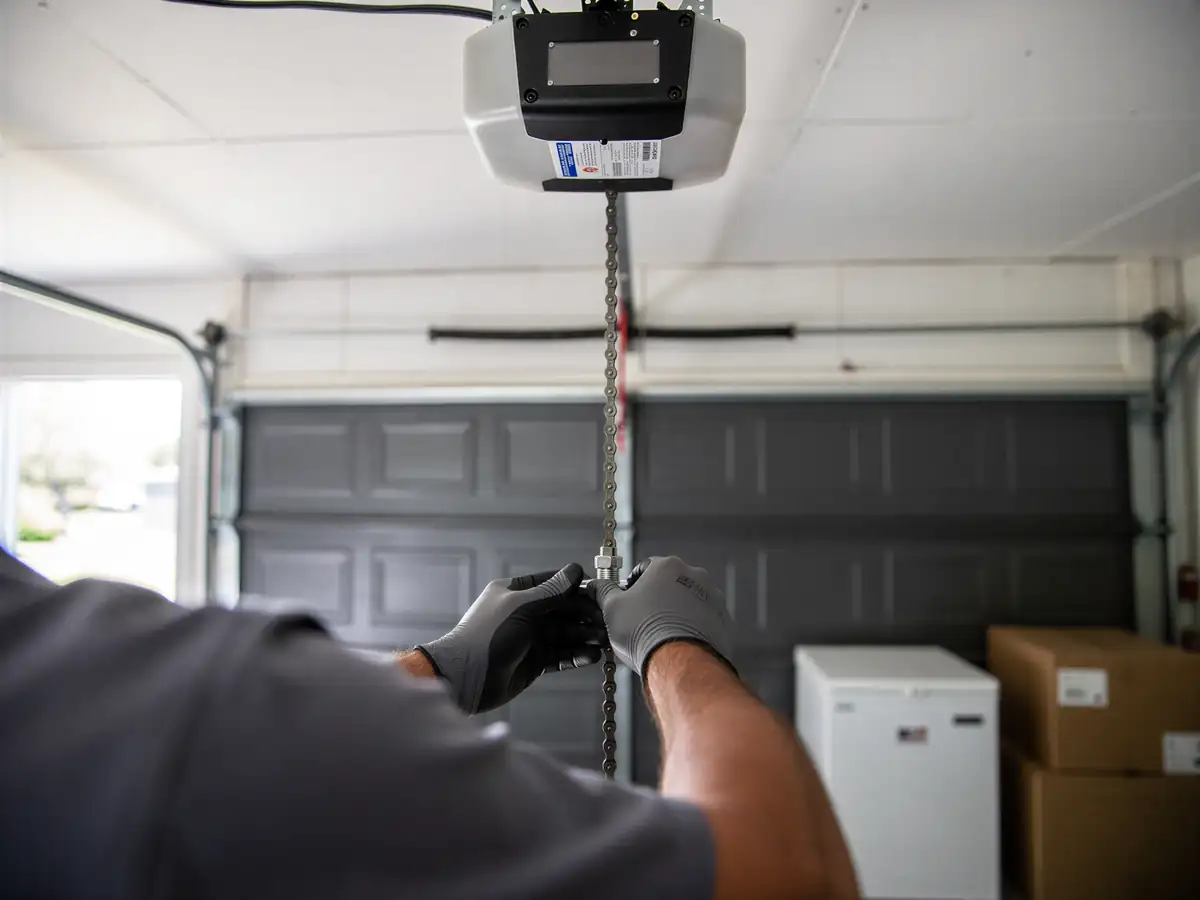
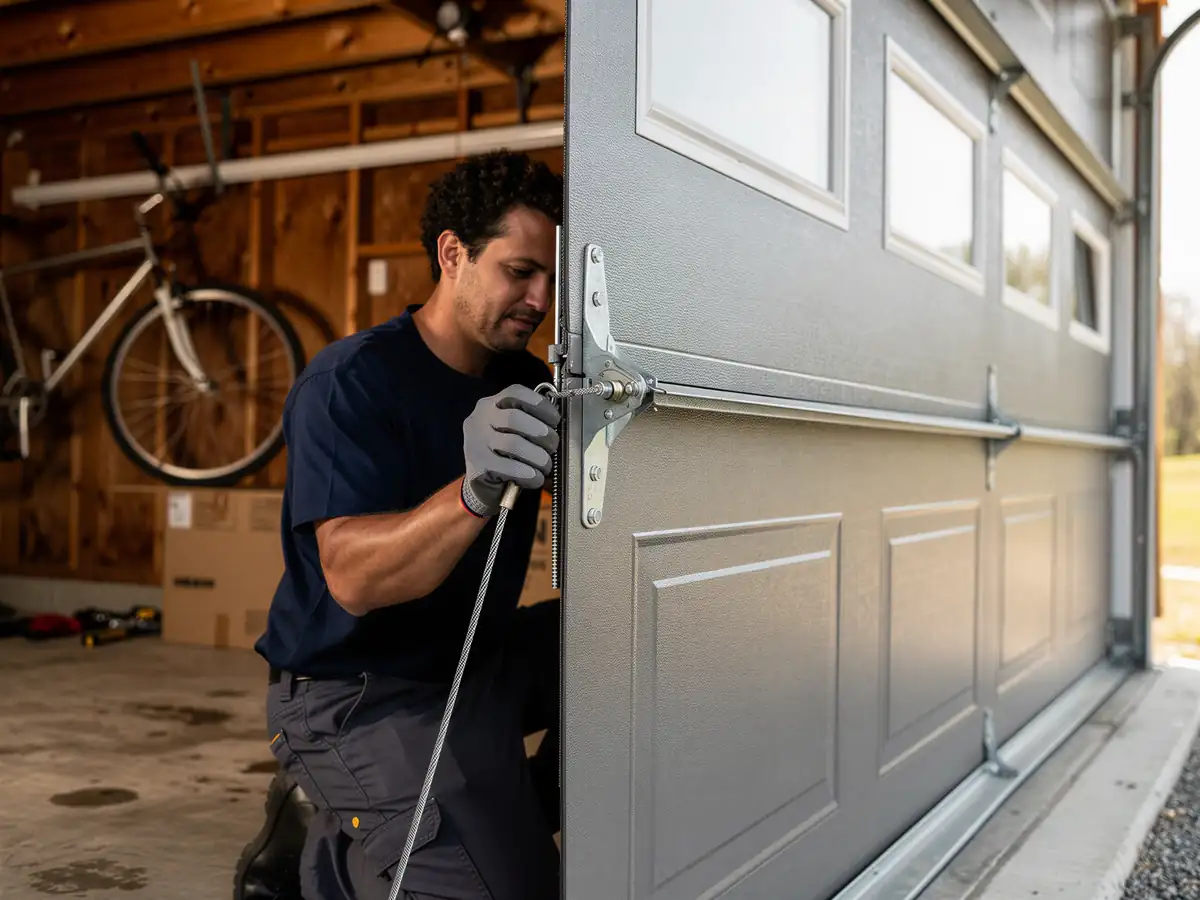
Given the 1981 median build year, the calls we get from Streamwood lean toward torsion spring replacement on single and double doors, worn rollers that have gone from nylon to metal-on-metal, and openers from the chain-drive era that are grinding, slipping, or simply dead. We also see a fair number of cable replacements where fraying has gotten bad enough that the door binds or drops unevenly on one side. Weatherseal and bottom-panel rust repair come up more in winter after road salt and slush sit against the door base for months. Less common, but not rare, are full door replacements on houses where the original steel panel has rusted through at the bottom two sections - at that point patching isn't worth it, and a new door with current insulation and hardware is the better spend. We don't see as many smart-opener installs here as in newer-built pockets of the service area, simply because older openers often need a bracket or rail adapter first.