What Can Go Wrong
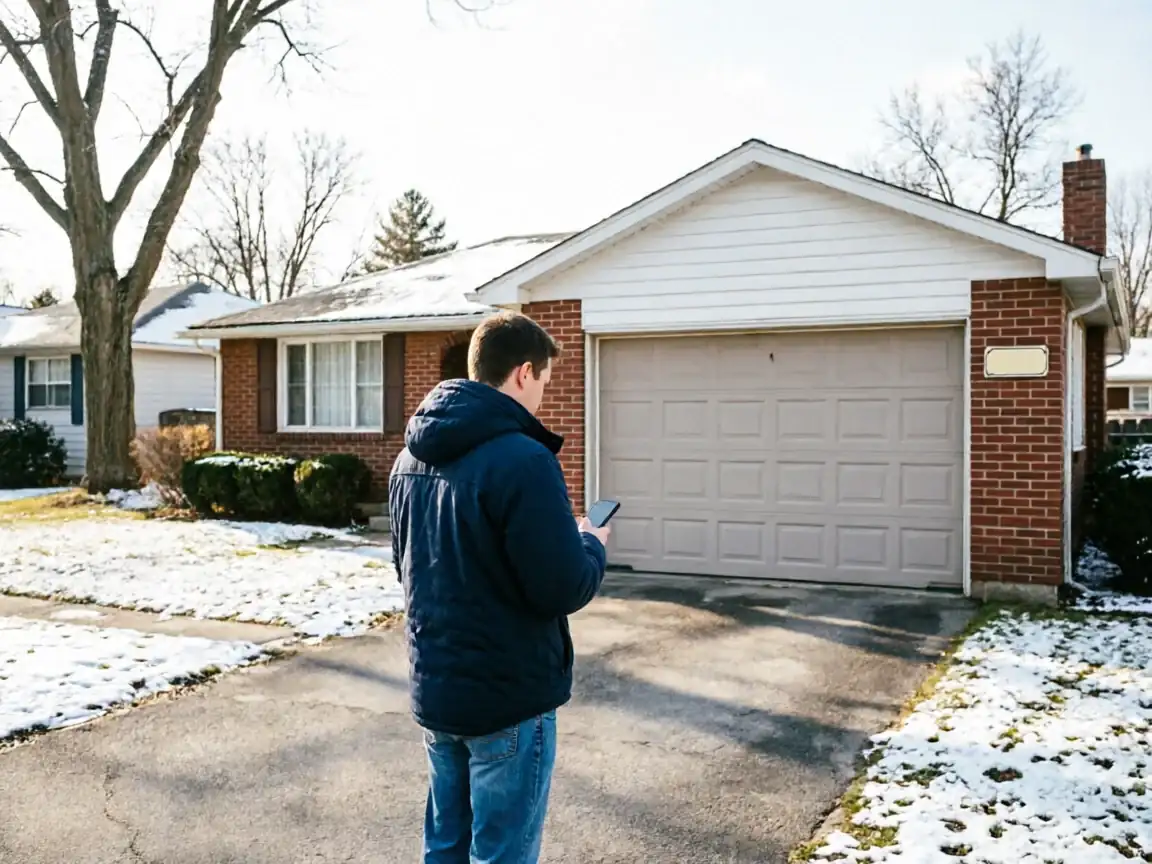
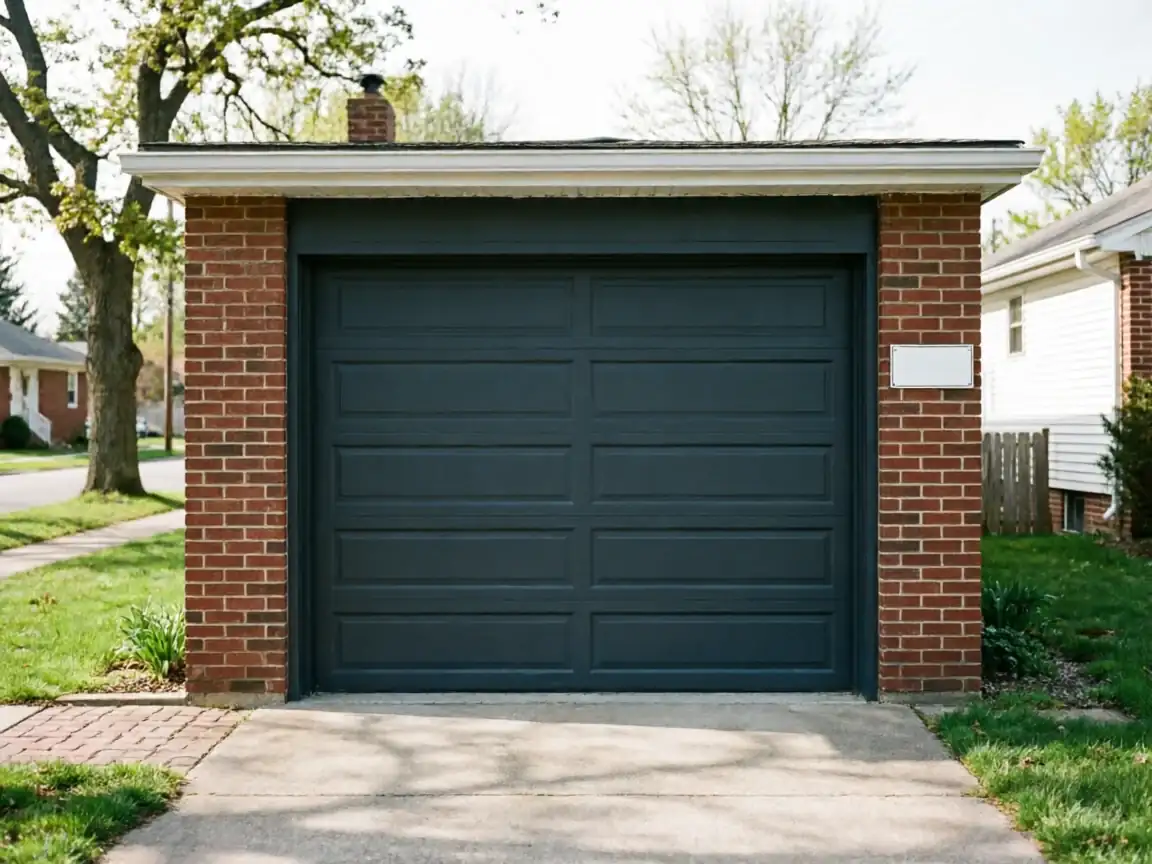
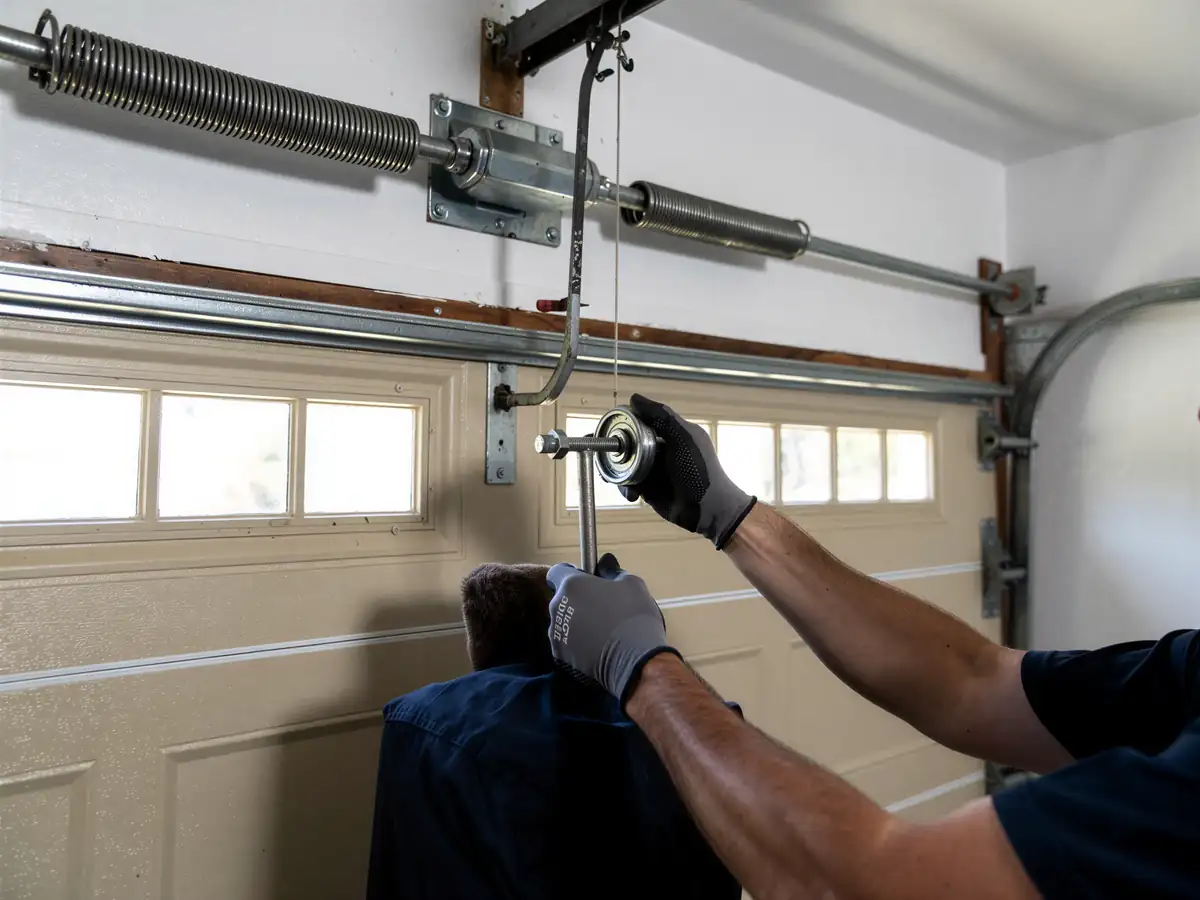
The fault we see most in Sugar Grove isn't old age, it's cheap age. Houses in this part of the service area cluster around 2002, newer than the 1958-2003 range that covers Aurora as a whole, and that tells us something specific: these are builder-grade doors installed by a developer on a volume contract, not a homeowner upgrade. The panels are thin single-layer steel, the torsion springs are sized to the minimum the door code allowed, and the rollers are stamped nylon on a steel stem that wears oval instead of round.
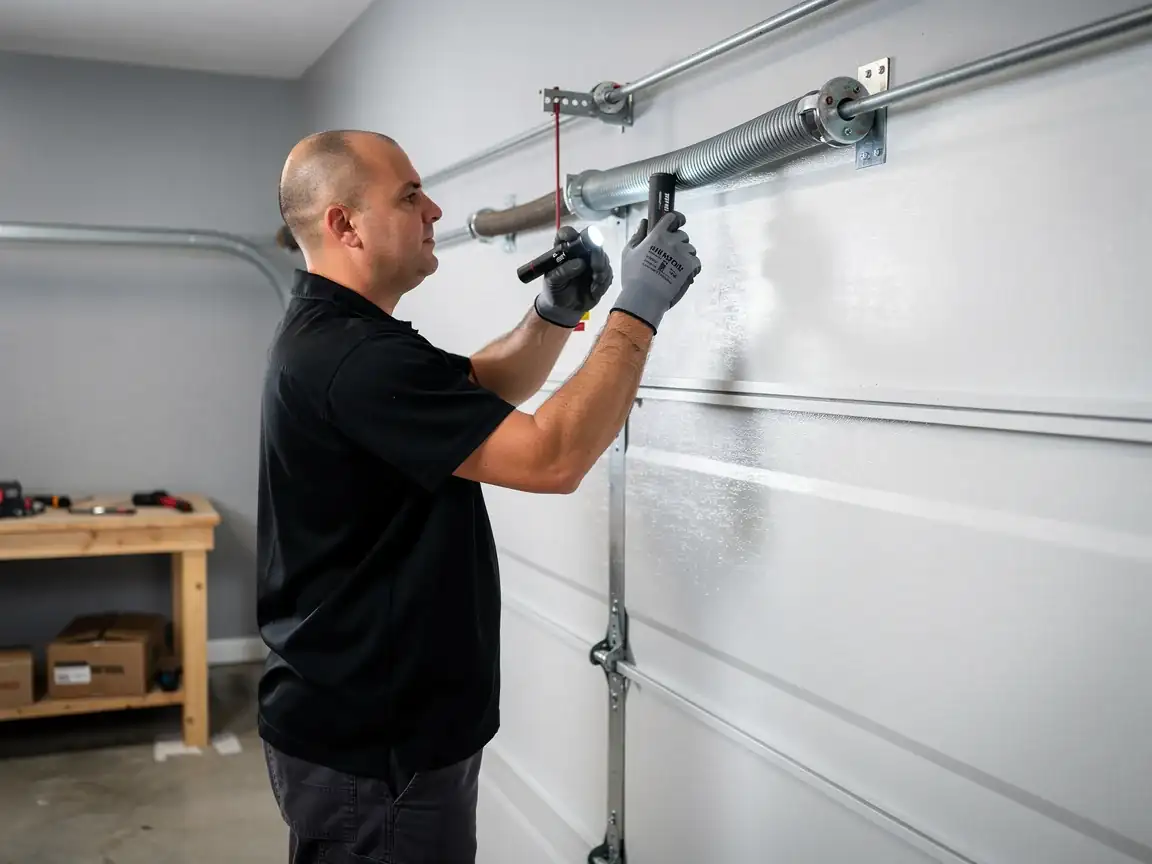
Twenty-some years in, that combination fails in a predictable order. The spring loses tension first, so the opener starts doing work it was never built to do. Then the rollers bind in a worn track, and the door starts to shudder on the way up instead of gliding. None of this is a Sugar Grove-specific defect - it's what a 2002 builder door does on schedule. We're not describing a disaster, we're describing a door at the end of its first life, and a full install resets the clock instead of patching a spring that's going to fail again in a year.
Doing It Yourself
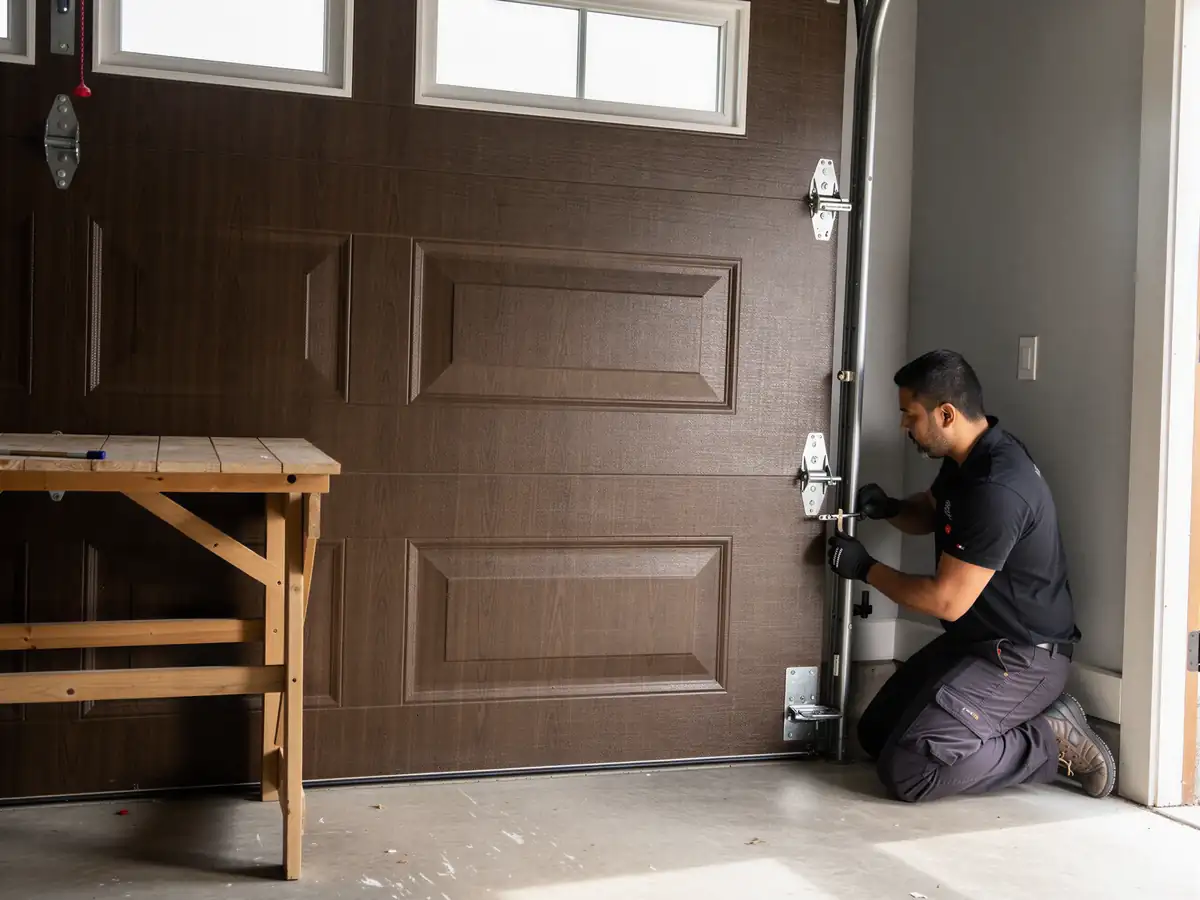
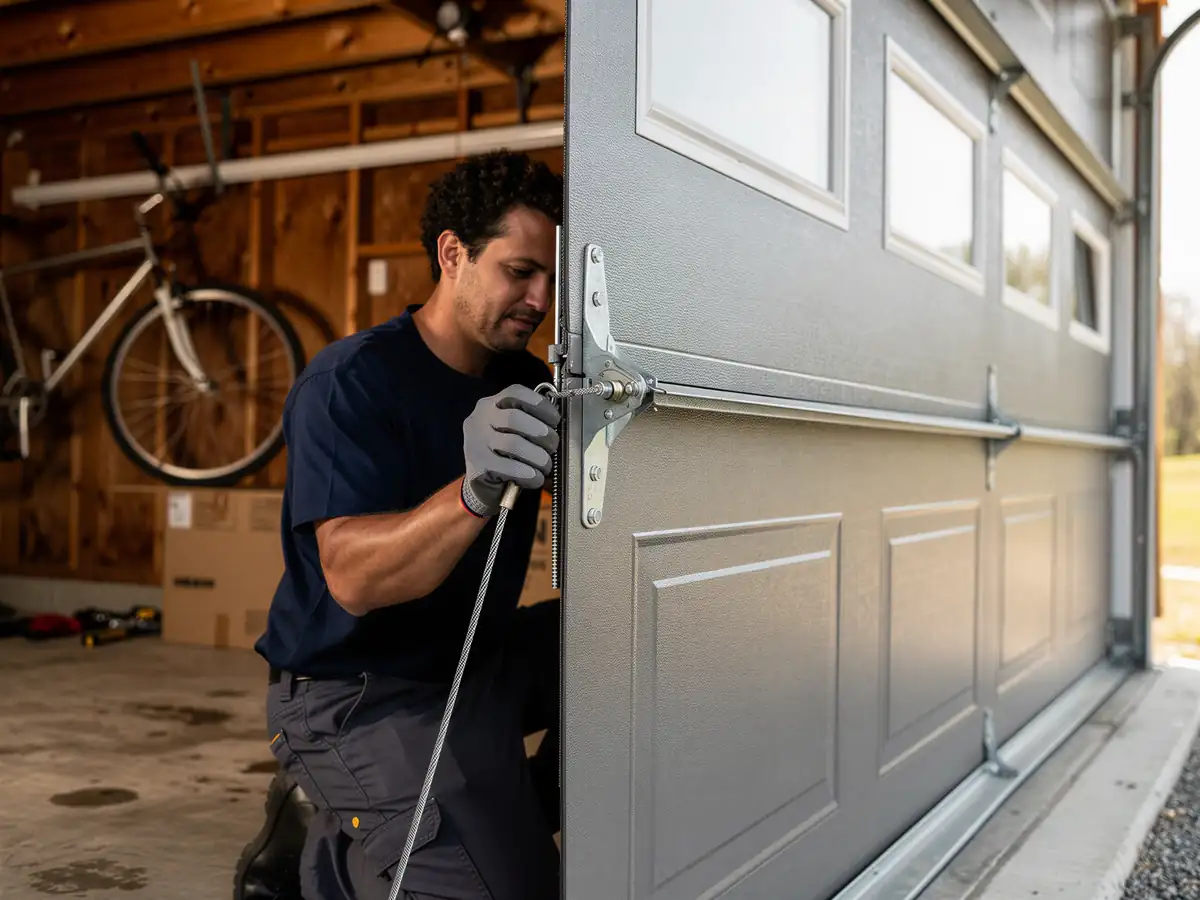
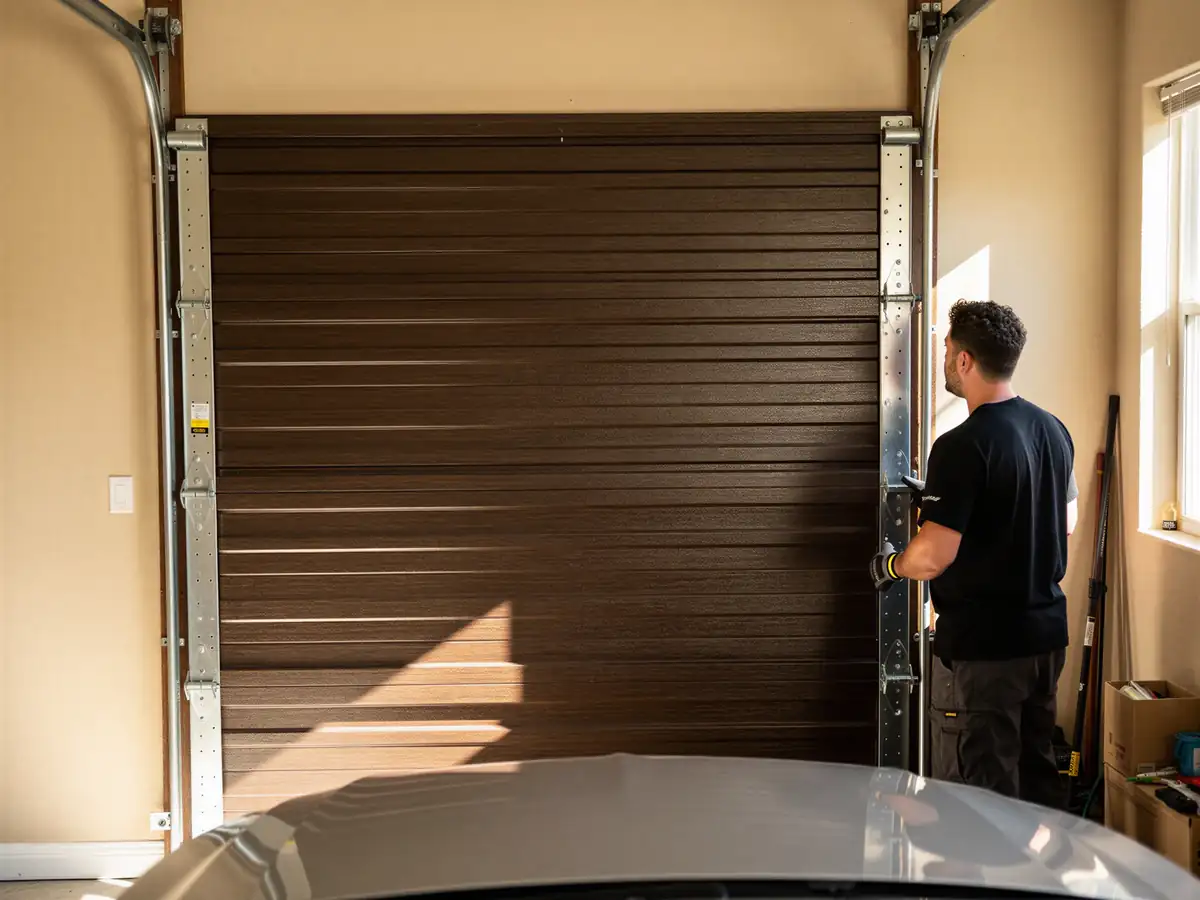
A torsion spring under tension can break a wrist or worse, and that doesn't change because the house is newer. If you're replacing a whole door and opener system - which is what most 2002-era builder doors need by now, not a patch job - you're also dealing with new jamb brackets, a heavier insulated panel than what came off the house, and an opener that has to be programmed to the new door's travel and force settings.
We'll be straight about what we don't do: we don't sell you a kit and walk you through it over the phone, and we don't recommend reusing the old spring hardware on a new door even if it looks fine. The spring sizing has to match the new door's weight, and a mismatched spring is either a door that won't stay up or one that slams down hard enough to crack a panel. If you want to swap your own weatherstripping or replace a roller here and there, that's reasonable work for a careful homeowner. A full door and header replacement on a torsion system is not.
The Symptom
The giveaway in a 2002-built Sugar Grove house is usually the opener, not the door
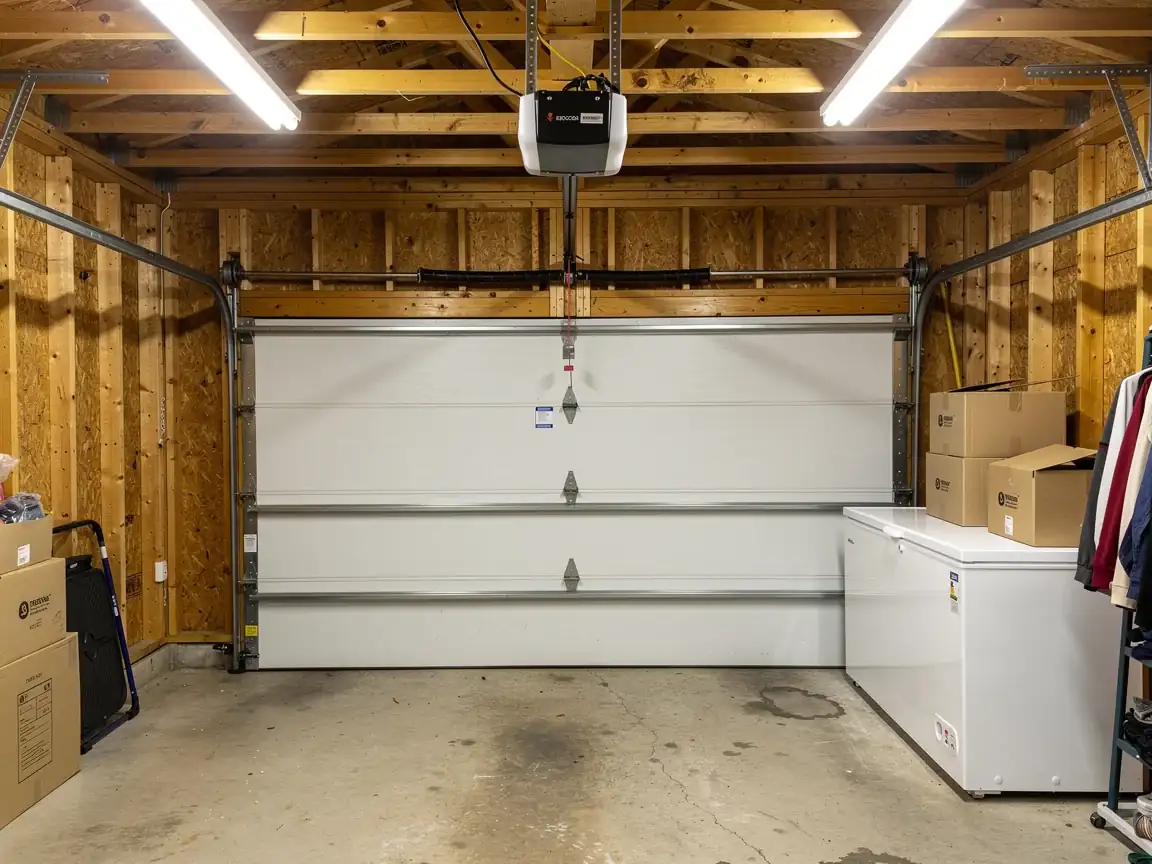
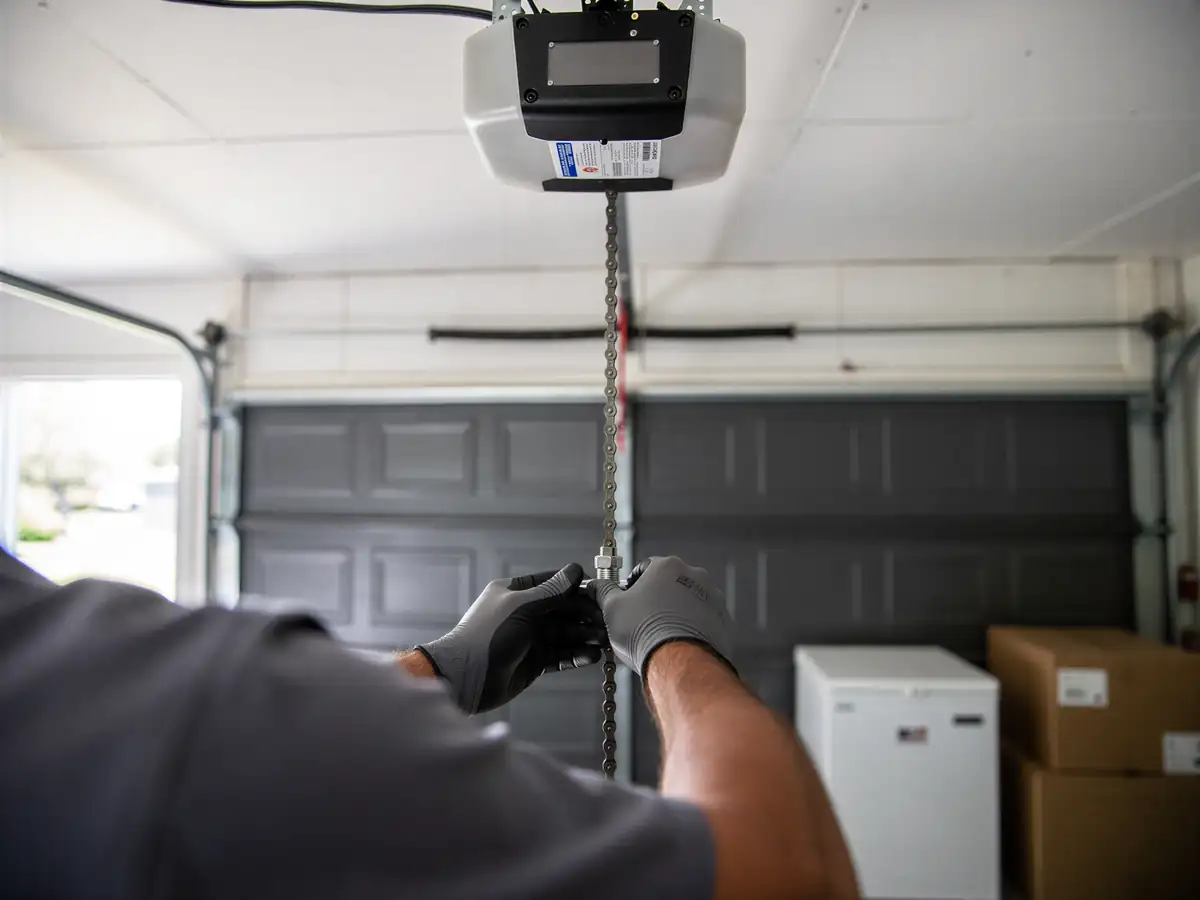
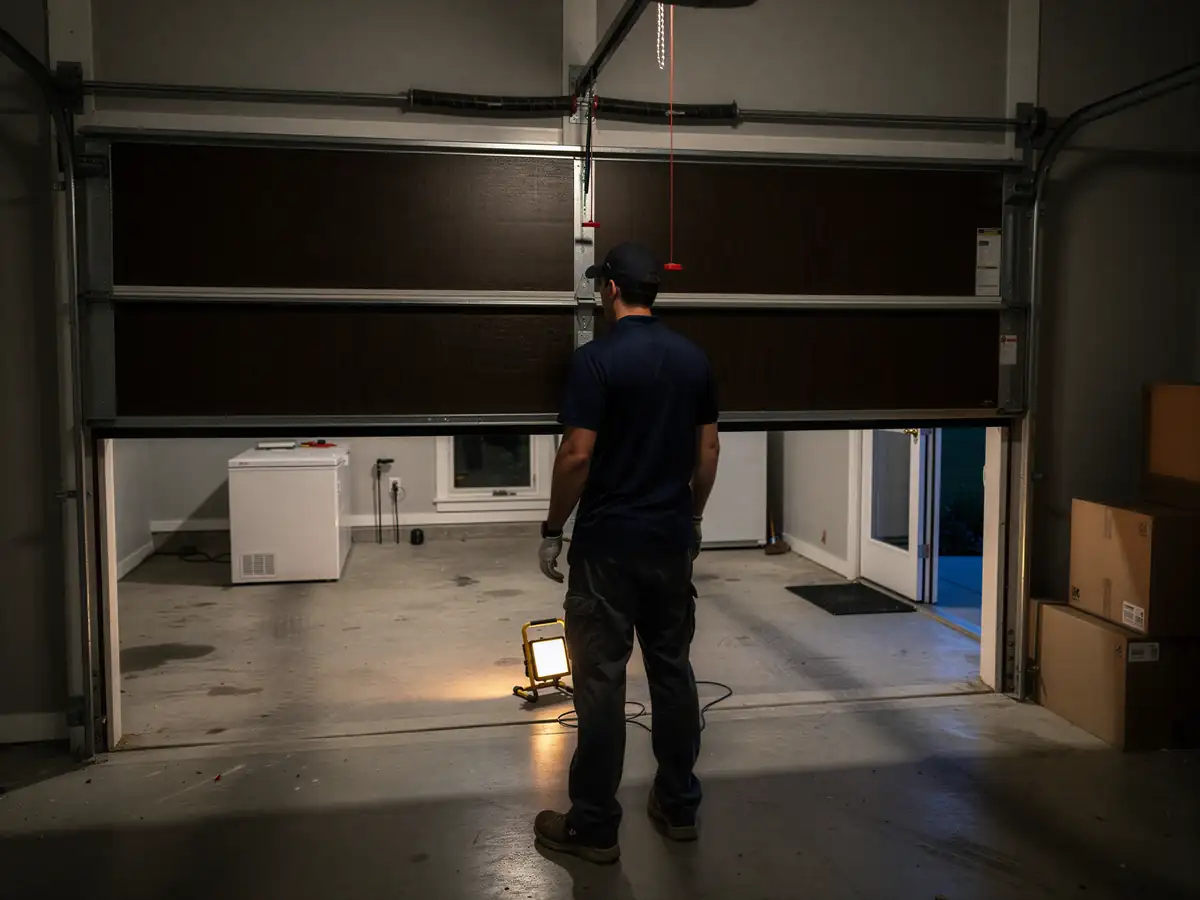
Homeowners call us saying the opener strains on the way up, reverses partway, or the light blinks and the door won't budge at all. That's the spring giving up its lift, and the opener trying to compensate - it'll keep trying until the motor burns out or the gears strip.
A second common call
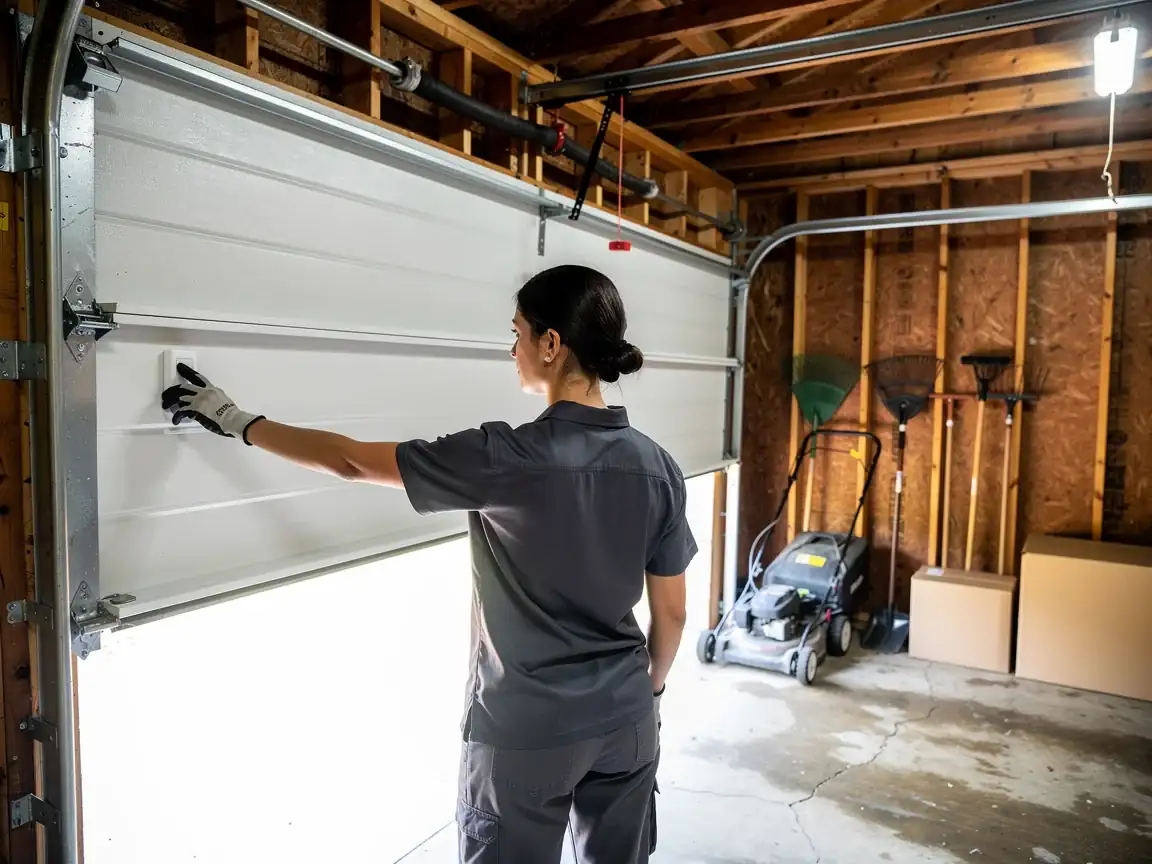
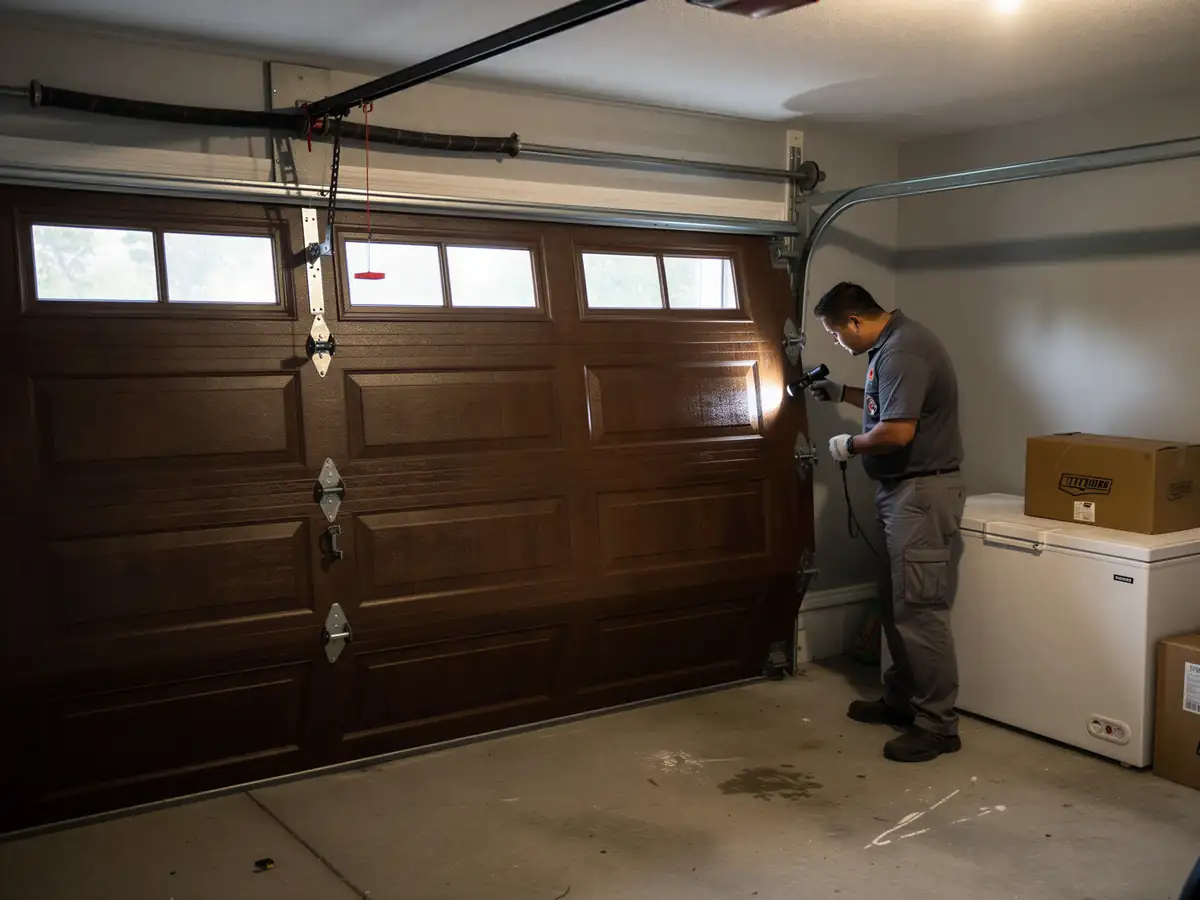
The door looks fine standing still but shudders or leans slightly as it travels, especially on a double-wide door. That's a worn roller track combined with a spring that's no longer balancing the door evenly side to side. Either symptom, on a house from this build era, points to original hardware that's simply reached the end of what a builder-grade install was spec'd to do. Catching it before the cable snaps or the opener motor fails saves you a second service call.
Stocked Parts
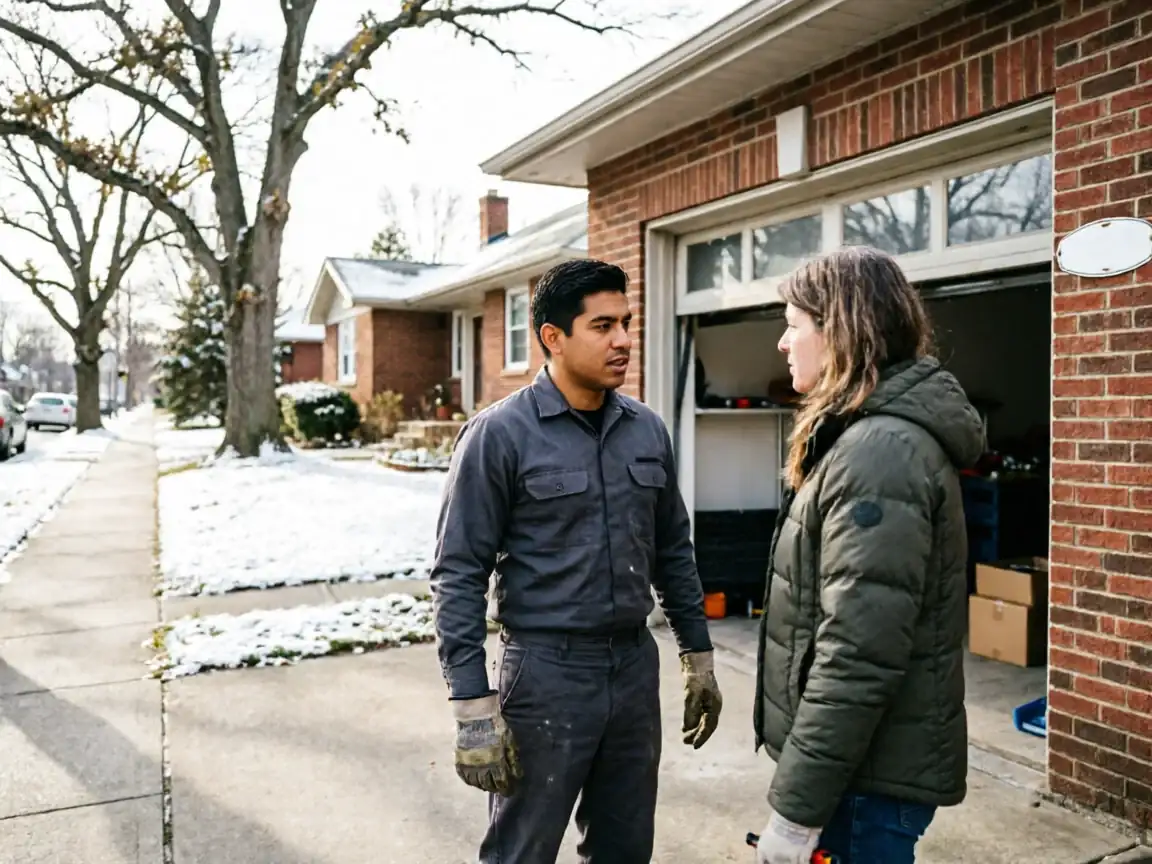
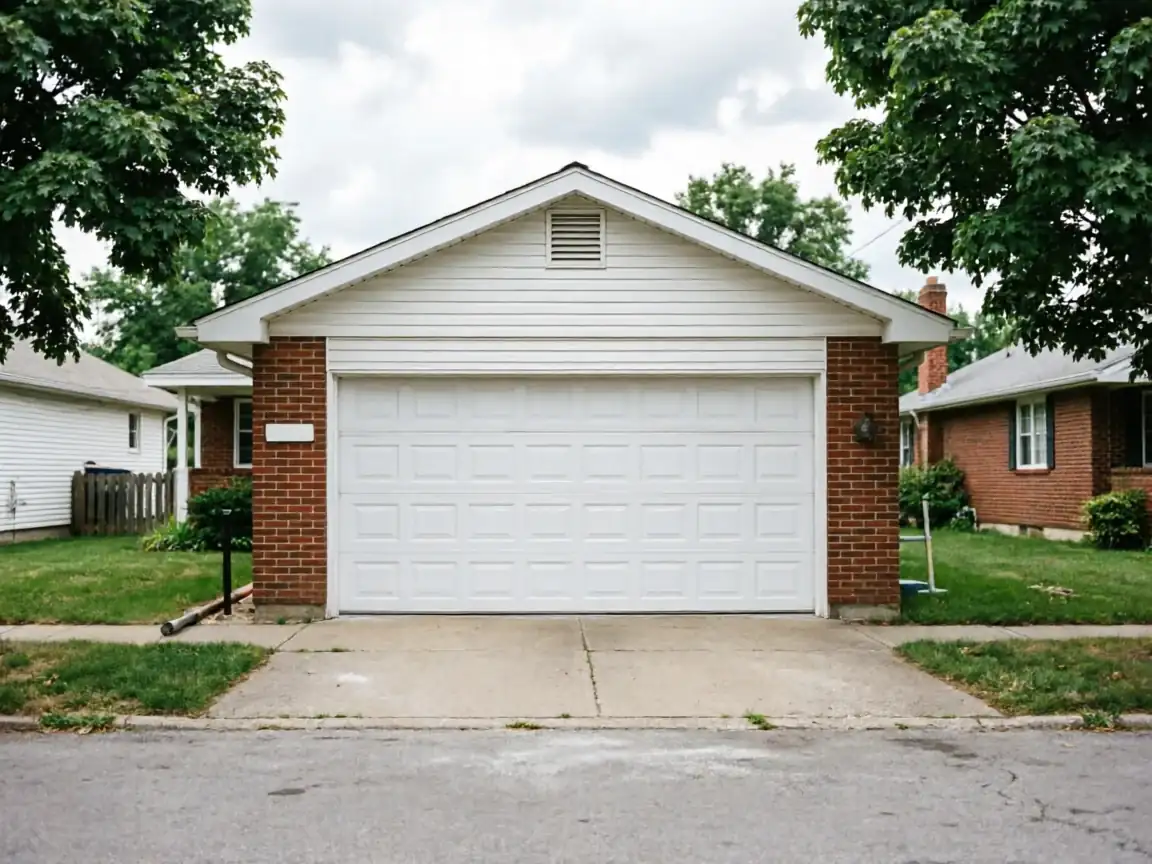
We work out of Aurora, about 8 miles from Sugar Grove, and we stock torsion springs, rollers, and insulated panel sections sized for the door era that's most common here - the 2002-ish builder doors, not the older stock we see closer to Aurora's core. That means a same-trip install in most cases rather than a special order.
Sugar Grove sits in a moderate cold climate band, same as the rest of our service area, so the doors we stock carry standard foam-core insulation rated for that - nothing exotic, nothing undersized. One honest limit: if you want a custom wood door or a non-standard width outside what we keep on the truck, that's a special order and it adds lead time. For a standard steel insulated replacement on a typical Sugar Grove garage, we can usually get you installed without that wait.