What Causes It Around Here
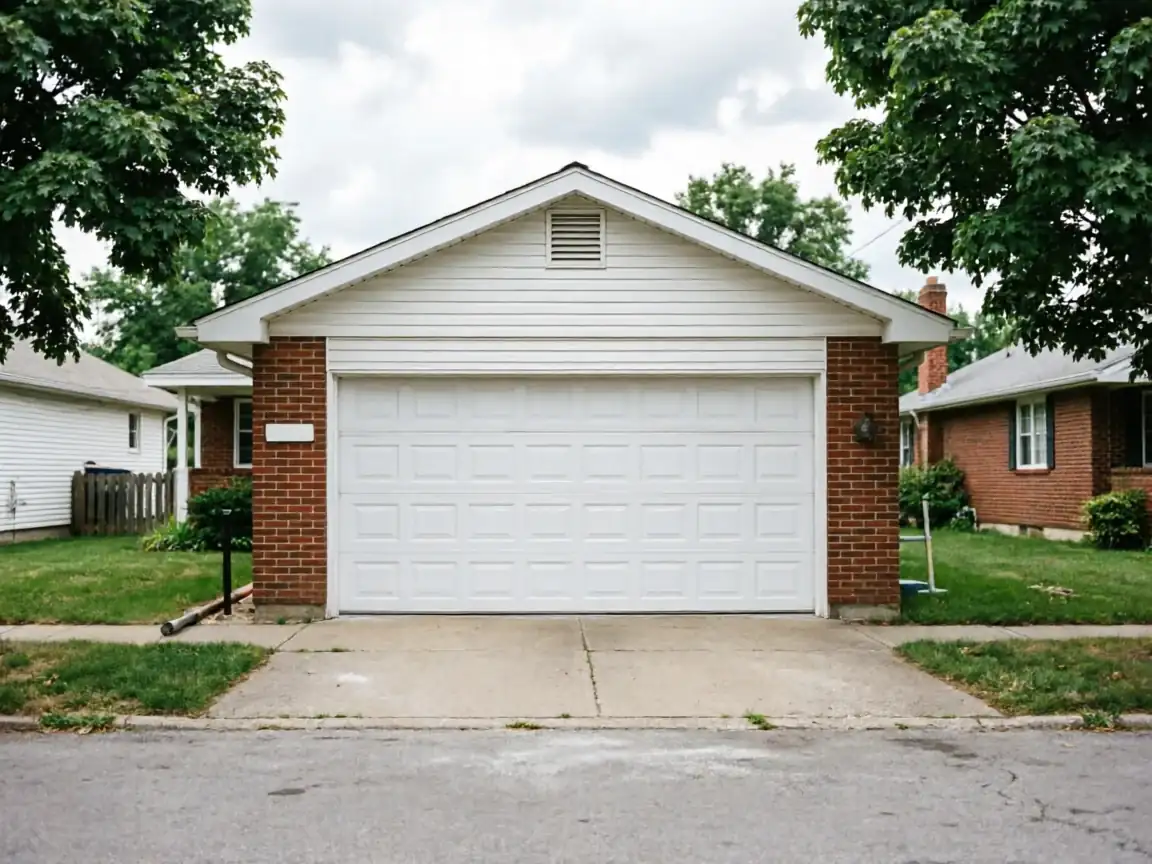
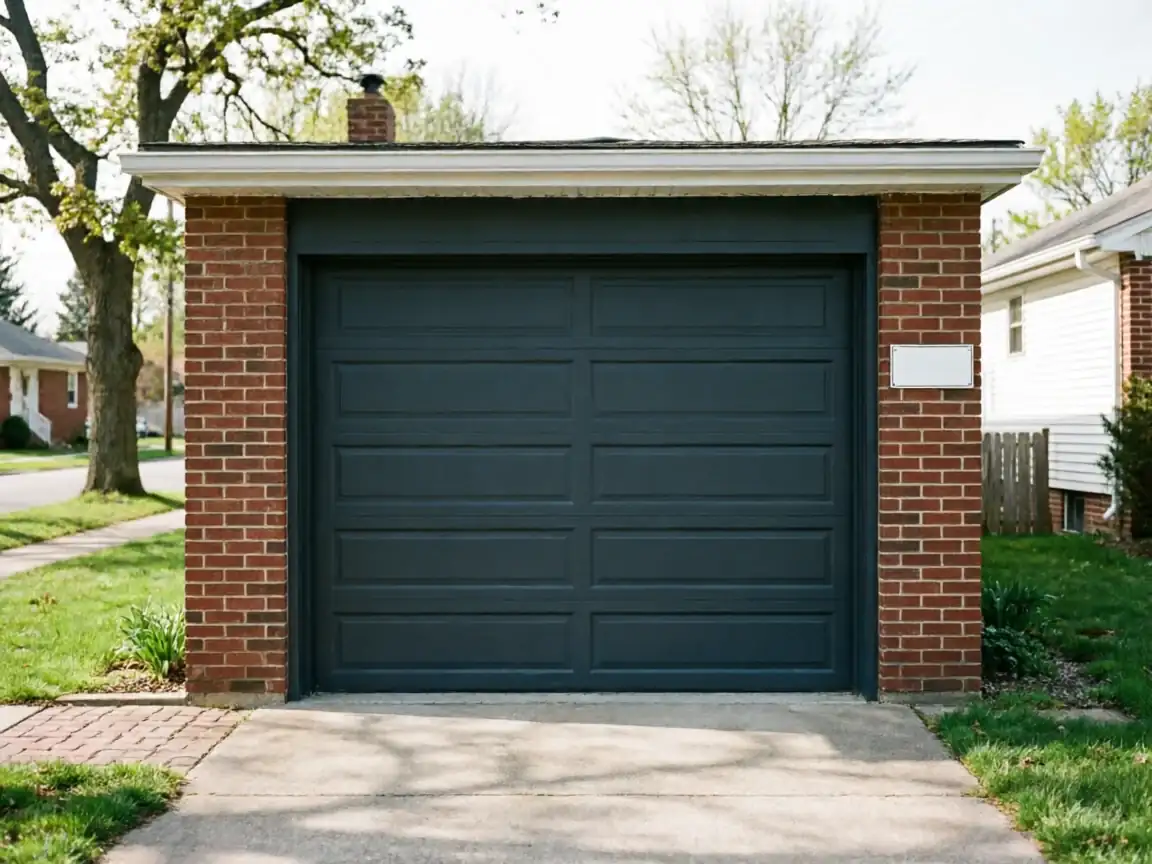
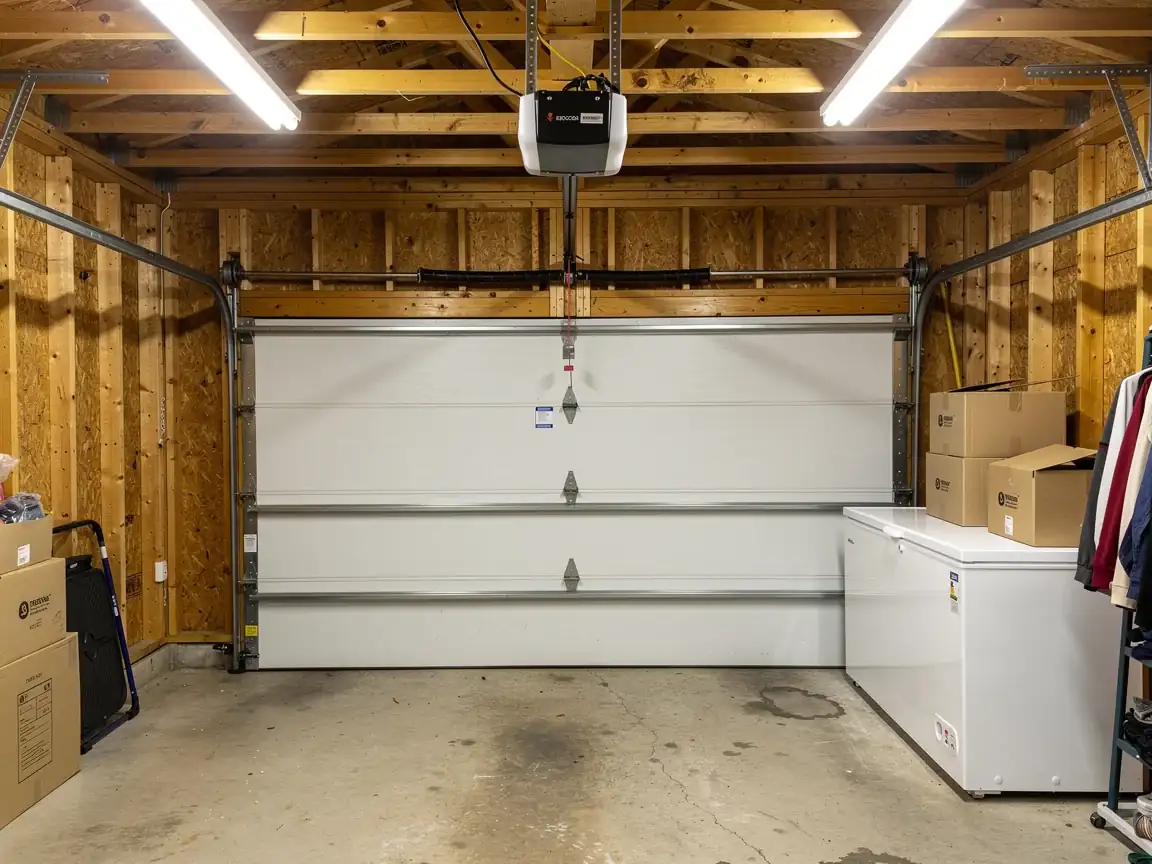
Most houses in the Aurora service area went up between 1958 and 2003, with the thick of the building happening in the 1980s and 90s. That means a lot of garages out here still have the opener that came with the house, or a direct swap from the 90s that nobody's touched since. Those units ran steel chain drives and open-frame circuit boards that were fine for their decade but weren't built with today's load expectations in mind.
Aurora sits in a cold-moderate climate band, and that matters more for openers than most people think. The gear sets inside an older chain-drive unit use a grease that stiffens as temperatures drop. A motor that's been limping along all fall will often just stop turning over on the first hard-freeze morning, because the gear can't push through stiff grease and a worn-out capacitor at the same time. Owners read that as a sudden failure. It's usually years of wear finally meeting a cold snap.
We also see a lot of logic boards fail from power surges and simple age - the circuit boards in openers built in the 80s and 90s weren't designed to last past 15-20 years, and plenty of them have now gone well past that. None of this is unique to one house. It's a pattern tied to when this area was built and what it's built with.
How Long You Are Without the Door
Downtime on an opener repair depends mostly on what's actually wrong and whether we're carrying the part. A dead capacitor, a stripped drive gear, or a bad wall switch are common failures and we typically carry those parts on the truck, which means the door is working again the same visit.
Where it slows down is logic boards for older units. A lot of the chain-drive openers still running in houses built in the 1980s and 90s use board designs the manufacturer stopped making years ago. When that's the part that failed, we sometimes have to order a compatible board or talk through replacing the whole opener instead of waiting on a part that may not show up fast. We won't pretend a board ships overnight when it doesn't - that's the honest limitation here, and it's worth knowing before you're stuck with one working car in the garage.
If the opener itself is original to a 1960s or 70s build and past rebuilding, replacement is usually faster and cheaper than chasing parts for a unit that old. We'll tell you straight which situation you're in before any work starts, not after.
The Symptom
The most common call we get is a door that won't respond to the remote or wall button at all
No motor sound, no light, nothing. That's usually a dead capacitor or a tripped breaker, not the motor itself.
Second most common: the opener hums or clicks but the door doesn't move
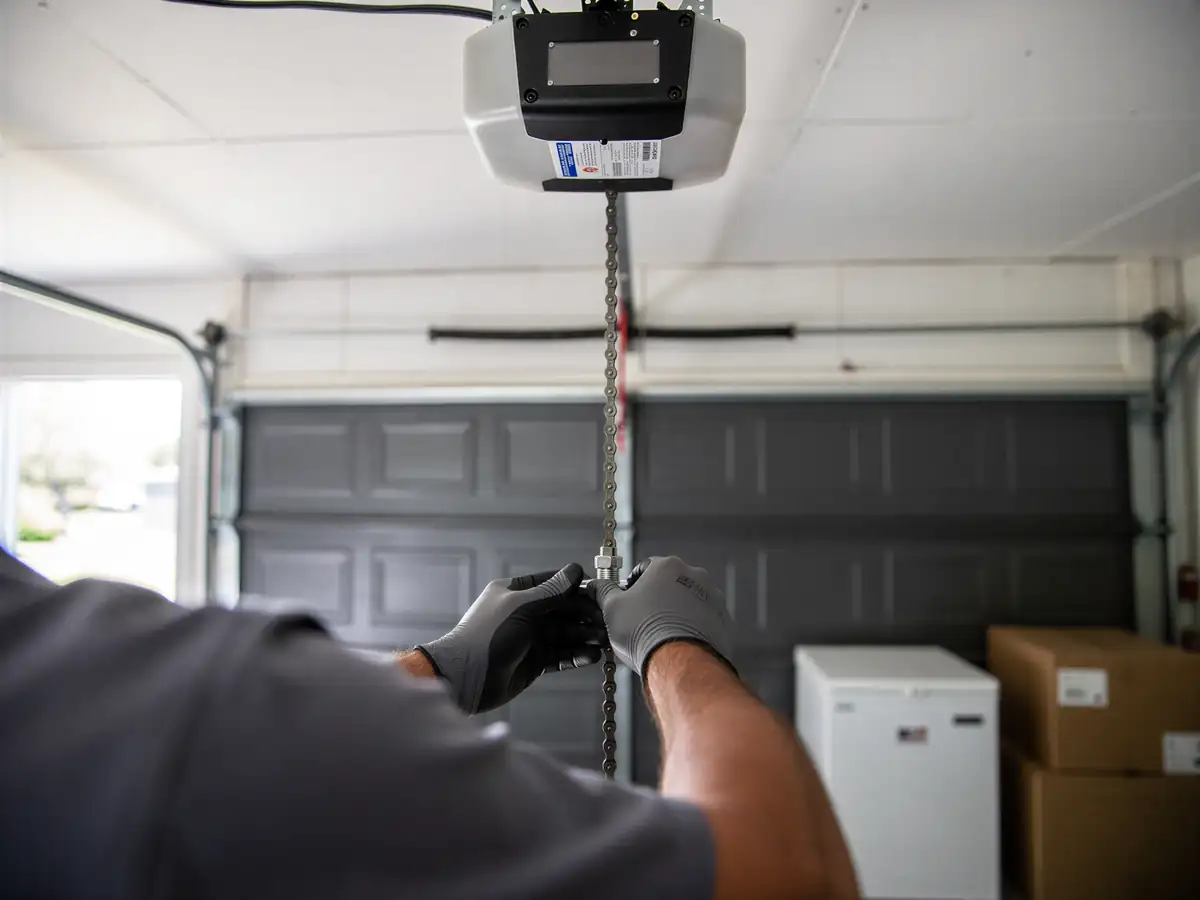
On the chain-drive units still common in houses from this area's 1980s-90s building boom, that's often a stripped plastic drive gear inside the housing - a part that wears out from decades of use and is cheap to replace once we're in there.
Third is grinding or straining noise, especially on cold mornings
Stiffened grease on an aging gear set fighting against a motor that's already weak. We also see remotes and keypads that work intermittently, which points to a failing logic board rather than the remote itself, especially on units old enough that the board design predates today's rolling-code security standards.
A blinking light on the opener unit is diagnostic information, not a mystery
Different manufacturers use different blink patterns to flag the same handful of failures, and reading that code correctly is usually the fastest way to the actual problem.
What the Fix Involves
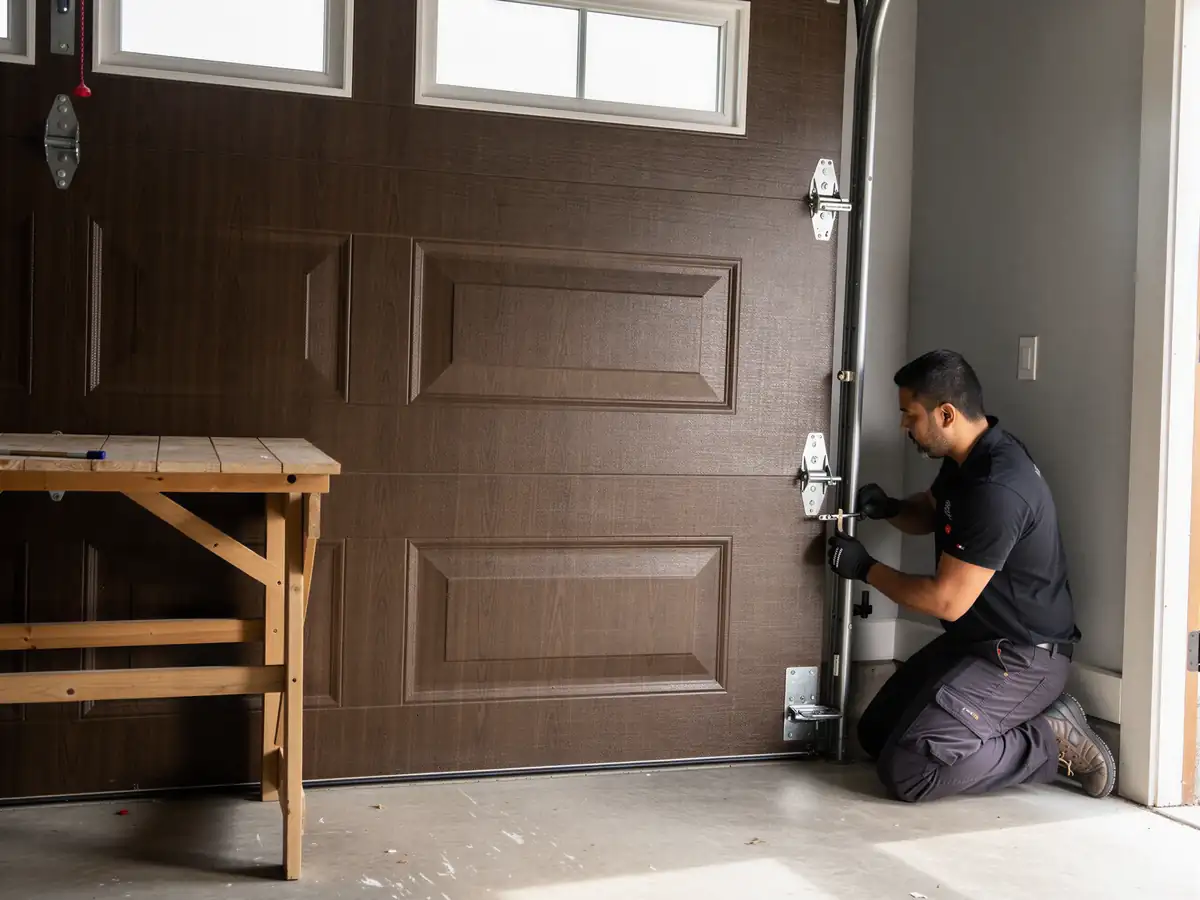
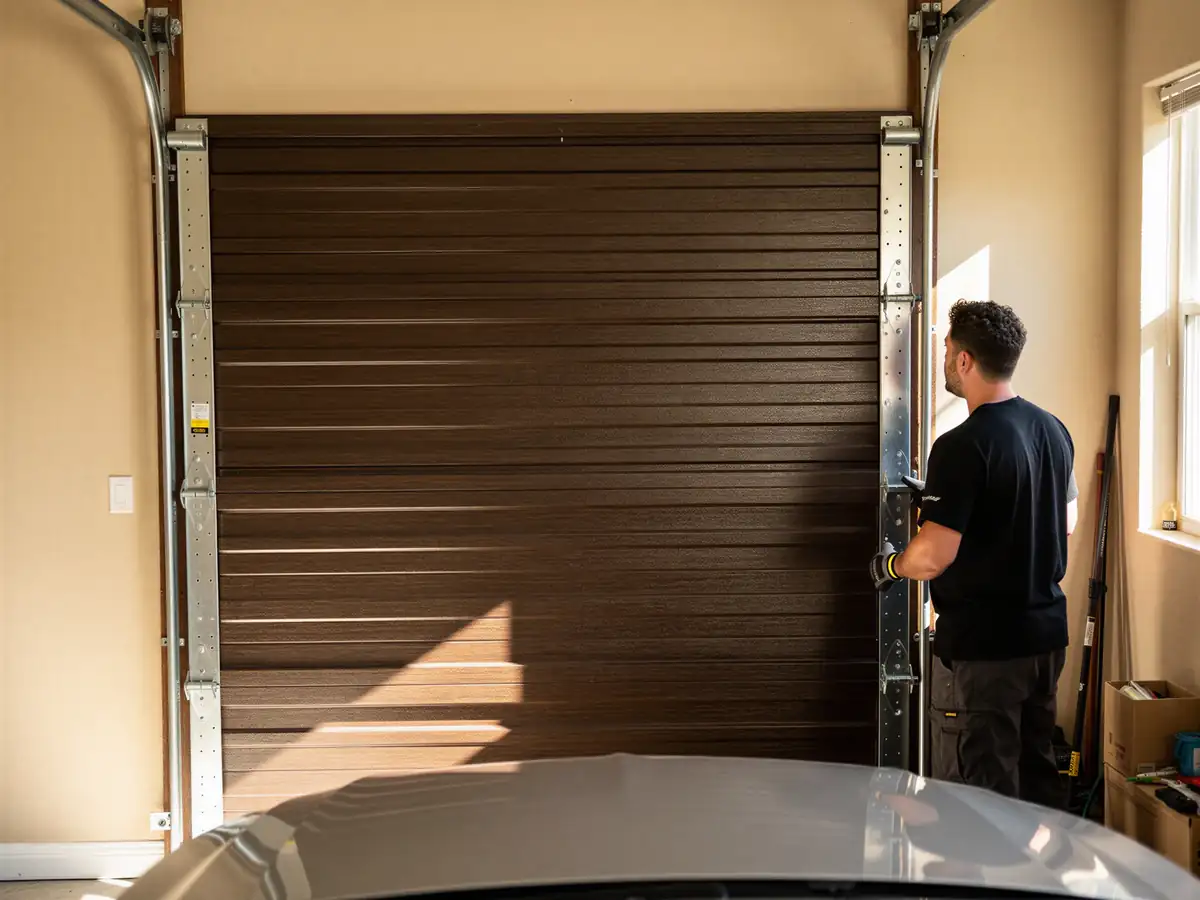
We start by running the opener through its cycle and watching exactly what it does and doesn't do - that tells us more in two minutes than guessing ever will. From there it's usually one of: a capacitor swap, a drive gear replacement, a logic board swap, or confirming the motor itself is shot.
For the 1980s and 90s chain-drive units that make up a lot of the opener stock in this area, gear and capacitor repairs are usually the most cost-effective path and get the door moving again that day. When the logic board is the failure and the manufacturer no longer supports that board design, we'll walk you through the real choice - a universal replacement board where one fits, or a full opener swap when it doesn't.
We don't push full replacement on an opener that's got life left in it just because it's old. If the motor's sound and the drive mechanism are solid and it's a board or gear problem, repair is the right call. Full replacement makes sense when the motor's worn past rebuilding or when parts for that model aren't being made anymore - we'll tell you which situation you're actually in.