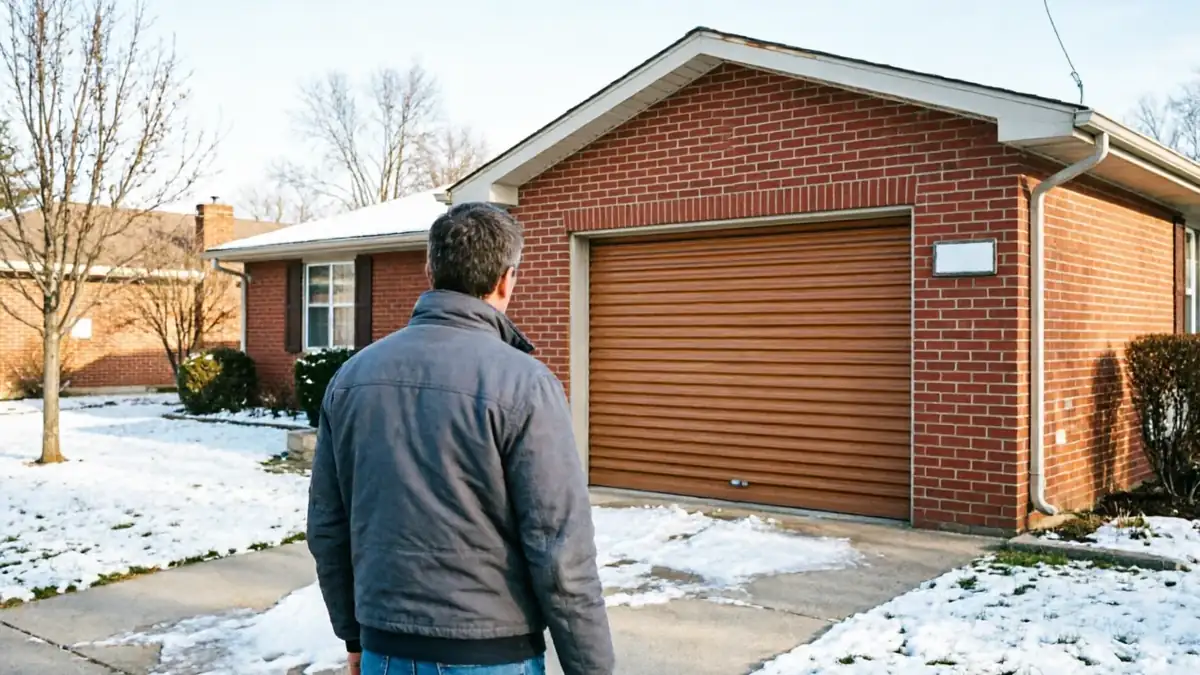
How Local Conditions Play In
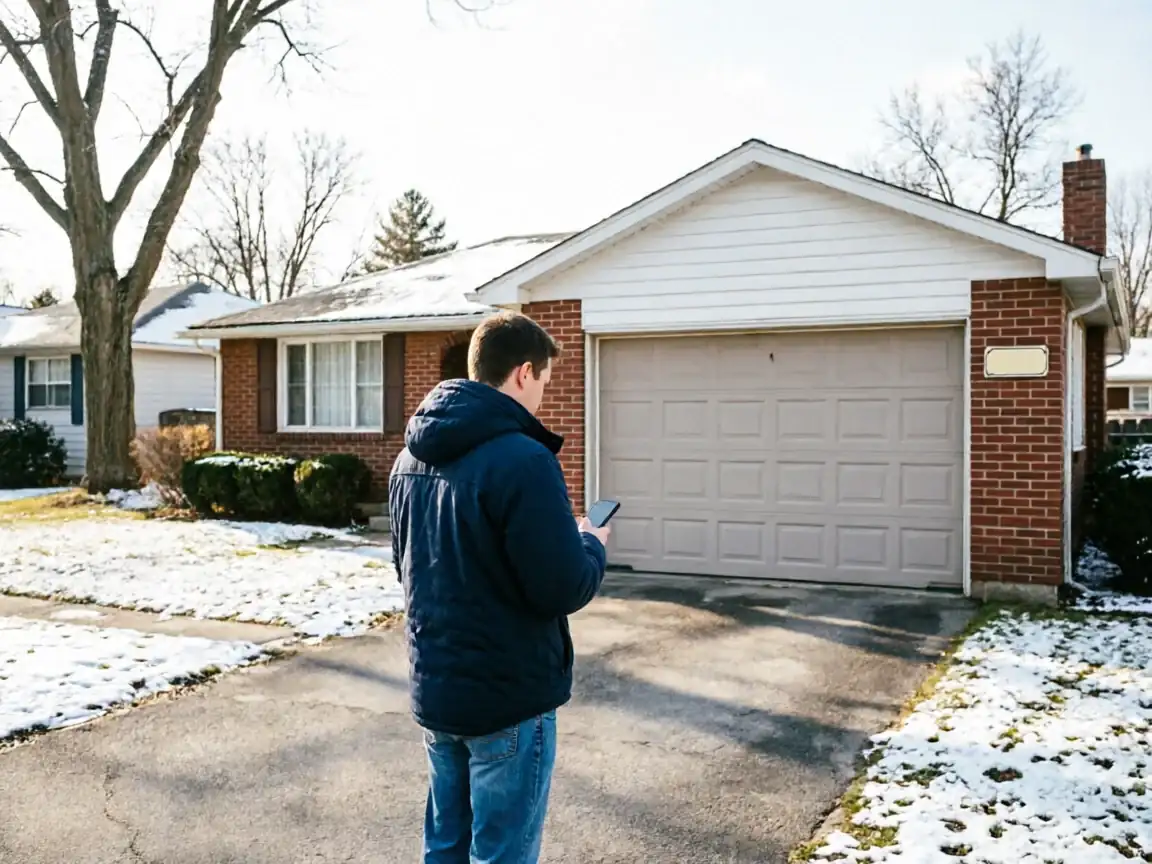
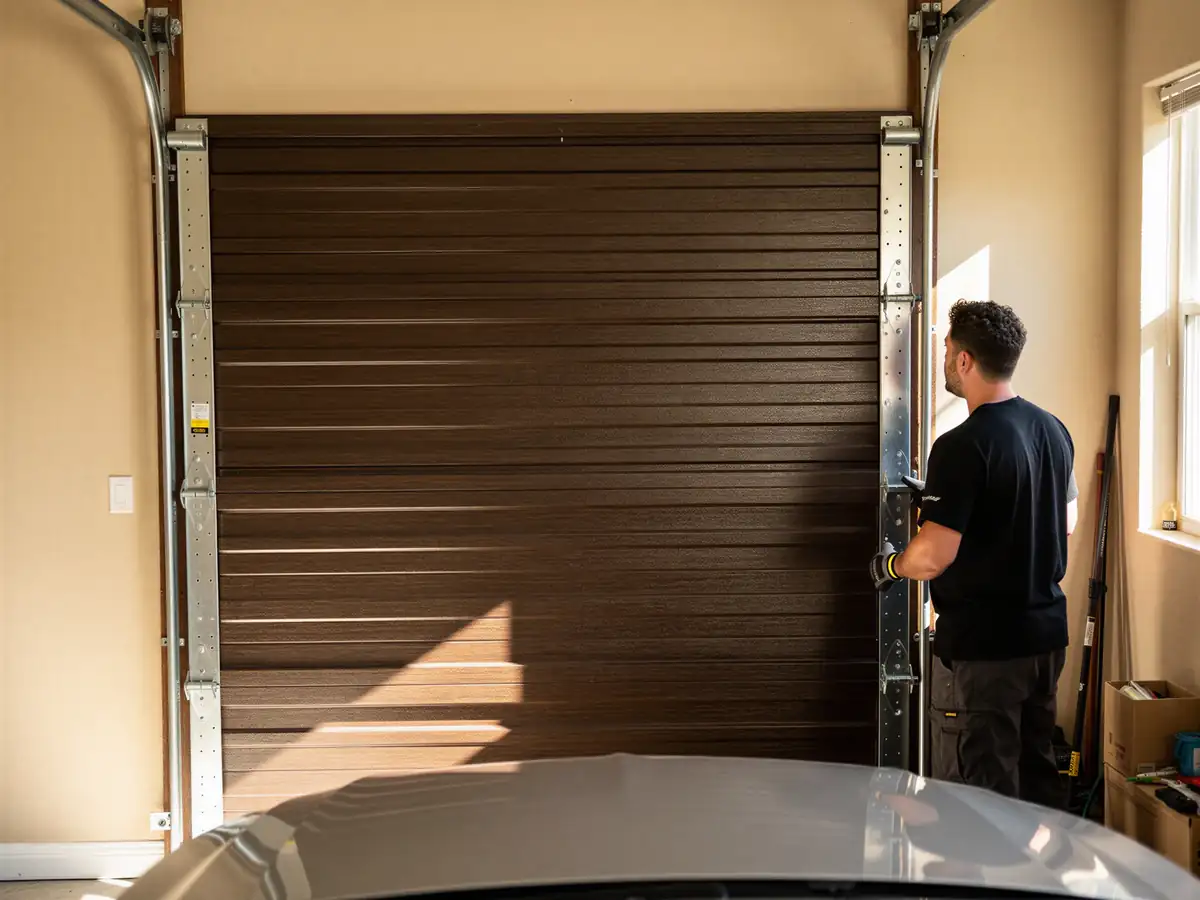
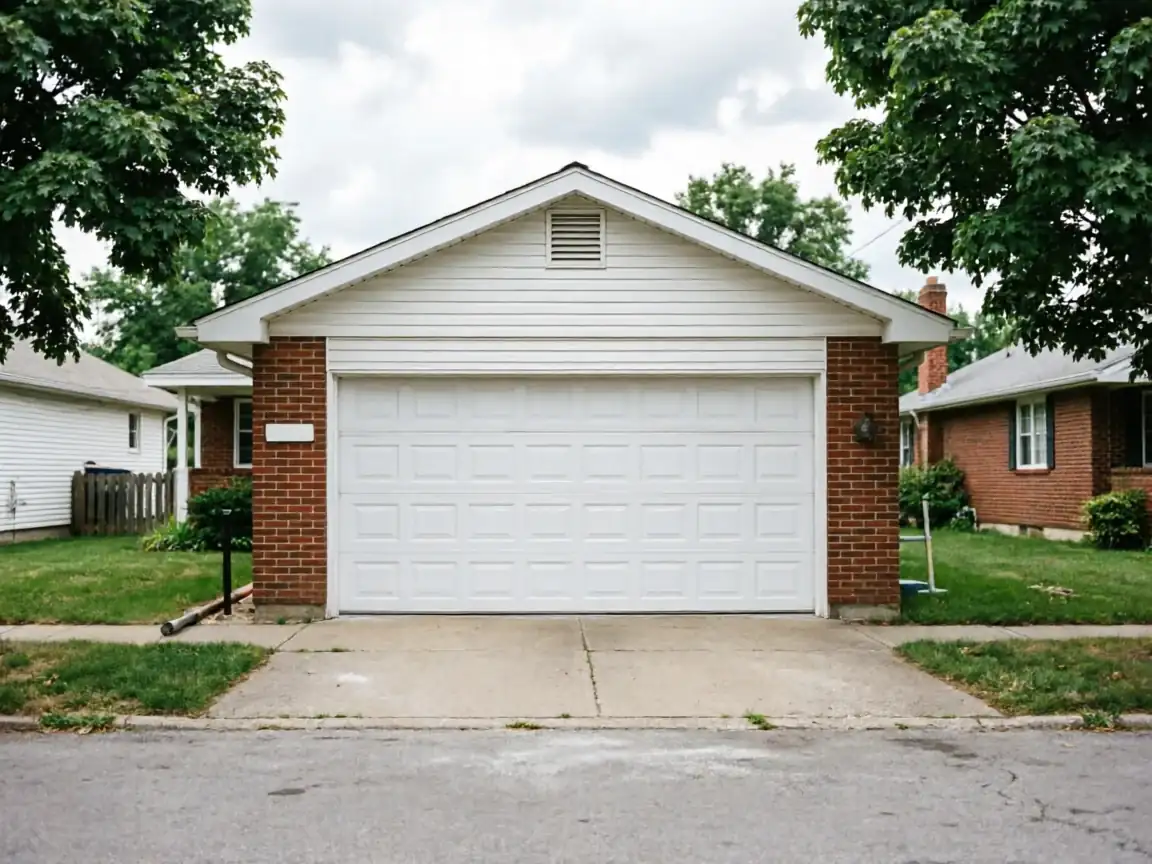
Most houses in this part of Illinois went up between 1958 and 2003, with the median build landing around 1981. Across the 48 named communities this company works in, that stretch skews heavy toward 1980s and 90s construction - ranch and split-level garages with rough openings and spring setups sized to what builders used then, not what's on shelves now. A door bought off a national retailer's website without checking the actual opening width can arrive wrong by an inch or two, which on a garage door is enough to need a return.
Aurora also sits in a cold moderate climate band. That doesn't mean brutal winters every year, but it does mean enough freeze-thaw cycling that steel panels, weatherstripping, and the bottom seal all take real wear. A door built for a warmer region's spec sheet - thinner steel, lighter-duty seal - doesn't hold up the same way here over a full winter. When you're replacing a door on a house from that 1958-2003 run, matching both the opening and the climate spec matters more than matching the color.
When to Get Help
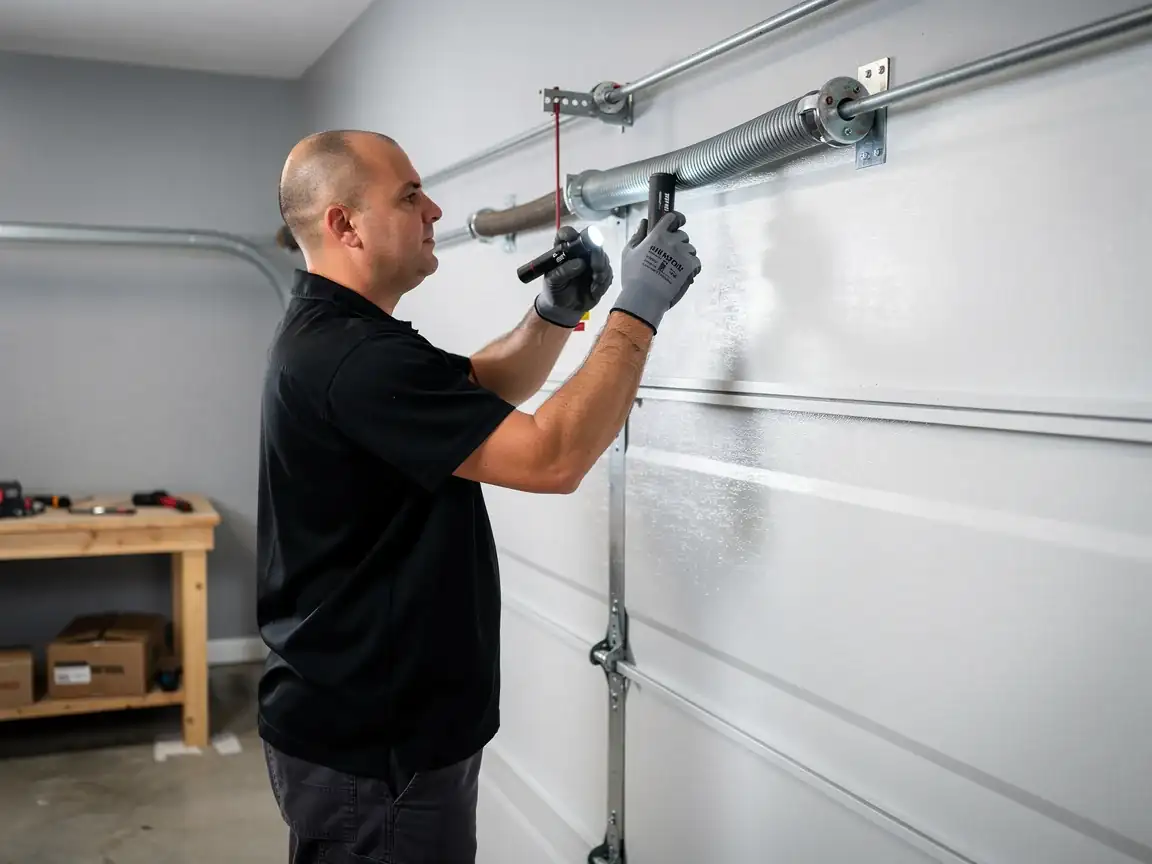
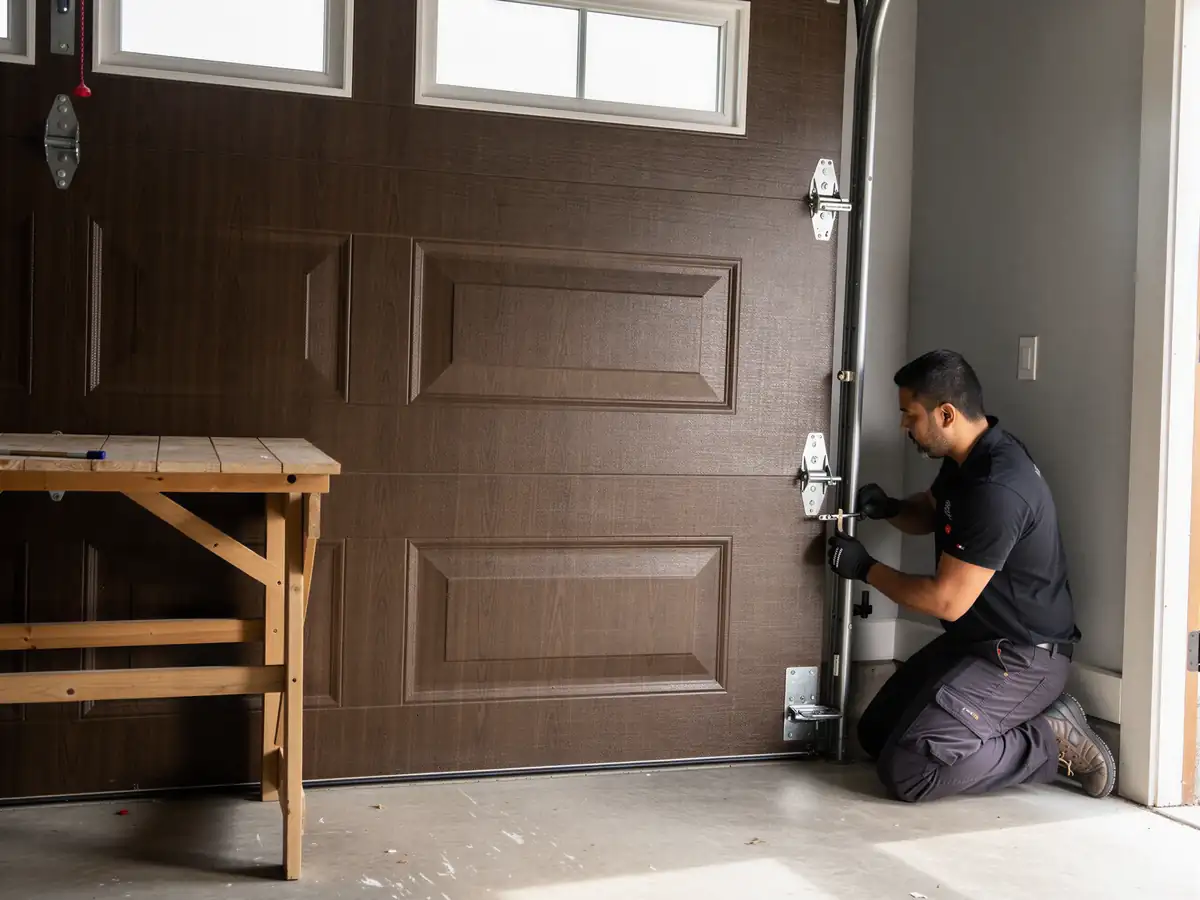
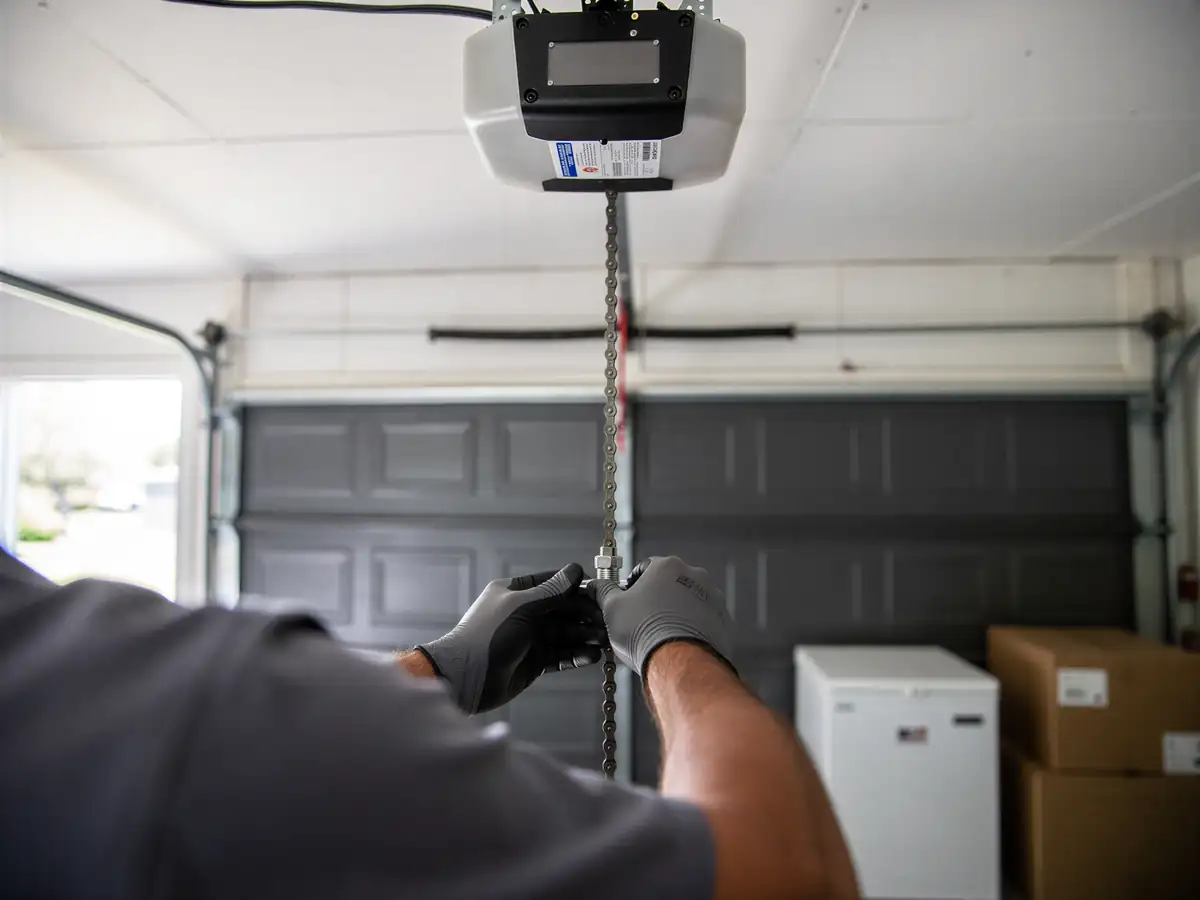
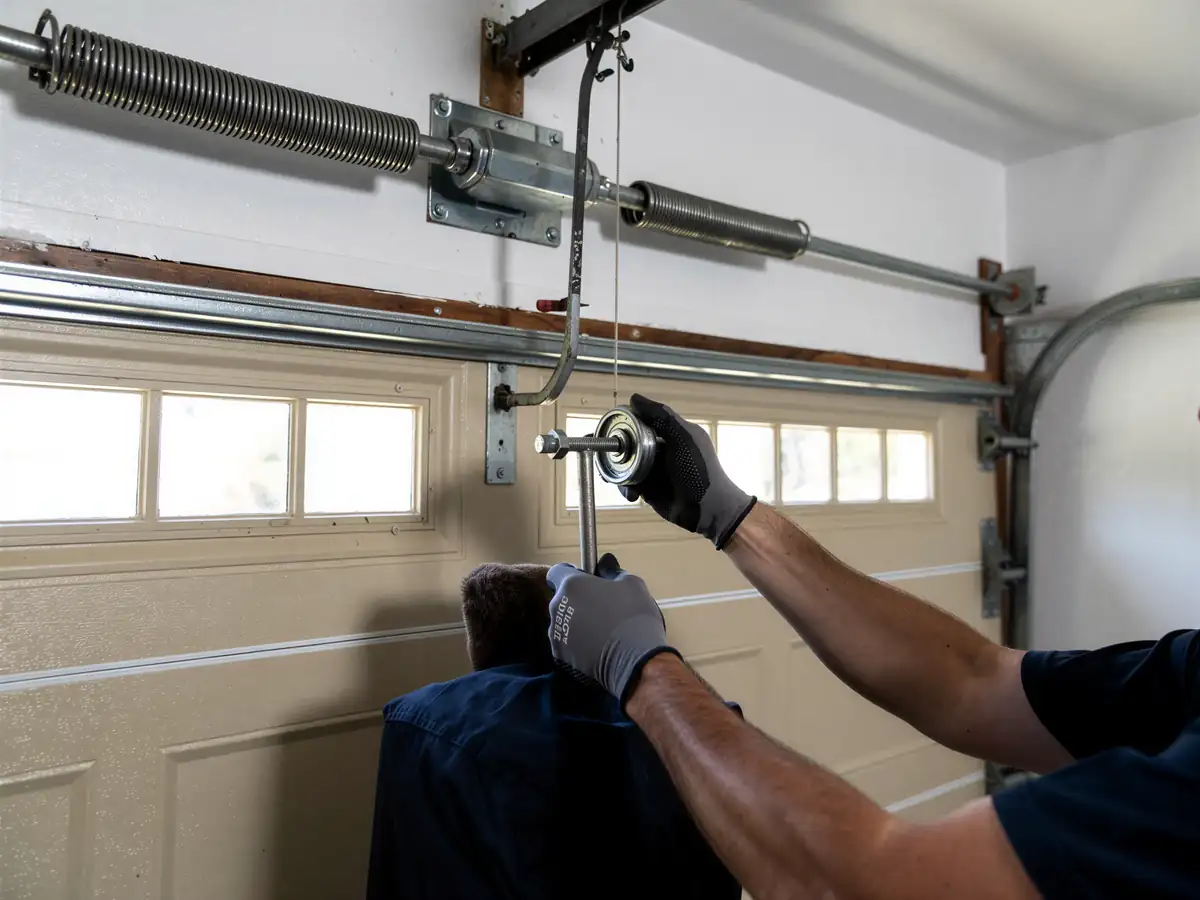
If your house falls in that 1958-2003 build window and the door is original, you're likely due. Original torsion springs and track hardware from that era were engineered for the door weight and garage dimensions builders used at the time - once a panel warps or a spring goes, repair often means hunting down parts nobody stocks for a door that old, rather than extending its life.
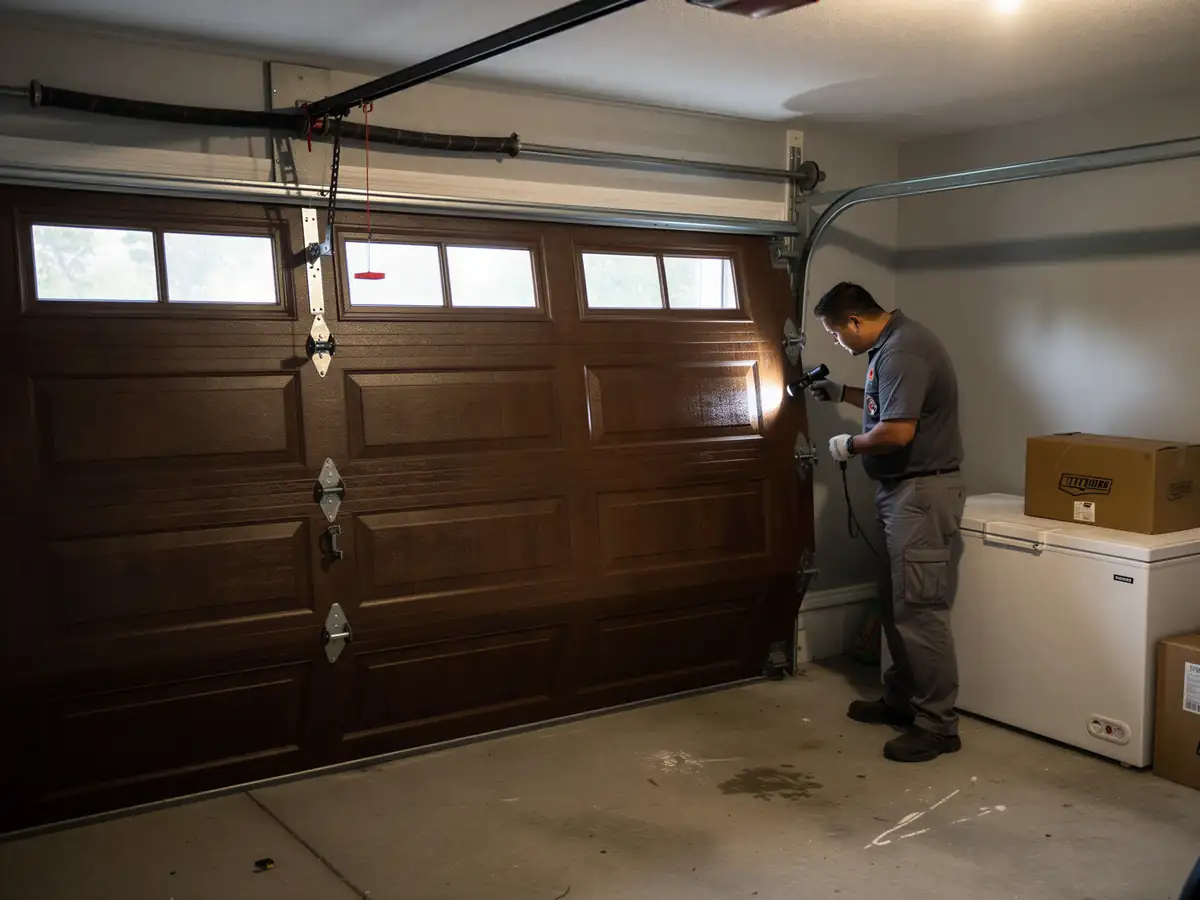
Get a replacement quote, not a repair quote, when: the door is visibly original to a 1958-2003 house, you're seeing rust or pitting consistent with winter road salt tracked in and thrown off tires, or a repair estimate is creeping close to half of what a new insulated door costs. Owner-occupied houses across this service area number around 158,029, and a large share of those are sitting on doors from that same building period - if yours is one, the math usually favors replacing before the next spring failure strands the car inside.
The Common Mistake
The mistake we see most
Homeowners shop by price per square foot of door panel and skip the opening measurement and the climate rating entirely. A door priced right for a different region's mild winters, dropped into a cold moderate climate like Aurora's, loses efficiency fast - the seal compresses differently, the steel flexes more at the bottom in a hard freeze, and within a few winters you're back to drafts in the garage.
The second version of the same mistake
Assuming every house in this area has the same rough opening because "it's an older neighborhood." With stock running from 1958 through 2003 and the heaviest concentration in the 1980s and 90s, opening widths, header heights, and track clearance vary enough across that range that a measurement from a neighbor's house two doors down isn't a substitute for measuring your own.
The Problem
Here's the core issue: a lot of the original doors on houses built between 1958 and 2003 are reaching the end of their service life around the same time, because the houses went up in the same stretch of decades. That's not a coincidence tied to one bad batch of doors - it's just what happens when a building boom ages out together.
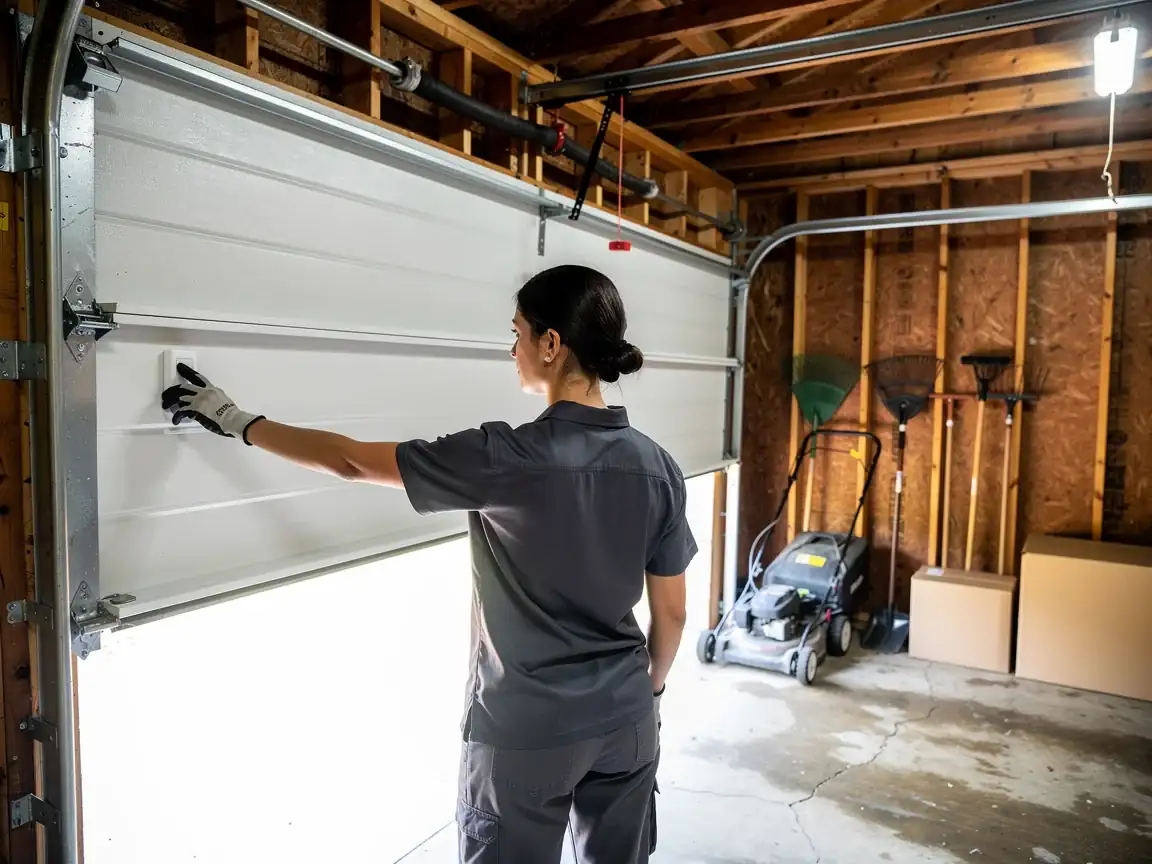
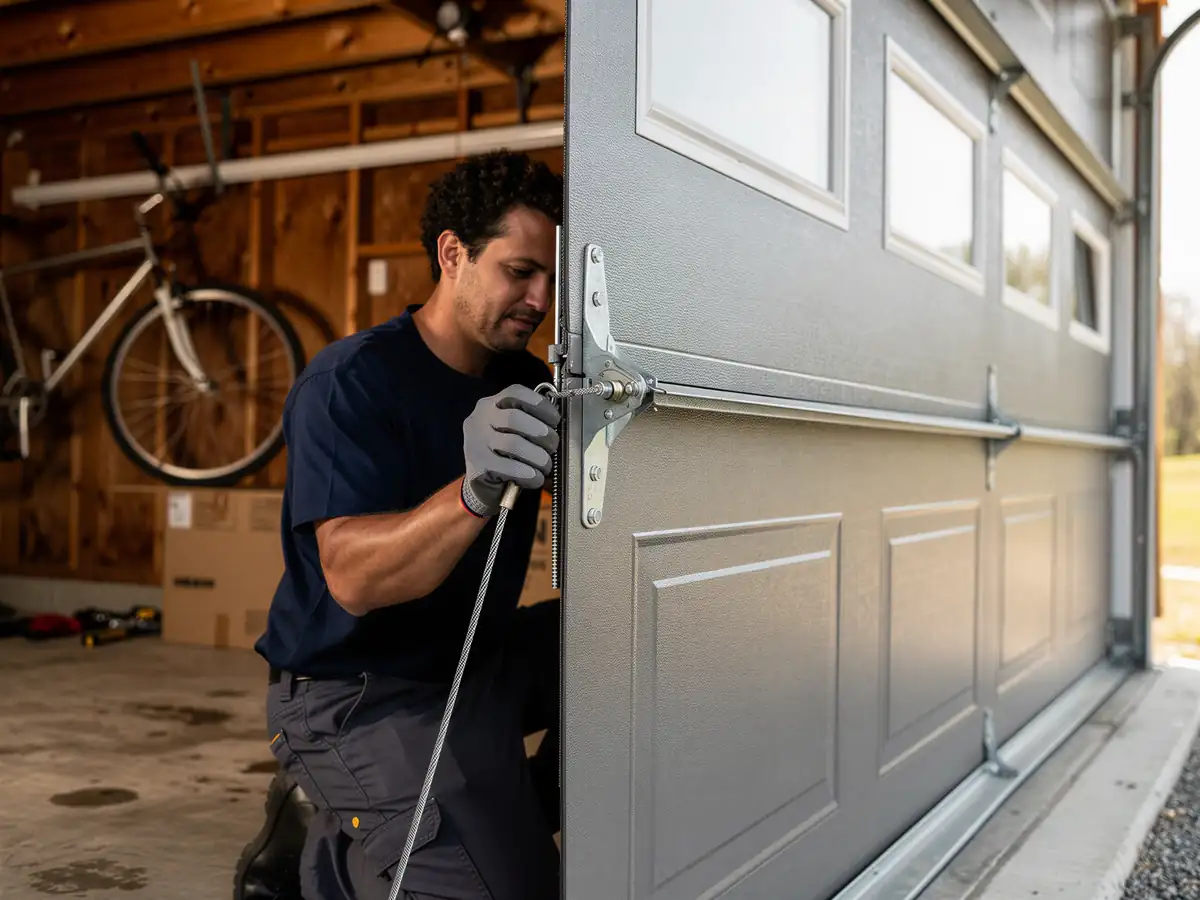
Add the cold moderate climate on top, and springs and rollers that were already near the end of their rated cycles fail faster once hard freezes start working on the metal. We don't keep every insulated panel style and custom window-insert option in stock on the truck - some orders have to come in before installation, so a same-day swap isn't always possible for every model. What we can do is measure the actual opening, match it against what houses from that build era typically need, and order the door rated for this climate instead of a generic one.