What Can Go Wrong
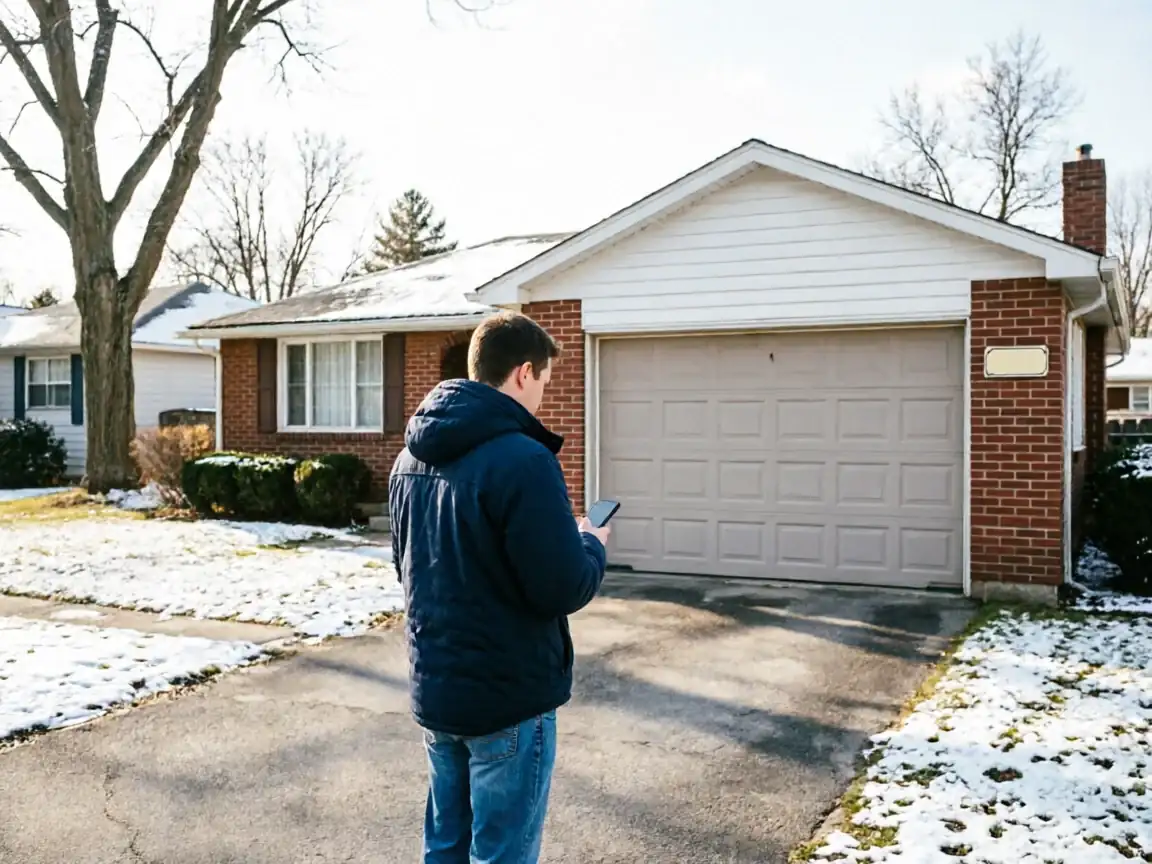
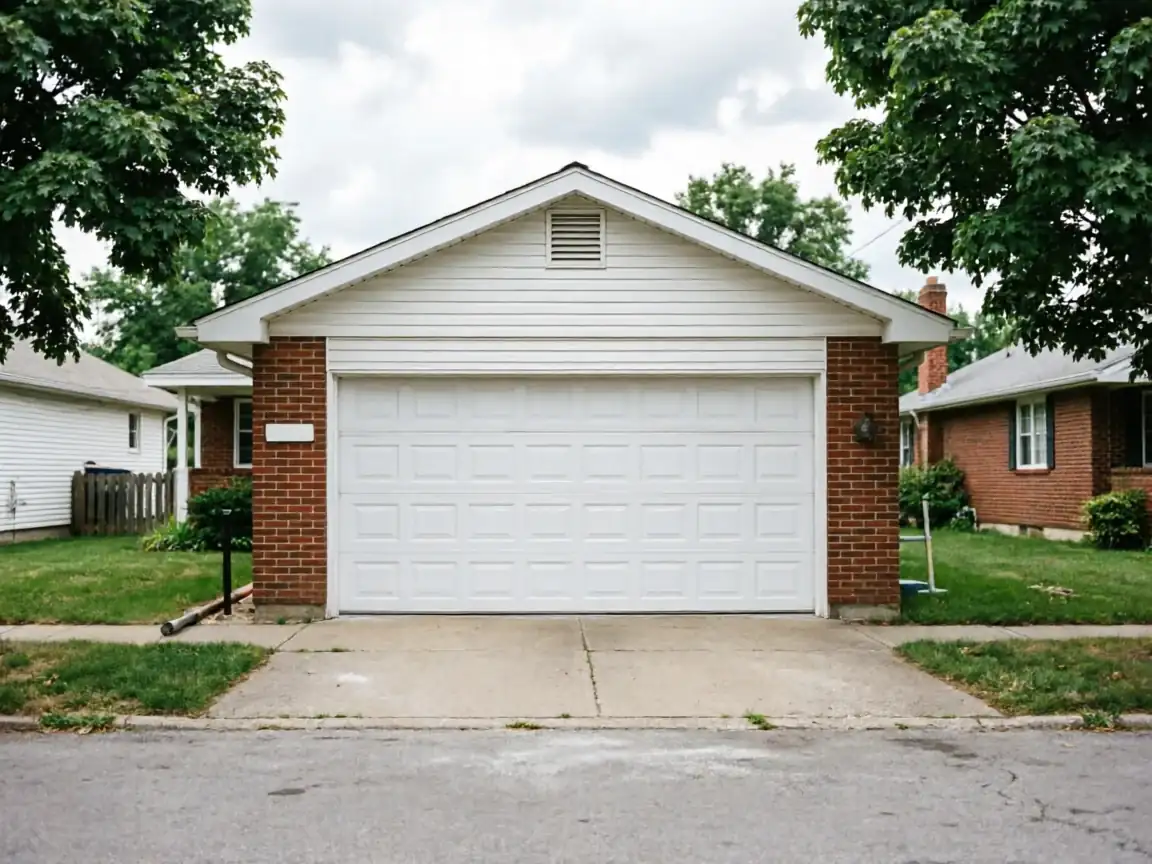
Aurora's housing stock runs 1958 to 2003, with the midpoint sitting around 1981. Sugar Grove's median build year lands at 2002 - late in that same window, which matters more than it sounds like. A door built in 1981 was likely replaced once already, maybe twice, with whatever hardware was standard at the time of the swap. A door built in 2002 is probably still original, still on its first torsion spring, still running the builder-grade rollers and the stamped-steel track that came with a late-90s/early-2000s tract build.
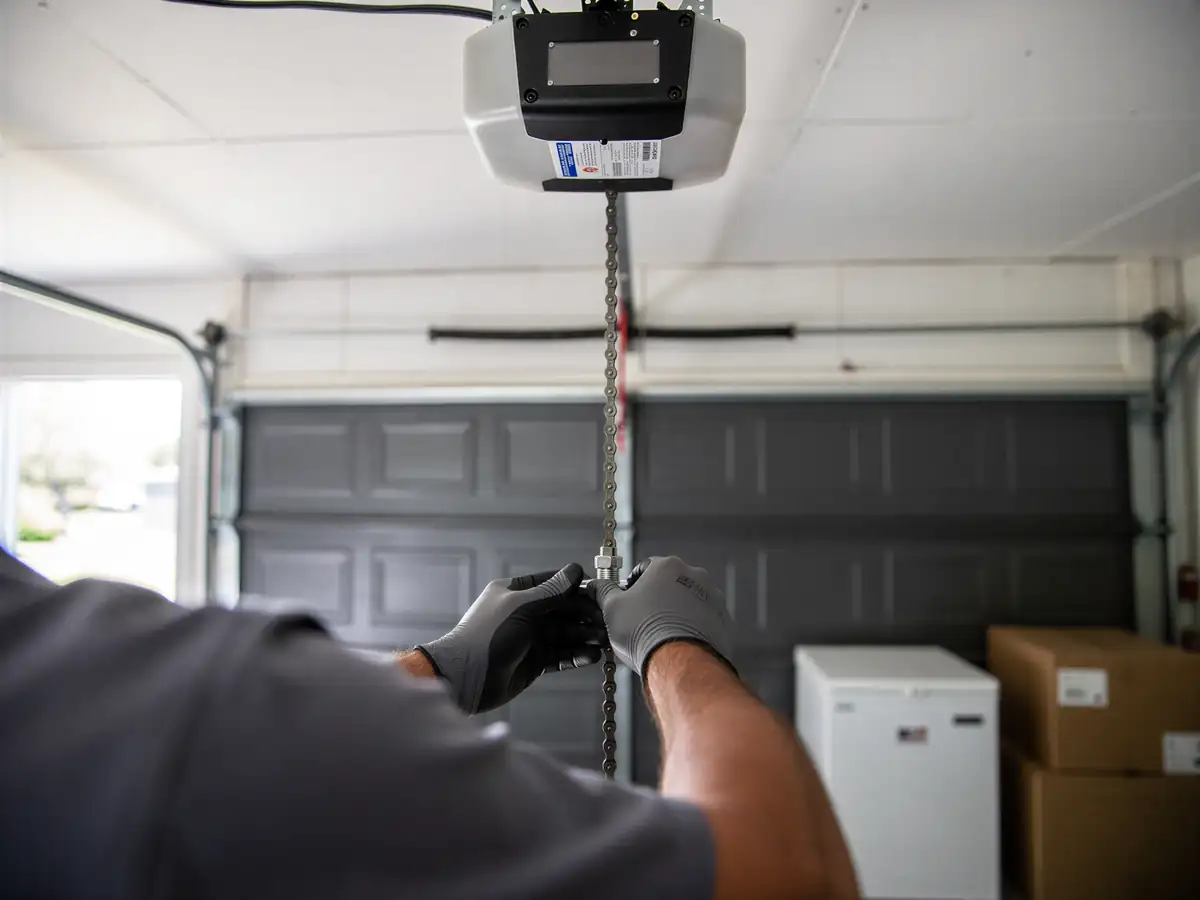
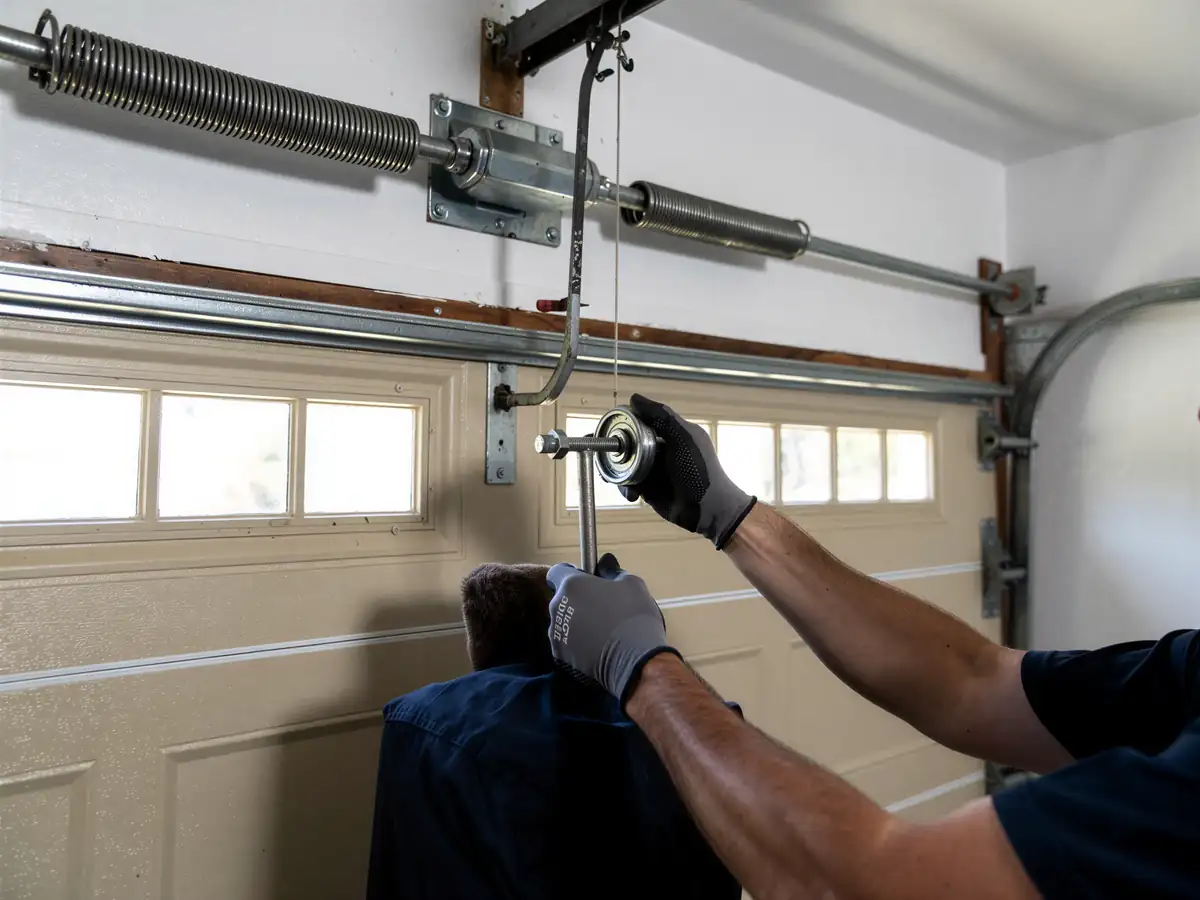
That means the failures we see out here skew toward wear rather than obsolescence. Torsion springs rated for a 2000-cycle life are hitting the end of that life right about now if the door's original. Nylon rollers that shipped with these builds get brittle and start chipping, which shows up as a door that rattles on the way up rather than one that won't move at all. Openers from that era are also aging into relay failure and worn drive gears - not the smart-home stuff homeowners expect to be dealing with, but it's common on a 20-plus-year-old unit.
We also see more full-panel sections holding up fine structurally while the hardware around them is what's actually failing. That's a different repair than what a 1960s Aurora door usually needs, and it's worth knowing before you start pricing a fix.
Doing It Yourself
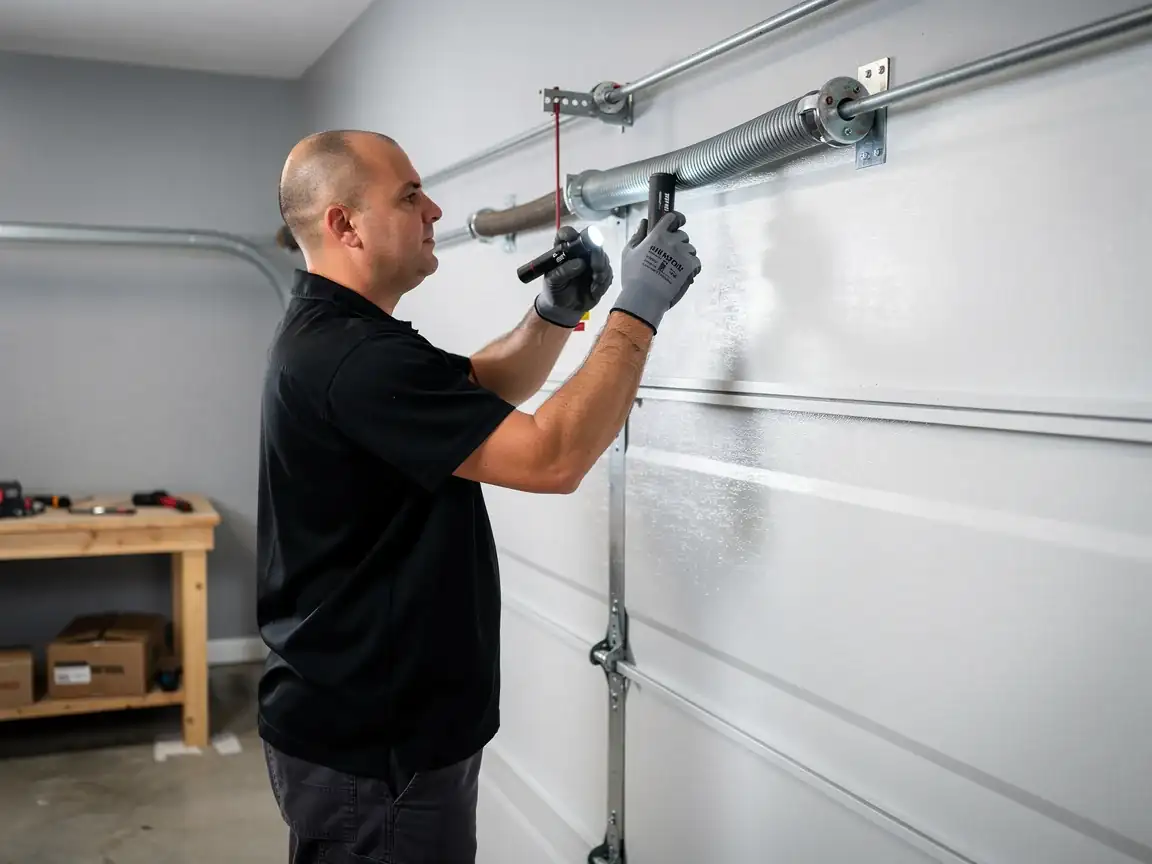
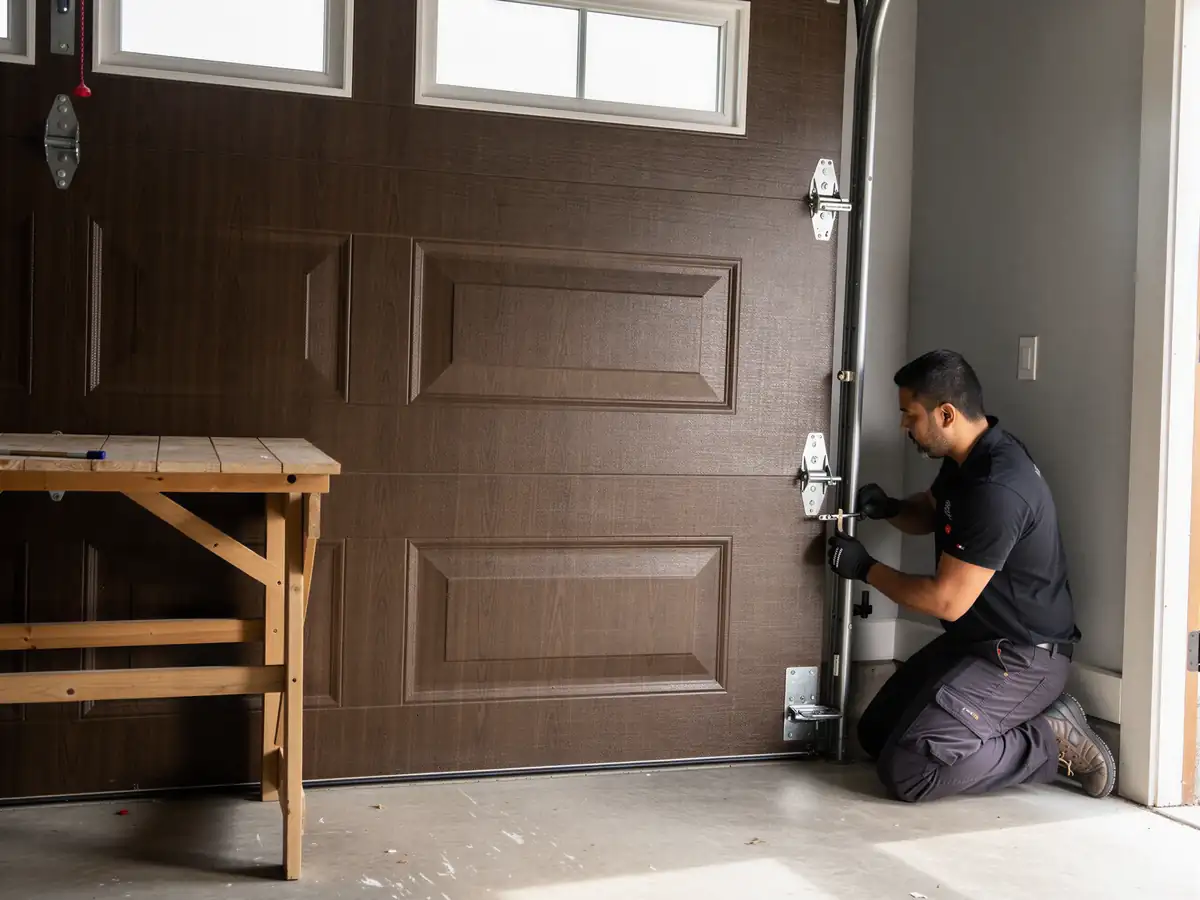
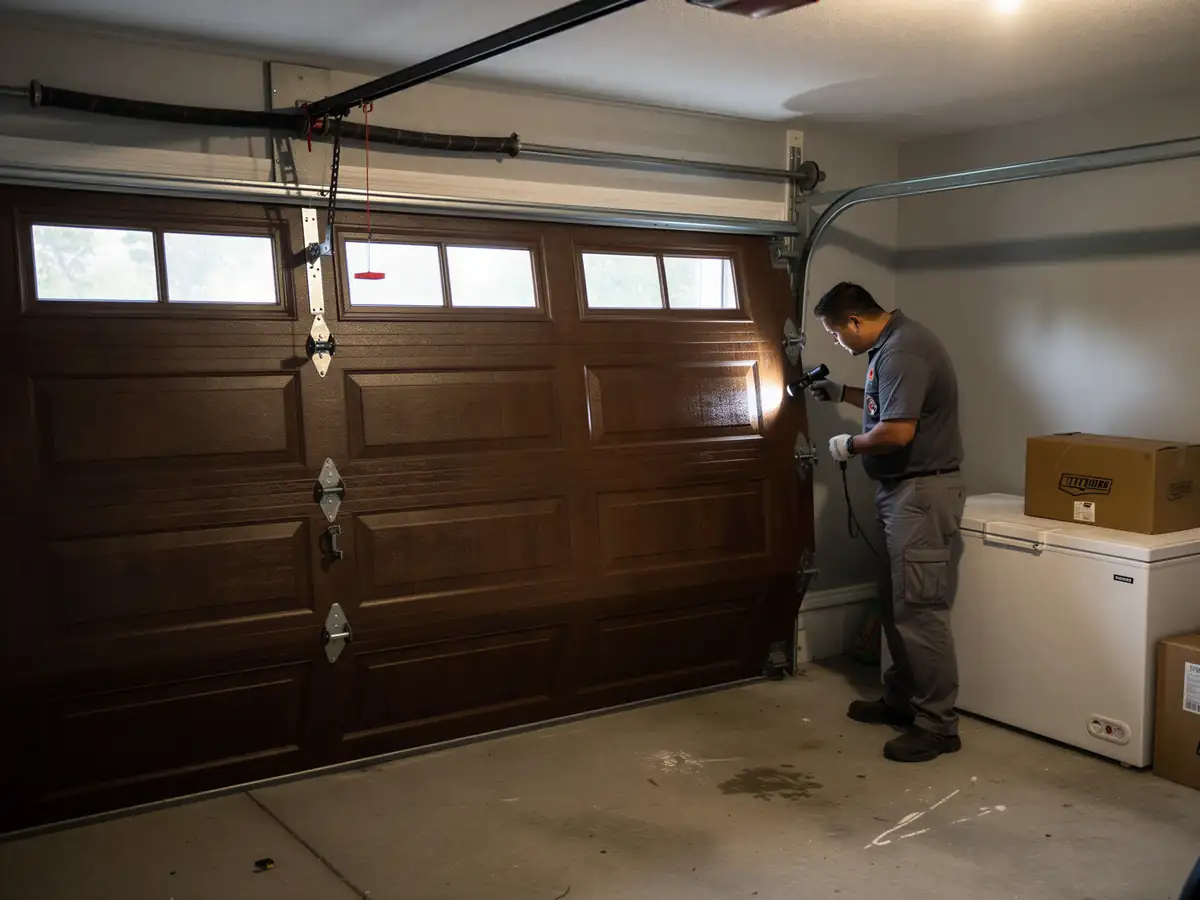
If your door is sagging on one side or the opener is straining and reversing, you can rule out a few things yourself before calling anyone. Check whether the tracks are bent or just dirty - a flashlight along both tracks takes two minutes. Check the rollers for visible cracks; on a 2002-era build they're likely the original nylon ones and they do wear out in a predictable way. Listen for a grinding opener motor versus a quiet one that just won't engage the chain - that's a quick way to tell gear wear from a dead relay.
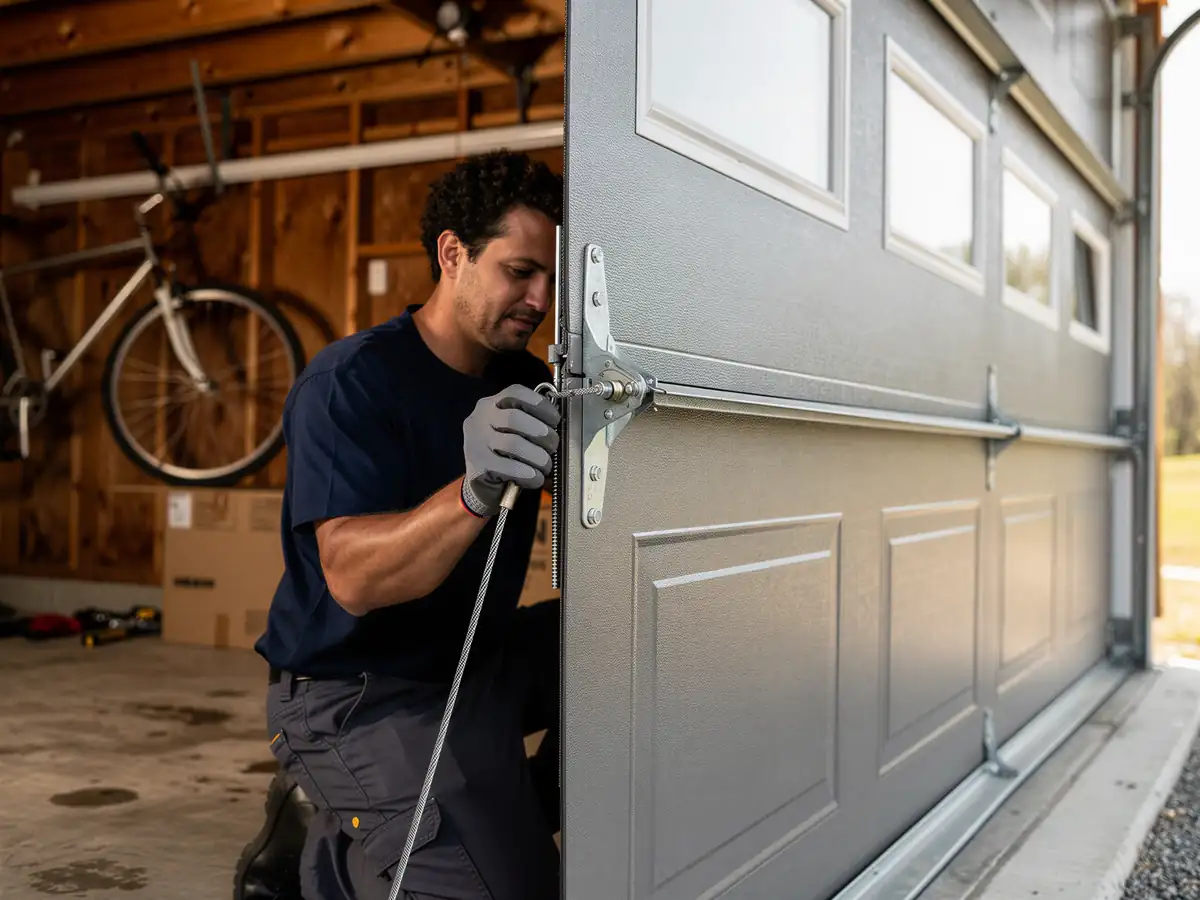
What you shouldn't touch: the torsion spring itself. These springs are wound under enough tension to break bones, and on a door this age the spring is close to its rated cycle count, which means it's more likely to let go while you're adjusting it. Cables under tension are the same story. If the door won't budge and you can see the spring is stretched or broken, stop there and call it in rather than trying to free it yourself.
We'll also say plainly: if your opener is original to a 2002 build, a repair sometimes costs close to what a new unit runs. We'll tell you which way the number falls before we start, not after.
The Symptom
The complaint we hear most from this side of the service area is a door that reverses partway up
Or one that opens unevenly - higher on one side than the other. On a house built around 2002, that's almost always one of two things: a torsion spring that's lost tension unevenly relative to its partner cable, or a roller that's seized in the track and is dragging one side down. Neither of those is an opener problem, even though the opener is what people blame first because it's the part that's straining and making noise.
A door that won't open at all
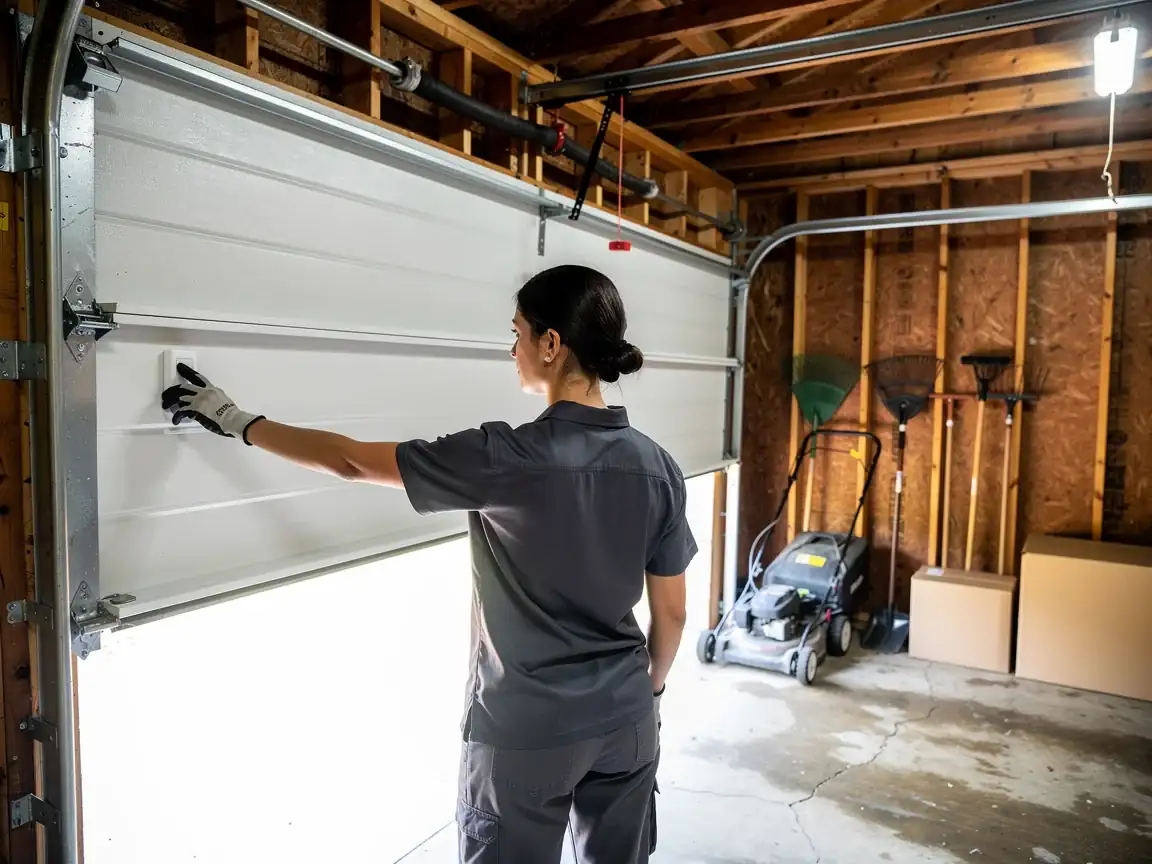
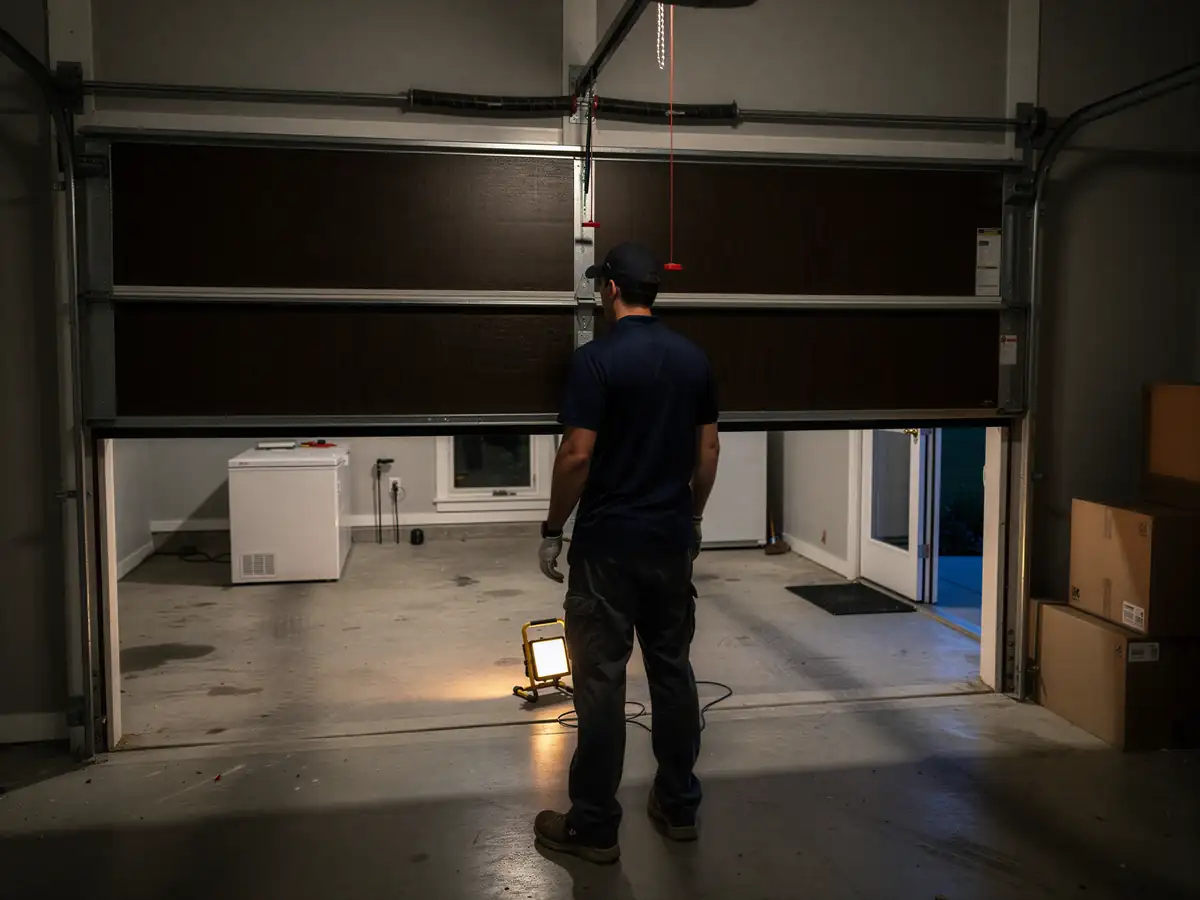
With the opener light blinking but the carriage not moving, usually points to a broken spring rather than a dead opener - the opener senses the extra load and won't force it. That's different from an opener that hums but the door doesn't move even when disconnected from the chain by hand, which is a track or roller jam.
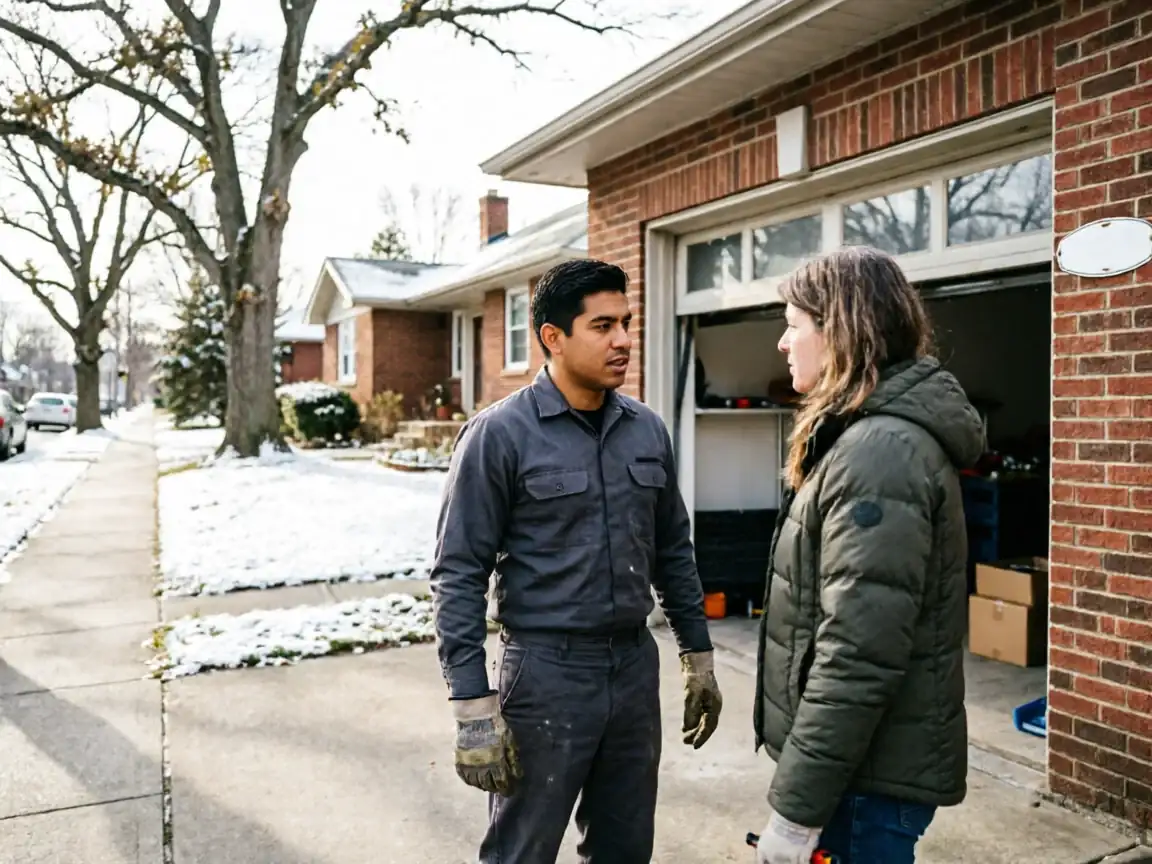
We ask these questions on the phone before we load the truck for the 8-mile run from Aurora
Because knowing which of these it is changes what parts we bring.
Stocked Parts
Because so much of the stock in Sugar Grove dates to the same narrow window - late 1990s through early 2000s builder construction - we carry the torsion springs, nylon rollers, and standard-lift cable sizes that fit that era as regular stock, not special order. That's the practical benefit of a service area where the housing is this consistent: we're not guessing at spring wind or cable gauge when we show up.
What we don't stock on the truck: proprietary opener logic boards for less common brands, and some older belt-drive units that were only made for a few years before being discontinued. Those can mean a short wait on a part, which we'll tell you up front rather than let you find out standing in the driveway.
The area sits in a moderate-cold climate band, which doesn't demand anything exotic in the way of insulation or seal hardware compared to harsher climates, but winter cold does make old, brittle rollers fail faster - the cold makes the nylon more likely to crack rather than just wear. That's one more reason the roller replacement calls cluster in winter out here.