What Can Go Wrong
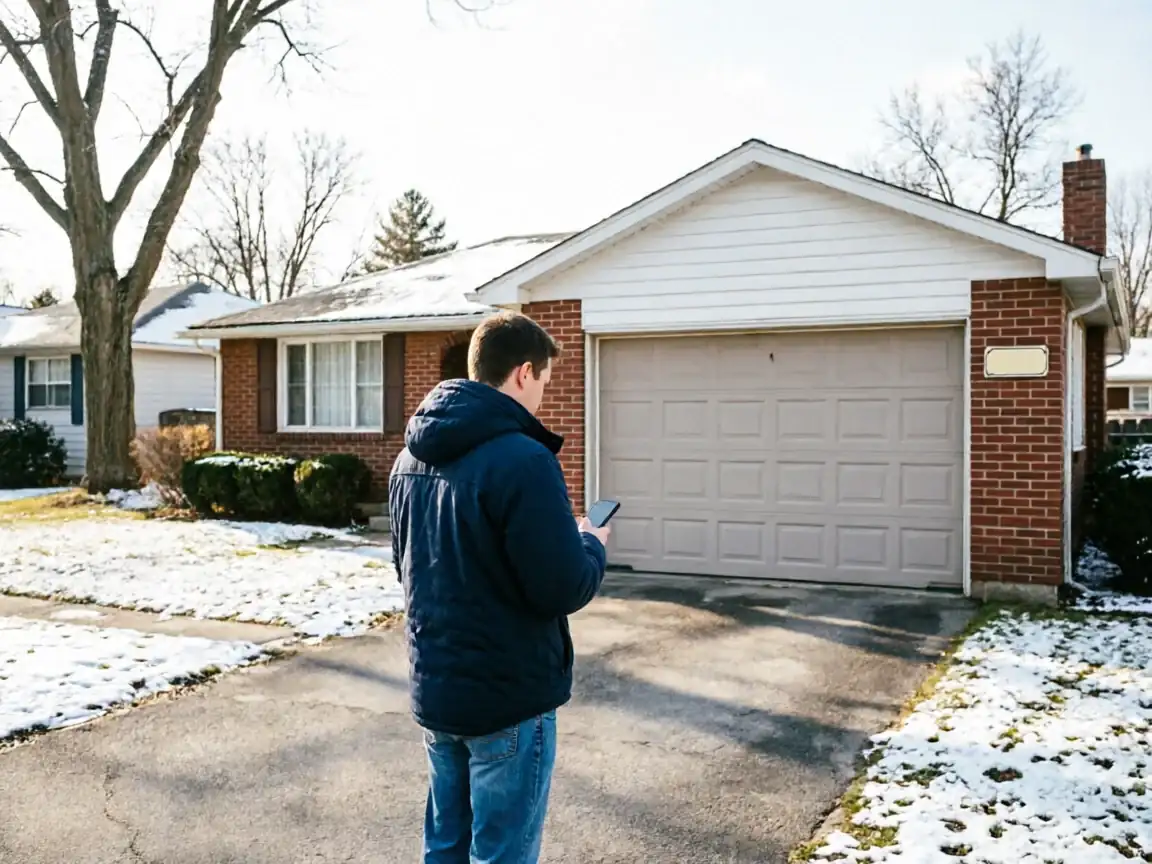
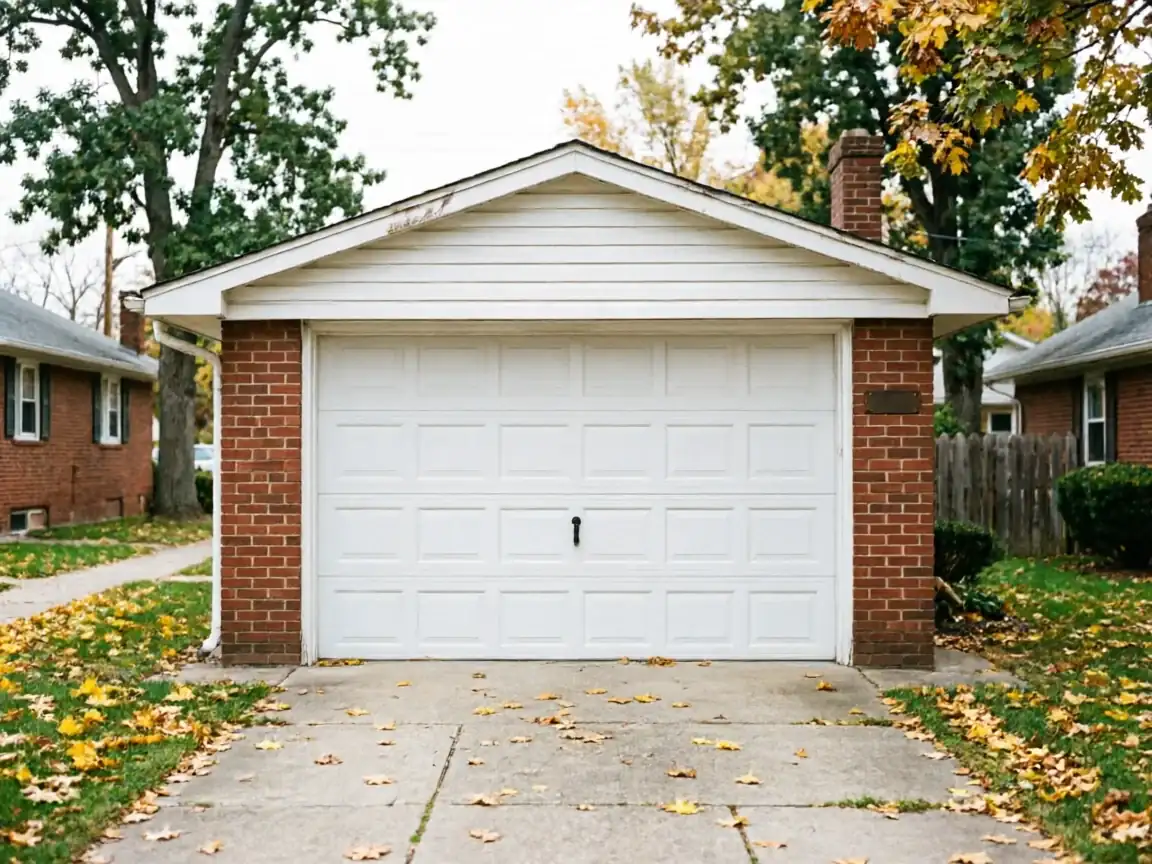
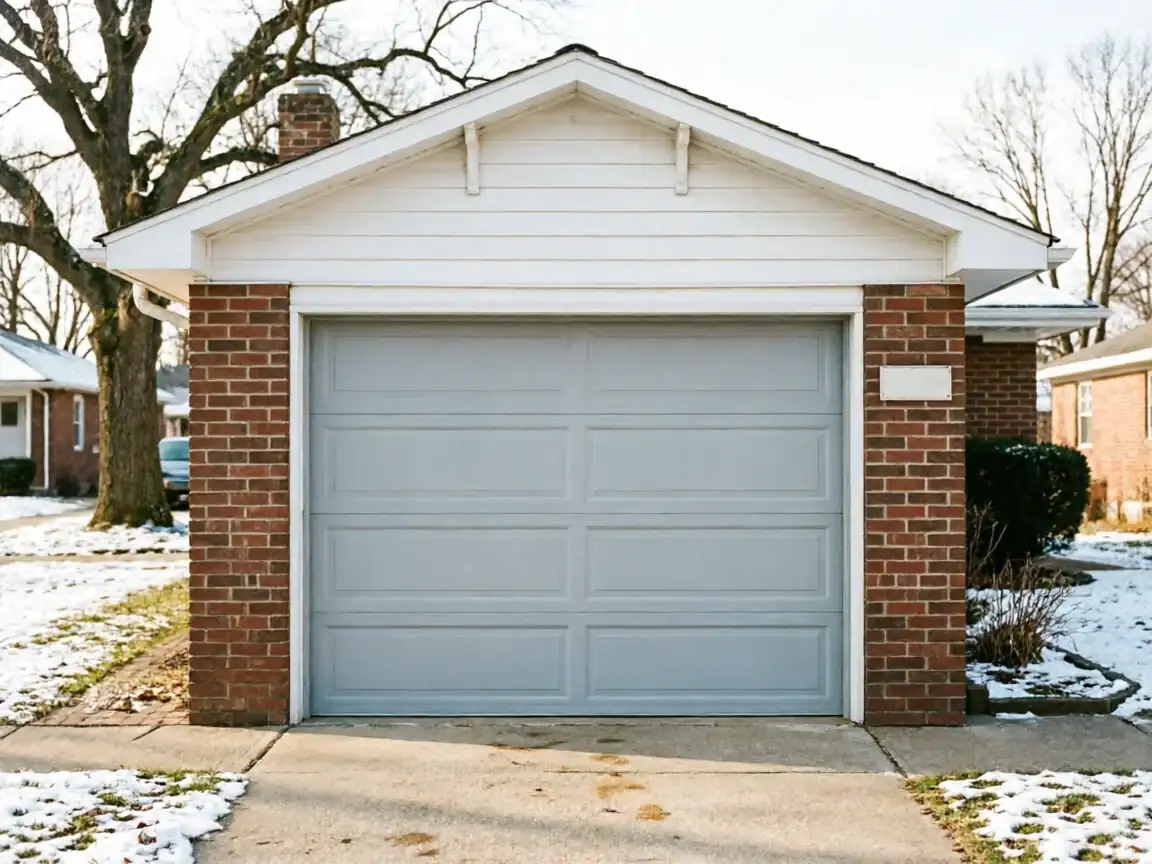
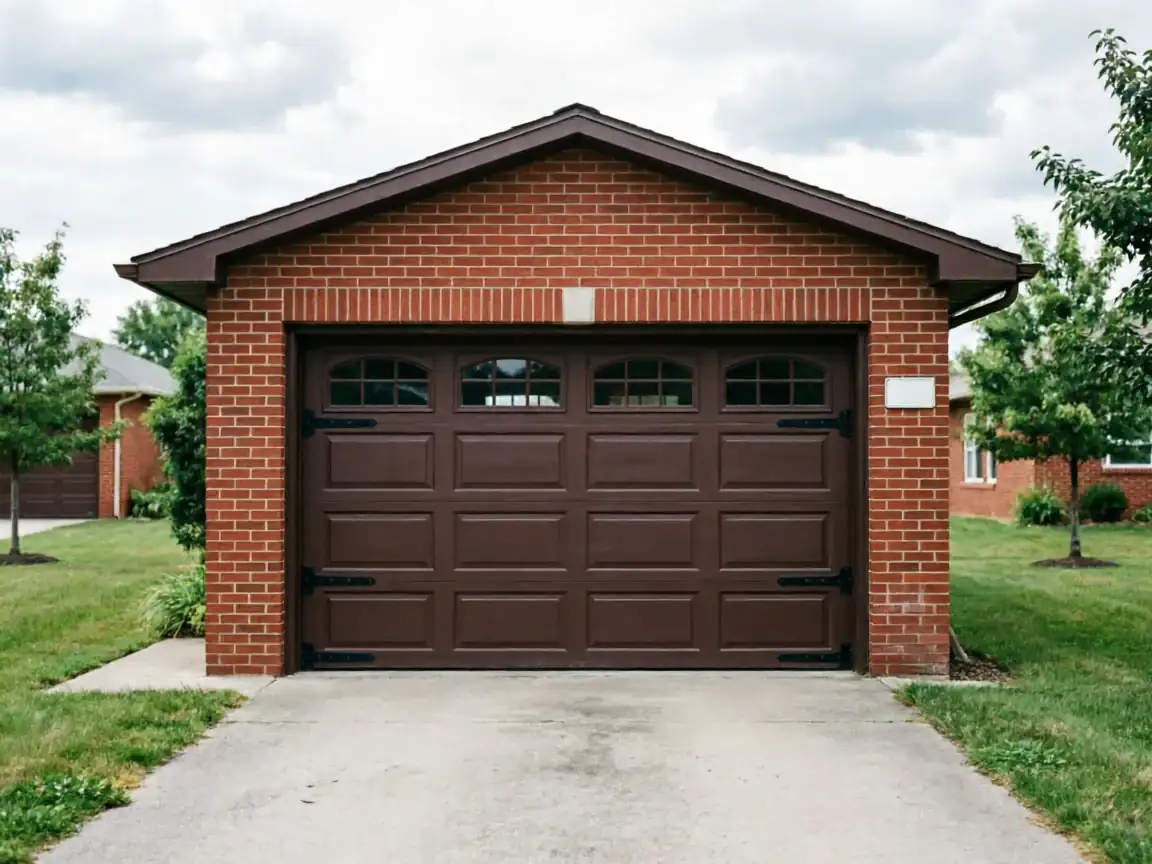
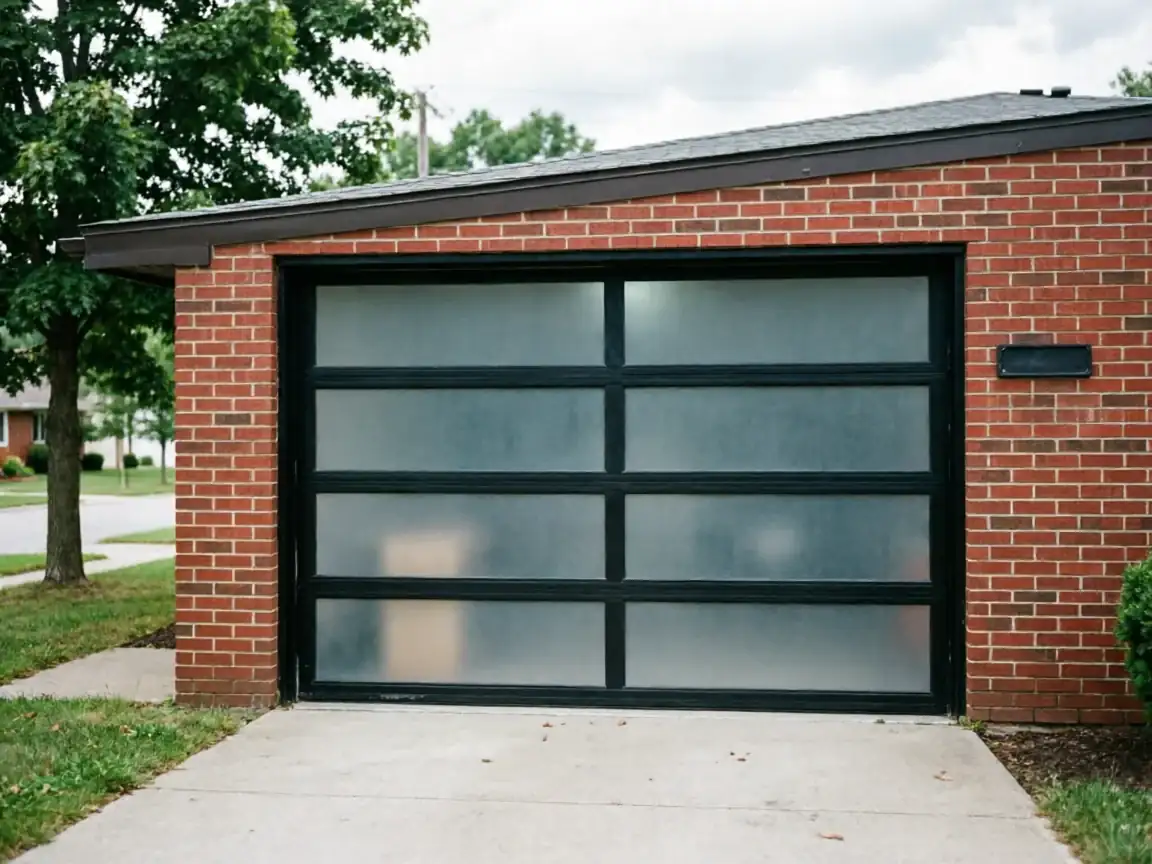
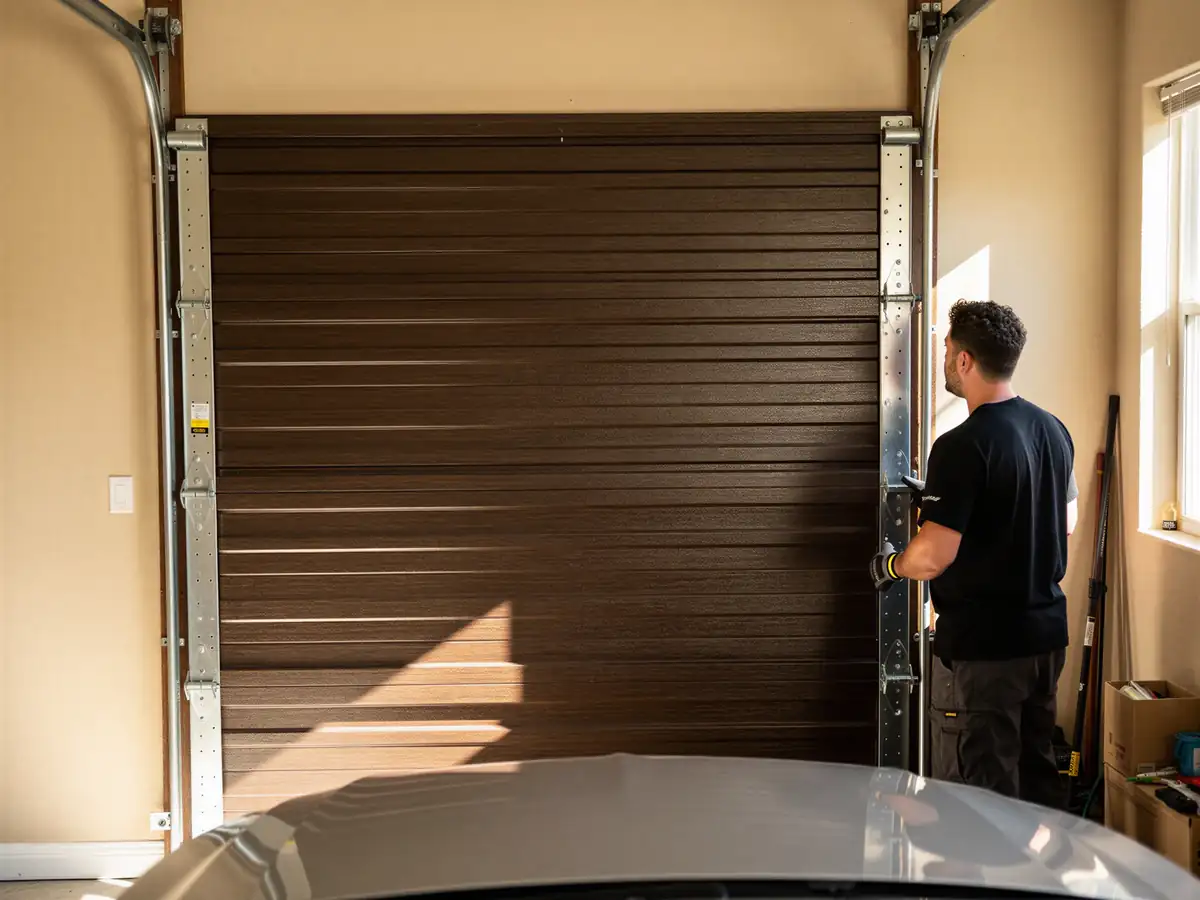
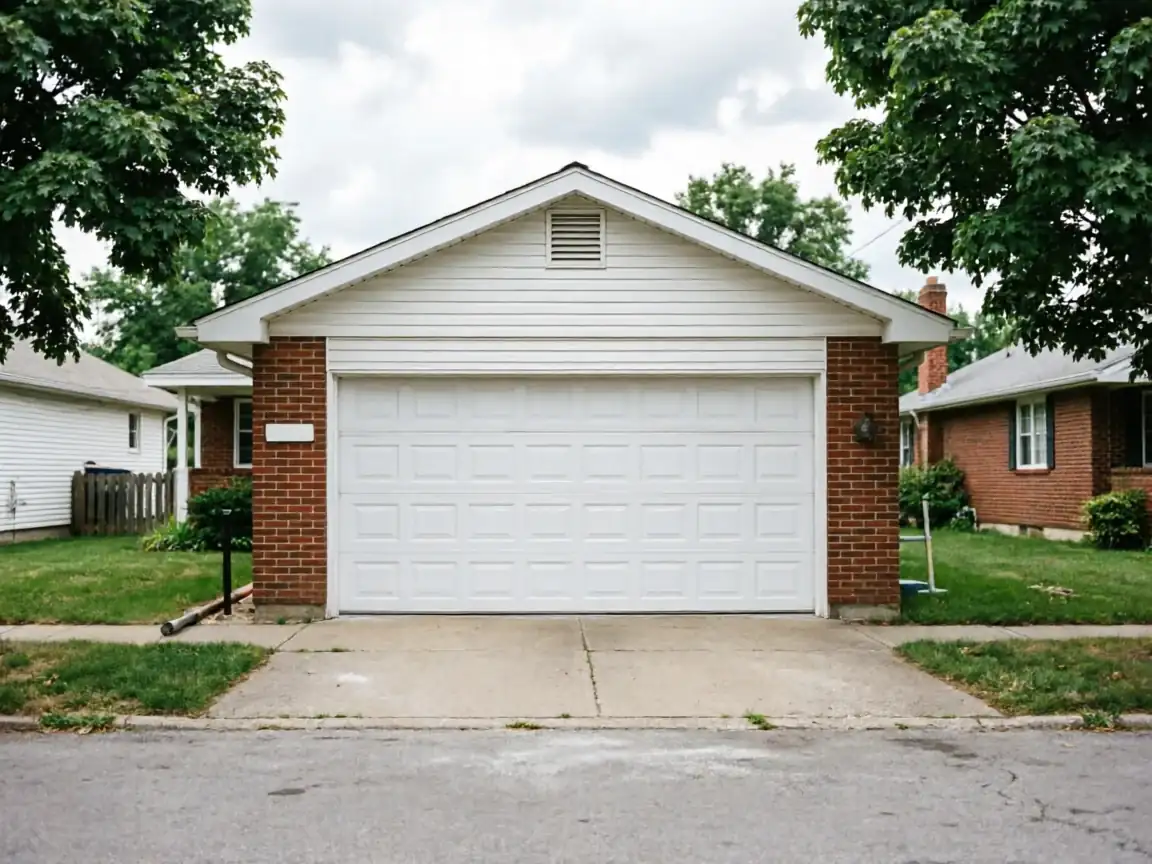
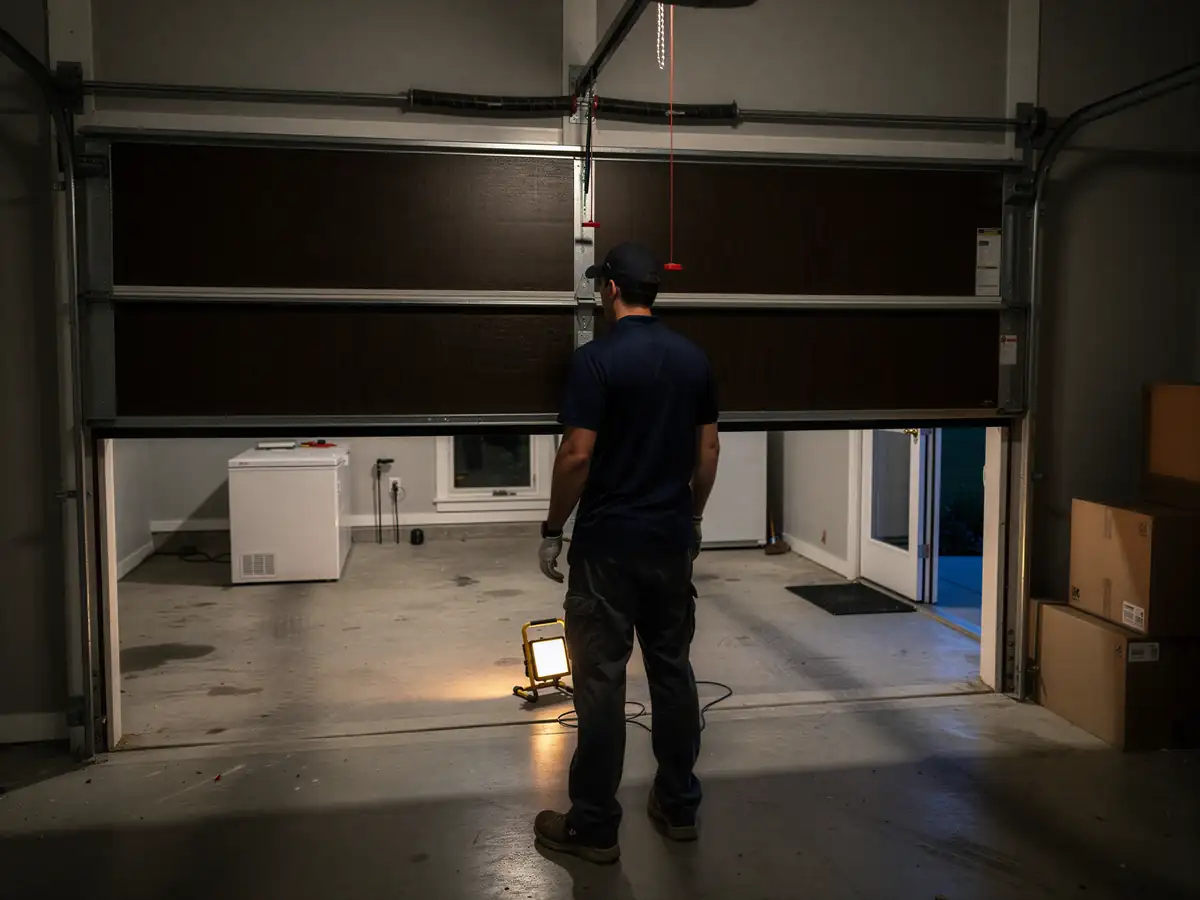
Most houses in Sugar Grove went up around the early 2000s, and that construction era matters more than people think. Builder-grade garage doors from that period almost always shipped with plastic or nylon rollers and lightweight stamped steel track brackets - cheaper to install at scale, but not built to hold alignment forever. After fifteen to twenty years, those brackets loosen at the lag screws, the track flares slightly at the bottom curve, and the roller starts riding the edge of the rail instead of sitting inside it. One hard stop, one kid backing a bike into the door, one winter freeze-thaw cycle working the hardware loose, and the door jumps the track.
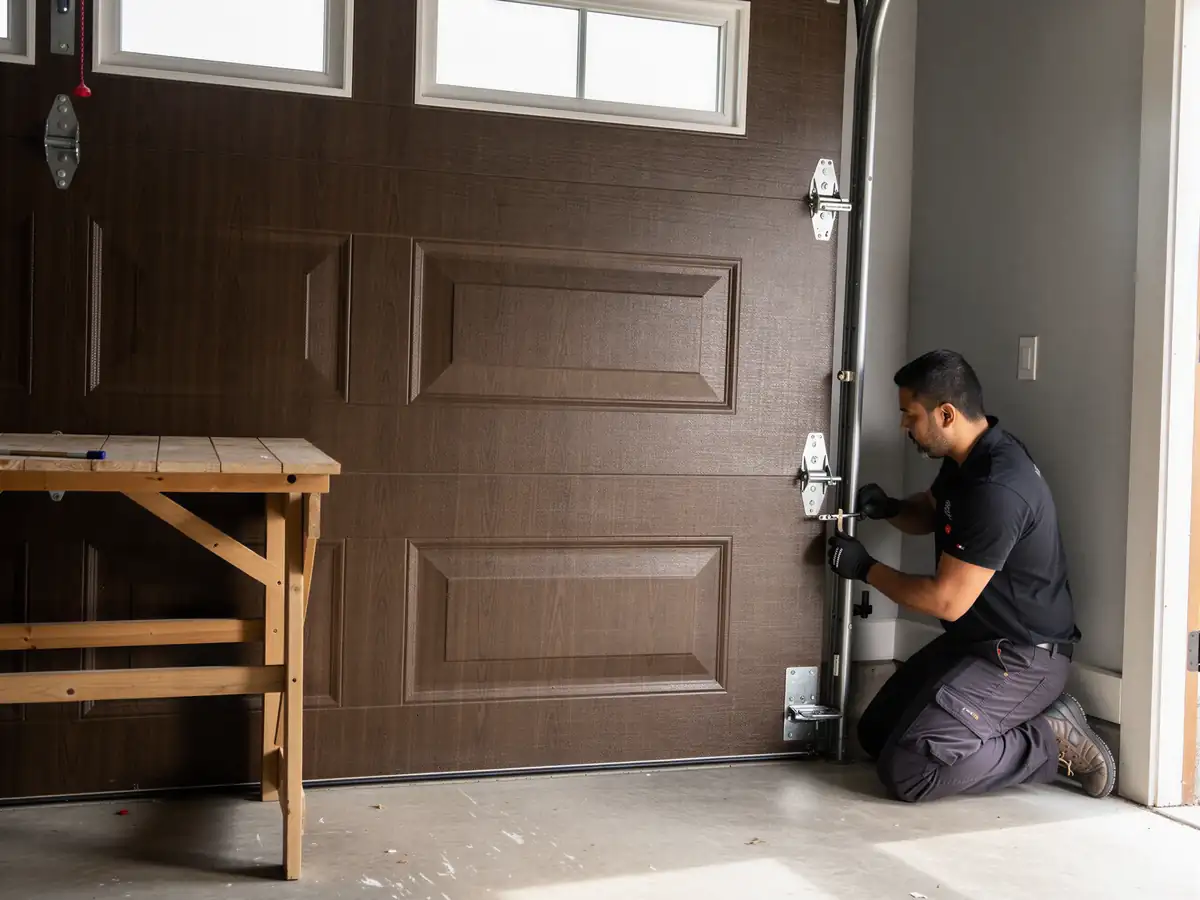
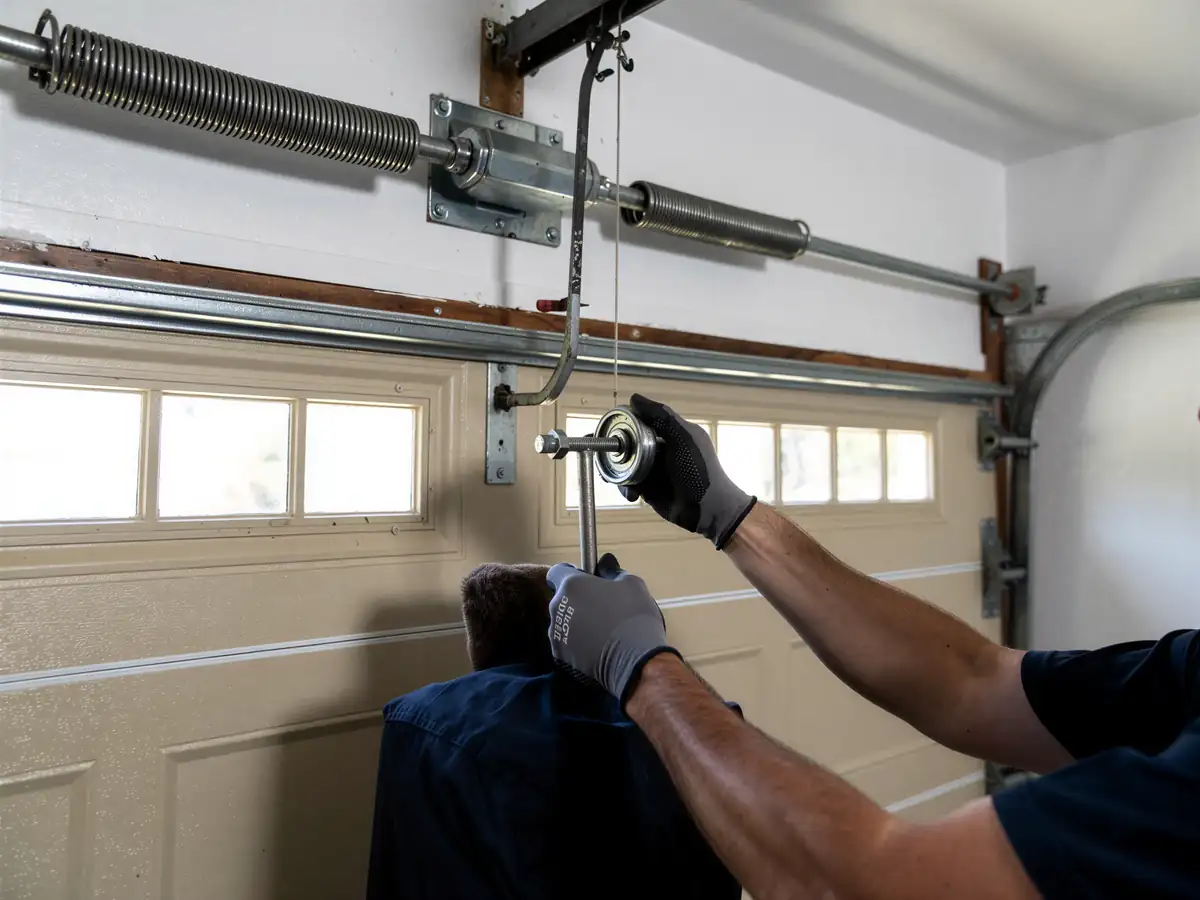
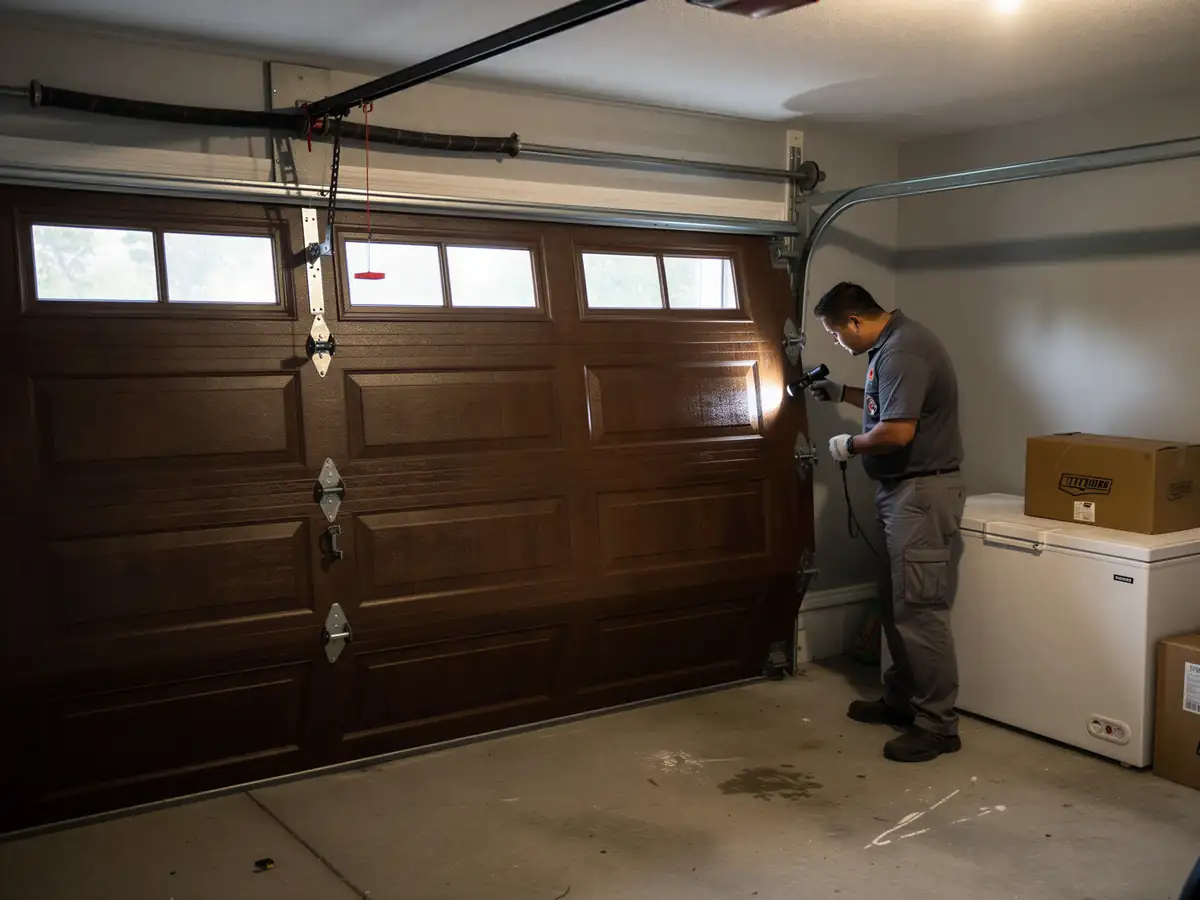
The other common cause here is a bent bottom bracket on the cable side. Newer sectional doors use a thinner-gauge bottom panel than older doors did, and if a spring breaks unevenly or someone tries to force a stuck door, that bracket tweaks just enough to throw the roller off its line. Cold-weather stiffening doesn't help - this area sits in a moderate-cold climate band, so grease thickens and rollers that are already marginal bind up and pop free easier on the first really cold morning of the season.
Doing It Yourself
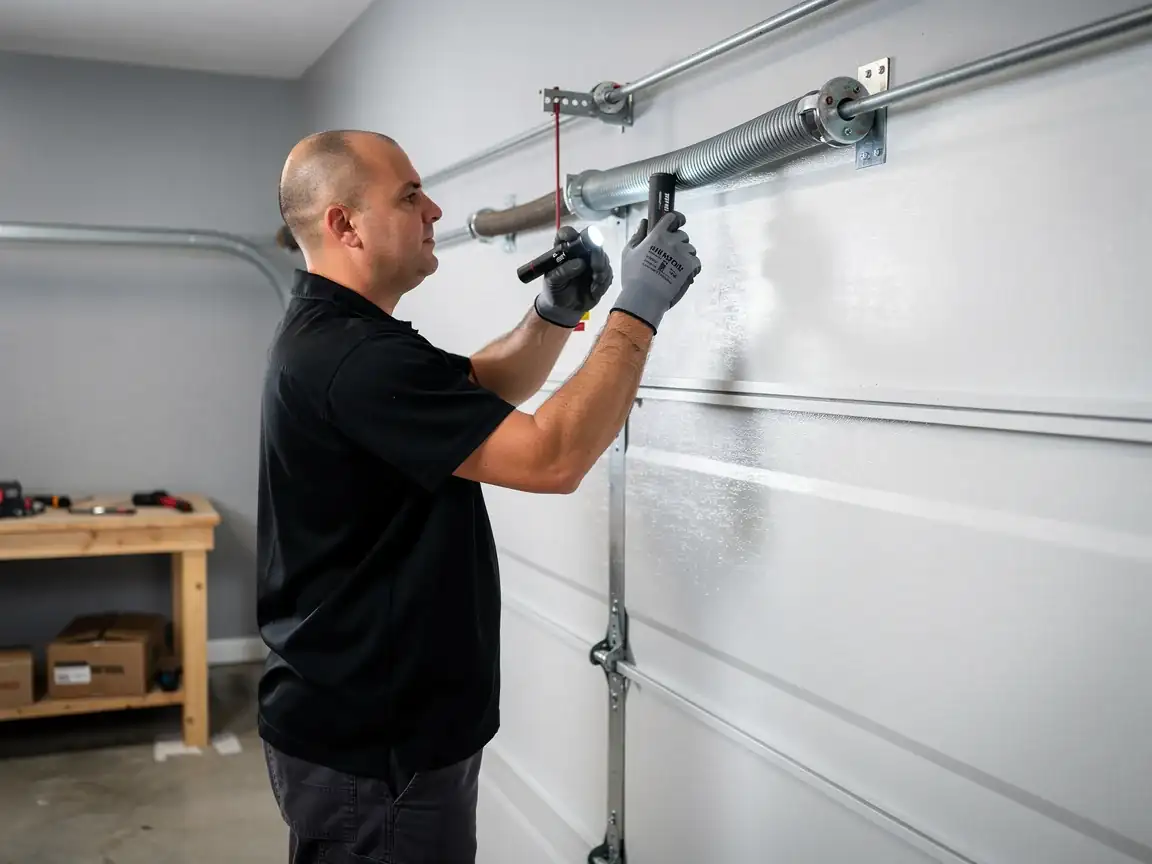
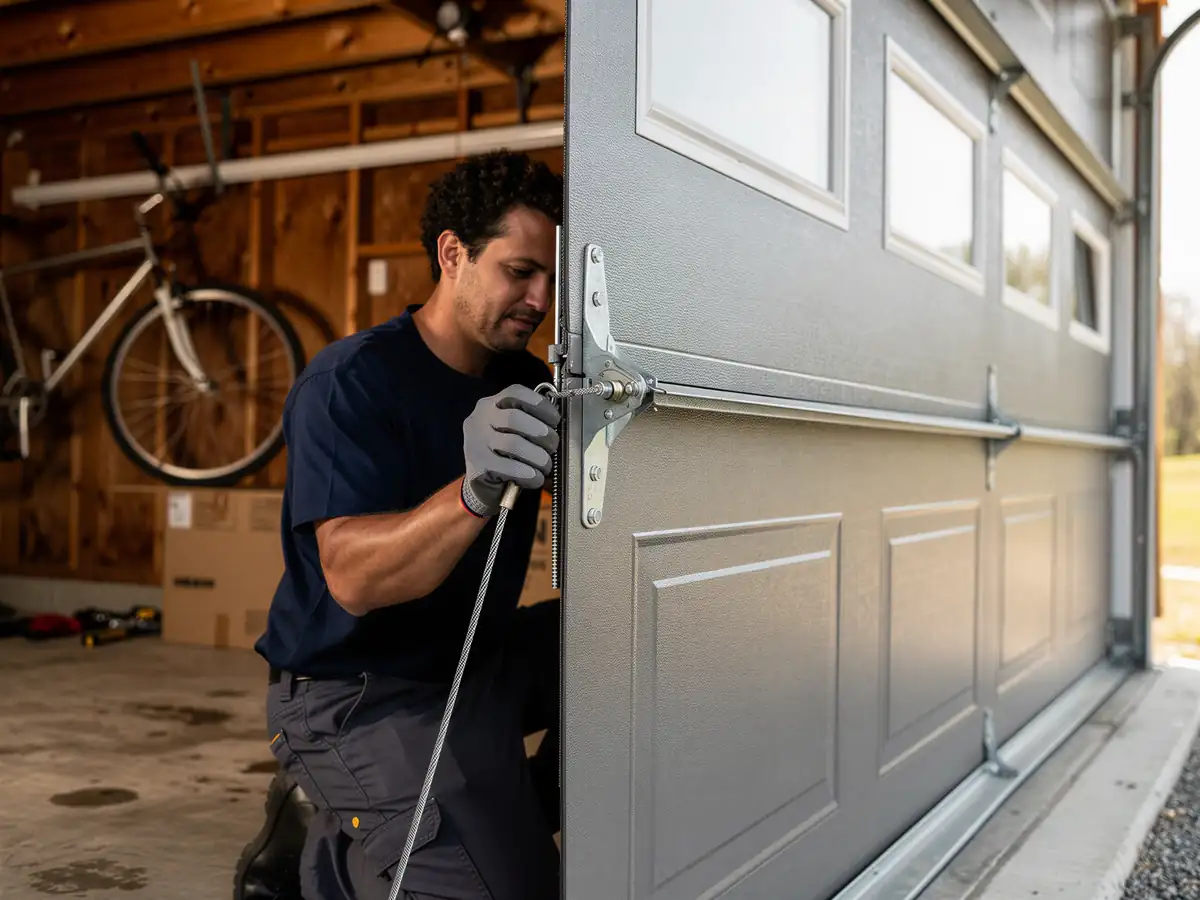
If the door is off track on one side only and the opener is disconnected, you can sometimes walk it back into the rail by hand - but only if the cables are still under tension and nothing is bent. If a cable has come off the drum, or the bottom bracket is visibly twisted, stop. That bracket holds spring tension and a bent one can snap back hard enough to break a finger.
We won't talk you through re-seating a door with a broken cable or a sheared bracket over the phone, and we won't pretend that's a weekend fix with a wrench from the garage. That's the honest limit here: once the bracket is bent, the fix is a replacement part, not a tightening job, and it needs someone standing on a ladder with the door weight controlled.
The Symptom
The giveaway in houses this age is usually a door that runs fine for three or four feet
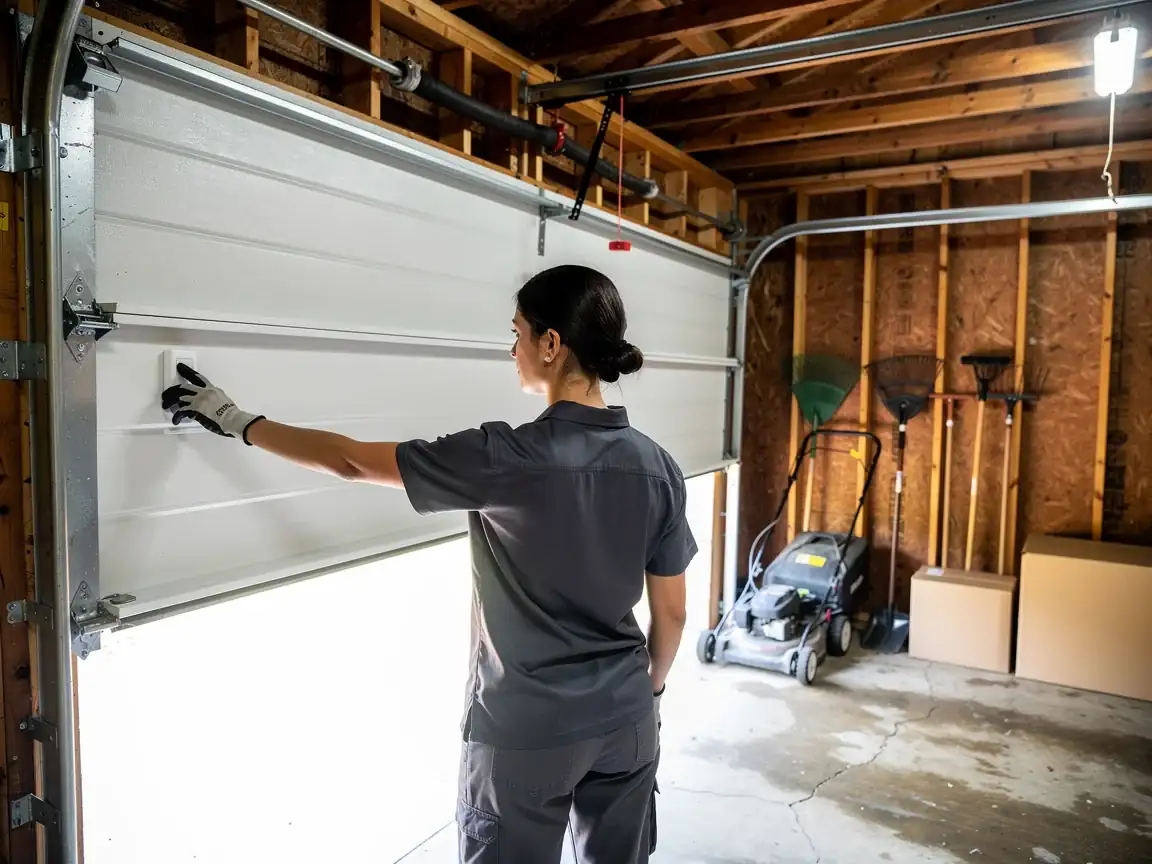
Then drags, grinds, or stops hard on one side before you'd expect it to. That's the roller catching the flared part of the track rather than a spring problem - if it were the spring, the door would feel heavy the whole way, not just at one spot. Another common version: the door closes unevenly, one bottom corner touching the floor before the other, which points to a roller that's already ridden out of the rail on that side and is being dragged along the track edge instead of rolling in it.
If you hear a pop followed by the door stopping dead
That's usually the roller leaving the track completely, not the opener failing. Running the opener again at that point just grinds the track edge or bends it worse.
Stocked Parts
The truck carries steel rollers, replacement track sections, and bottom brackets sized for the sectional doors that are standard on homes built in this area's early-2000s wave - the parts that actually fail on this hardware, not a generic assortment. For the roughly 3,500 households in Sugar Grove, most of them owner-occupied and built in that same window, that means a tech can usually re-seat the door and swap the worn roller or bent bracket in one visit without ordering a part and coming back.
What we don't carry on the truck is obsolete track profile for the handful of older farmhouses in the area that predate the main building wave - those sometimes need a part ordered in, and we'll tell you that up front rather than make you wait at home for a truck that can't finish the job.