What We Do Not Do
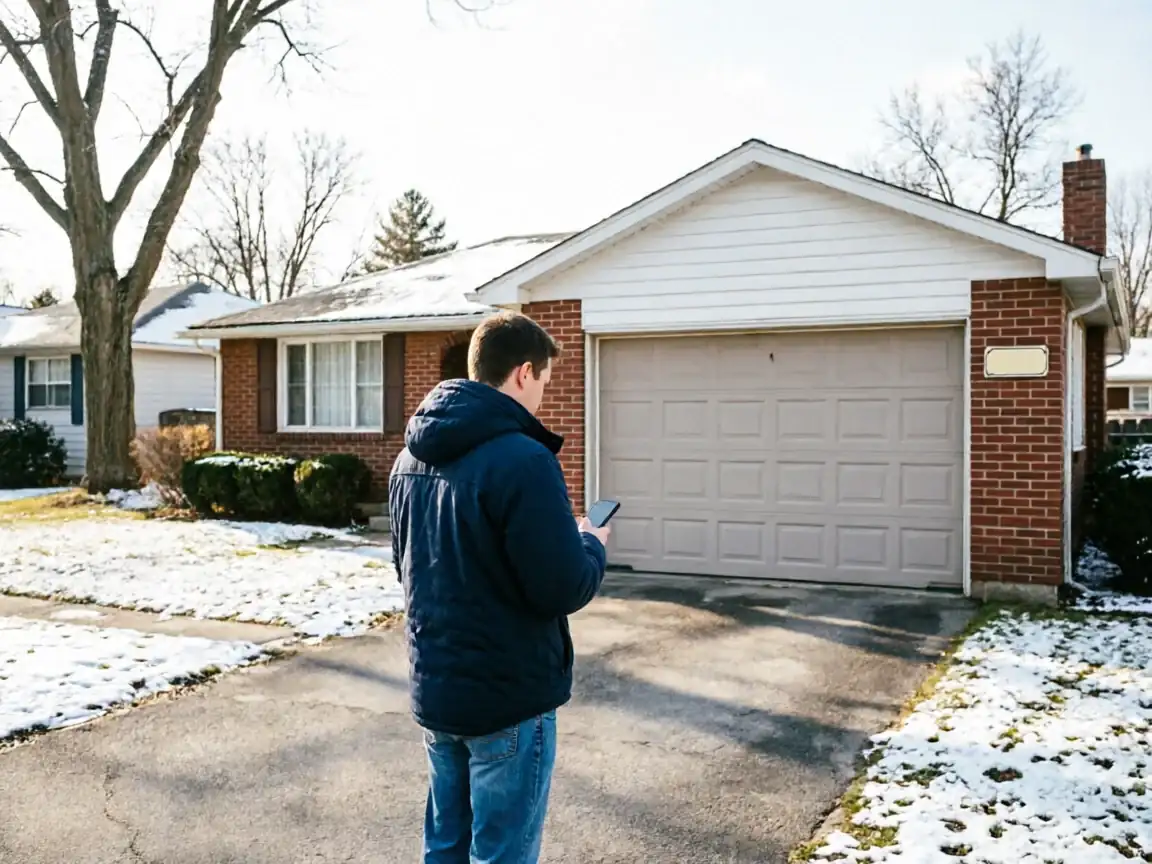
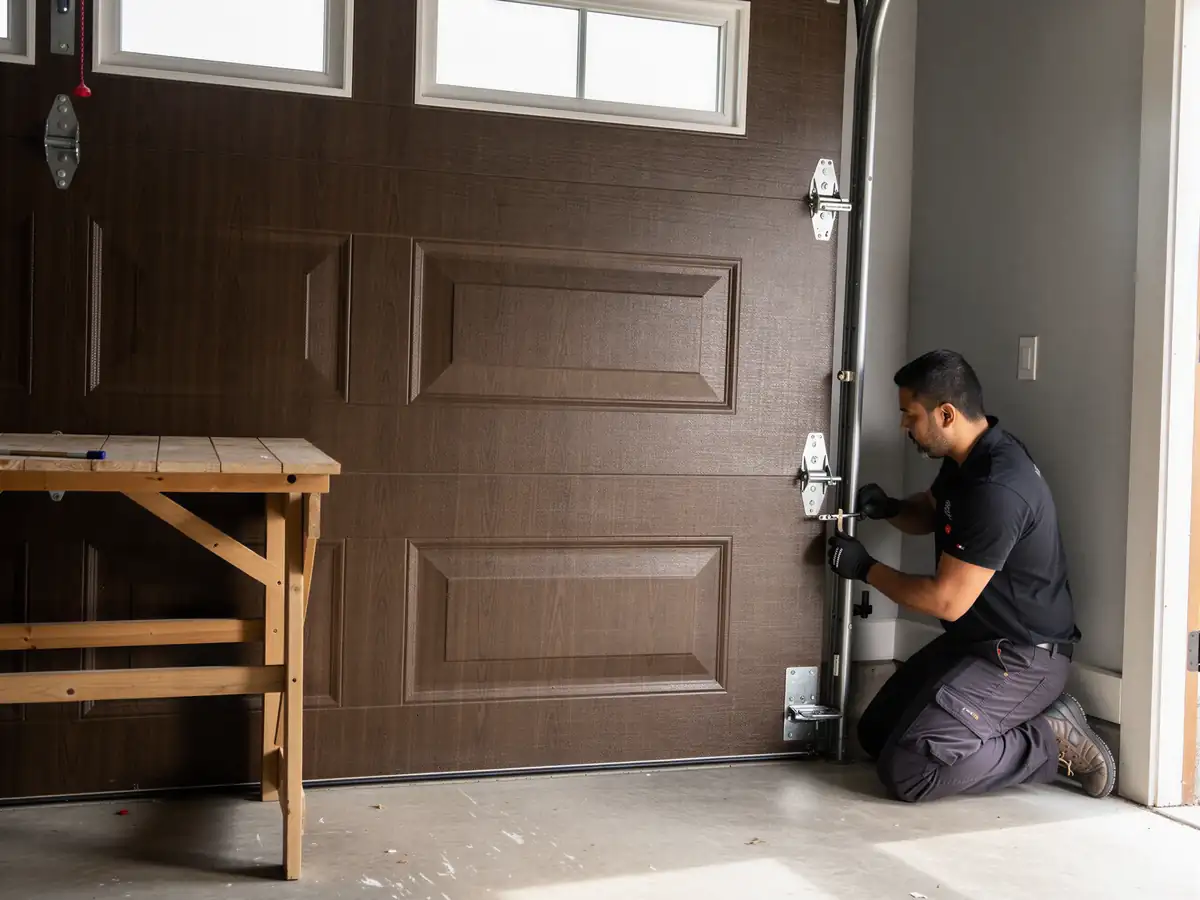
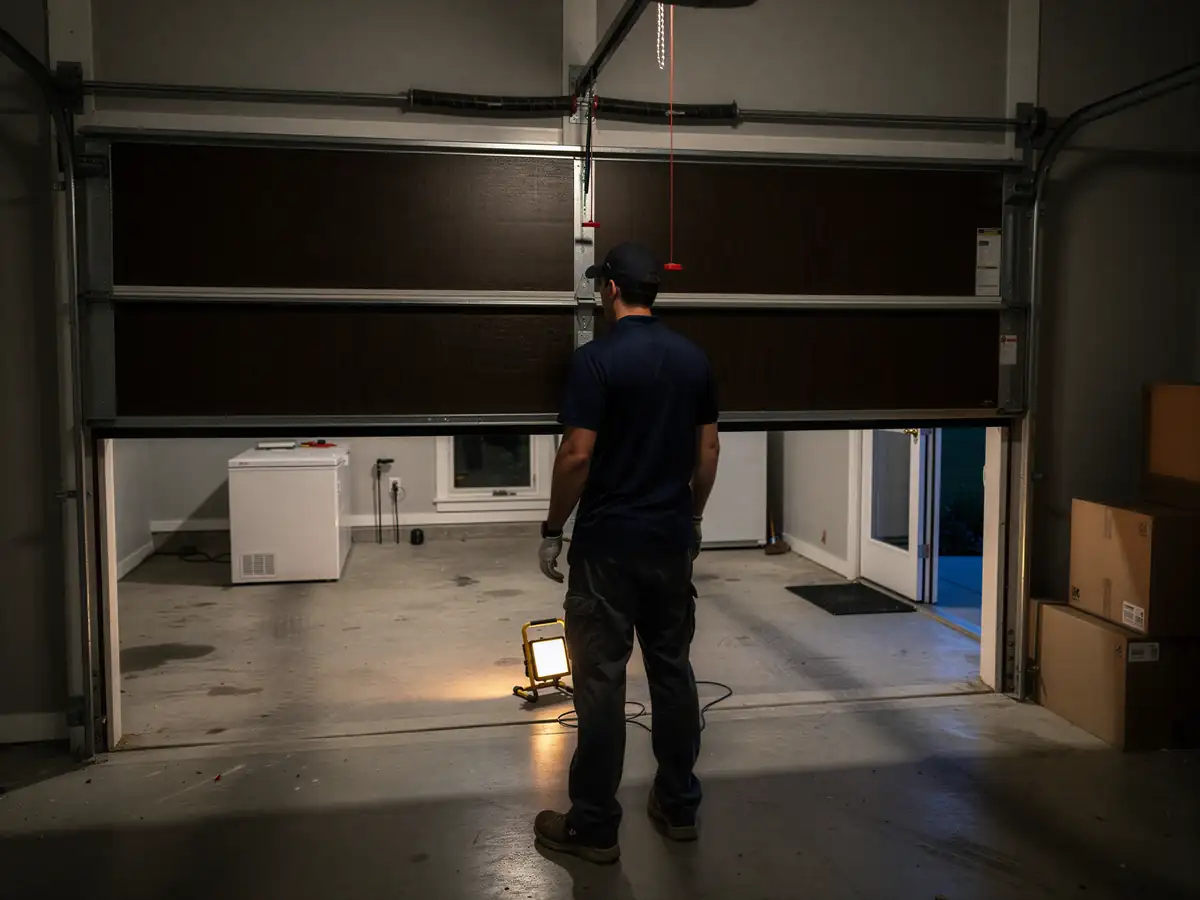
We don't keep a crew stationed in North Aurora. We run out of Aurora, about 4 miles south, and we don't pretend otherwise. If you call expecting a truck that's already parked around the corner, that's not us - it's a short drive, not a local depot. We also don't do new garage construction or structural framing; we work on the door, the opener, the track, and the hardware that moves them, not the wall it's bolted to. And we won't sell you a full door replacement when a $40 roller swap solves the problem. If your door is from the late 1990s and runs on original hardware, a lot of the time the fix is smaller than people expect, and we'll tell you that instead of upselling a new installation. We're not the cheapest call you'll find and we don't try to be - we price the job as it is, not as a teaser rate that changes once we're in your driveway.
What That Means for Doors
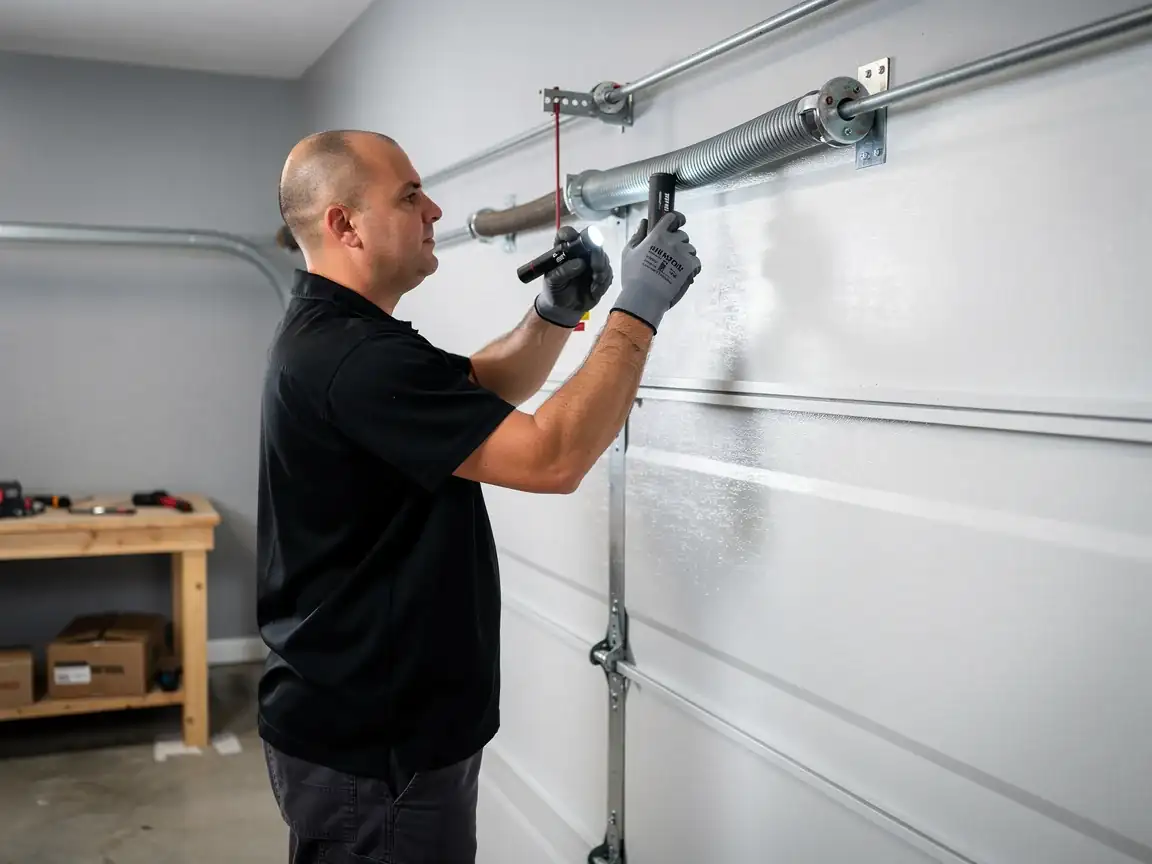
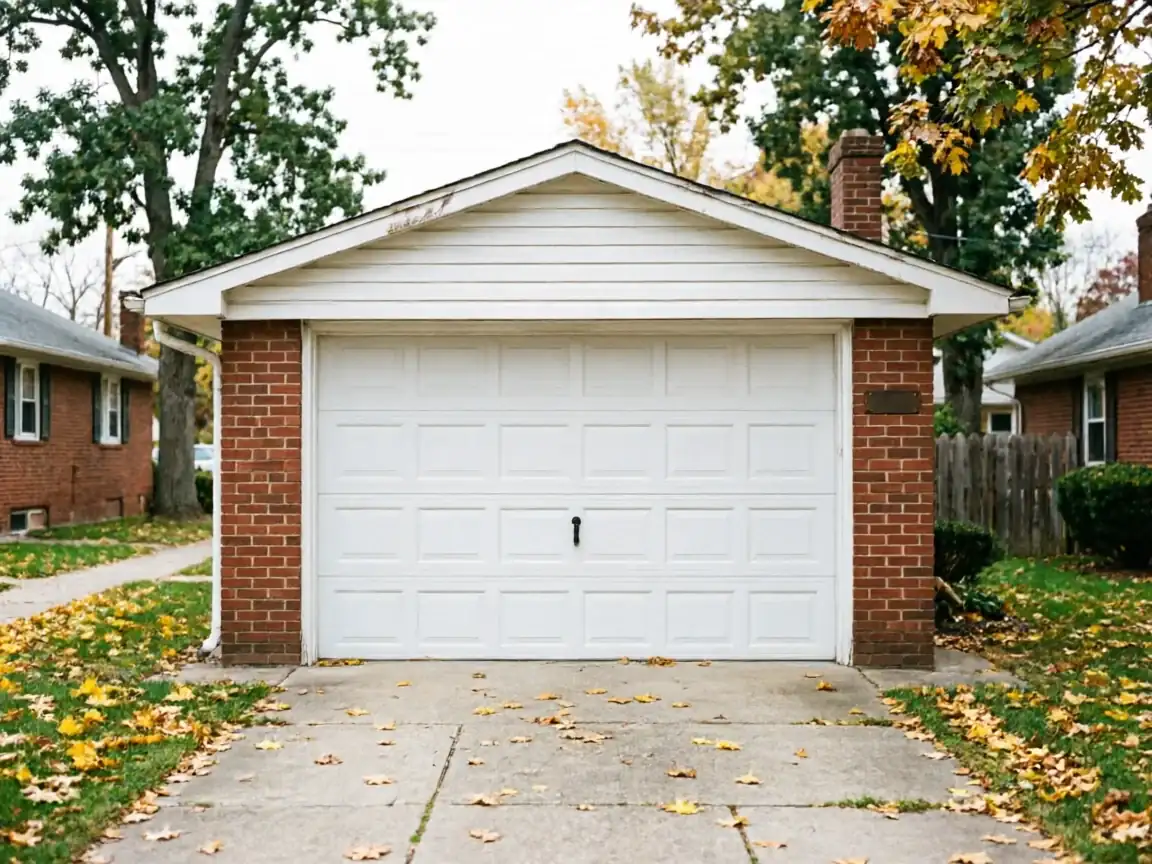
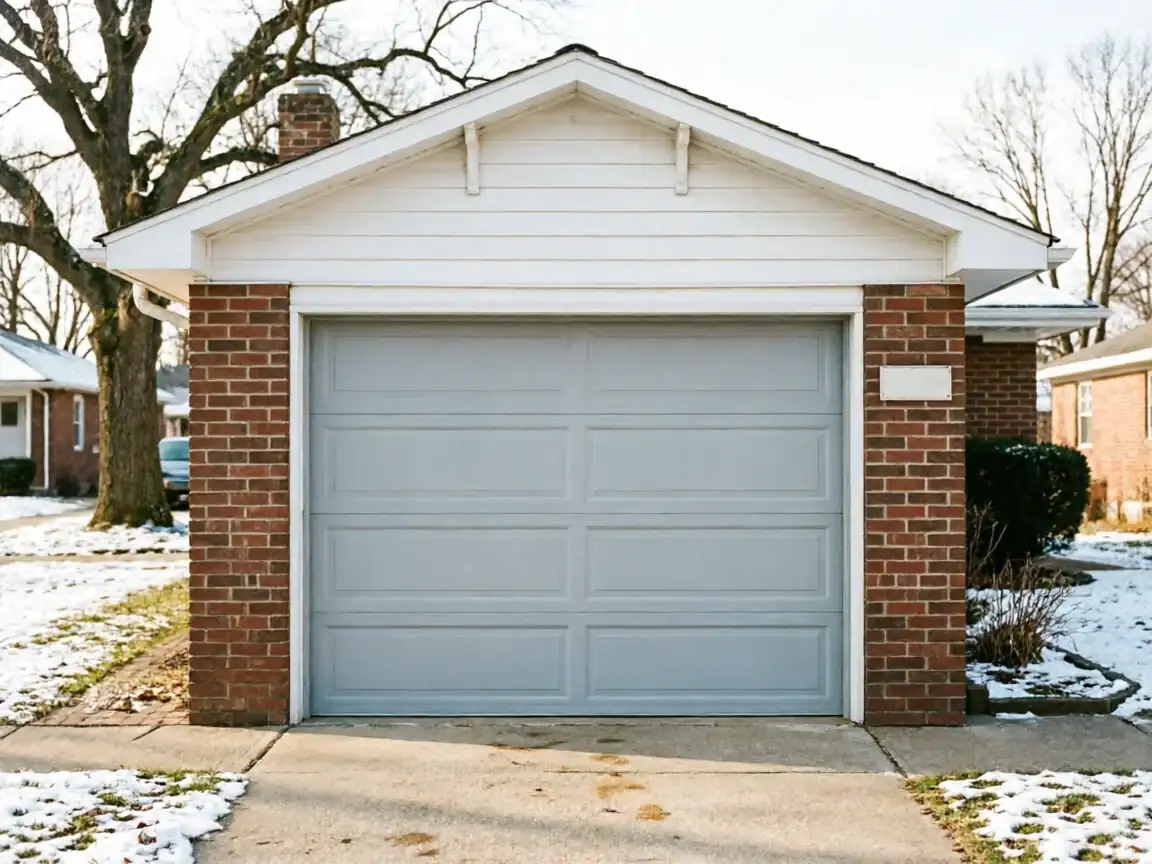
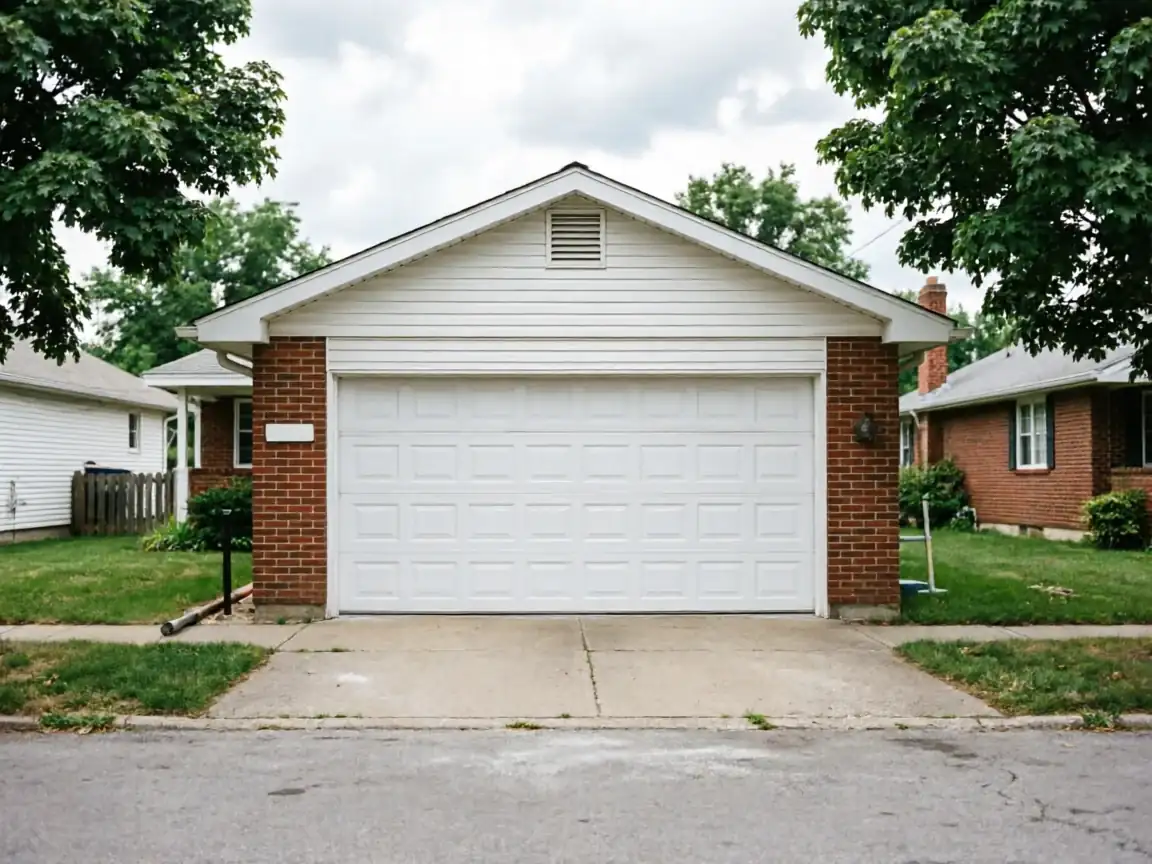
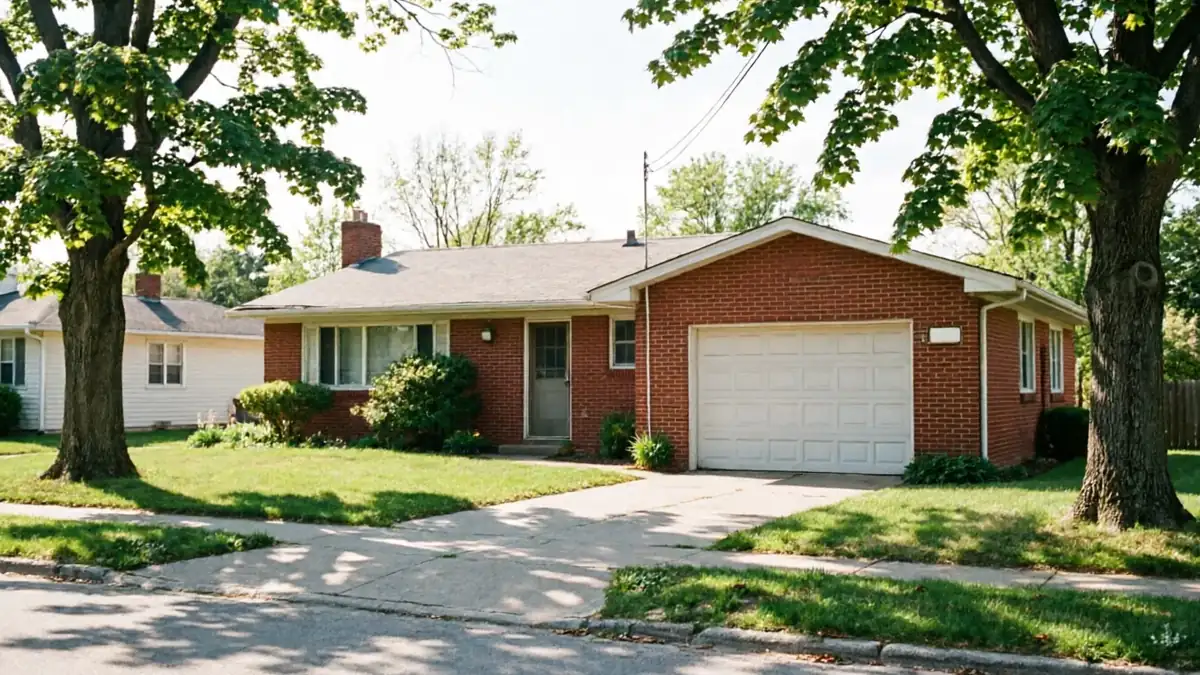
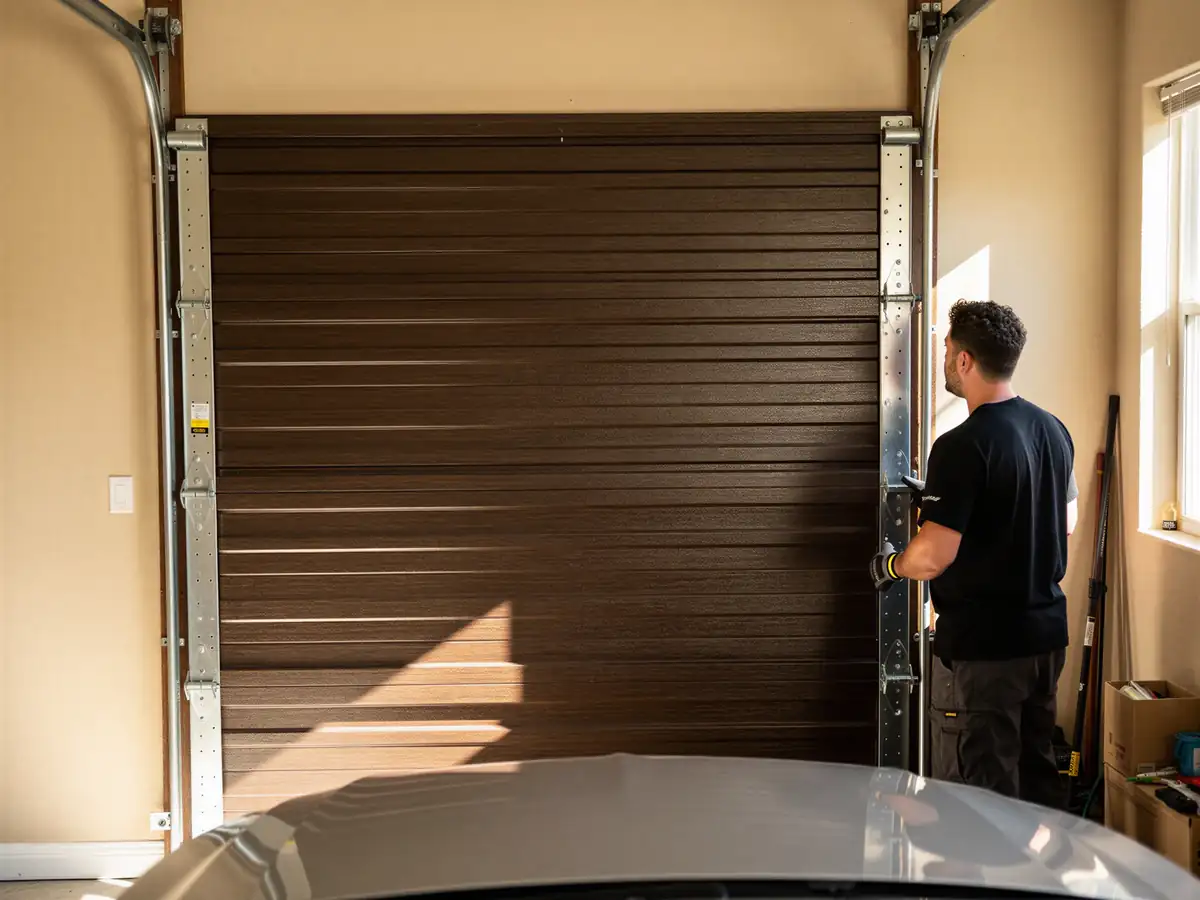
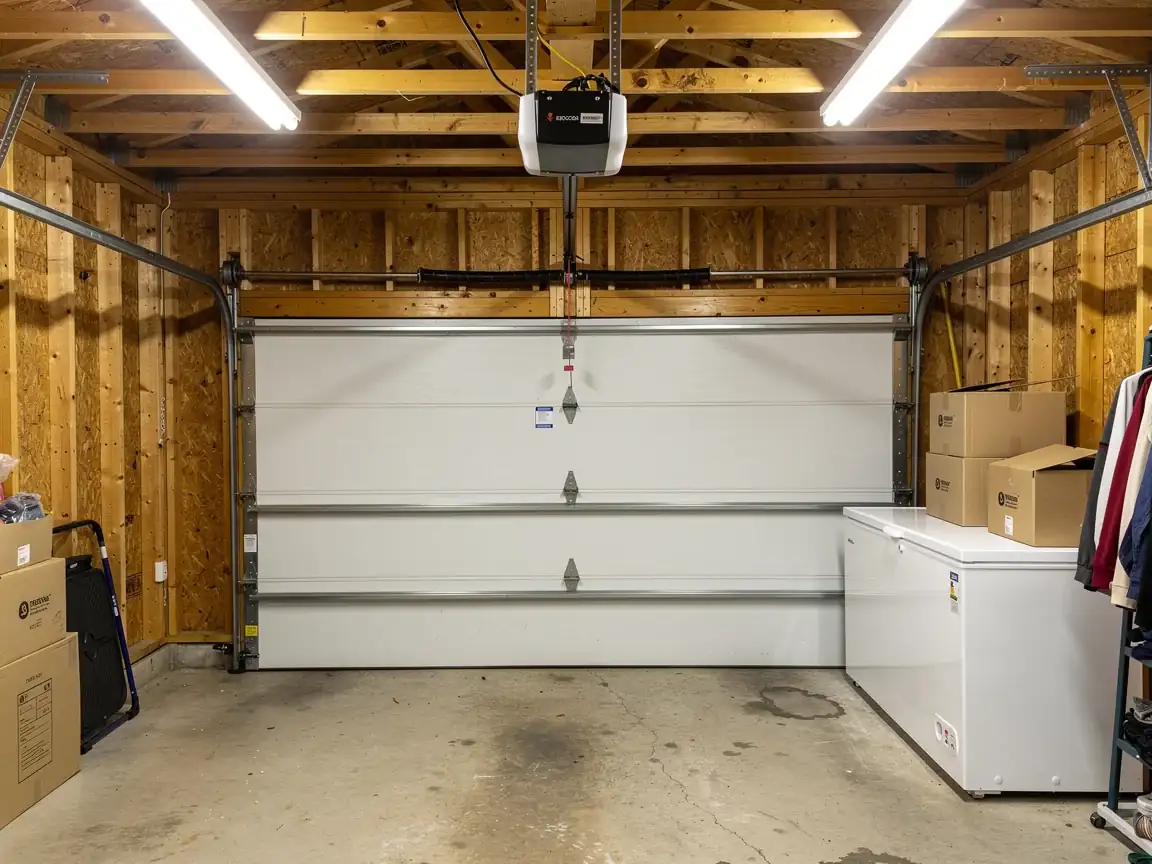
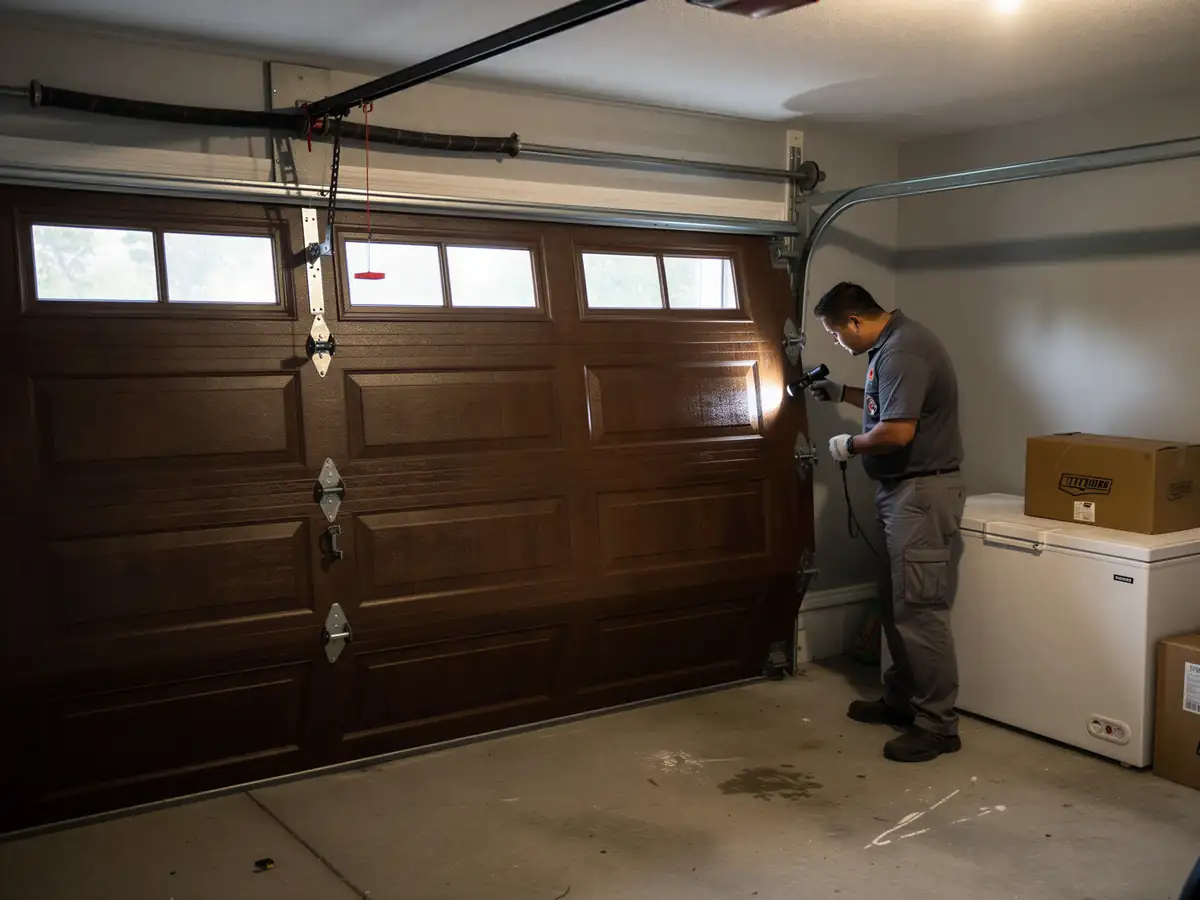
North Aurora's housing stock centers on 1998, which puts most garage doors here a full generation newer than the older pockets of the wider Aurora service area, where homes run as far back as 1958. That matters more than it sounds like it should. A door from 1998 is almost always a factory steel sectional on extension or torsion springs rated for that era's lighter panel weight, with a chain-drive or early screw-drive opener bolted to the same joists it shipped with. The failure points are predictable: the spring has done roughly 25 years of cycles and is near the end of its rated life, the opener's logic board or capacitor is the usual thing to die first, and original steel rollers (not nylon) are grinding in the track by now. We're not guessing at a decade-old parts catalog the way we might for a 1960s door - we're looking at hardware that was still common enough that stock parts fit most of the time, which keeps the job faster and the bill lower than a mismatch repair on much older stock.
Common Jobs Here
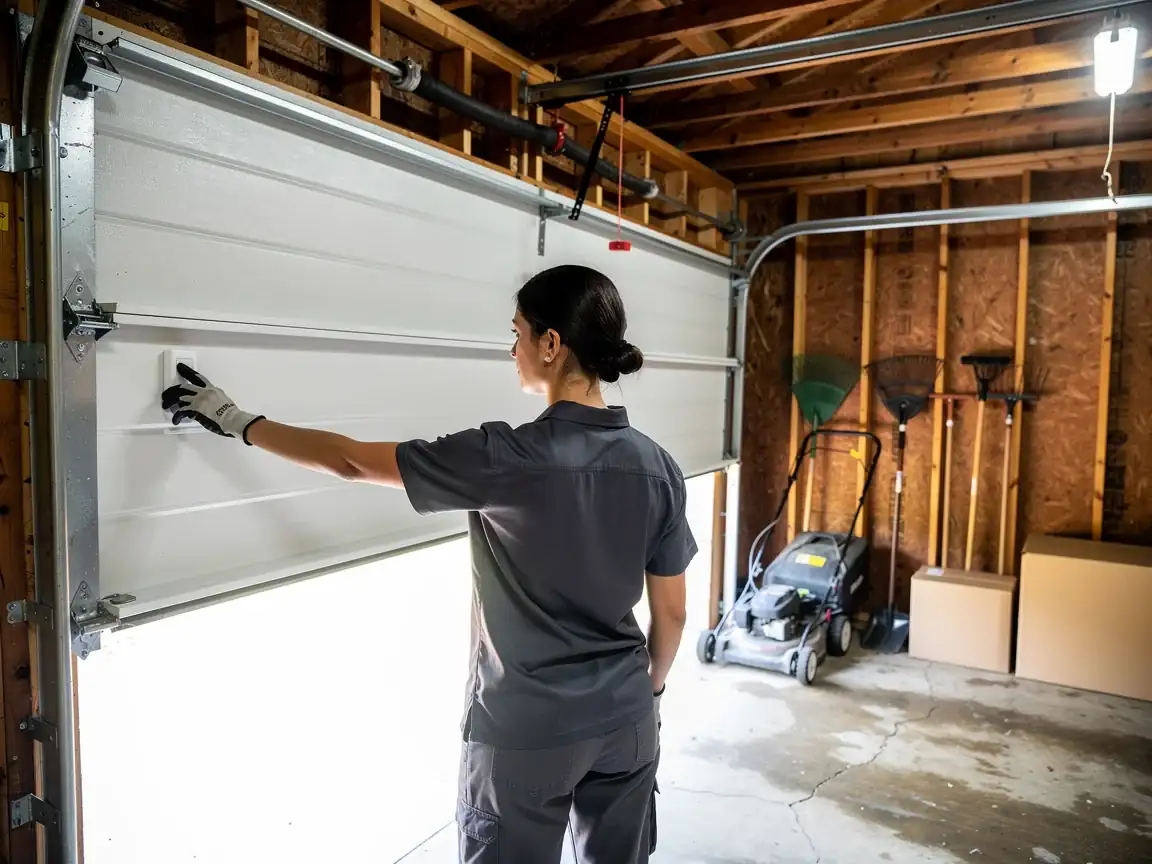
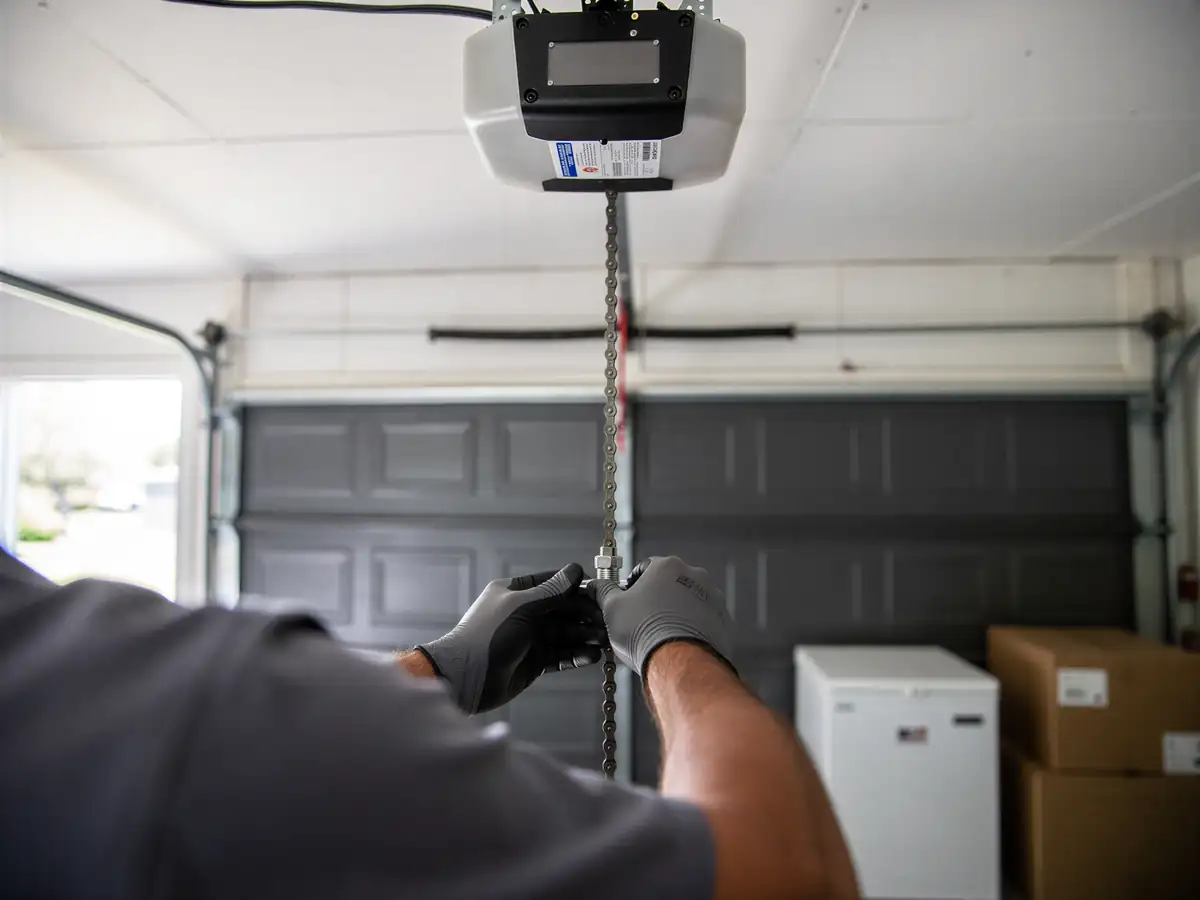
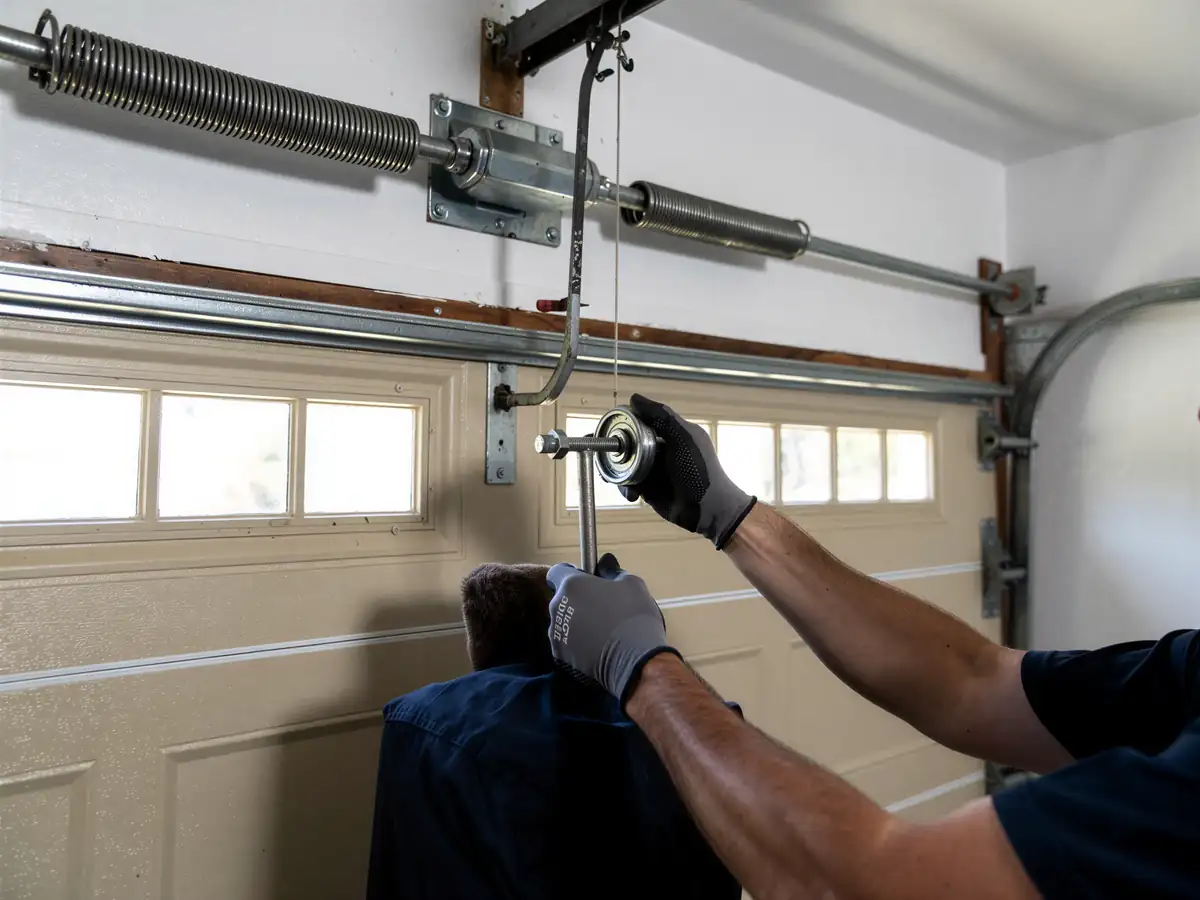
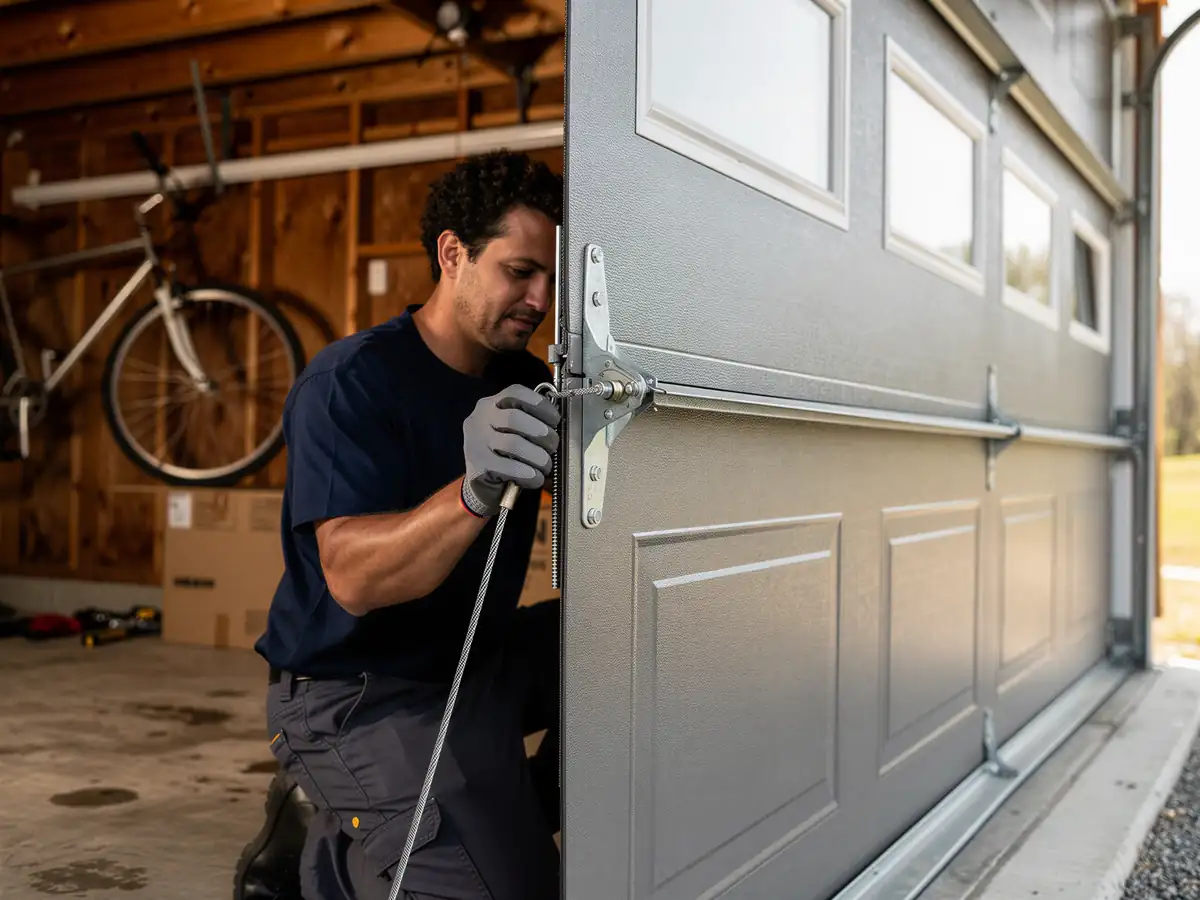
The call we get most from North Aurora is a torsion spring on the edge of failing - not snapped yet, just straining, with the door hesitating or the opener groaning on the way up. Given the 1998-era median, these are original springs reaching the tail end of their cycle count, and replacing both at once (even if only one has gone) is usually the right call rather than fixing one and leaving a mismatched pair. Second most common: opener motor or logic board issues on units that are old enough to be flaky but not so old they need a full rewiring job. We also get steel roller replacements - noisy, sticking doors where the fix is swapping rollers and lubricating track, not replacing the door. What we see less of here than in older parts of the service area: full panel rust-through or warped wood doors, since the housing stock is younger and mostly steel sectional from the start.