What We Do Not Do
We don't keep a crew or a truck stationed in Romeoville. Our shop is in Aurora, 14 miles out, and every job here starts with a drive. That means we don't do same-day emergency guarantees for this town, and if you've got a spring that let go at 7am on a Monday, we're not going to pretend we can beat a shop that's five minutes from your driveway. We also don't install doors we haven't sourced ourselves - if you want a specific off-brand panel you found online, we'll tell you straight that we can't warranty parts we didn't supply. And we don't do cosmetic patch jobs on a door whose track is bent past true; bending it back looks like a repair but it isn't one. If a job calls for a part with a longer lead time, we'll tell you upfront rather than quote a date we can't hit.</br>What we do is come out, look at the actual hardware on your actual house, and tell you what it needs.</br>That's a narrower promise than some shops make. It's also one we can keep.</br>Nothing here is a knock on local outfits - it's just an honest account of what a company based in Aurora can and can't offer 14 miles away.
What That Means for Doors
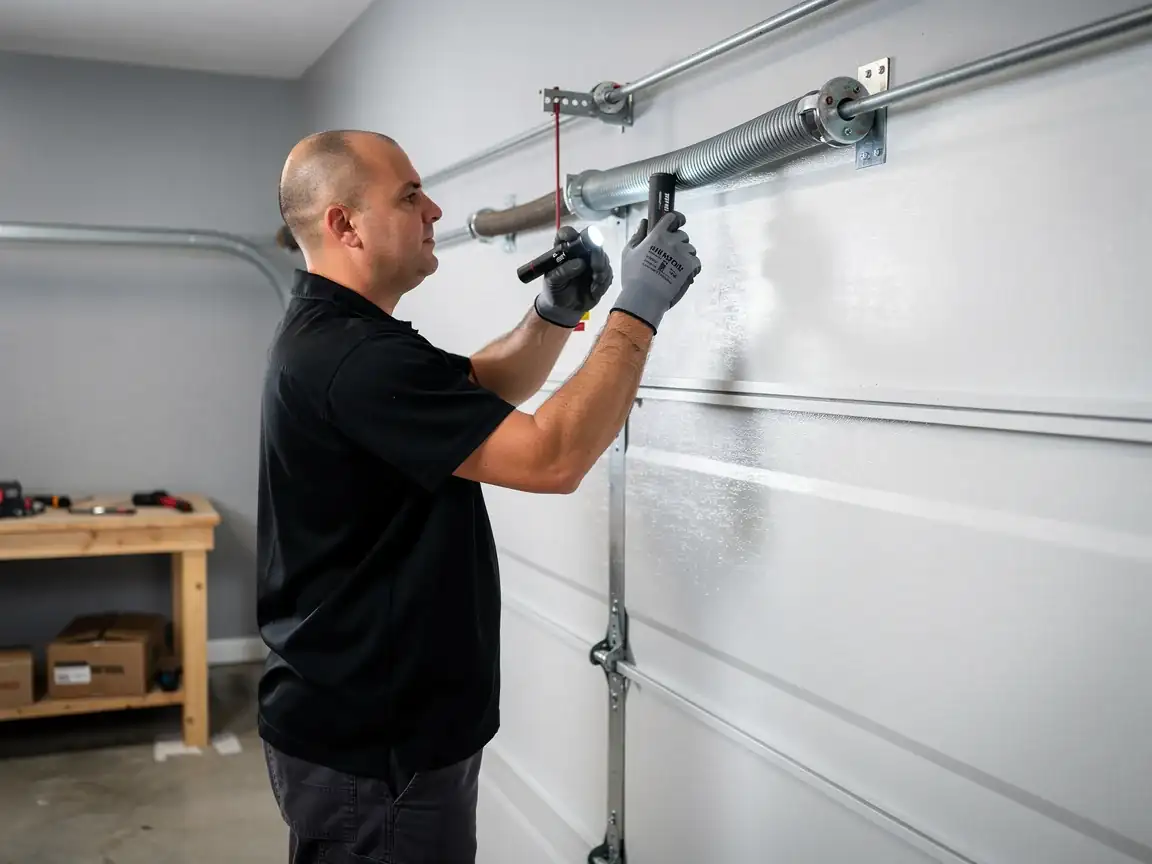
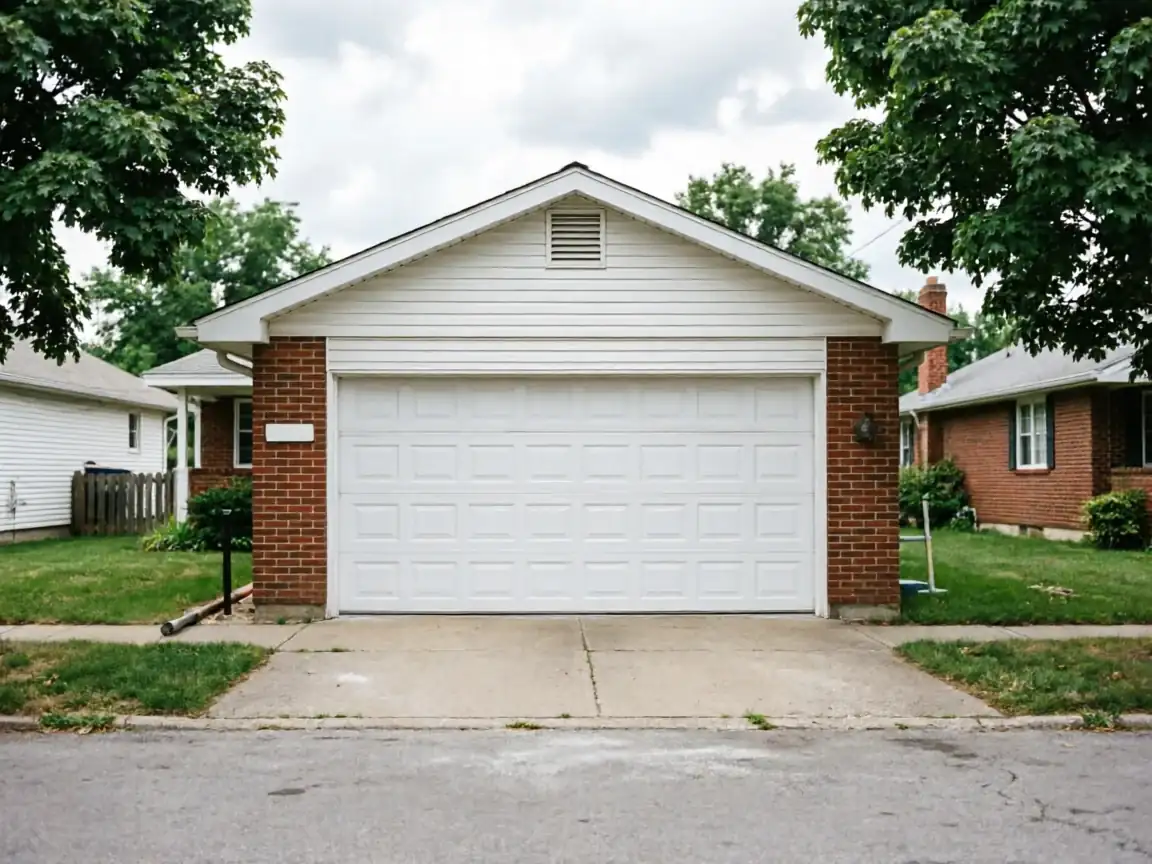
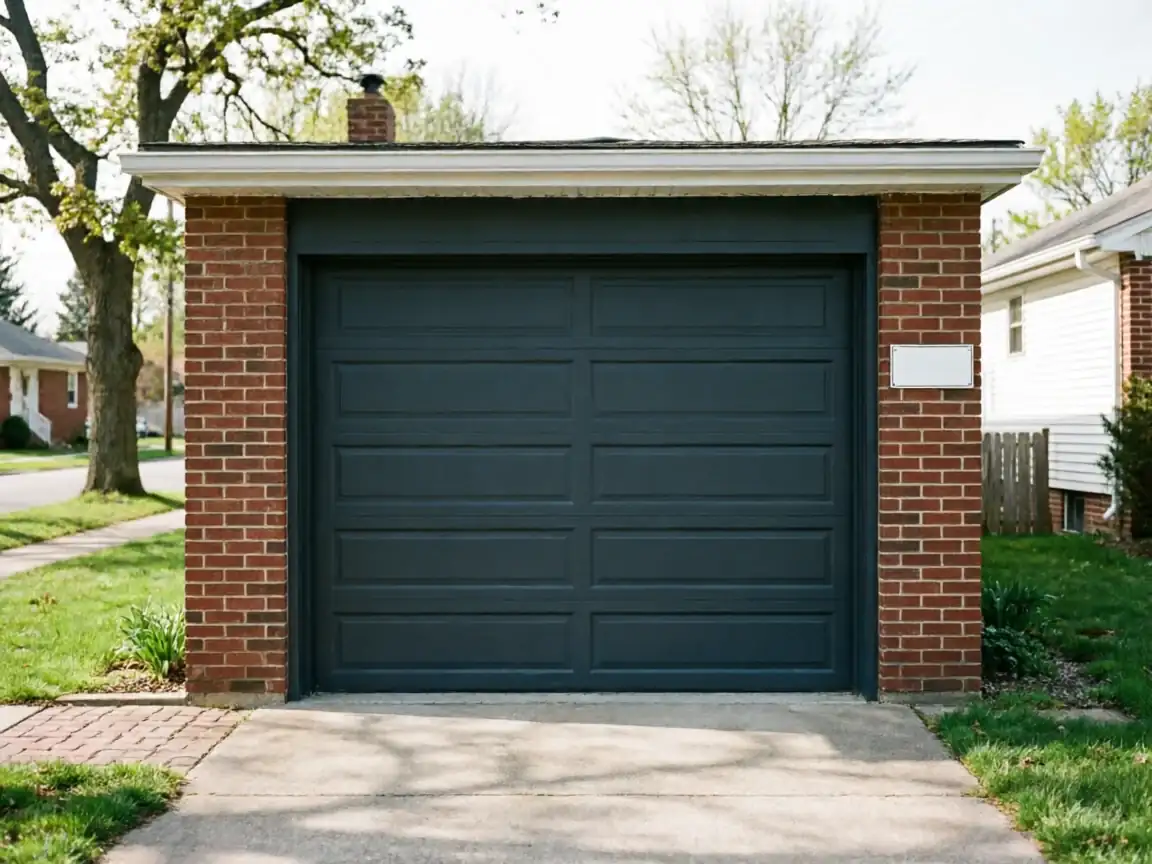
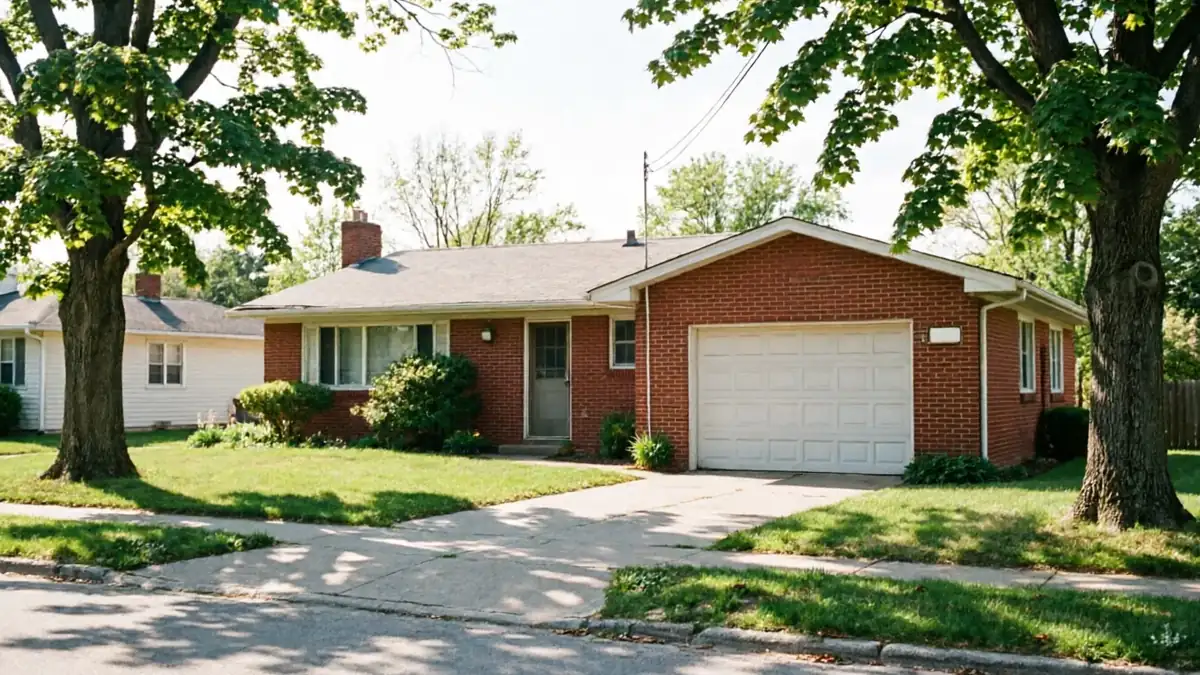
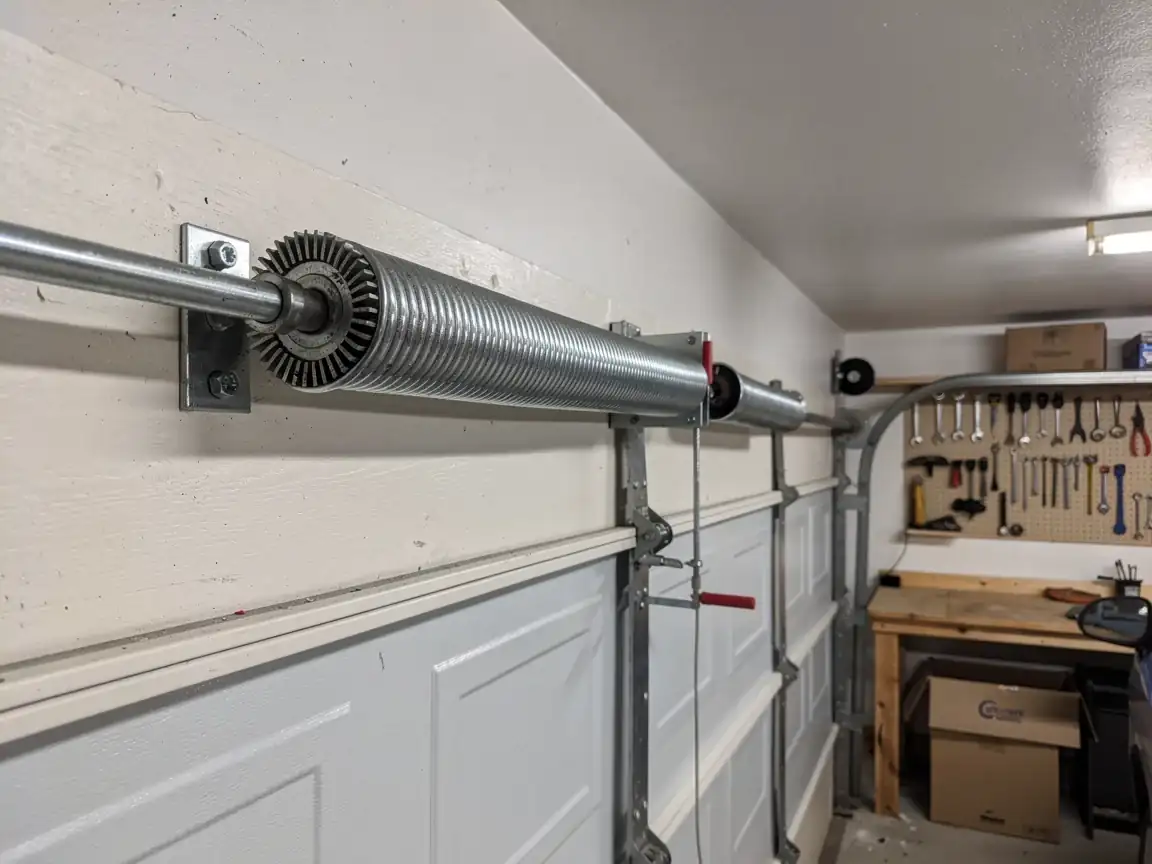
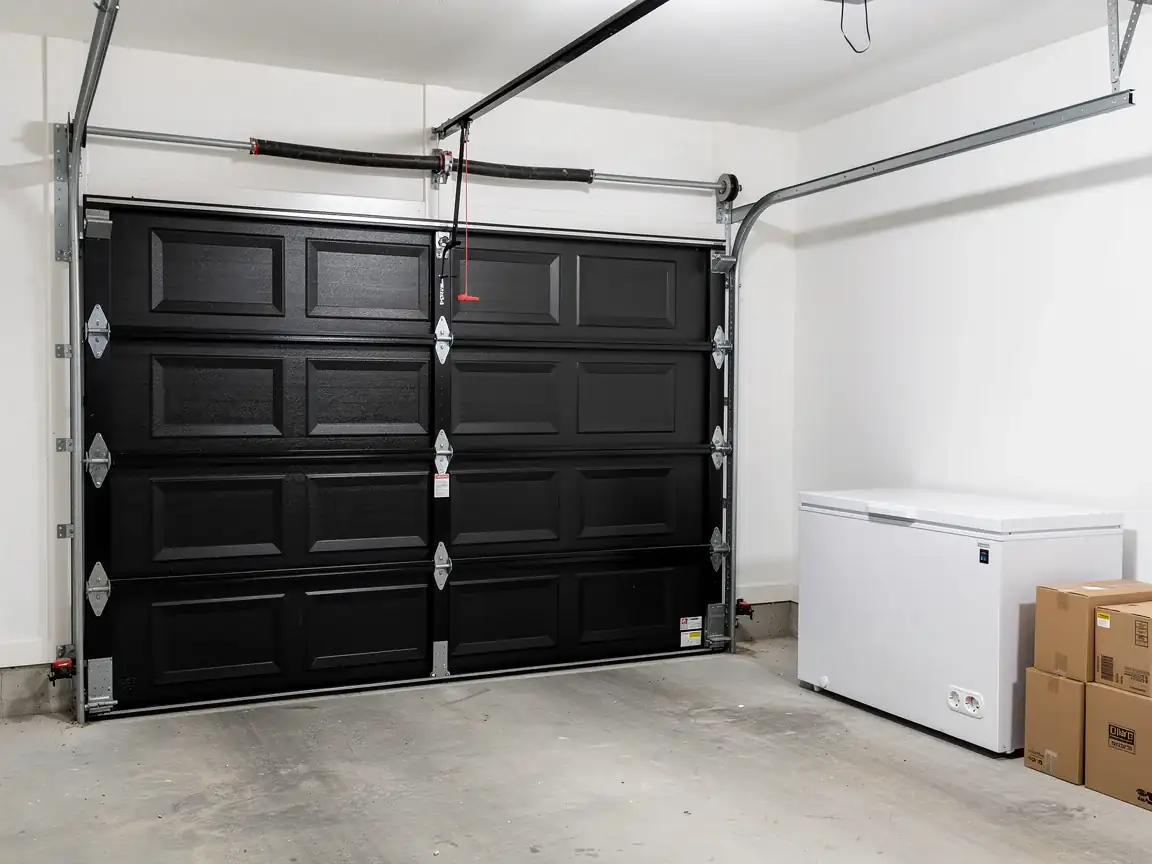
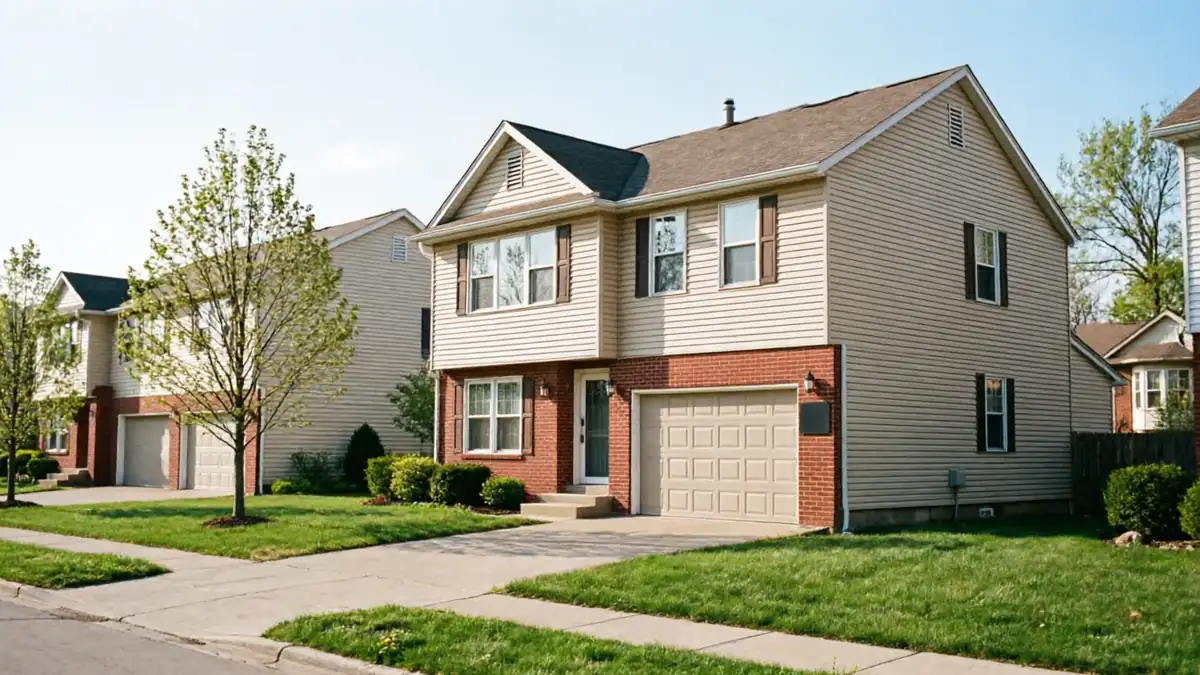
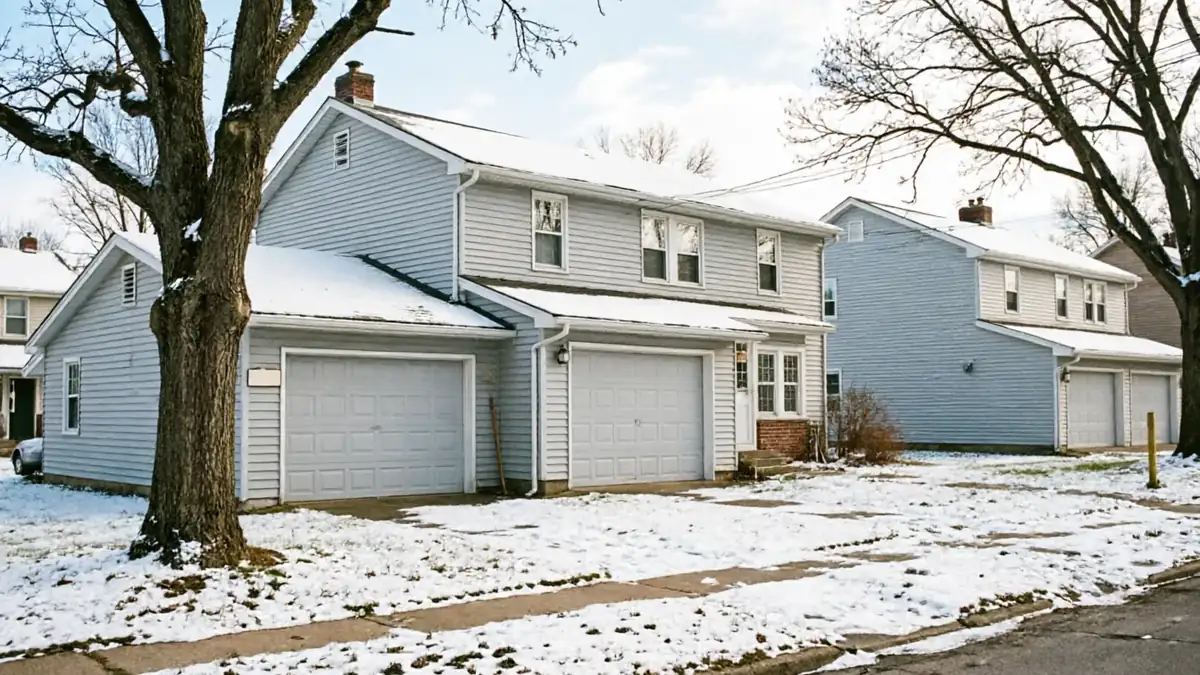
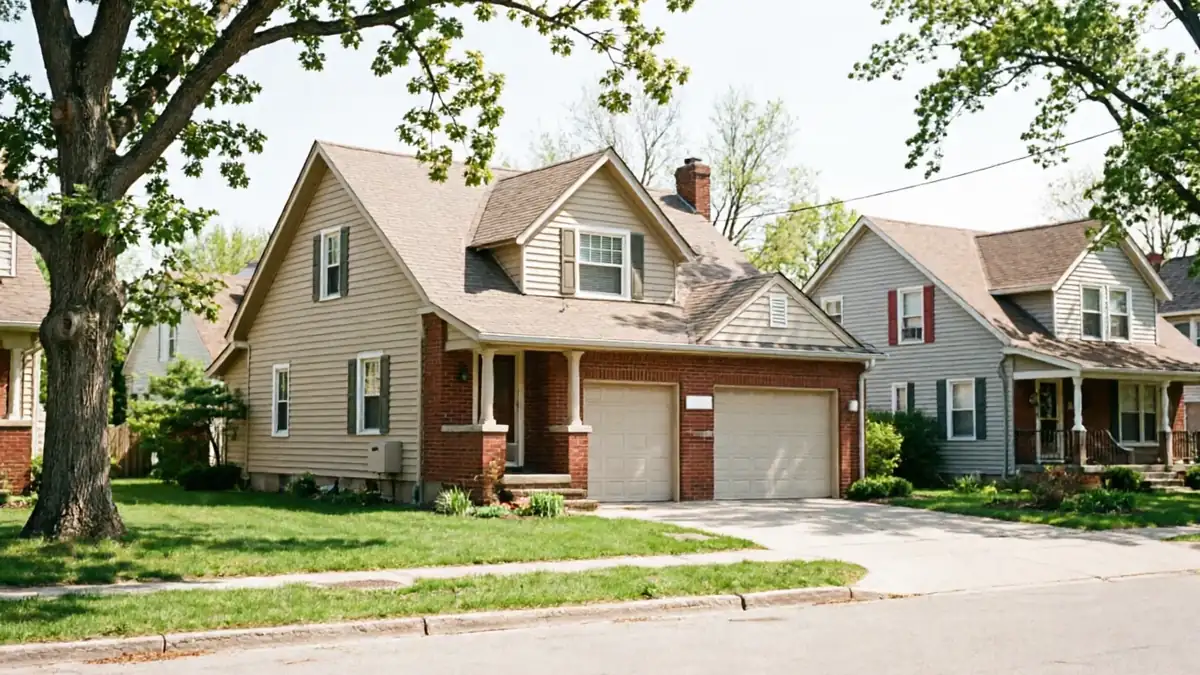
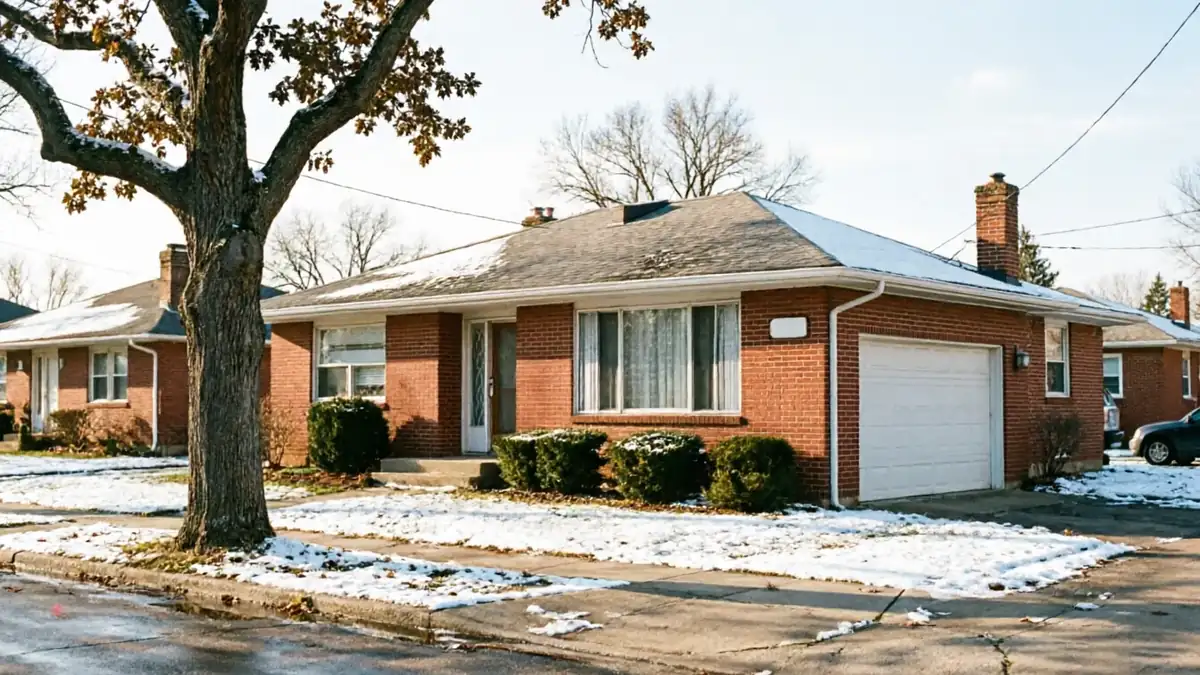
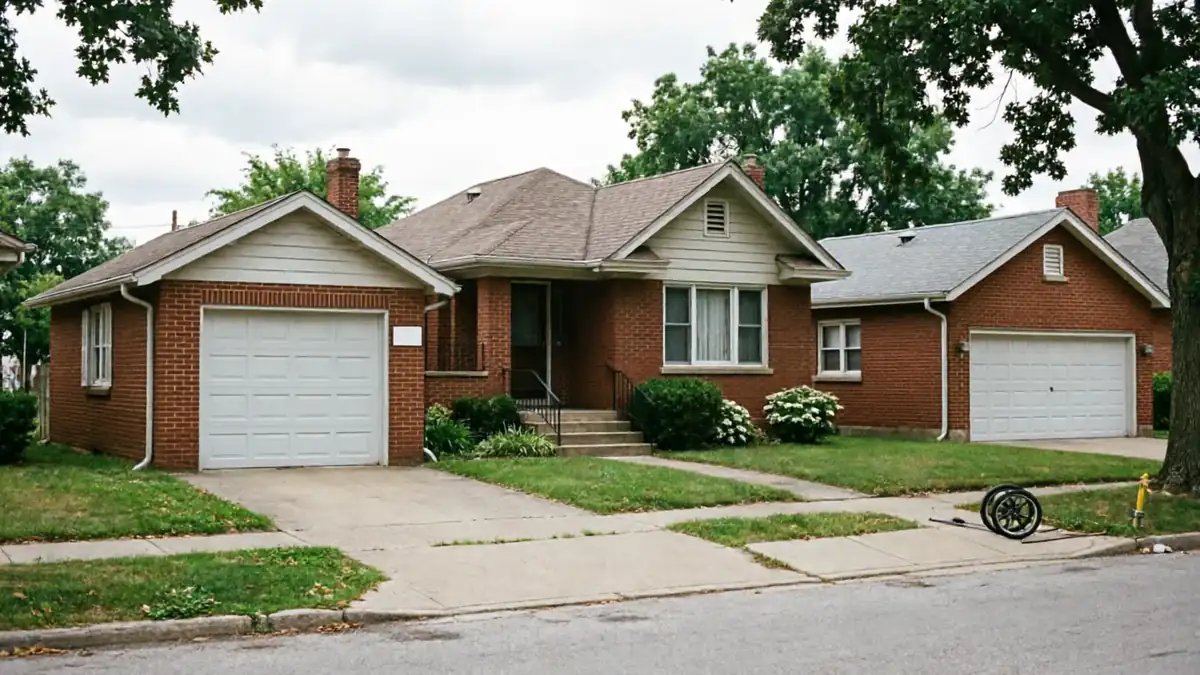
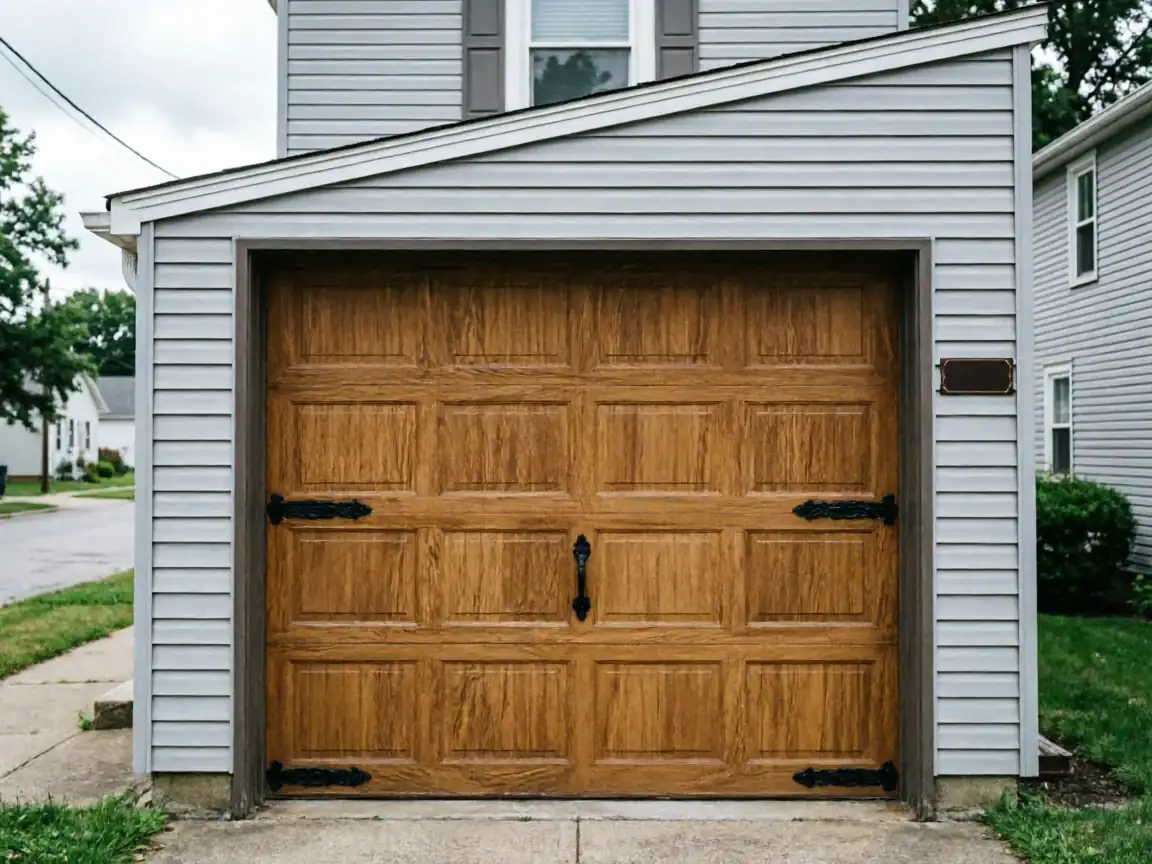
Romeoville's housing stock runs younger than much of the wider service area - the median home here was built around 1998, compared to a service-area median closer to 1981. That ten-to-fifteen-year gap matters more than it sounds like. Houses from this era were built with galvanized steel doors on torsion spring systems as standard, not the older extension-spring setups you still find on pre-1980 houses nearby. The openers from that period are mostly chain-drive, often the original unit still running on its first logic board, now pushing 25-plus years old. That's long past the design life of most residential openers, and it shows up as grinding gears, a motor that runs hot, or a remote that only works from ten feet away. Panels from the late 90s also used a thinner gauge steel than today's doors, so dents and rust-through at the bottom panel show up sooner than owners expect. None of this is exotic work - it's just a specific, dateable set of failure points tied to when these houses actually went up.
Common Jobs Here
Given the build era, the calls we get from this part of the service area skew toward a few specific repairs rather than a random mix. Torsion spring replacement on the original double-door setup is the most common, since a 1990s-installed spring is well past its expected cycle life by now. Opener swaps come in close behind - chain-drive units from that generation are old enough that parts are getting hard to source, and replacement is usually cheaper than another repair visit. We also see a fair number of bottom panel replacements where rust or a backed-into dent has gone through the thinner steel typical of that construction period. Track realignment shows up after a car clips the door, which happens more on driveways built tight to the garage, a layout common in developments from this era. One thing we won't do here is promise a specific day for a same-day fix - since we're driving in from Aurora, scheduling depends on what else is on the truck's route that day. We'll give you a real window, not a guess.