What We Do Not Do
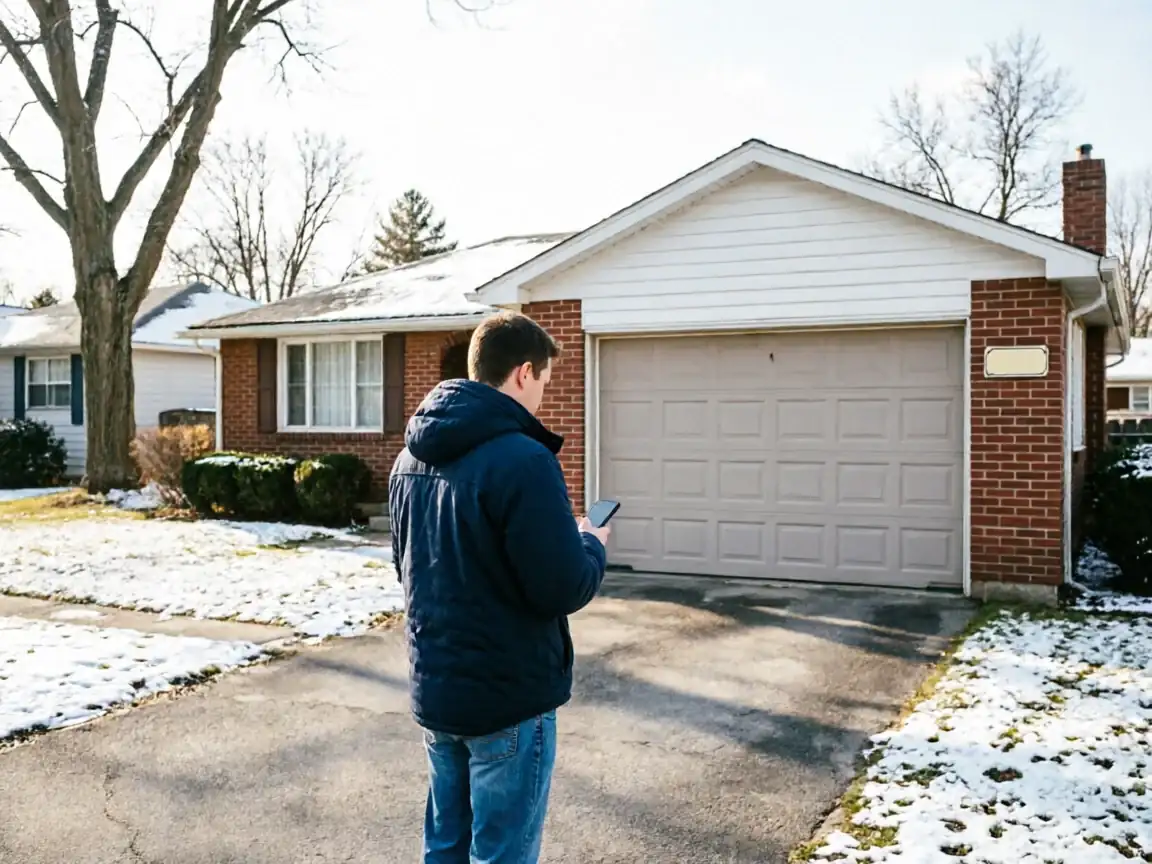
We run out of Aurora, and Bartlett sits about 15 miles from our shop. We don't keep a crew or a stocked van sitting in Bartlett waiting for calls, and we're not going to pretend otherwise. What we do is schedule the drive as part of the route for the day, same as we do for the other communities out this way. If you need a same-hour emergency fix at 2 a.m., we're not the fastest option on the map for you, and we'd rather tell you that than promise a response time we can't back up from 15 miles away. What we will do is show up with the right parts for the job, because we know what's behind most Bartlett garage doors before we knock.
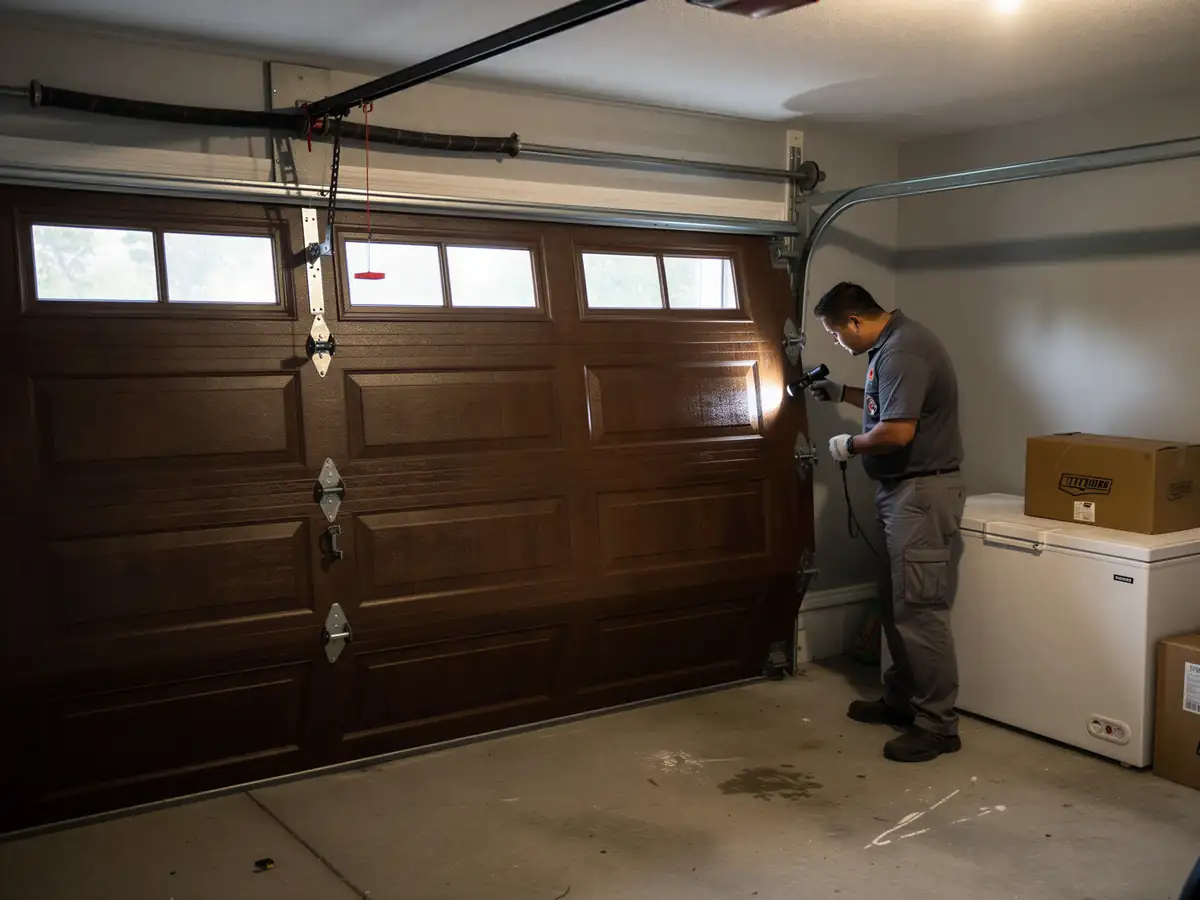
We also don't do cosmetic panel matching on doors older than what's typical for this area, since most Bartlett stock dates to the early 90s and a lot of those exact panel profiles are long discontinued. If a single panel's dented and the rest of the door is sound, we'll tell you straight whether patching it makes sense or whether you're better off replacing the section.
What That Means for Doors
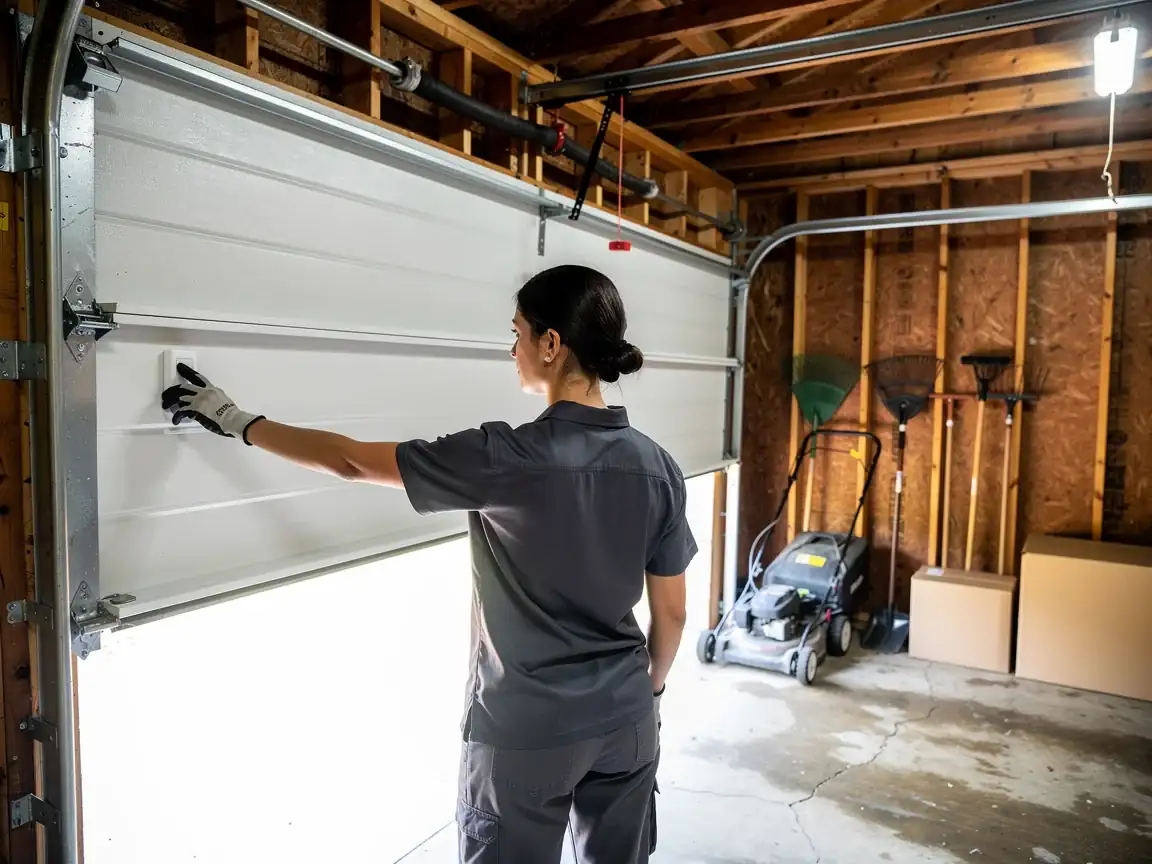
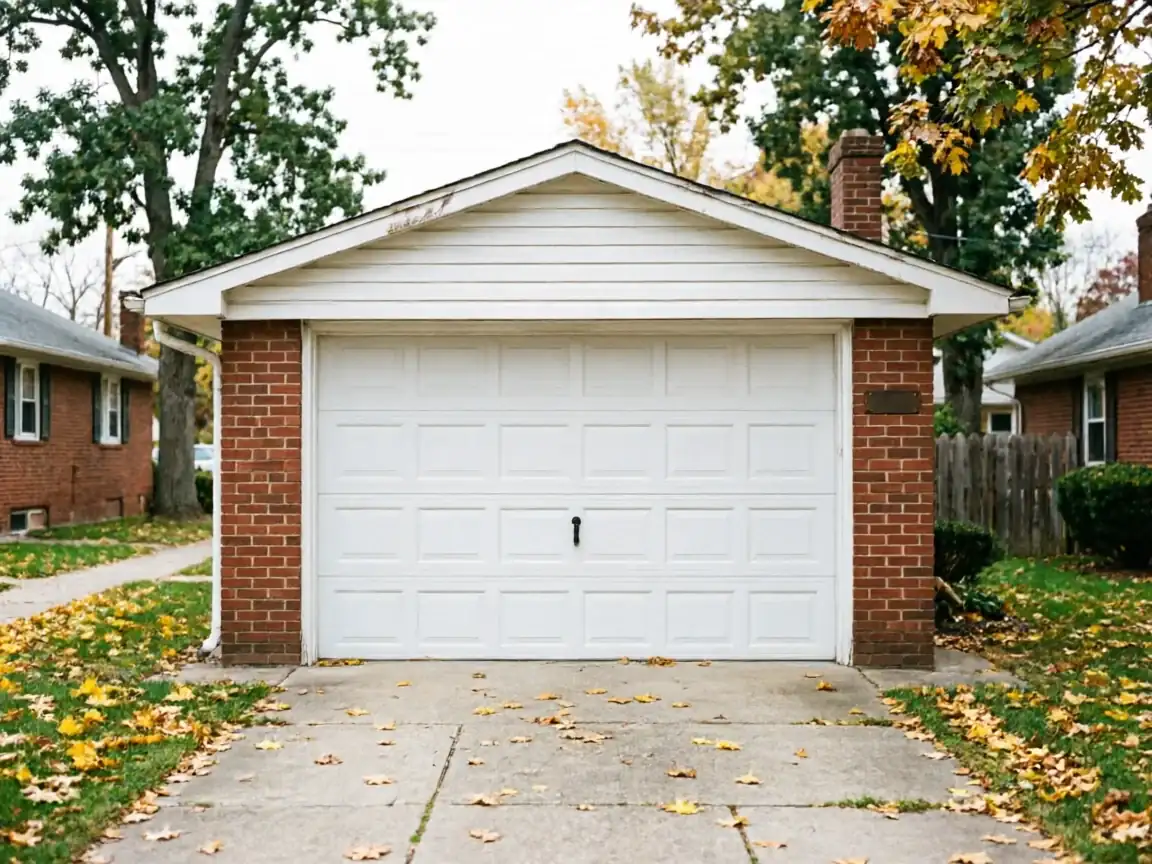
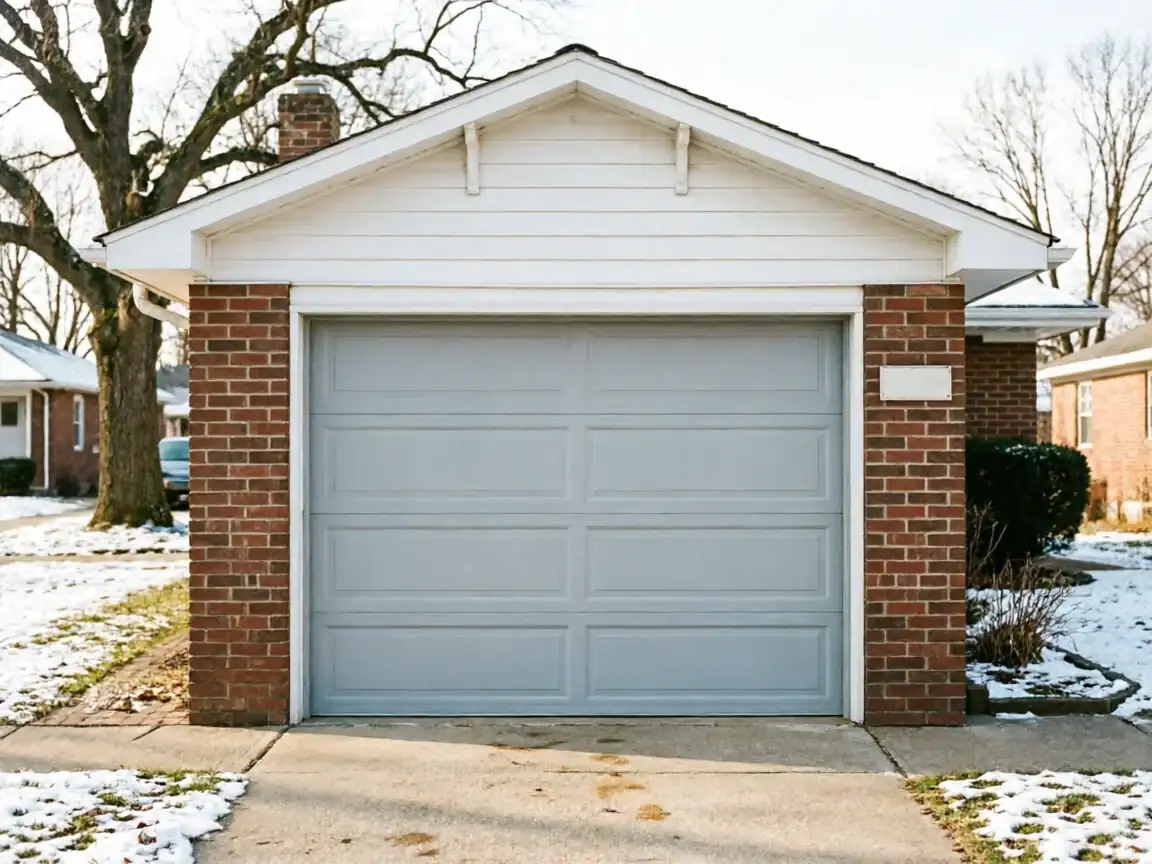
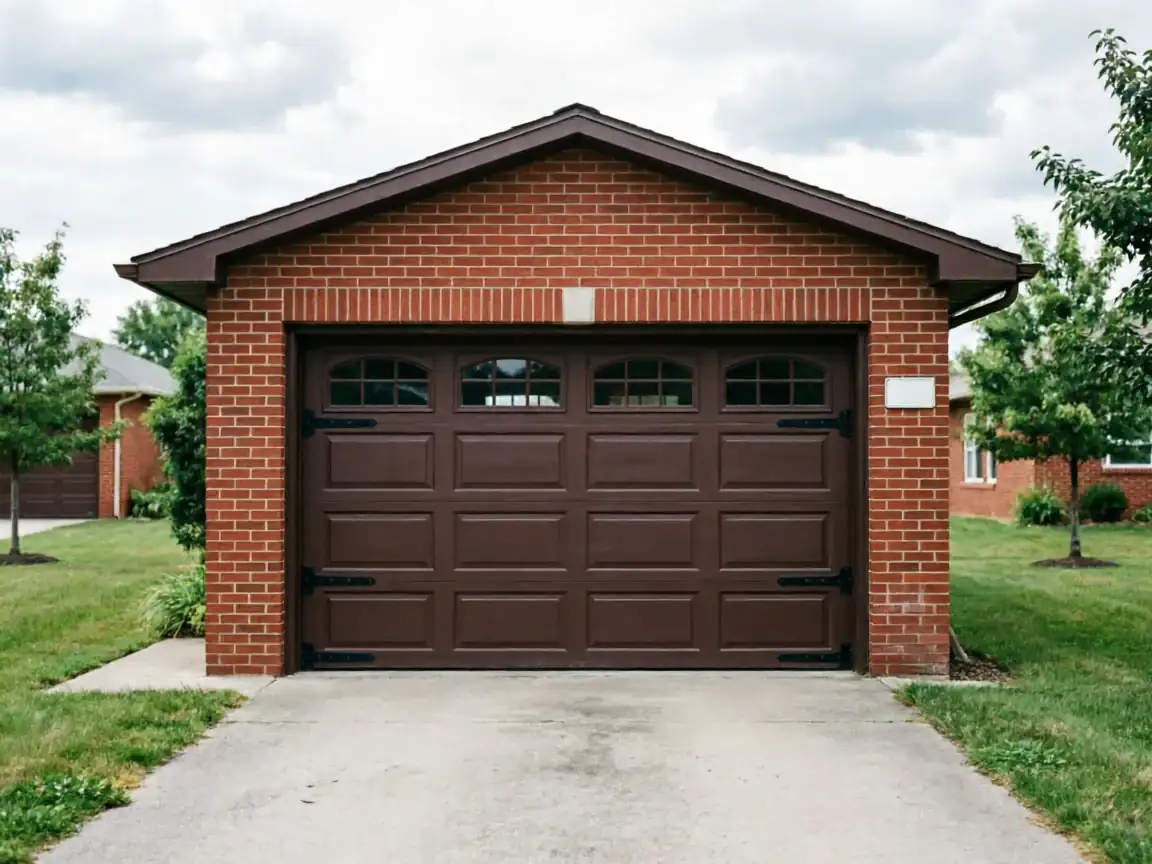
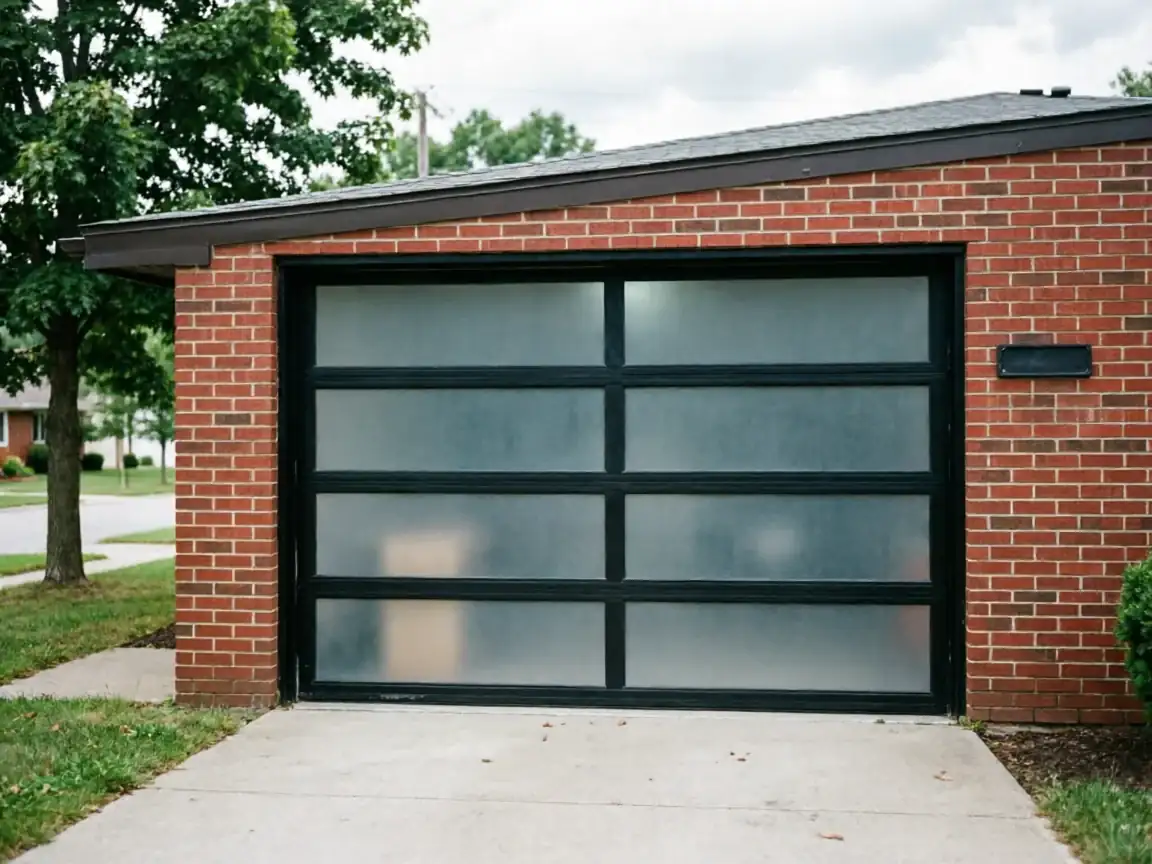
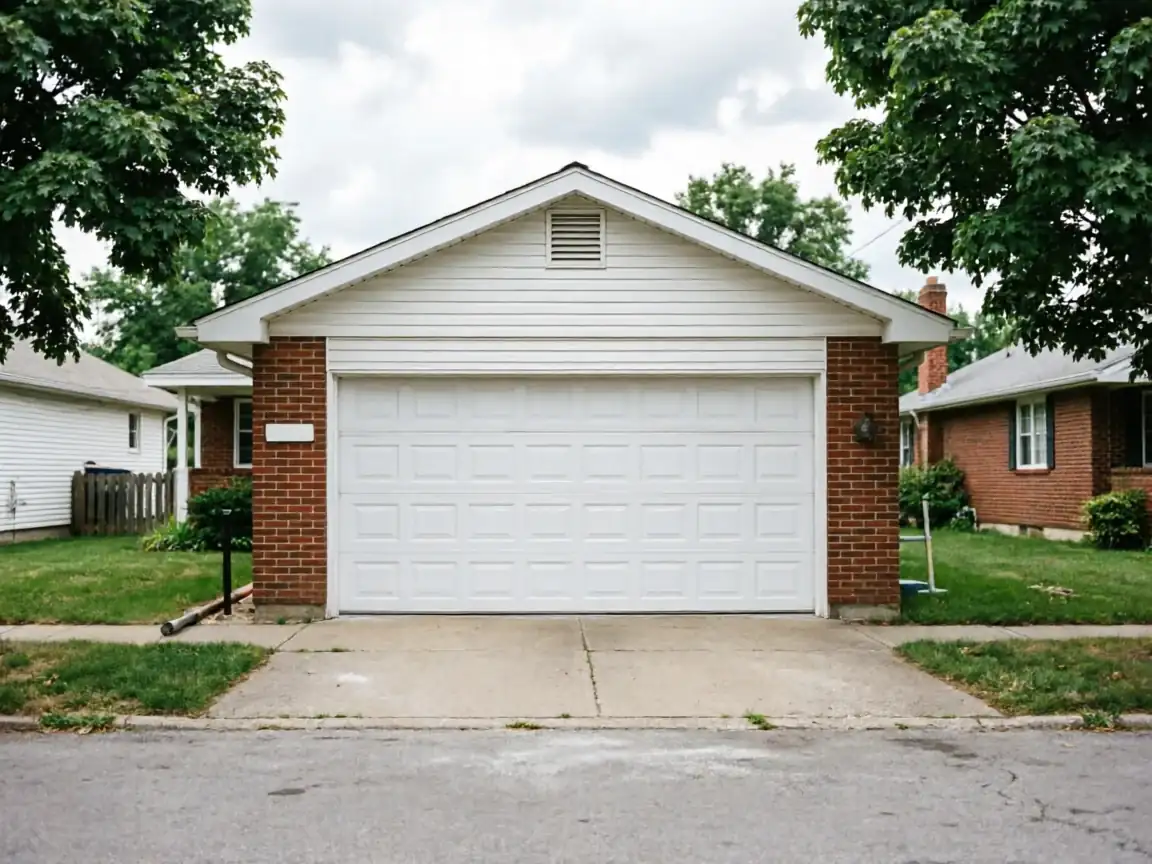
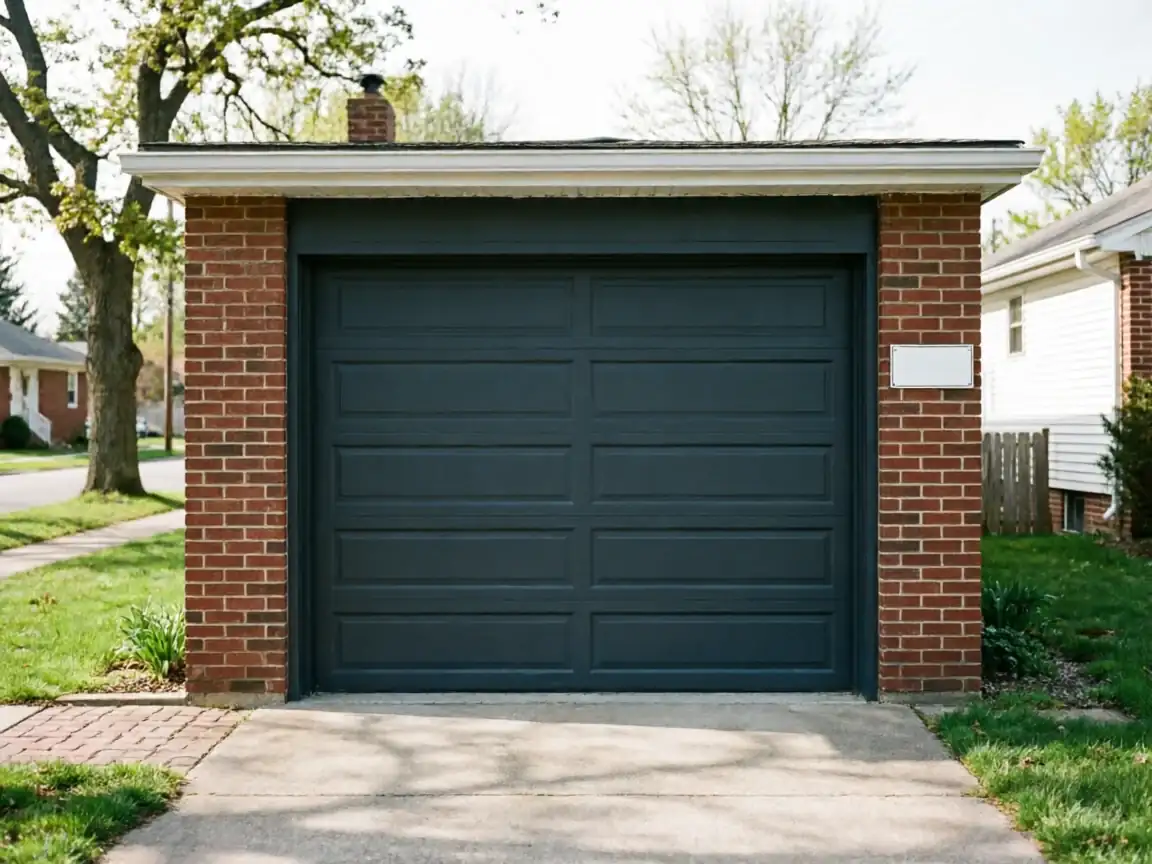
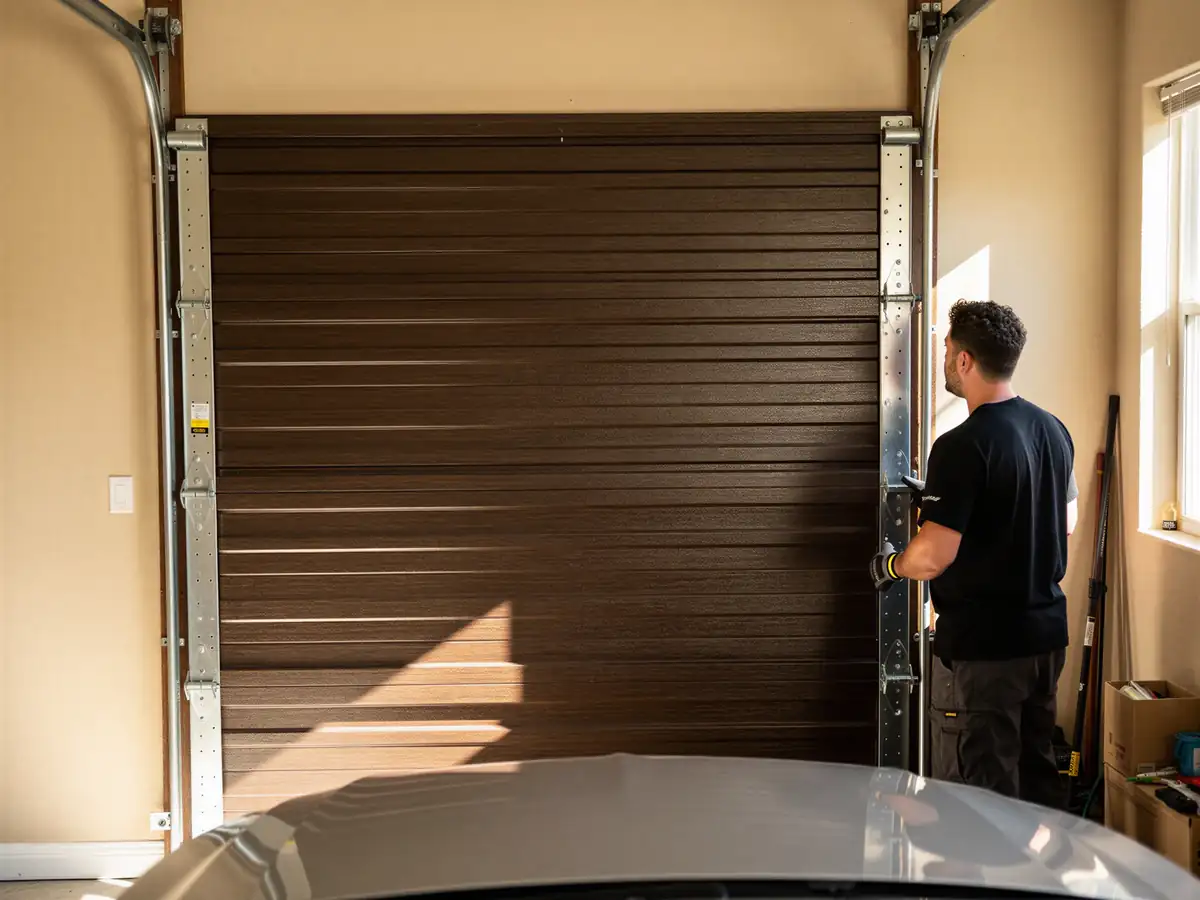
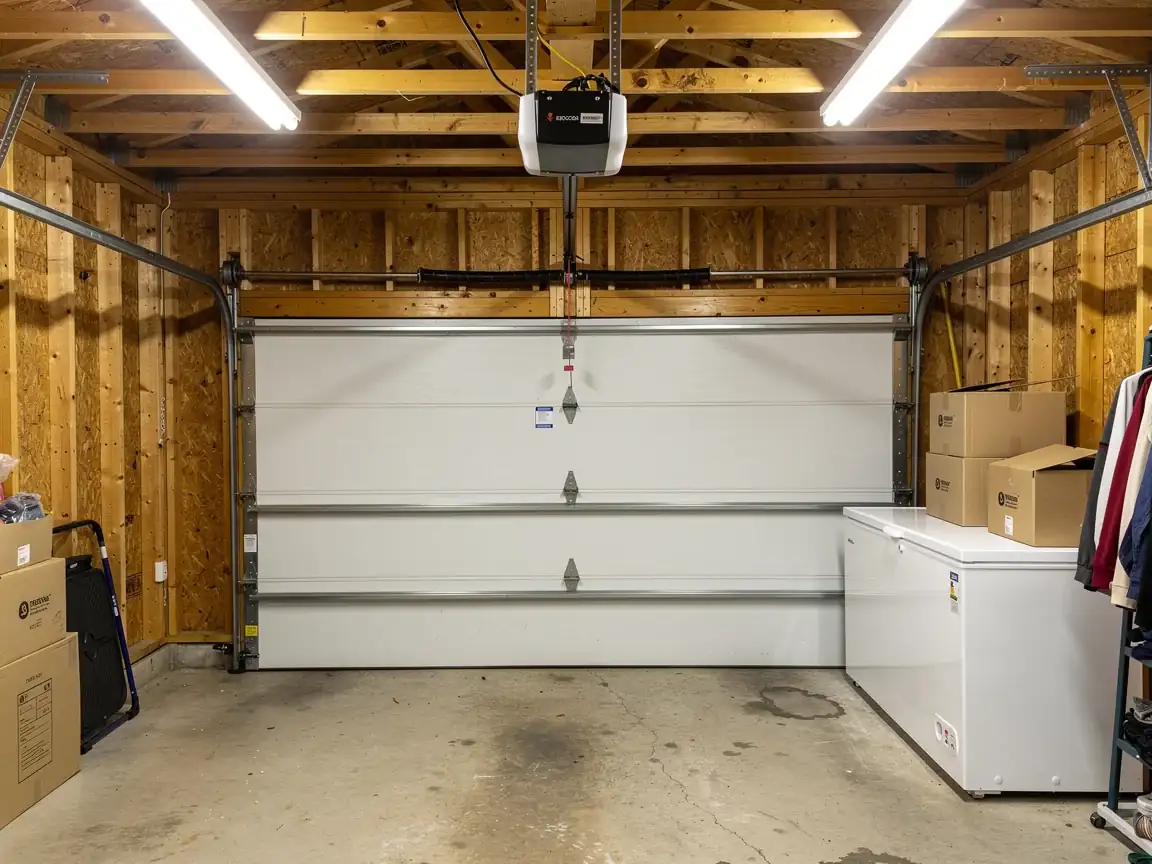
Bartlett's housing stock centers on 1992, which puts it squarely in the later wave of the 1958-2003 build range across this service area. That matters because doors from that era are almost all steel sectional units on torsion or extension spring systems, not the older one-piece tilt-up doors you'd find in neighborhoods built before 1970. The openers are chain or belt drive, usually half-horsepower, and the track hardware is standard-width rail rather than the oddball sizes that show up on much older houses.
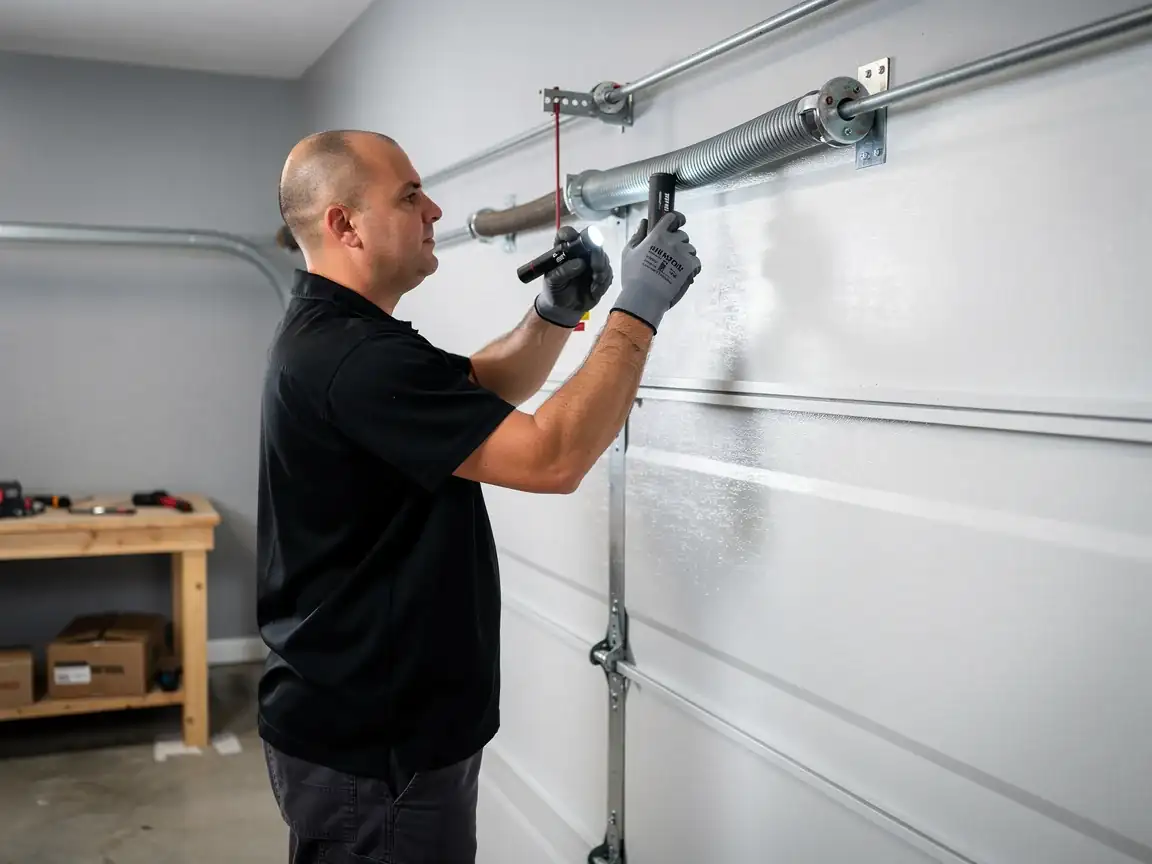
The practical upshot: parts for a 1992-era door are easier to source than parts for something built in 1960, but 30-plus years of cold-climate cycling still wears out rollers, cables, and spring coils on a predictable schedule. We're not guessing at what's behind the door when we drive out - we're bringing the right springs and roller sets the first trip, not the second.
What Was Built Here
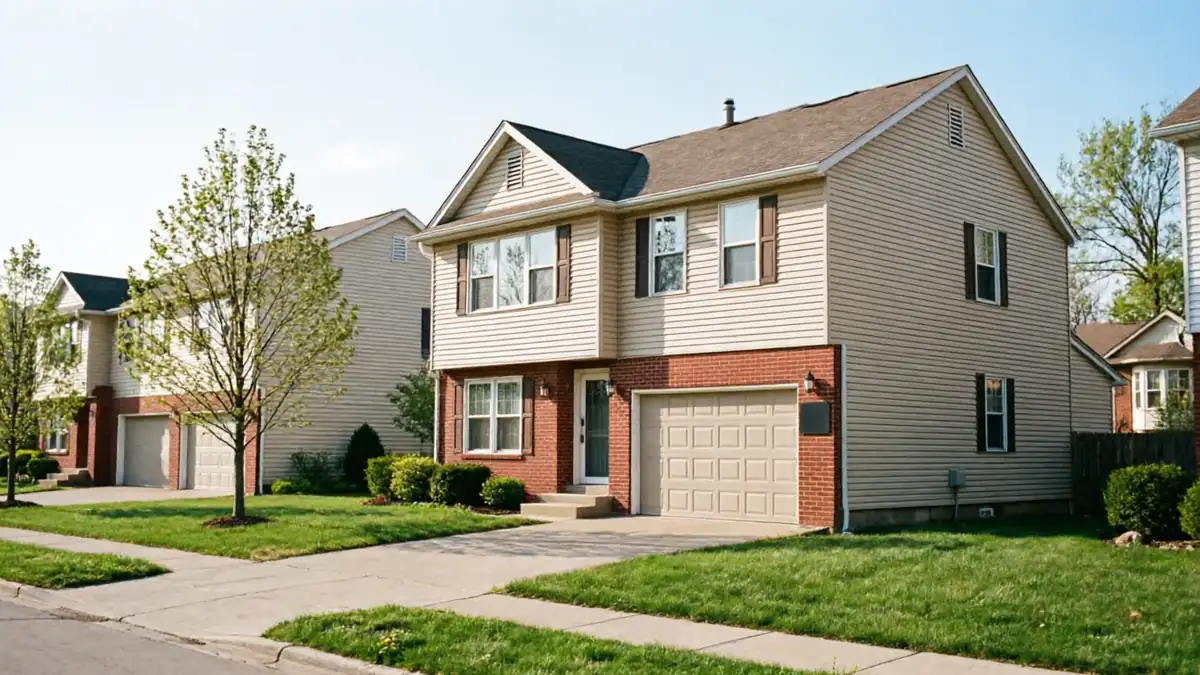
Bartlett's homes cluster tightly around a 1992 median build year
Which is newer than the broader service area's 1981 median across the mix of 48 named communities. That's a meaningful gap - a decade's difference in construction means different opener models, different door insulation standards, and different failure points than what we see in older parts of this region.
The area carries roughly 14,332 households
And household income here runs noticeably higher than the service area's $106,211 median at around $130,479. That tends to track with better-maintained original equipment and owners who replace an opener before it fully dies rather than running it into the ground. It also means when something does fail, it's more often a single worn part - a cable, a sensor, a spring - than a door that's been neglected for years.
- 14,332 households
Common Jobs Here
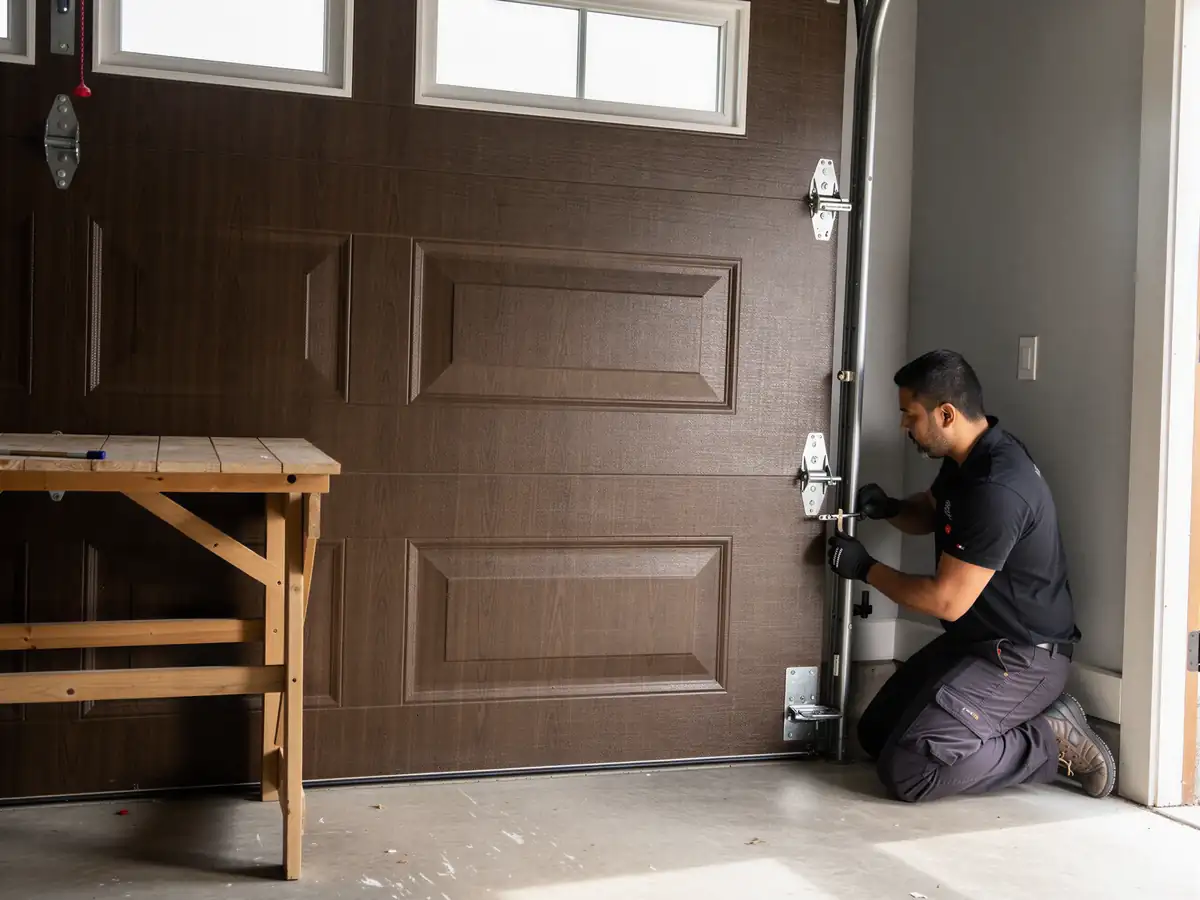
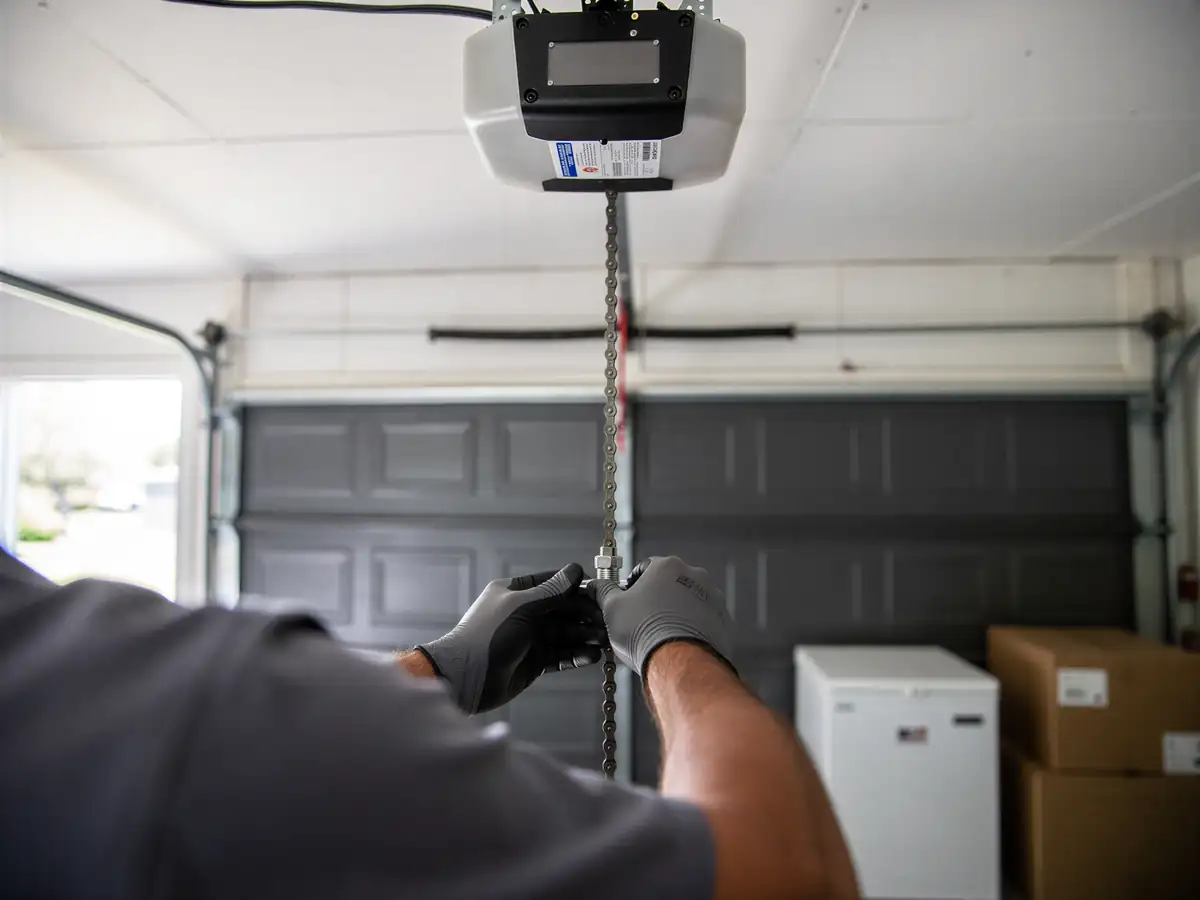
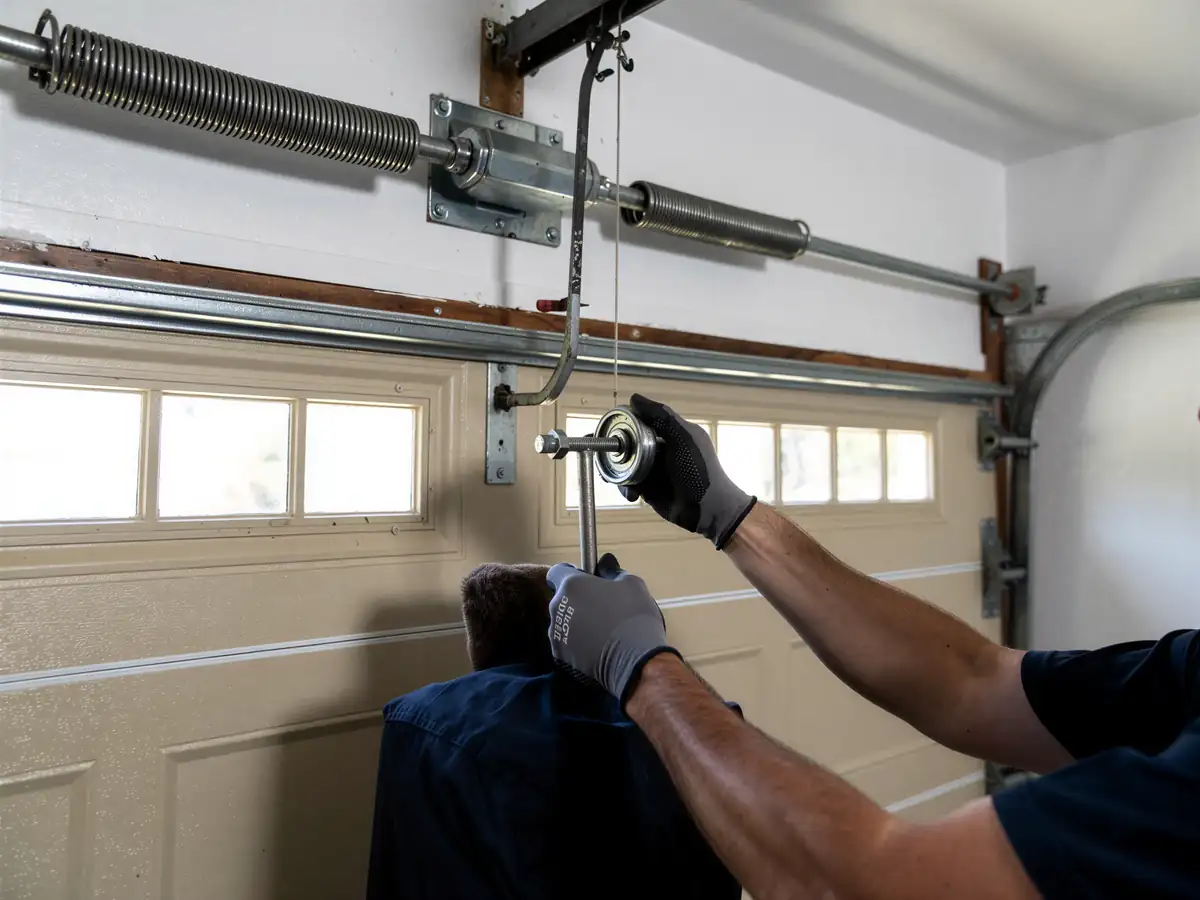
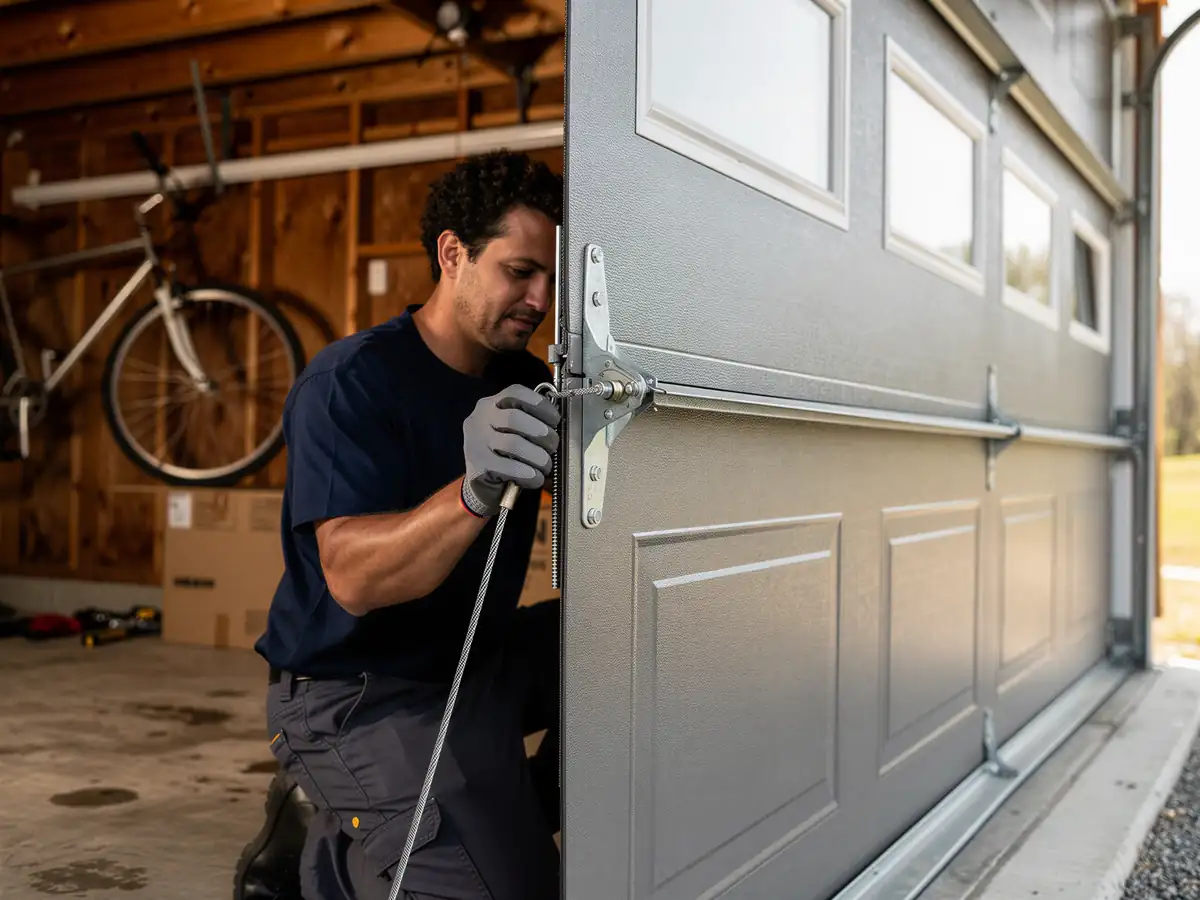
Given the 1992-era build cycle, the jobs we see most in Bartlett are torsion spring replacement on doors that have hit their cycle count, worn nylon rollers that have gone from quiet to grinding, and opener logic boards or sensors failing after 20-plus years of Illinois winters. Extension spring setups, common on the attached garages built through the early 90s, tend to need safety cable retrofits if the house has never had one added.
We also get calls for broken torsion springs on double-wide doors, which is a heavier spring load than you'd see on a single door and shouldn't be handled as a DIY job. Less common but not rare: openers that still run fine but have outlived their keypad or remote compatibility, since 90s-era doors are old enough now that original remotes are discontinued.