Serving Aurora, IL & nearby
(630) 415-1529
Aurora, IL

What We Actually Check During an Aurora Service Call

A breakdown of what a garage door service call actually checks on Aurora homes built 1958-2003, with the cold-climate wear points we look for first.

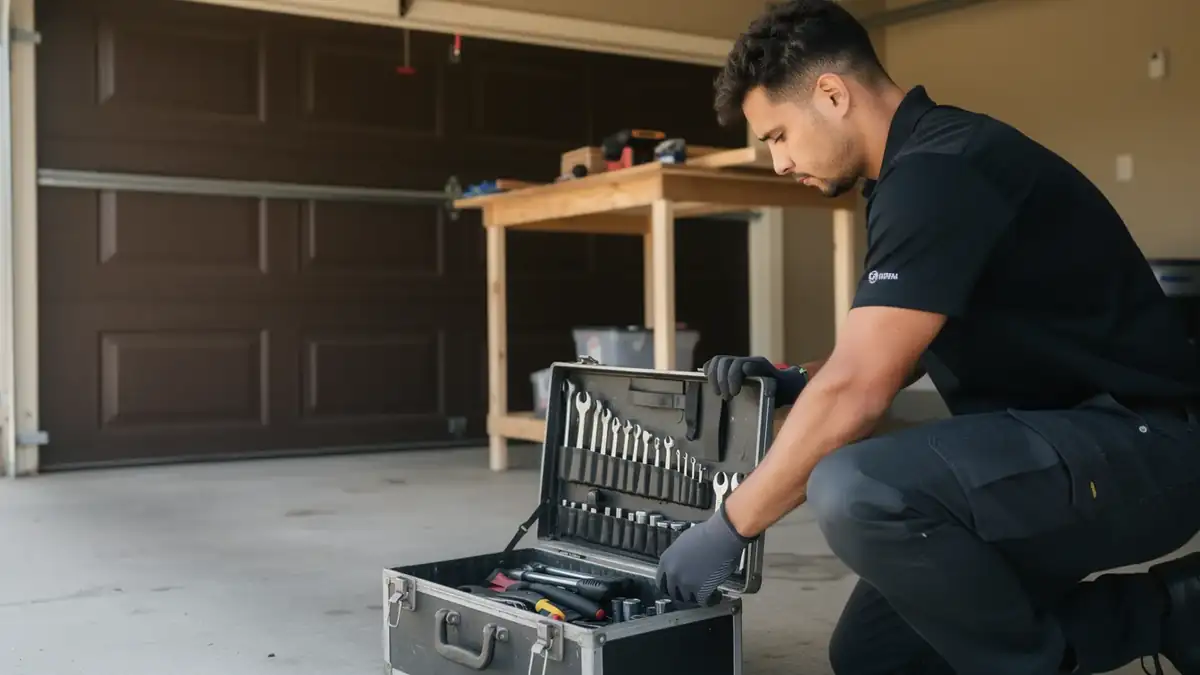
A technician kneels, opening a toolbox in front of a brown garage door.

How Local Conditions Play In

Aurora's housing stock runs from 1958 up through 2003, with the bulk of it dating to the 1980s and 90s across the 48 named areas in this service territory. That range matters because it spans three or four distinct eras of garage door hardware - extension springs on older side-mount tracks, early torsion conversions, and the sectional steel doors that became standard by the late 80s. A service call on a 1960s build looks different from one on a house finished in 1998, even if they're two streets apart.

The climate band here is cold-moderate, which means the door and opener go through a real freeze-thaw cycle every winter, not just a few cold mornings. Steel panels contract, nylon rollers stiffen, and grease that worked fine in October can gum up by January. We check lubrication and panel seating on every call for that reason, not because it's a standard checklist item but because the cycle actually does the damage here.

We work North Aurora, Boulder Hill, Montgomery, Batavia, and the rest of the towns within about 15 miles, and the housing mix doesn't change much block to block - mostly 80s and 90s builds with pockets of older stock mixed in.

When to Get Help

Call when the door is slow to close in cold weather, when it reverses partway up for no clear reason, or when you hear a grinding sound from the opener that wasn't there last month. On houses from the earlier end of Aurora's 1958-2003 build range, a door that's suddenly heavier to lift by hand - torsion spring or not - is worth a same-week call, not a wait-and-see.

If the opener motor runs but the door doesn't move, that's usually a cable or drum issue, not the motor itself, and it's not a DIY fix on a loaded spring system. Don't wait for the door to fail shut before calling; a door that's sticking or dragging now is cheaper to deal with than one that's stuck.

A garage that doesn't get heated and sits exposed to the cold-moderate swings we get here will show wear on seals and weatherstripping faster than a conditioned one. If your door is from the earlier half of the 1958-2003 range and still has its original hardware, that's a reasonable trigger to have it looked at even without a symptom yet.

The Common Mistake

  1. The mistake we see most in this income bracket

    Aurora's median household income sits at $106,211 - is spending on a full opener replacement when the actual failure is a $40 sensor or a misaligned track, because the homeowner assumed newer meant simpler to diagnose. It doesn't. Older hardware from the earlier end of the 1958-2003 range is often easier to fix correctly because the parts are mechanical and visible, not boards and logic chips.

  2. The second mistake is lubricating the track and rollers but skipping the hinges and the spring itself

    Which is where the cold-moderate climate actually does its work. A can of spray lubricant on the track looks like maintenance but misses the parts under tension that actually fail.

  3. We won't sell a full door replacement on a call where the fix is a spring or a cable

    That's not always the profitable call for us, but it's the honest one, and most of these jobs in the 80s/90s-era housing common across this area come down to a handful of worn parts, not a bad door.

The Problem

Across the 311,217 households in this service area, with 158,029 of them owner-occupied houses, the door and opener are treated like fixtures - something nobody looks at until it stops working. Given that most of the stock here dates to the 1980s and 90s, a lot of original hardware is now 25 to 40 years into a cold-moderate climate cycle it wasn't built to run that long under.

The honest limitation: we don't carry every obsolete part for the oldest doors in the 1958-62 range, and sometimes the right answer on those is a replacement door rather than a repair, because sourcing original hardware can take longer than the job is worth. We'll tell you that straight rather than stretch a repair that won't hold.

A service call should tell you which stage of that cycle your door is in - early wear, mid-life part failure, or end-of-life hardware - not just patch whatever's loudest that day.
How it works

From “it’s stuck” to “it’s fixed”

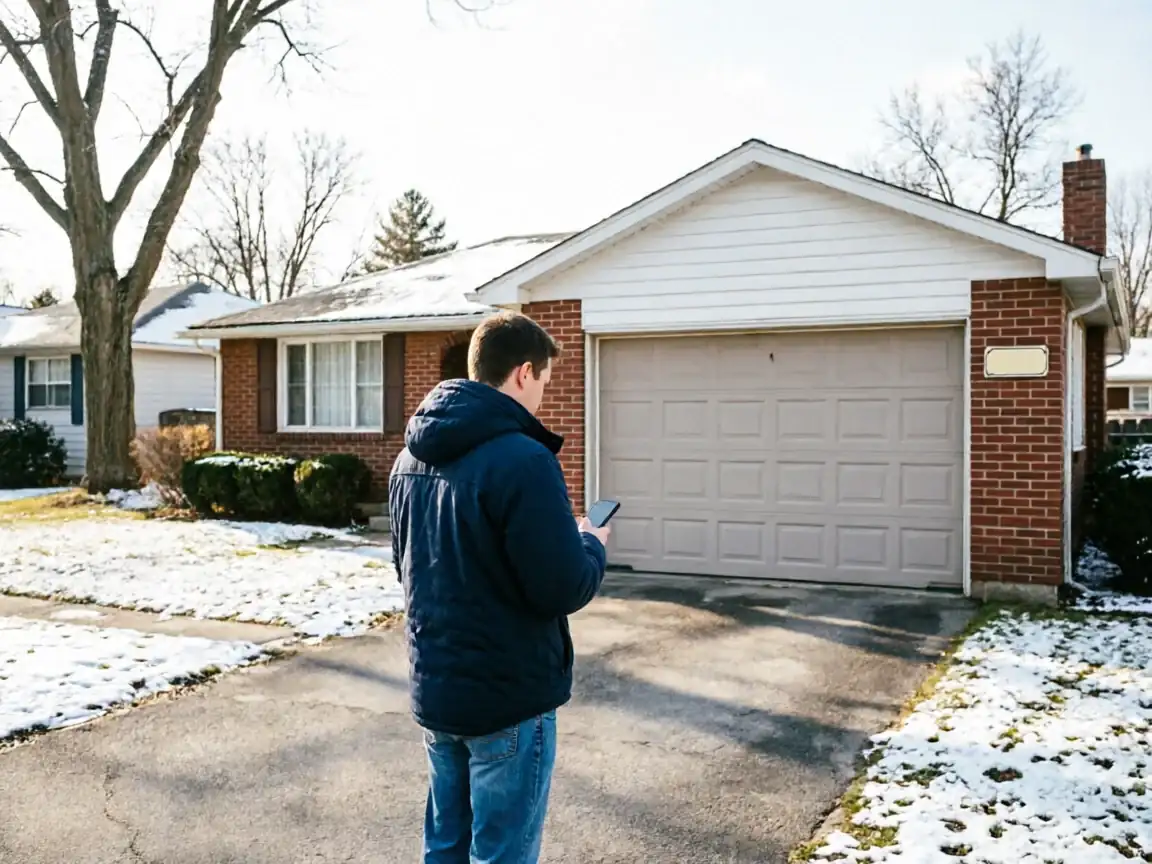
A man stands in a snowy driveway looking at his phone, facing a closed garage door.

Tell us what’s wrong

Describe the symptom - won’t open, loud bang, opener runs but the door won’t move.

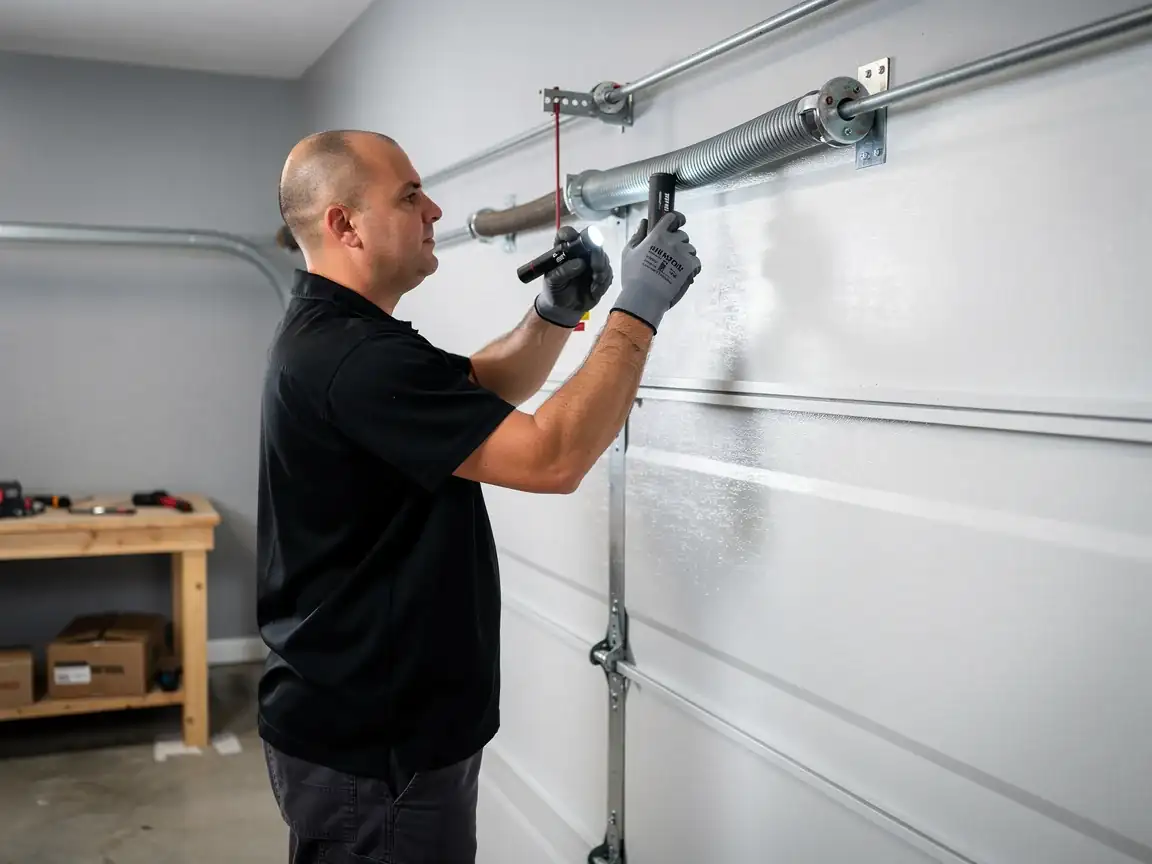
A technician inspects a garage door torsion spring with a flashlight.

On-site diagnosis

A technician tests the door under power and by hand and finds what actually failed.

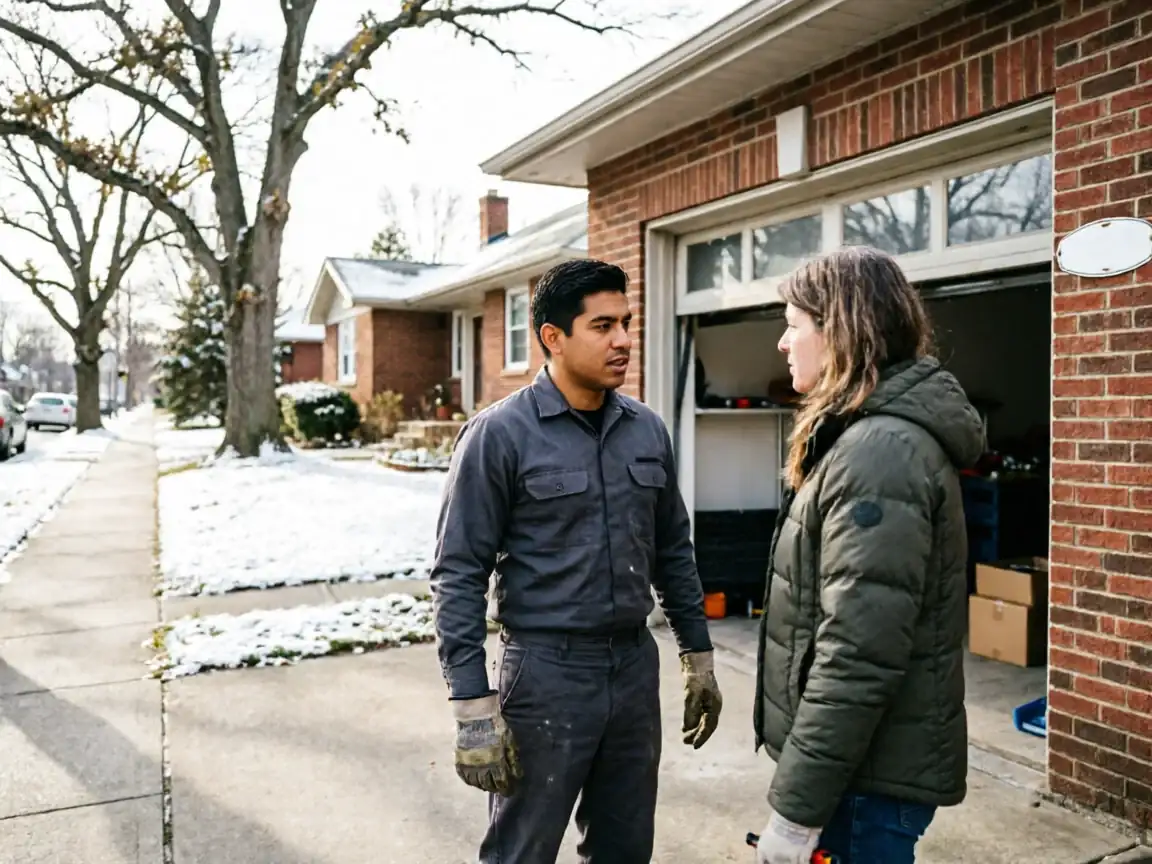
A technician talks to a woman in front of a house with an open garage door.

Clear, up-front plan

You get the fix that’s needed and what drives the cost - before any work starts.

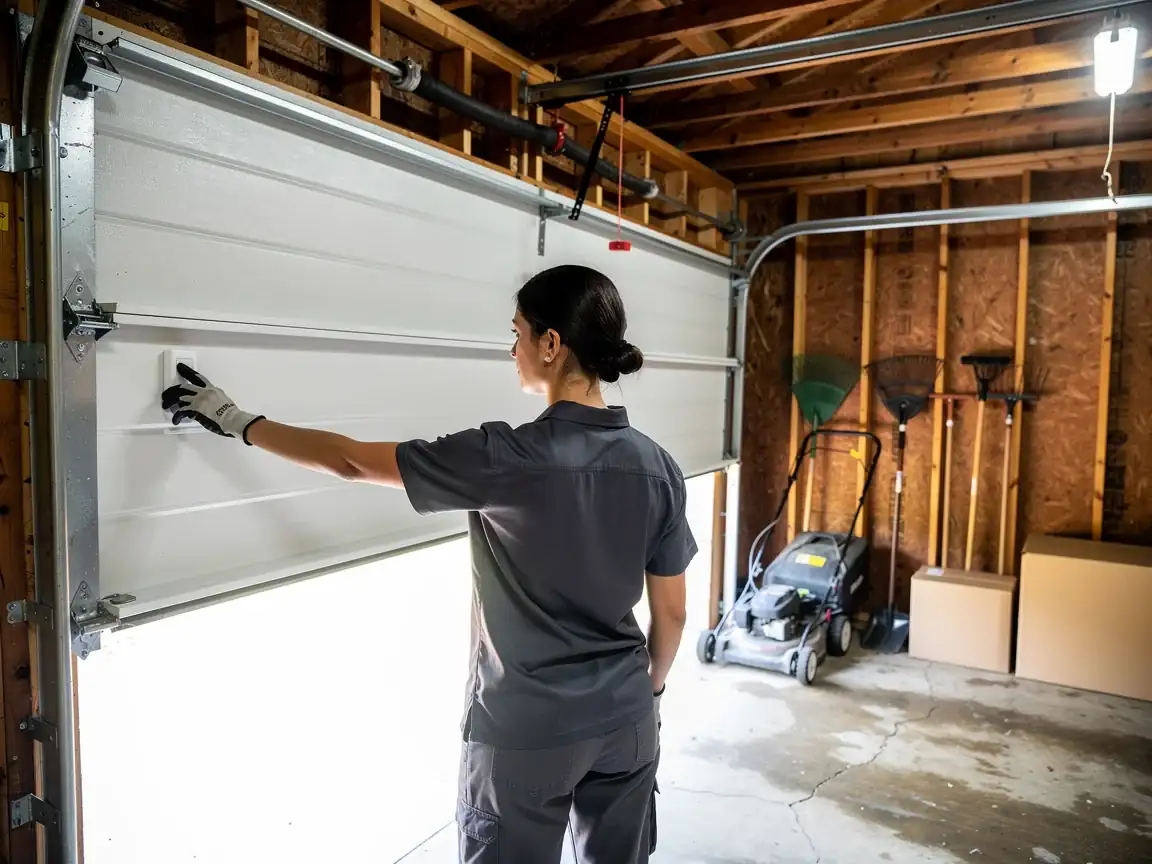
A technician in a gray uniform presses a button on a white garage door.

Repaired & tested

The repair is done, the door is set true and tested, and the work area left clean.

Not sure which repair your door needs in Aurora, IL? Describe what it’s doing - every job starts with a diagnosis.

How we work

What to expect

Diagnosis firstEvery visit starts by finding what actually failed - not a pre-written parts list.
The right part for the doorSprings and openers matched to the door’s weight and age, so the fix holds up.
Straight answersWhen a repair makes more sense than a replacement - or the reverse - you hear it plainly.
Clean, careful workTension released safely, hardware set true, the door tested under power before we leave.
What we do

Garage Door Services

Repair and installation work for Aurora homes and businesses.

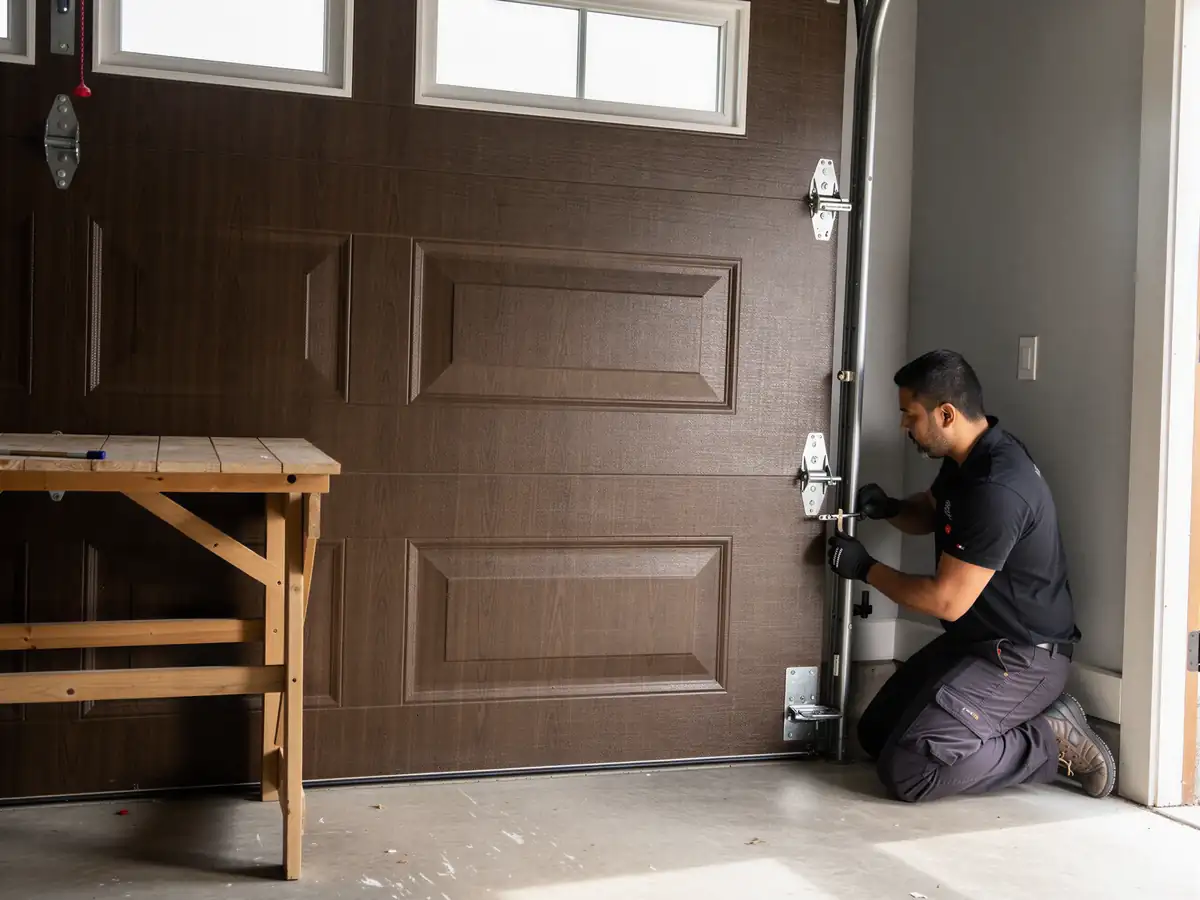
A technician kneels, adjusting the brown garage door's track and hinges.

Garage Door Repair

Aurora Garage Door Pros fixes springs, openers, and tracks on the 1958-2003 housing stock common across Aurora, IL, built for a cold-moderate climate.

Learn more
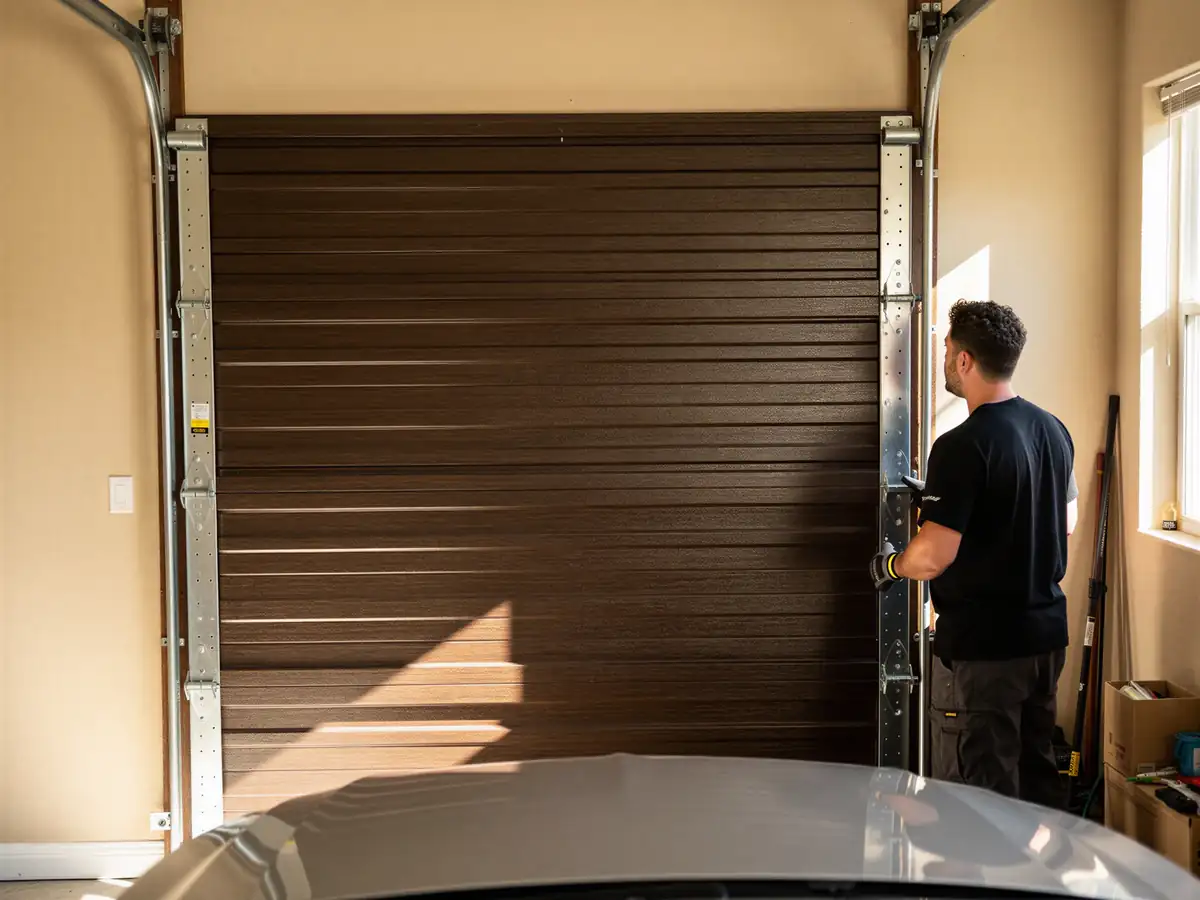
A technician stands next to a closed brown garage door.

Garage Door Installation

New garage door installation in Aurora, IL, built around the area's 1958-2003 housing stock and cold-moderate climate. Insulated doors sized for openings this area actually has.

Learn more
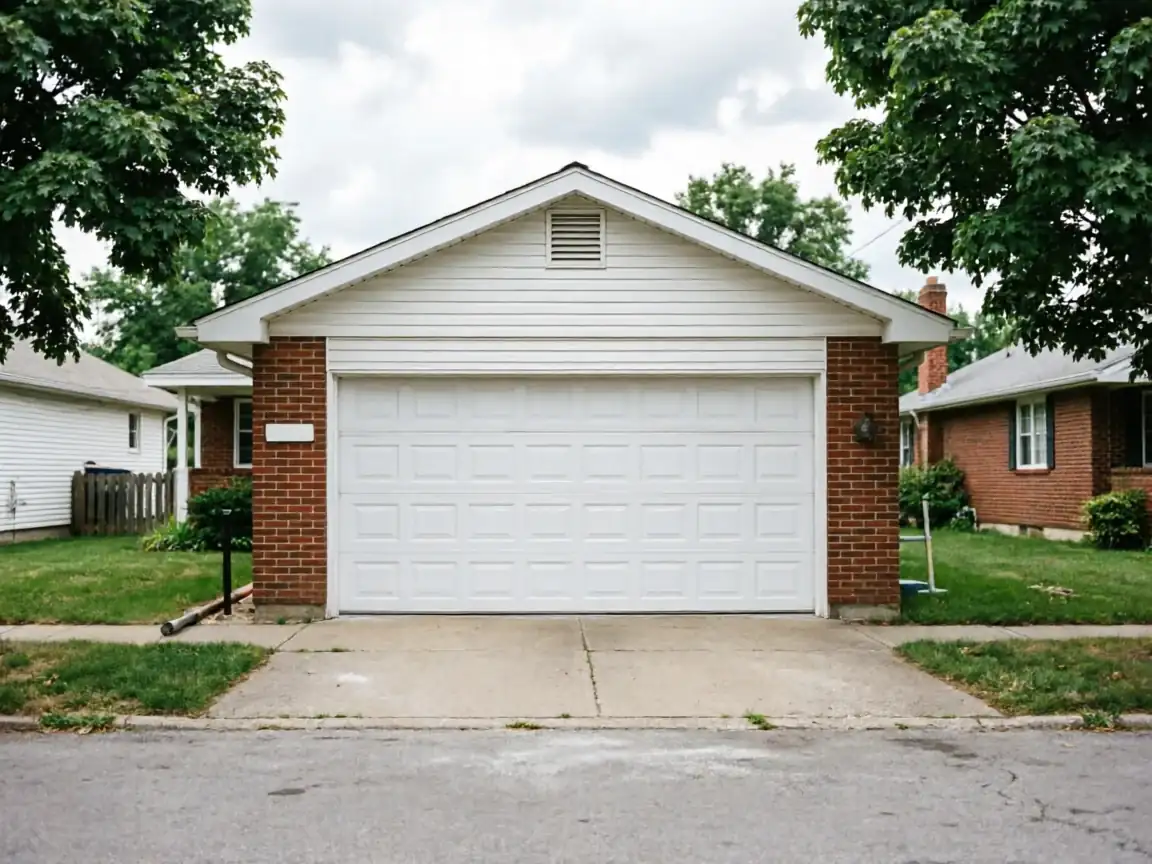
A white garage door on a brick house with white siding and a driveway.

Garage Door Service

Aurora homes built mostly between 1958 and 2003 wear out original springs and openers at a predictable rate. Here's what fails, why, and what the fix looks like.

Learn more
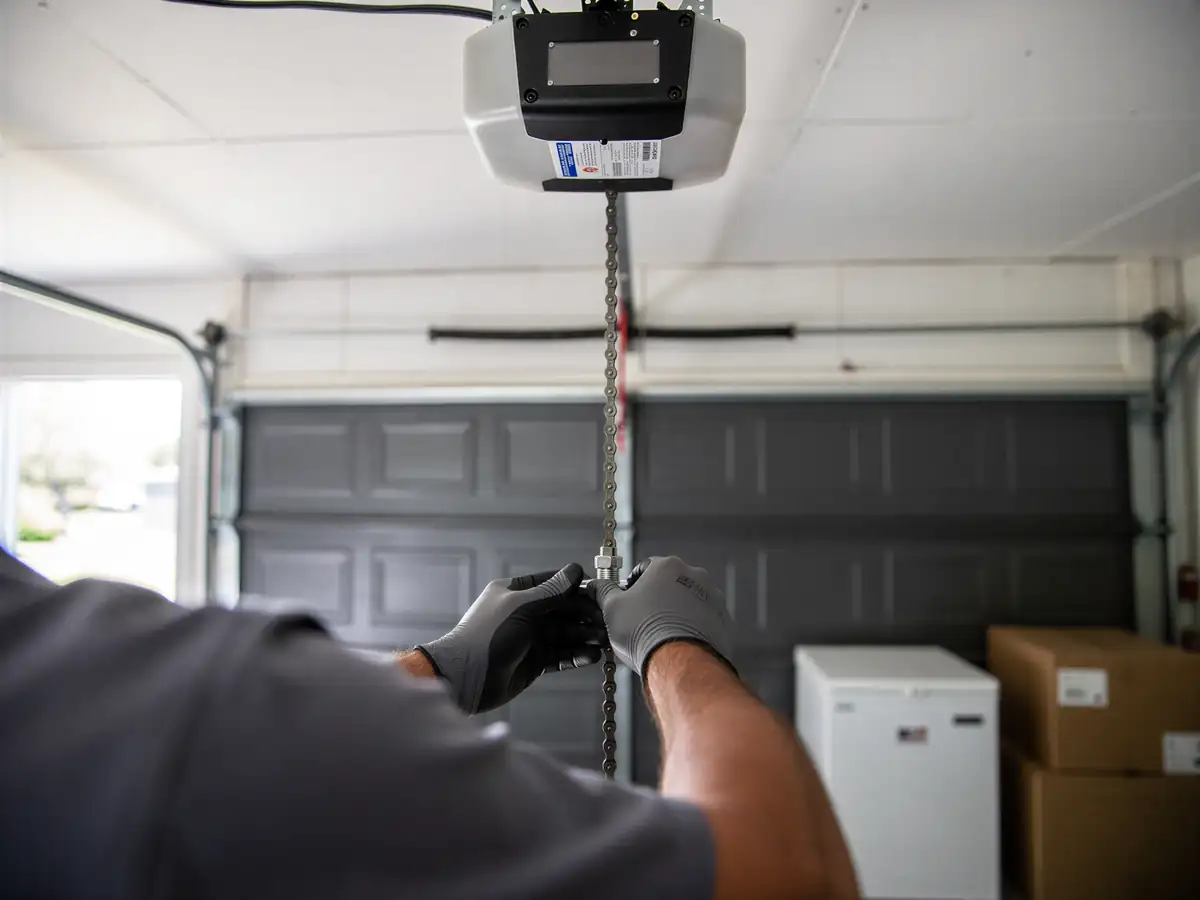
A technician in gloves adjusts the chain on a garage door opener.

Opener Repair

Garage door opener repair across Aurora, IL. We fix dead openers, grinding gears, and dropped remotes on the 1980s-90s openers common in local housing stock.

Learn more
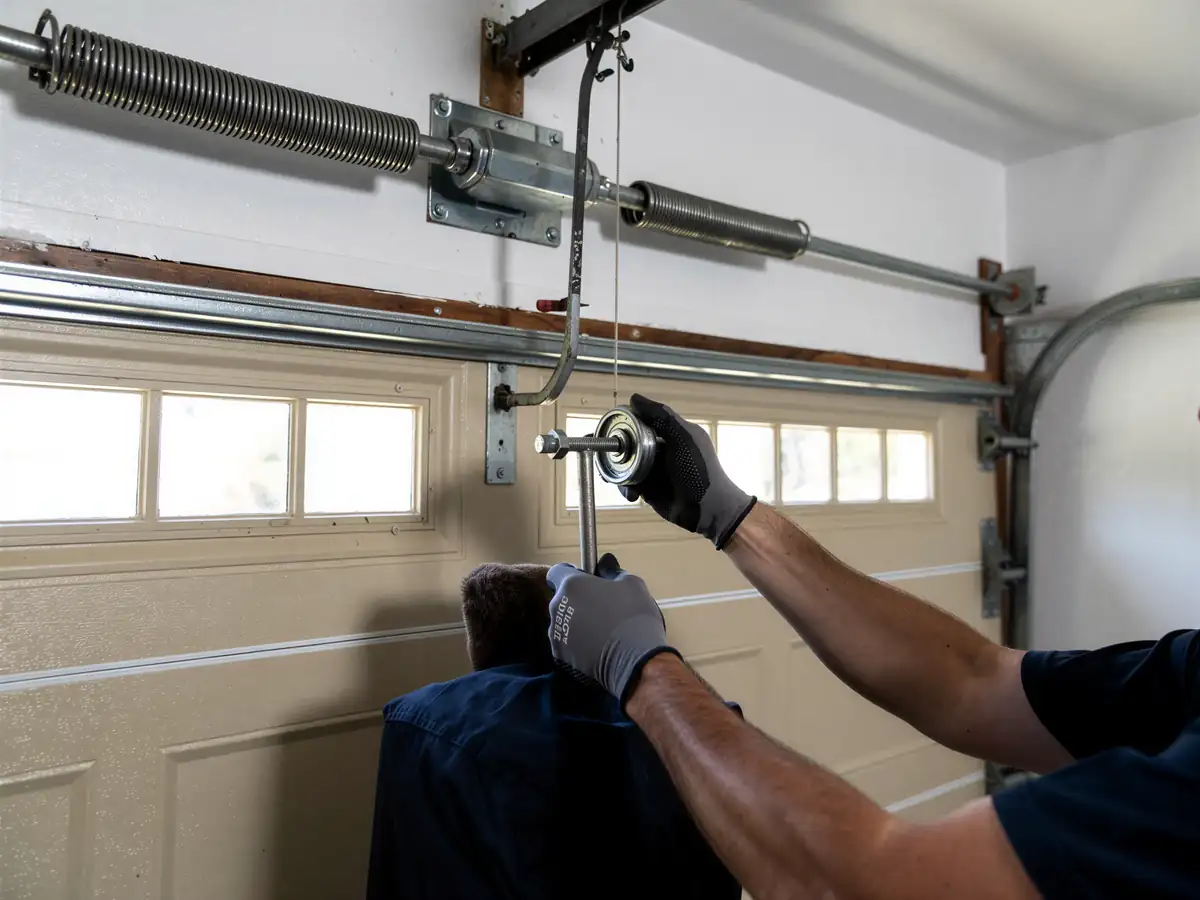
A technician adjusts the torsion spring and cable drum of a garage door.

Spring Repair

Torsion and extension spring repair for Aurora, IL homes built mostly in the 1958-2003 window, where cold winters and original hardware wear springs out fast.

Learn more
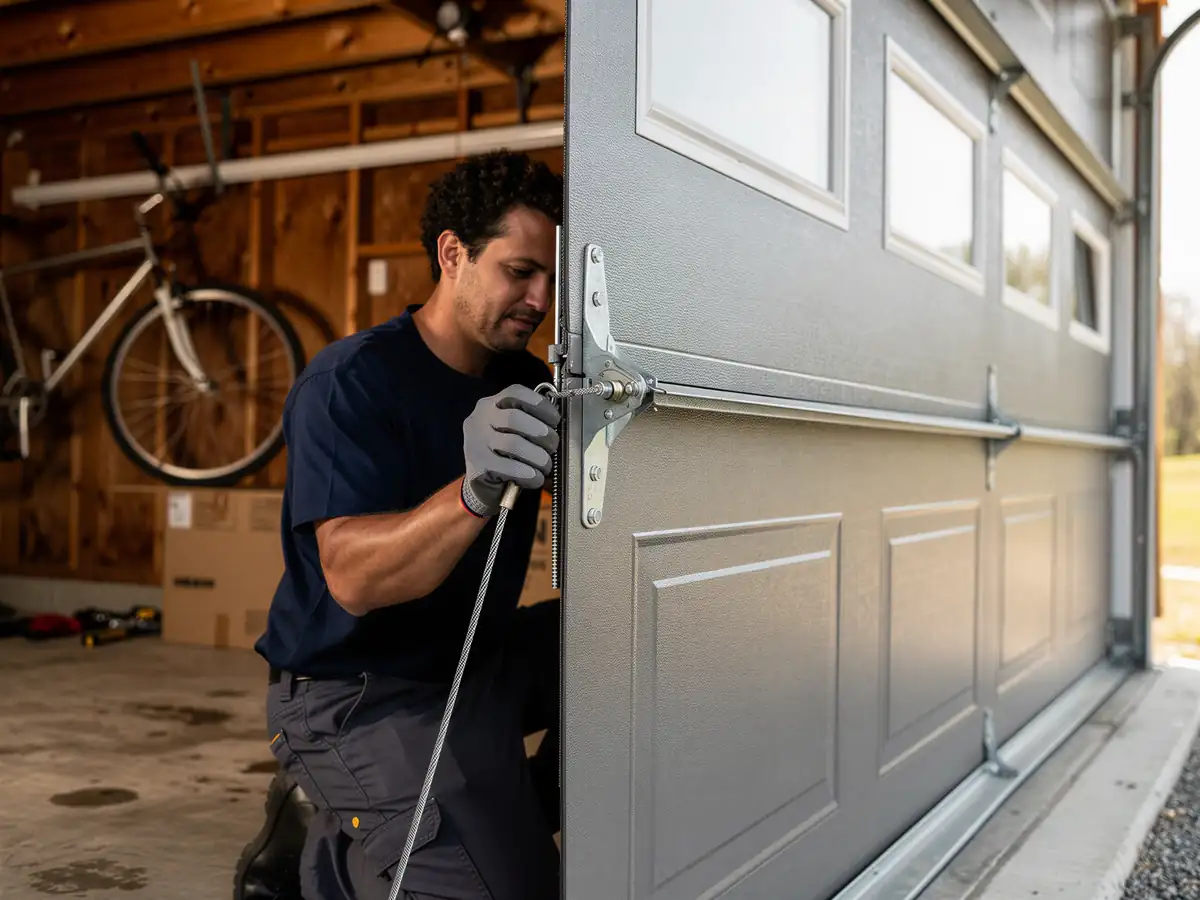
A technician kneels, working on the cable and roller of a gray garage door.

Cable Repair

Cable repair for Aurora homes built mostly between 1958 and 2003, where cold winters and original hardware wear through lift cables faster than owners expect.

Learn more
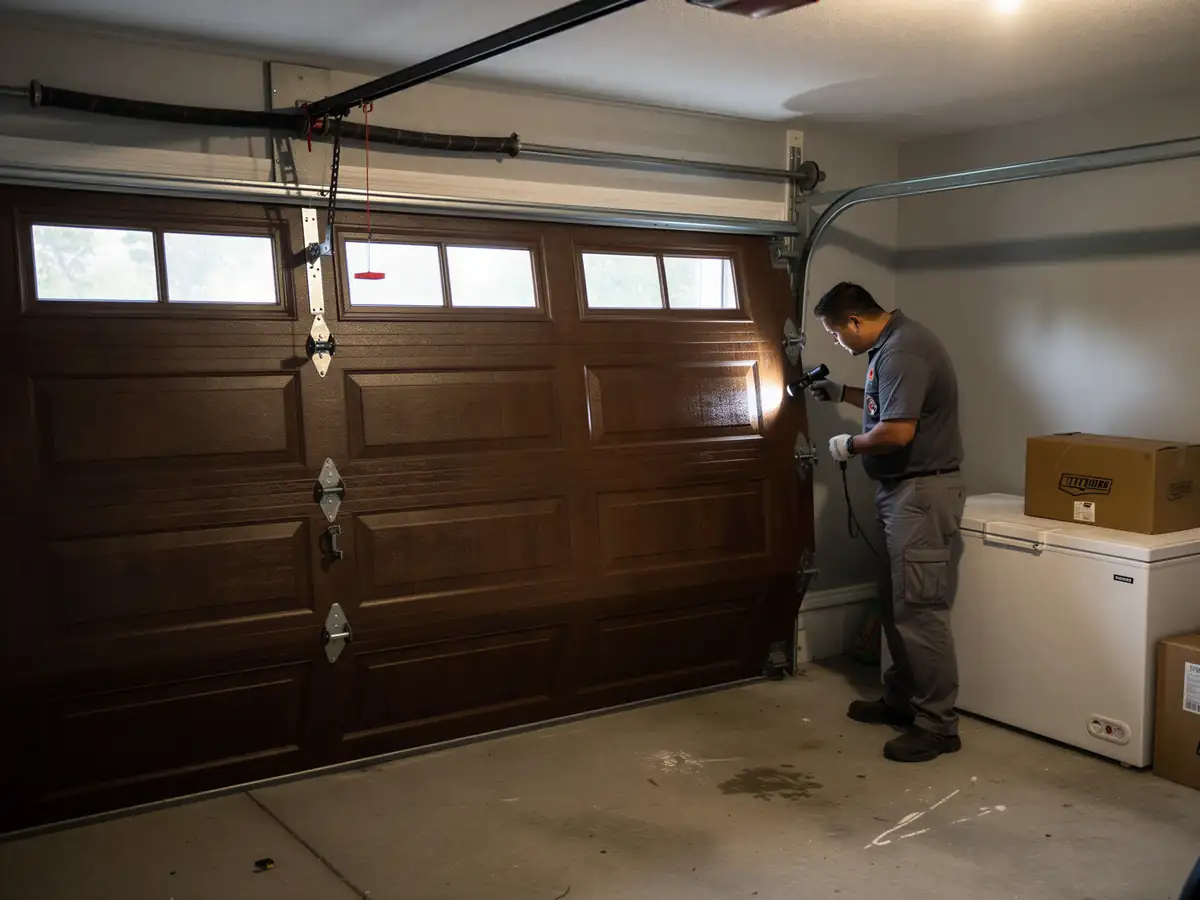
A technician inspects a brown garage door with a flashlight.

Off-Track Repair

Garage door off track in Aurora? We work on the 1958-2003 housing stock across the service area and know how cold snaps bend track on older rollers. Call for a fix.

Learn more
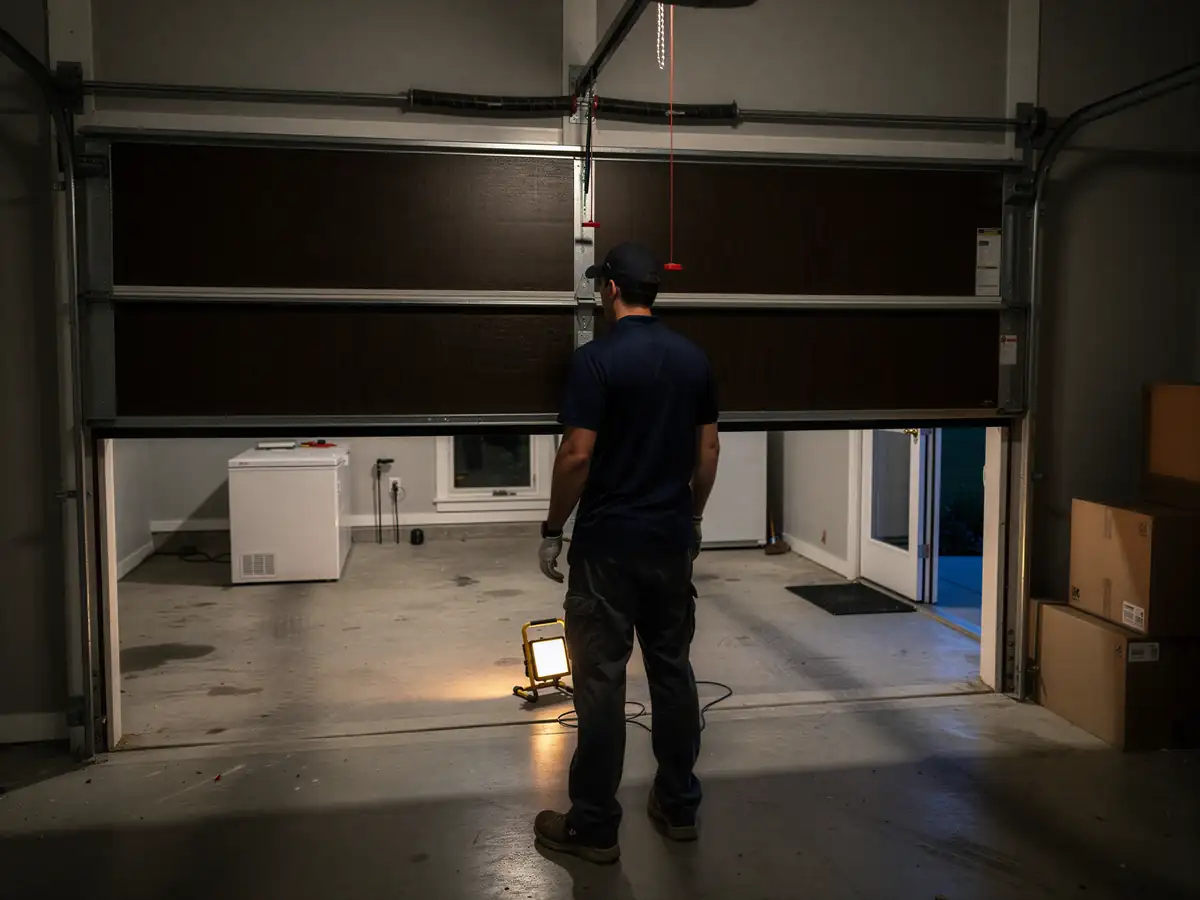
A technician stands in a garage looking at a partially open garage door.

Emergency Garage Door Repair

Broken spring or dead opener in Aurora, IL? We fix the doors common to 1958-2003 housing stock fast, with parts on the truck for cold-weather failures.

Learn more
Questions

Frequently asked

Straight answers about garage door repair in Aurora. Still unsure? Ask us directly.

Does Aurora's winter actually affect my garage door?

Yes. The cold-moderate climate here puts the door and opener through a real freeze-thaw cycle each winter, which stiffens lubricant, tightens cables, and makes worn rollers and hinges fail faster than they would in a milder climate. We check those points on every call for that reason.

My house was built in the 1980s - is that an issue for parts?

Not usually. Most houses in this area date to the 1980s-90s, so hardware from that era is common and parts are easy to source. Older 1960s builds with original side-mount track hardware are the ones where sourcing gets harder.

How do I know if I need a repair or a replacement?

If the door is from the earlier half of the 1958-2003 range and the hardware is original, repeated small failures usually mean replacement is the better value. A single worn part on a newer door is almost always worth repairing rather than replacing.

Ready to get your garage door sorted?

Tell us what it’s doing and where you are in Aurora - we’ll take it from there.

Request a QuoteCall