What Can Go Wrong
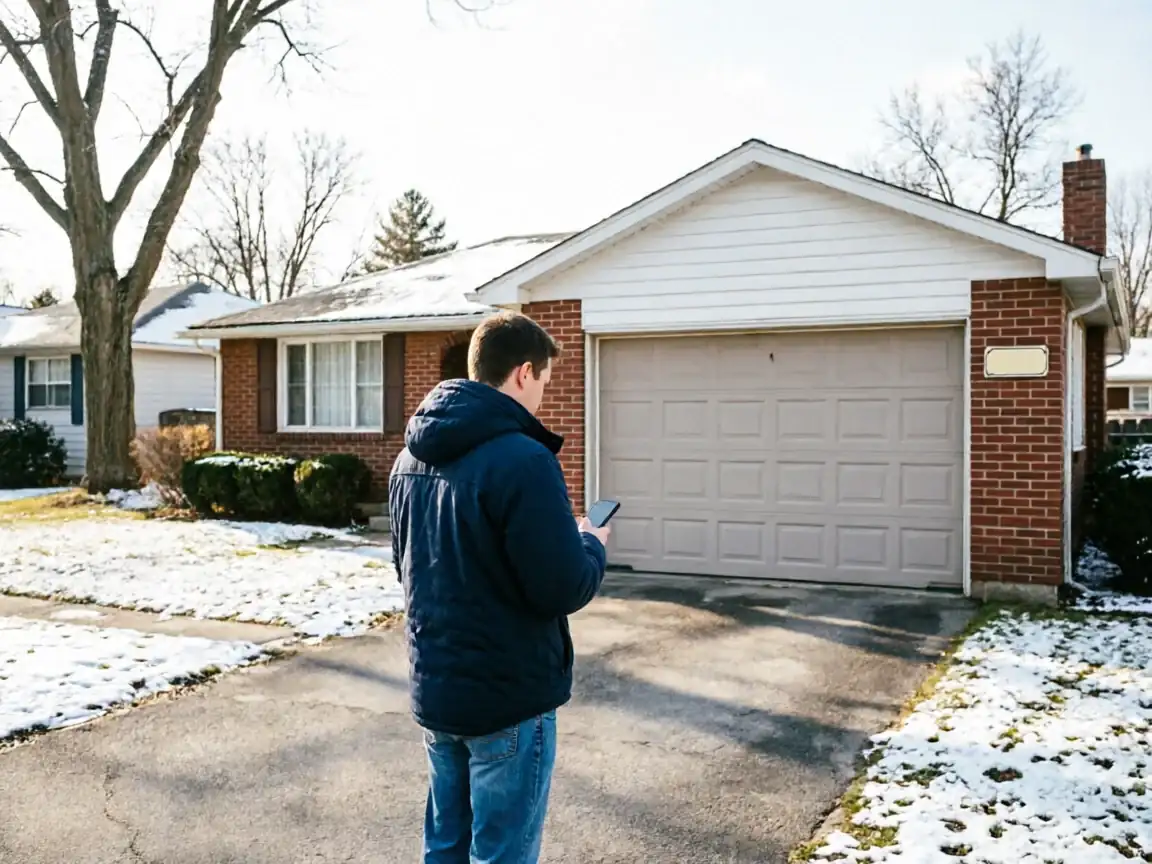
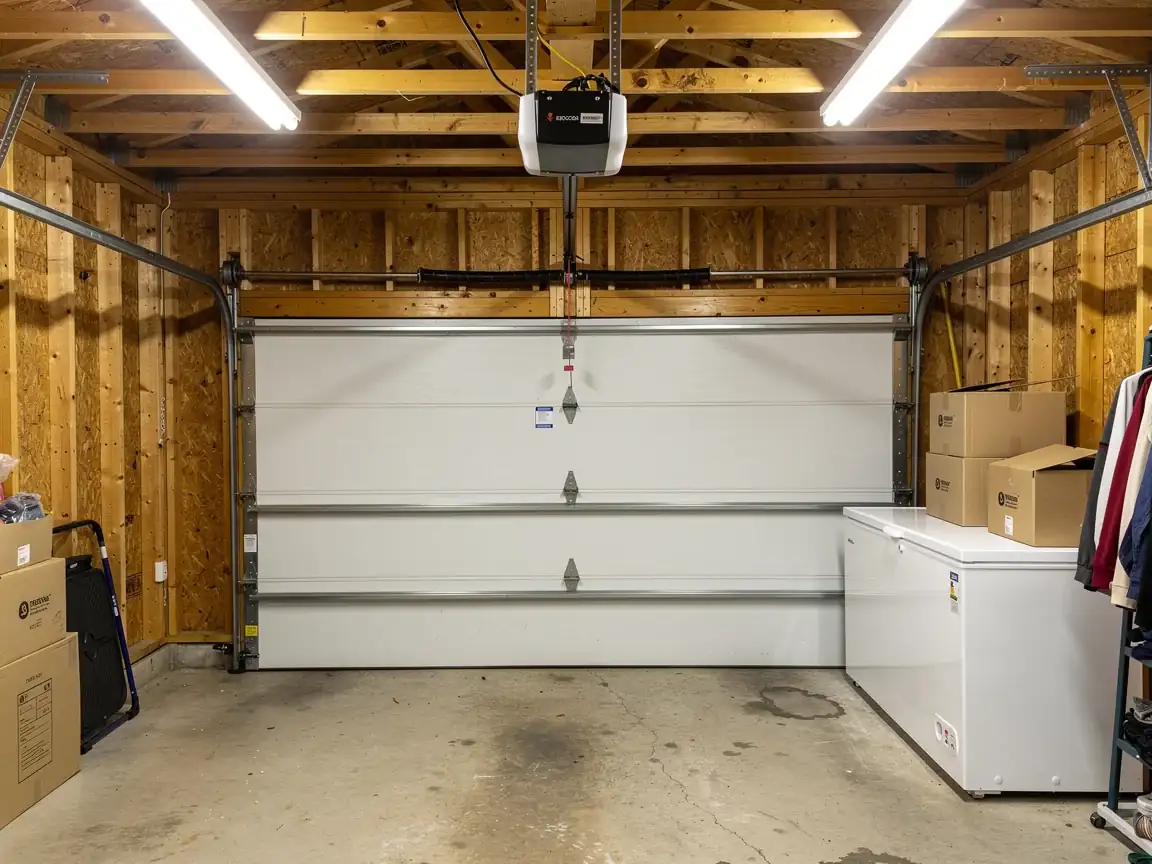
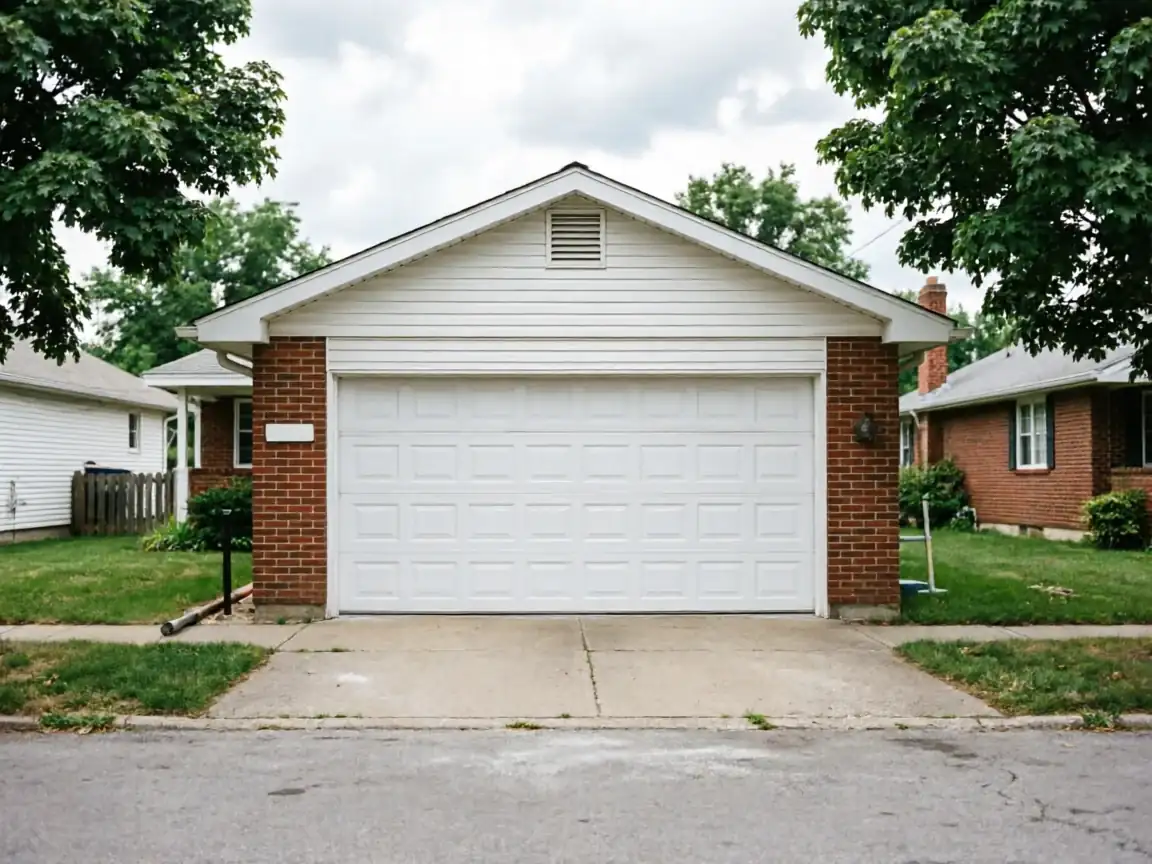
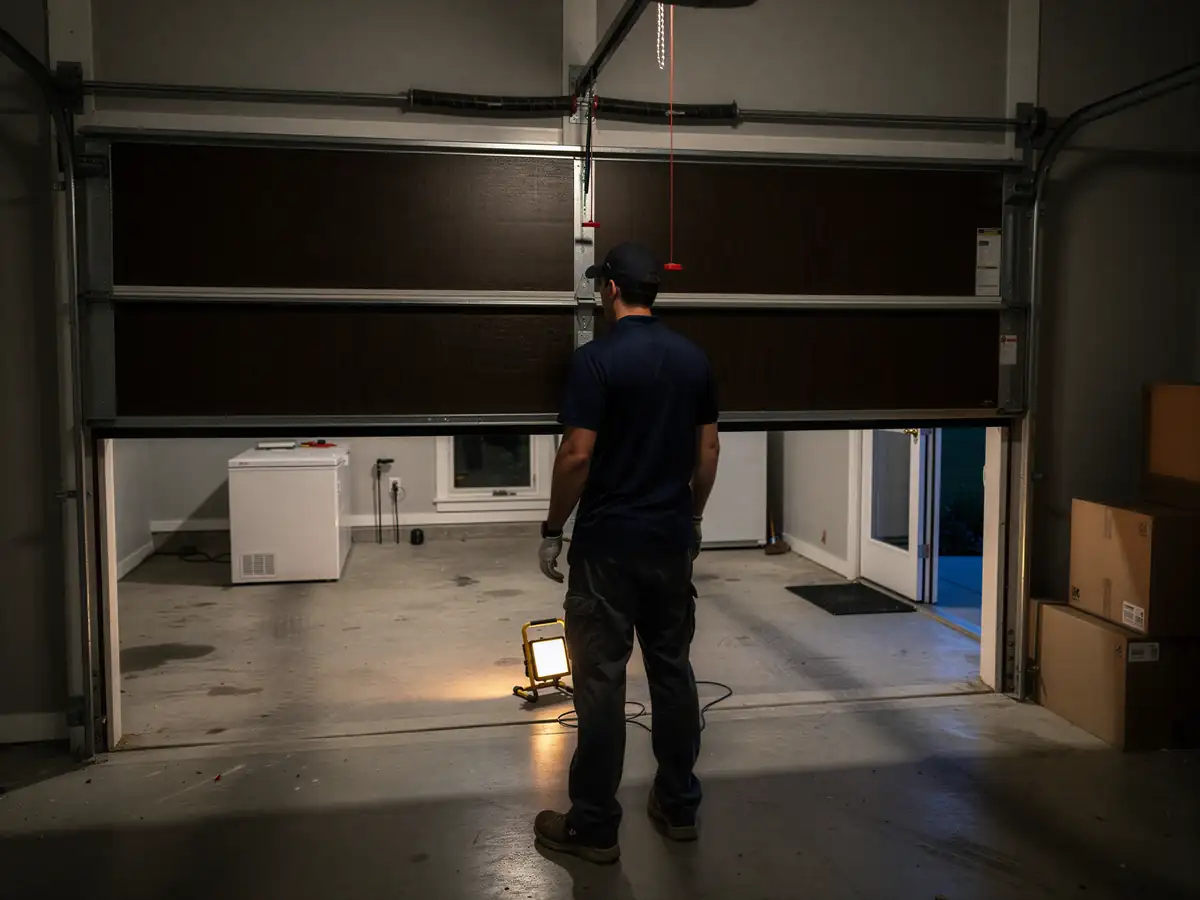
Sugar Grove sits about 8 miles from our Aurora shop, which matters more for openers than it does for spring jobs. A spring call is the same everywhere. An opener call depends on what's actually bolted to the ceiling, and here that's newer gear than in a lot of the towns we cover. With a median build year around 2002, most garages in Sugar Grove came with belt or chain-drive openers from the early 2000s, not the older chain-drive units with mechanical limit switches you still find in 1960s housing closer to Aurora's core. That means the failures lean toward circuit boards, logic boards gone bad from power surges, and safety sensor alignment rather than worn-out gear sets.
The other common call is a dead remote or keypad that won't sync, usually tied to a board that's aged out even if the motor still runs fine. We also see belt openers that have started skipping or slipping at the drive gear, which sounds like a motor problem but usually isn't. On the drive out, we ask what the door does when you push the wall button versus the remote - that one question usually tells us whether we're bringing a sensor kit or a full logic board before we even leave the shop.
Doing It Yourself
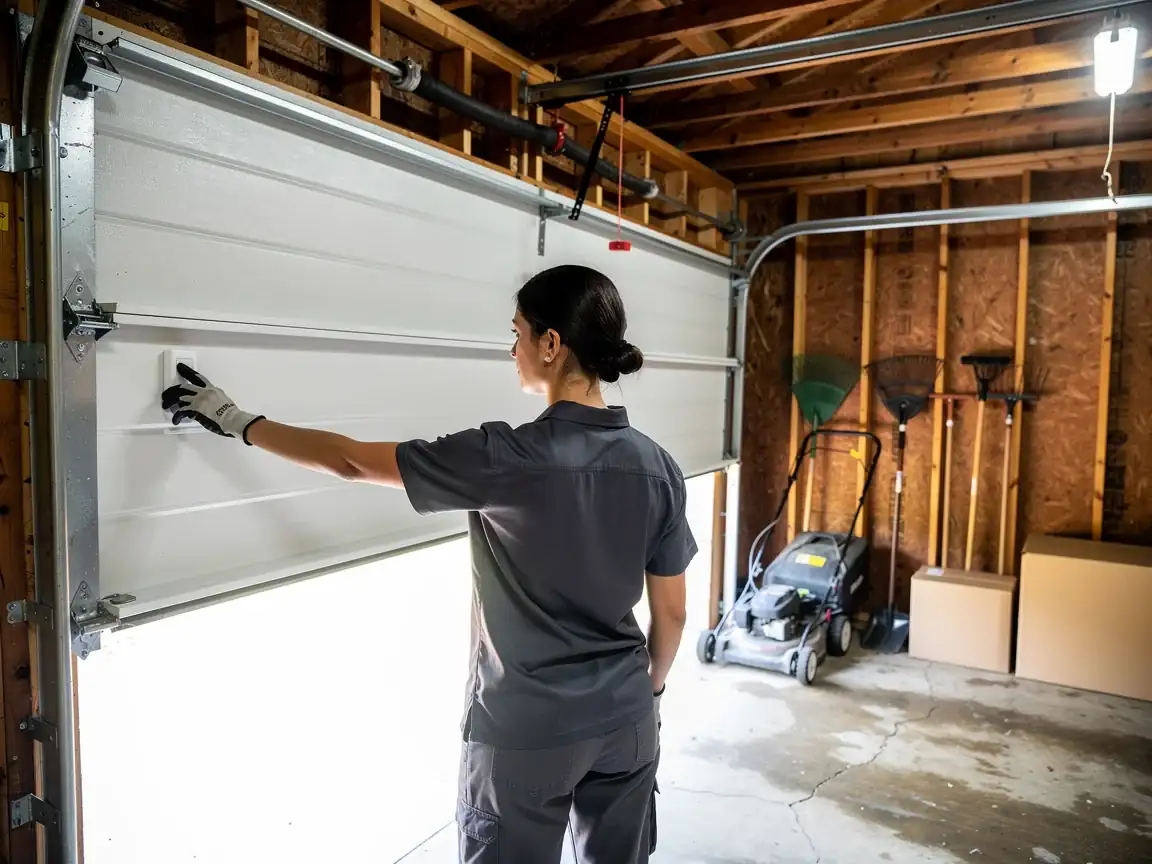
If your opener hums but the door doesn't move, check the two safety sensors near the floor on each side of the track first. A misaligned sensor or a sun-washed lens is the single most common reason a newer opener refuses to close, and it's a five-minute fix with no tools. Wipe the lenses, make sure both LEDs are solid and not blinking, and nudge the bracket until they line up.
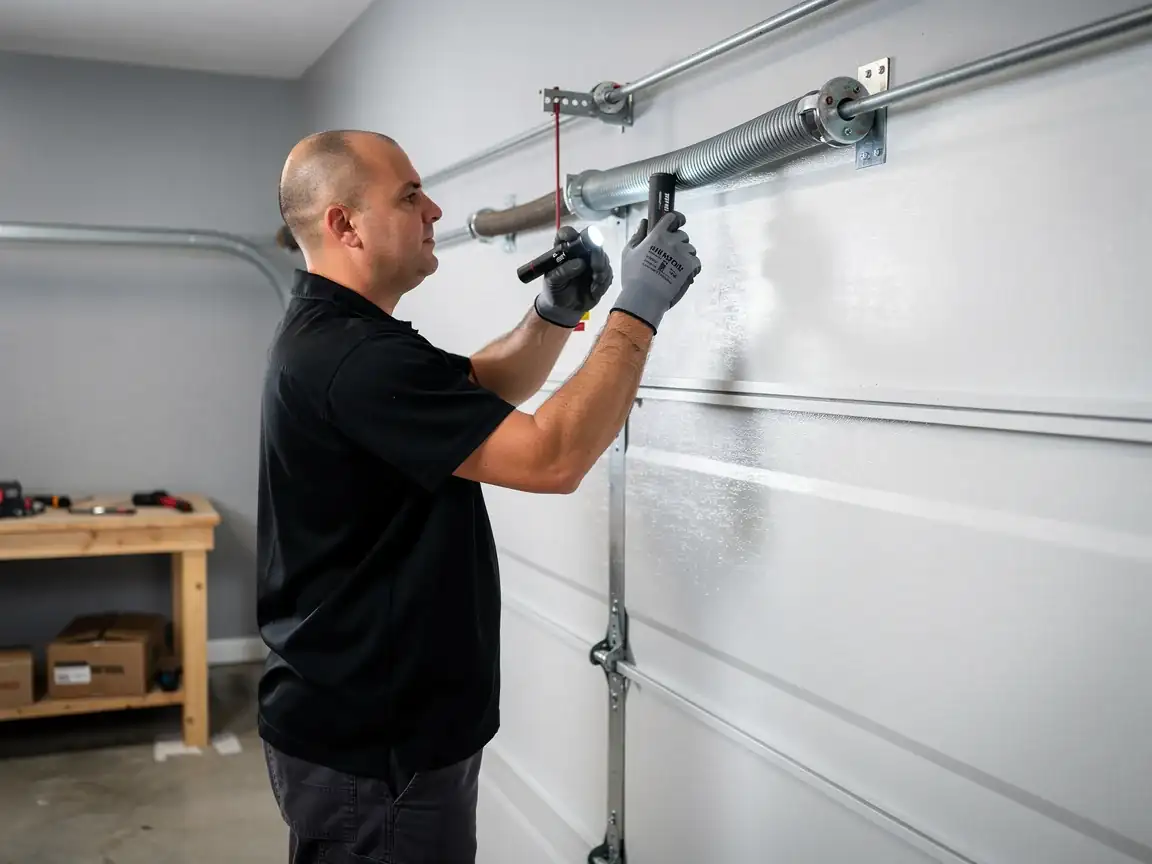
Beyond that, we'd rather you call than guess. Circuit boards in 2000s-era openers aren't user-serviceable - there's no safe way to test one with a multimeter in your garage, and swapping in a board that isn't matched to your specific motor and logic can fry both. If the opener trips the breaker, smells hot, or the remote works from across the room but not from your driveway, stop there and have it looked at rather than replacing parts on a guess.
The Symptom
The call we hear most out of Sugar Grove is some version of "it worked yesterday." The door reverses right before it touches the floor
Or the wall button does nothing but the remote still works, or the light flashes a set number of times before it gives up. Those are all board-driven symptoms, not mechanical ones, and they track with the age of the opener fleet out here - these units are old enough now that the original boards are starting to fail on schedule, not from abuse.
Less common, but it shows up
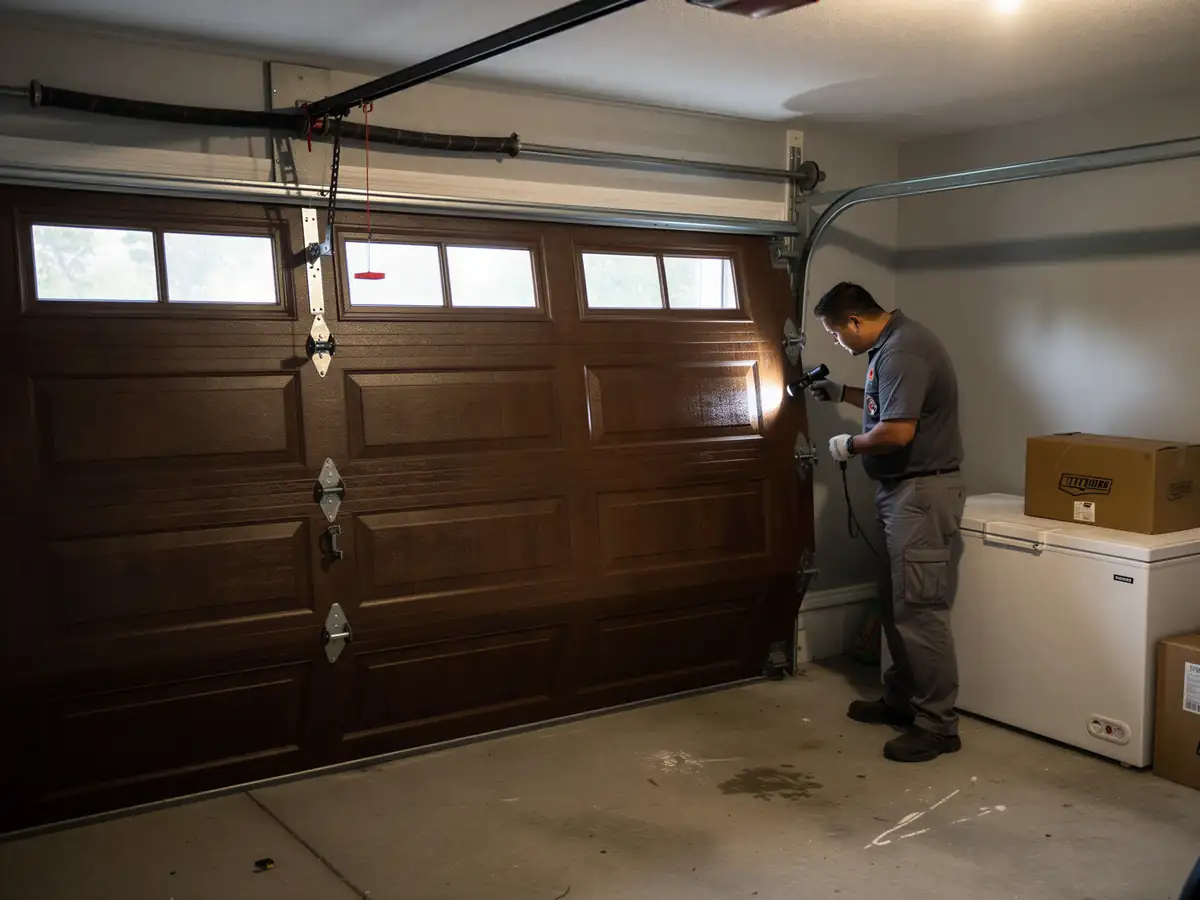
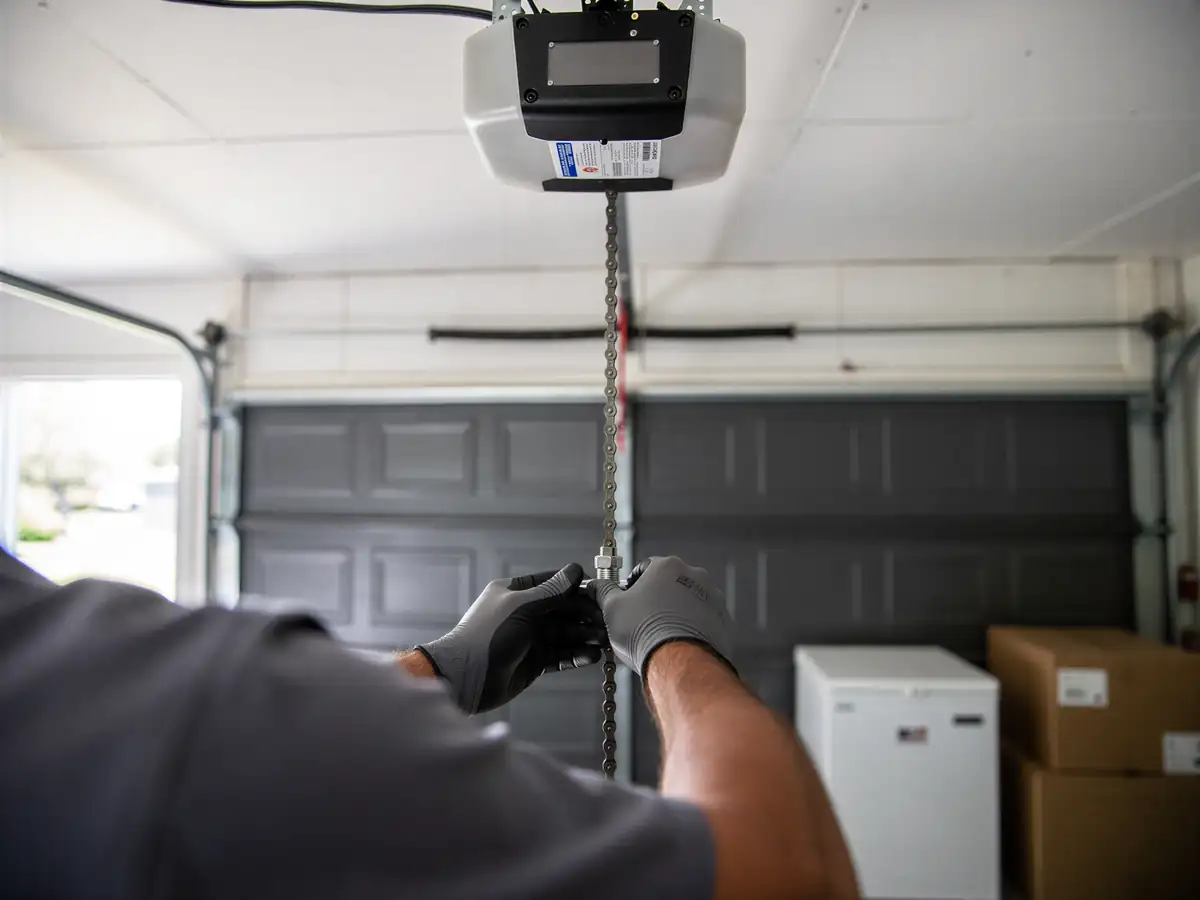
A belt that's stretched enough to let the trolley chatter partway through the cycle. That's wear, not electronics, and it's an easy diagnosis once we're standing under it. Either way, the fix starts with watching the door run a full cycle before anything gets replaced - most of what sounds like a motor problem over the phone turns out to be a sensor or a board once we're actually looking at it.
Stocked Parts
We carry the sensor kits, logic boards, and remotes that fit the belt and chain-drive openers common to Sugar Grove's 1990s-and-newer housing, since that's most of what we're asked to fix out this way. Circuit boards are the one part we sometimes have to order rather than carry on the truck - there are enough opener brands and board revisions from that era that we can't stock every combination, and if yours is an uncommon pairing, the part may take a day or two to land.
What we don't do is guess at compatibility to save a trip. If the board on the truck isn't the right match for your motor, we'll tell you that instead of forcing it, because a mismatched board is a callback waiting to happen. For most Sugar Grove jobs - sensor realignment, a worn belt, a dead remote - we're in and out in one visit from the Aurora shop.