What We Do Not Do
We run out of Aurora, not out of Montgomery, so there's no local depot and no claim of a faster response just because the job is five miles instead of fifteen. We don't stock every opener logic board ever made - if your opener is an obscure or discontinued model, we'll tell you straight that the part has to be sourced and that can mean a wait. We don't recommend spring replacement on a door that's structurally shot; if the panels are rusted through or the track is bent past true, patching the spring just delays a full door swap you'll pay for twice. And we don't do cosmetic work - refinishing, painting, or window inserts - our trucks are set up for the mechanical side: springs, cables, rollers, openers, tracks, and panel sections.
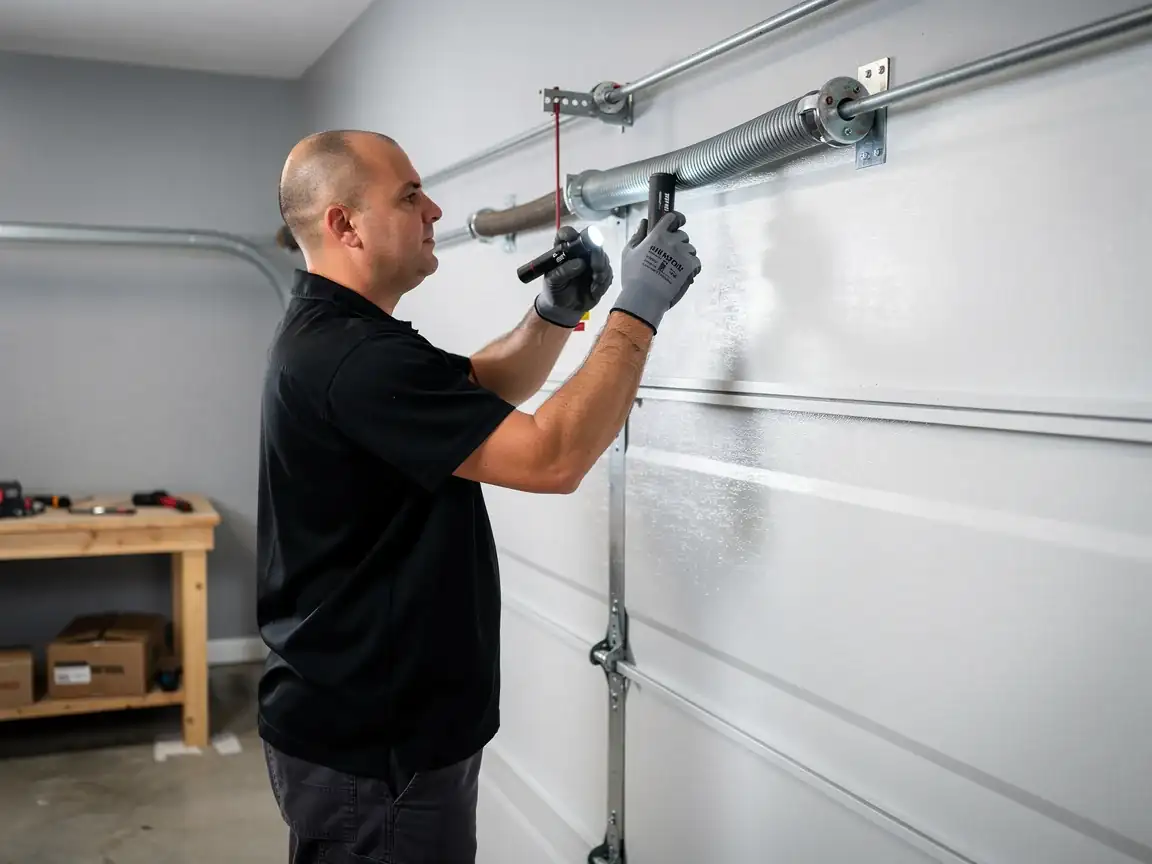
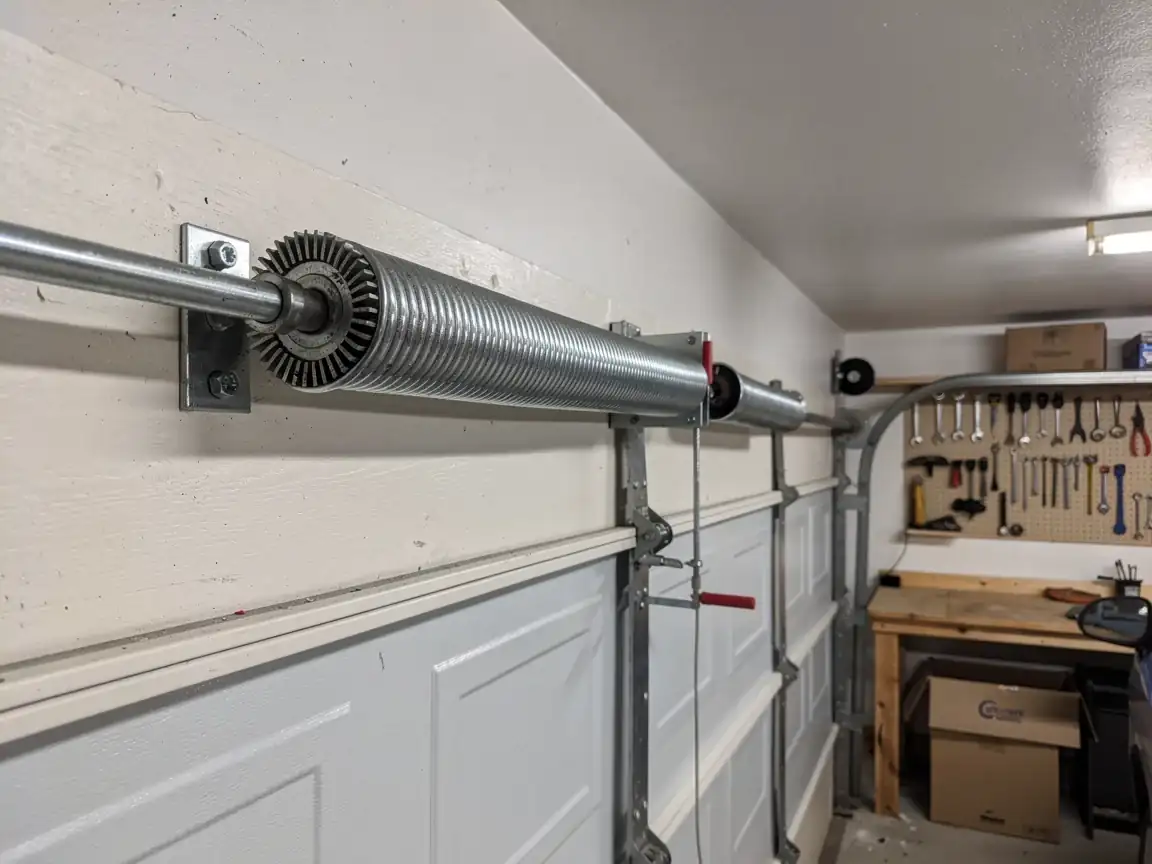
We also won't quote a job sight unseen over the phone with full confidence. Torsion spring sizing depends on door weight and drum size, and guessing wrong means a spring that's either too tight to lift safely or too loose to hold the door open. That's a five-minute check in person, not a phone estimate.
What That Means for Doors
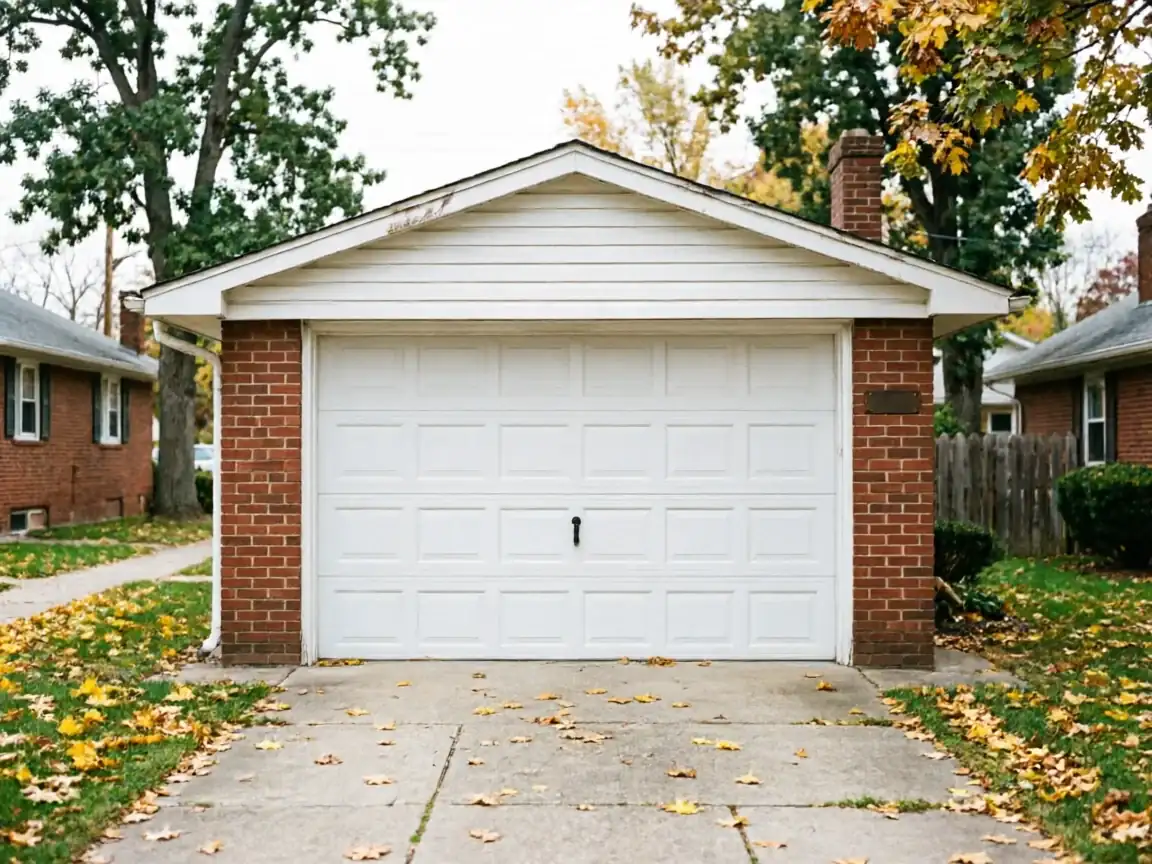
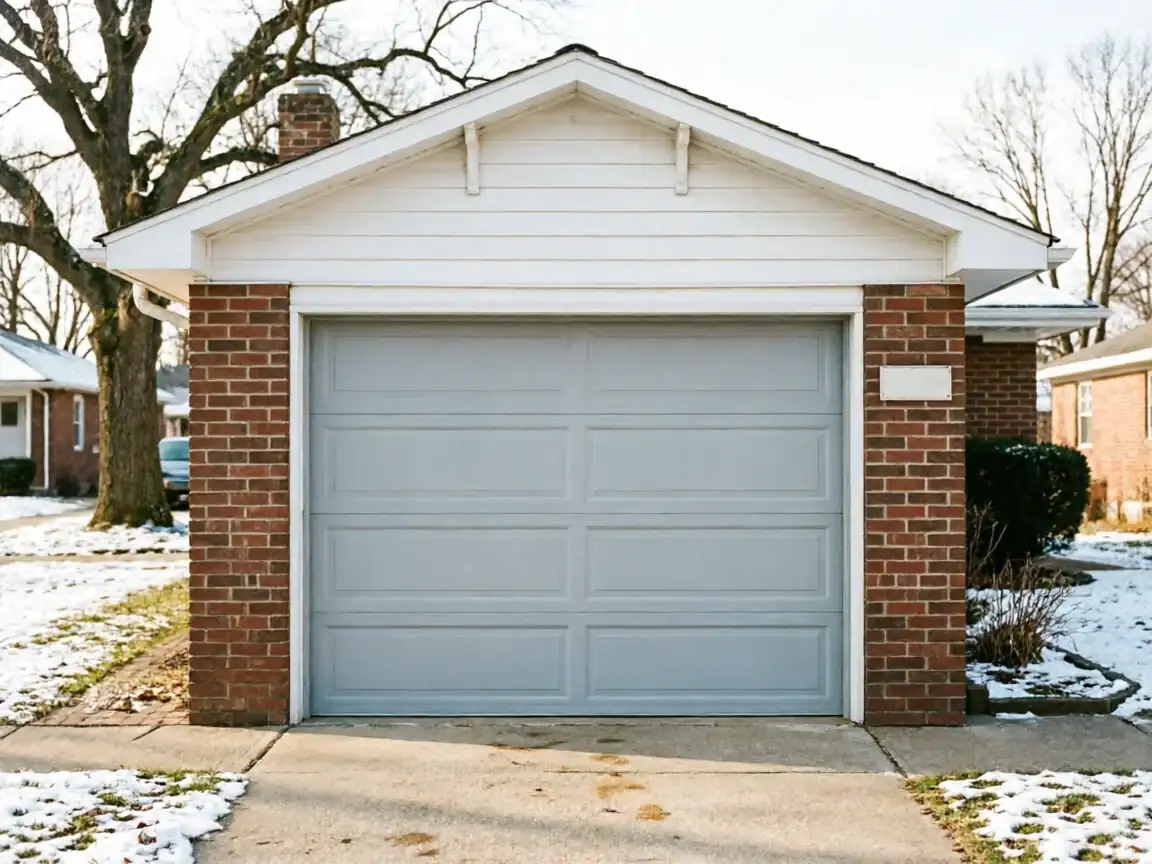
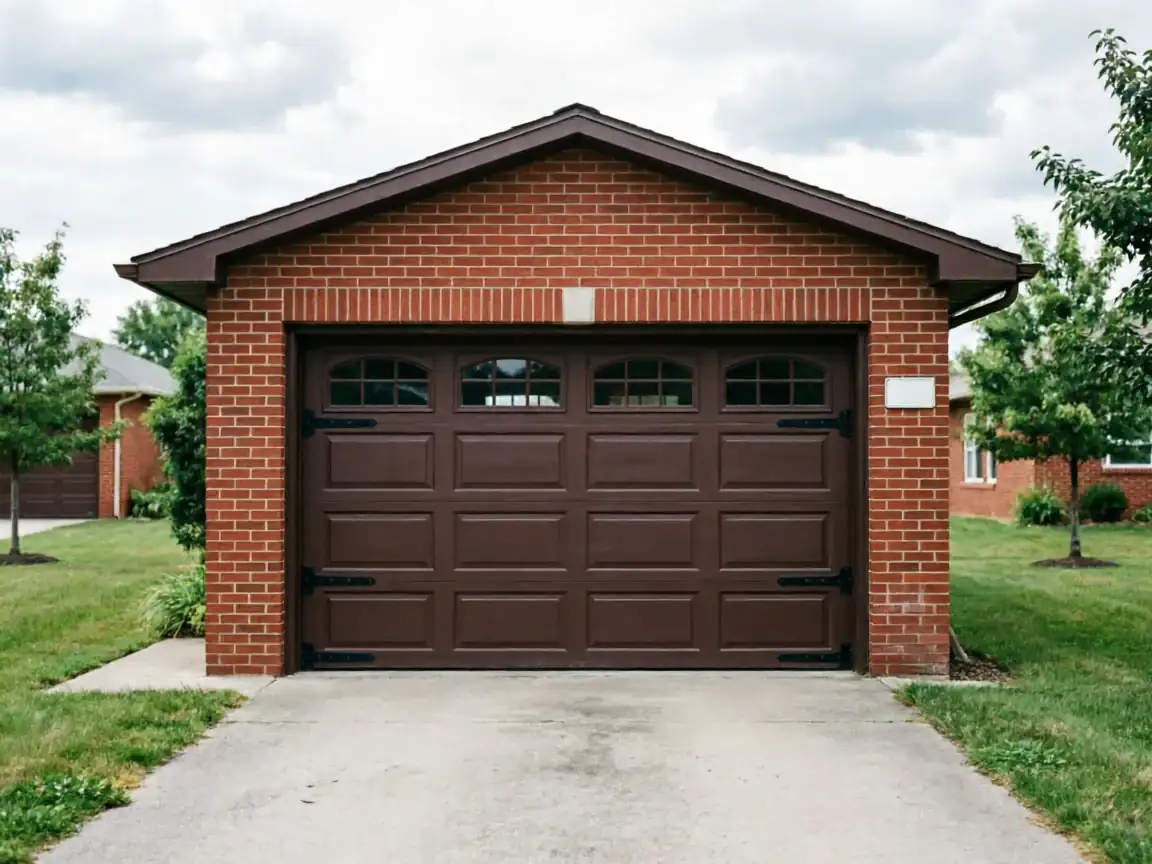
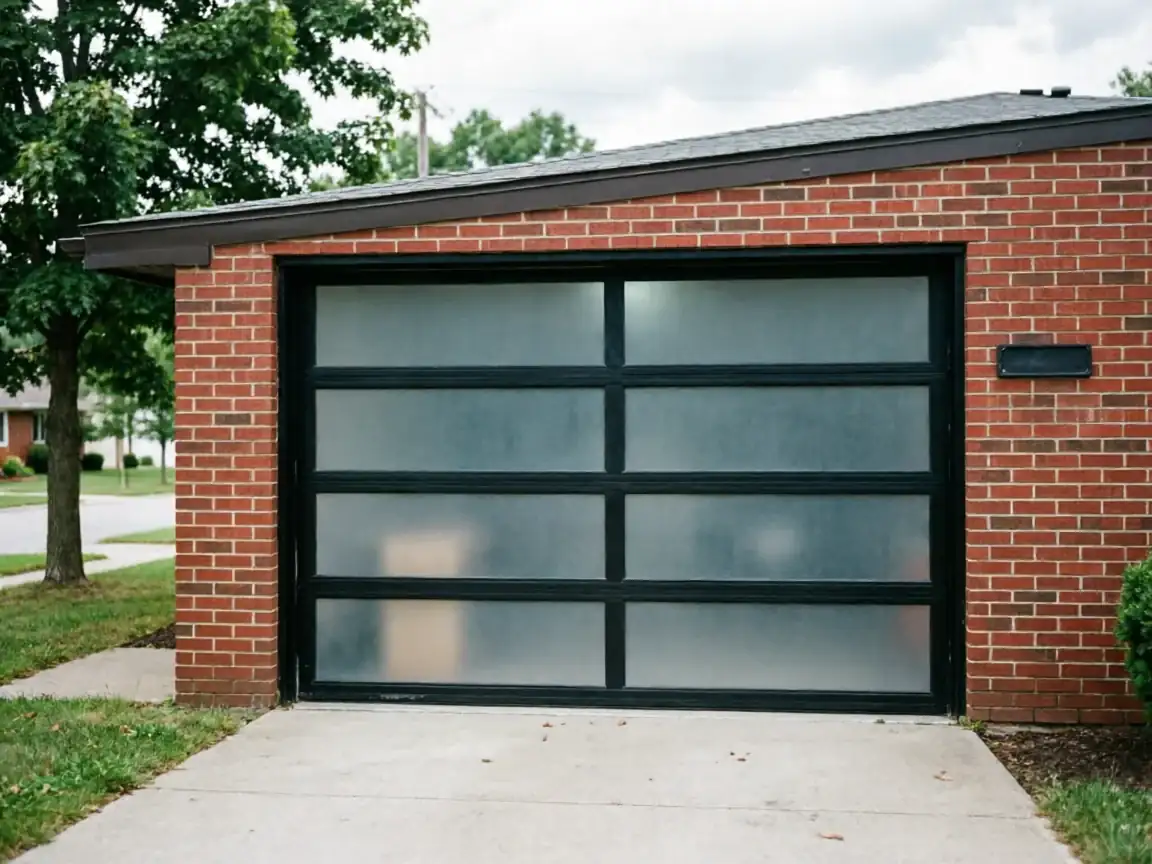
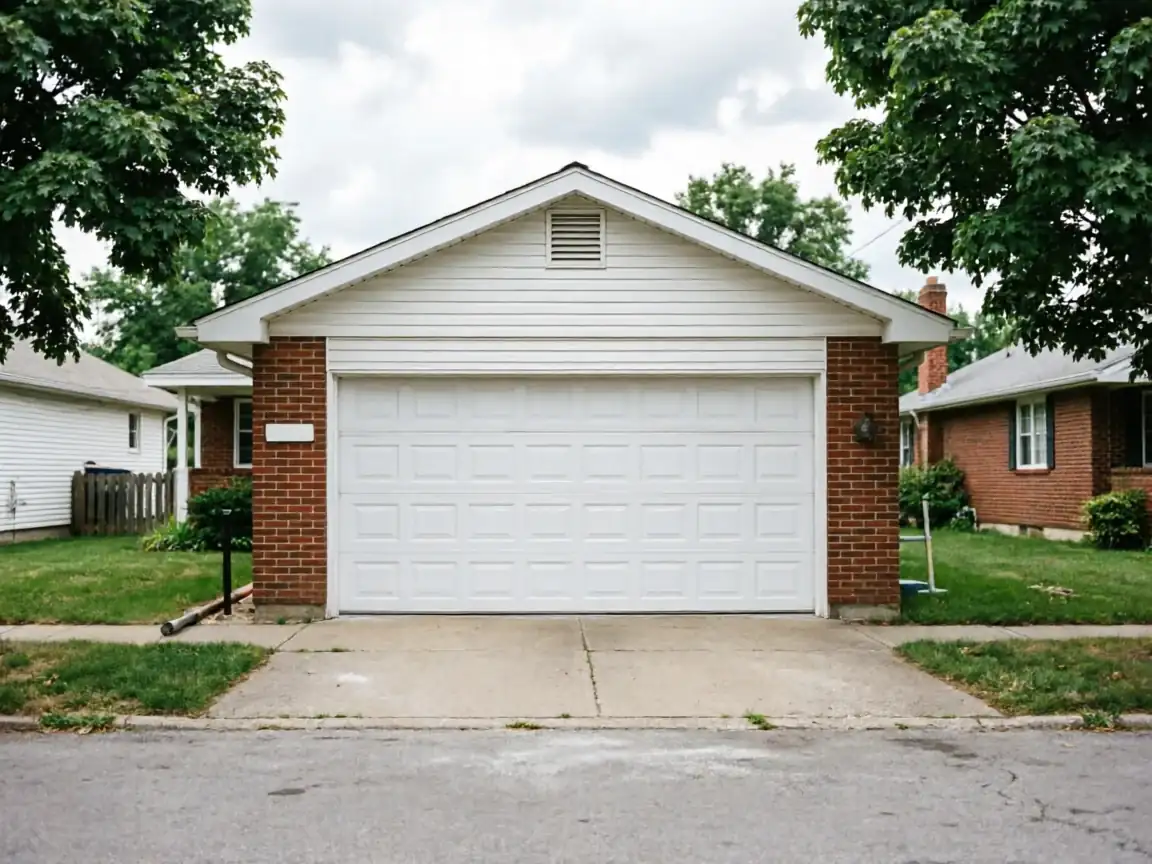
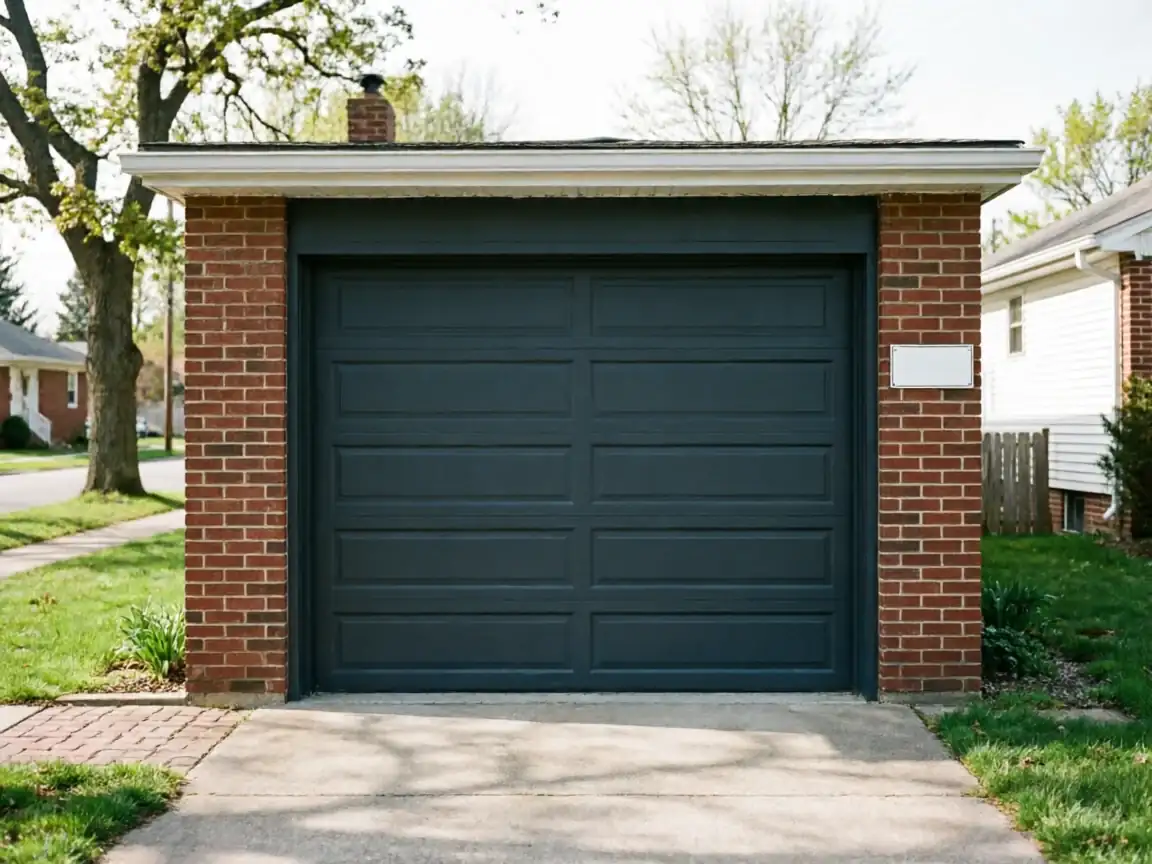
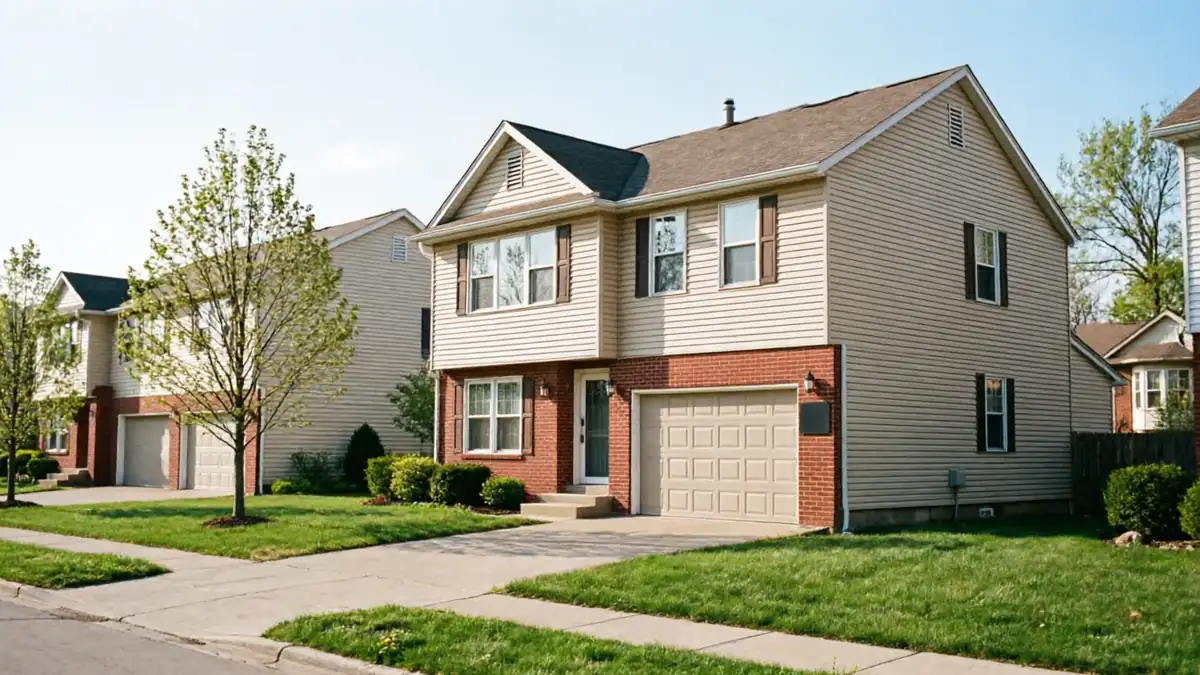
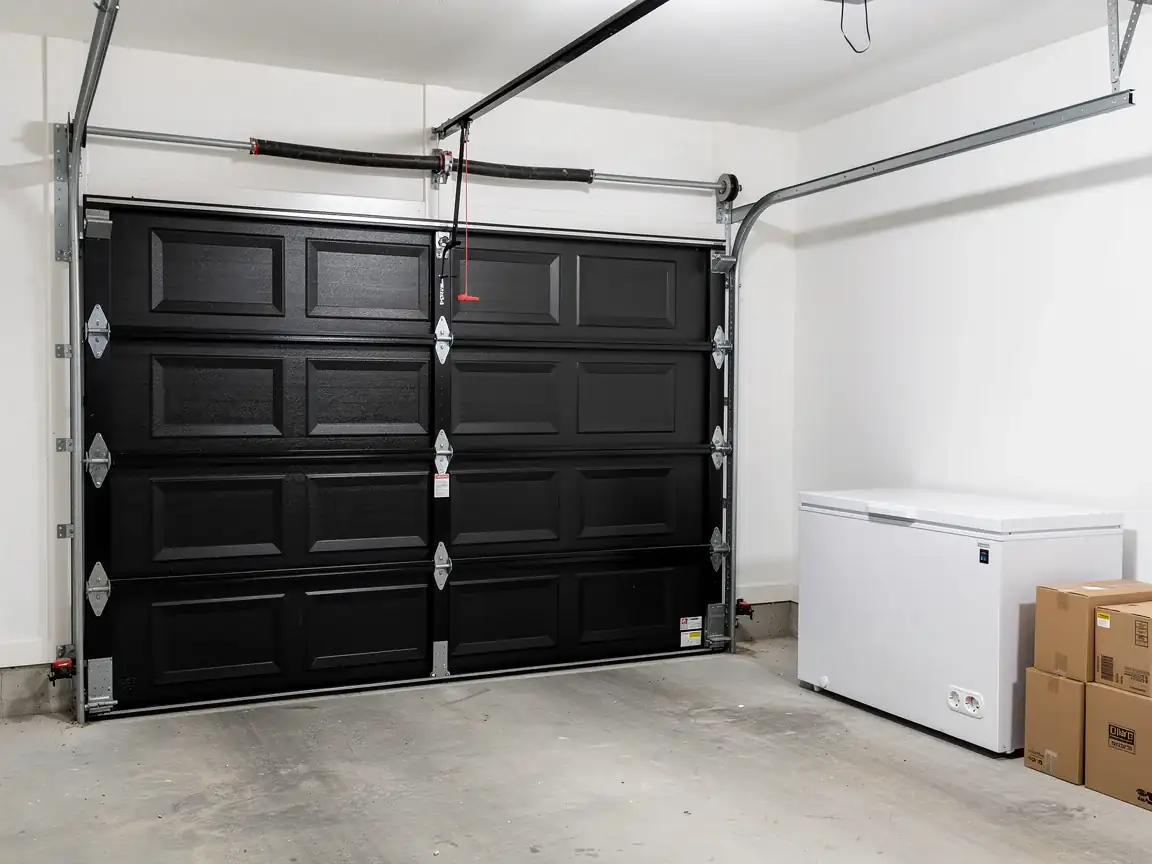
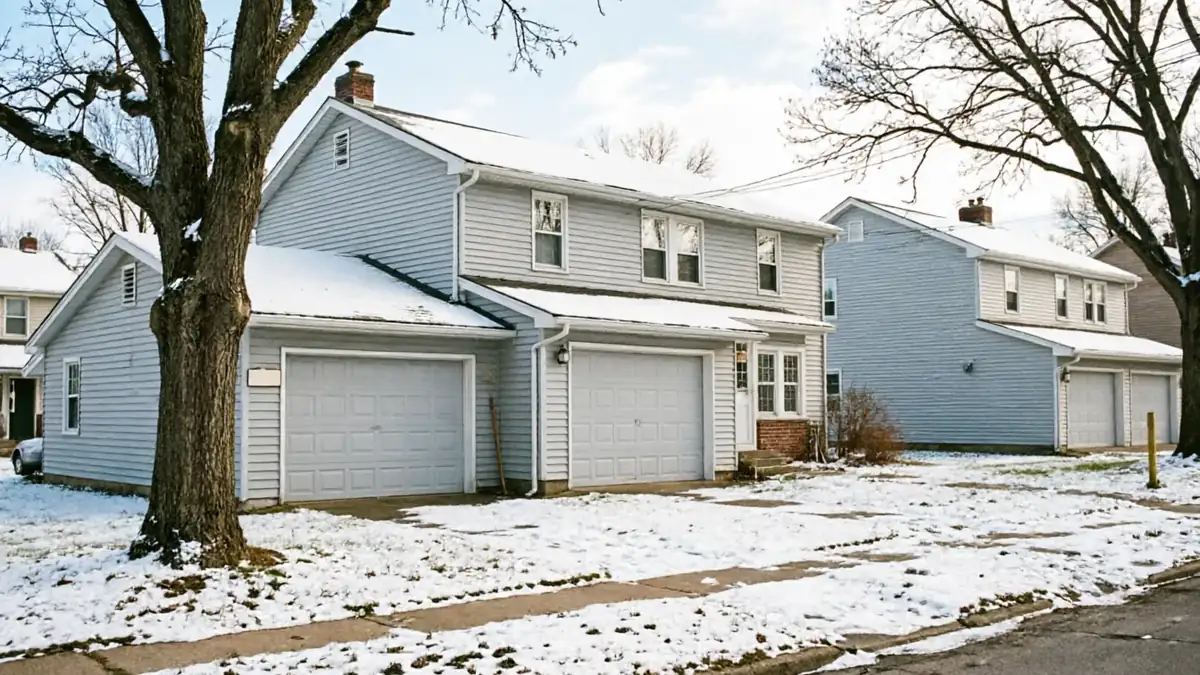
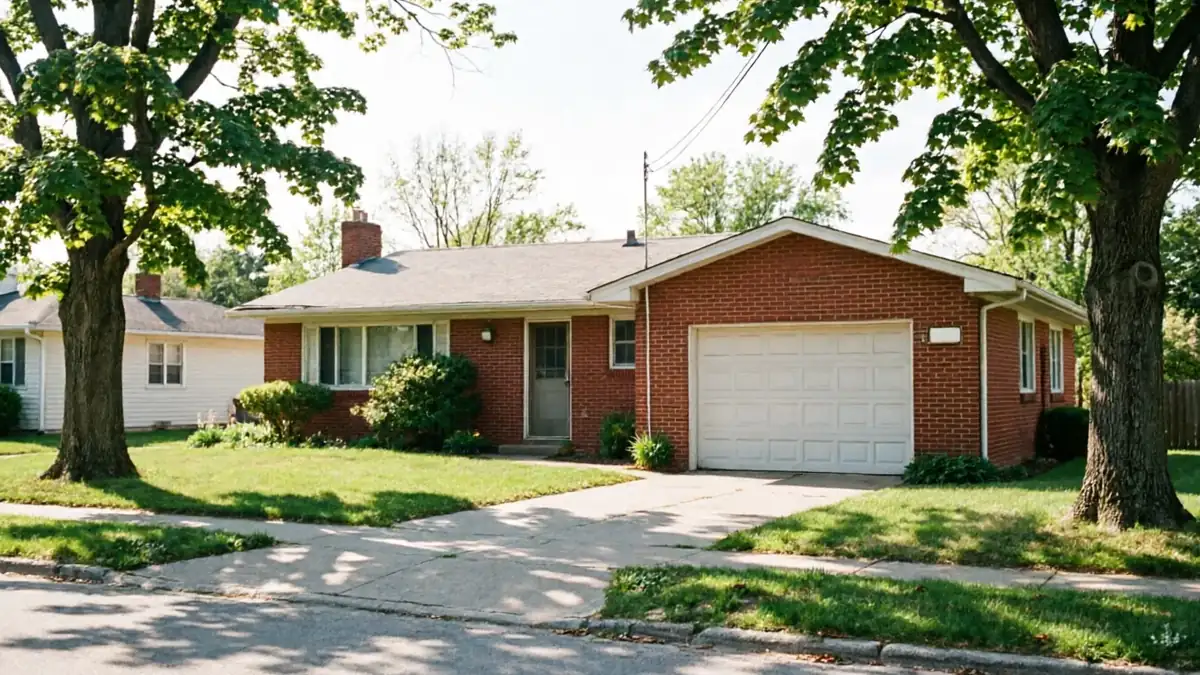
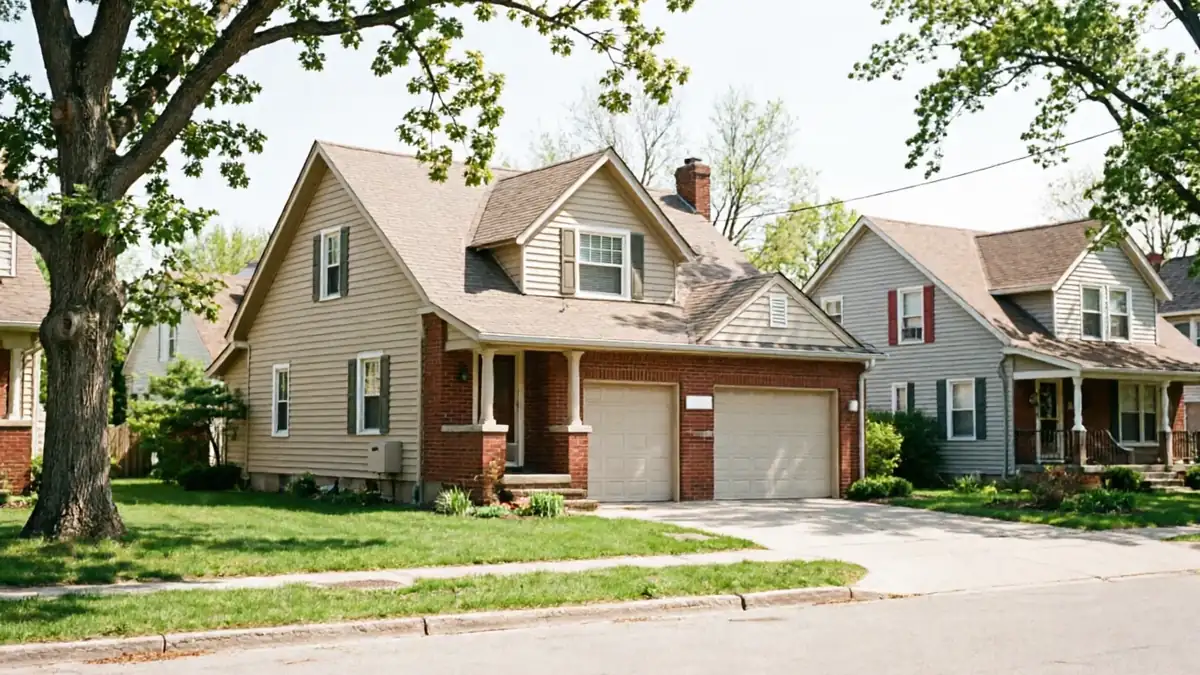
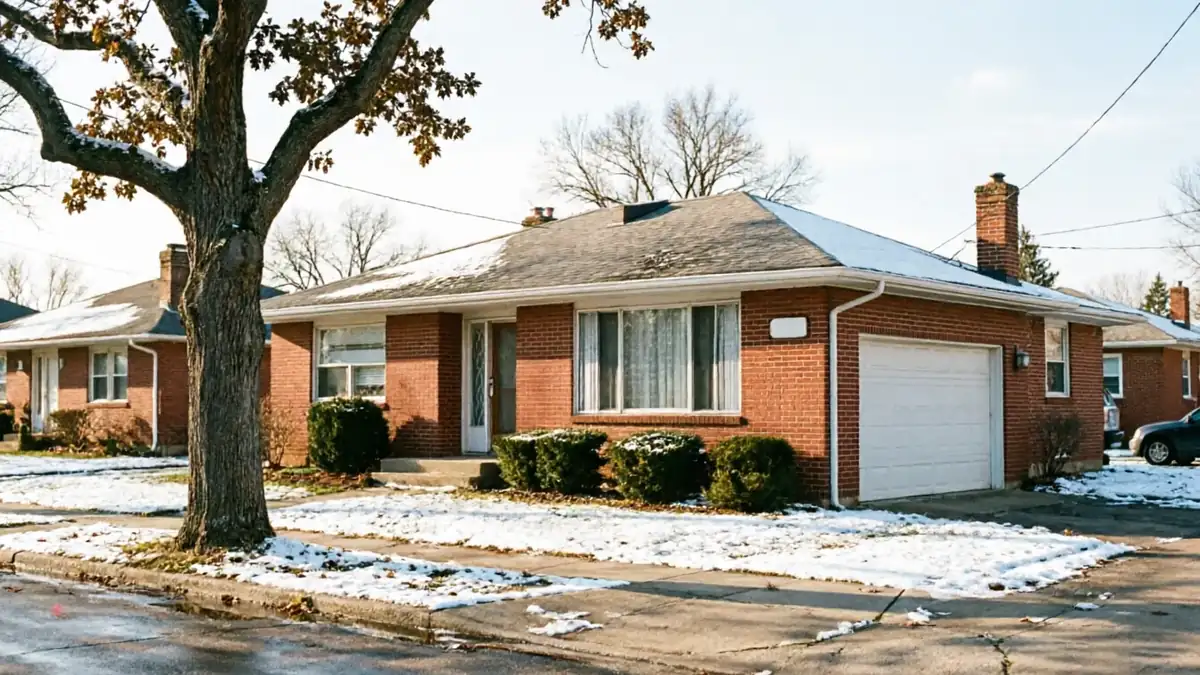
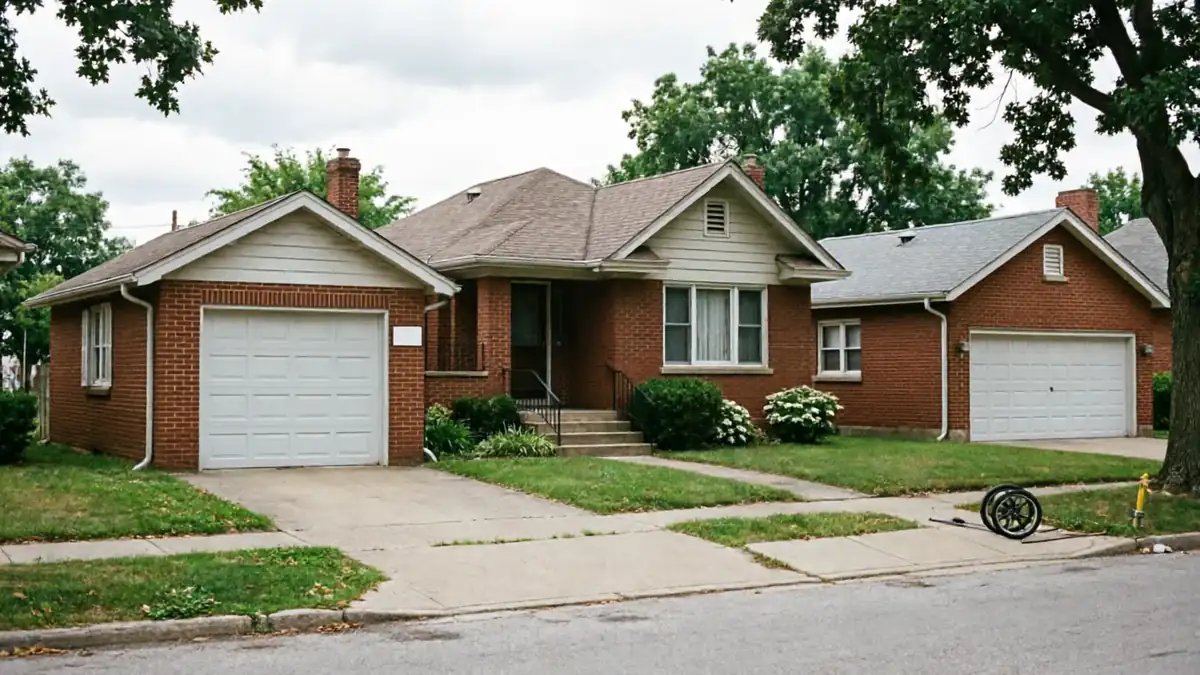
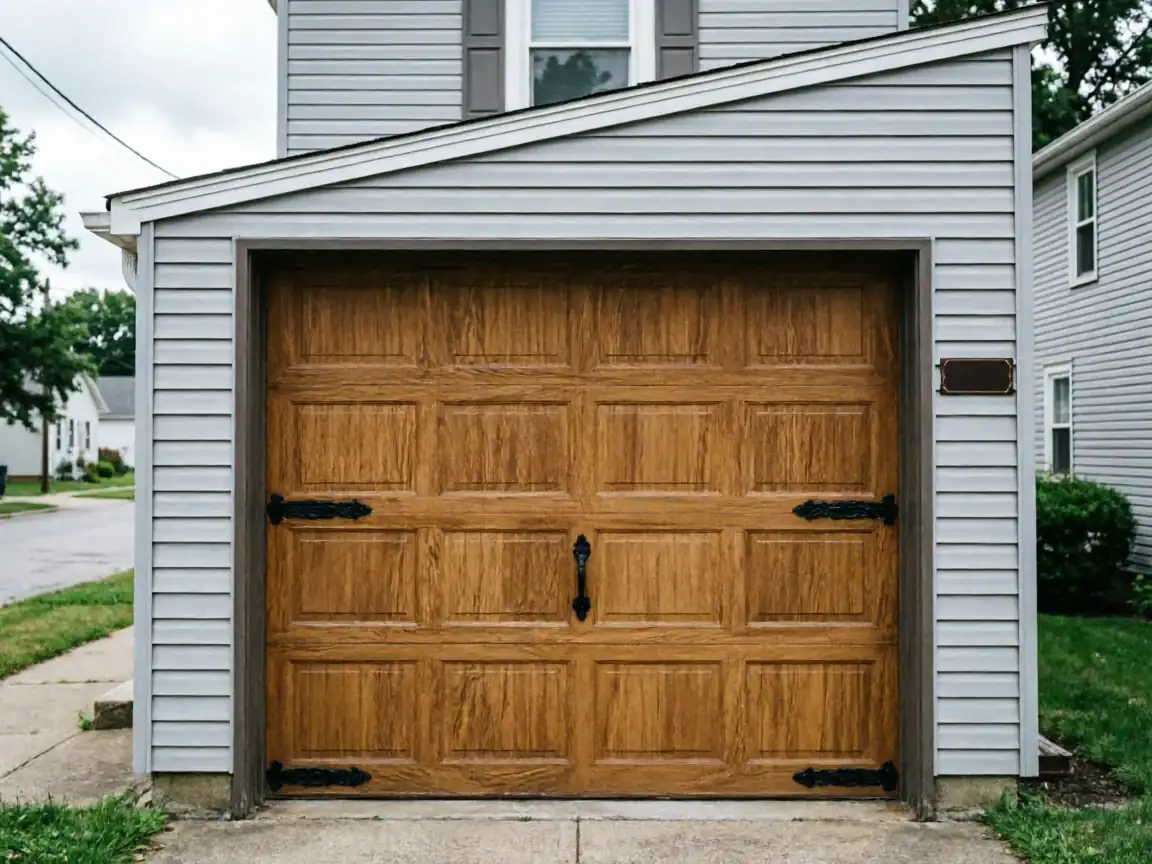
Across the wider service area the median home dates to 1981, but Montgomery is younger - the typical house here went up around 2003, right near the tail end of the 1958-2003 build window that covers this whole region. That gap matters more than it sounds like it should. A 1981 house usually has a retrofitted or second-generation opener, mismatched hardware, and sometimes a side-mounted torsion setup that nobody makes parts for anymore. A 2003 house almost always shipped with a factory steel door, a center-mounted torsion spring over the header, and a chain or belt-drive opener with photo-eye safety sensors already built in - because those sensors became standard around that time.
So the work here skews different. We're not chasing down obsolete spring winding cones or one-piece doors on tracks that haven't been made since the Carter administration. We're dealing with doors and openers that were new enough to be built to a more modern safety code, but are now old enough - pushing twenty years - that the original springs, rollers, and drive gears are wearing out on schedule, all around the same few years.
What Was Built Here
Montgomery has about 7,088 households
And the housing stock leans heavily toward that early-2000s construction window rather than the older farmhouses and postwar ranches you find in some of the longer-established towns nearby. Median household income here runs $96,985, a bit under the $106,211 median for the broader service area, which tends to track with a newer, more uniform subdivision-built housing stock rather than a mix of eras.
- 7,088 households
The practical upshot
A lot of garage doors in Montgomery were installed by the same handful of builders within a fairly tight window, using the same handful of door and opener brands that were standard for production housing at the time. When one of those springs fails, it's rarely a surprise to find three more on the same street are close behind it, just because they were all wound and loaded the same year.
The region sits in a cold, moderate climate band
Which matters for a door built in the early 2000s just as much as one built later: twenty winters of temperature swings between a heated garage and a below-freezing driveway put real fatigue cycles on steel torsion springs, independent of how new the door looks.
Common Jobs Here
The most common call from this part of town is a torsion spring that's reached the end of its cycle life right around the twenty-year mark - which, given the 2003 median build year, is exactly where a lot of these doors sit right now. Second most common is an opener circuit board or logic board failure on the original factory-installed unit; these units are old enough that the board is the first thing to go, well before the motor itself.
We also see worn nylon rollers on these doors more than you'd expect, since builder-grade doors from that era often used plastic rollers instead of steel, and those wear out faster under daily cycling. Weatherstripping replacement comes up often too - the bottom seal on a 20-year-old door has usually hardened and cracked from repeated freeze-thaw cycles in a cold climate band like this one, letting in drafts and water at the slab.
What we don't see as much here, compared to older housing stock elsewhere in the service area, are the side-mounted torsion setups and one-piece tilt-up doors that need specialty parts. Montgomery's doors are mechanically closer to today's standard than that older stock is.