Serving Aurora, IL & nearby
(630) 415-1529
Aurora, IL

What We Check First on an Aurora Garage Door Call

Aurora homes built mostly between 1958 and 2003 face specific door and spring wear from cold winters. Here's what we check first on every service call.

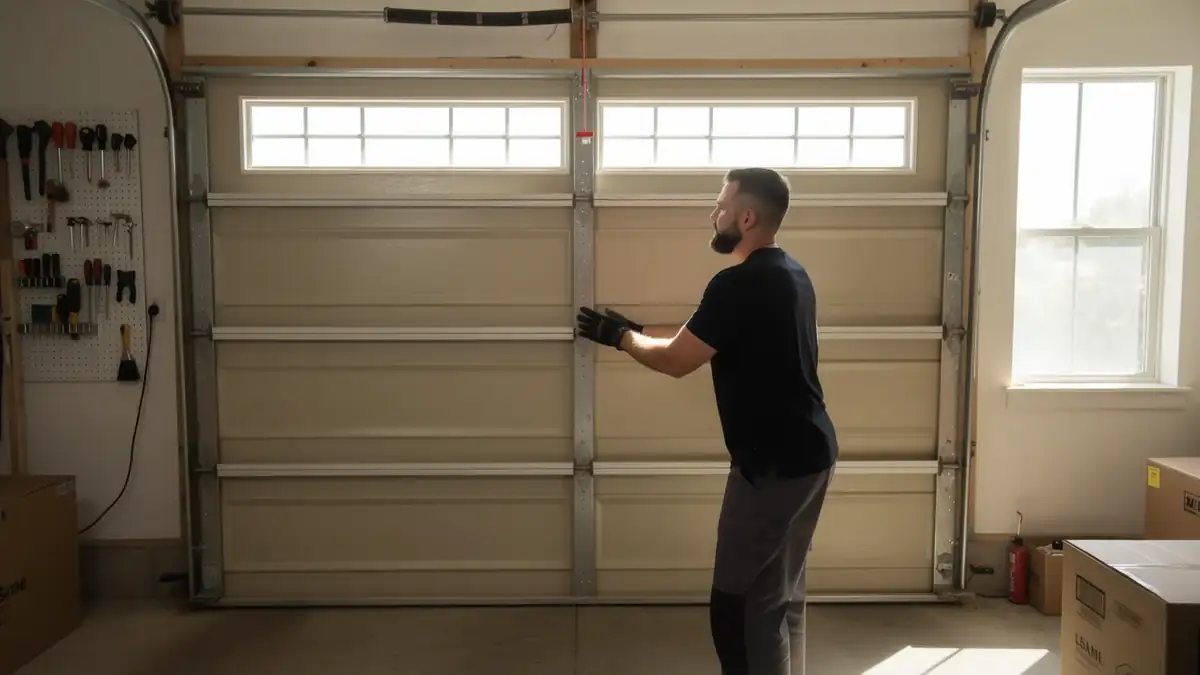
A technician in gloves is pushing a beige garage door with windows.

How Local Conditions Play In

Most of the houses we get called to in Aurora went up somewhere between 1958 and 2003, with the bulk of that stock dating to the 1980s and 90s. That matters because doors and openers from that era were built to a different standard than what you'd buy today, and a lot of them are still running on original torsion springs or the first replacement opener someone bolted in during the Clinton administration.

The cold moderate climate band we sit in means the garage swings through real temperature extremes every winter - not Arctic, but enough freeze-thaw cycling to matter. Steel contracts, grease stiffens, and the weatherstripping on a 1980s-build door has usually hardened to the point it's doing nothing. On a call in this area, we're checking spring tension and lubrication condition before we even open the door manually, because those two things fail together more than almost anything else.

A door built when the stock in this area was going up wasn't speced for the cycle count a modern household puts on it - most houses here run two cars and an opener that gets used four or more times a day. That adds up over forty years.

When to Get Help

If a door from the 1958-2003 build window is making a grinding noise on the way up, that's usually a roller or bearing that's been dry for years, not a motor problem. Call before it seizes, because a seized roller on an old track can bend the track itself, and track replacement costs a lot more than a roller set.

A door that slams the last six inches instead of lowering evenly is telling you the spring has lost tension - common on original torsion springs that have never been replaced. That's not a wait-and-see item. A spring under uneven tension can snap, and a snapped torsion spring on a double door is dangerous enough that we tell people not to touch it themselves.

If your opener is original to a 1980s or 90s build, parts for it may not exist anymore. At that point the honest answer is often a new opener rather than a repair, and we'll tell you that up front instead of chasing a part we can't get.

The Common Mistake

  1. The mistake we see most in this area is someone lubricating the track and rollers but skipping the spring and the hinges

    Because the spring looks fine from the ground. On a door that's thirty or forty years old, the spring is usually the part under the most stress and the least visible wear. A spring that looks fine can be a few winters from failing.

  2. The other one: assuming a noisy door just needs oil

    In a cold moderate climate, noise on a cold morning is often the grease inside the opener gears thickening, not the track. Spraying the track with lubricant doesn't touch that, and people end up calling us three months later when the opener motor burns out trying to push through stiff gearing.

  3. We also see people replace an opener but keep the original 1980s-era door and hardware

    If the door is near the end of its life, a new opener on old springs is a short-term fix - the springs will likely need attention within a year or two anyway.

The Problem

The root problem in a lot of Aurora homes is simple: the door and hardware are original or close to it, installed when the house was built sometime in that 1958-2003 window, and nobody has touched the spring tension or the weatherstripping since. Combine that with a climate that puts real freeze-thaw stress on steel and rubber every winter, and you get doors that are quietly degrading for years before anything visibly breaks.

We can't tell you exactly what year your specific door went in without seeing it - that's a limitation, not a sales pitch. What we can say is that across the service area, with median household income here around $106,000 and the majority of owner-occupied houses dating to that same build era, the pattern repeats: deferred spring and hardware maintenance, not manufacturing defects, is behind most of the emergency calls we get.
How it works

From “it’s stuck” to “it’s fixed”

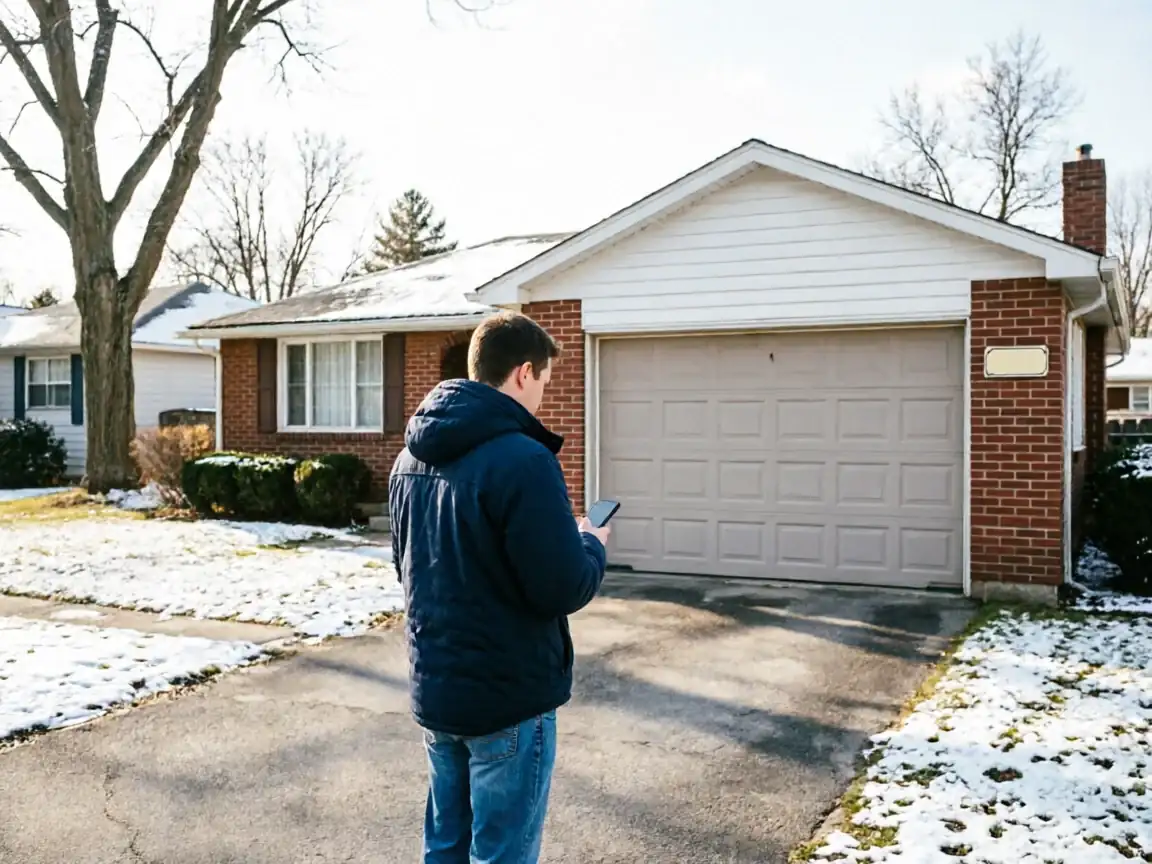
A man stands in a snowy driveway looking at his phone, facing a closed garage door.

Tell us what’s wrong

Describe the symptom - won’t open, loud bang, opener runs but the door won’t move.

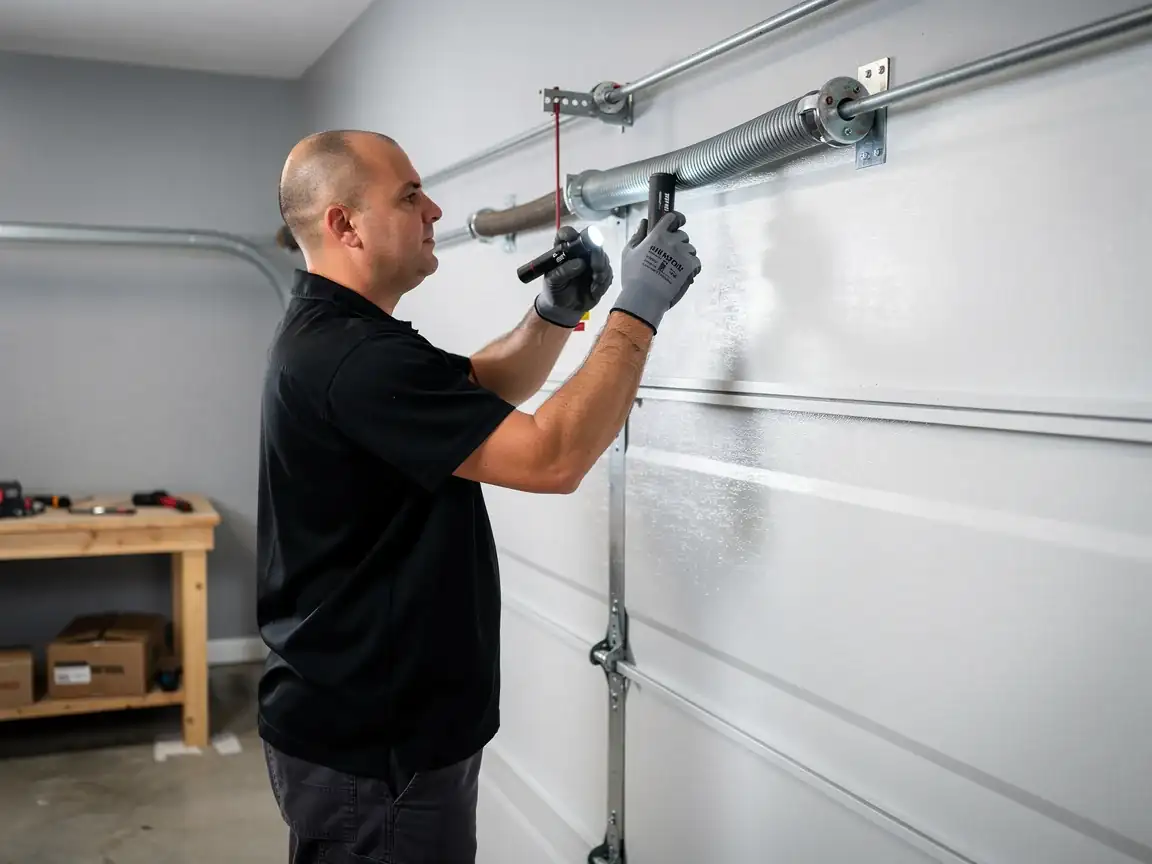
A technician inspects a garage door torsion spring with a flashlight.

On-site diagnosis

A technician tests the door under power and by hand and finds what actually failed.

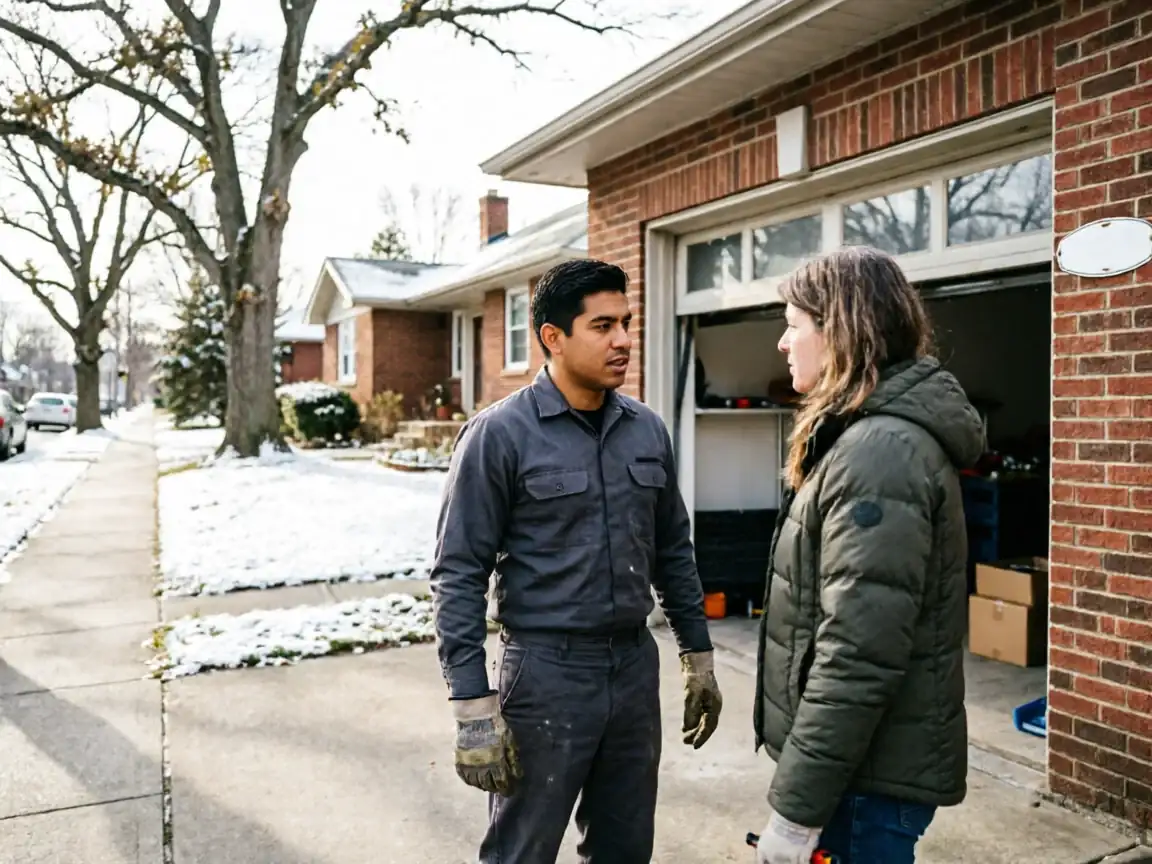
A technician talks to a woman in front of a house with an open garage door.

Clear, up-front plan

You get the fix that’s needed and what drives the cost - before any work starts.

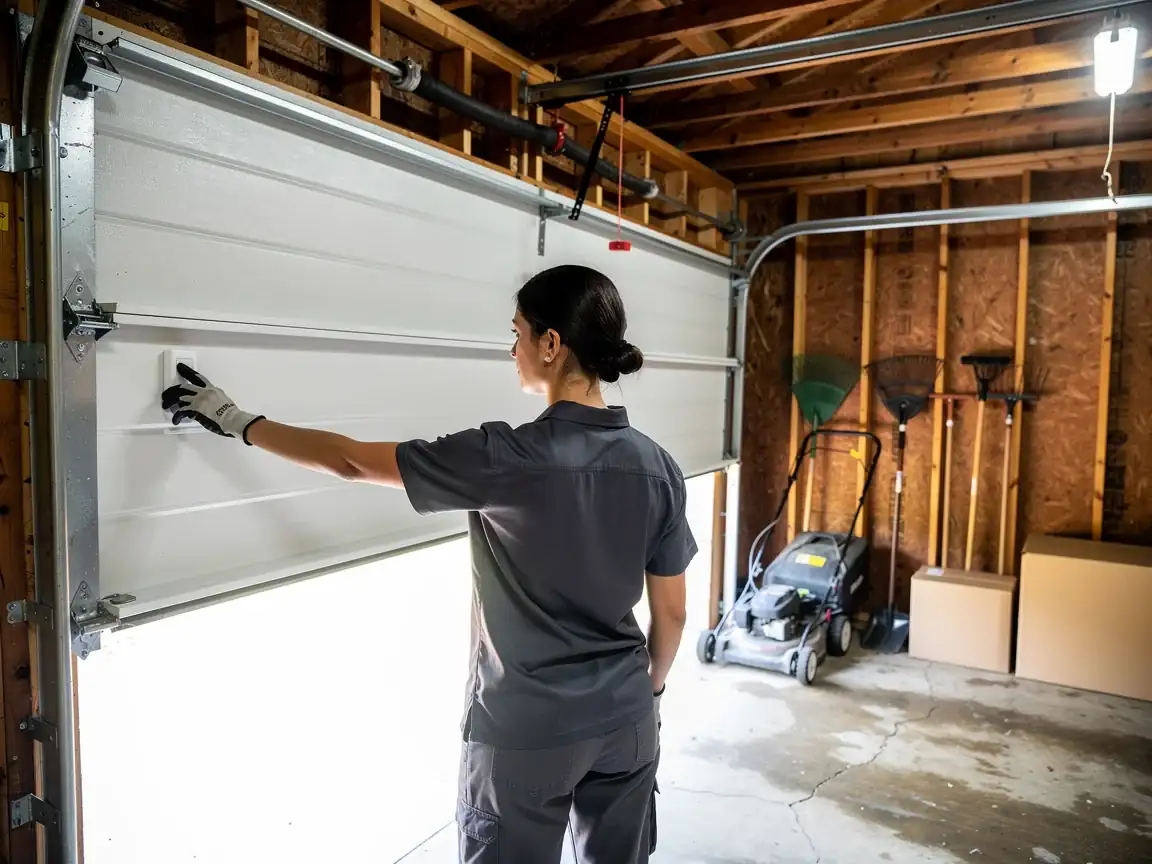
A technician in a gray uniform presses a button on a white garage door.

Repaired & tested

The repair is done, the door is set true and tested, and the work area left clean.

Not sure which repair your door needs in Aurora, IL? Describe what it’s doing - every job starts with a diagnosis.

How we work

What to expect

Diagnosis firstEvery visit starts by finding what actually failed - not a pre-written parts list.
The right part for the doorSprings and openers matched to the door’s weight and age, so the fix holds up.
Straight answersWhen a repair makes more sense than a replacement - or the reverse - you hear it plainly.
Clean, careful workTension released safely, hardware set true, the door tested under power before we leave.
What we do

Garage Door Services

Repair and installation work for Aurora homes and businesses.

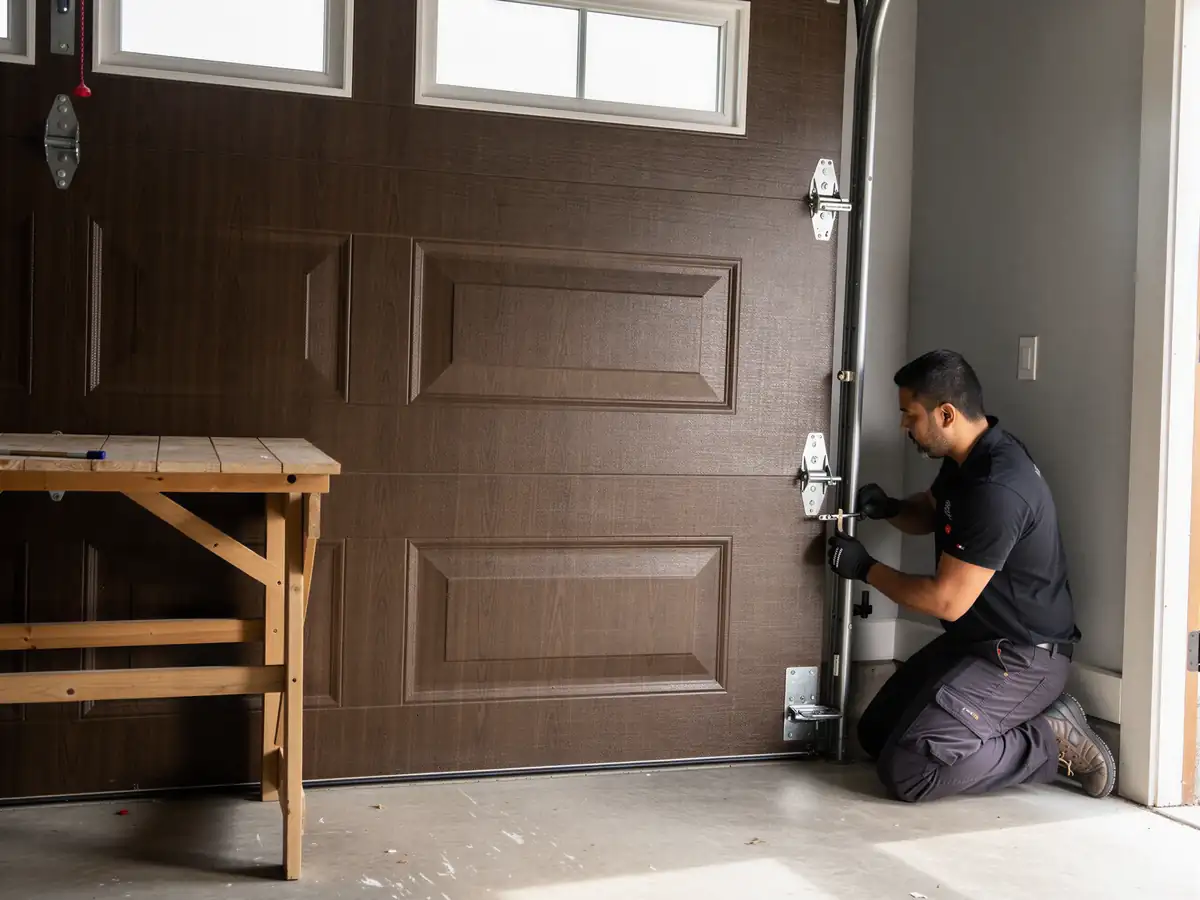
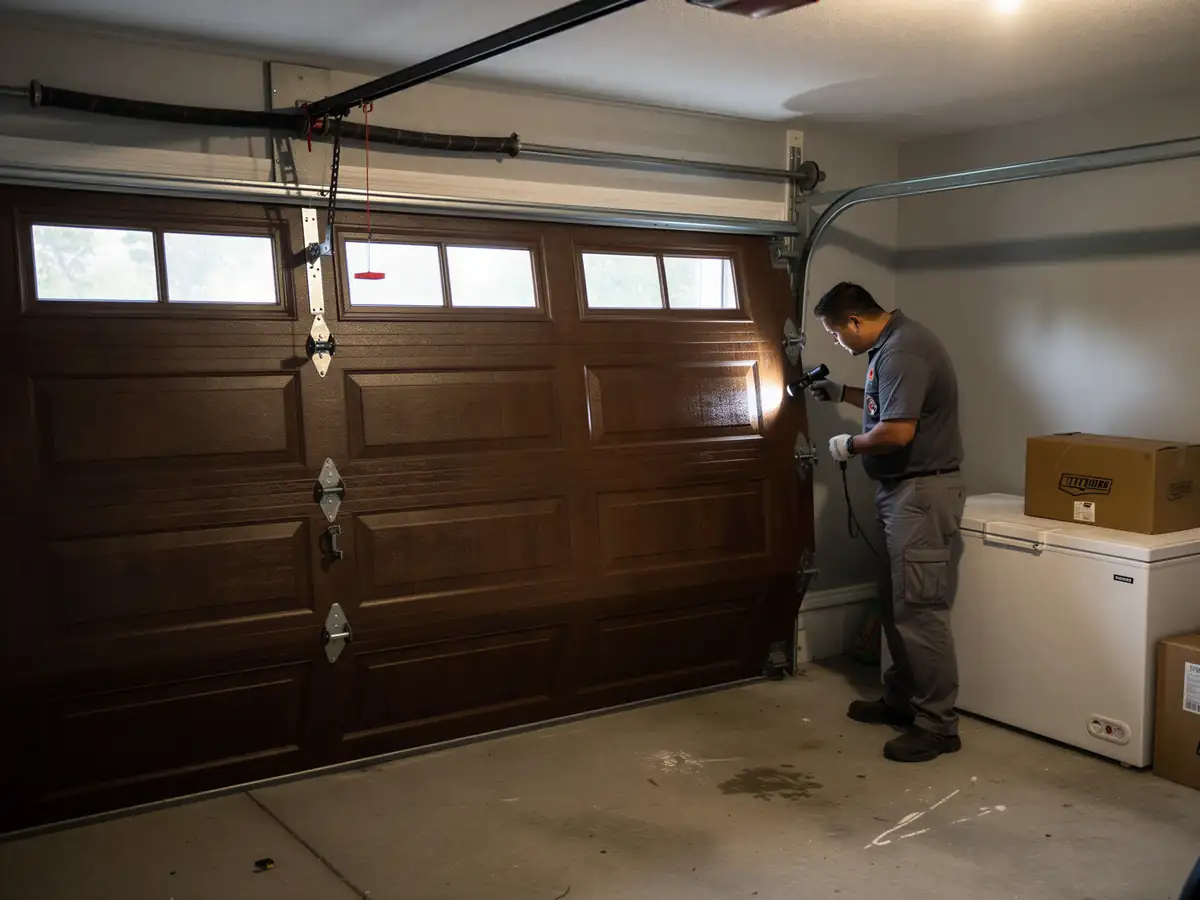
A technician kneels, adjusting the brown garage door's track and hinges.

Garage Door Repair

Aurora Garage Door Pros fixes springs, openers, and tracks on the 1958-2003 housing stock common across Aurora, IL, built for a cold-moderate climate.

Learn more
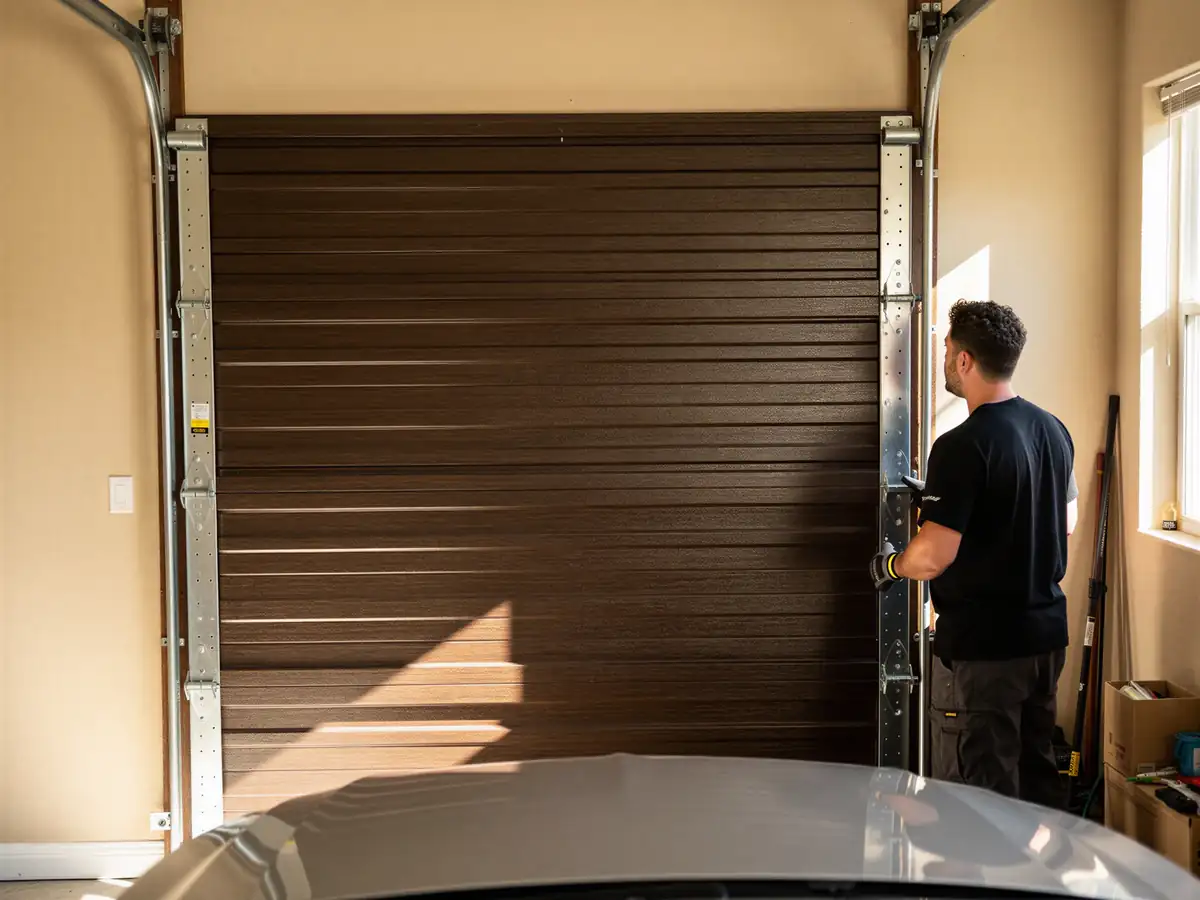
A technician stands next to a closed brown garage door.

Garage Door Installation

New garage door installation in Aurora, IL, built around the area's 1958-2003 housing stock and cold-moderate climate. Insulated doors sized for openings this area actually has.

Learn more
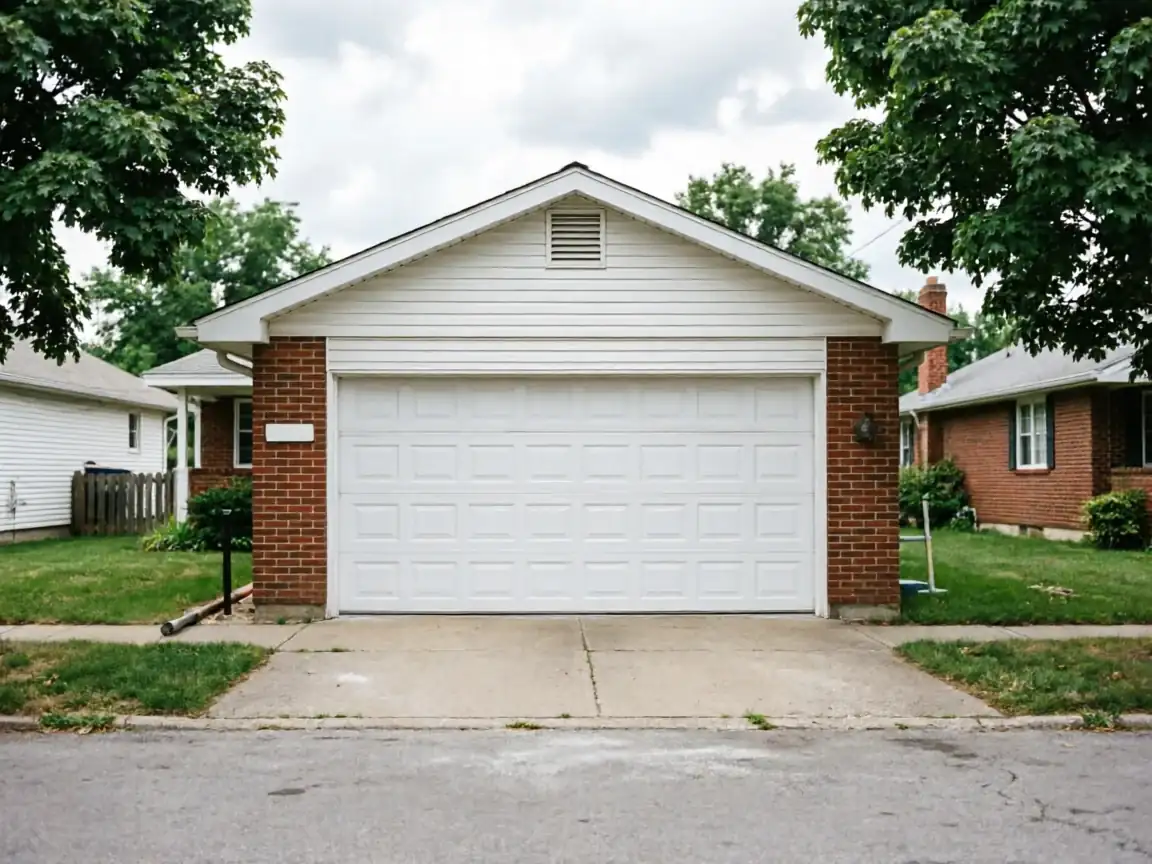
A white garage door on a brick house with white siding and a driveway.

Garage Door Service

Aurora homes built mostly between 1958 and 2003 wear out original springs and openers at a predictable rate. Here's what fails, why, and what the fix looks like.

Learn more
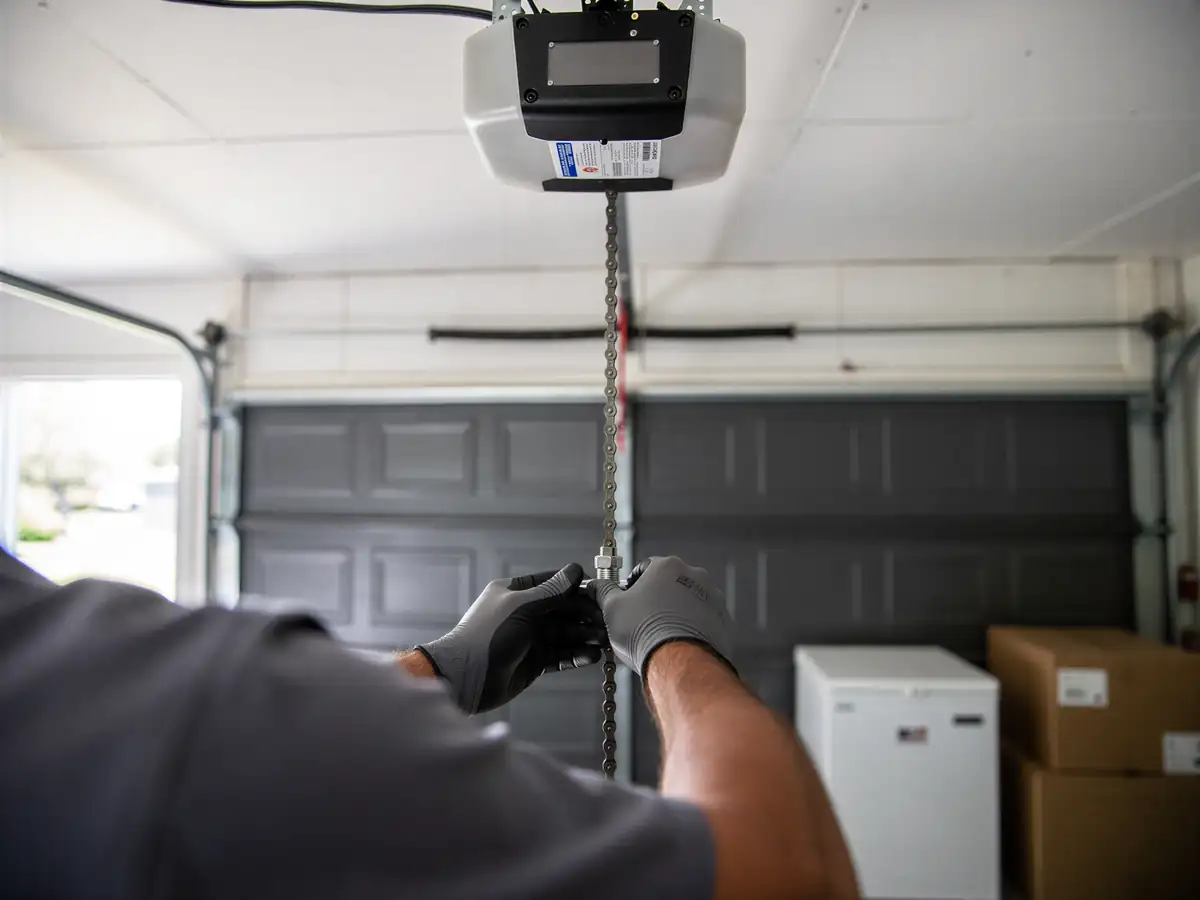
A technician in gloves adjusts the chain on a garage door opener.

Opener Repair

Garage door opener repair across Aurora, IL. We fix dead openers, grinding gears, and dropped remotes on the 1980s-90s openers common in local housing stock.

Learn more
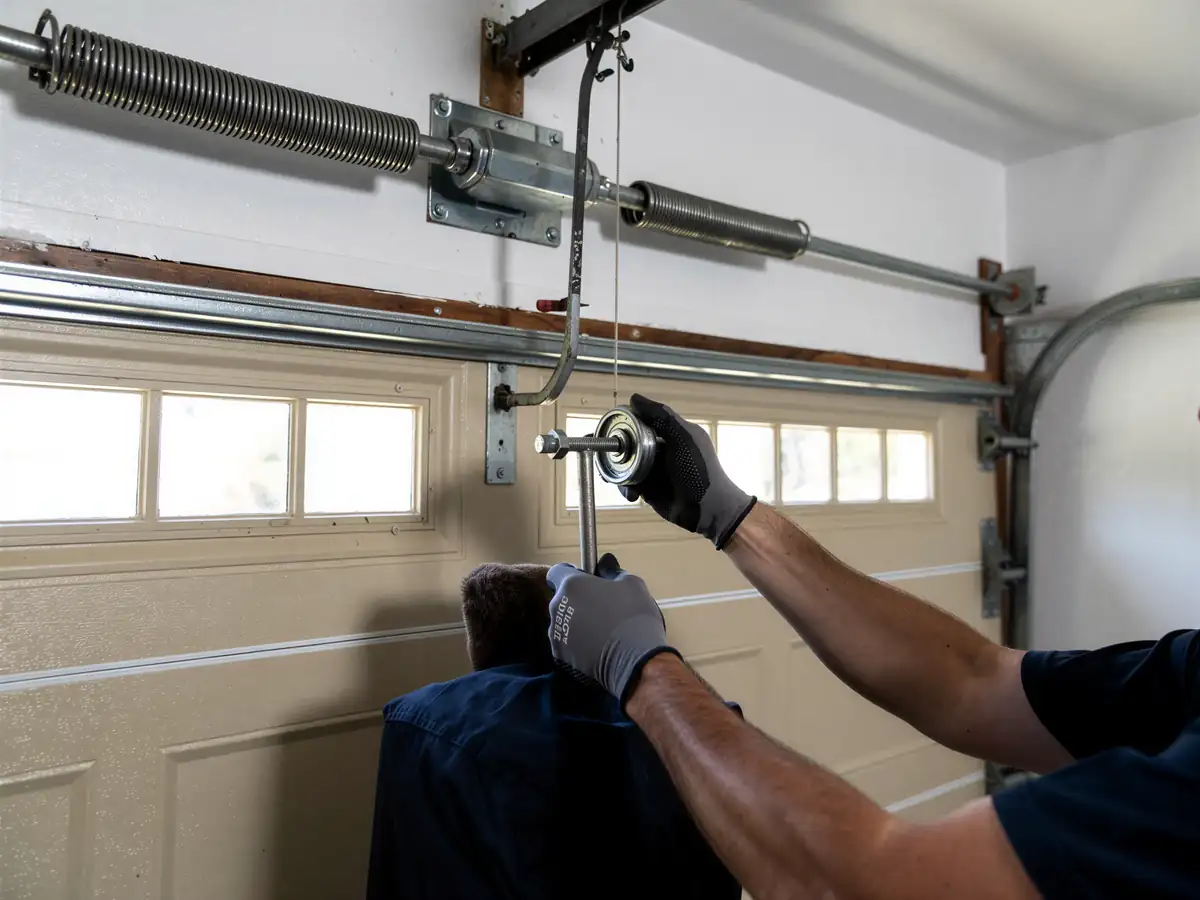
A technician adjusts the torsion spring and cable drum of a garage door.

Spring Repair

Torsion and extension spring repair for Aurora, IL homes built mostly in the 1958-2003 window, where cold winters and original hardware wear springs out fast.

Learn more
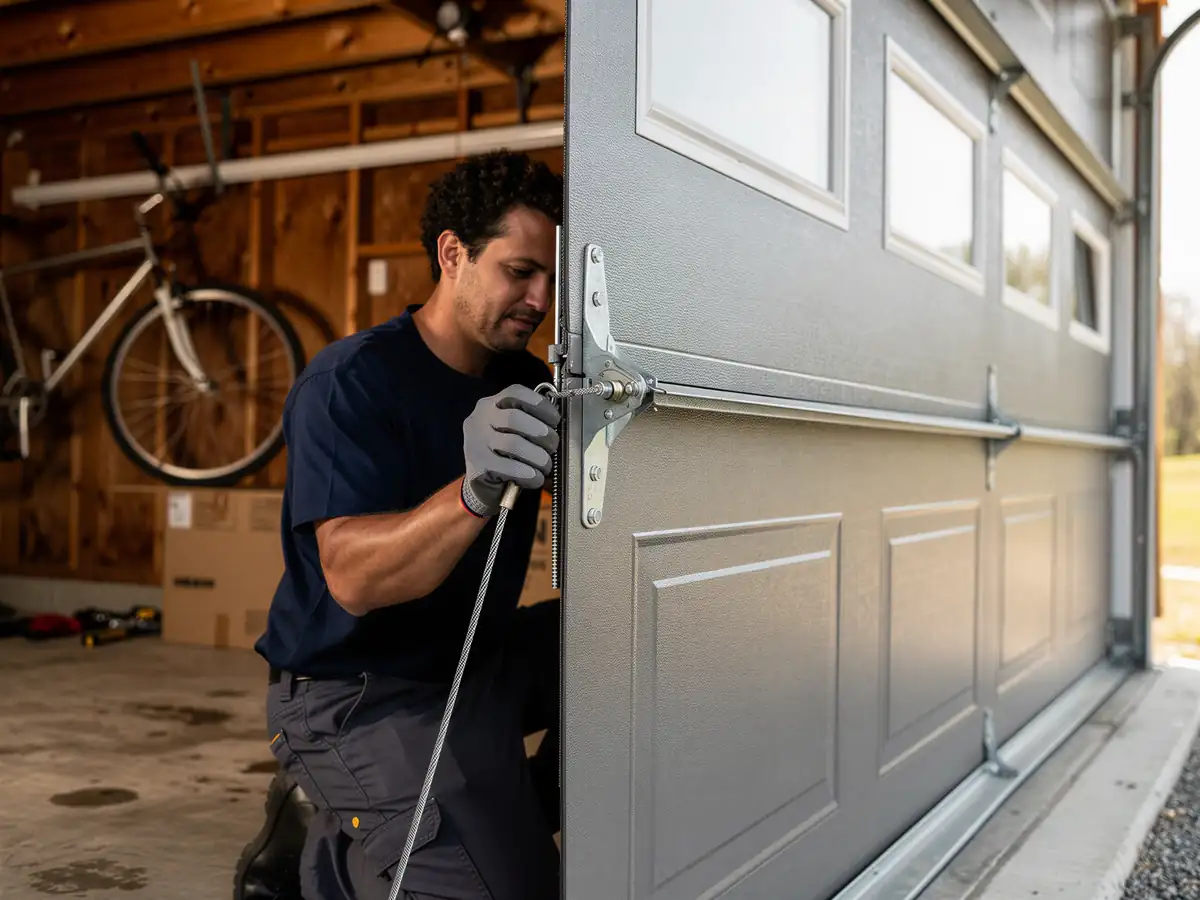
A technician kneels, working on the cable and roller of a gray garage door.

Cable Repair

Cable repair for Aurora homes built mostly between 1958 and 2003, where cold winters and original hardware wear through lift cables faster than owners expect.

Learn more
A technician inspects a brown garage door with a flashlight.

Off-Track Repair

Garage door off track in Aurora? We work on the 1958-2003 housing stock across the service area and know how cold snaps bend track on older rollers. Call for a fix.

Learn more
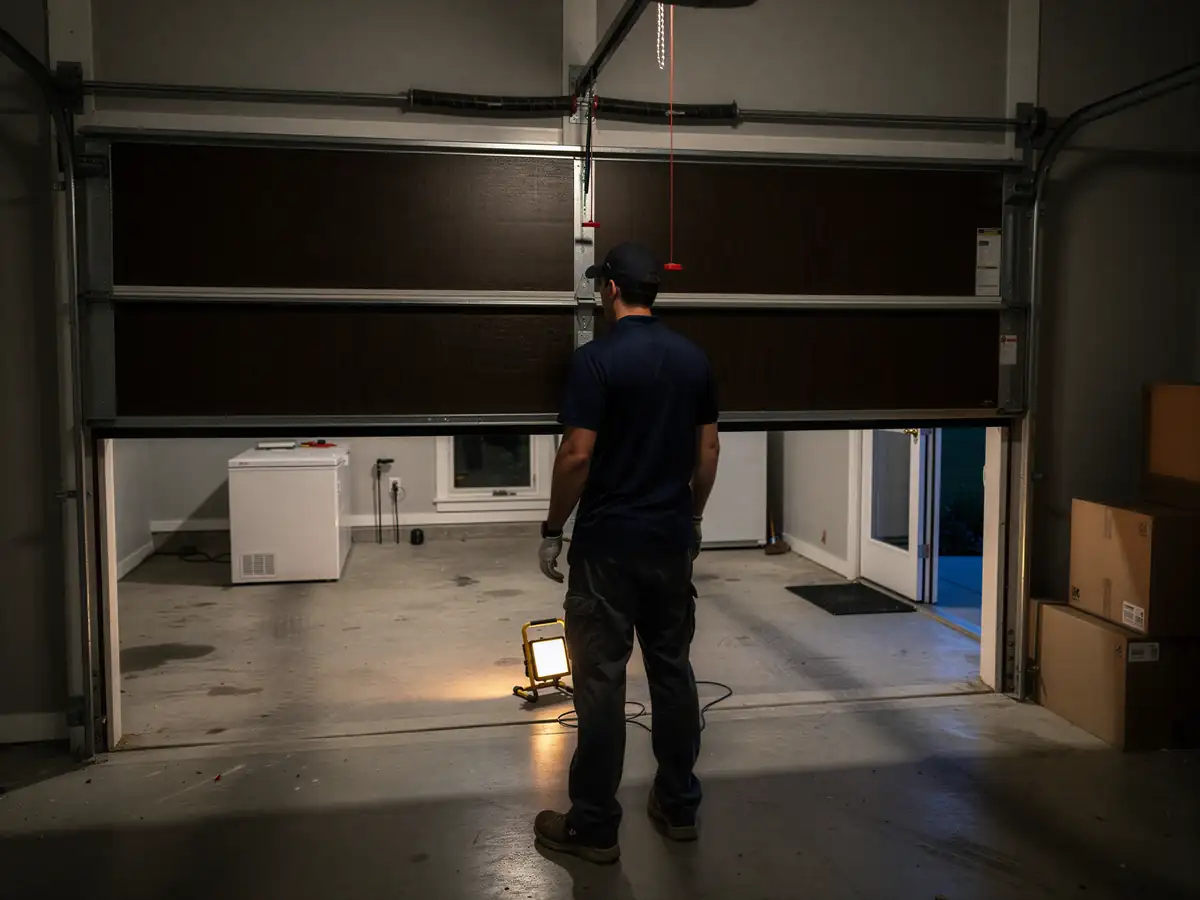
A technician stands in a garage looking at a partially open garage door.

Emergency Garage Door Repair

Broken spring or dead opener in Aurora, IL? We fix the doors common to 1958-2003 housing stock fast, with parts on the truck for cold-weather failures.

Learn more
Questions

Frequently asked

Straight answers about garage door repair in Aurora. Still unsure? Ask us directly.

How old is a typical garage door in Aurora likely to be?

Housing in this area was mostly built between 1958 and 2003, with most of it from the 1980s and 90s. If your house falls in that range and the door has never been replaced, you're likely looking at original or early-replacement hardware, including the torsion spring.

Does the cold weather here actually affect garage doors?

Yes. We're in a cold moderate climate band, which means real freeze-thaw cycling each winter. That stiffens grease, hardens weatherstripping, and puts extra load on springs that are already decades old in a lot of local houses.

Can I just replace the opener and leave the door alone?

Sometimes, but if the door and springs are original to a 1980s or 90s build, they're usually close to the same age as the opener you're replacing. Putting a new opener on old springs just means the spring repair call is probably still coming.

Ready to get your garage door sorted?

Tell us what it’s doing and where you are in Aurora - we’ll take it from there.

Request a QuoteCall