What Causes It Around Here
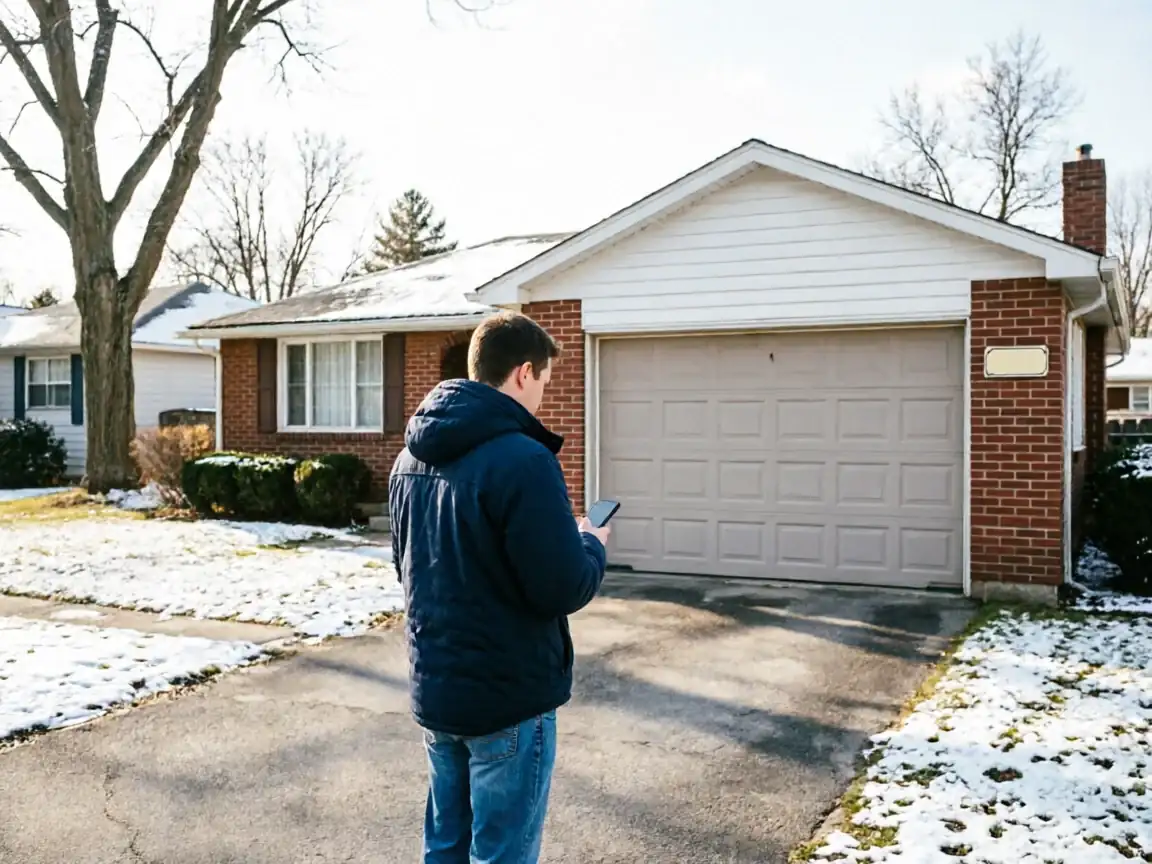
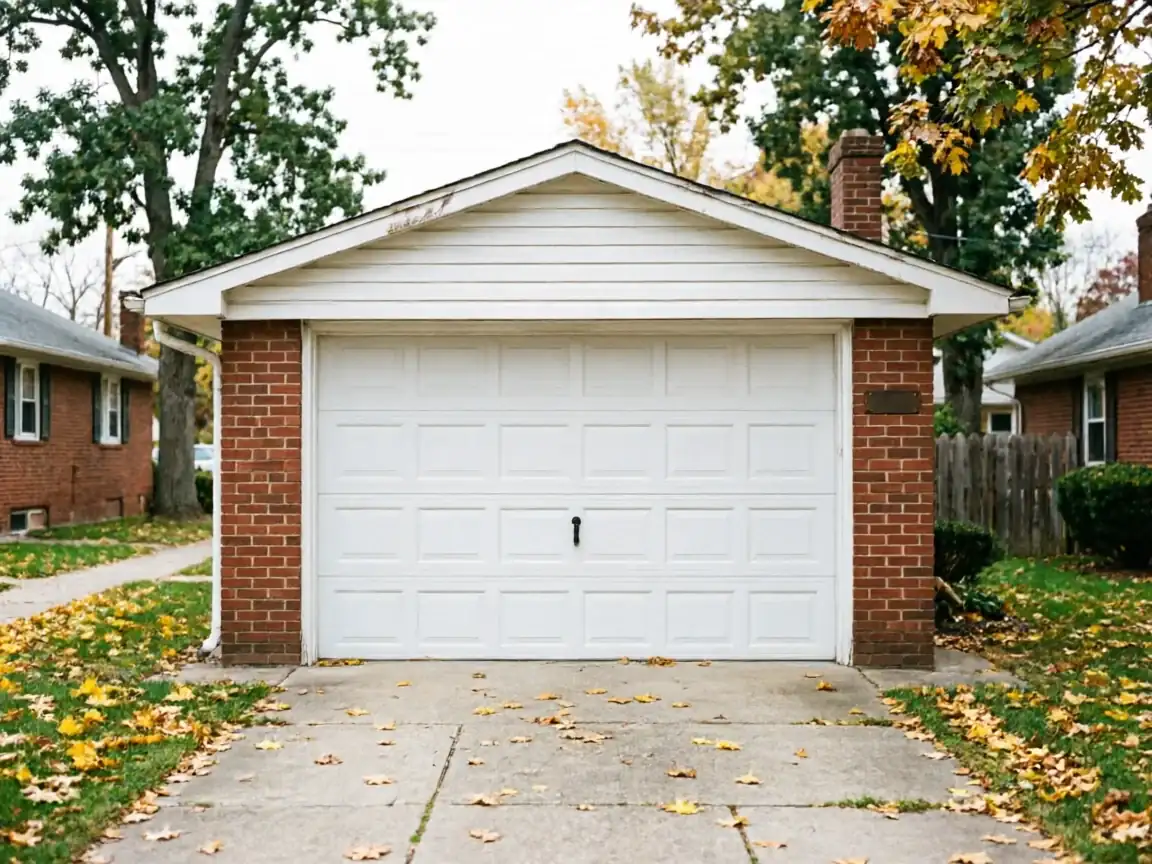
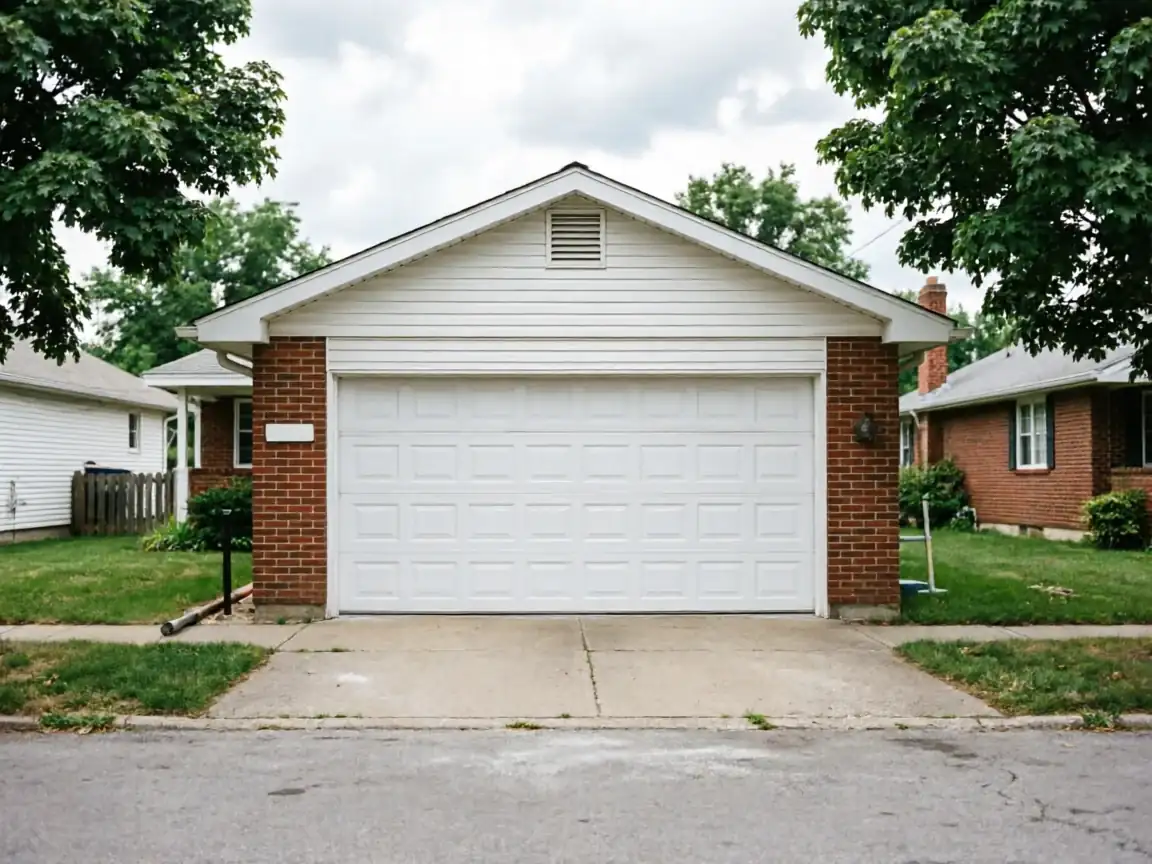
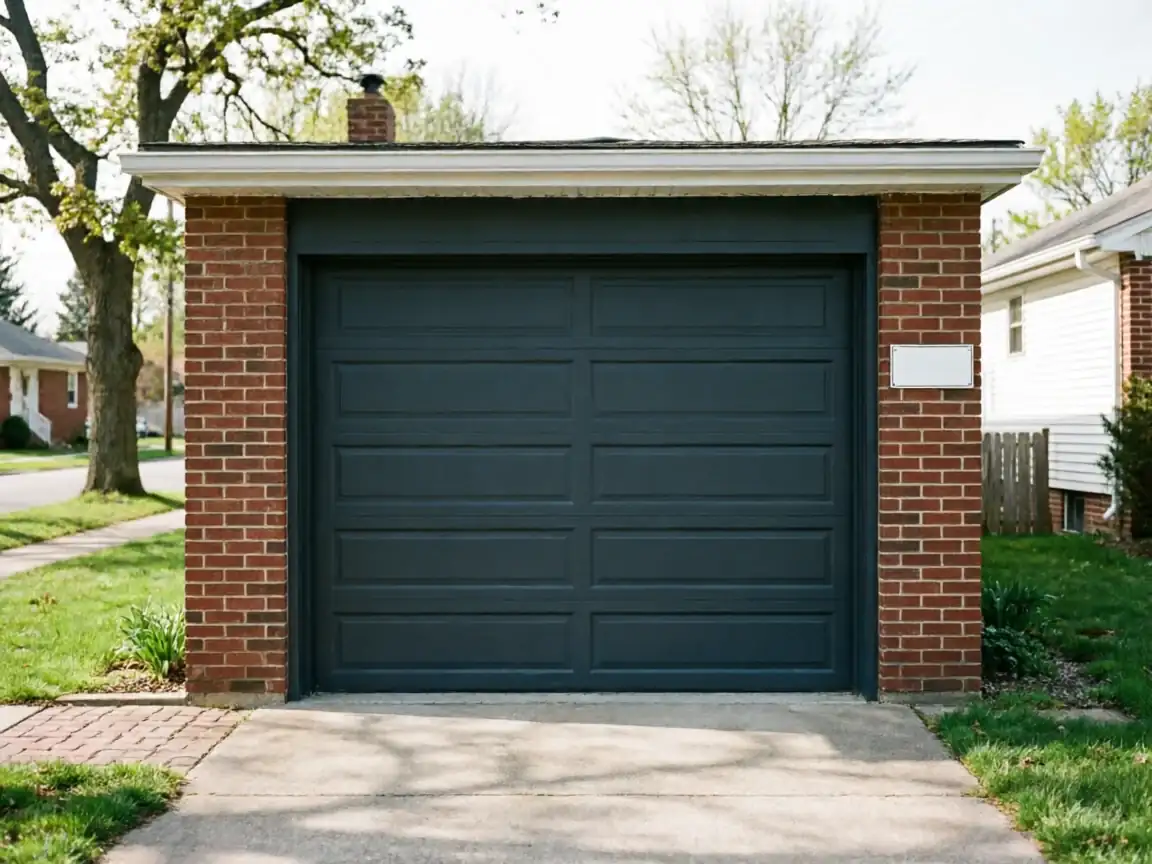
Most of the houses in Aurora and the towns around it - Montgomery, Batavia, North Aurora - went up between 1958 and 2003, with the typical build year landing around 1981. That matters for installation because a door from that era was almost never insulated, and the opener and track hardware that came with it was sized to building standards nobody uses anymore. Across the service area, roughly 158,029 owner-occupied houses sit on original or near-original garage hardware, which means a lot of panels, tracks, and openers are simply at the end of their service life rather than broken by any one event. Add in a cold-moderate climate band, and a single-layer steel door from the 1980s or 90s is working against temperature swings it was never built to handle. The door doesn't fail because something went wrong. It fails because it's doing a 2024 job with 1981 materials. That's the case for installation over another round of patch repairs, and it's a different conversation than a spring snapping or a cable fraying.
How Long You Are Without the Door
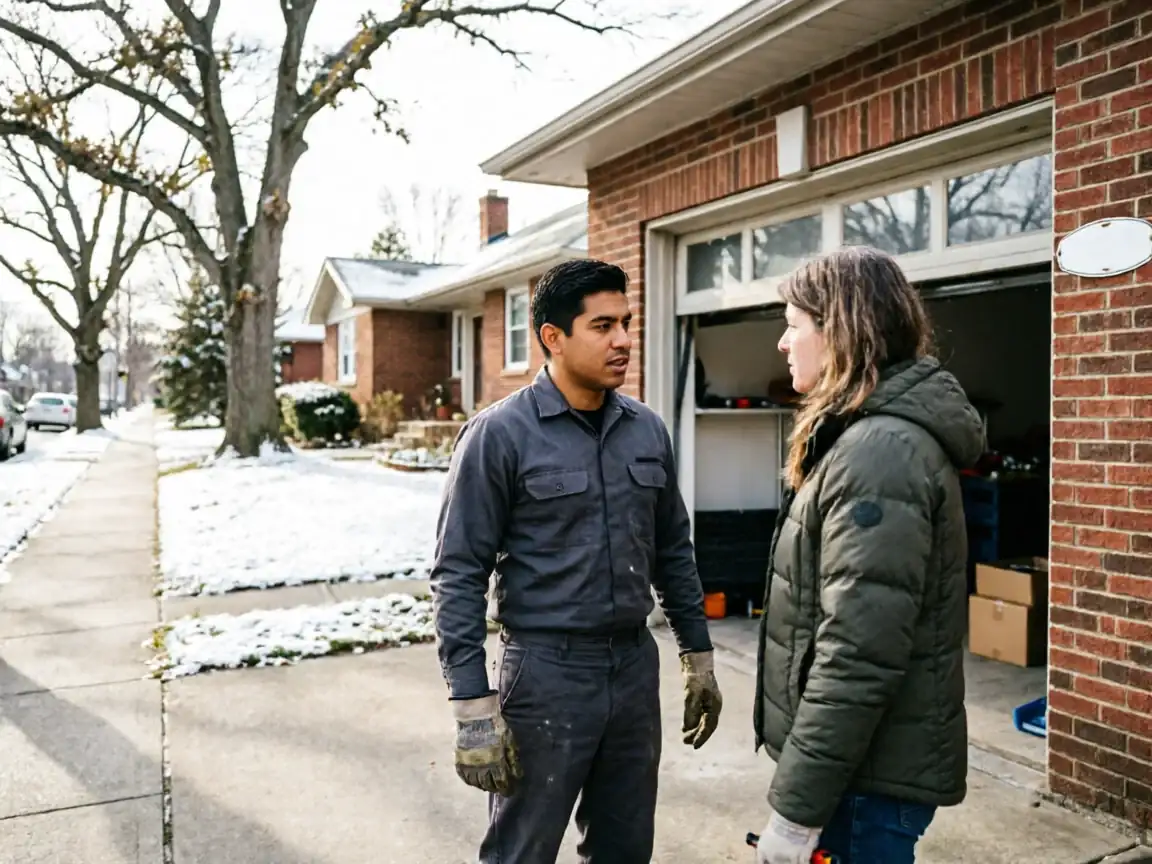
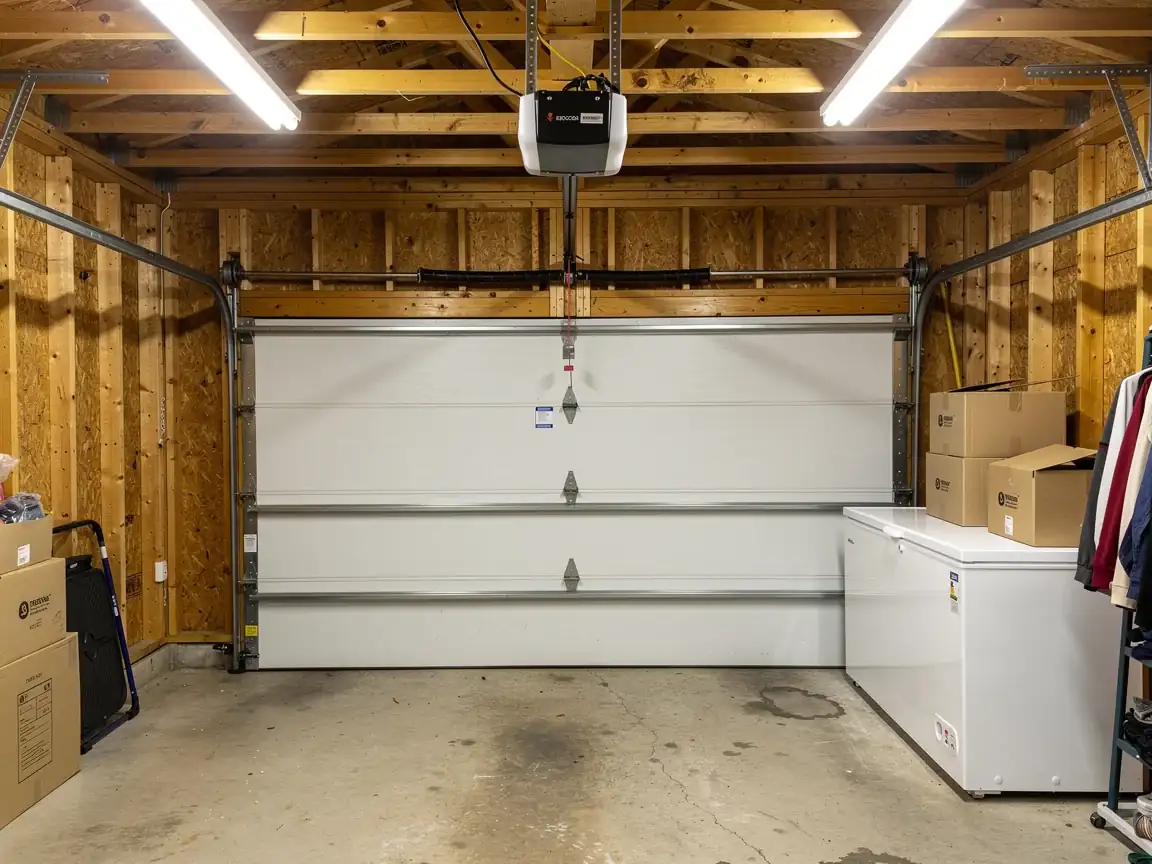
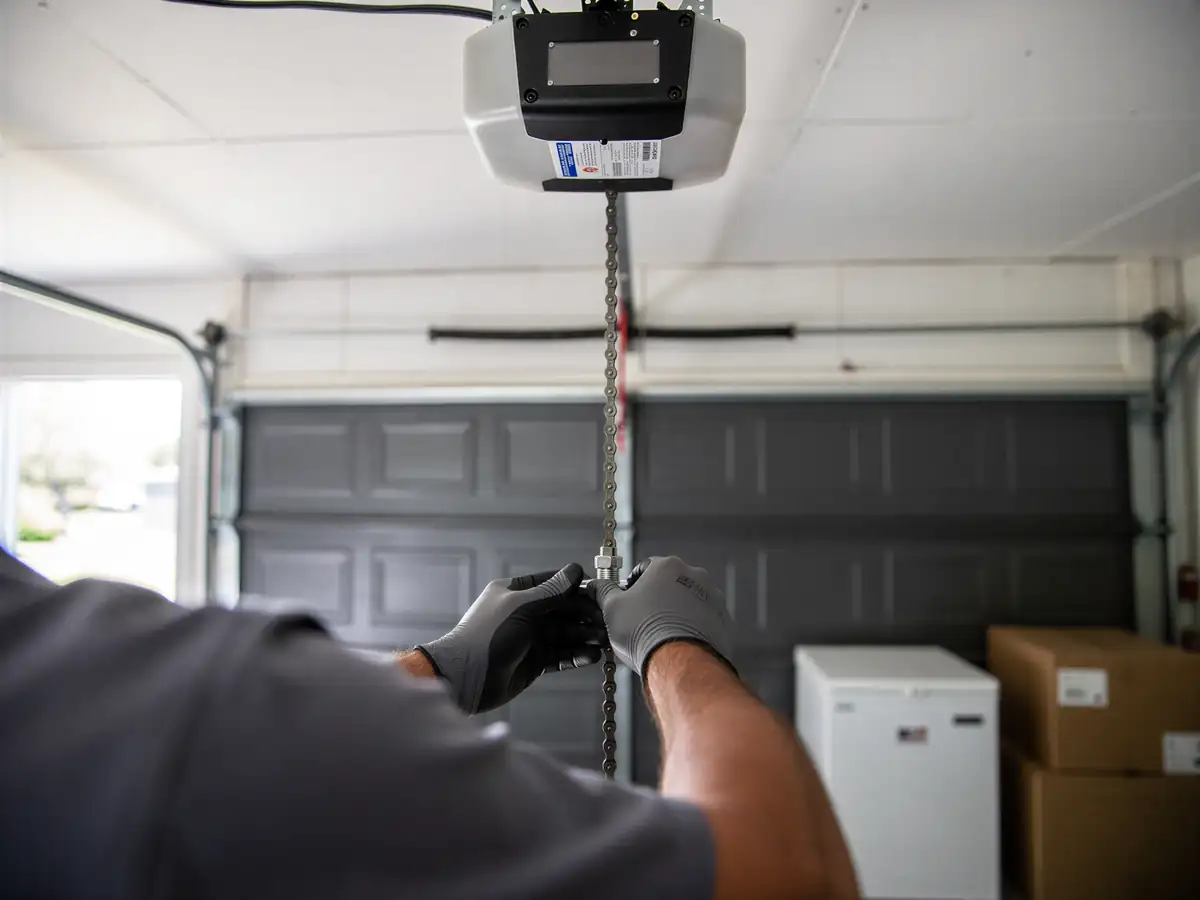
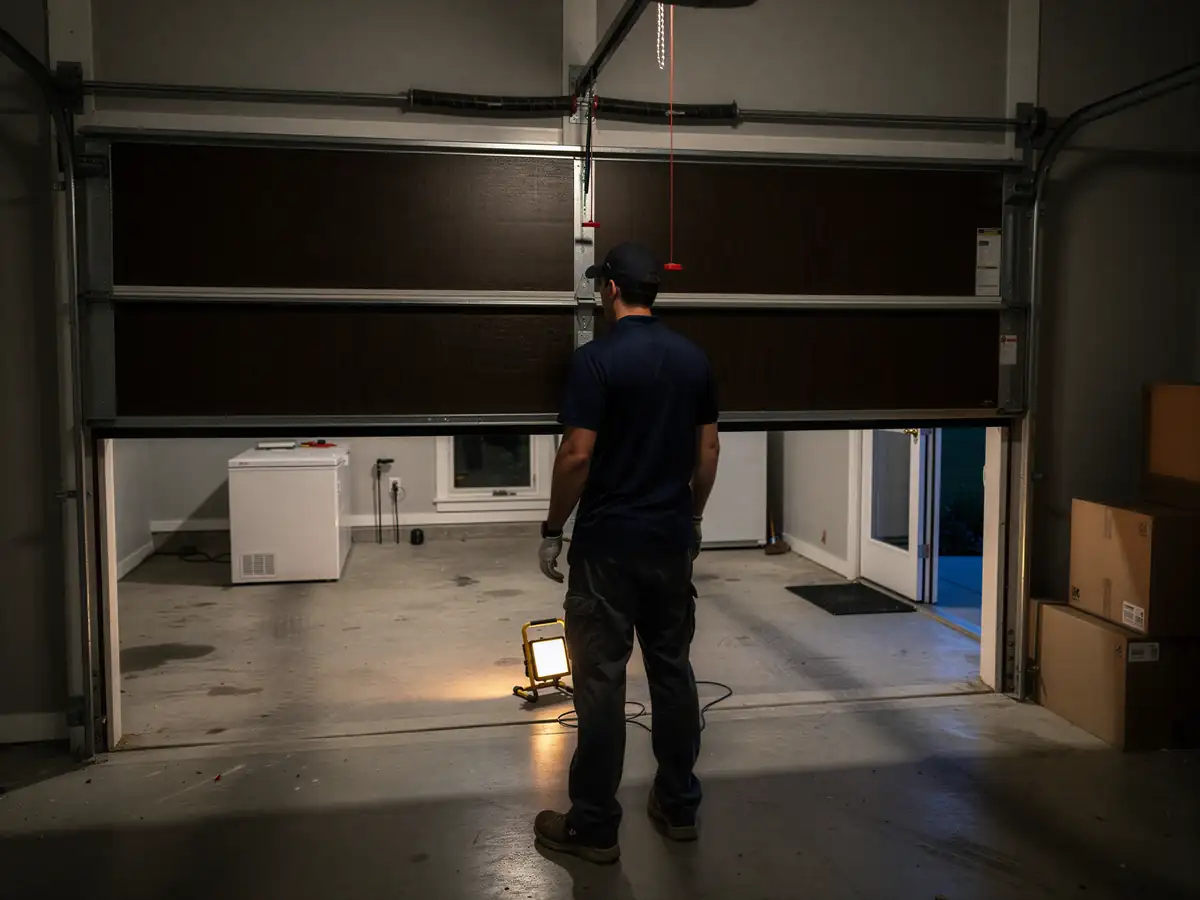
A straightforward swap - same opening, new insulated door - is usually a one-day job once the door itself is on the truck. What stretches that out is sizing. A lot of garages in this area were framed for openings that don't match what manufacturers stock off the shelf today, so a custom width or height can mean a real wait before install day even starts. We'll tell you up front if your opening falls into that category instead of promising a date we can't hit. Once the door and hardware are on site, removing the old door, setting new tracks, and balancing the springs for the new weight typically happens in a single visit, with the opener reprogrammed and tested before we leave. If you're also swapping the opener, add a little time for wiring and safety sensor alignment. We won't rush that part - misaligned sensors are the most common callback in this business, and it's avoidable.
What the Fix Involves
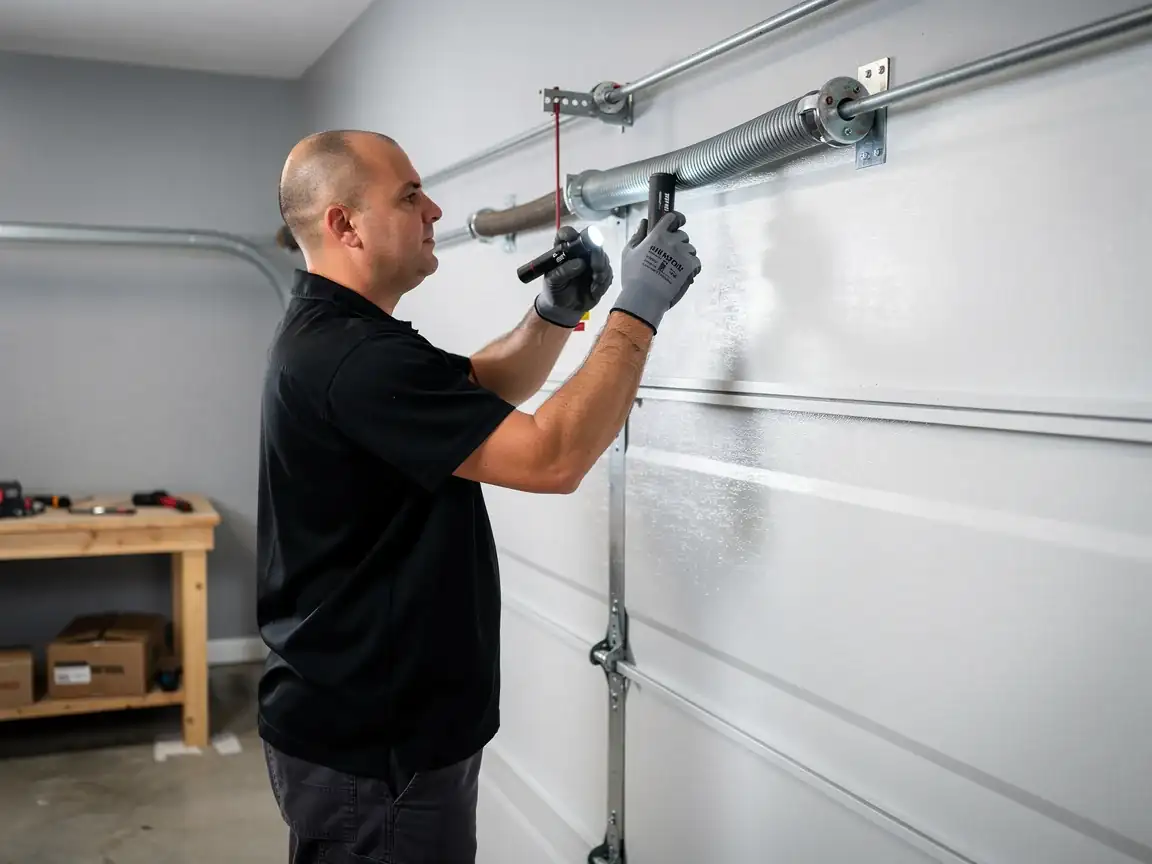
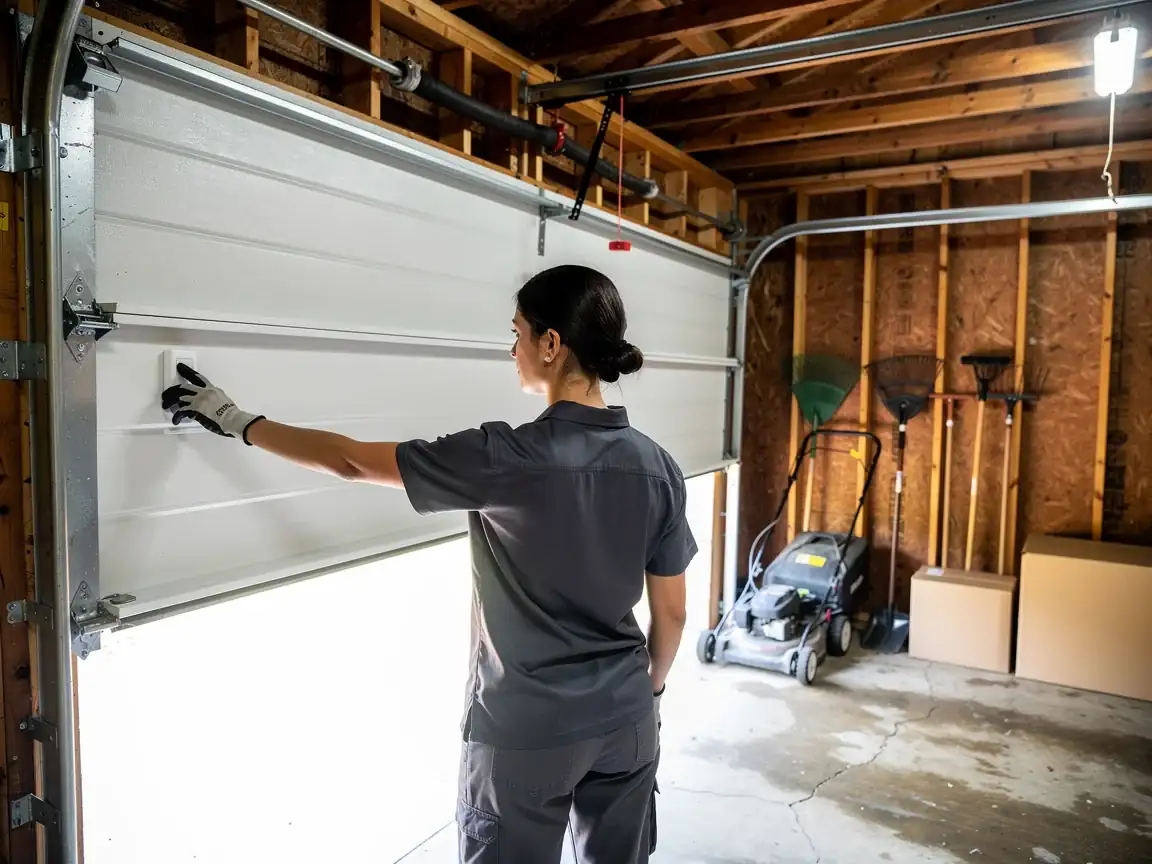
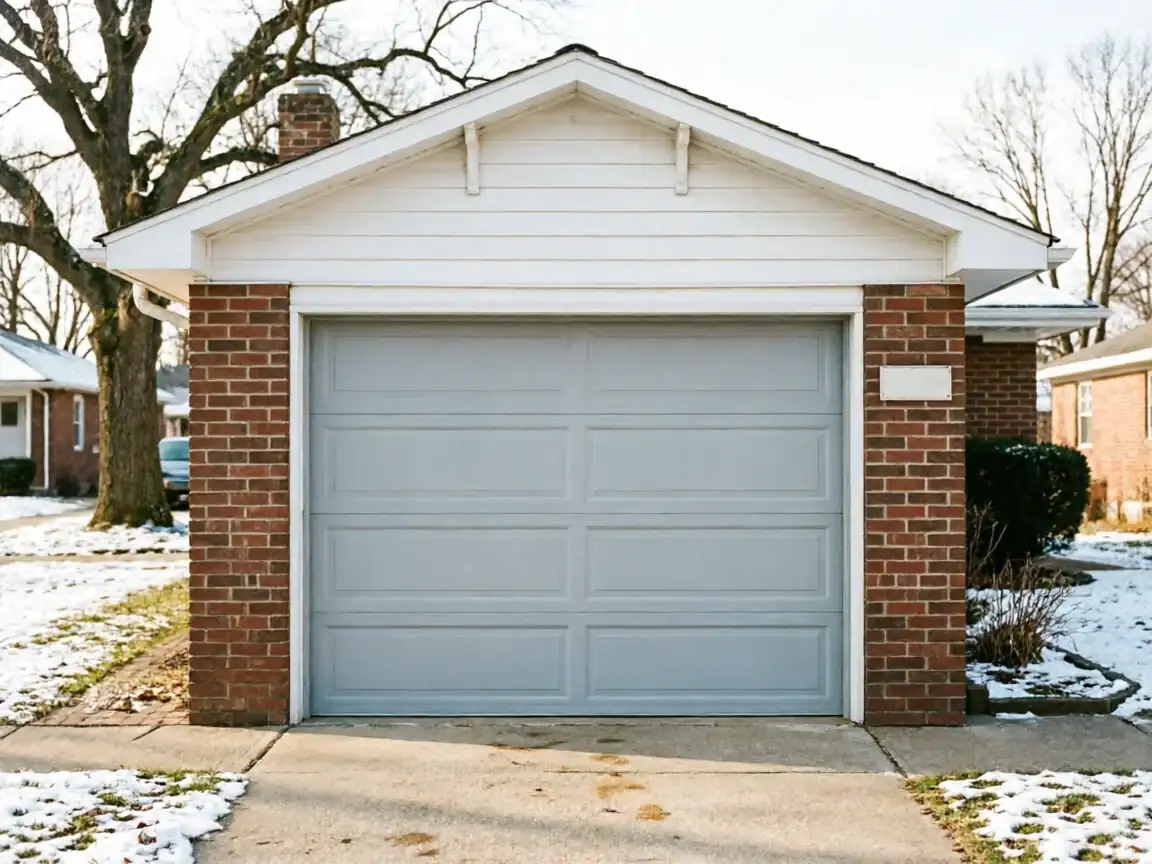
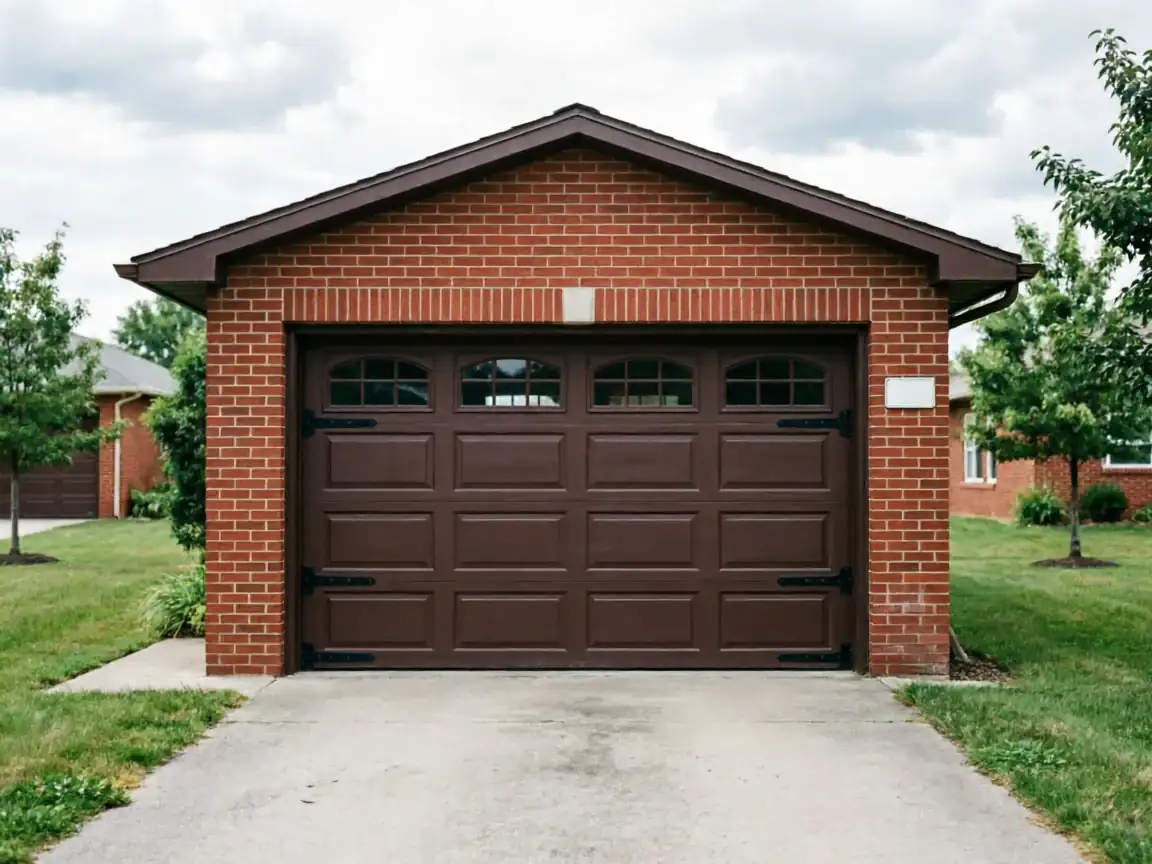
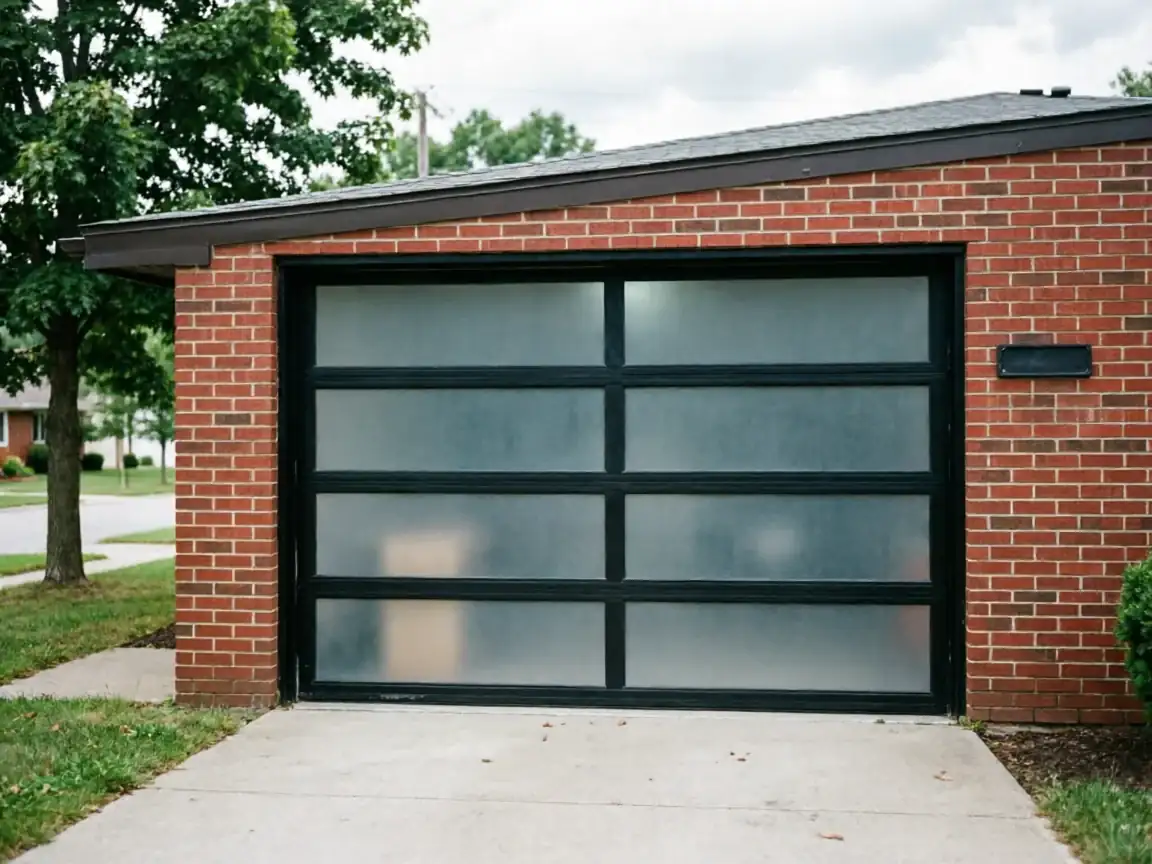
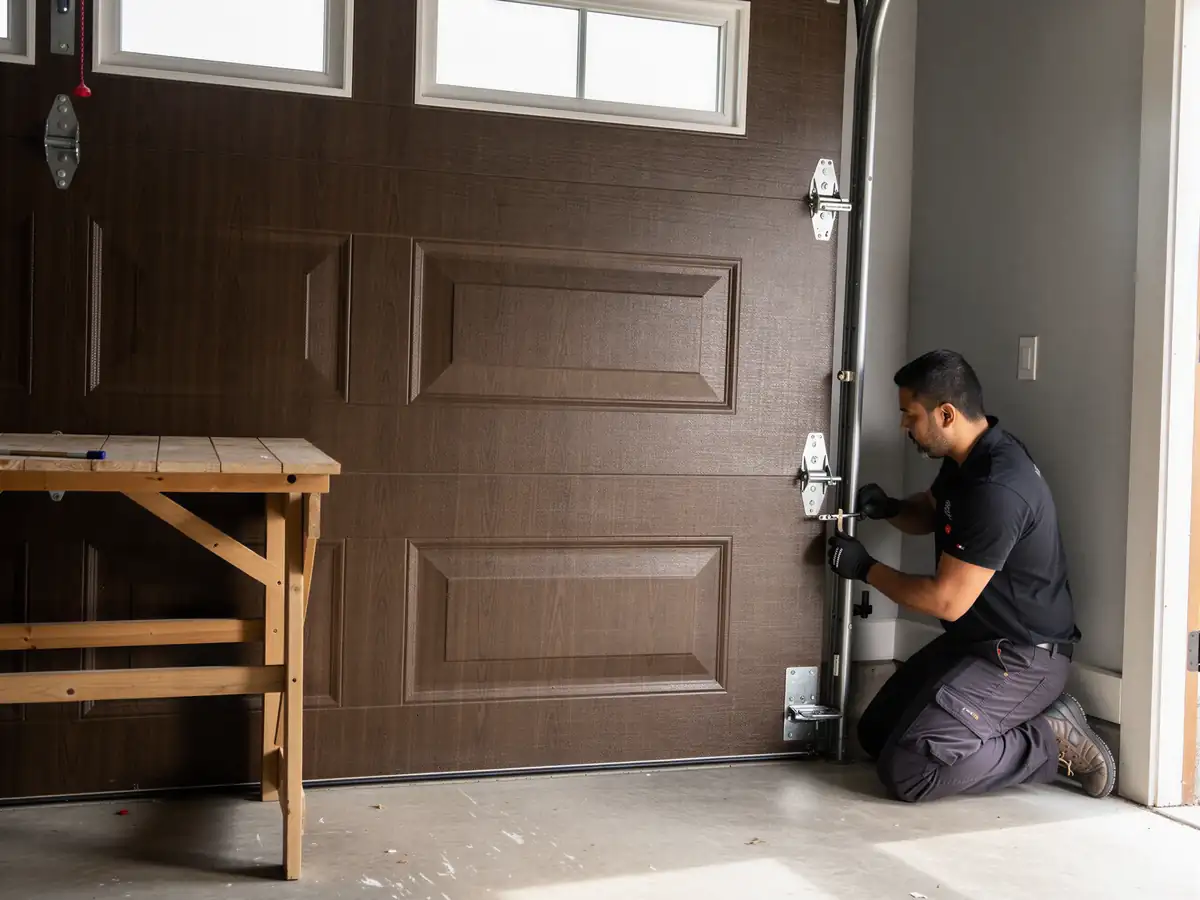
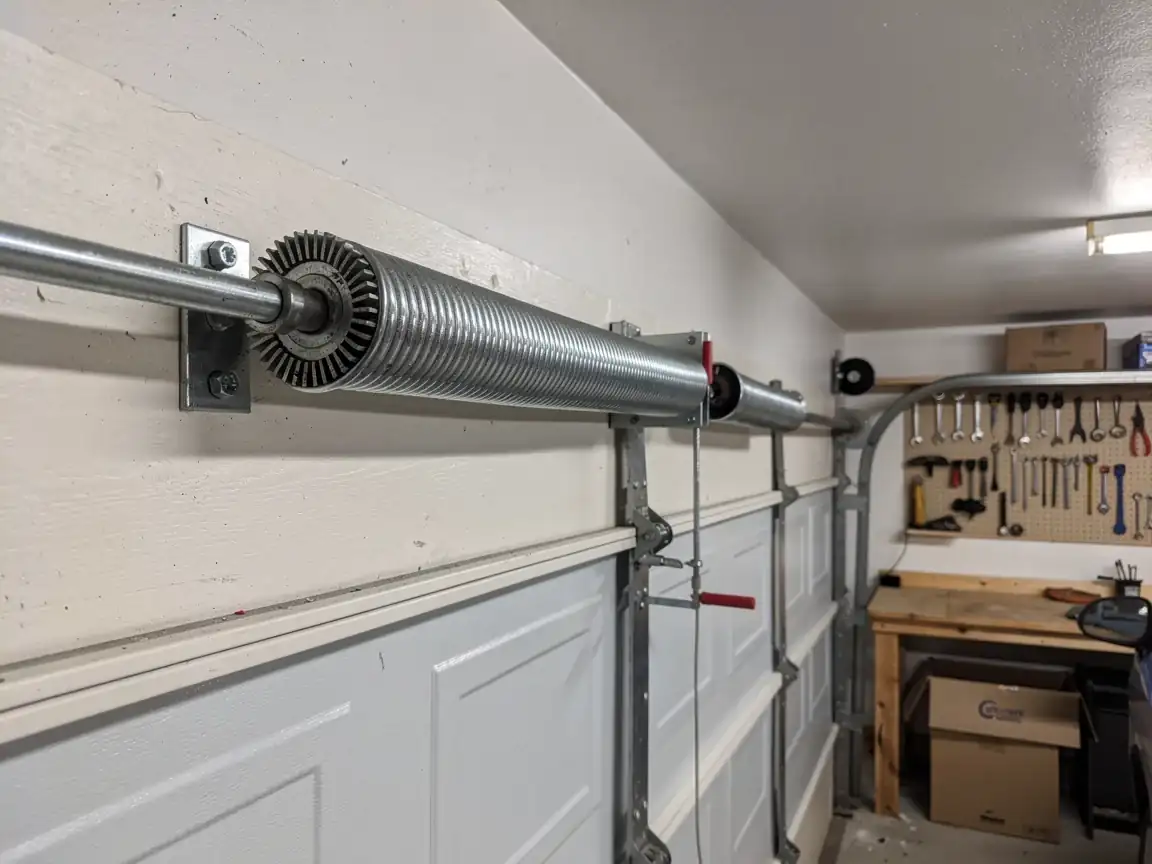
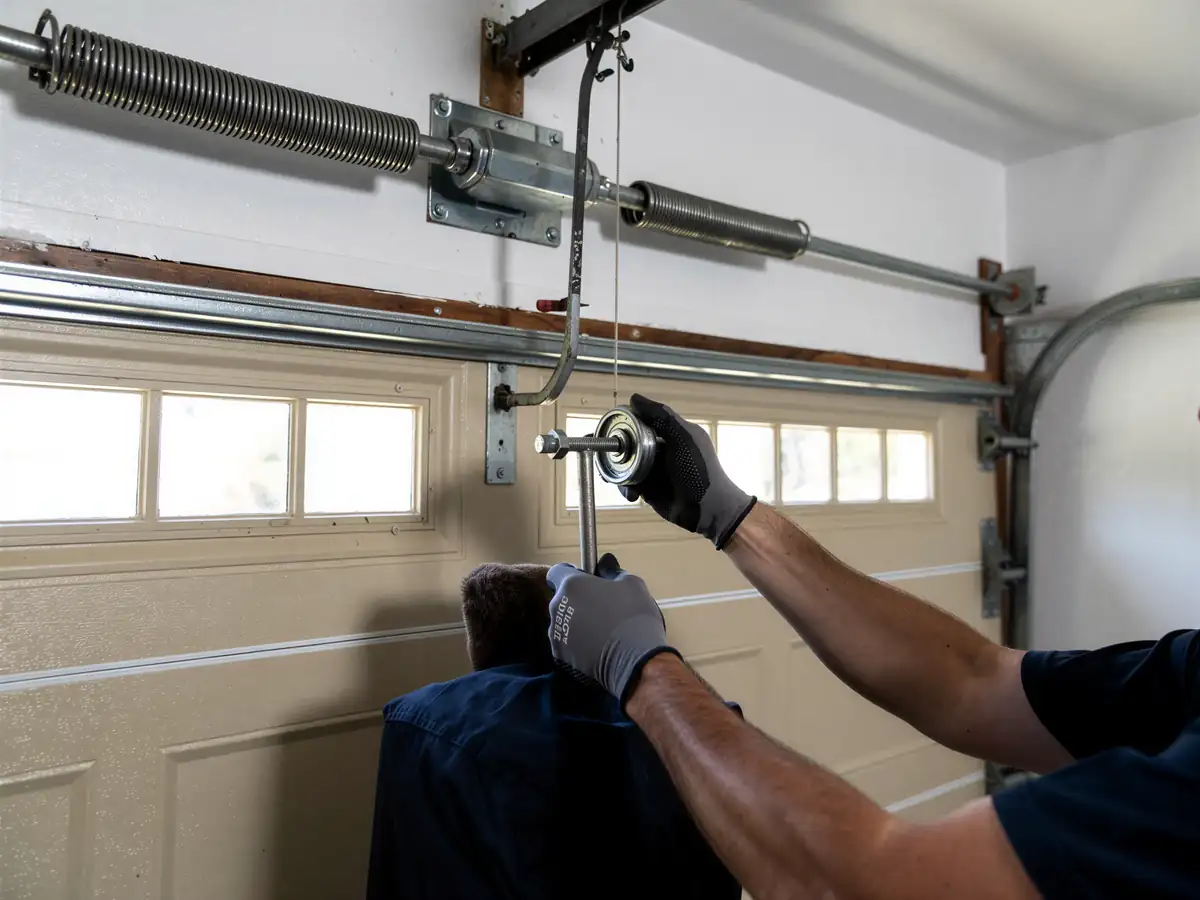
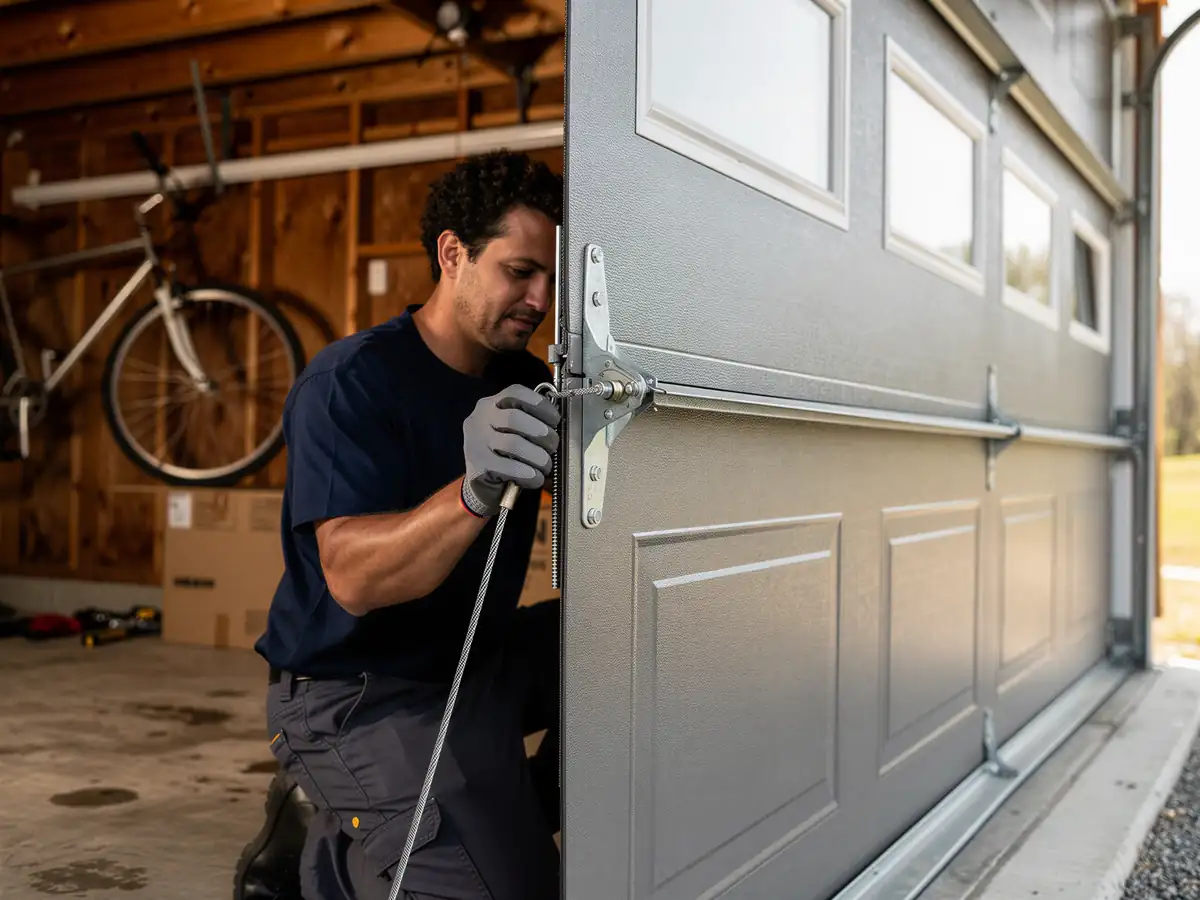
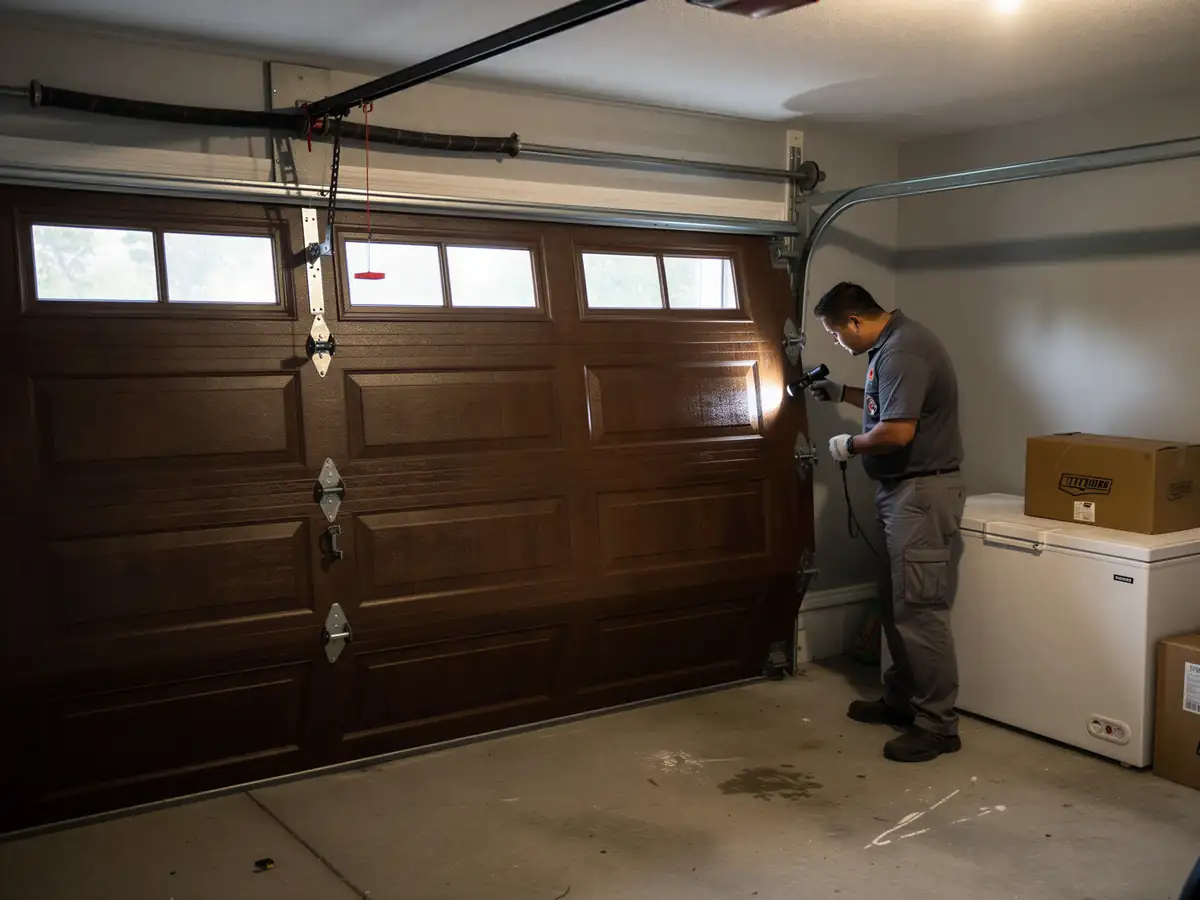
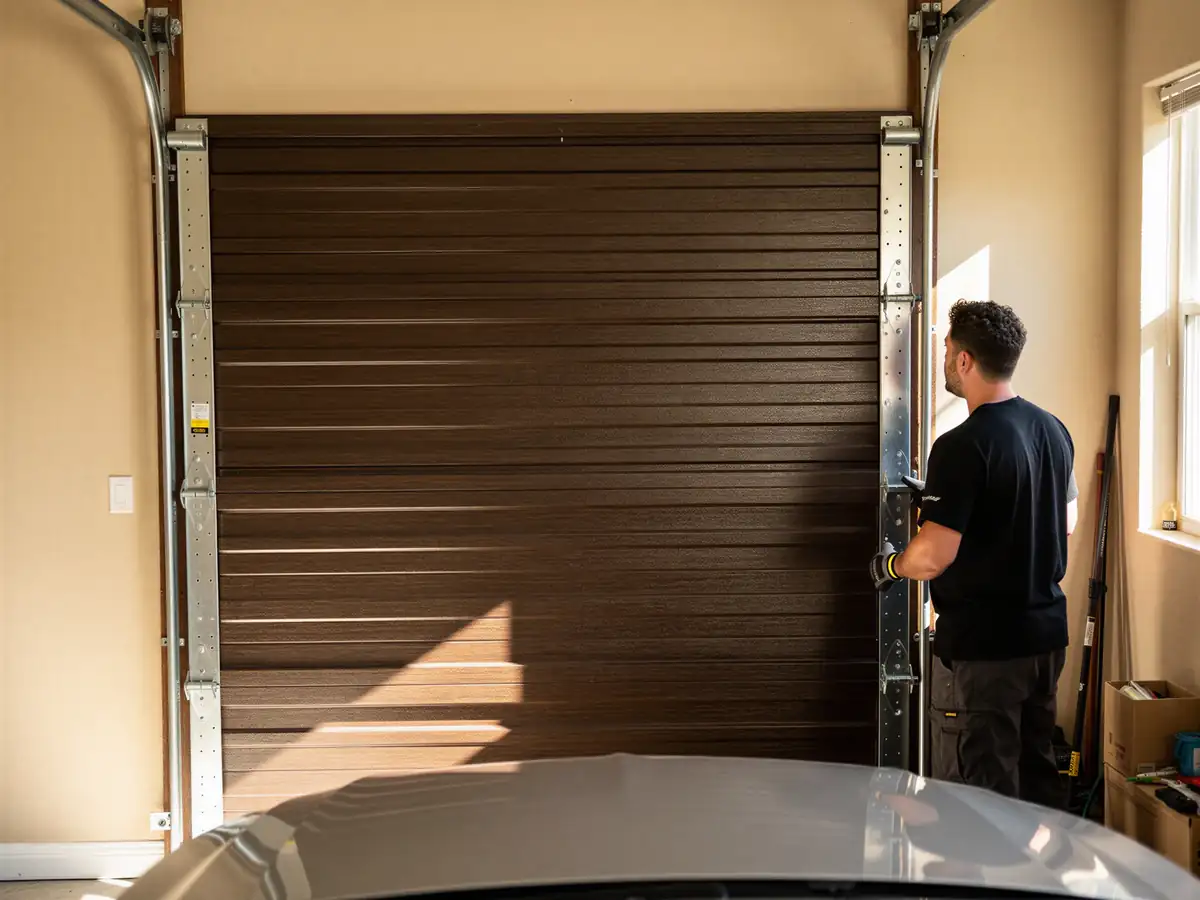
Installation starts with measuring the actual opening, not assuming it matches a standard size, since a lot of this area's older construction runs slightly off from modern norms. We pull the old door and track, inspect the jambs for rot or settling (common enough in houses built mid-century), and set new track and spring hardware sized to the new door's weight rather than reusing what was there. For this climate, we default to insulated panels - they hold up better through the temperature range Aurora sees across a winter and summer than the single-layer steel doors most of these homes started with. We test the balance by hand before we ever power up the opener, because a door that's out of balance will burn out an opener motor fast, insulated or not. Last step is programming the opener, testing the auto-reverse safety feature, and walking the owner through what to expect the first few weeks as new springs settle in. We don't install a door we think is the wrong size or style for the structure just to close the job - if the opening needs framing work first, we'll say so before we start.