Doing It Yourself
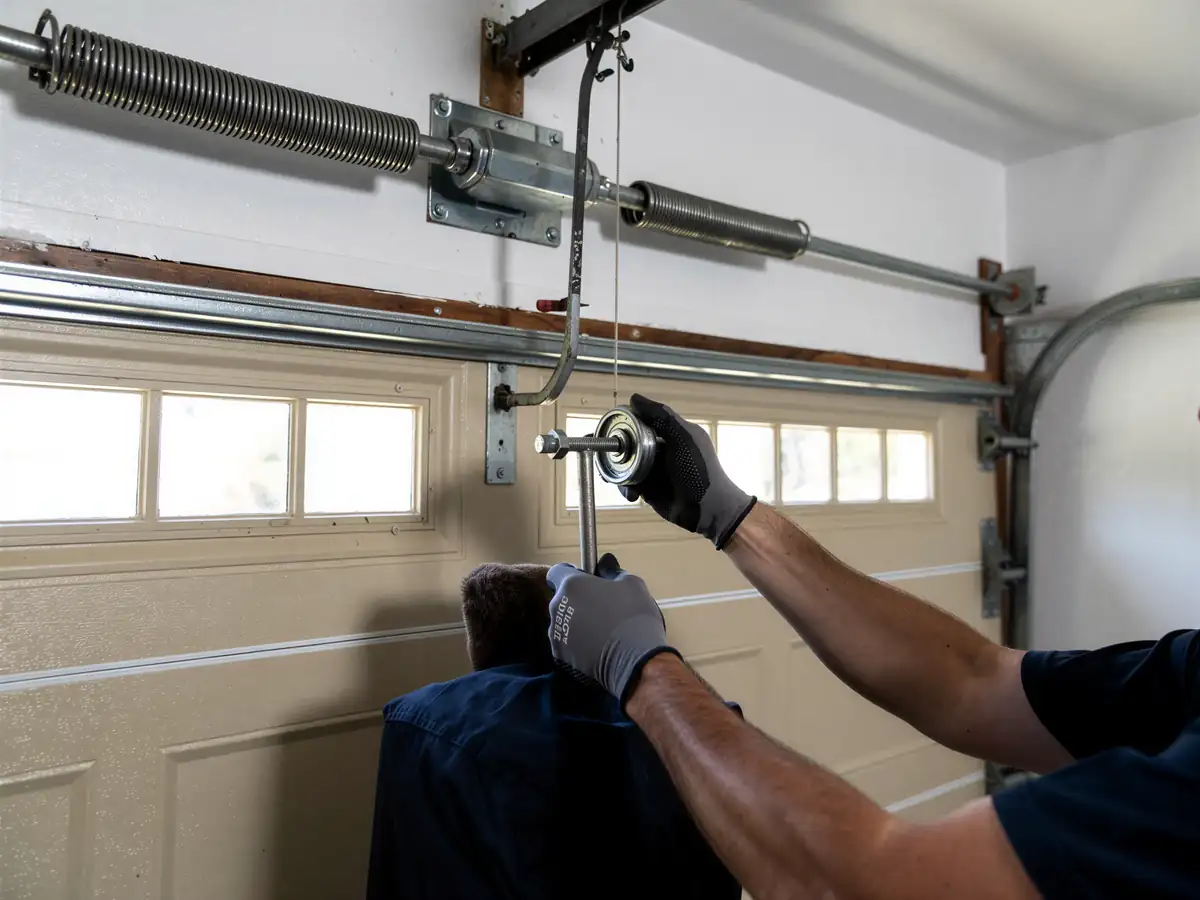
A snapped or frayed cable is not a bolt-on-a-wrench job, no matter what the online videos make it look like. The cable is under load from the spring system the second you touch the door, and a cable that lets go while you're holding it can take a finger with it. We're not going to pretend there's a safe shortcut here.
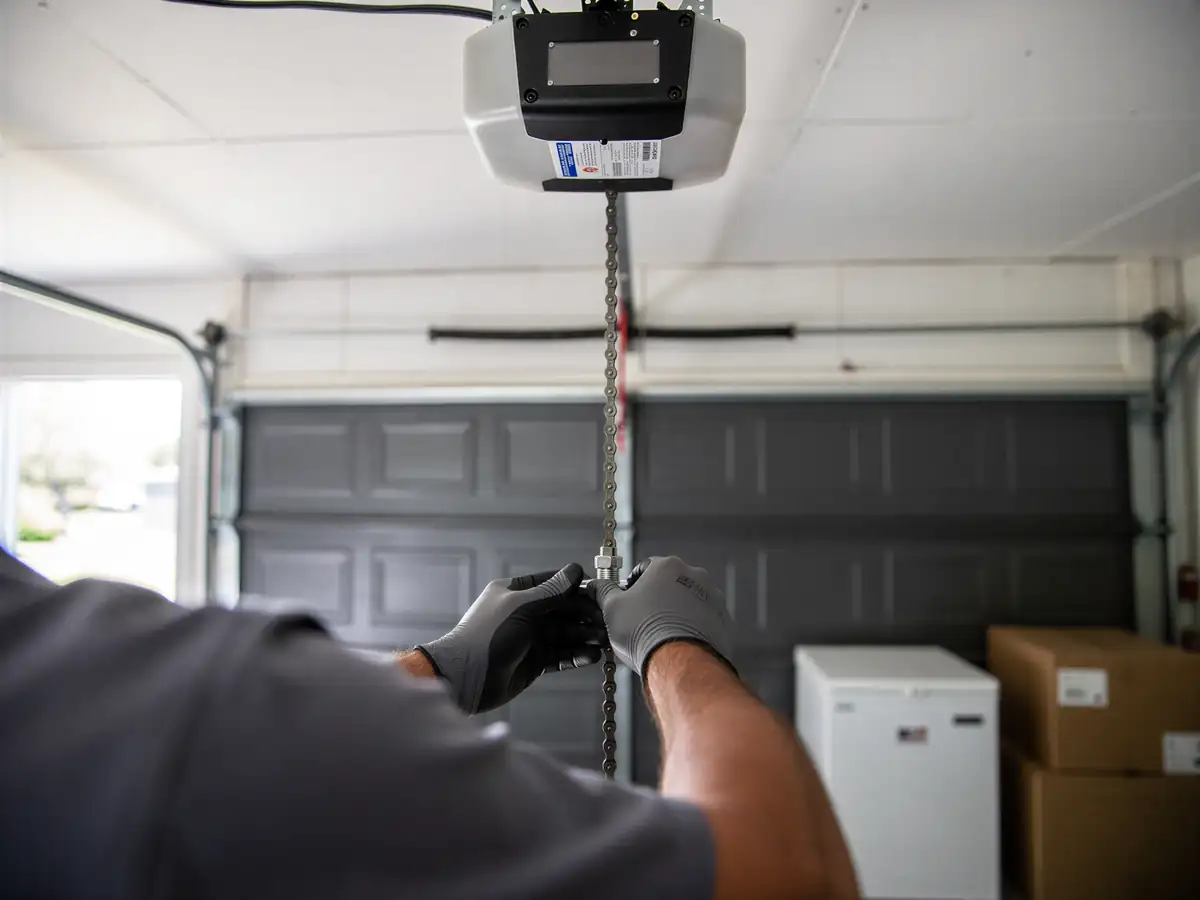
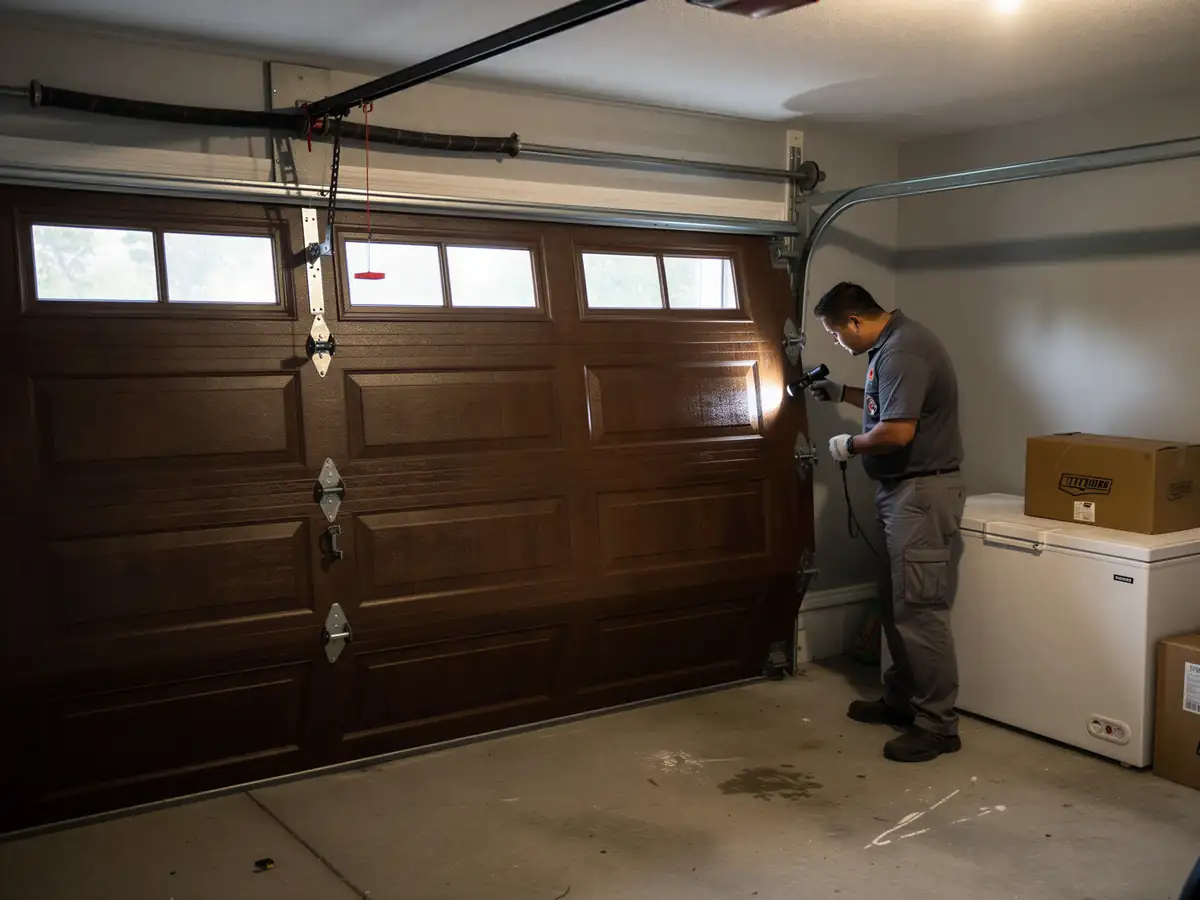
What you can do yourself: look at the cable without touching the door. If you see broken strands near the bottom bracket, or the cable has jumped off the drum at the top, that's enough to call it in. Don't try to re-seat it, don't try to tension it by hand, and don't run the opener hoping it'll fix itself - that usually finishes the job of bending the drum or chewing up the track instead.
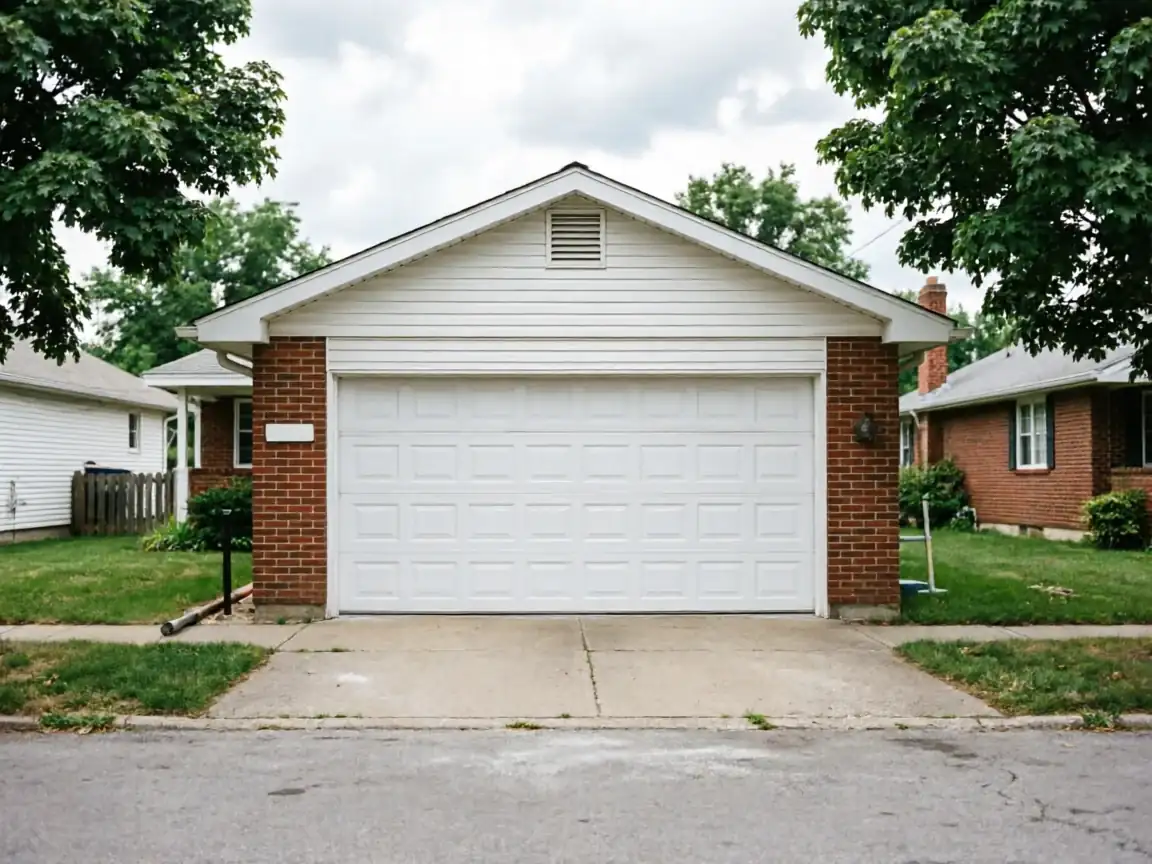
Romeoville's housing here runs newer than a lot of what we see closer to Aurora - median build year 1998 puts most garages on original or first-replacement torsion hardware, not the older extension-spring setups you find in 1960s and 70s stock. That's actually in your favor: newer drums and cable routing are more standard, so parts are easier to match. It still isn't a DIY fix.
The Symptom
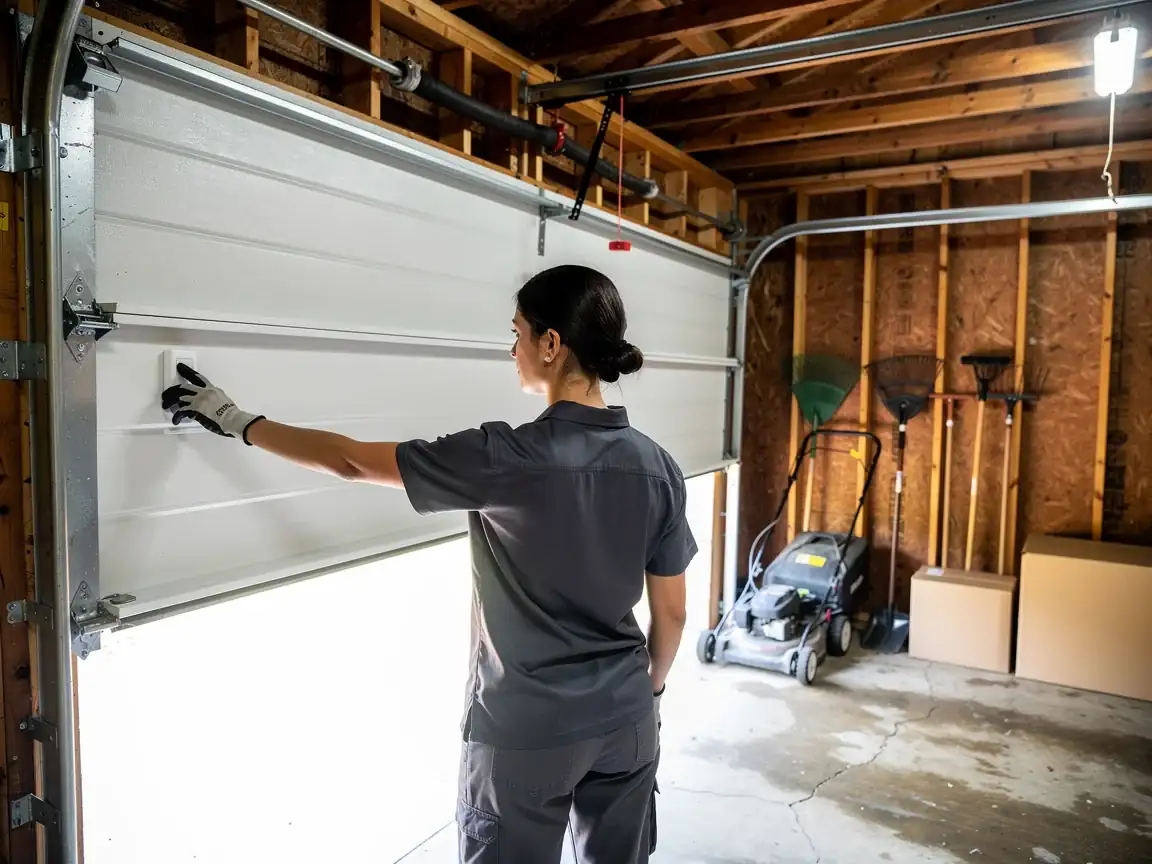
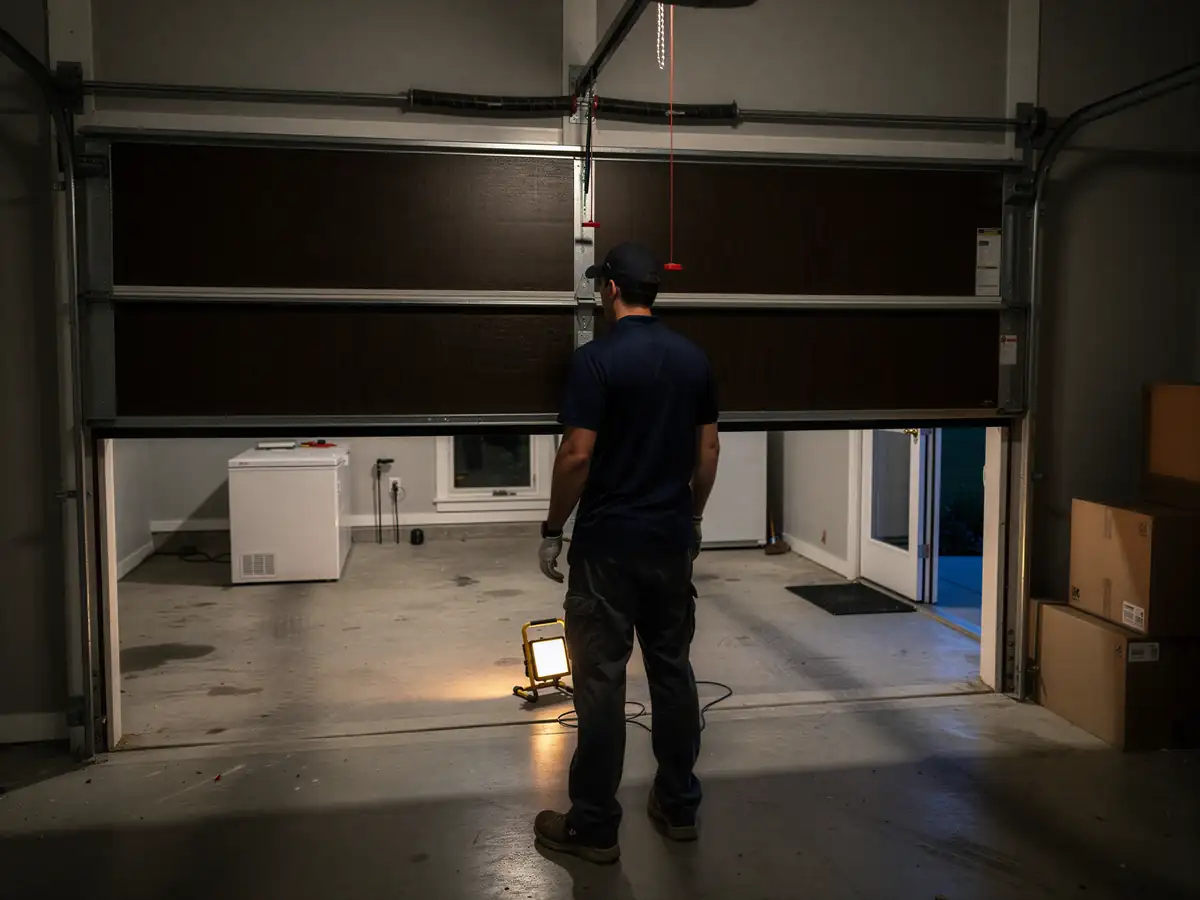
The most common call we get from this area isn't a dead door, it's a door that's gone crooked - one side drops faster than the other when you hit the button, or the door hangs at an angle when it's halfway up. That's a cable walking off its drum or starting to fray on one side, not both failing at once.
Sometimes it's quieter than that: a door that used to glide now jerks or stutters a few inches off the floor, like something's catching. That catch is often a cable with a few broken strands snagging the drum groove before it lets go completely.
A full snap is the loud version - the door won't move at all, or it drops hard and stays down. On the late-1990s builds common in this area, we also see cables worn through at the bottom roller bracket from corrosion rather than age alone, since that bracket sits closest to the slab and takes the most moisture over a winter.
What the Fix Involves
Both cables get replaced together, even if only one has failed
If one cable is worn enough to snap, the other has seen the same years of cycles and the same drum wear, and a mismatched pair is how you end up back here in six months with the second one gone.
The job means releasing spring tension safely
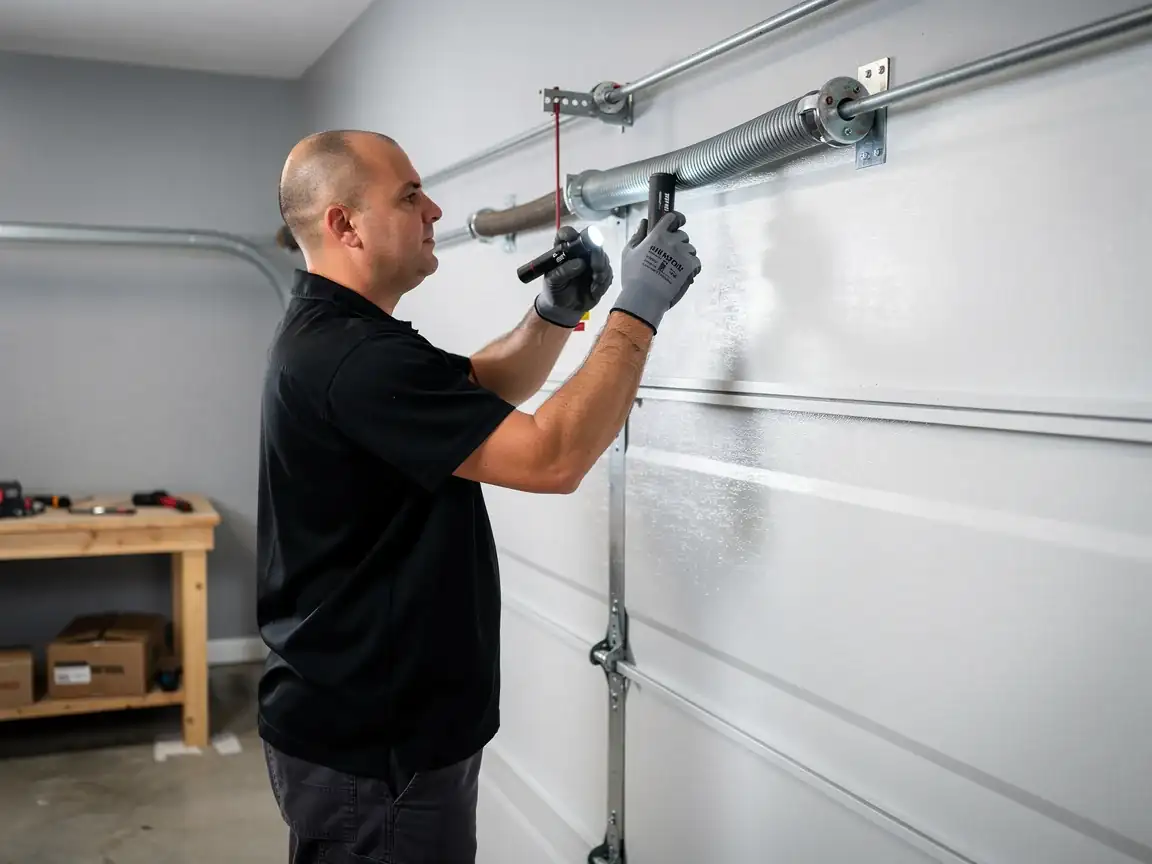
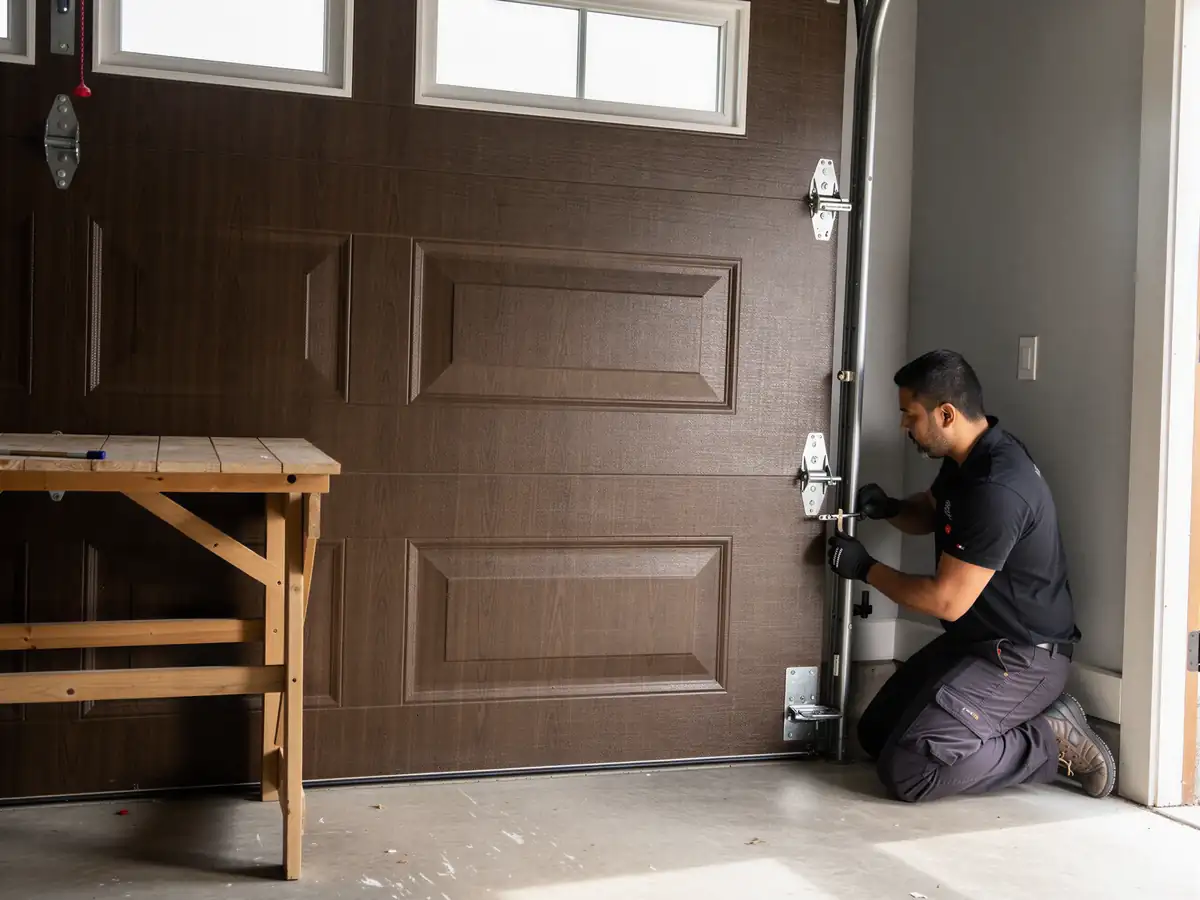
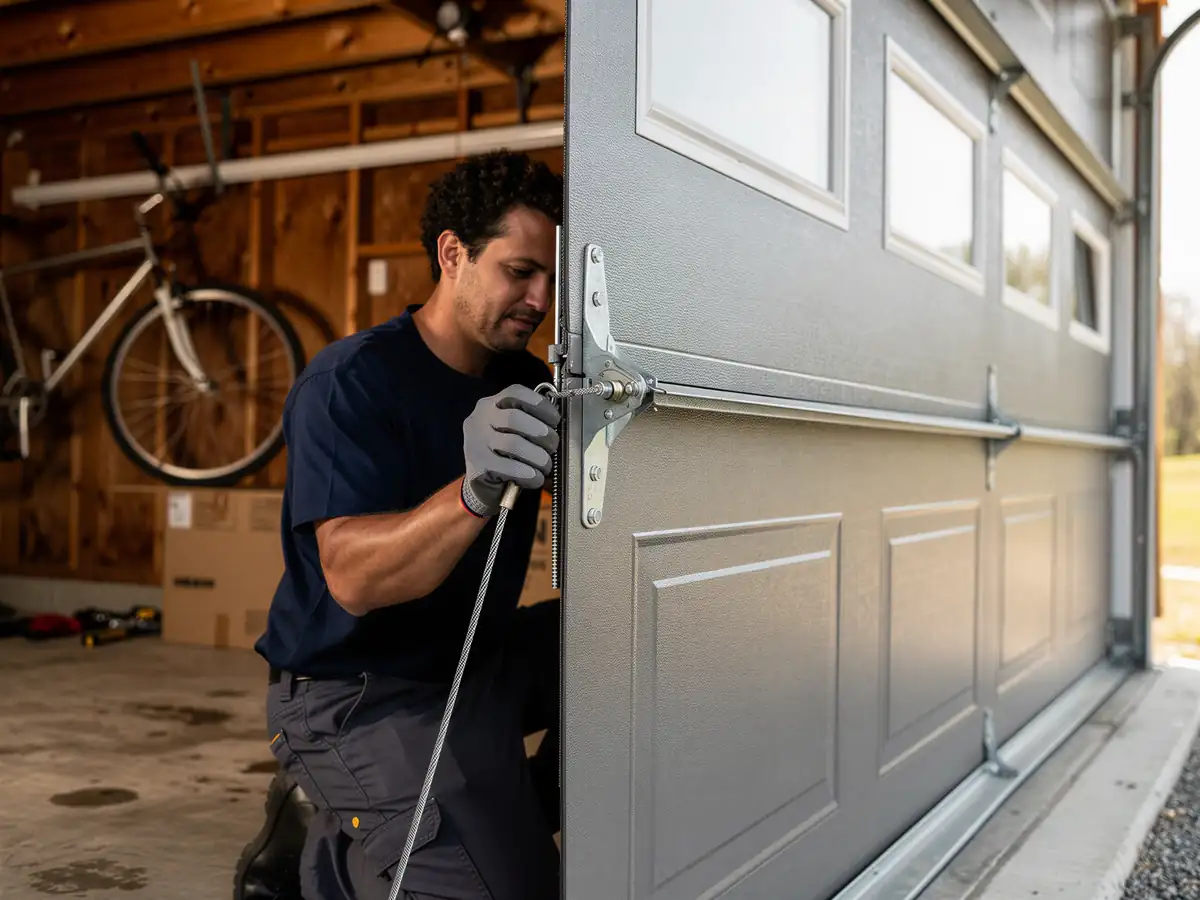
Pulling the old cable off the drum, checking the drum itself for a chewed groove (common once a cable has slipped), and running new cable sized to the door's drop and drum diameter. On the torsion setups typical of 1990s-era Romeoville construction, we also check the bottom bracket alignment and the track for any bend caused by the door running crooked before the cable gave out completely.
One limitation worth saying plainly
If the drum or track got bent from the door running unbalanced for a while before you called, cable replacement alone won't fix it. That's a second part, and we'll tell you up front if we see it rather than quote a cable job and find it later.
What Causes It Around Here
This area sits in a cold climate band with real seasonal swings, and cable wear tracks that. Winter cold makes steel cable stiffer and less forgiving at the drum groove, so a cable that's already down a few strands is more likely to finally give in January than in July.
Romeoville's housing stock, centered around 1998, means most of these doors are on their first or second cable set rather than decades-old hardware. That's a different failure pattern than what we see on the 1958-era end of the service area's housing - less corrosion on ancient galvanized cable, more straightforward fatigue from twenty-five-plus years of daily cycles on the original drum.
We drive out from Aurora for these calls, about 14 miles each way, so we're not a local branch with a shop around the corner - just worth knowing going in.