Doing It Yourself
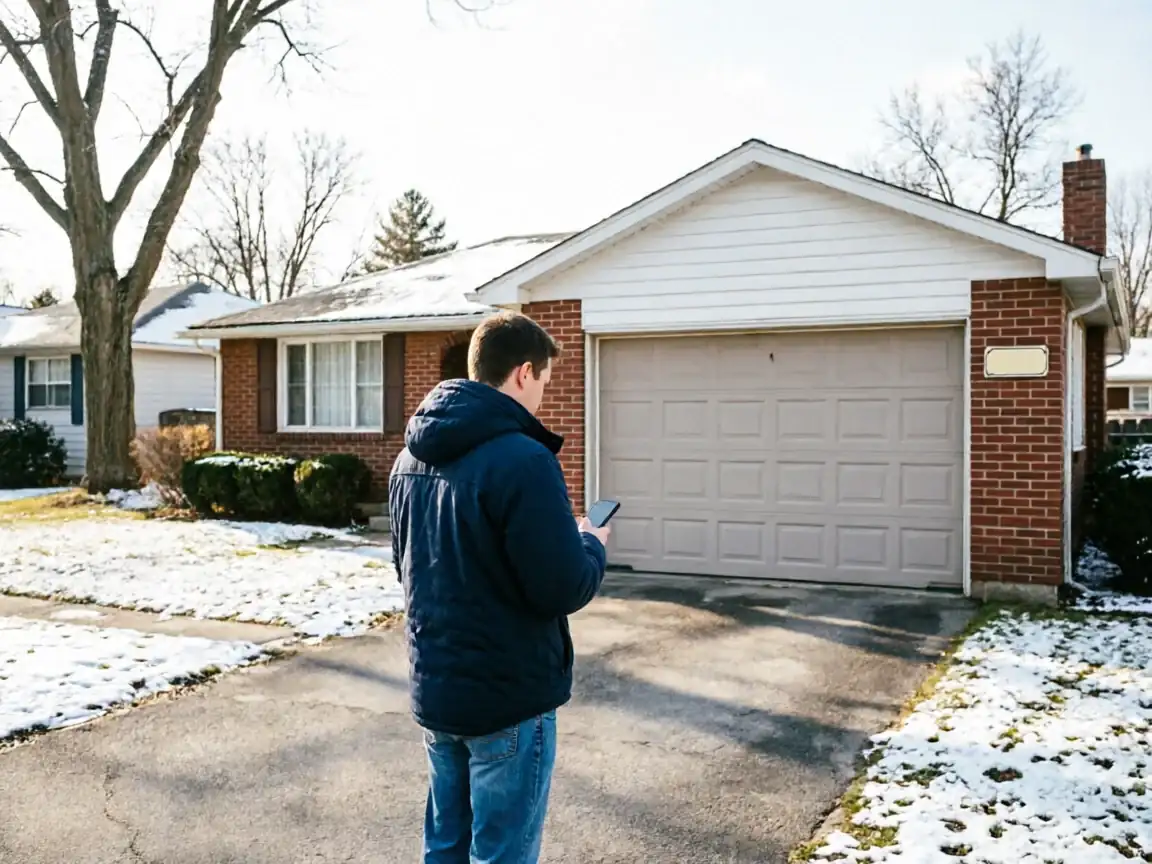
At a median household income of $100,022, Romeoville sits close to the service area's overall figure, which means most owners here are weighing a $1,200 repair against a $2,000-plus replacement, not stretching for either. That math is the first thing to get straight before you touch a wrench.
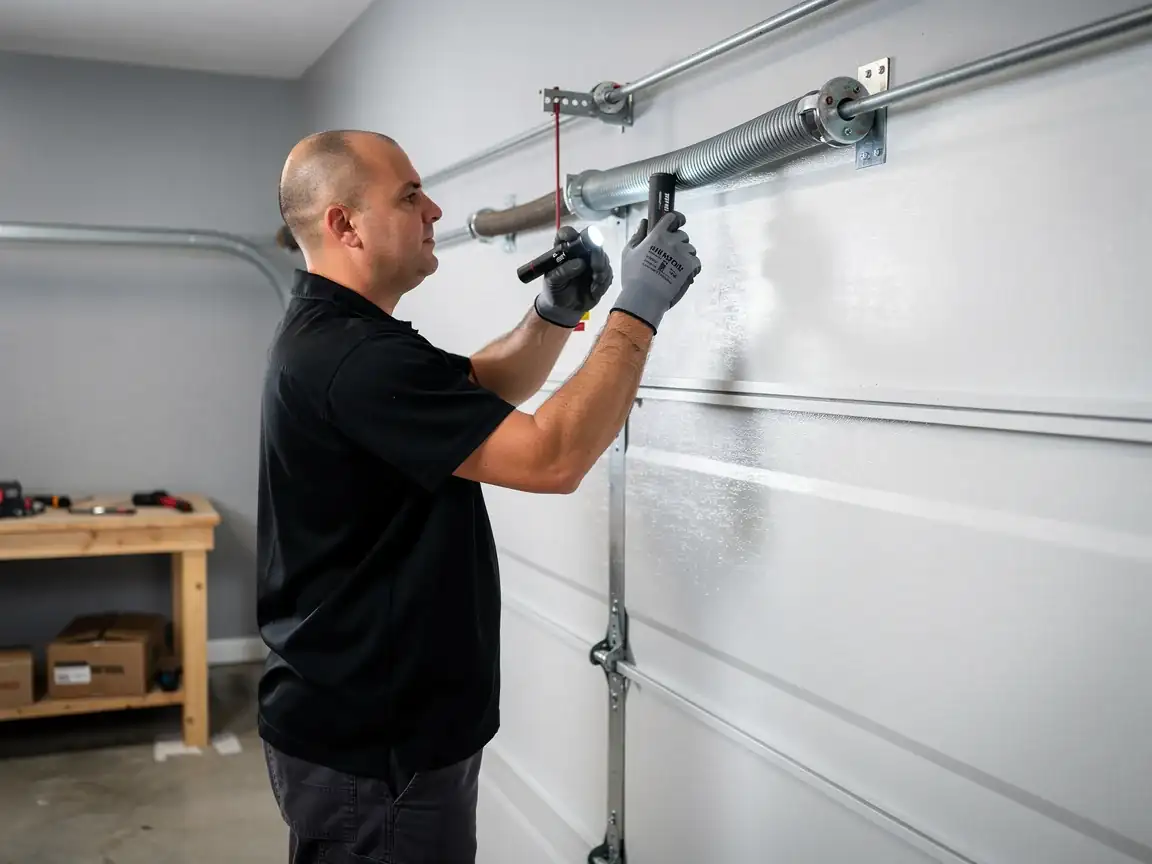
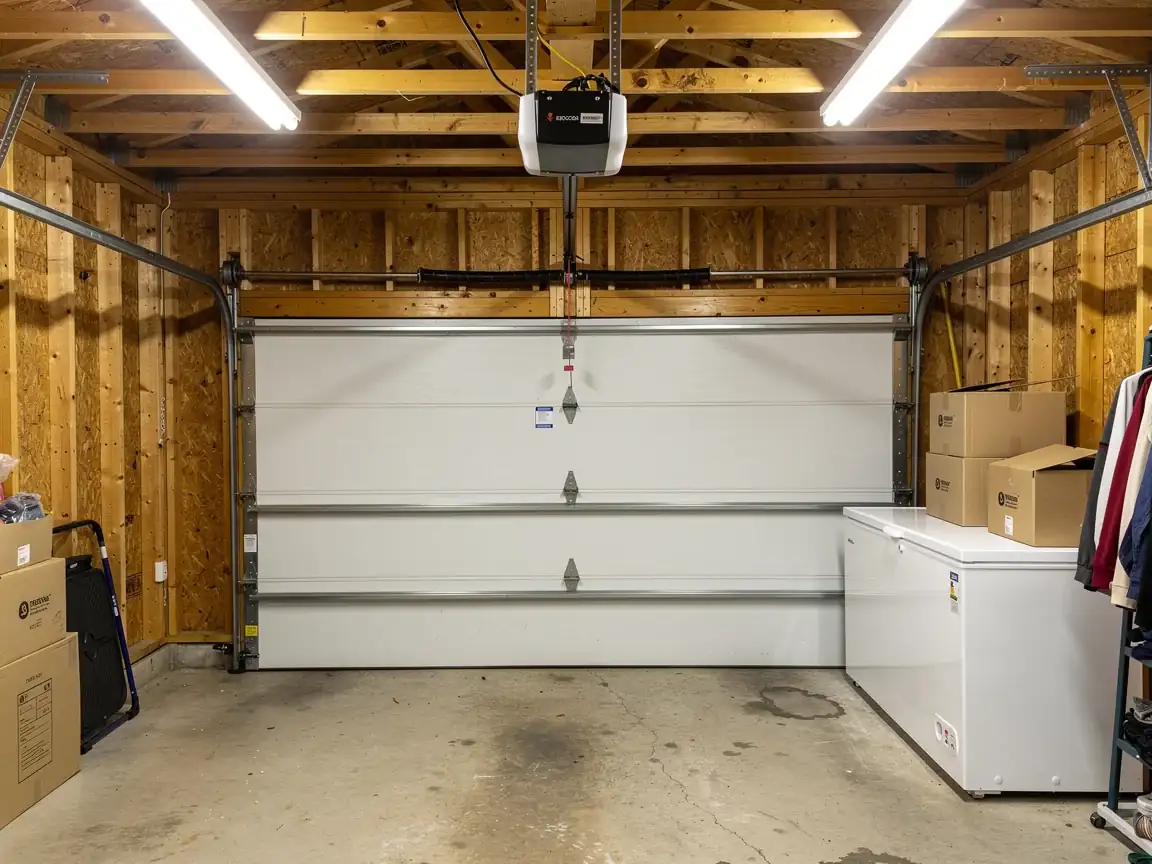
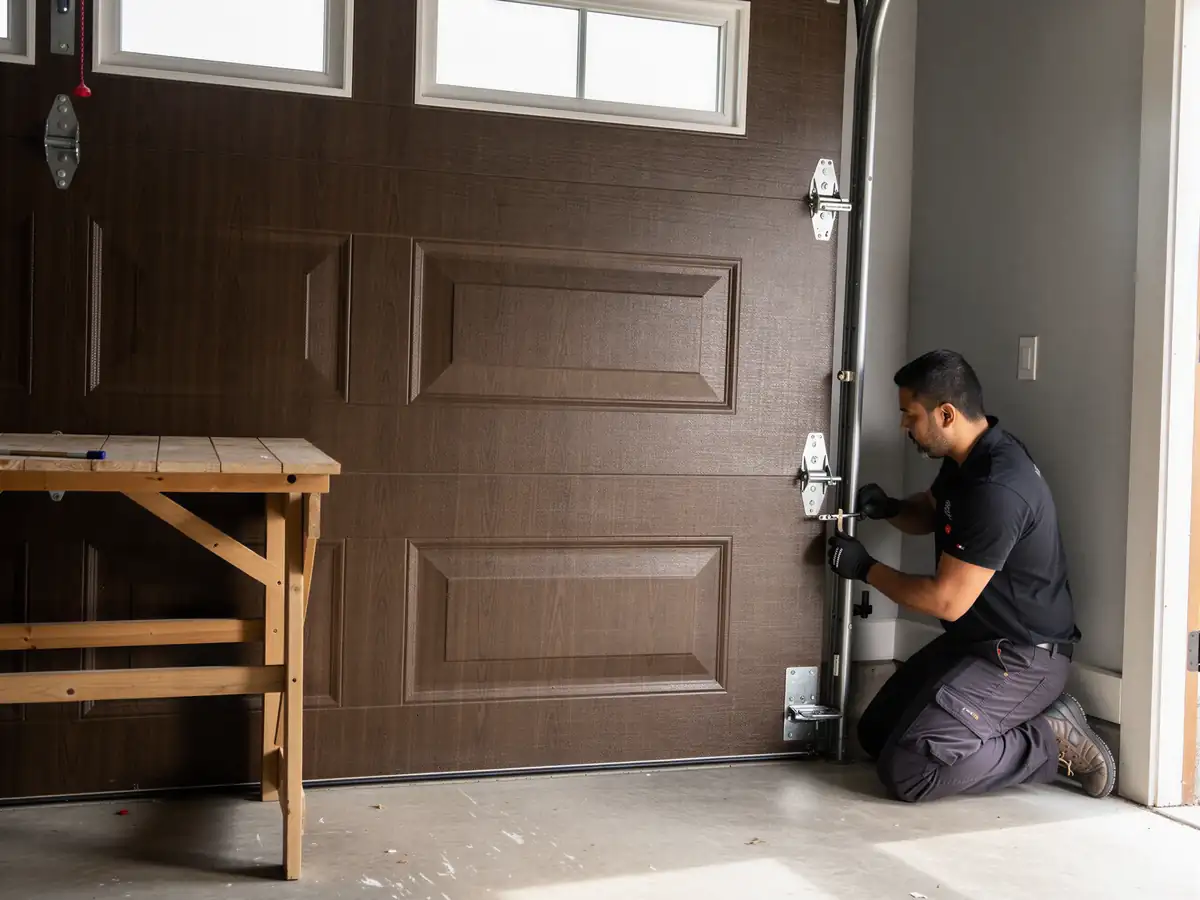
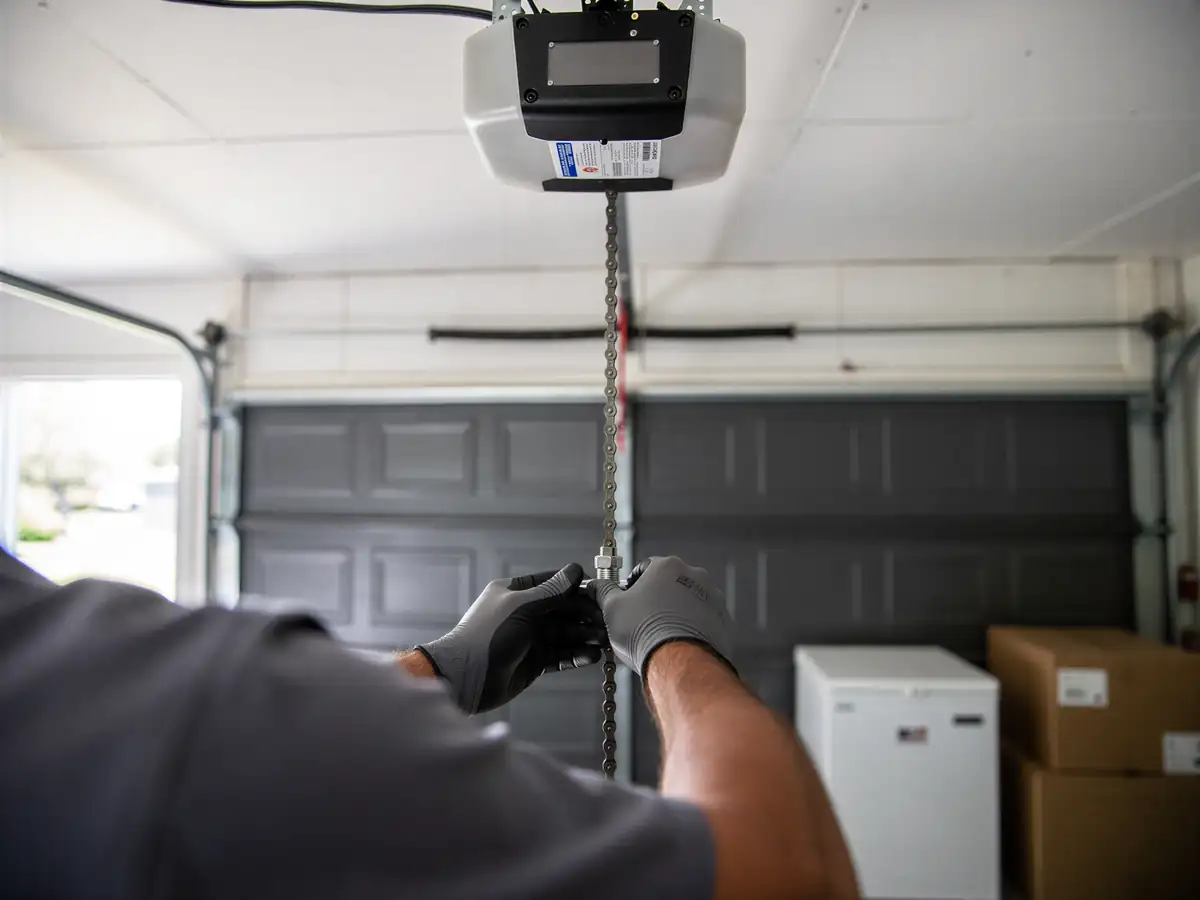
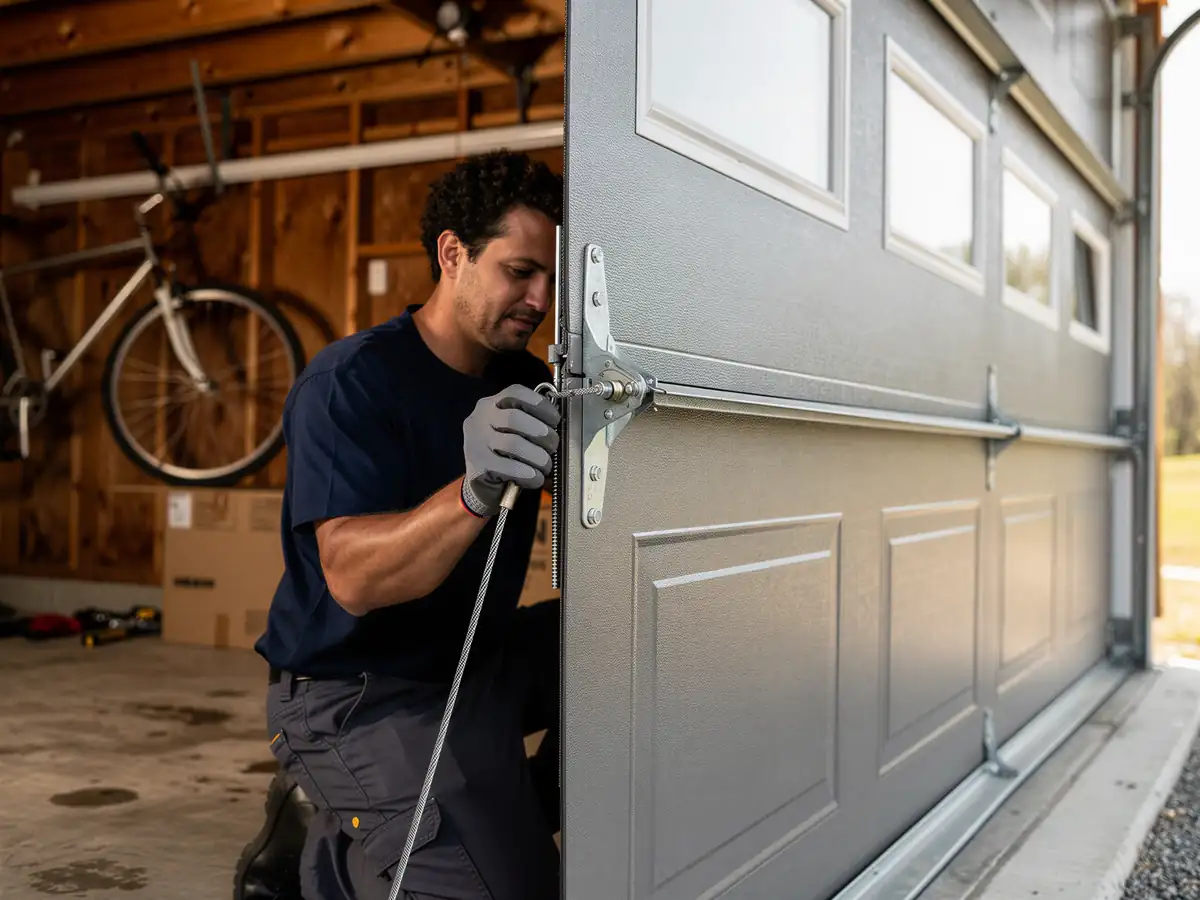
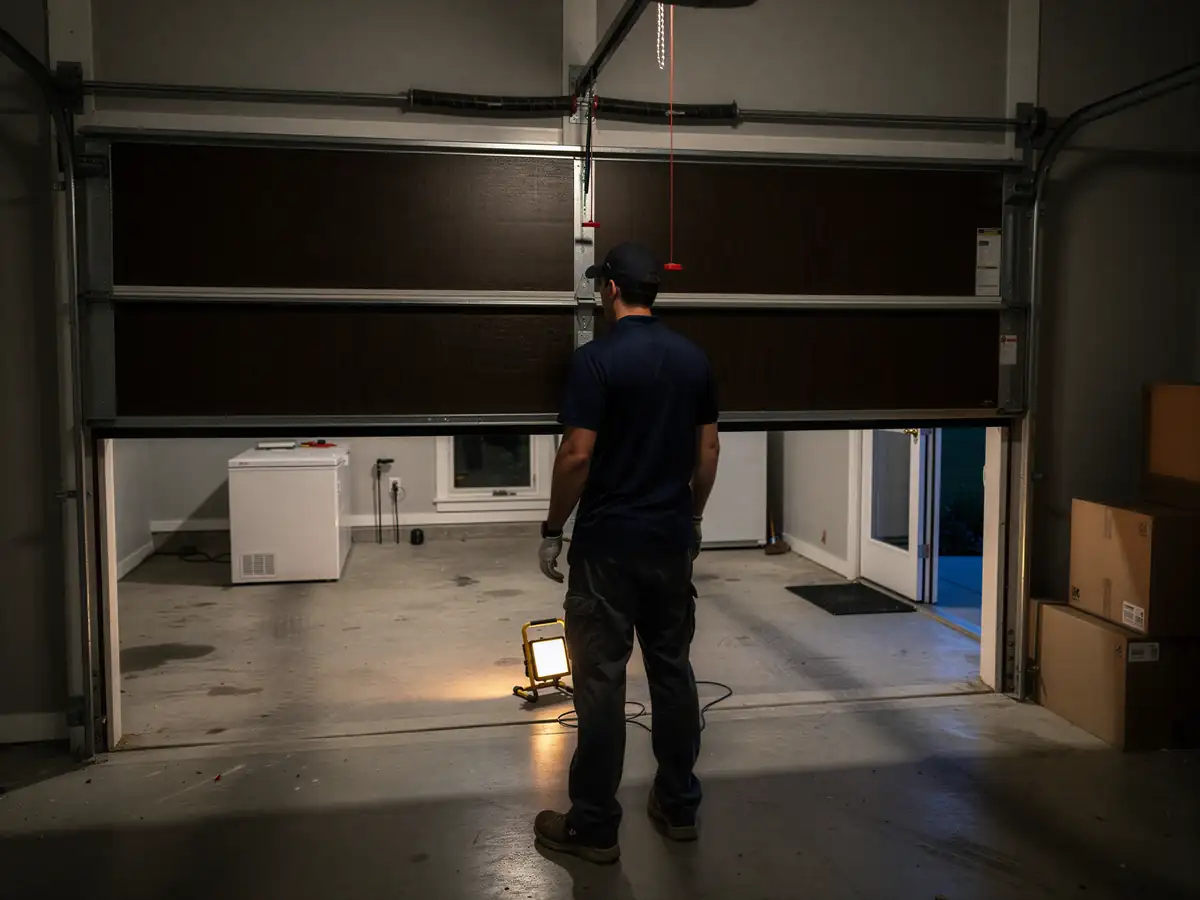
Swapping rollers or tightening hinges on a door you're keeping is reasonable weekend work if you've done it before. Installing a new door is not. A 16-foot double door with the wrong spring count, or a track set a half-inch out of plumb, doesn't fail gracefully - it comes down on whatever's underneath it. We don't talk owners out of DIY on small stuff, but full installs involve torsion springs wound under real tension, and that's where a trip to the ER starts.
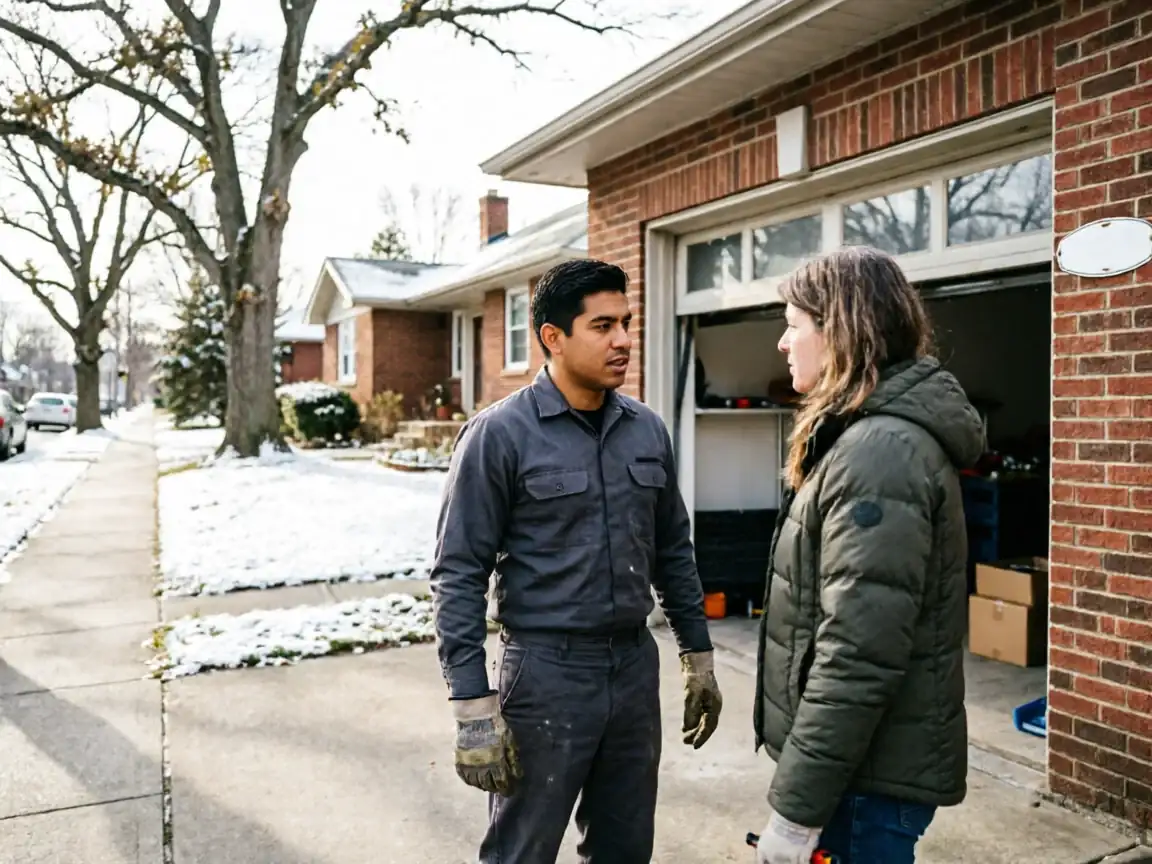
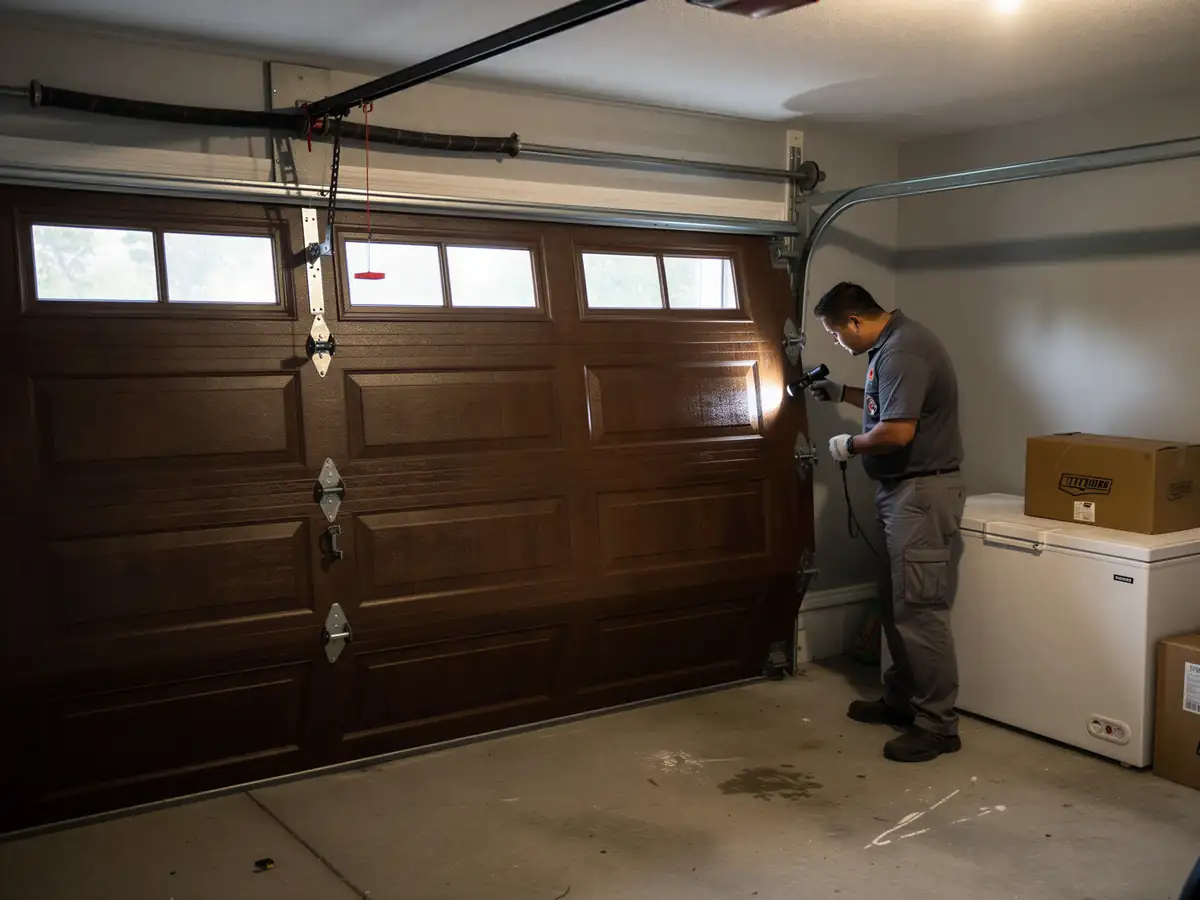
We travel to Romeoville from our Aurora shop, so if you're set on doing the install yourself, we'll still come out after, to check spring tension and balance before you trust the door to a car underneath it. That's a shorter visit and a shorter bill than a full install. See the Romeoville page for what else we cover out this way.
The Symptom
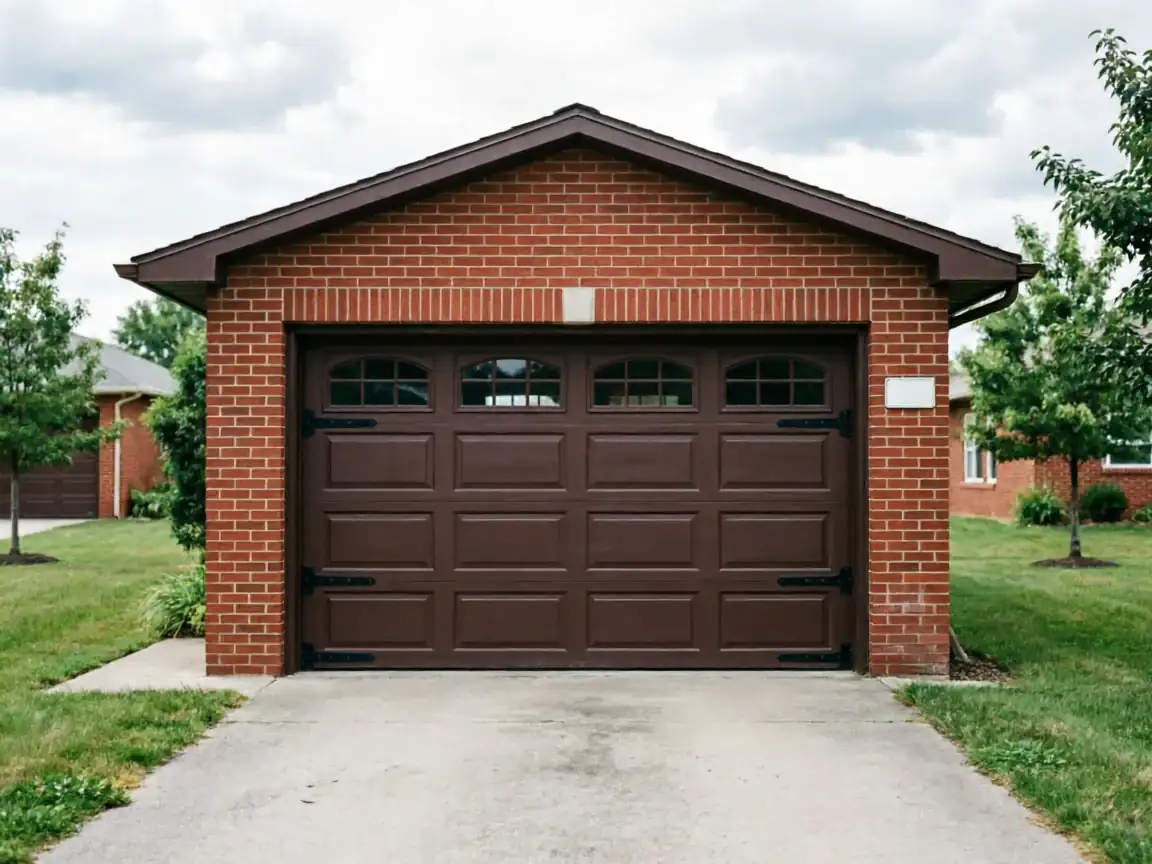
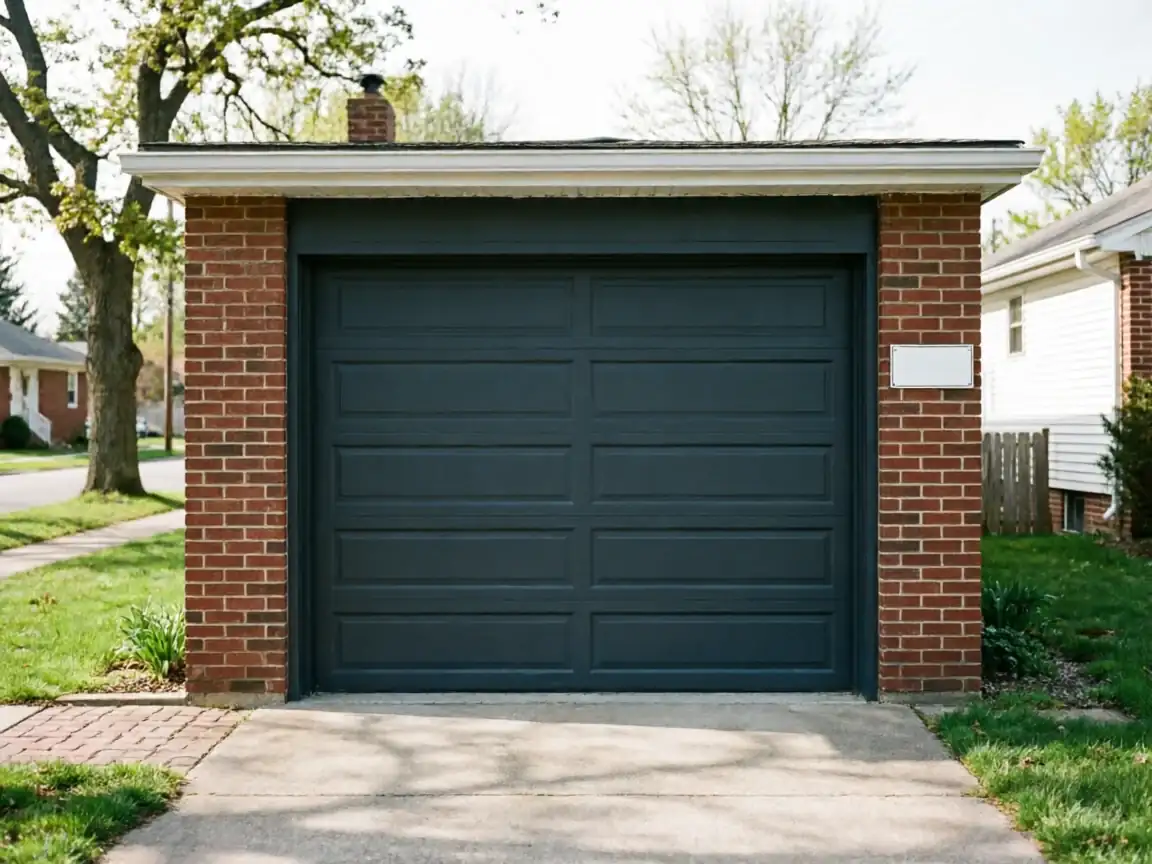
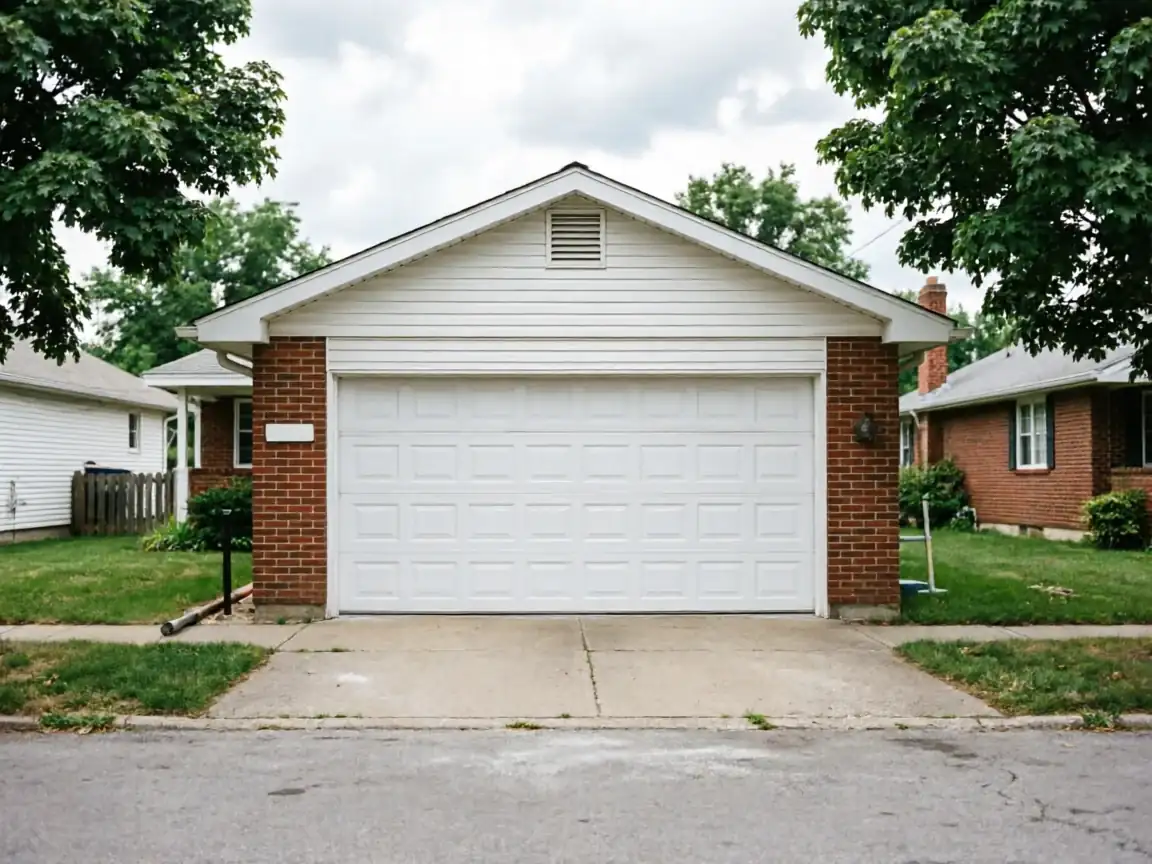
With a median build year of 1998, most Romeoville garage doors are pushing 25 to 27 years old - old enough that the original builder-grade door and opener are at or past the end of their service life, but not so old that the house itself needs a custom-width replacement. That's a different problem than houses from the 1960s and 70s, where the opening itself is often out of spec.
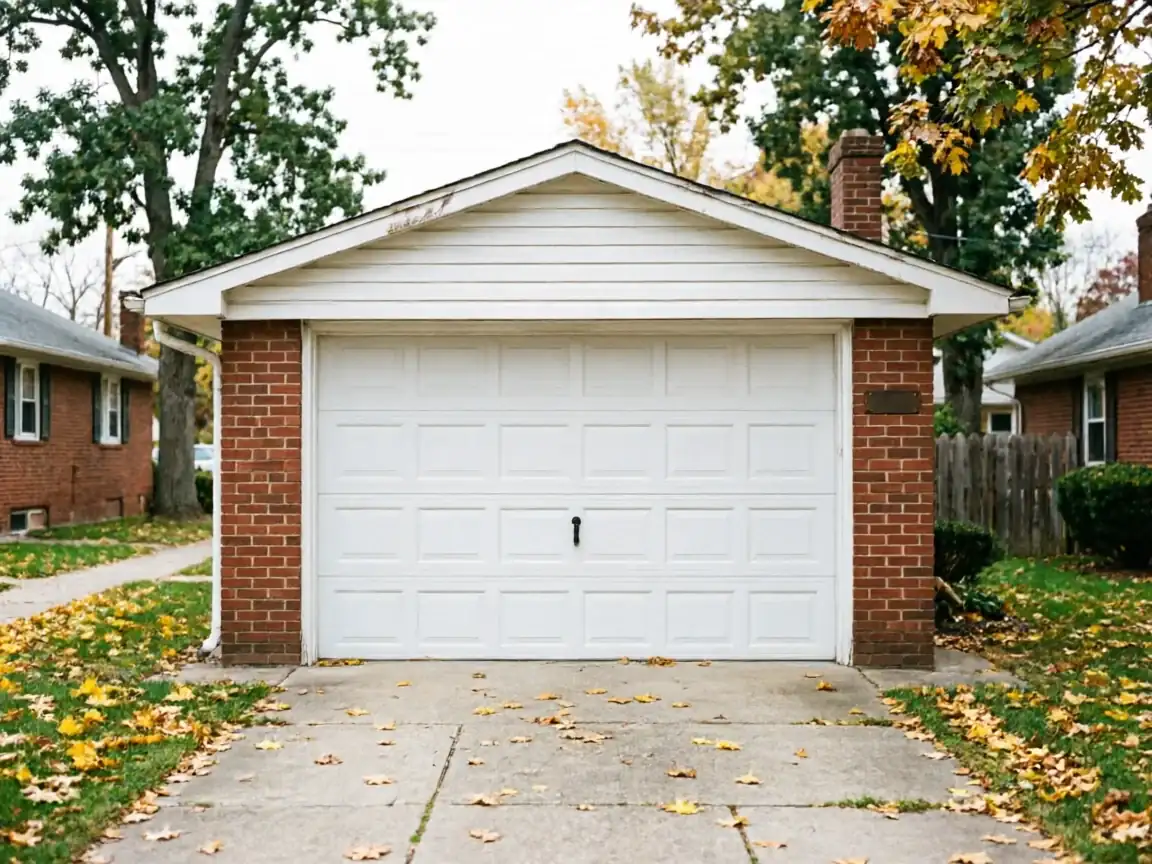
What you'll likely see first is a steel door with surface rust starting at the bottom panel seam, or a door that's heavier to lift by hand than it used to be - a sign the torsion spring is losing tension after two and a half decades of cycles. Builder-grade doors from that era often ran thinner steel and foam-free panels, so you'll also hear more road noise and feel more cold coming through on a January morning than a newer door would let through.
None of that means the door is unsafe today. It means you're in the window where a repair buys a year or two, and a new door buys a couple of decades.
What the Fix Involves
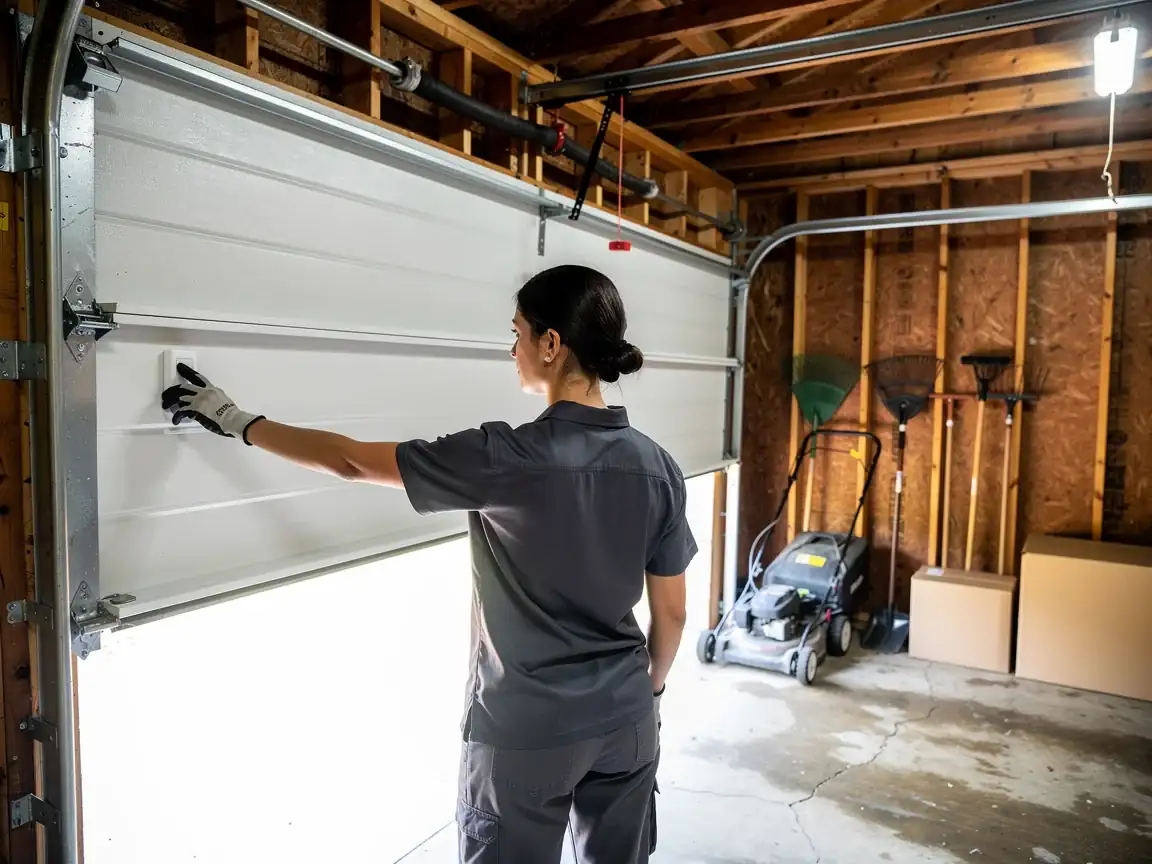
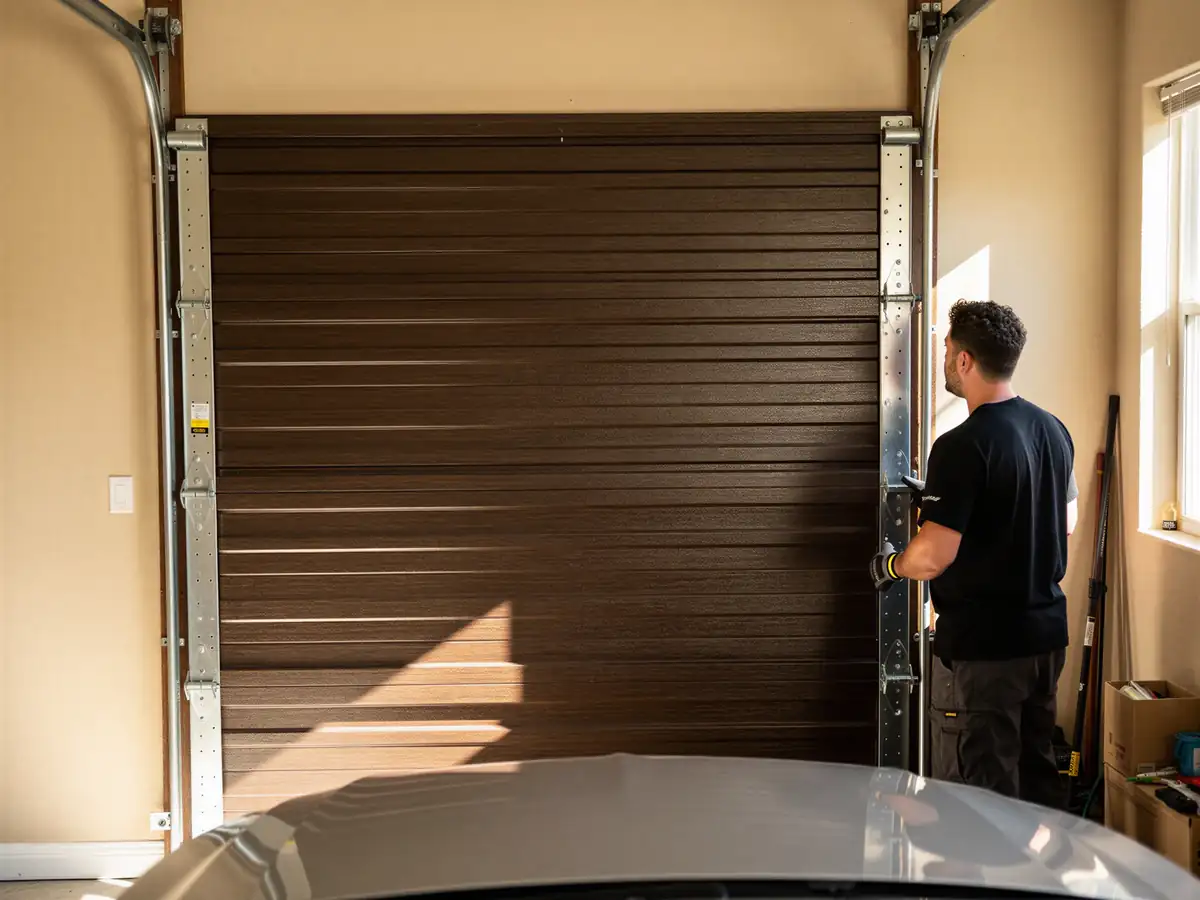
A new install starts with pulling the old door, track, and spring system down to the studs around the opening
We don't layer new hardware onto an old jamb. For a late-1990s Romeoville house, the opening is almost always a standard width, so there's no custom framing involved, which keeps the job to a single day in most cases.
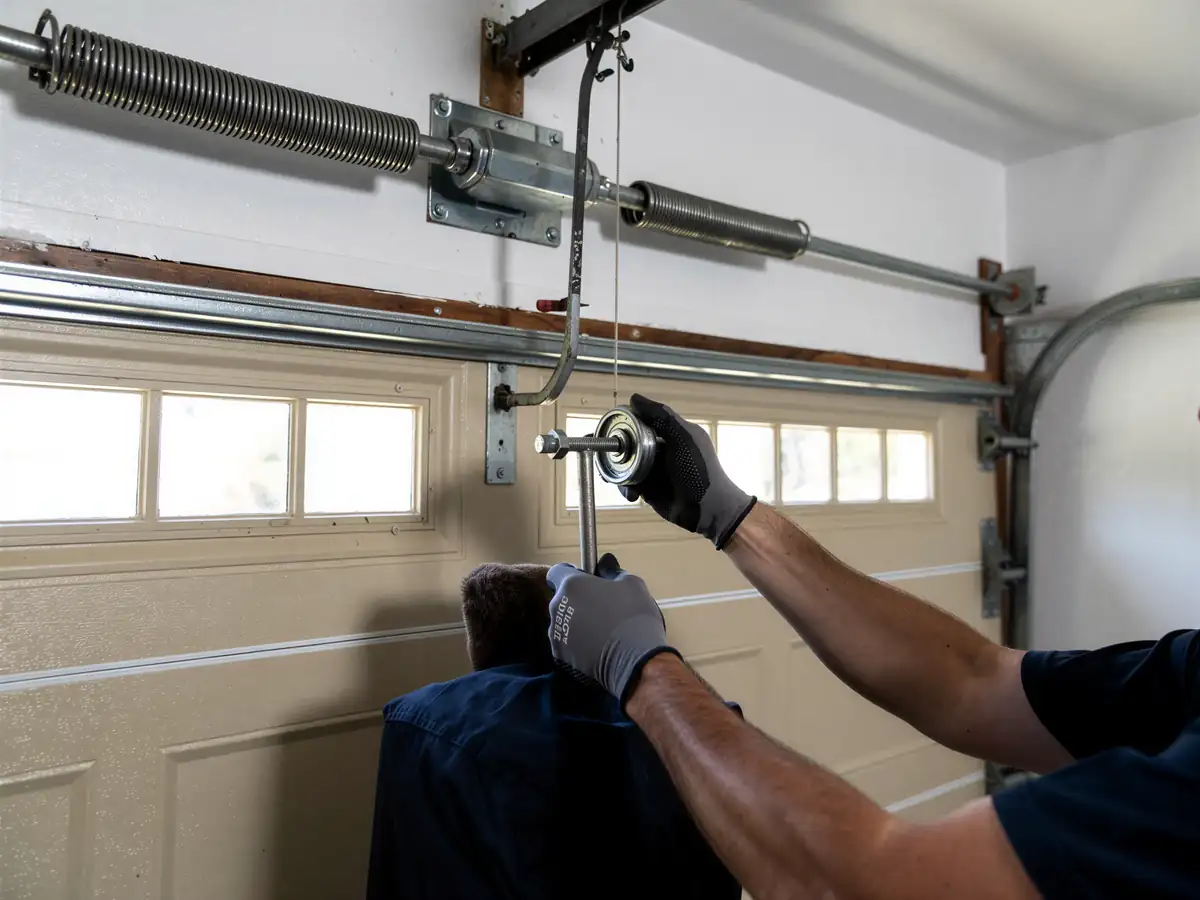
We size the torsion spring to the door's actual weight, not a generic chart number
Because an undersized spring is the single most common cause of an opener burning out early. Track gets reset to plumb, not just reattached at the old bolt holes, since 25 years of settling can shift an opening slightly out of square.
- 25 years
One limit worth naming
If the drywall or framing around the opening has water damage, that's carpentry, not garage door work, and we'll say so rather than install a door onto a frame that won't hold it. For the broader rundown of install options and what a new door typically runs, the Aurora installation page has the detail that applies across the service area.
What Causes It Around Here
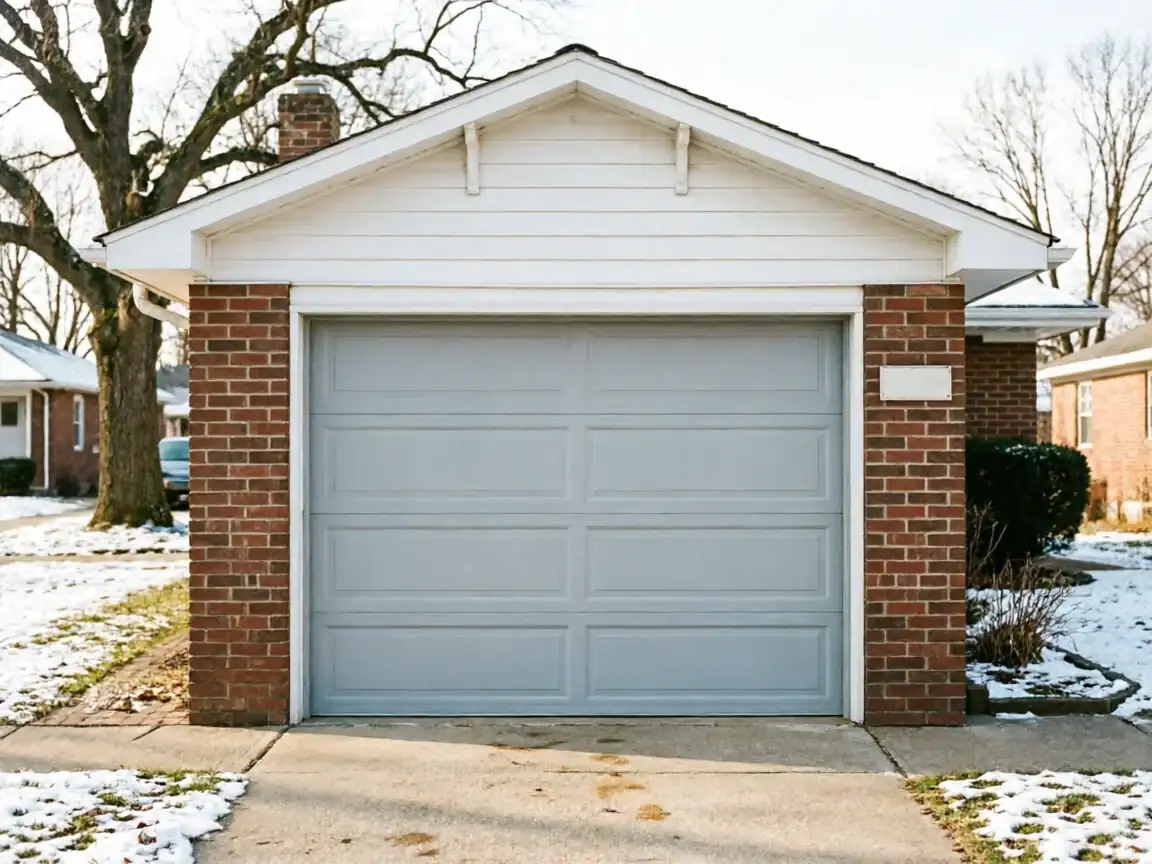
This area sits in a cold, moderate climate band, which matters more for a 1998-built garage than people expect. Builder-grade doors from that decade were rarely insulated beyond a thin foam board, if that, and after 25 winters the weatherstripping at the bottom panel and the seals between panels have usually hardened and cracked. That's not a defect - it's the expected lifespan of that generation of door in this kind of climate.
The bigger driver, though, is simple cycle count. A door installed in 1998 has gone up and down something like 20,000 times by now if it's an average two-car household, and torsion springs are rated in cycles, not years. Combine that with Romeoville's housing stock, which trends newer than much of the wider service area where homes run as old as 1958, and you get a town where failures cluster around age and wear rather than around structural or framing issues tied to older construction.