Doing It Yourself
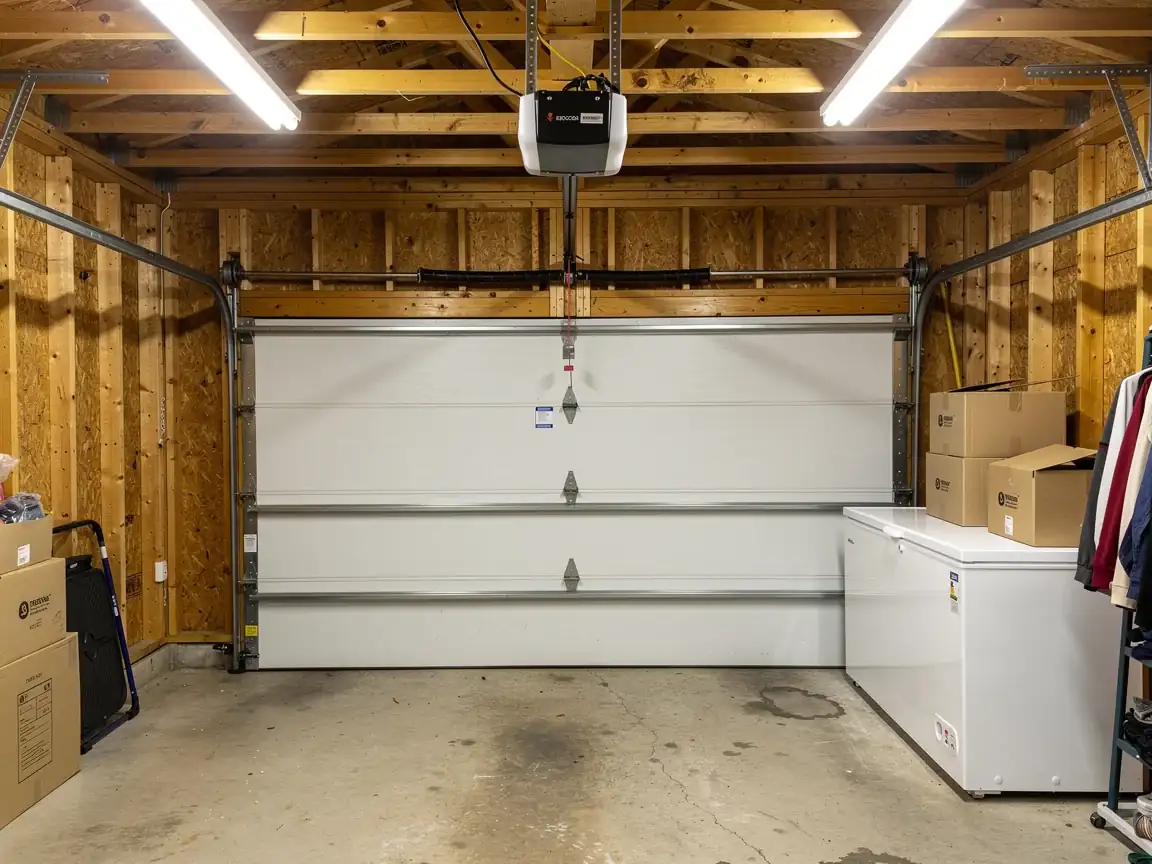
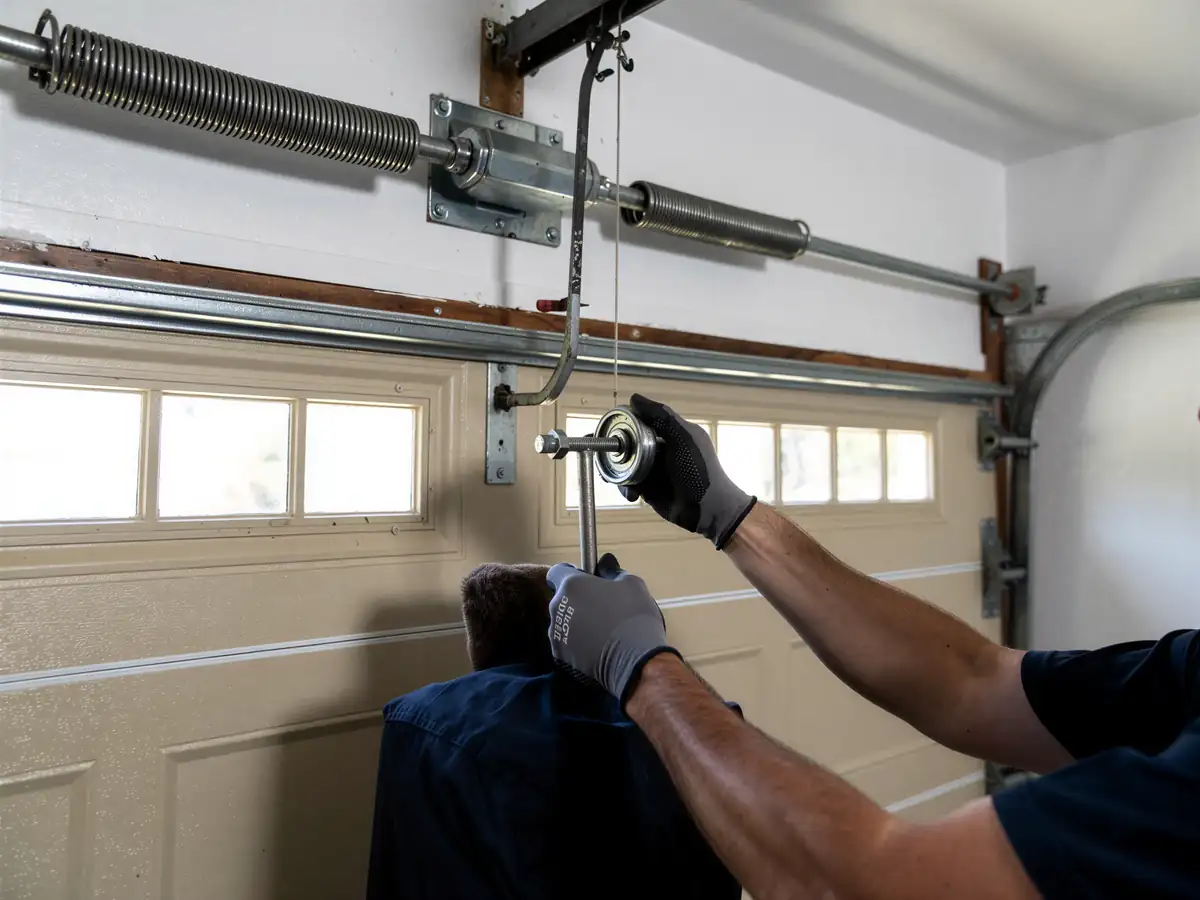
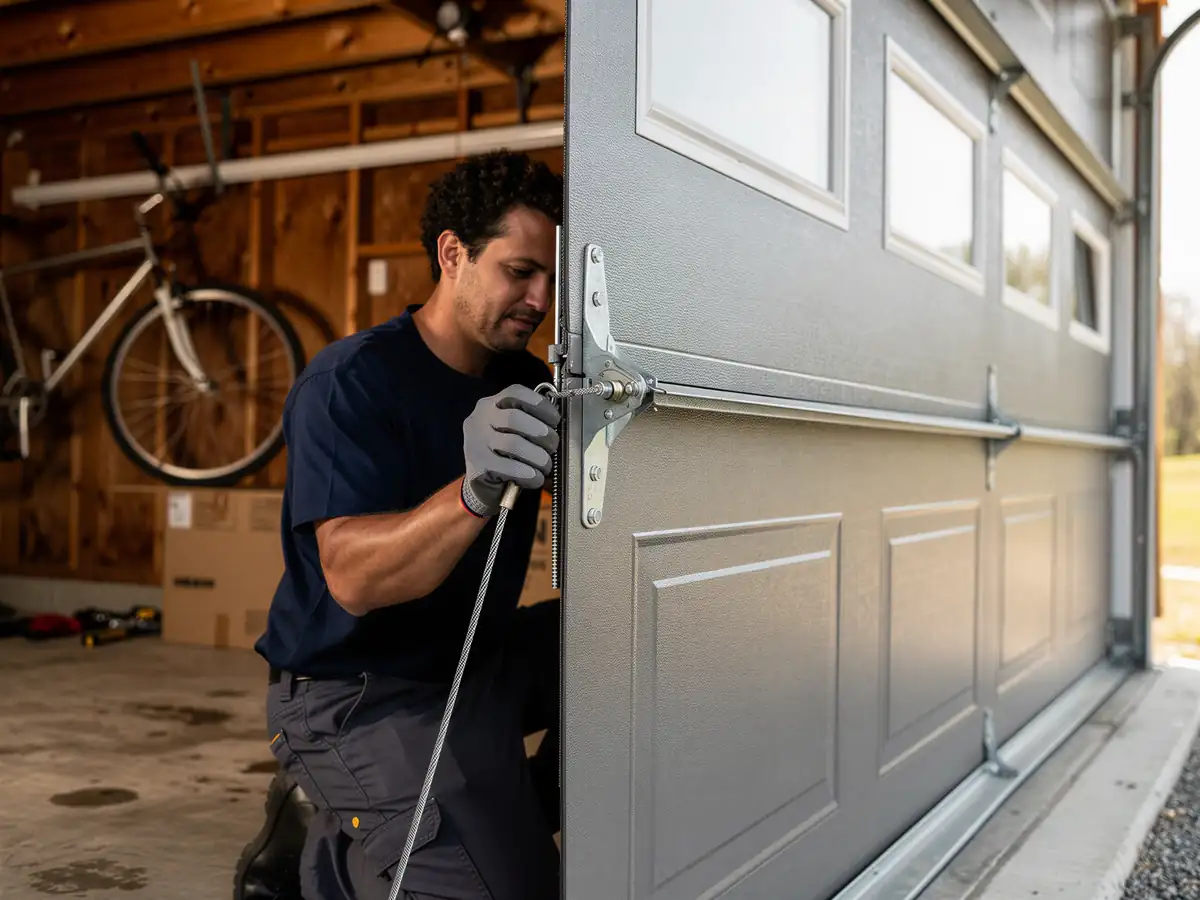
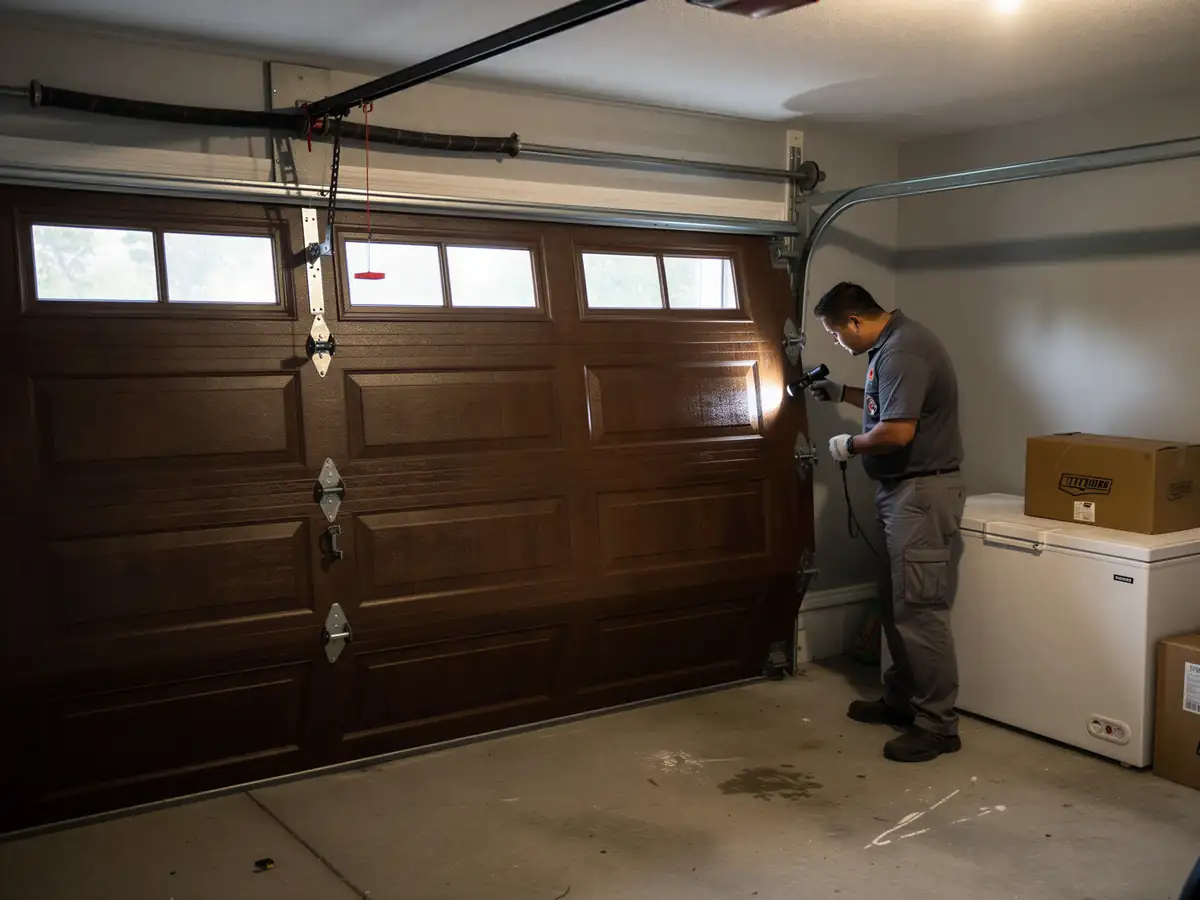
A torsion spring under tension can do real damage, and that's the part most Romeoville calls come down to. If the door won't budge and you can see a gap in the coil above the opener, stop there. Don't cut it, don't try to rewind it, and don't lift the door by hand while someone else fiddles with the spring. That's not caution for caution's sake, it's how fingers get broken.
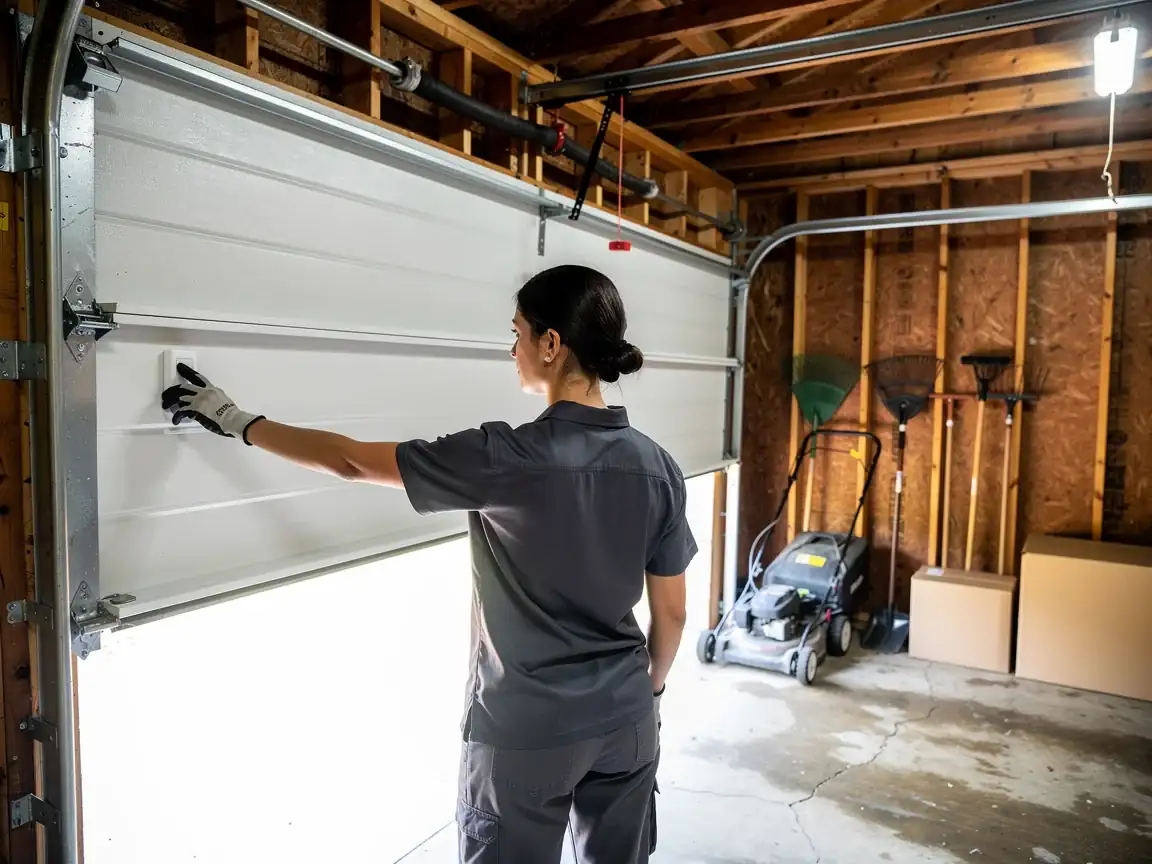
What you can safely check first: is the opener plugged in, has the wall button lost power, and is the safety sensor eye at the bottom of the track knocked out of alignment or blocked. On 1998-era setups those sensors are often the first thing to drift out of line after years of the door being bumped by a car bumper or a bike. If the lights on the sensors aren't both solid, that's your answer and it costs nothing to fix.
We'll say the honest part plainly: if the spring is broken, that's not a DIY repair, full stop. We don't walk people through it over the phone, and we won't sell you a kit for it. It's a short job for someone who does it daily and a dangerous one for someone who doesn't.
The Symptom
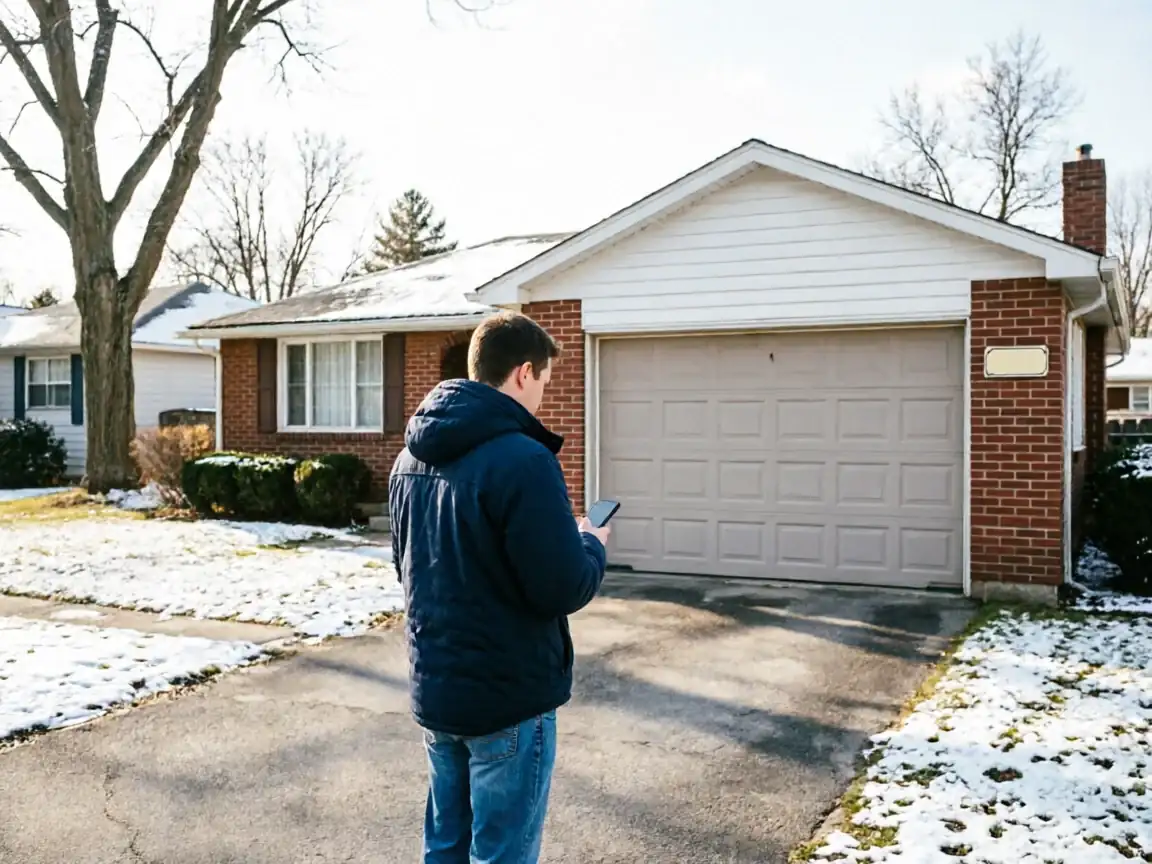
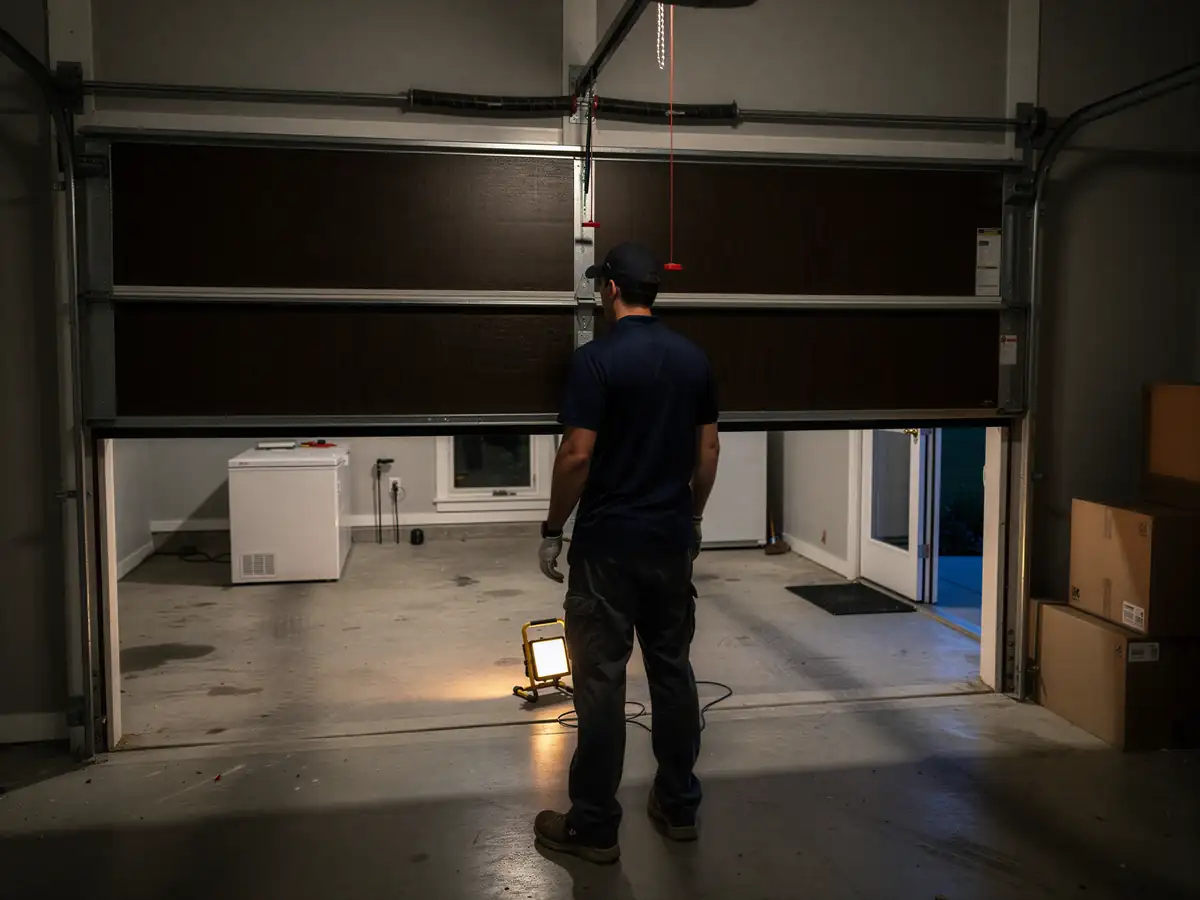
The call we get most from Romeoville is a door that was fine last night and won't move this morning, with a loud bang somewhere in between. That bang is a torsion spring letting go, and it tends to happen on cold mornings because the steel has less give when it's cold. The door feels like dead weight, the opener strains and clicks, and nothing lifts.
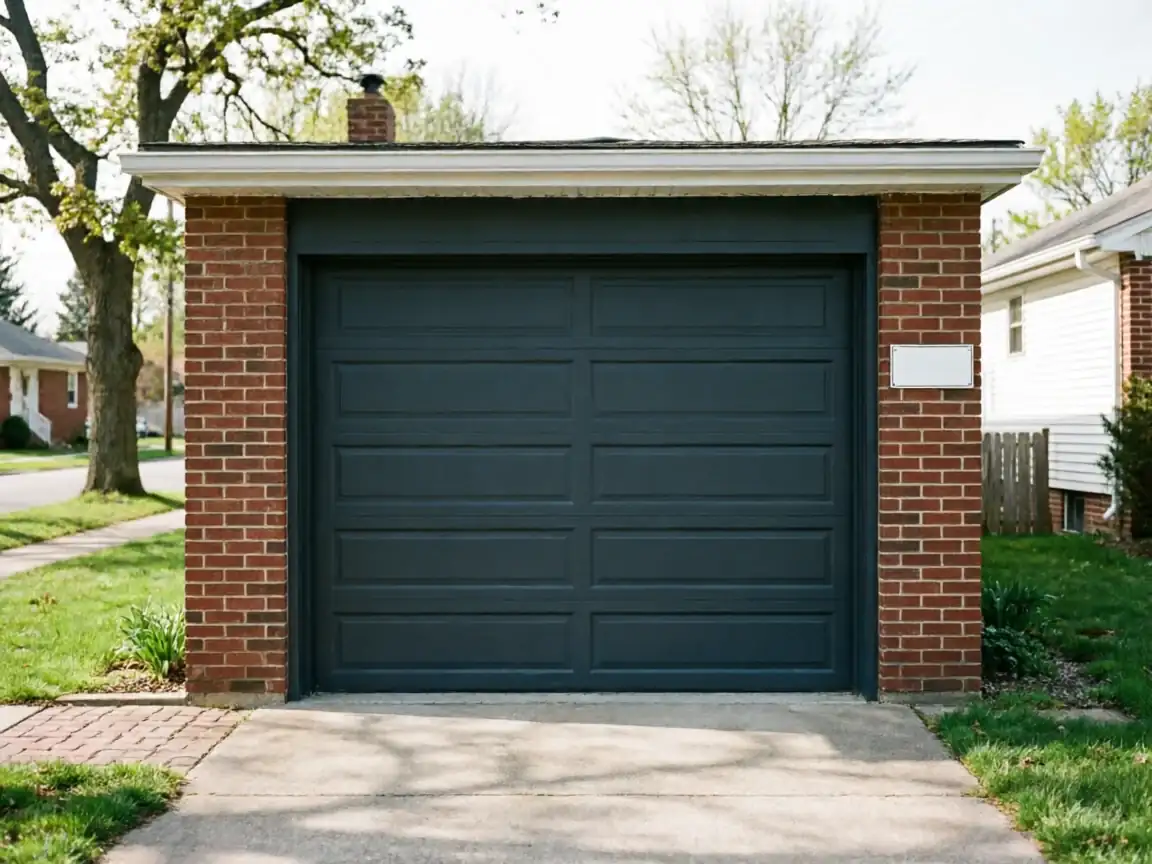
Median home age in Romeoville is 1998, which puts a lot of these doors squarely in the window where original hardware is aging out. A torsion spring is rated for a set number of open-close cycles, usually good for seven to nine years of average household use, which means a door built in that late-90s wave has likely burned through two or three springs already, or is overdue for one now. If yours has never been replaced, the sound you heard wasn't bad luck, it was arithmetic.
What the Fix Involves
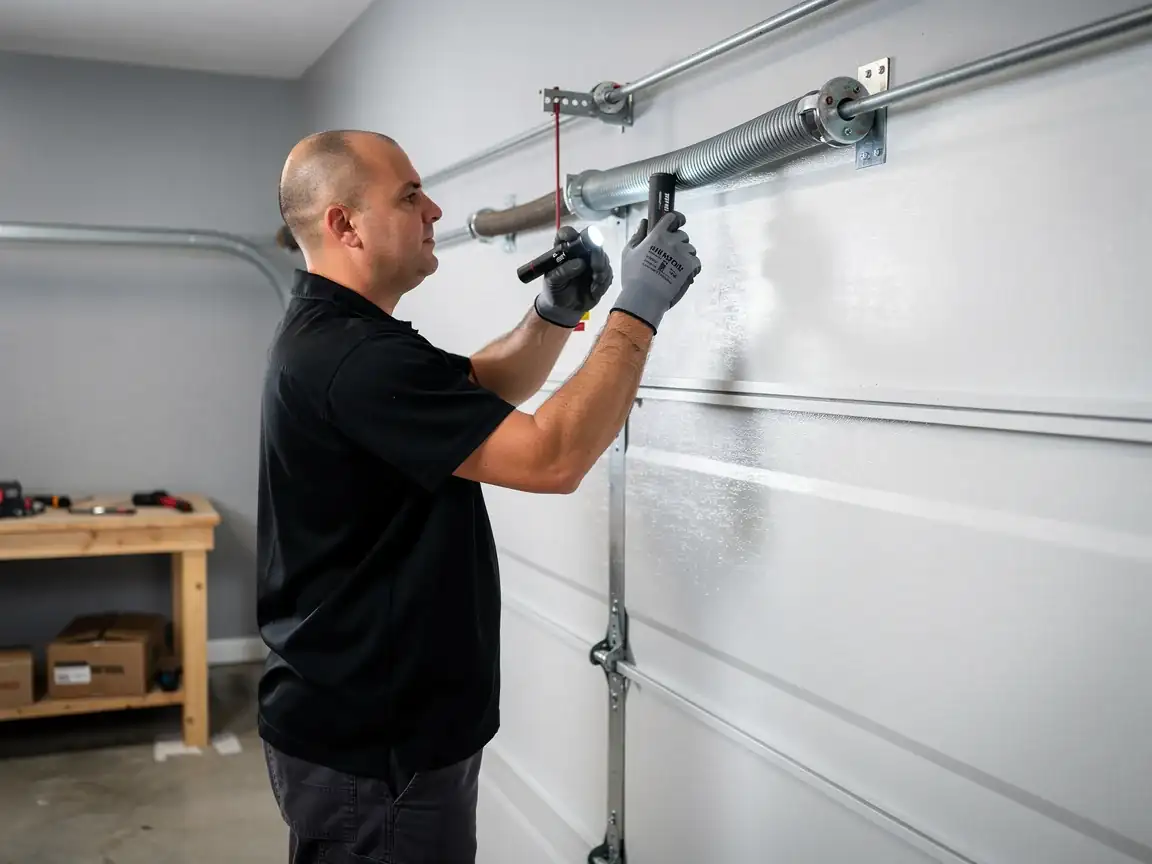
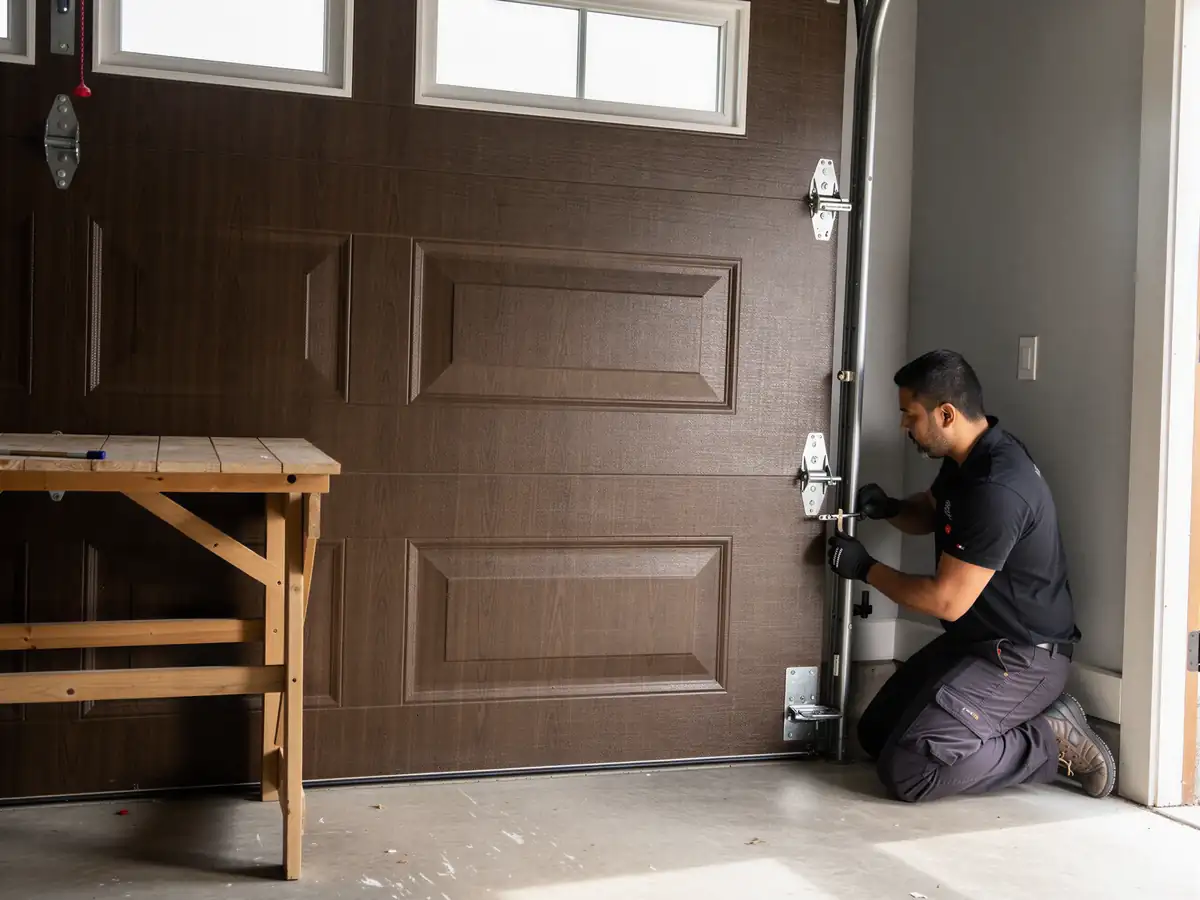
For a broken torsion spring, the job is pulling the old spring off the shaft
Matching the new one to the door's weight and wind pattern, and winding it to the correct number of turns. Get that count wrong and the door either won't lift all the way or will slam down fast enough to hurt someone, so we don't eyeball it.
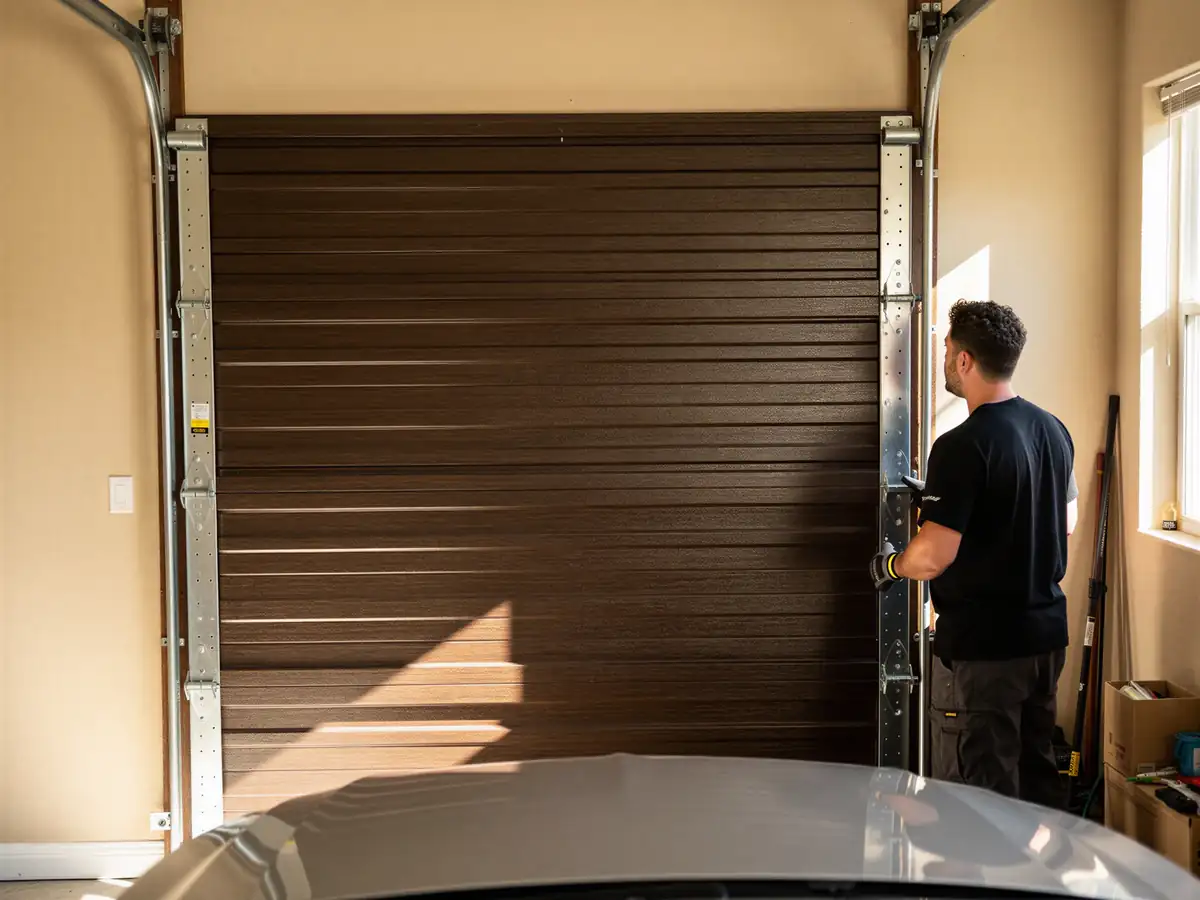
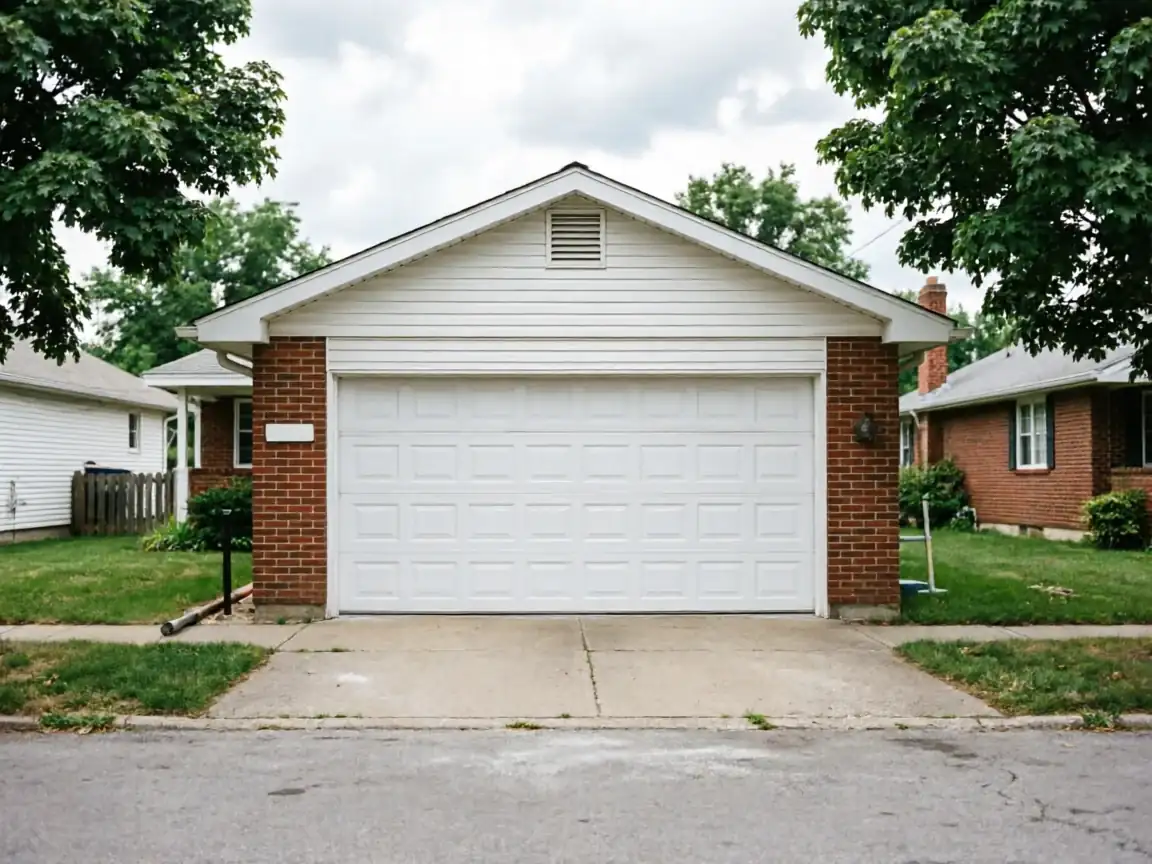
Most 1998-built Romeoville garages run steel sectional doors on a single or double torsion setup
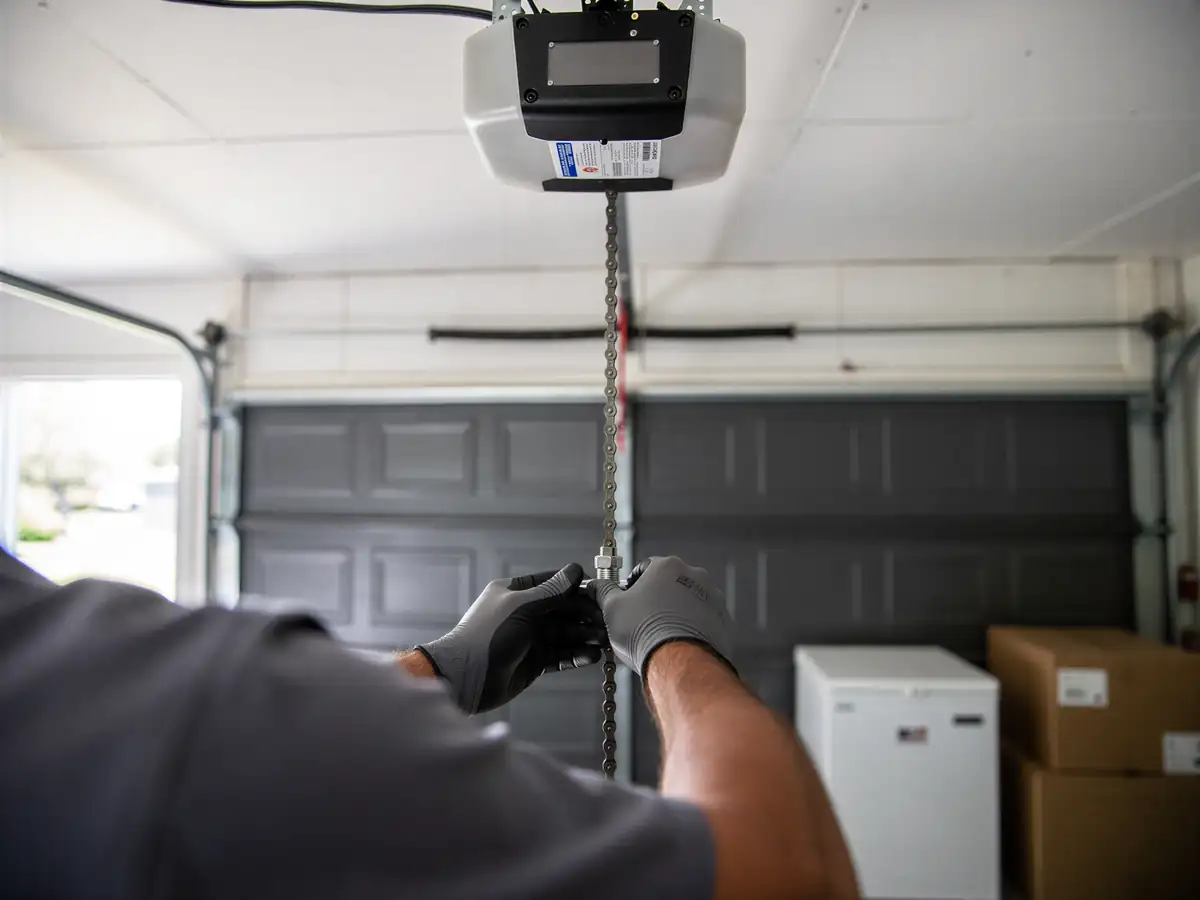
And the openers from that era are often chain-drive units nearing the end of their own service life, so we check the opener's drive gear and capacitor while we're already under the hood. If the opener's original to the house, replacing a spring without looking at the motor just means a second call in a year or two.
One limitation worth saying up front
We don't stock every opener model made in the late 90s, and a discontinued circuit board can mean a short wait on a part. When that happens we'll tell you instead of guessing, and we'll talk through whether a universal replacement board makes more sense than waiting.
What Causes It Around Here
Romeoville's housing stock clusters tightly around 1998 rather than spreading across decades the way older parts of the service area do. That means the failures we see here aren't spread across five generations of hardware, they're concentrated in one: late-90s torsion springs, chain-drive openers, and steel panels original to construction. When one fails, the house next door, built the same year by the same framing crew, often isn't far behind it.
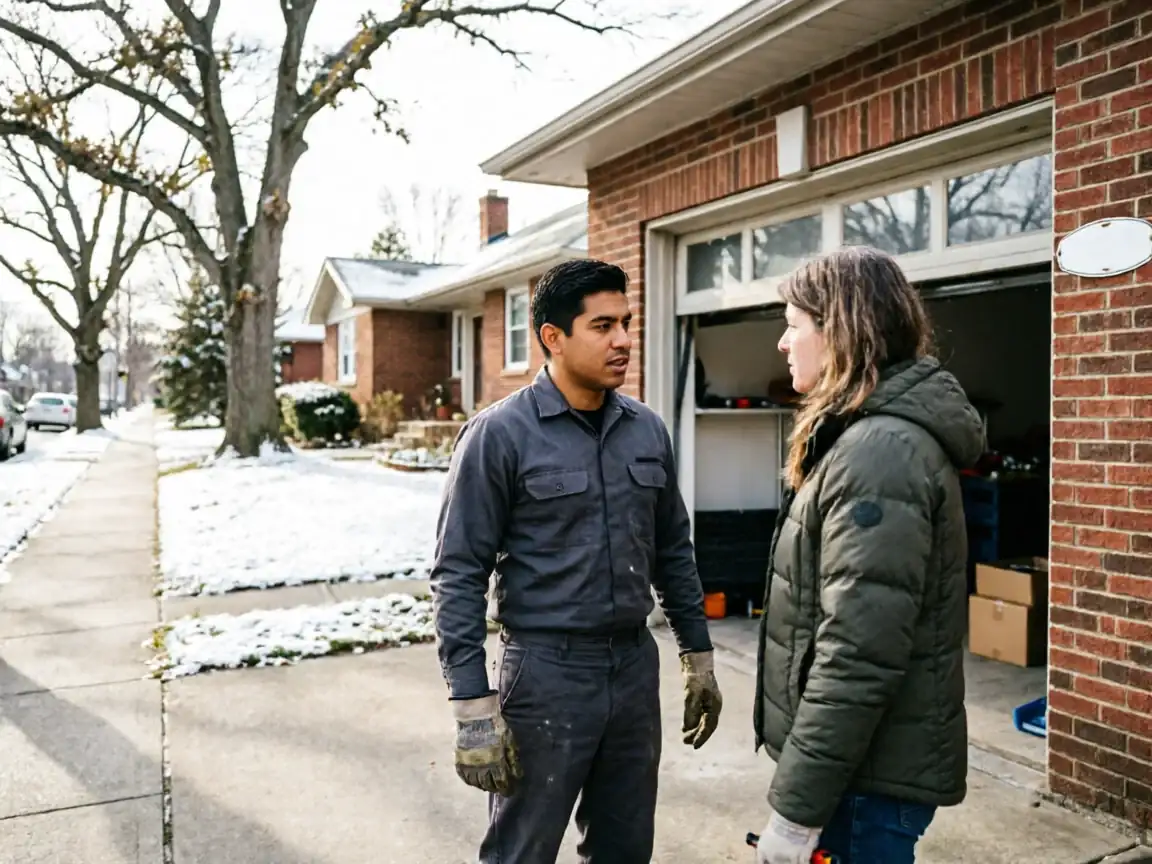
With roughly 13,064 households in Romeoville, that shared build era adds up to a steady, predictable run of spring and opener calls rather than a scattered mix. Romeoville's median household income, $100,022, runs a bit under the wider area's $106,211, and in practice that shows up as more owners choosing to replace just the spring instead of the whole door when a repair can reasonably hold. We're 14 miles out from our Aurora shop to reach Romeoville, which we plan into the schedule rather than treat as a quick hop.