Doing It Yourself
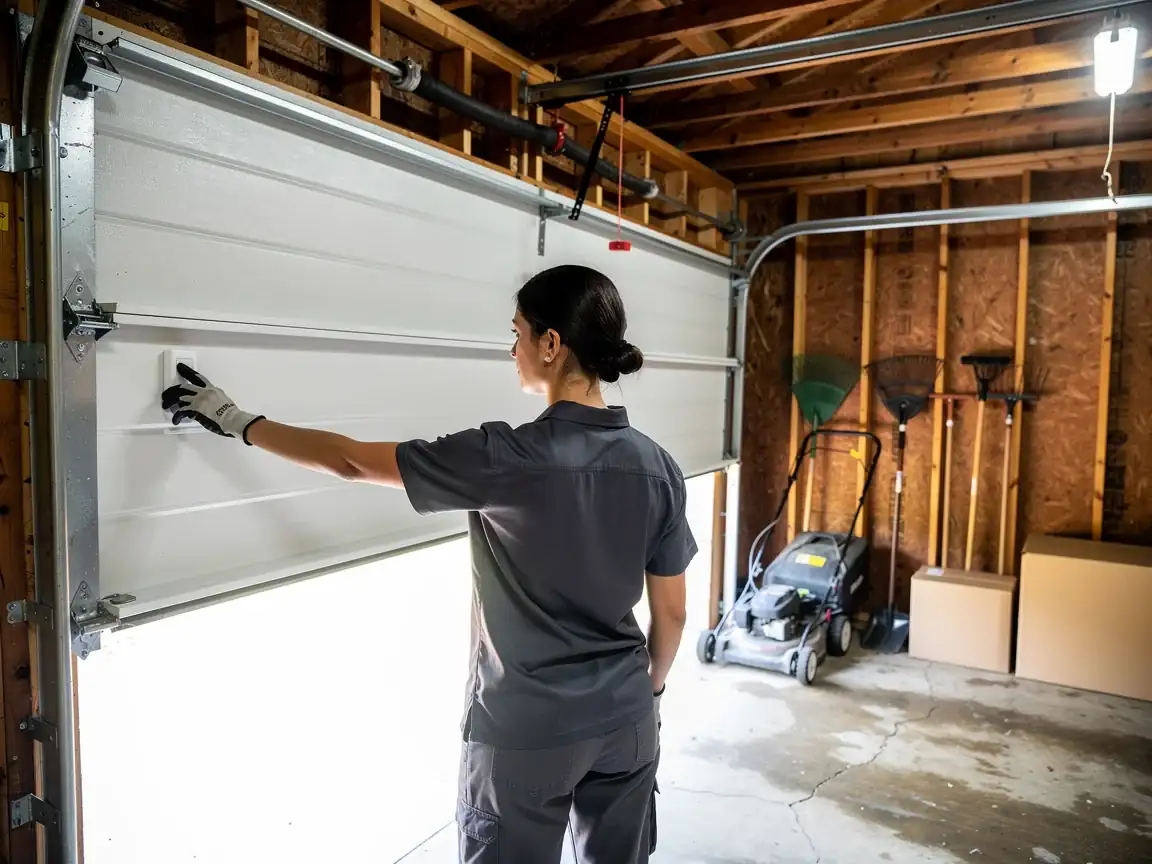
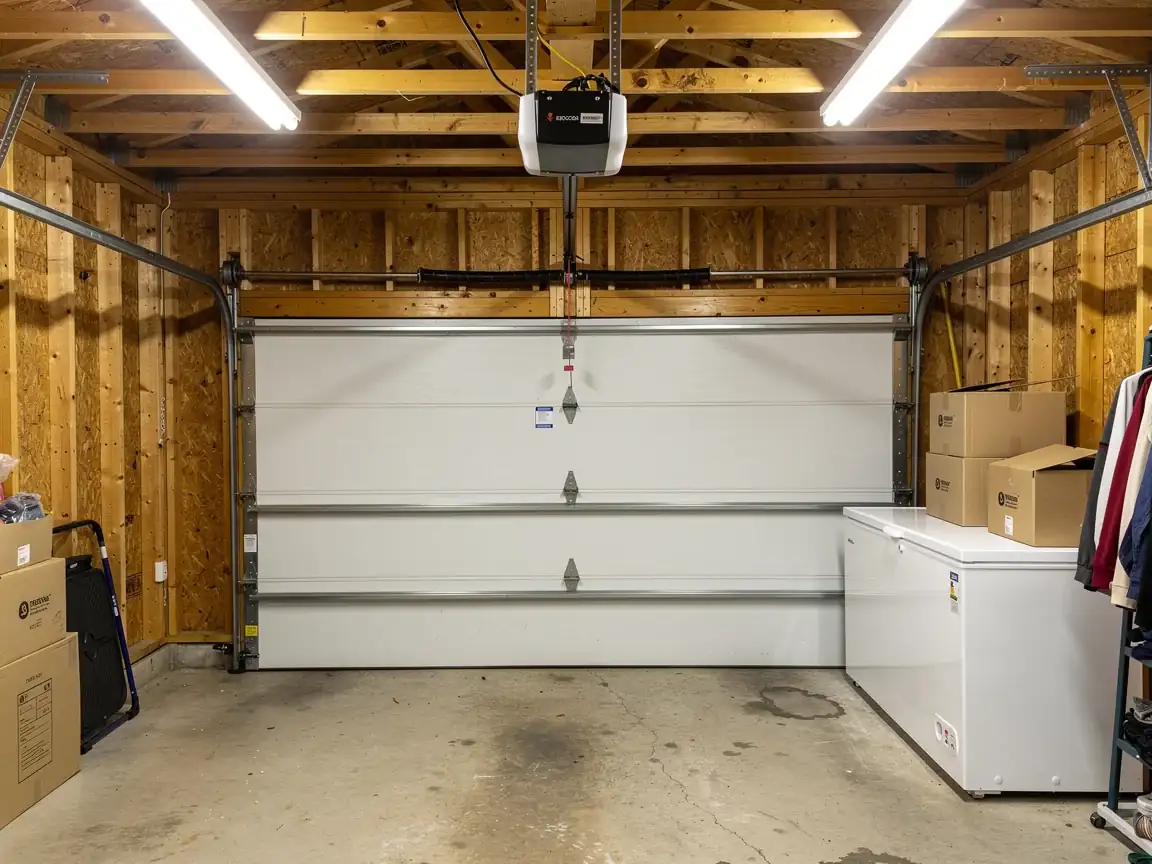
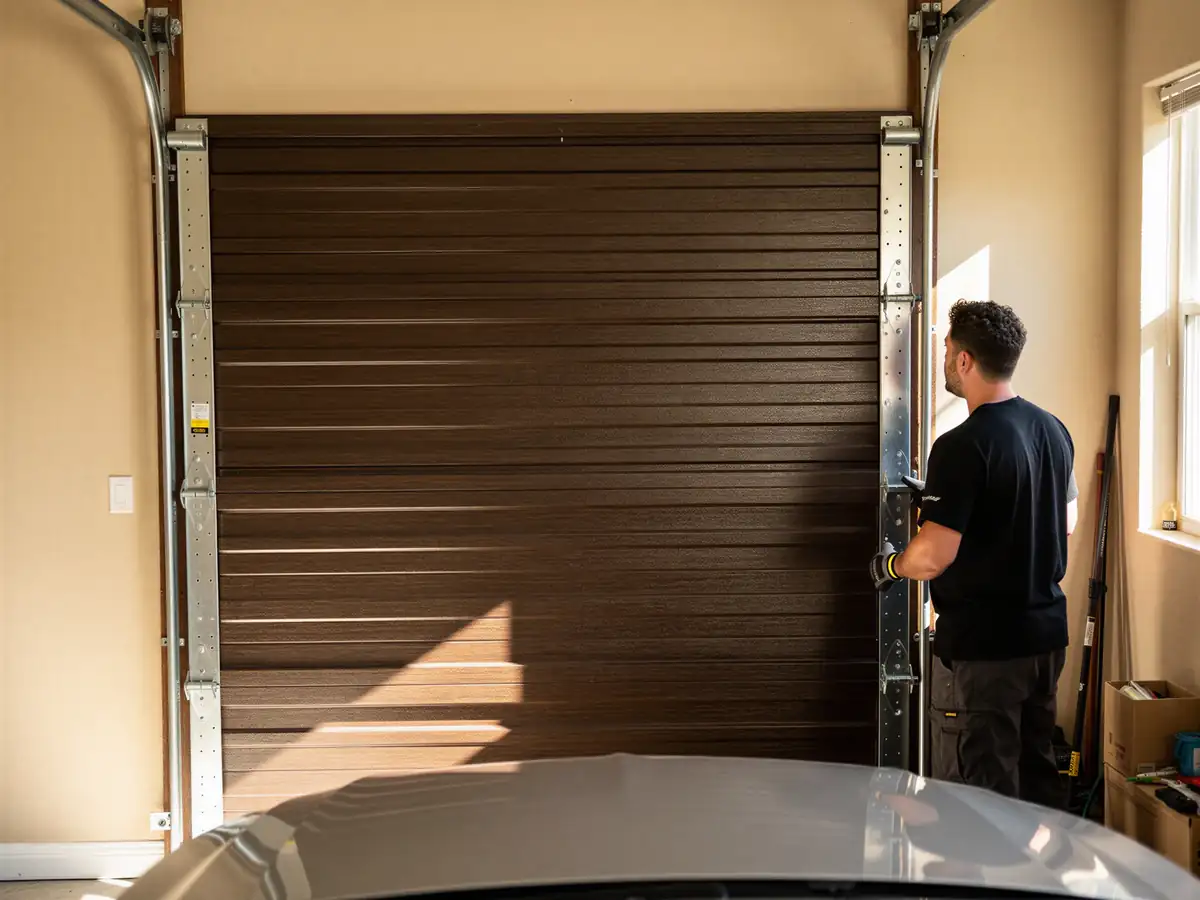
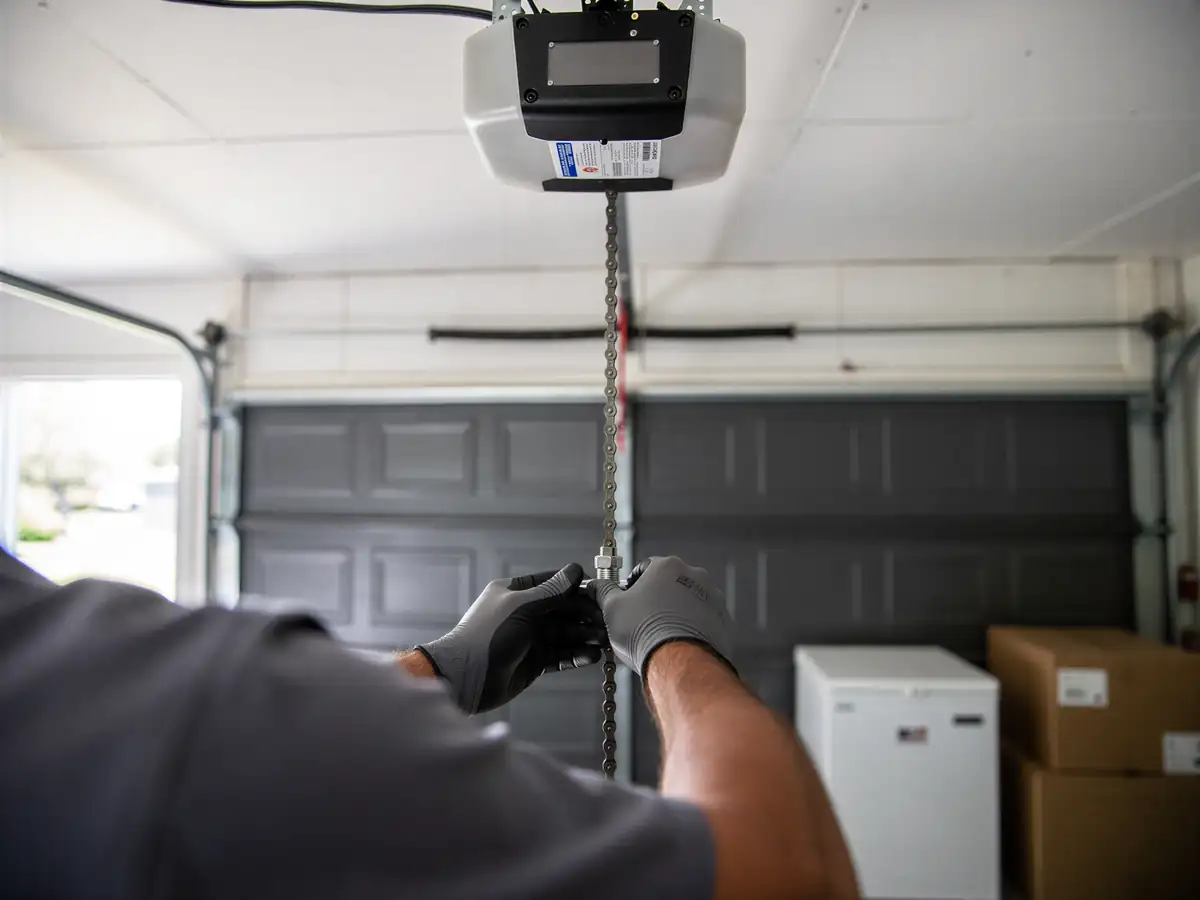
There's a short list of things worth doing before you call anyone. Pull the release cord and check if the door moves smoothly by hand - if it's heavy, fights you, or drops fast, that's spring tension, and you stop right there. Wipe down and lubricate rollers and hinges with a garage-door-rated lubricant, not WD-40, which washes grease out of bearings instead of adding to it. Check that the photo-eye sensors near the floor are aligned and not covered in dust; a blinking opener light is usually that, not a motor problem.
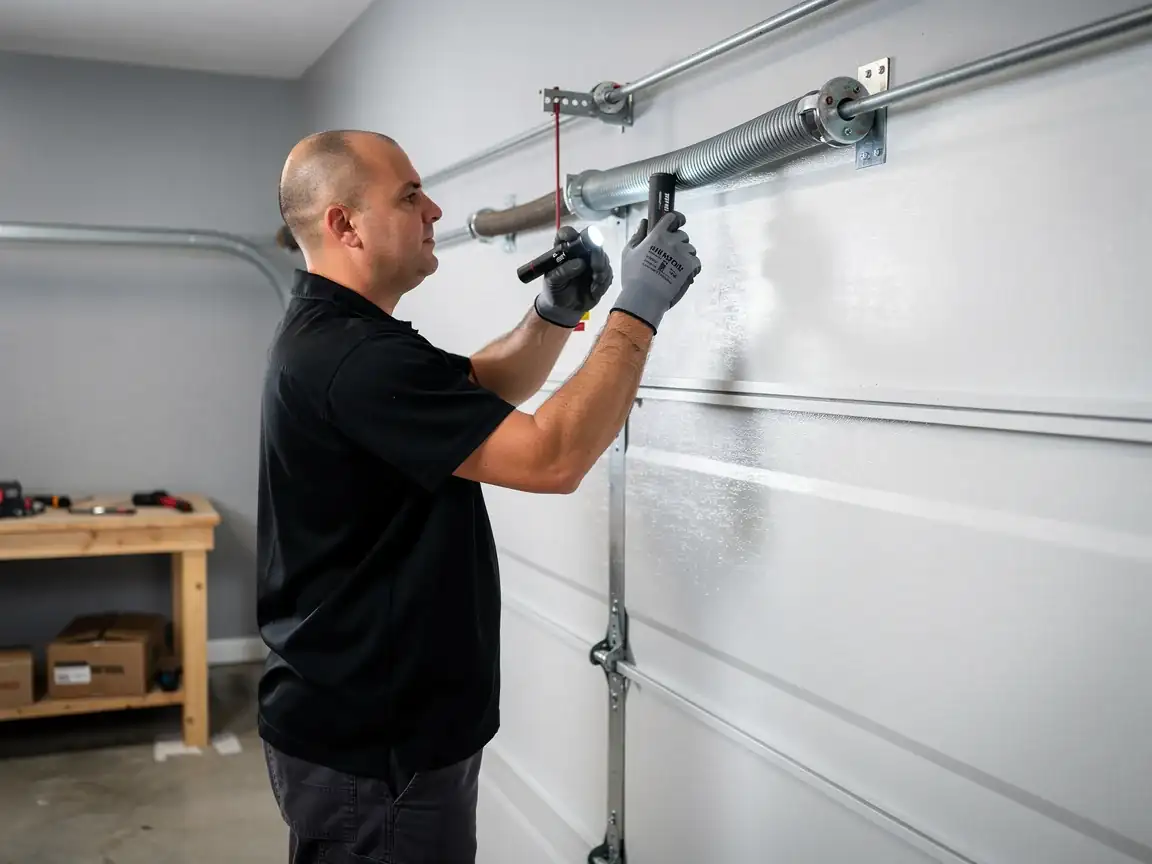
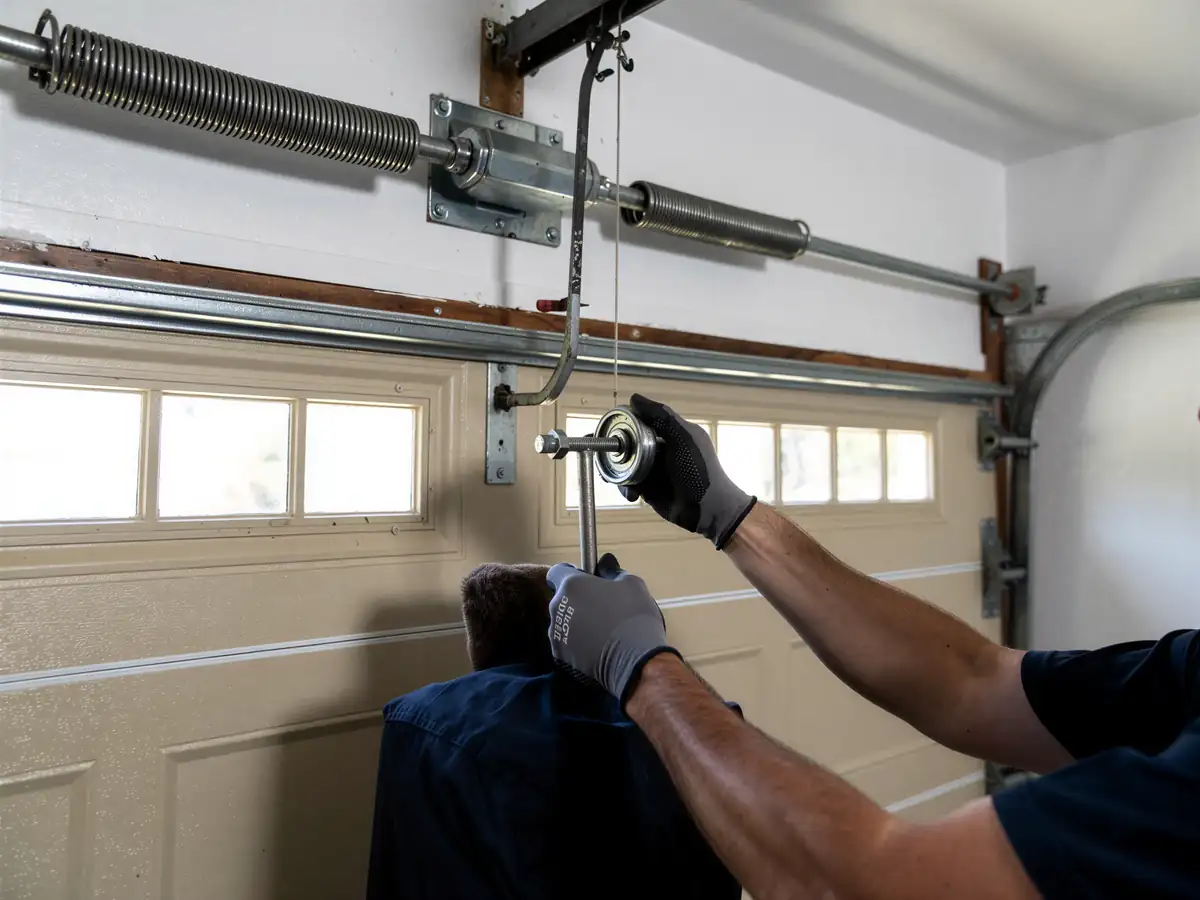
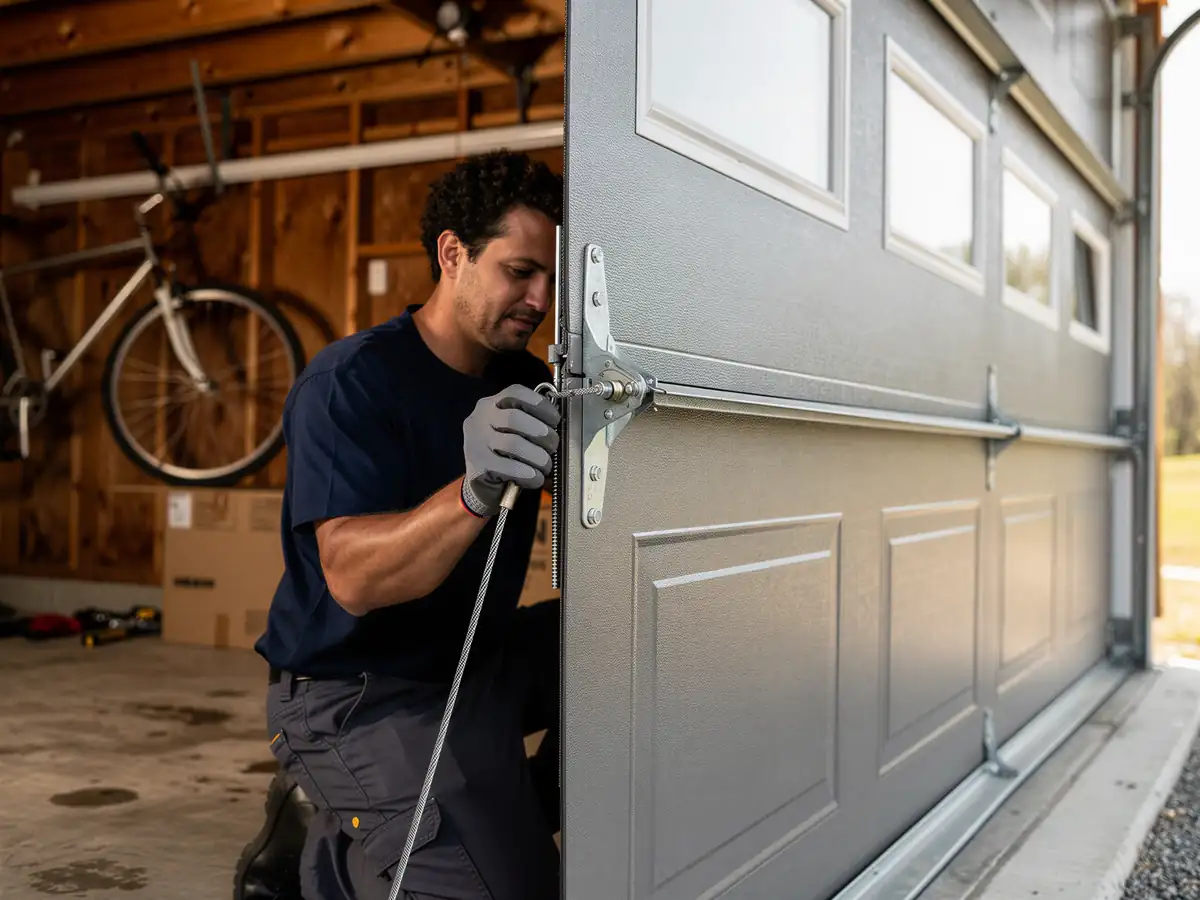
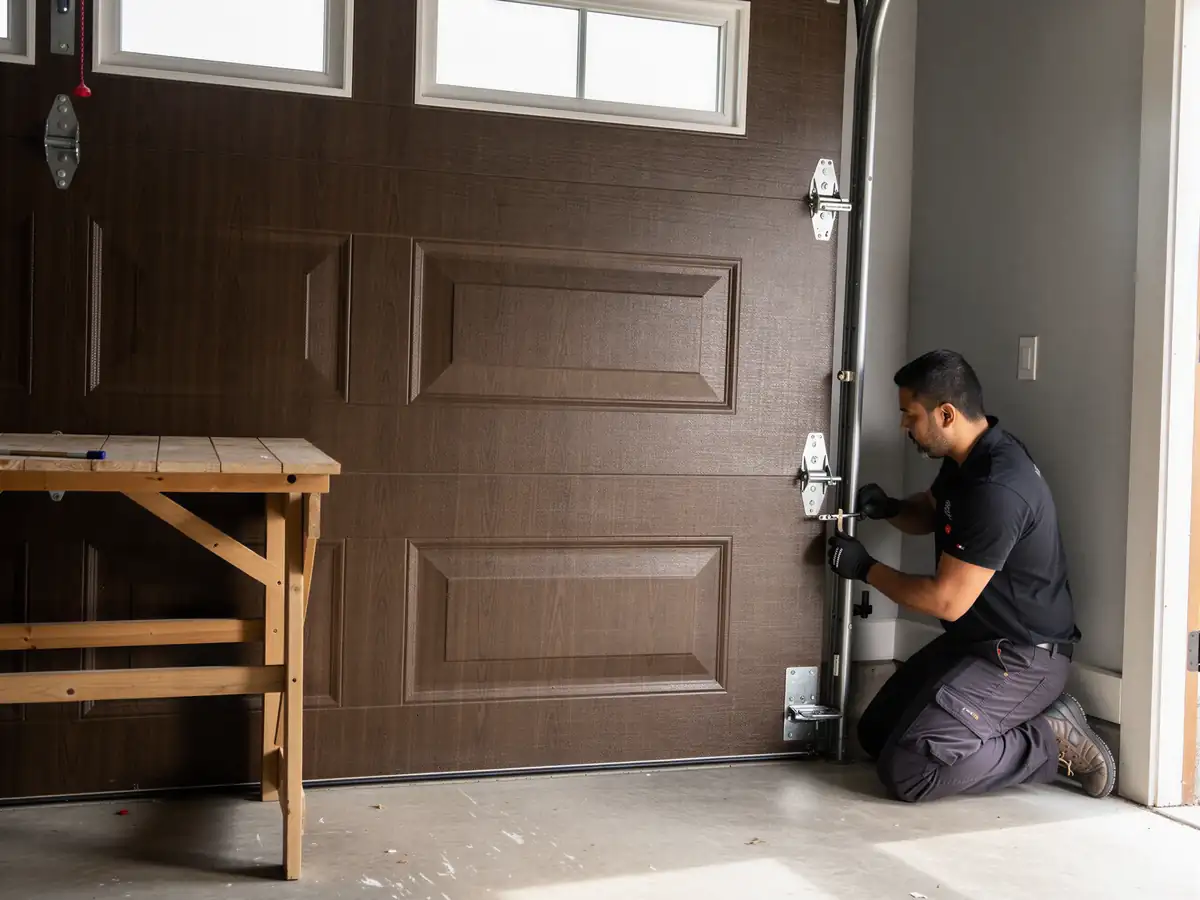
What you shouldn't touch: torsion springs, period. They're wound under enough tension to break a bone or worse, and on a door this is not a $20 part - it's a two-spring job on most double doors, and guessing the wire size wrong means doing it twice. We also won't talk you through cable replacement over the phone. If the door is off its track or a cable has popped a drum, leave it where it sits and call. One honest limitation: if a panel is bent badly enough to need ordering a match for a 1998-era steel door, that part can take longer to get than the labor does - we'll tell you that up front instead of guessing at a date.
The Symptom
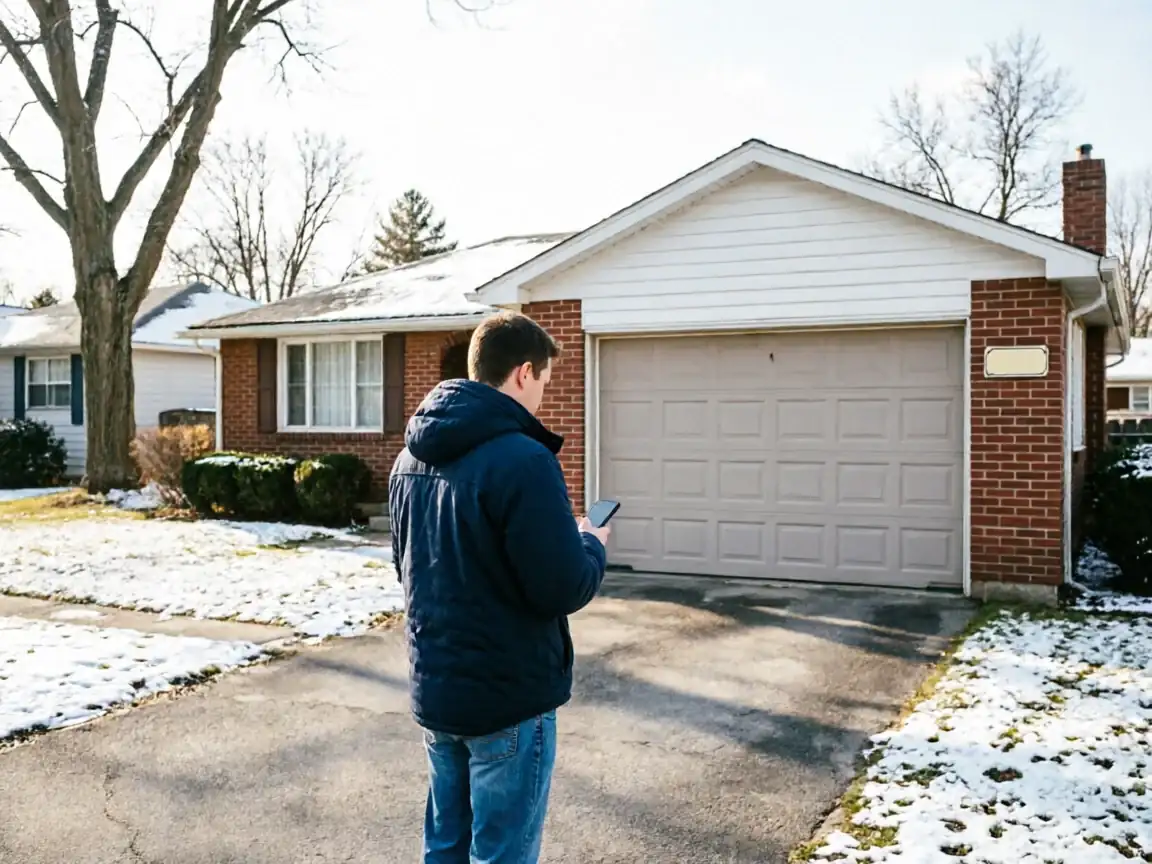
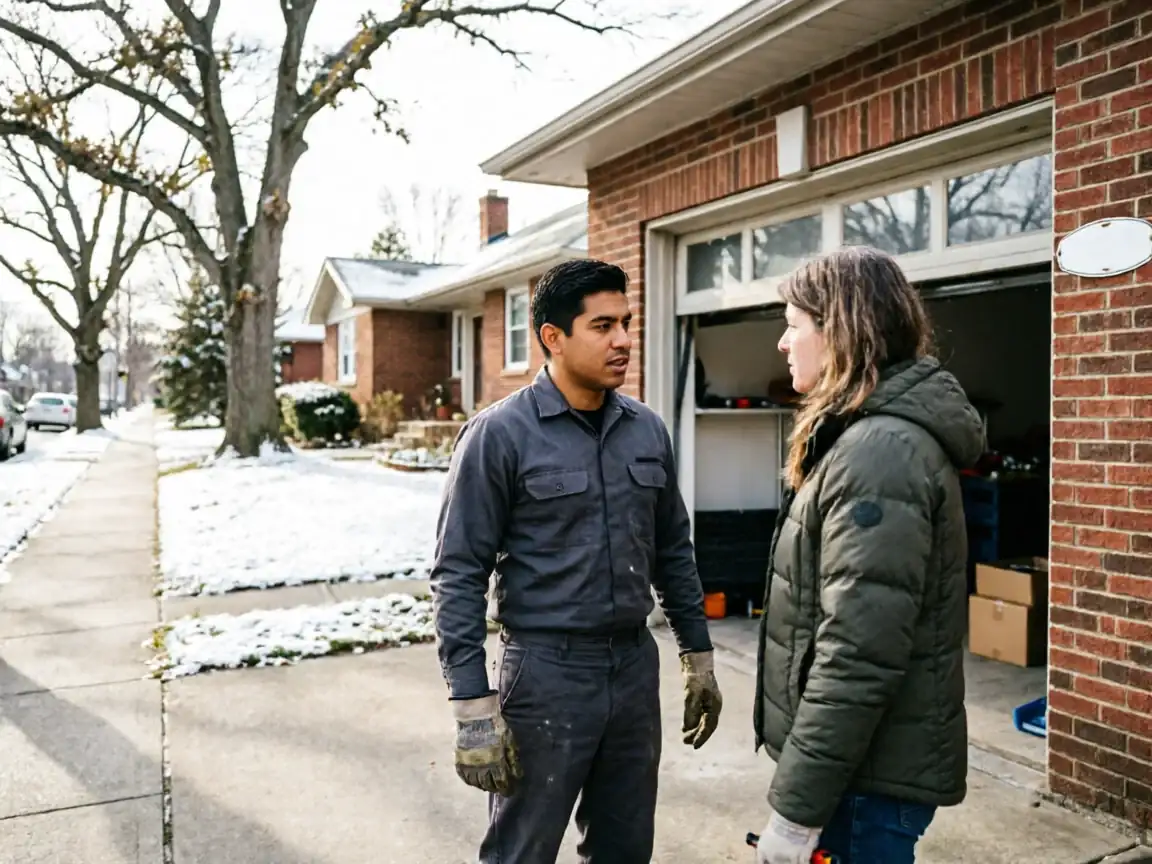
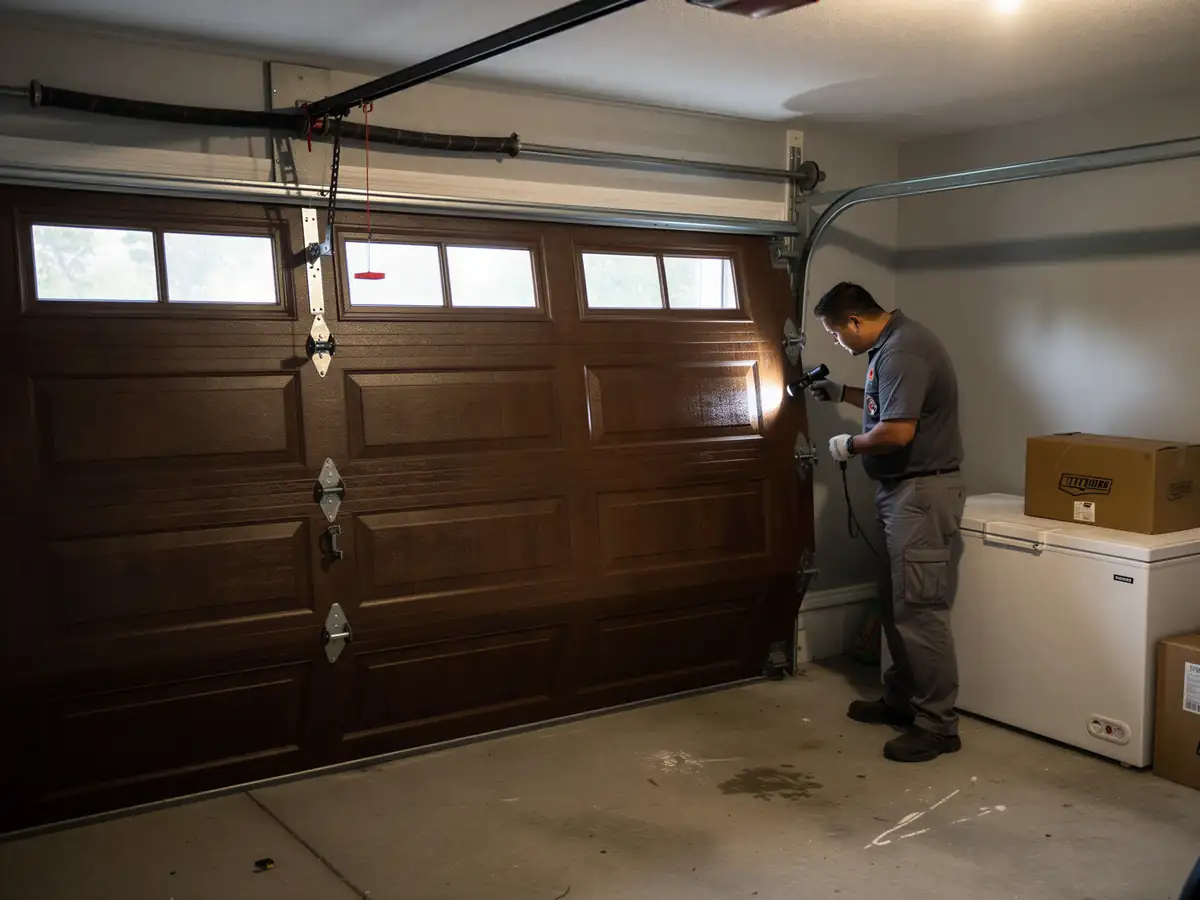
Romeoville sits about 14 miles from our Aurora shop, close enough that a same-day call doesn't mean a half-day wait, but far enough that the truck still has to clear that distance before any spring gets measured or any cable gets replaced. What we find once we're there tends to follow the house's age more than anything else.
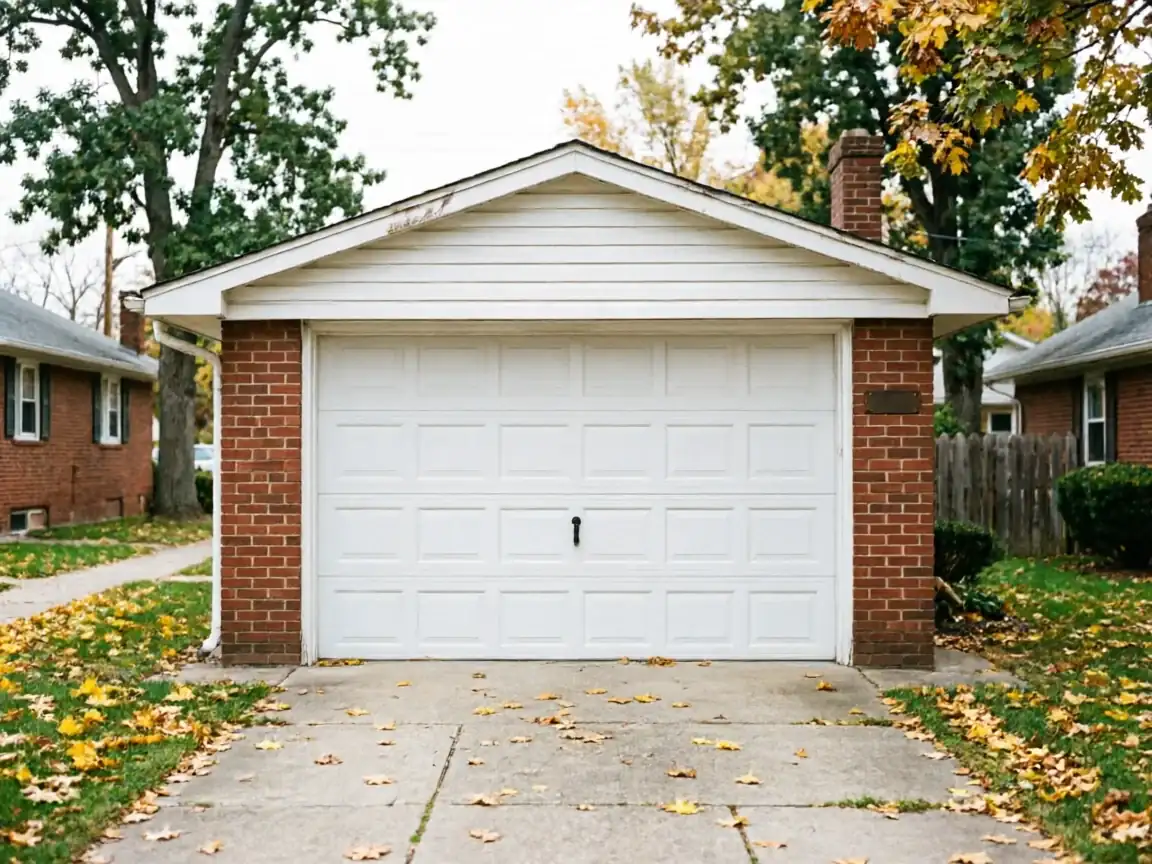
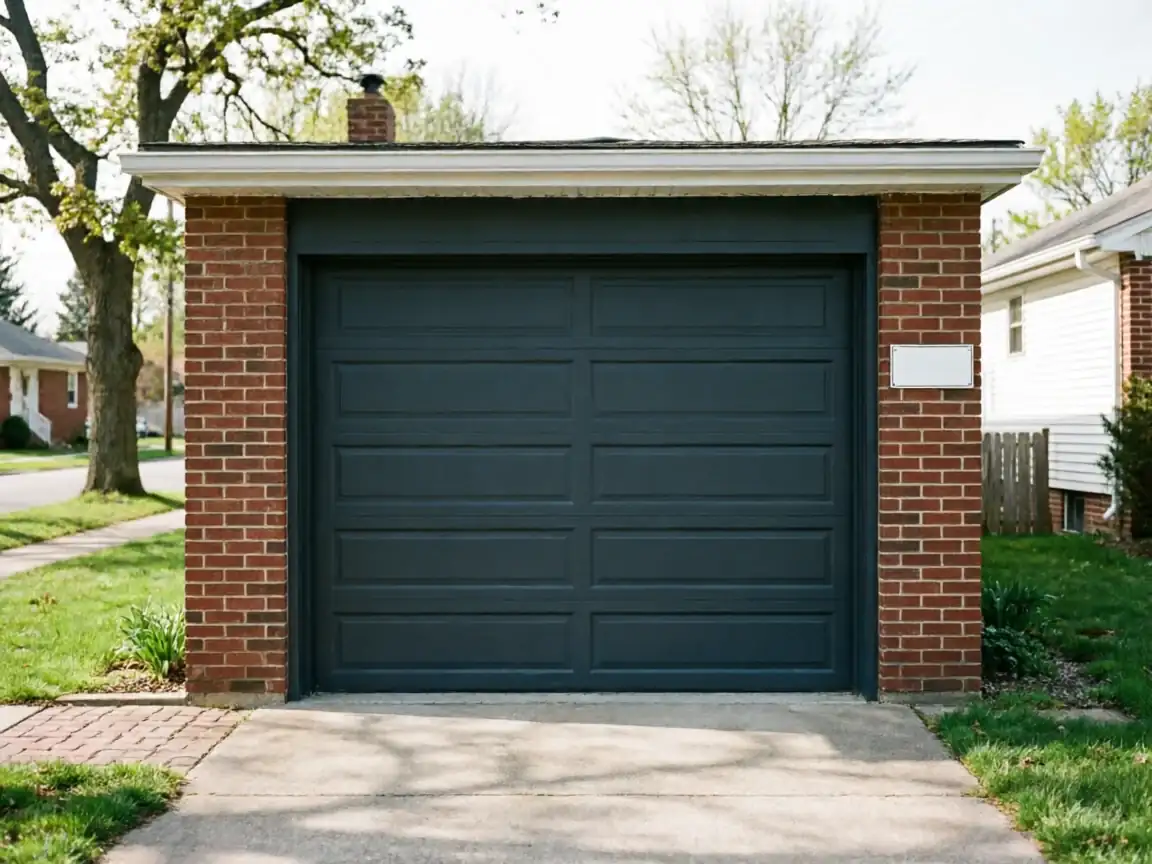
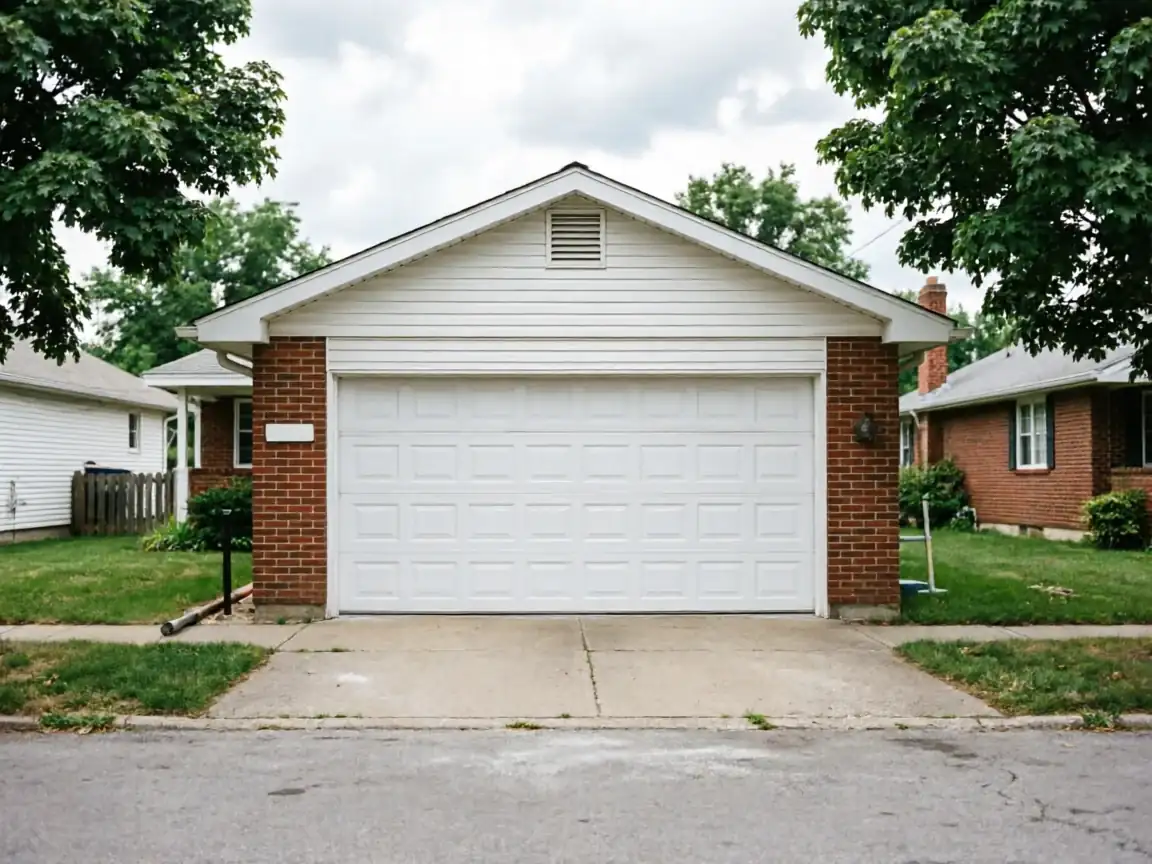
Most of Romeoville's housing landed around 1998, newer than the 1958-2003 spread that covers the wider area we work, with that median sitting closer to 1981 elsewhere. A door put in around 1998 is now past the 20-to-25-year mark where torsion springs fatigue and nylon rollers crack almost on schedule. The common call here isn't a door that won't open at all - it's one that's noticeably louder than it used to be, drifts a little crooked going up, or slams the last foot of travel because the spring has lost tension gradually rather than snapping all at once. Openers from that era are also starting to show their age: logic boards that were fine for twenty years start skipping a close cycle or needing two tries to catch the sensor.
What the Fix Involves
For a torsion spring job, that's matching wire diameter and wind direction to what's already on the shaft
Not just grabbing a spring that looks about right - get that wrong and the door either won't lift evenly or over-tensions the opposite side within a year. On a standard double door that's usually a pair of springs replaced together, even if only one has broken, since the other is on the same clock.
Rollers and hinges get swapped as a set if they're original
Because replacing one cracked roller and leaving the other nine from 1998 just means a second call in a year. If the opener's logic board is the problem rather than the motor, sometimes the cheaper fix is a new opener outright rather than hunting down a board for a unit that age - we'll say so if that's the math, rather than billing for a repair that doesn't hold.
Track alignment gets checked on every call regardless of what brought us out
Since a door that's been running slightly bent for years wears rollers and cables faster than normal and hides as a