What Causes It Around Here
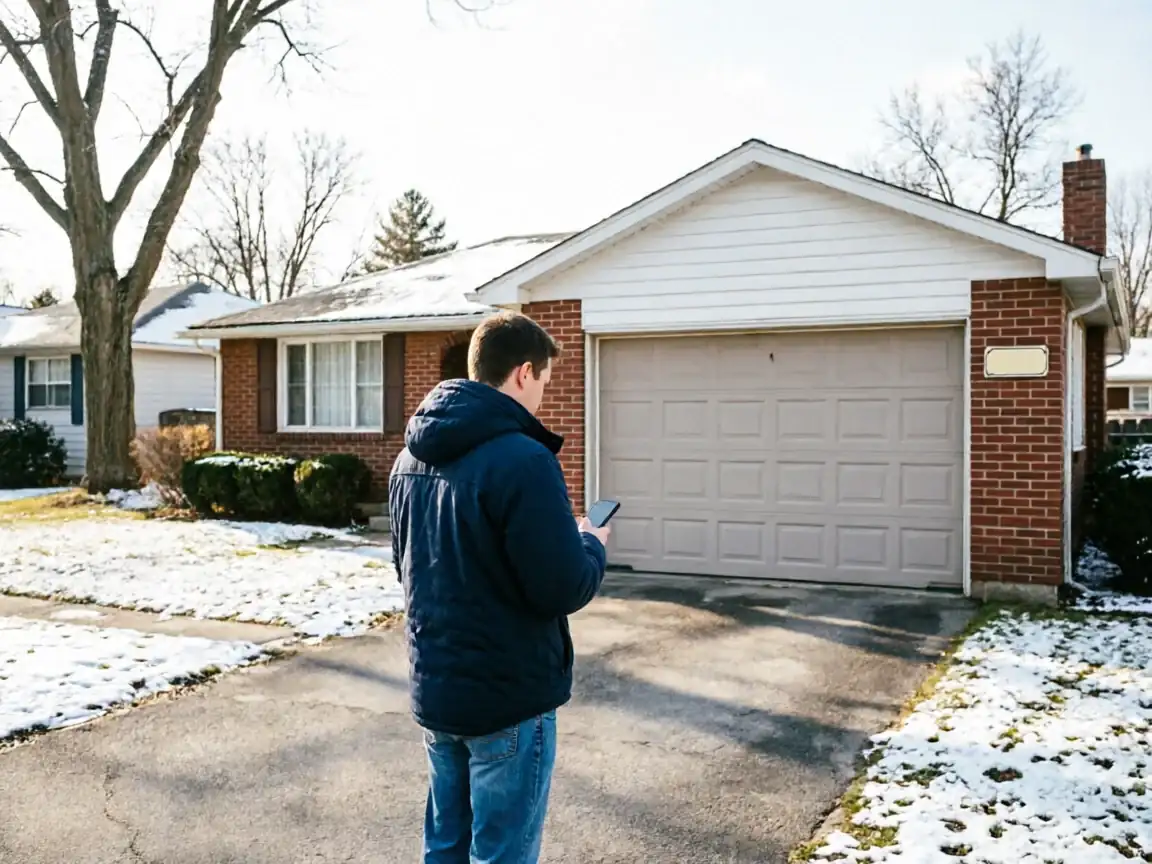
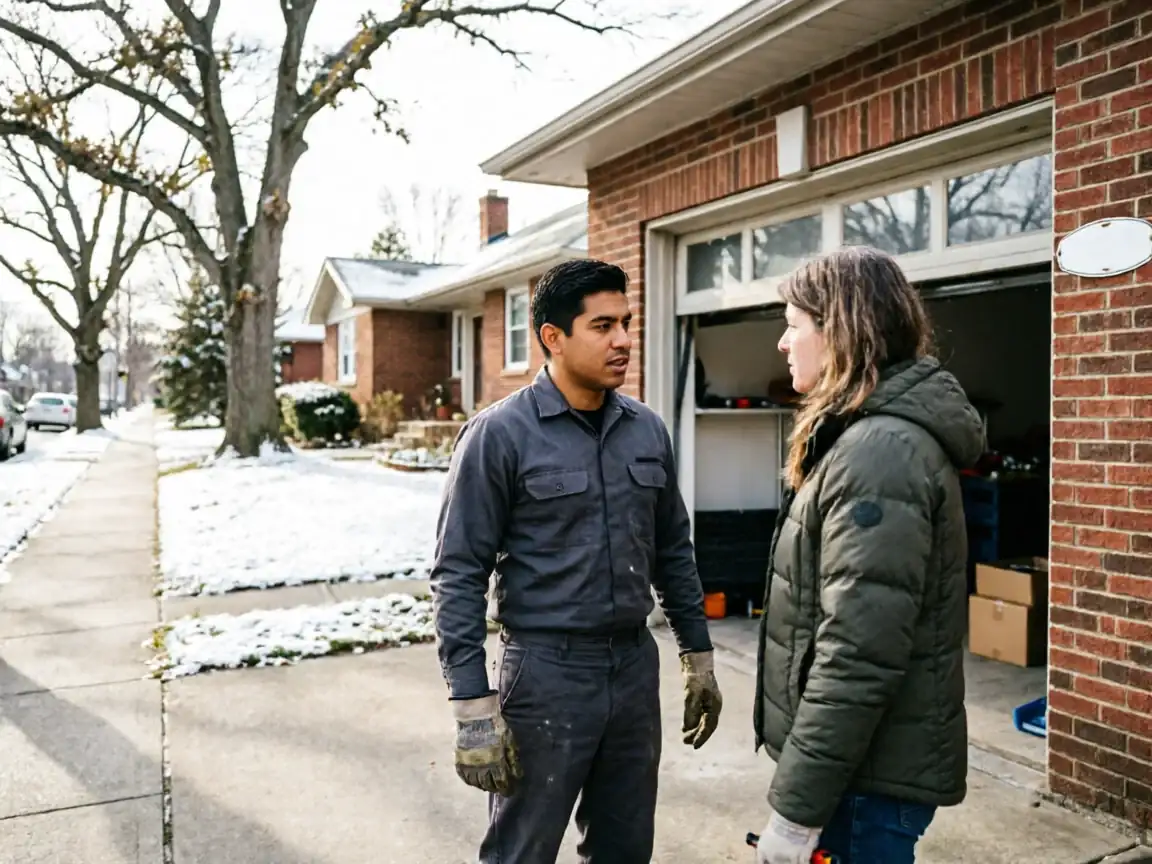
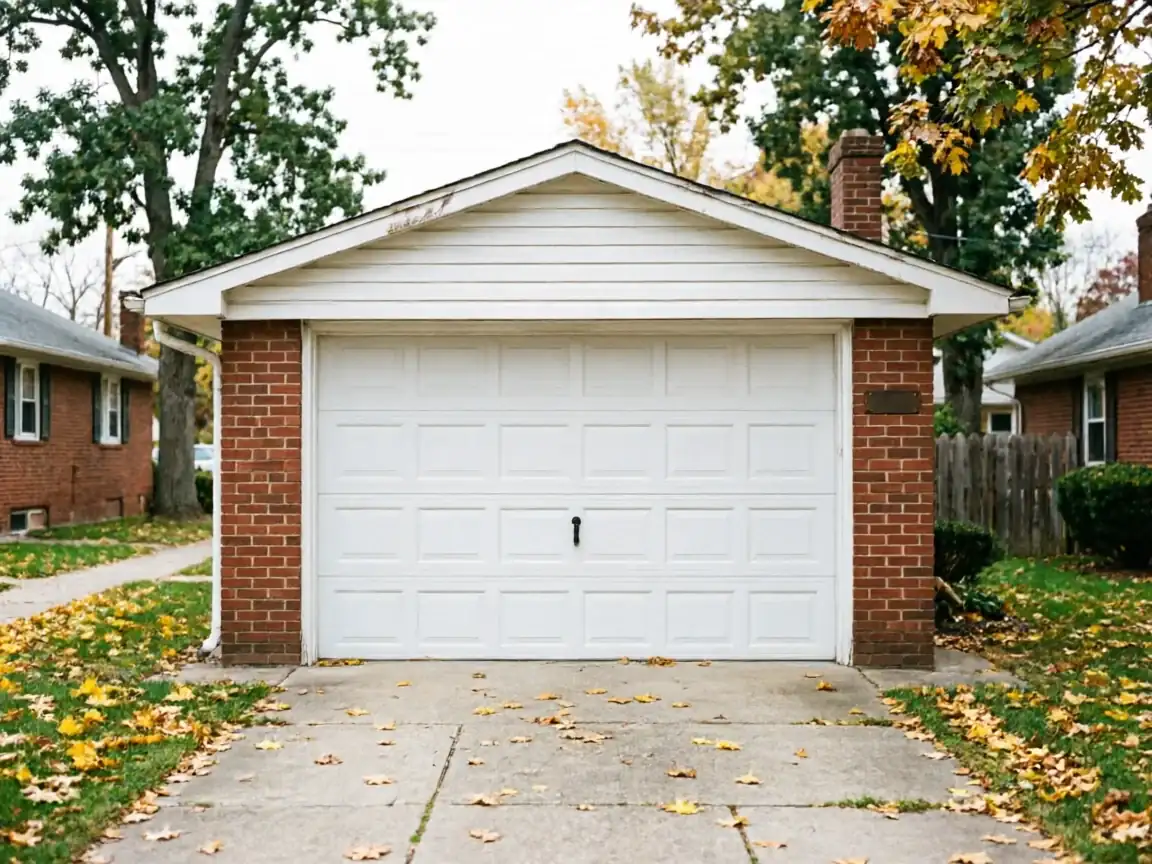
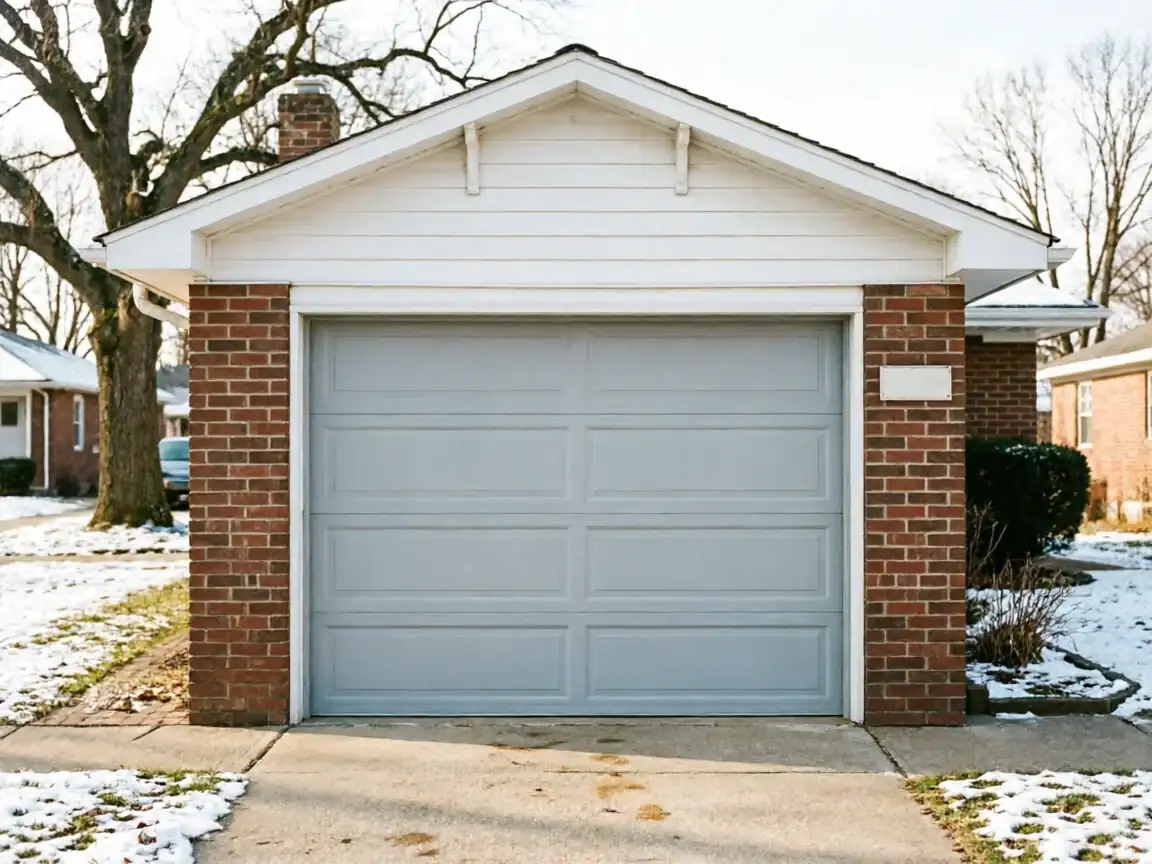
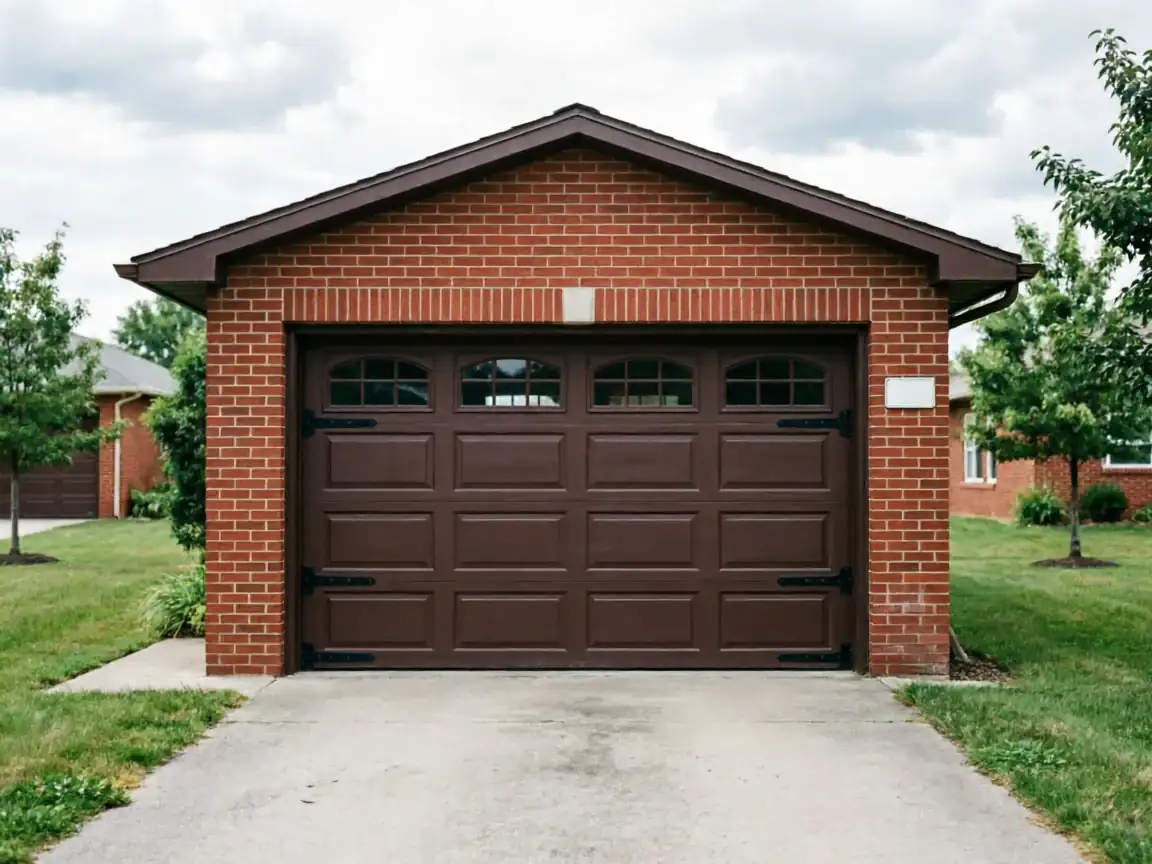
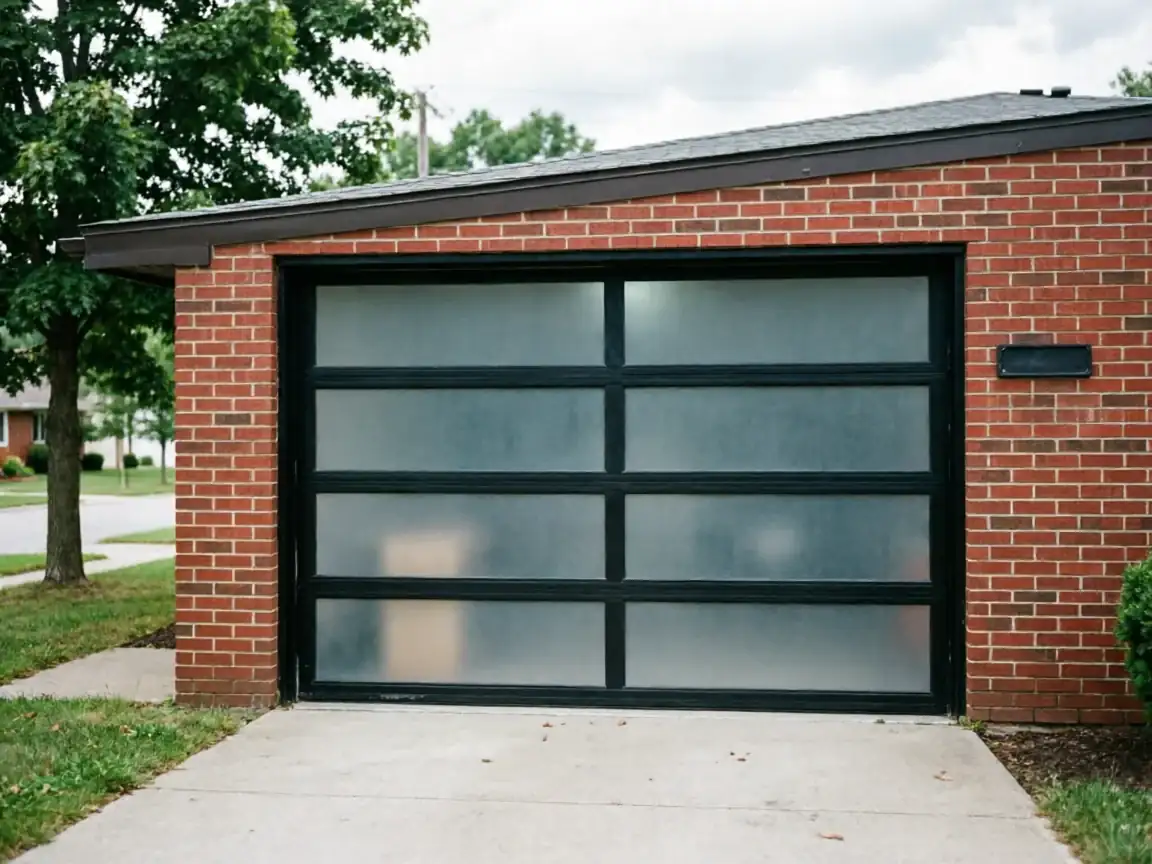
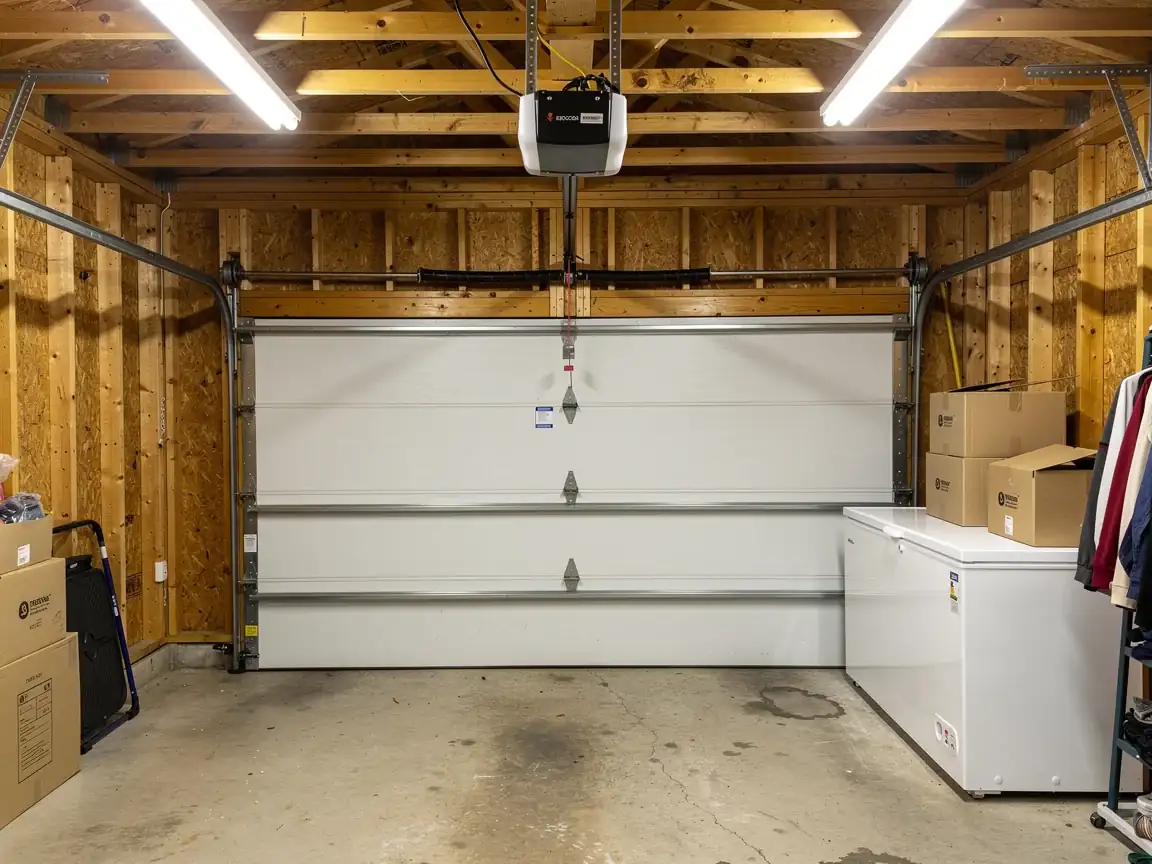
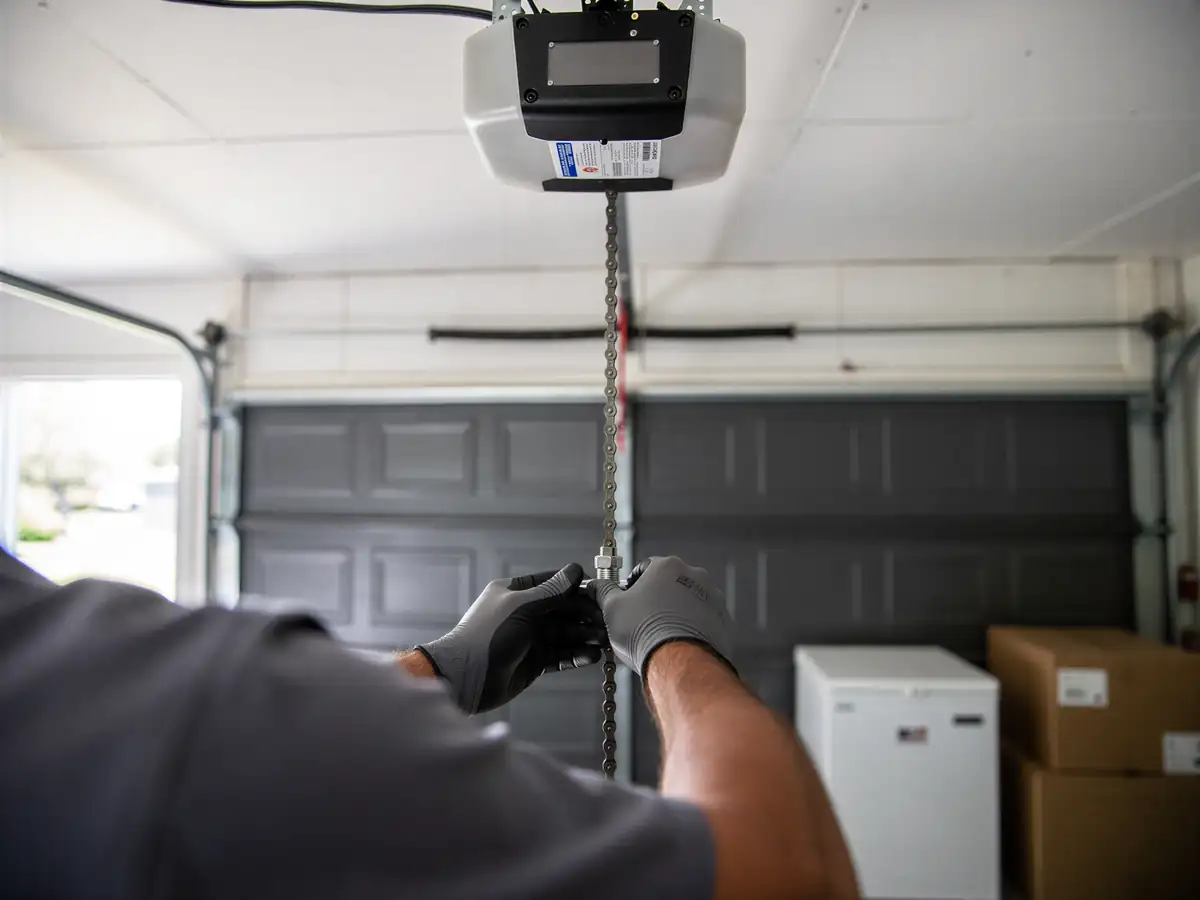
North Aurora's housing stock centers on 1998, a good two decades newer than a lot of what we see closer to Aurora. That matters because a house built in 1998 almost certainly still has its original garage door opener and the steel rollers and lift cables that came with it. Nobody swaps out a working opener just because it's old - they replace it when it fails, and a lot of these units are closing in on 25-30 years of lift cycles. The springs on a door this age have usually been changed once by now, maybe twice, but the opener logic board, the drive gear, and the sensor wiring are often still the factory parts. In a cold-moderate climate band like this one, that aging plastic drive gear and that 90s-era gear-reduction motor are exactly what gives out first - not from one bad winter, but from the slow wear of a thousand winters' worth of hard-starting in the cold. We come out from Aurora, about 4 miles away, and the pattern repeats enough that we know what to check first.
The Symptom
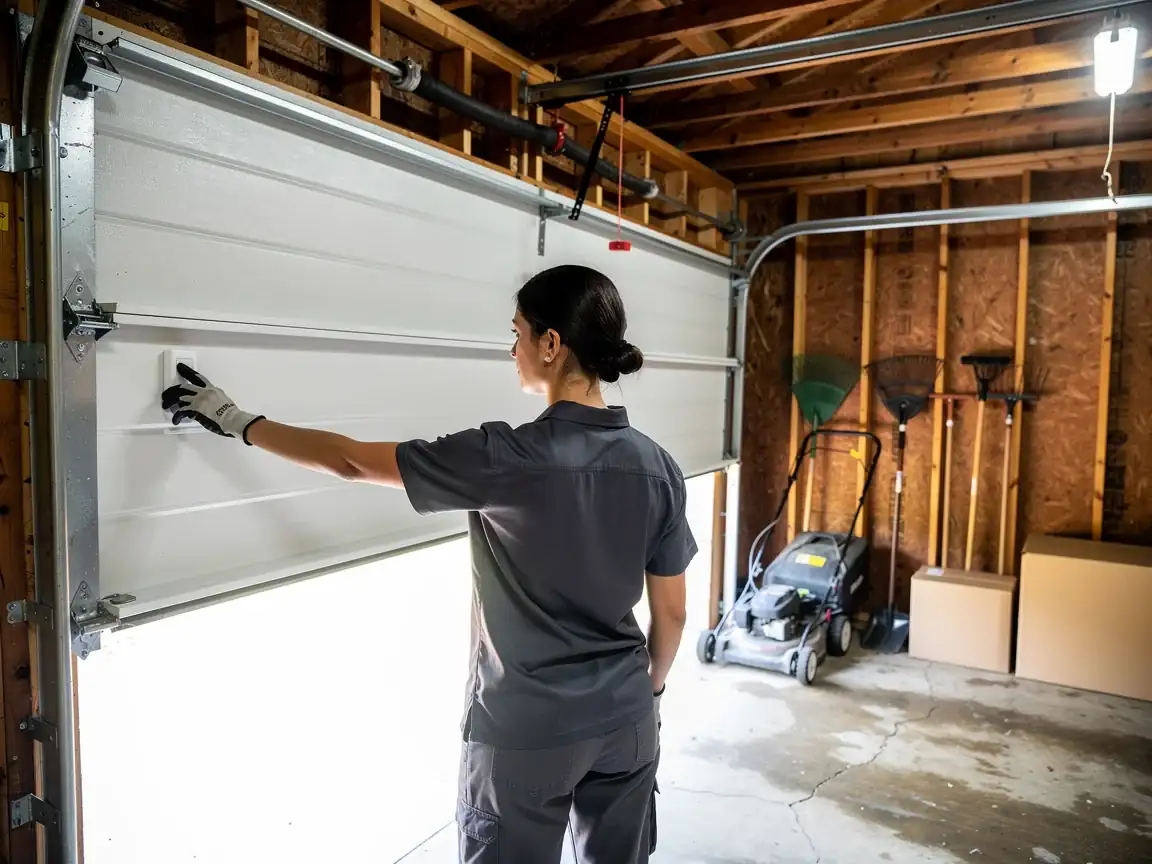
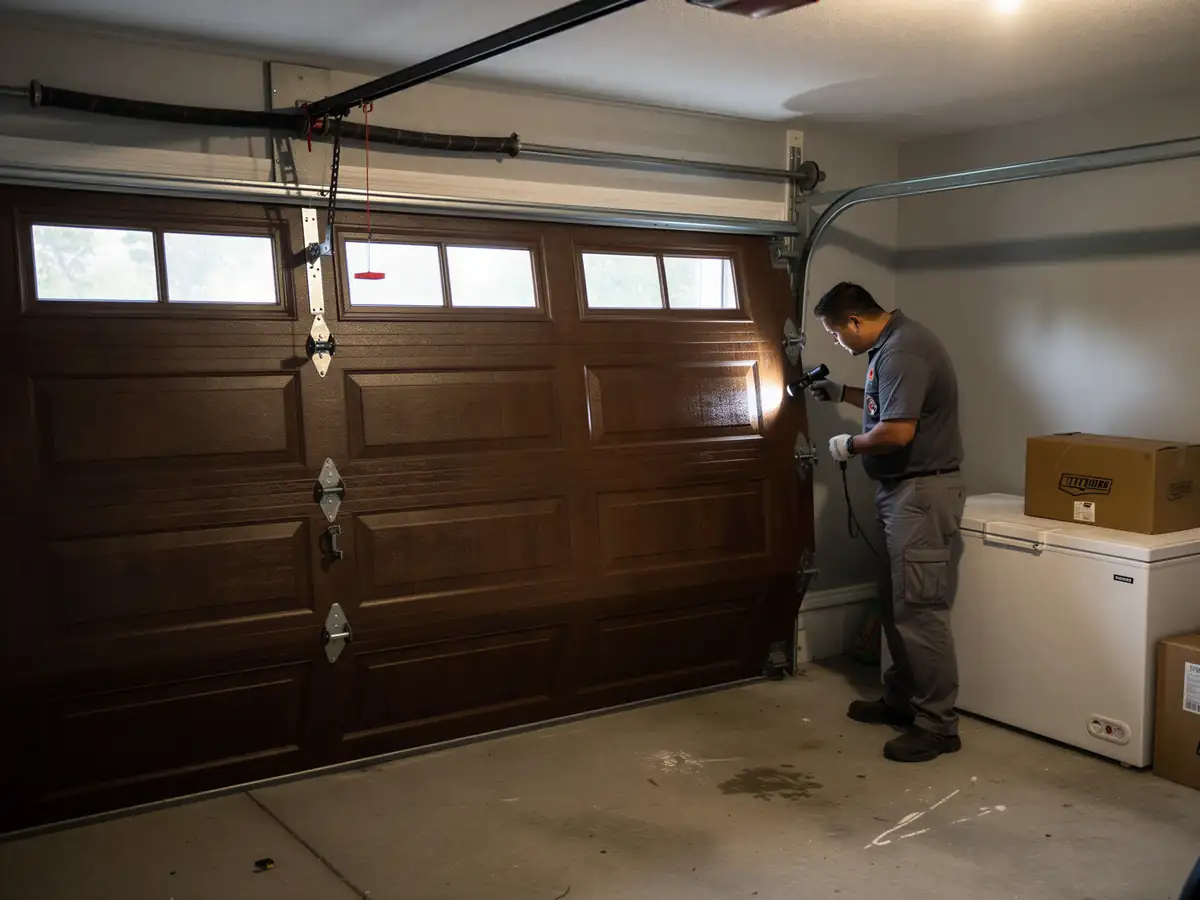
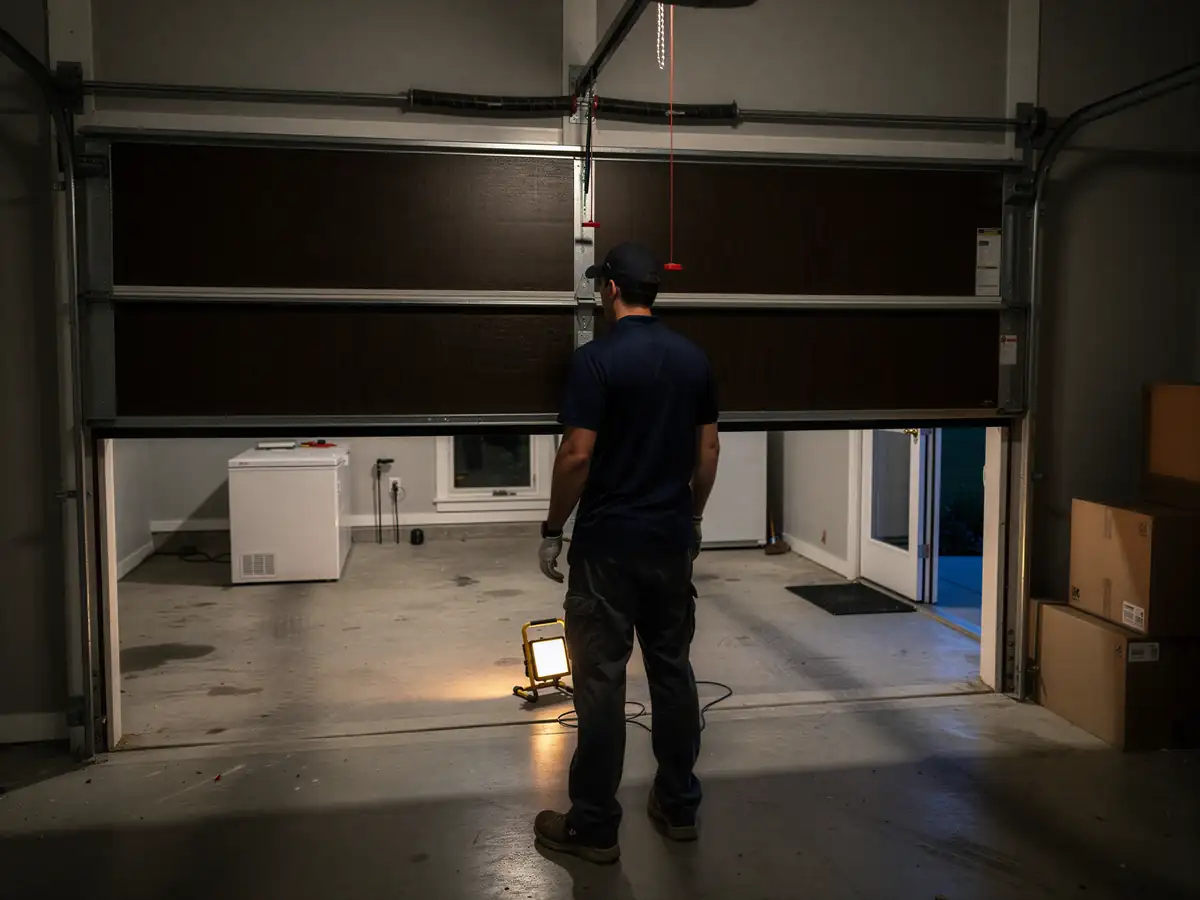
The door that used to open in under 10 seconds now takes three tries, or it starts up and stalls halfway, reversing back down. Sometimes it's a grinding noise from the opener head instead of a smooth hum. Other times the door looks fine sitting closed but shudders on the way up, which usually means a roller or a section of track has worn past what the original hardware was built to handle. None of this shows up overnight - it's a slow decline that homeowners notice only once it starts happening every single time instead of once in a while.
What Can Go Wrong
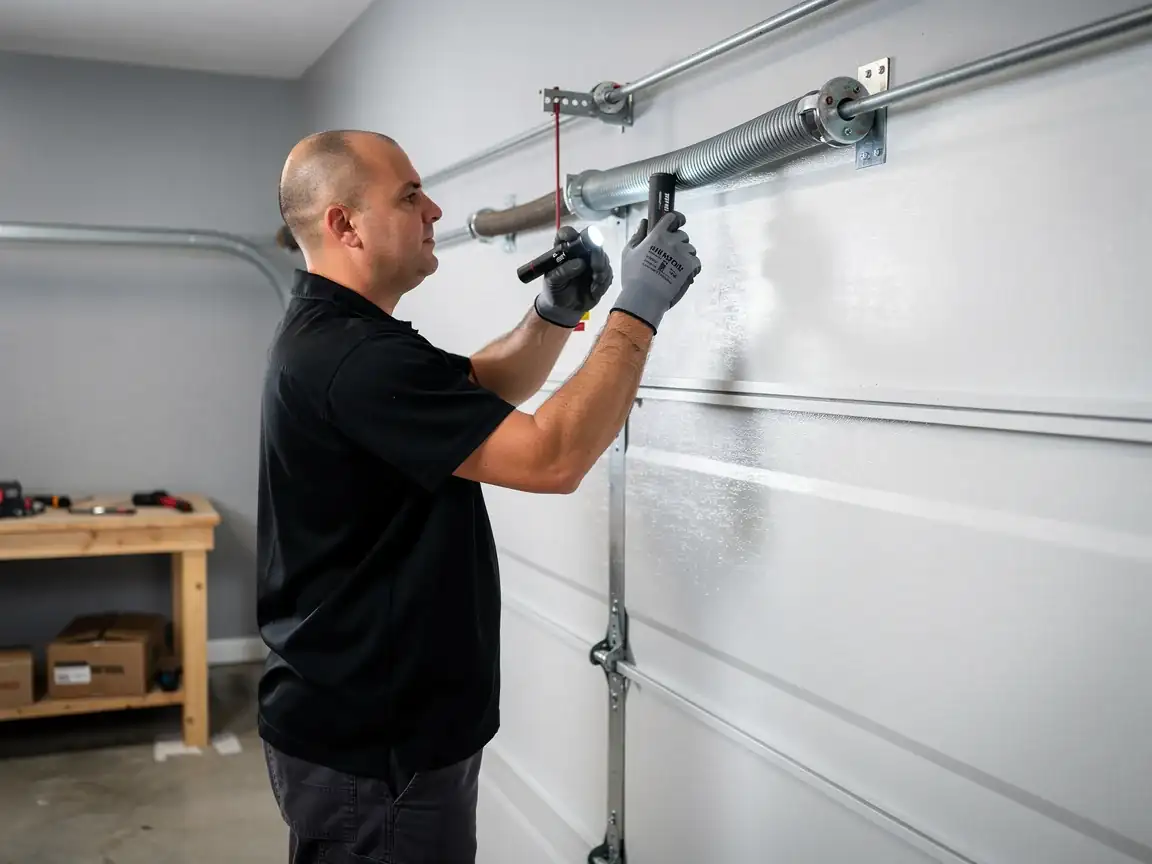
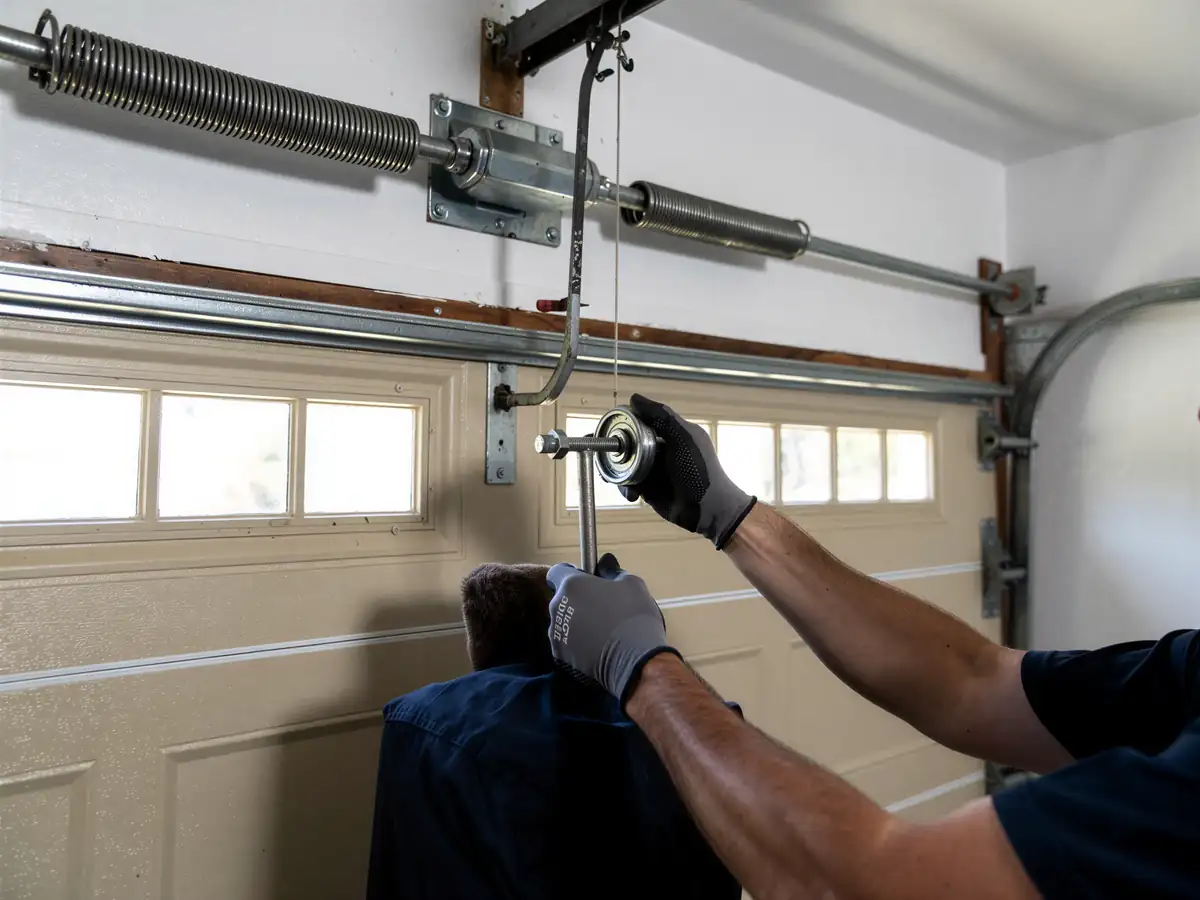
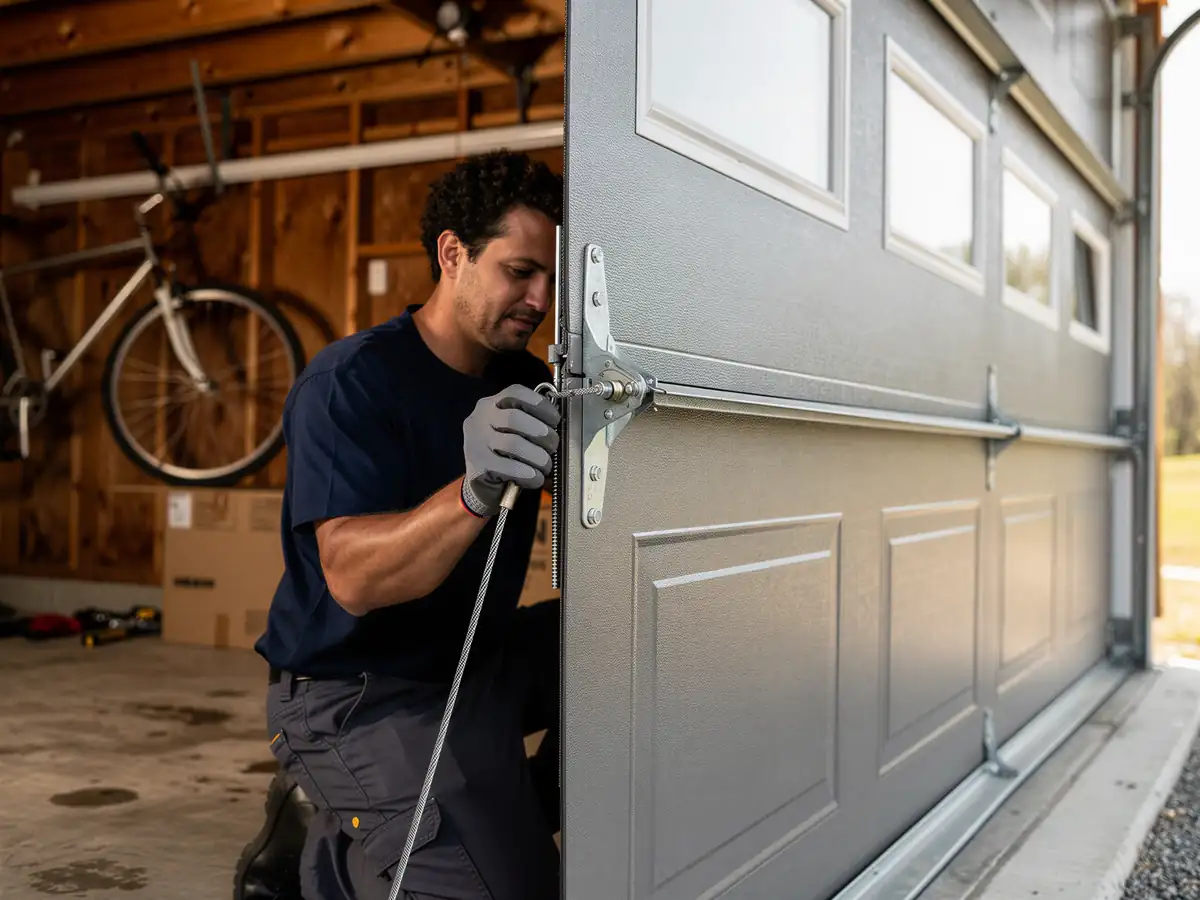
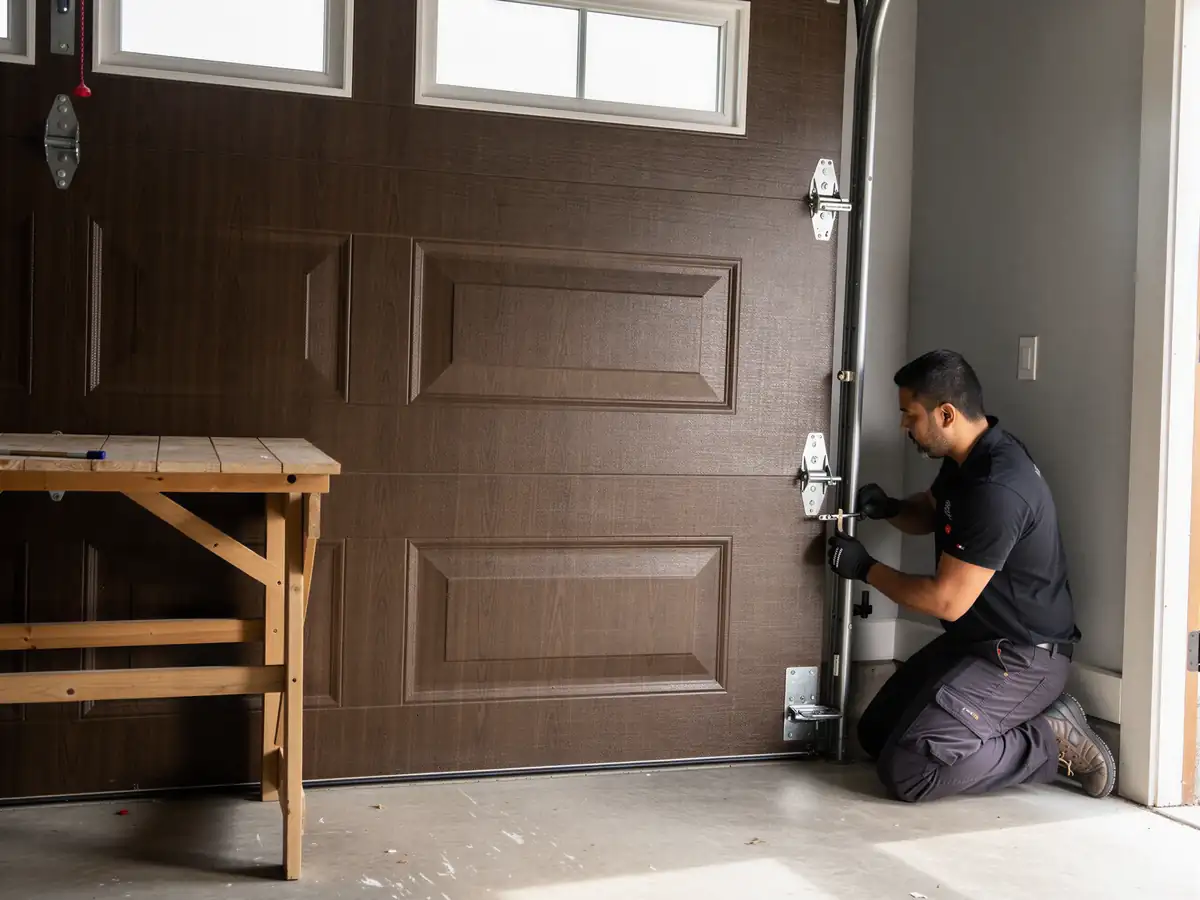
A stripped opener gear is a quick fix, but if the motor windings have also started to go, you're looking at a full opener replacement instead of a gear swap, and we won't know which one it is until we've got the cover off. Torsion springs under tension are not a place to guess - the wrong wire gauge on a resized door can snap a cable or drop a door section, and we've seen it happen on doors that looked fine the week before. If the bottom bracket or end bearing plate has corroded from moisture in an unheated garage, that's a part that fails without much warning.
Doing It Yourself
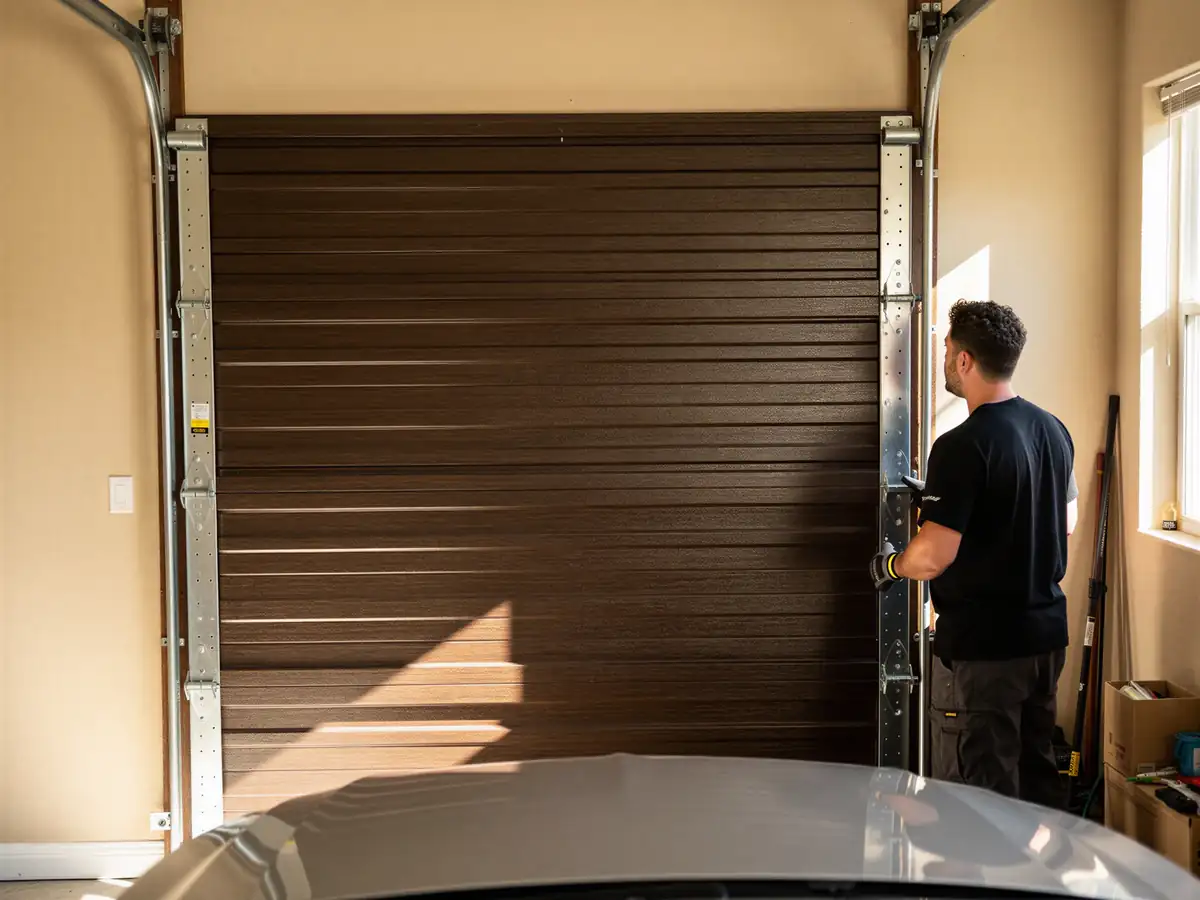
Lubricating hinges and rollers with a garage-door-specific lubricant, checking that the photo-eye sensors are aligned and clean, and tightening loose bolts on the track brackets are all reasonable DIY jobs. Replacing a torsion spring, a cable, or anything holding the door under tension is not - that's where people get hurt, and it's not a job we'd recommend tackling without the right bars and clamps. If your opener is original to a 1998-era build and it's making a new noise, that's worth a call before it strands the door half-open.