What Causes It Around Here
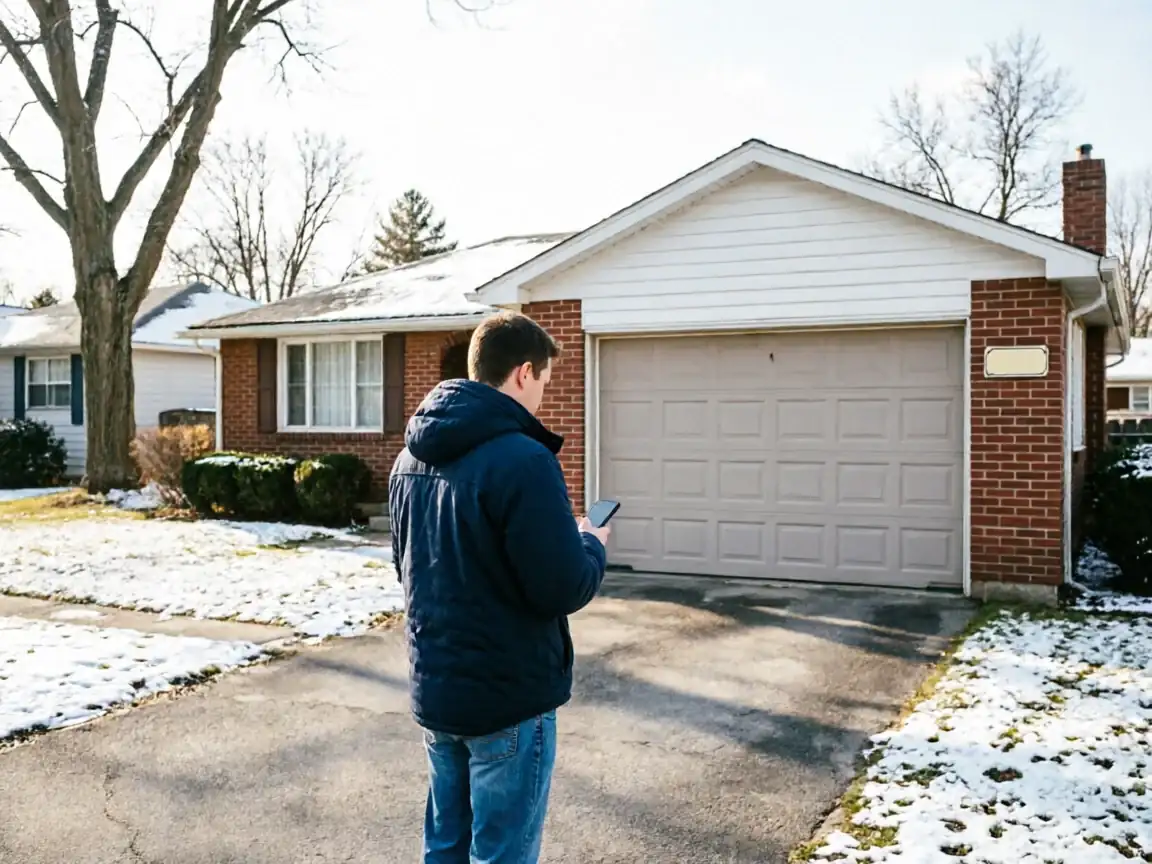
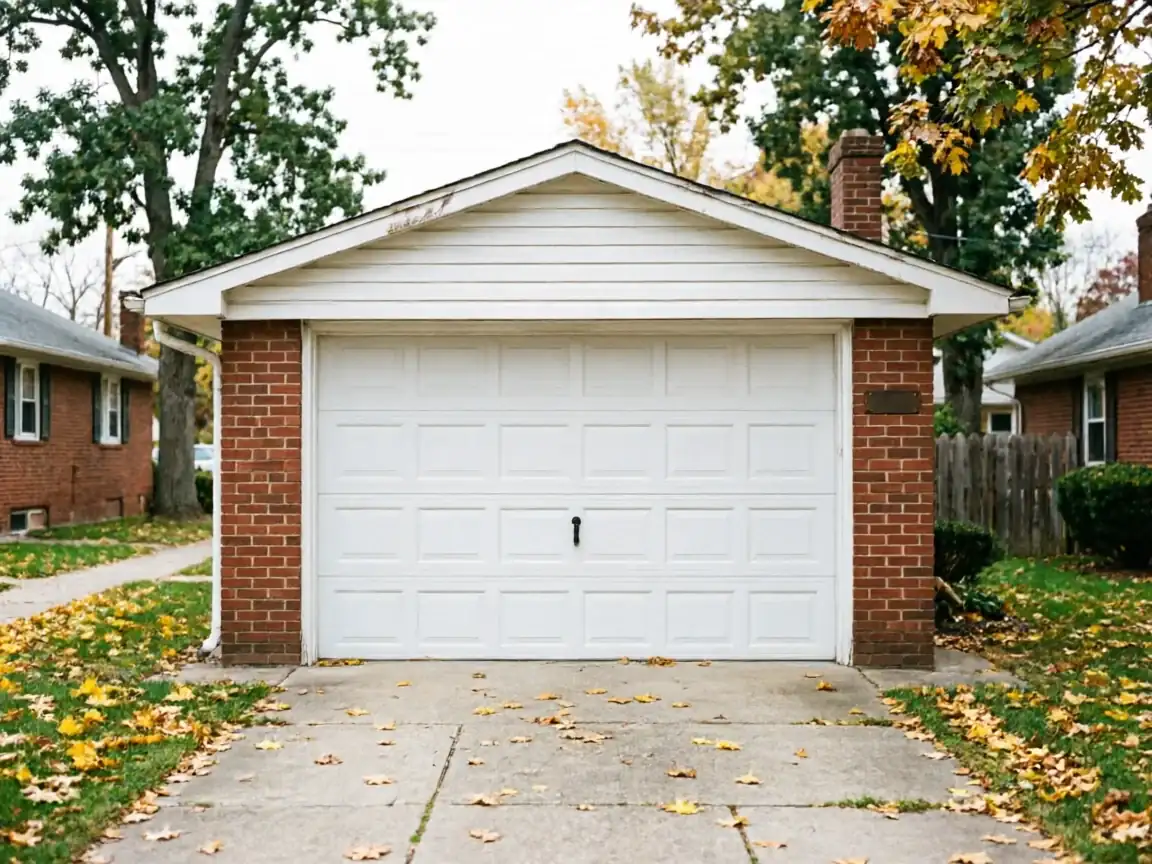
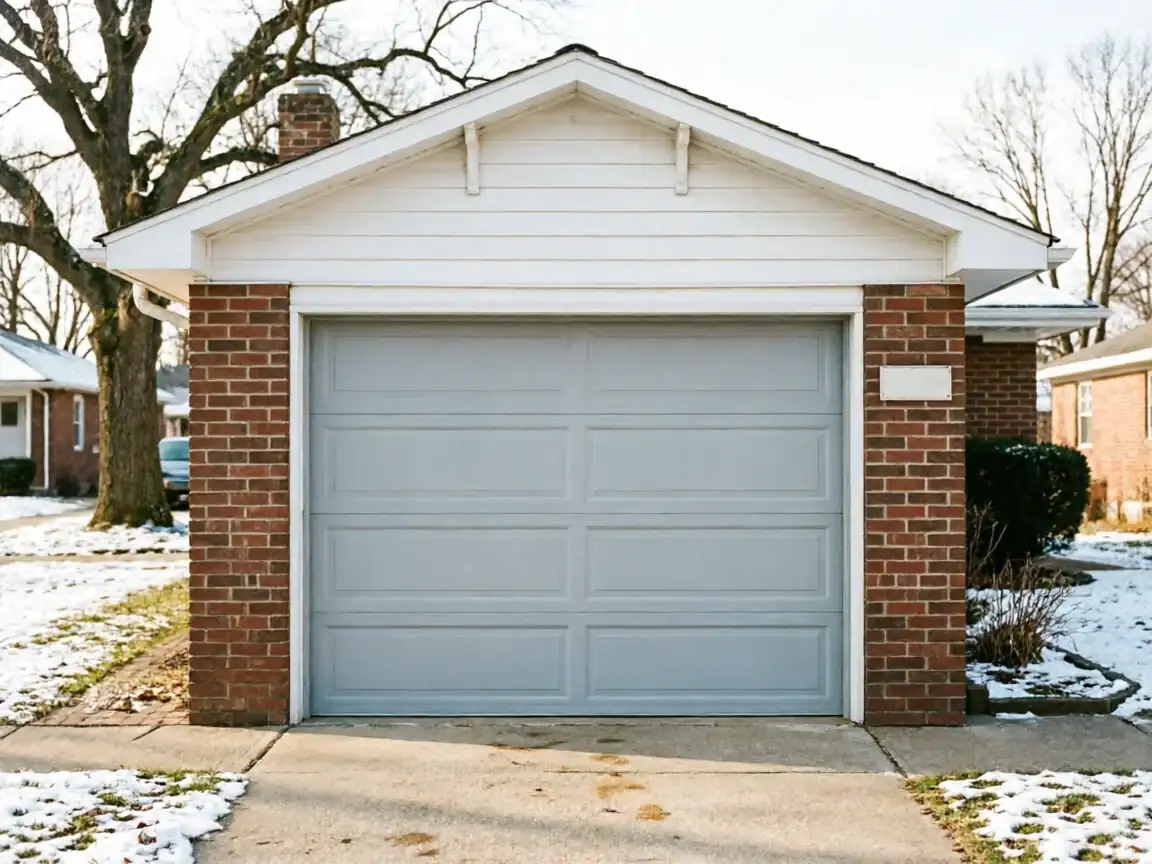
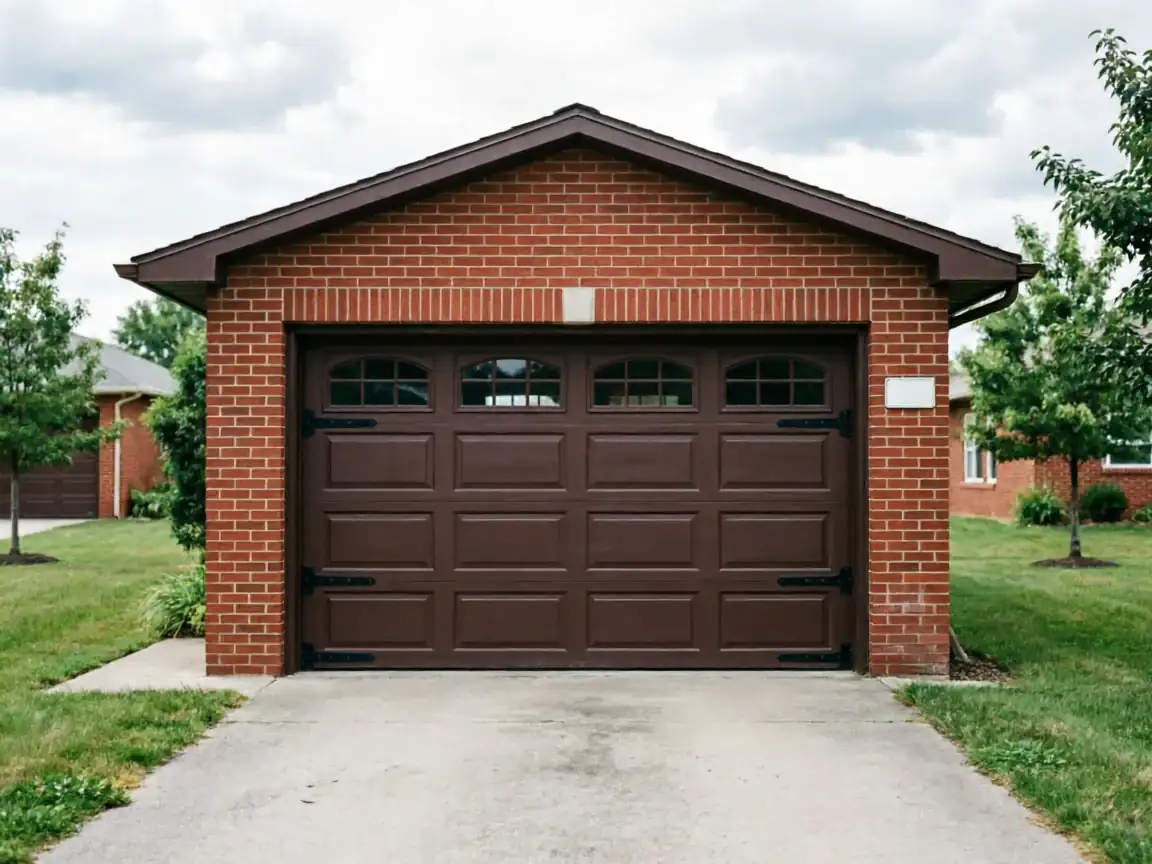
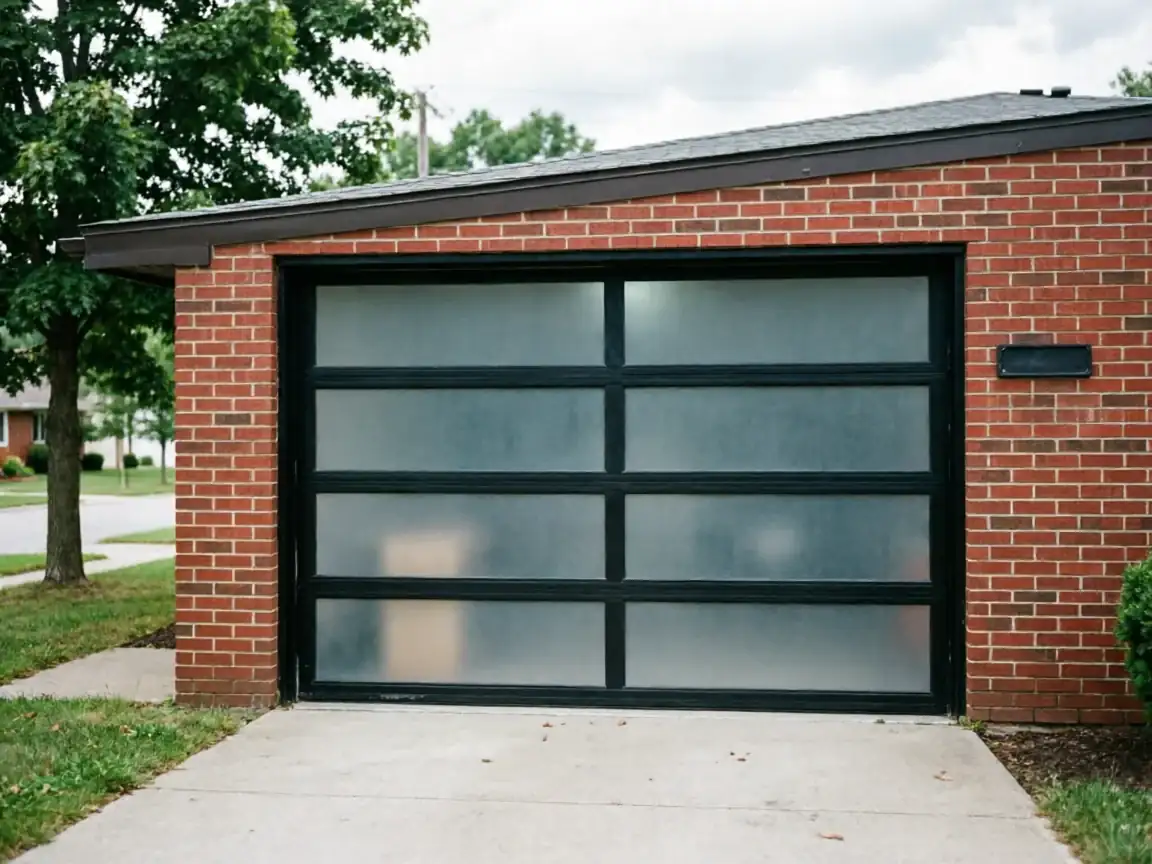
North Aurora's housing stock centers on a median build year of 1998, noticeably newer than the broader service area, where homes across the region typically date from 1958 to 2003 with a median around 1981. That gap matters for an install job. A house built in the late '90s already has a steel sectional door and a torsion spring system from the factory - you're not retrofitting old hardware onto a garage that was never built for it. What usually drives a North Aurora homeowner to replace rather than repair isn't age-related rot in the jamb or a warped wood panel from the 1960s; it's a door that's simply worn out its spring cycles, or an opener that's reached the end of its working life after two decades of daily use. The fix here is less about correcting for mismatched eras and more about swapping a tired original for something built to the same opening, with better insulation and a quieter drive than what shipped in 1998.
Across the wider area, 158,029 houses are owner-occupied out of 311,217 households, and a meaningful share of that stock shares North Aurora's late-century build pattern. That means parts and track sizes here tend to be standard, not scarce - a point that works in your favor when it's time to order.
The Symptom
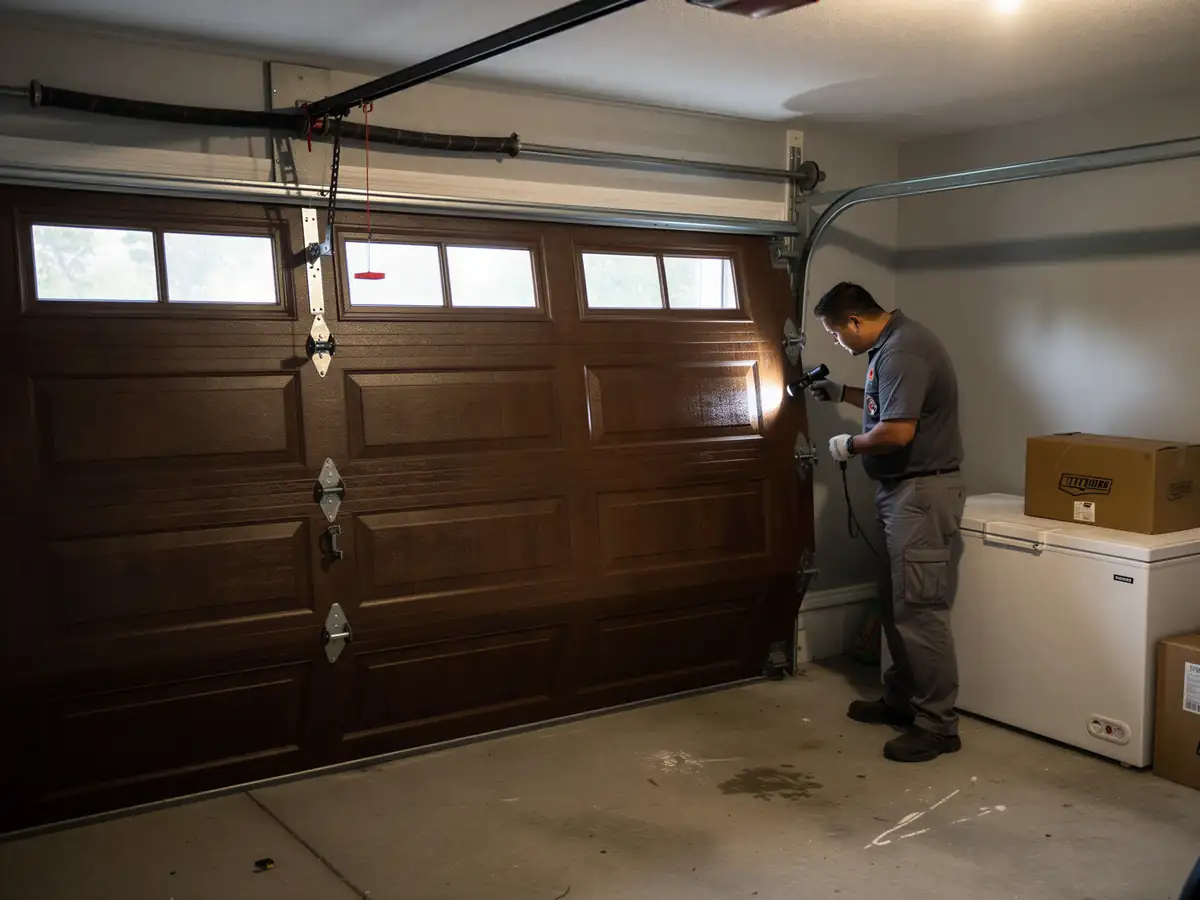
The giveaway in a North Aurora install job is usually a door that still closes but shudders, drags on one side, or won't seal flush at the bottom even after track adjustment. On a house built in the late 1990s, that's rarely a structural problem with the opening itself - the framing is square and the header is sized correctly for a standard 7-foot sectional. More often it's a steel door that's delaminated at the seams, foam insulation sagging inside the panel, or a spring that's lost tension gradually enough that nobody noticed until the opener started straining. Homeowners also call when the door looks fine but the opener grinds, clicks, or stops responding to the remote - a sign the motor, not the door, is the aging part.
In a cold-moderate climate band, a door that's lost its seal lets in enough draft that an attached garage starts affecting the rooms next to it, which is often the actual complaint: a cold wall in the mudroom, not the door itself. That's worth mentioning before you assume the fix is cosmetic.
What the Fix Involves
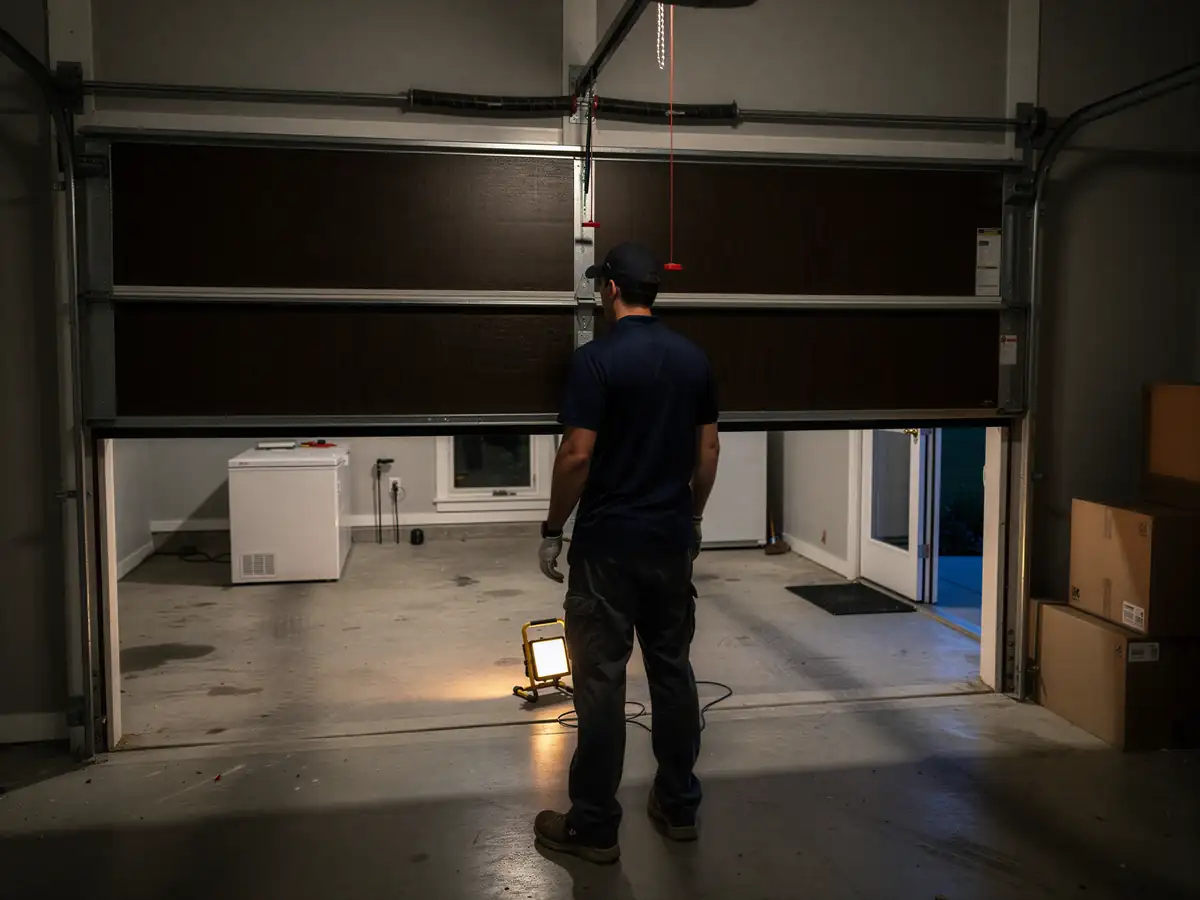
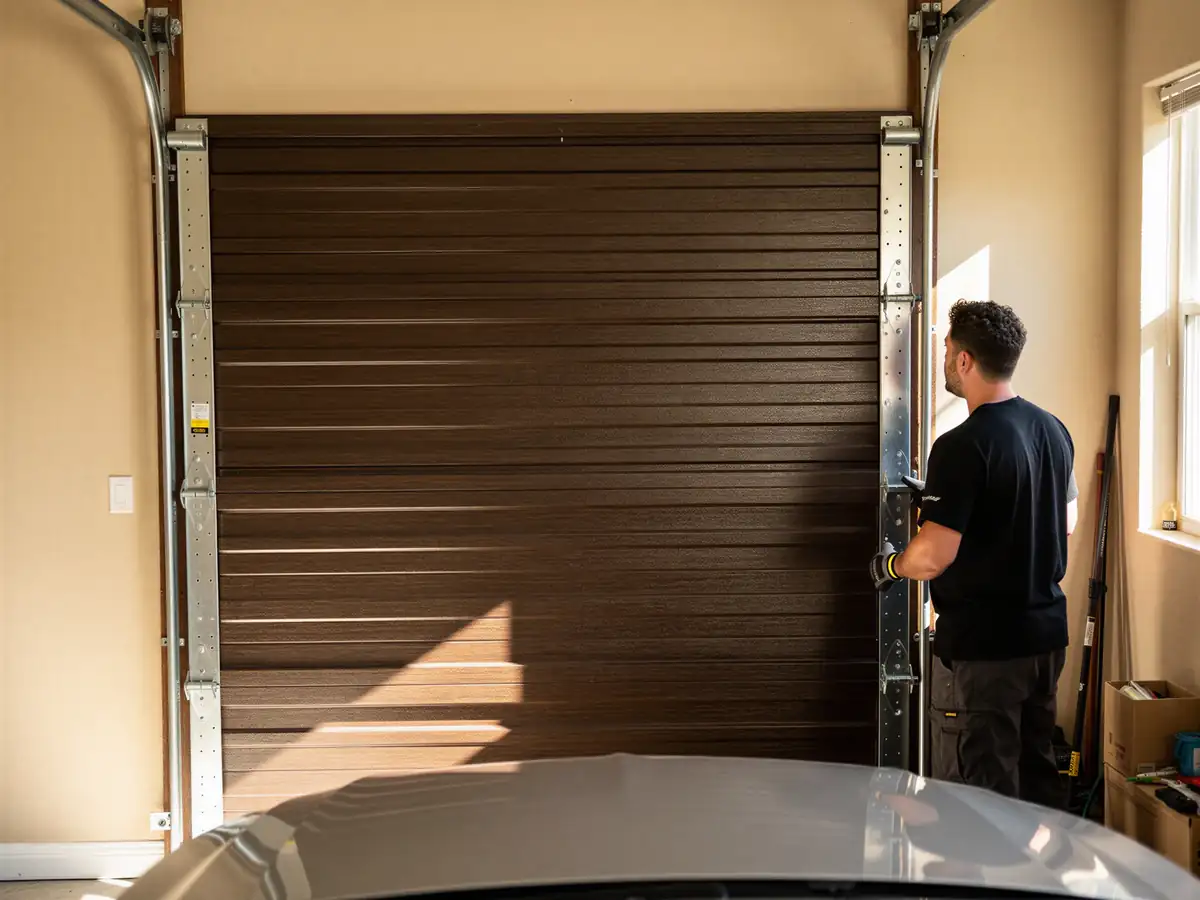
A new installation on a North Aurora opening starts with measuring the existing jamb and header
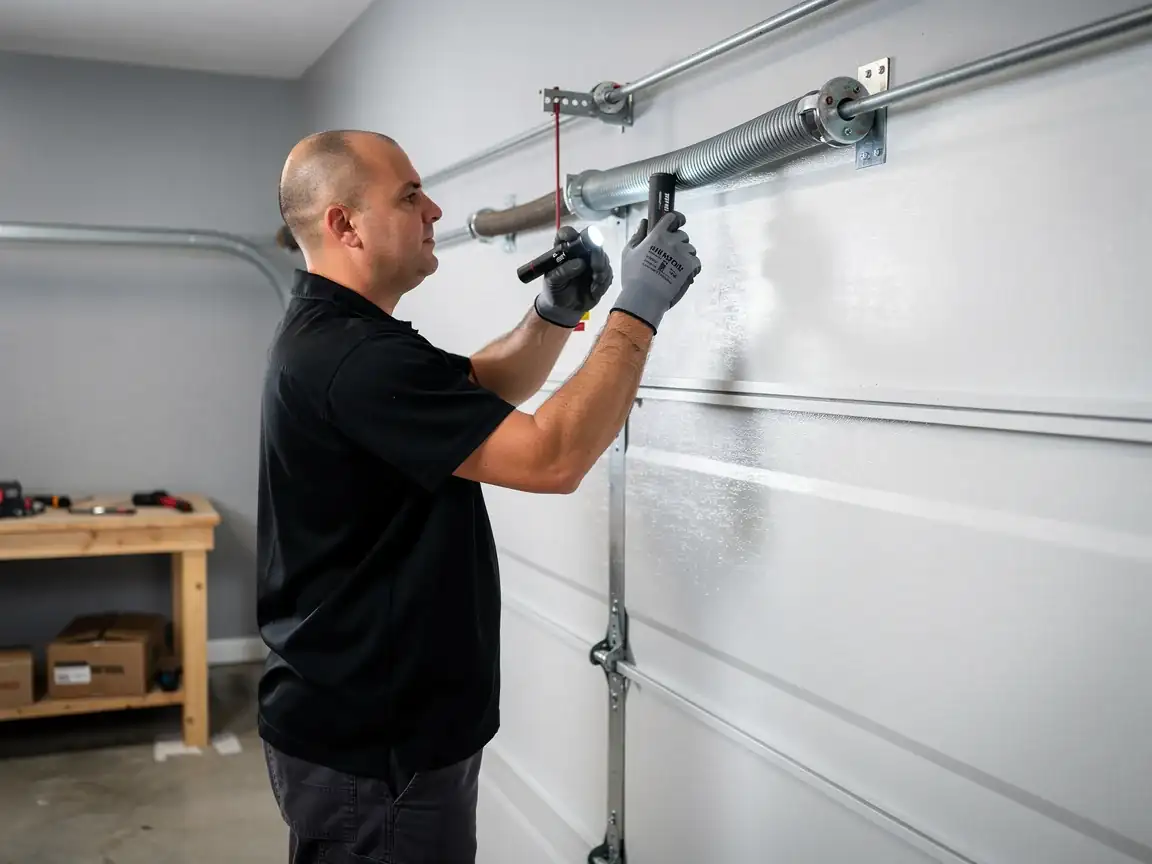
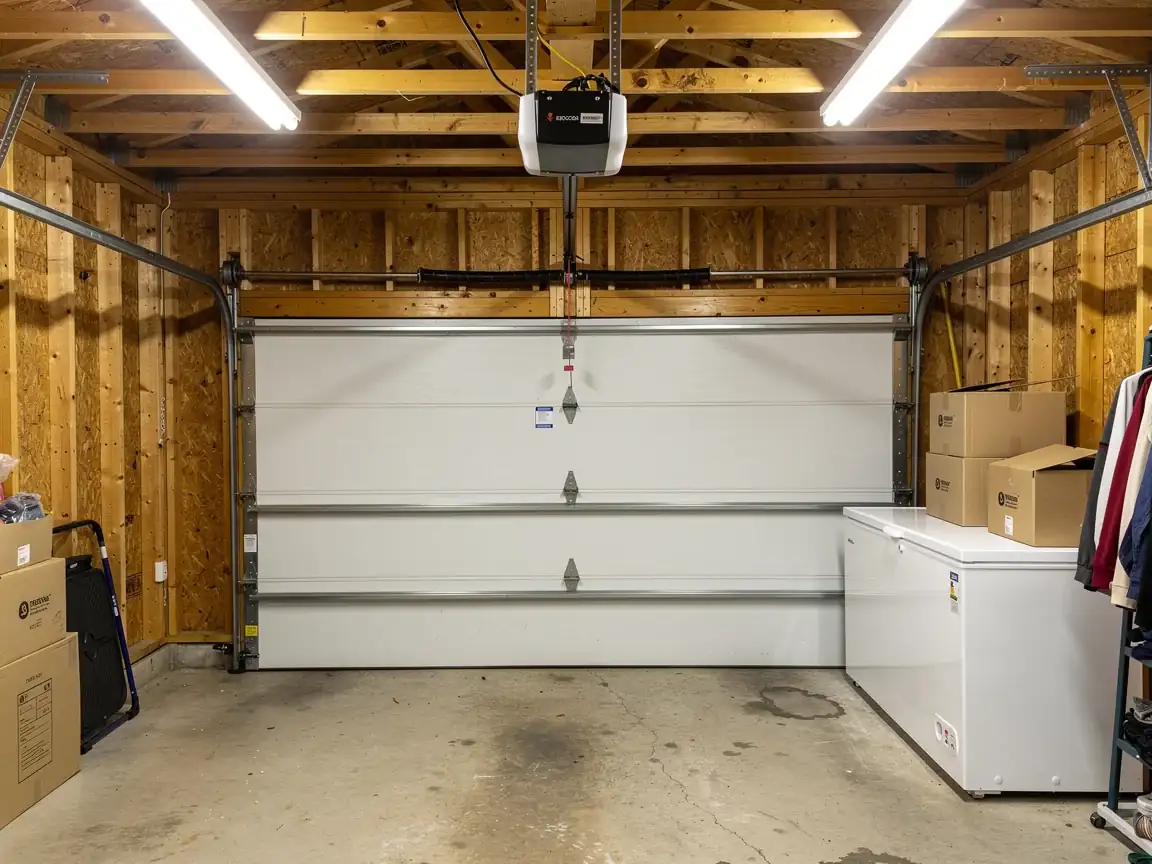
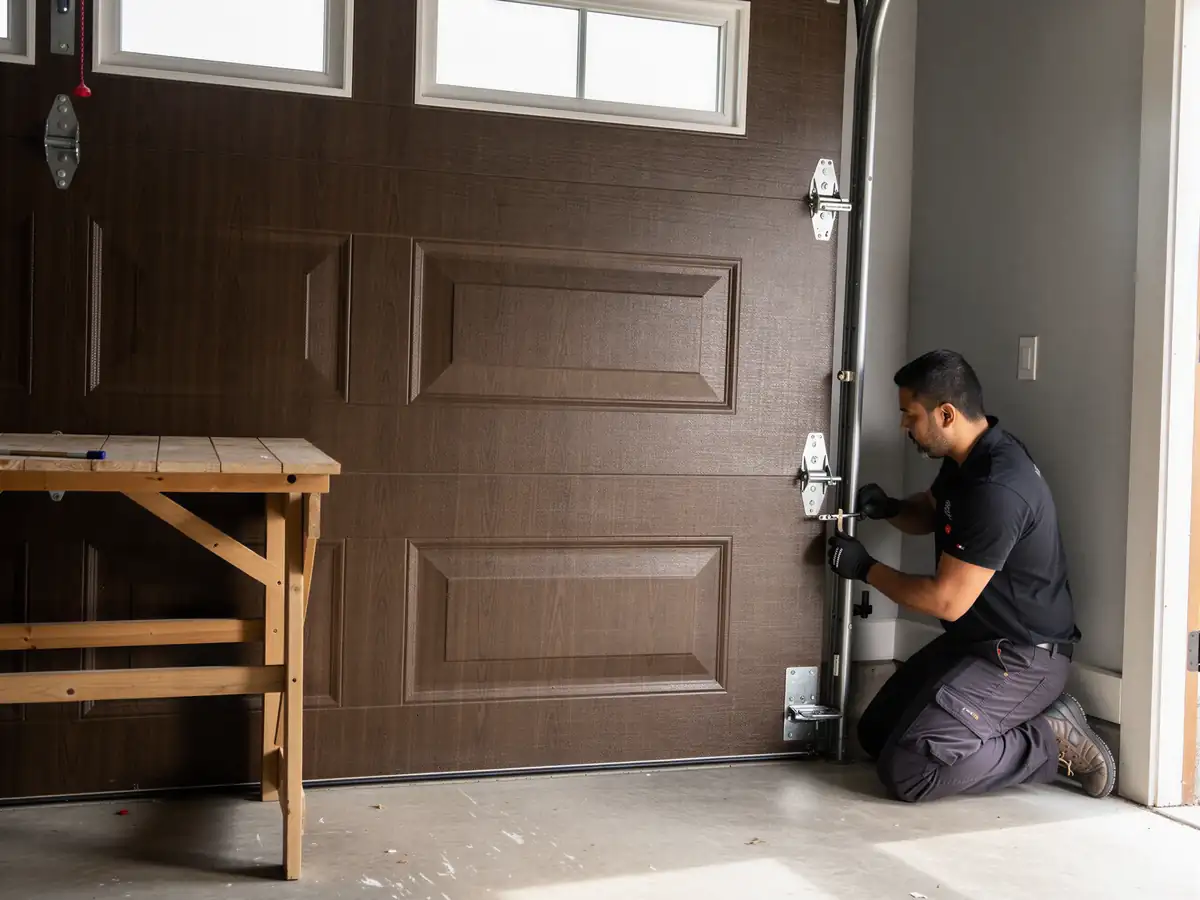
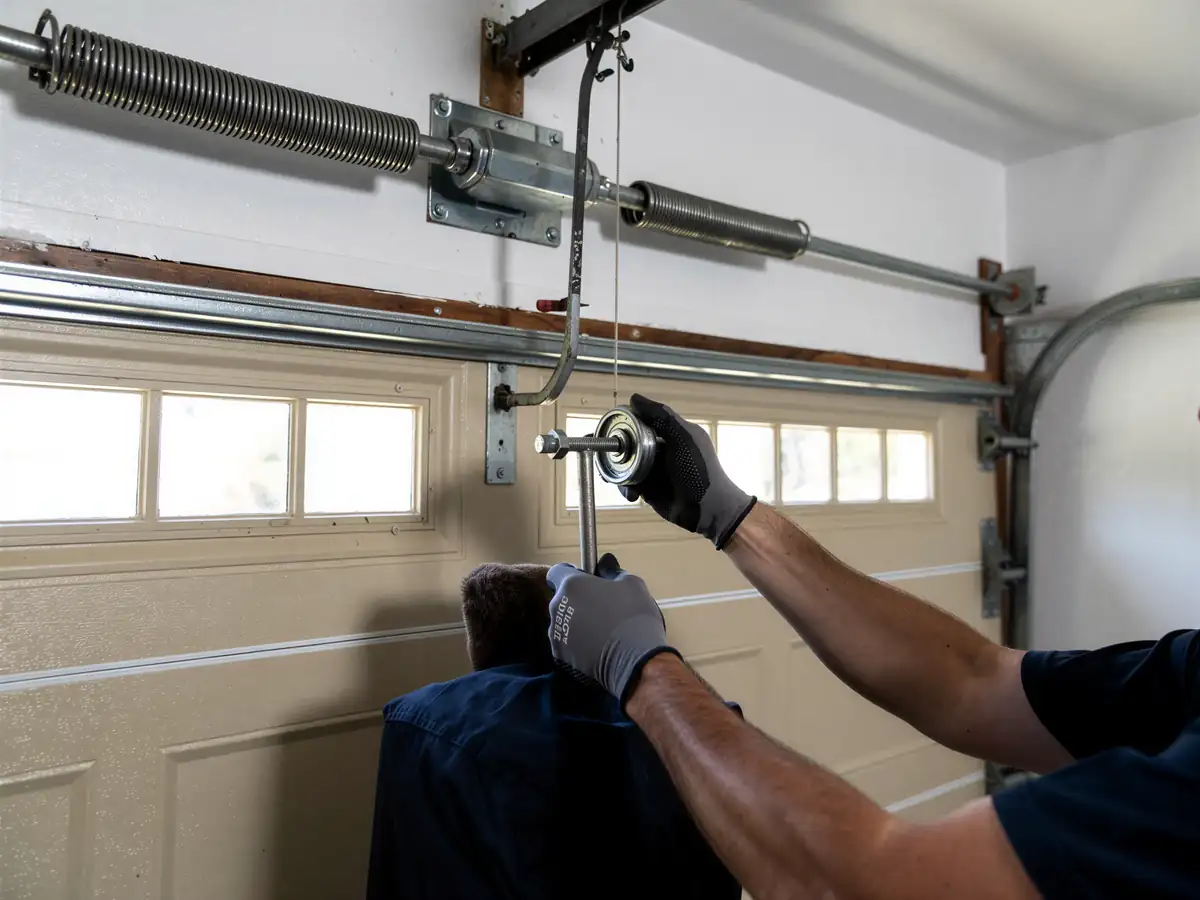
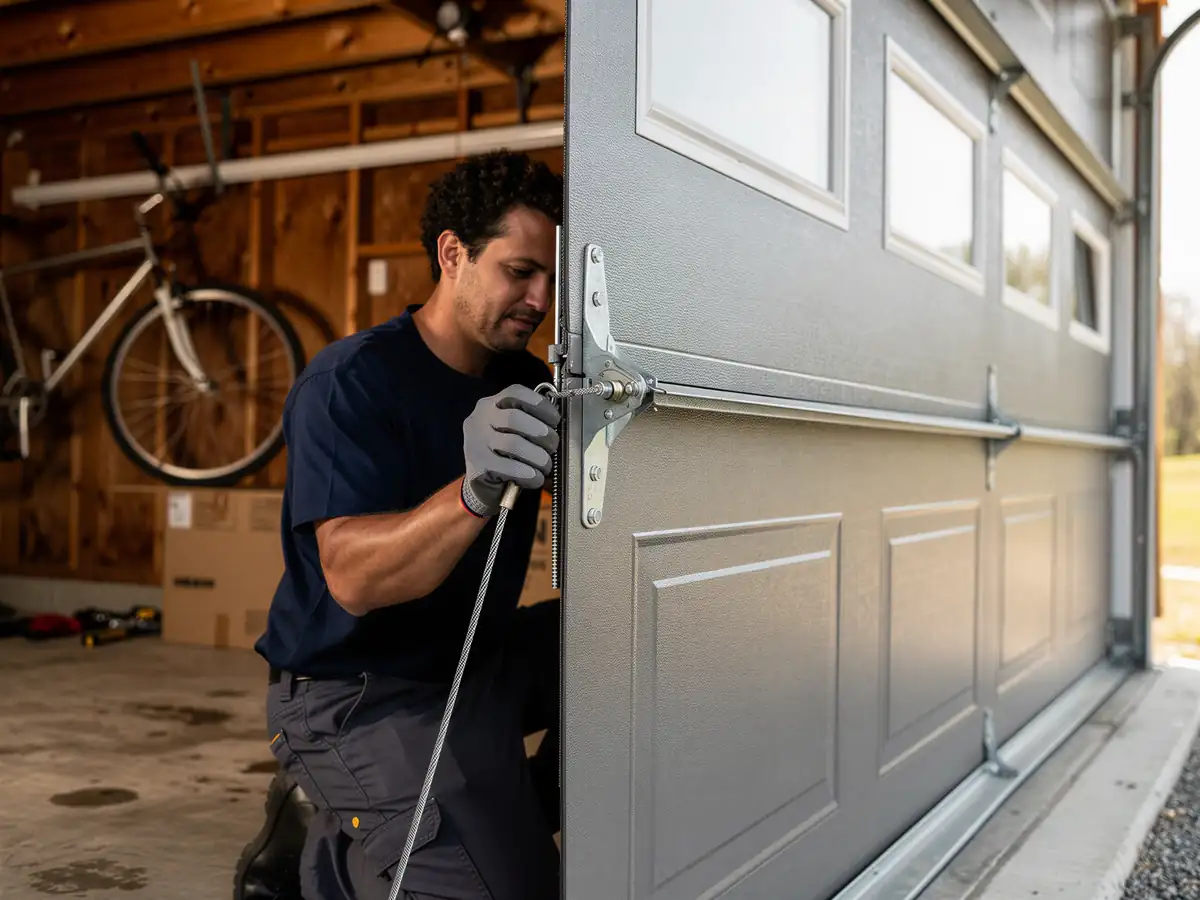
Since houses from this build era almost always use a standard double or single opening with no unusual framing to work around. We pull the old door and track, check the header for square, and set new vertical and horizontal track to match the opening rather than forcing a stock size. Spring sizing is calculated to the door's actual weight - insulated steel doors run heavier than the hollow single-layer doors that were common decades ago, so the torsion spring has to match the new door, not the old one.
Given the cold-moderate climate here, insulation value is worth discussing before you pick a panel
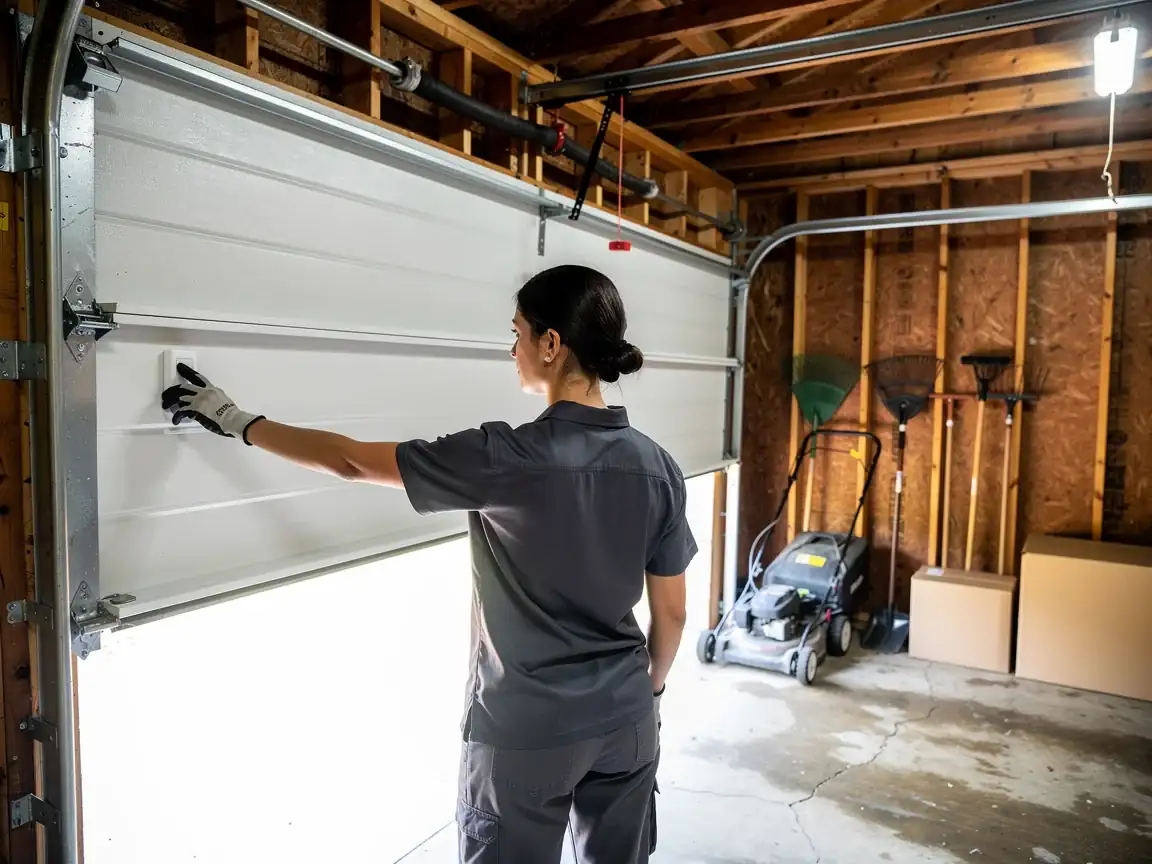
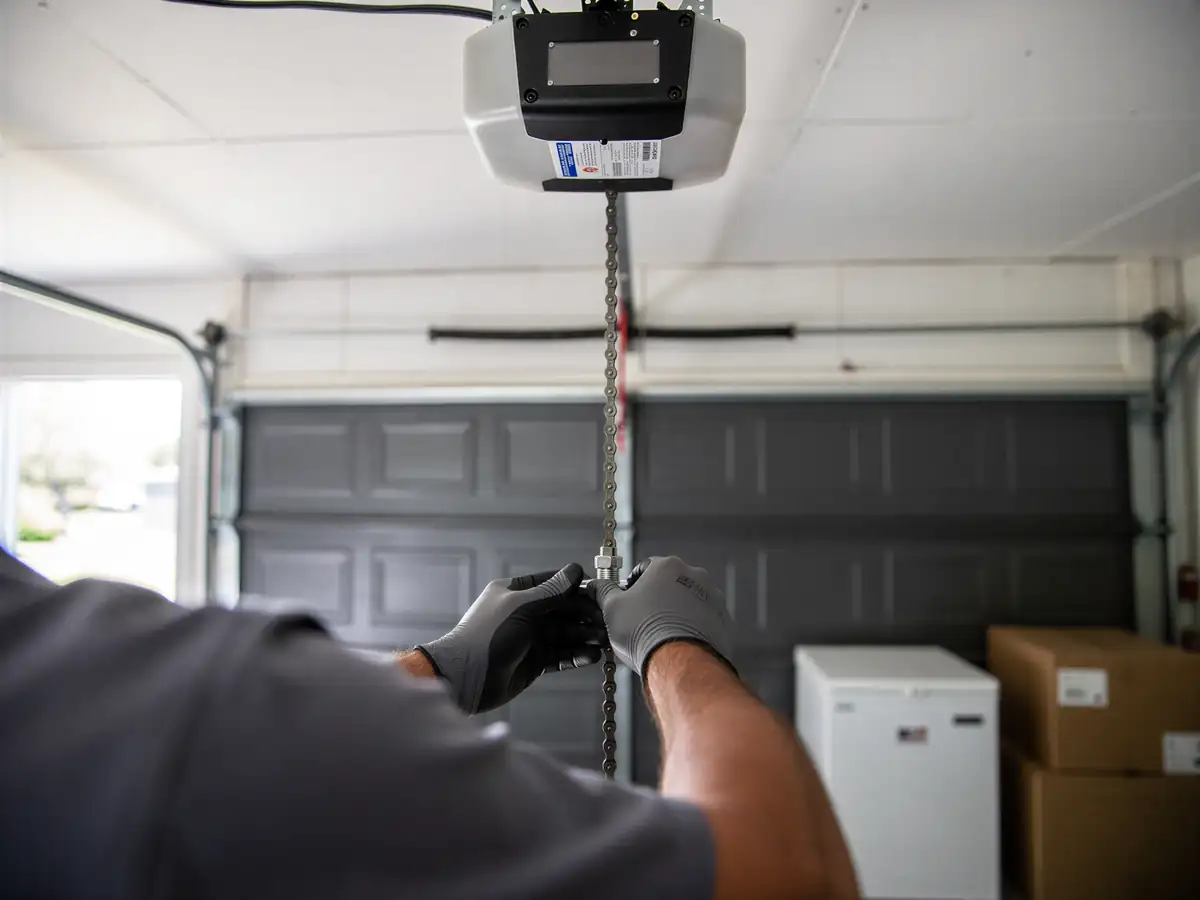
A double-layer steel door with a polyurethane core holds heat better than a single-skin panel, which matters more on an attached garage than a detached one. Opener installation follows the same logic: a belt or chain drive sized to the door's actual weight, with safety sensors aligned and tested before the job is called done. We travel to North Aurora from our Aurora shop, about 4 miles away, for the install and the final walk-through.
- 4 miles
What Can Go Wrong
The most common snag on a North Aurora install isn't the door - it's the opener wiring or the header bolt pattern from the original 1990s-era build not matching a new bracket. On houses from this build year, that's usually a quick adjustment, not a structural fix, since the framing itself was built to a standard code spec. Where it gets harder is if a homeowner wants a wider opening than what's there - cutting into a header on a house this age means checking what's load-bearing above it, and that's not something to guess at.
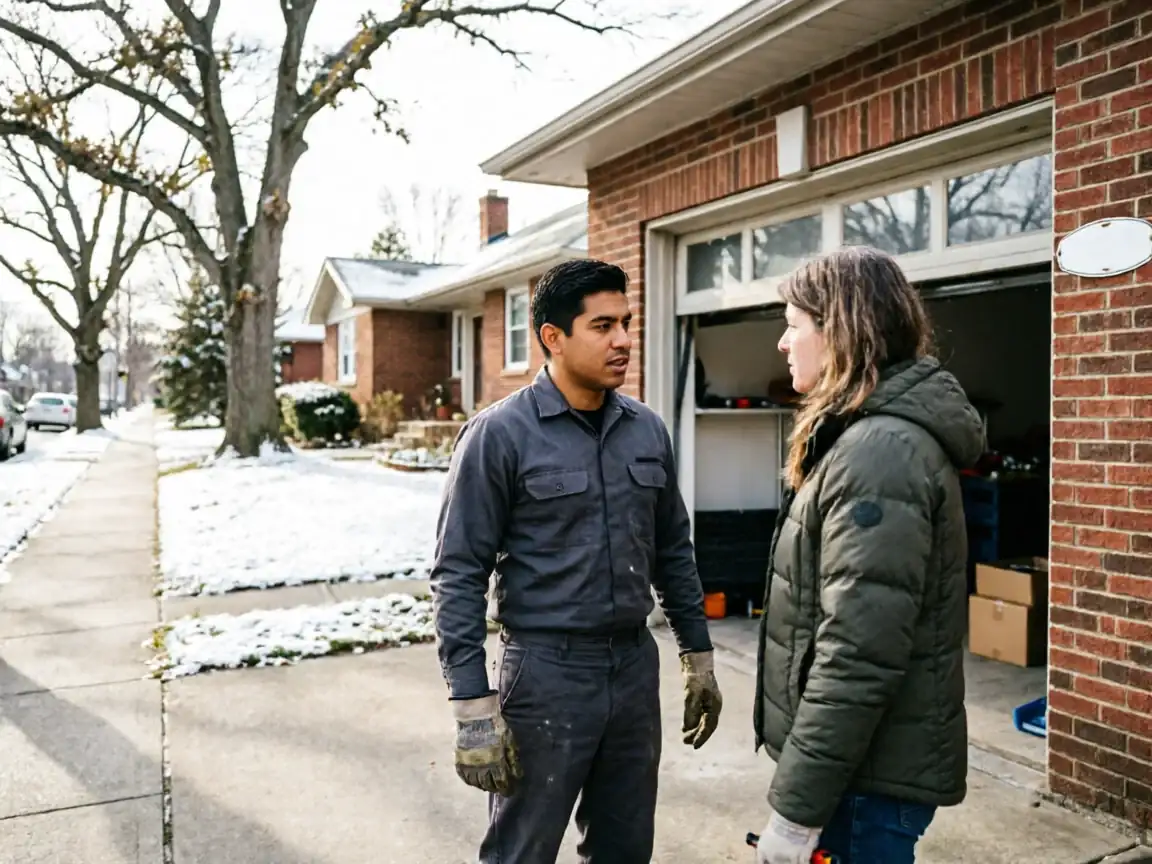
Here's the honest limitation: if a panel size or track length isn't something we carry on the truck, it has to be special-ordered, and that can push a job out by more than a day. We'll tell you up front if that's the case rather than let you assume same-day. It's also worth saying plainly that a door with a cracked panel but a sound spring and opener is sometimes a repair job, not a full replacement - we'll say so even when a new install pays better.
Doing It Yourself
Swapping a garage door panel or opener yourself is possible on paper, but the torsion spring is the part that puts people in the ER - it's wound under enough tension to break a wrist or worse if the winding bars slip. On a house built around 1998, the spring and cable setup is standard, which makes it more tempting to DIY, but standard doesn't mean low-tension. Where a homeowner can reasonably do their own work: swapping weatherstripping, lubricating rollers and hinges, or replacing a remote or keypad.
What we'd steer you away from without the right bars and clamps: spring winding, cable replacement under tension, or anything involving the torsion tube over a double door. If you're unsure which category a job falls into, it's worth a call before you start rather than after something's already sprung loose.
Stocked Parts
Because North Aurora's housing dates mostly to the 1990s, track widths, spring sizes, and standard panel widths here match what's common across the broader service area
Where most of the 48 named areas we cover also carry 1980s-90s stock. That means the parts we keep on the truck for a typical job - standard torsion springs, 7-foot track sections, common roller and hinge sizes - fit North Aurora openings without a special order most of the time.
Where that breaks down is custom widths, unusual panel finishes, or openers with features beyond a basic belt or chain drive
Those get ordered in, and we'll tell you the lead time before you commit to a job rather than after.