What Causes It Around Here
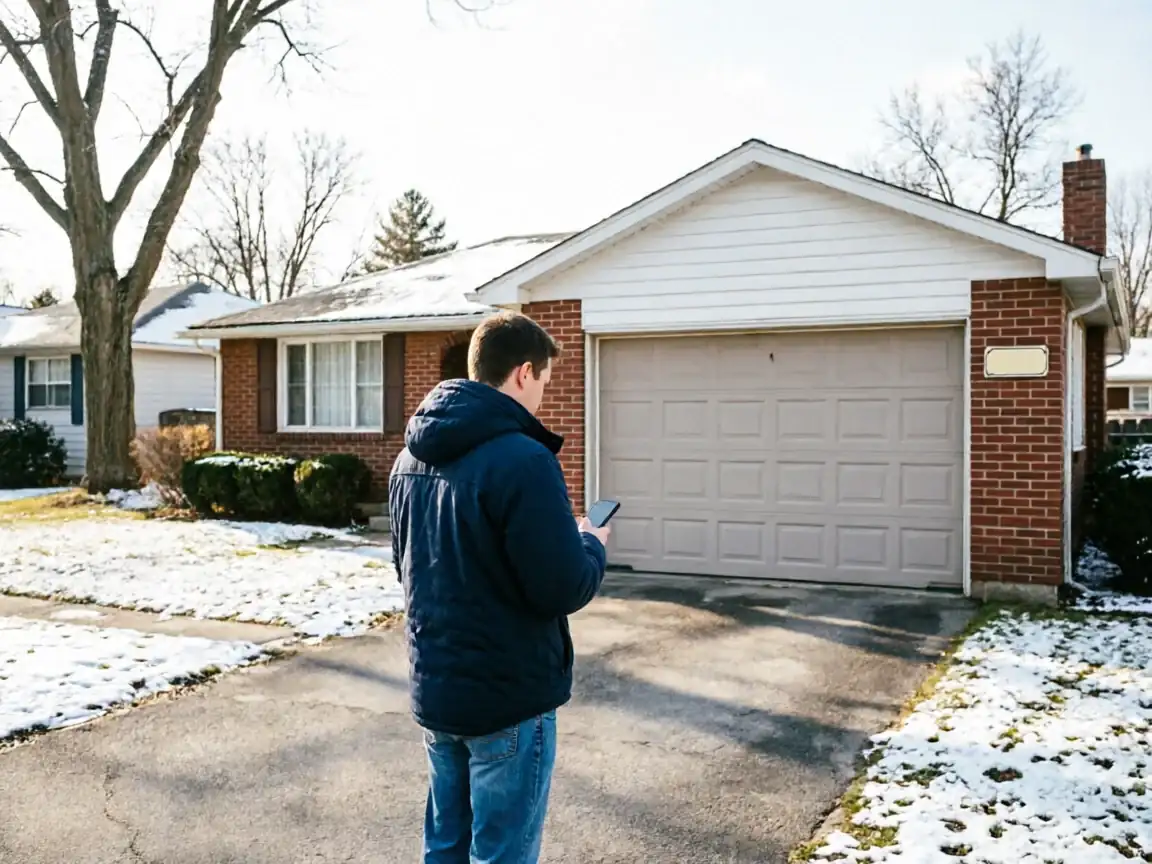
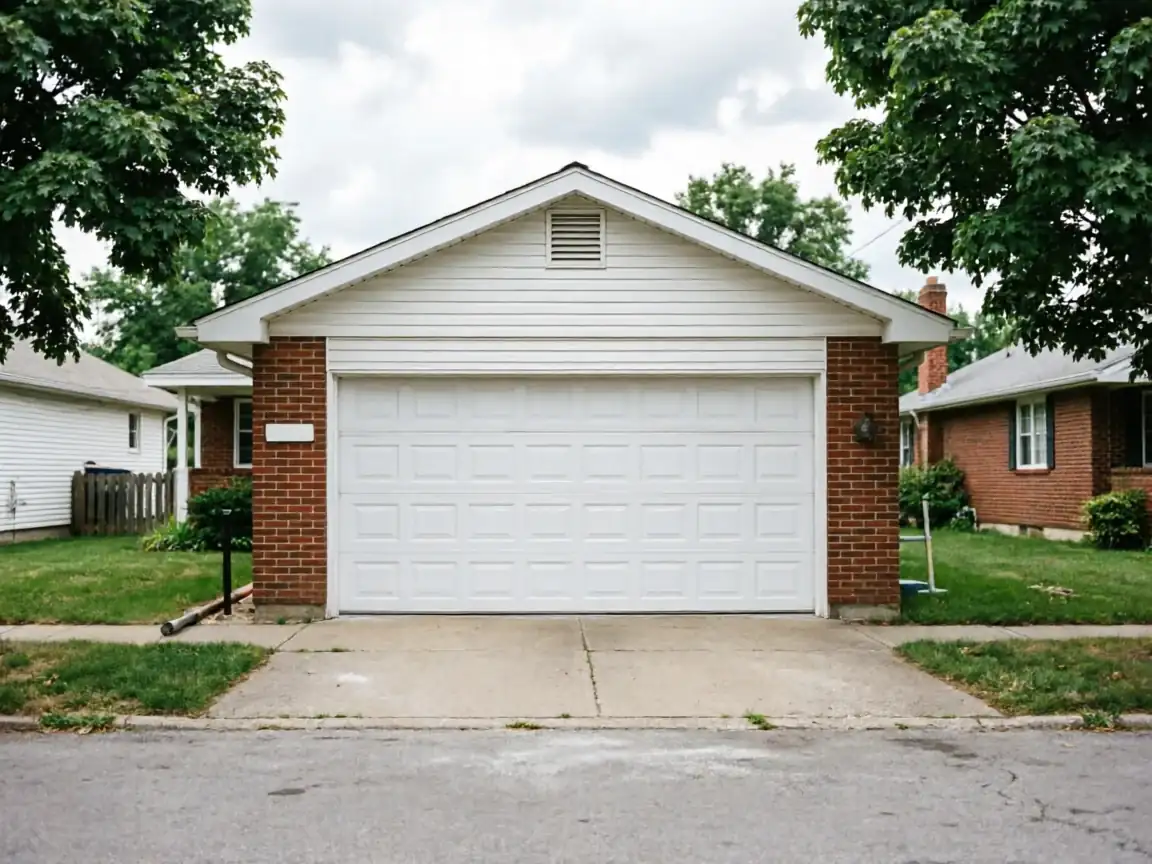
North Aurora is a small town by household count - about 7,039 of them - which matters for how we plan a call out here versus a bigger town on the list. A place this size doesn't have the sprawl of mismatched construction eras you get elsewhere in the service area; it's tighter, and the housing is newer than a lot of what we work on.
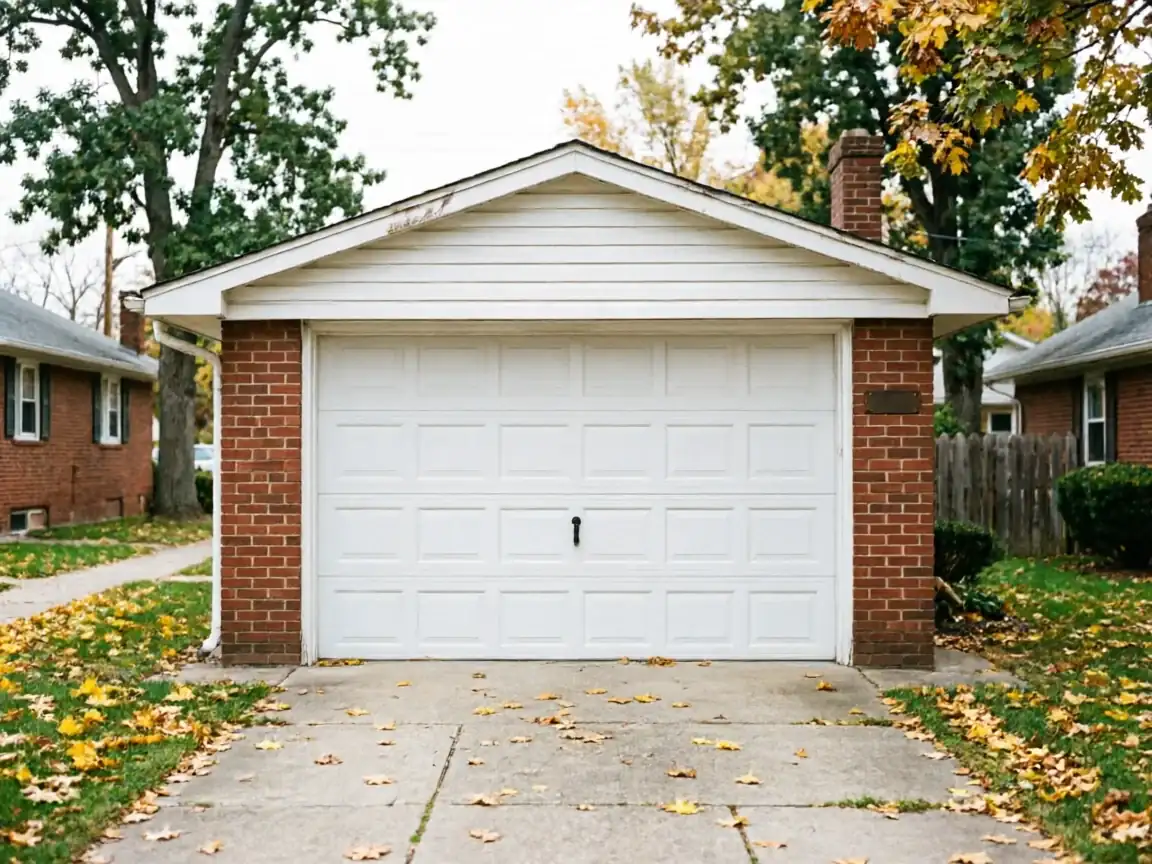
The median year built here is 1998, which puts North Aurora at the newer end of the broader 1958-2003 range across our service area. That means fewer of the original side-mounted torsion setups from the 60s and 70s, and more doors that came in with steel sectional construction and factory-installed torsion springs from the start. The failures we see lean toward worn rollers, cable fray from repeated cycling, and opener logic boards aging out rather than the brittle, decades-old spring steel you'd find in older stock.
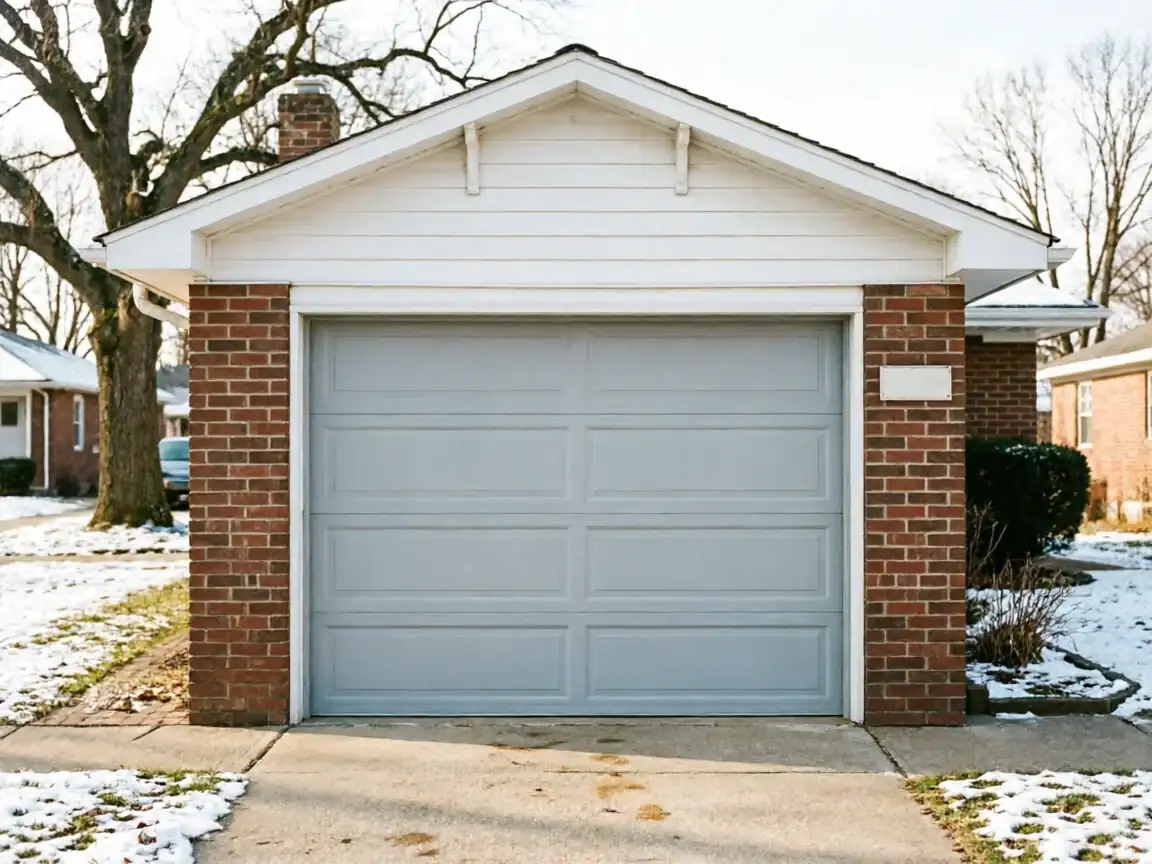
Our service area runs cold-moderate, and that still applies here - temperature swings stiffen lubricant and shrink metal, which is hard on cables and hinges no matter when the house was built. A 1998 door isn't immune to a cold snap, it just fails differently than a 1965 door does.
The Symptom
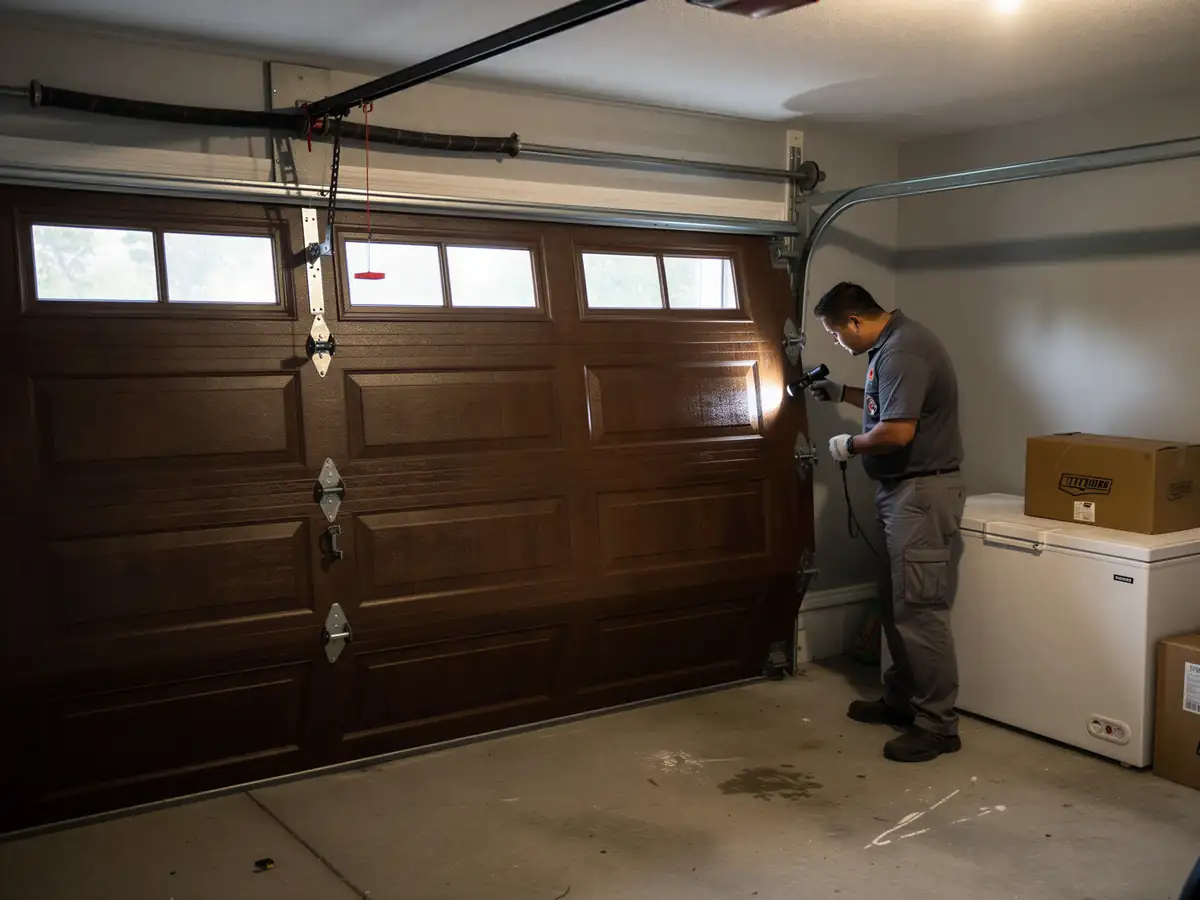
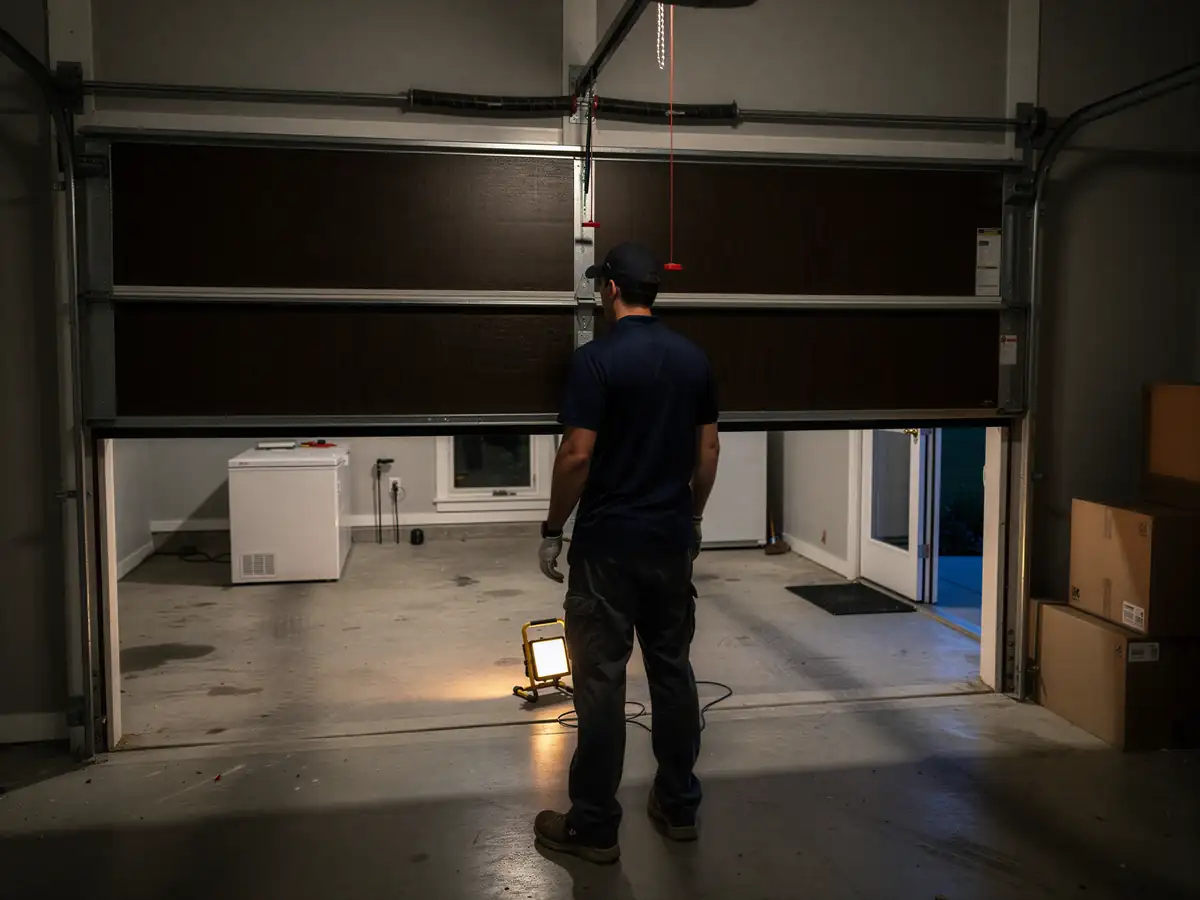
On newer-build doors like the ones common in North Aurora, the emergency call usually isn't a spring that's audibly snapped - though that happens too. More often it's a door that reverses on its own partway down, an opener that grinds and stops, or a cable that's frayed enough to jump the drum and jam the door half-open.
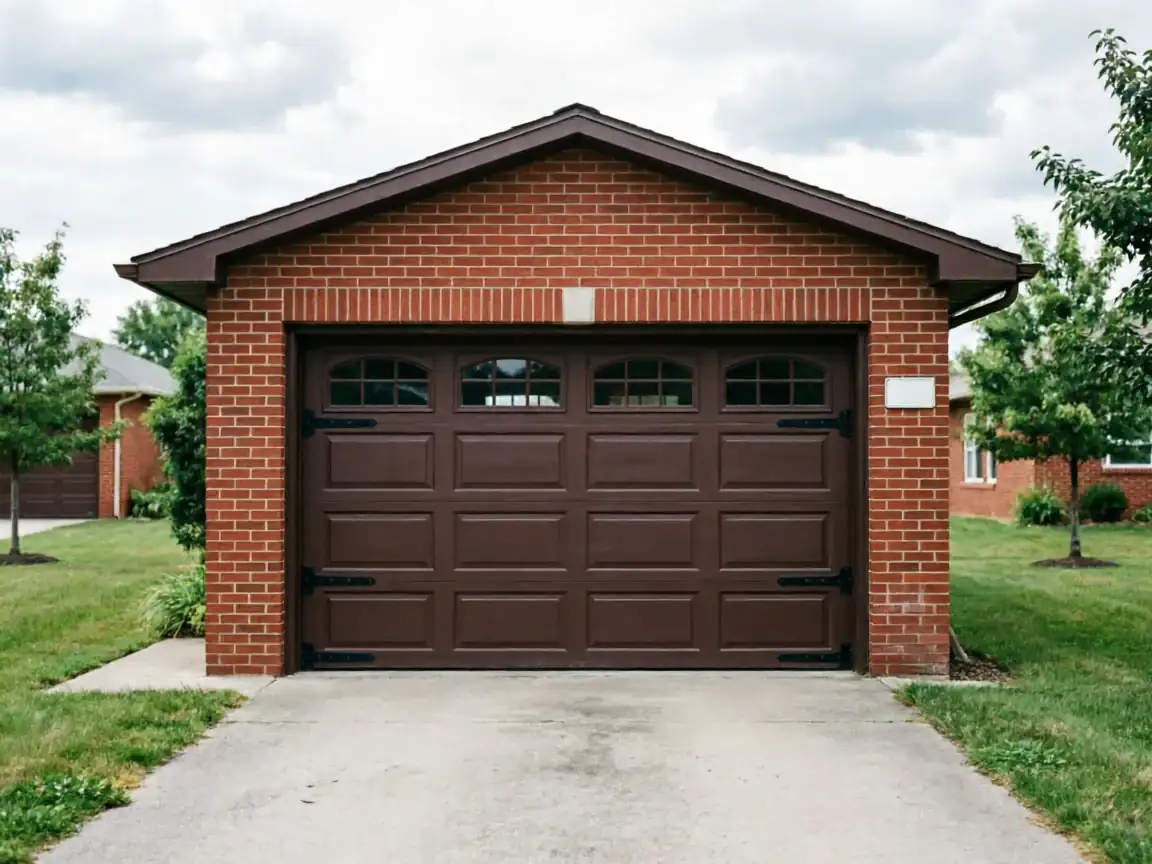
Households here run a median income of $111,781, above the wider service area figure of $106,211. That doesn't change the mechanics of a broken spring, but it does track with what we see on these calls: double-wide insulated steel doors, heavier than the single-layer doors common on older stock, which puts more load on cables and rollers over a few thousand cycles.
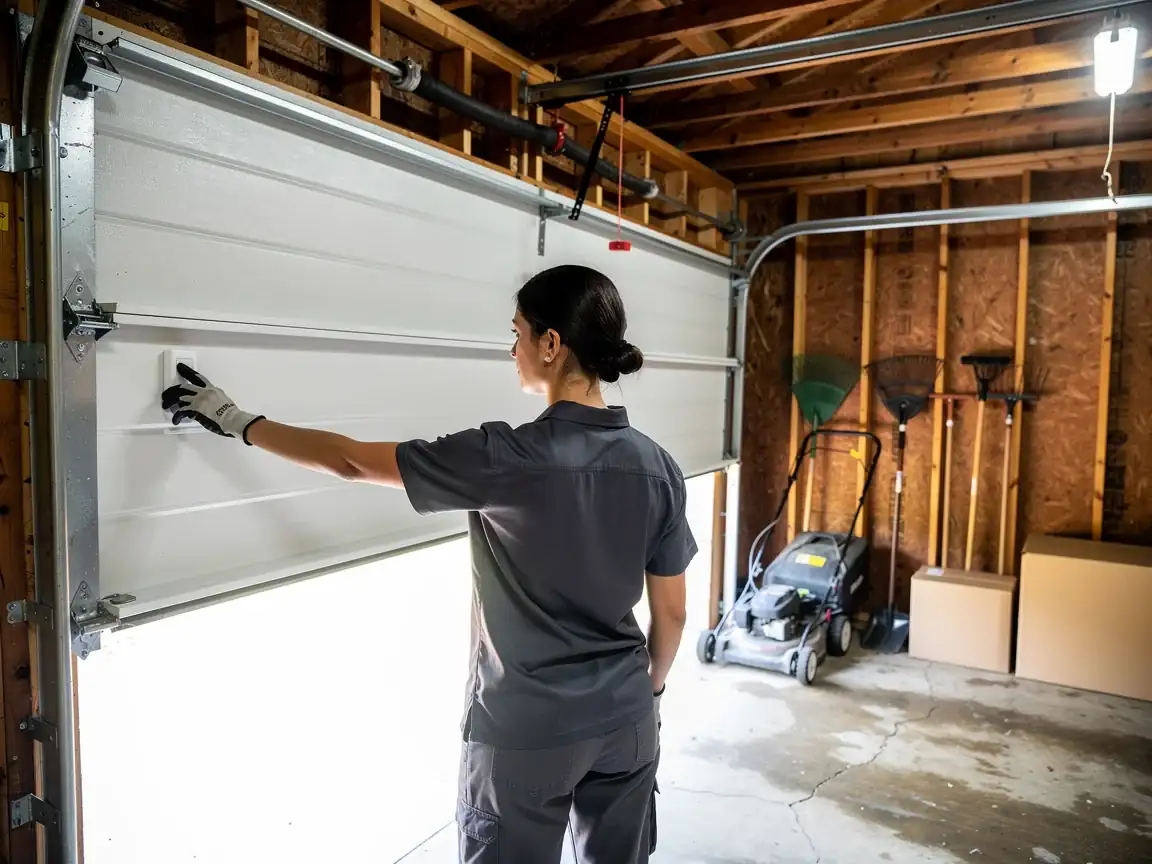
If your opener is cycling but the door won't move, or it drops fast on one side, don't keep pressing the button. That's usually a cable or a spring, and running the opener against it can bend the track or crack a panel - turning a parts job into a bigger one.
What the Fix Involves
For a late-1980s to 2003 build, the fix is usually faster than on older housing stock because the hardware is standard and still in production
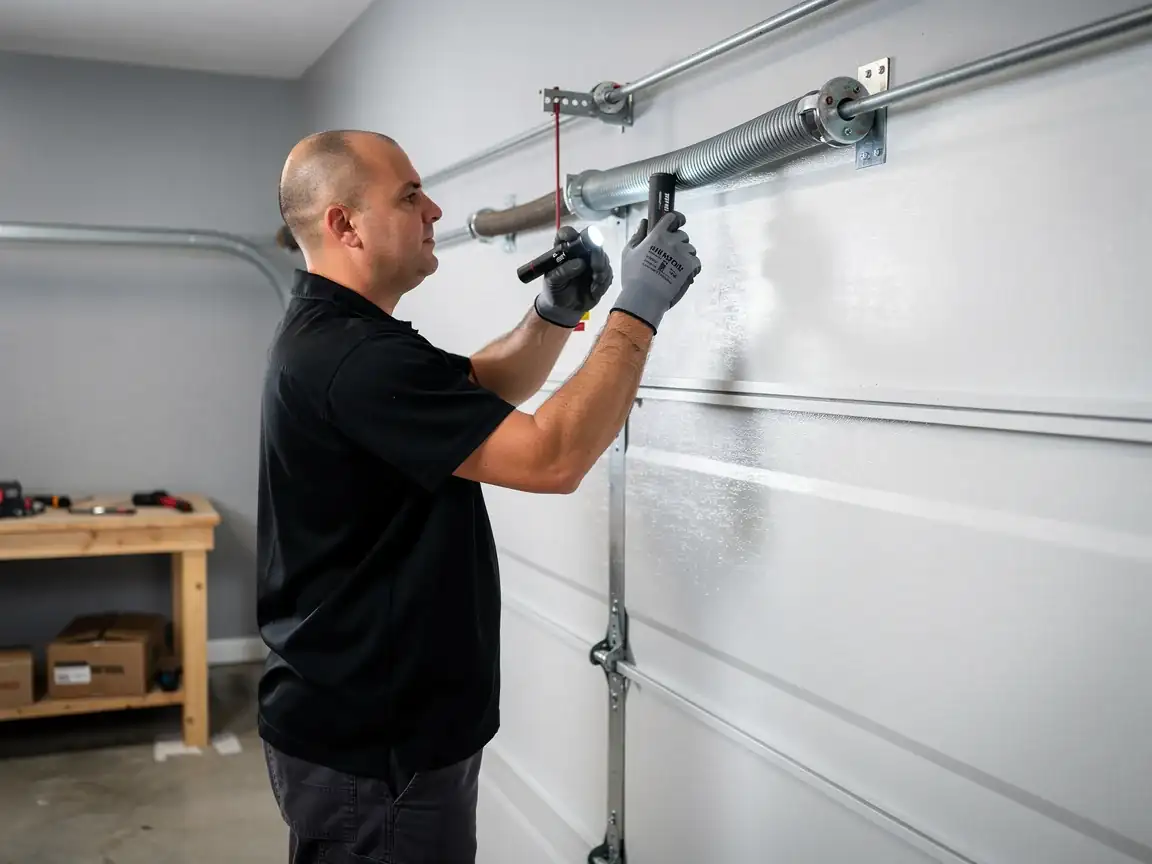
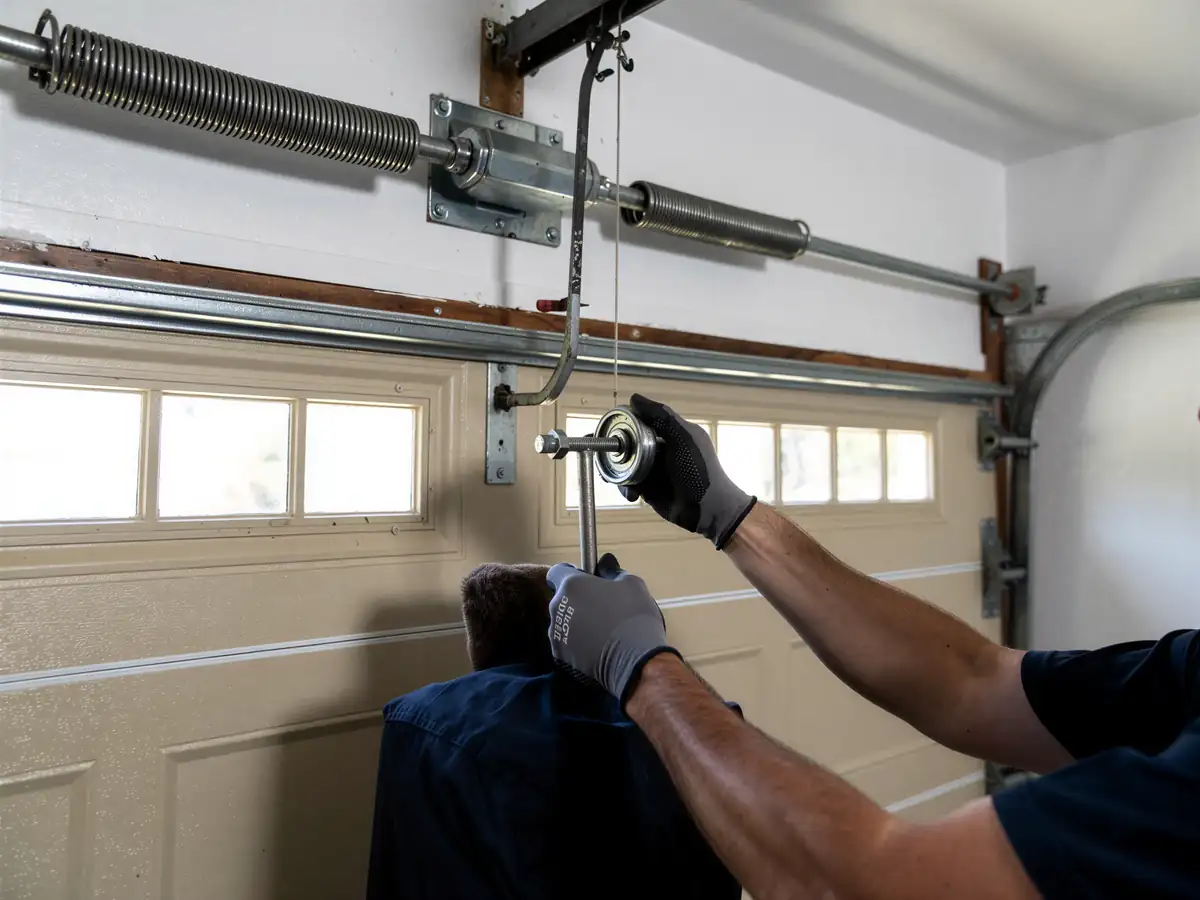
We're not hunting down obsolete side-mount brackets. A broken torsion spring on a door this age gets matched, wound to the door's weight, and set with the winding bars - we don't eyeball spring tension by feel.
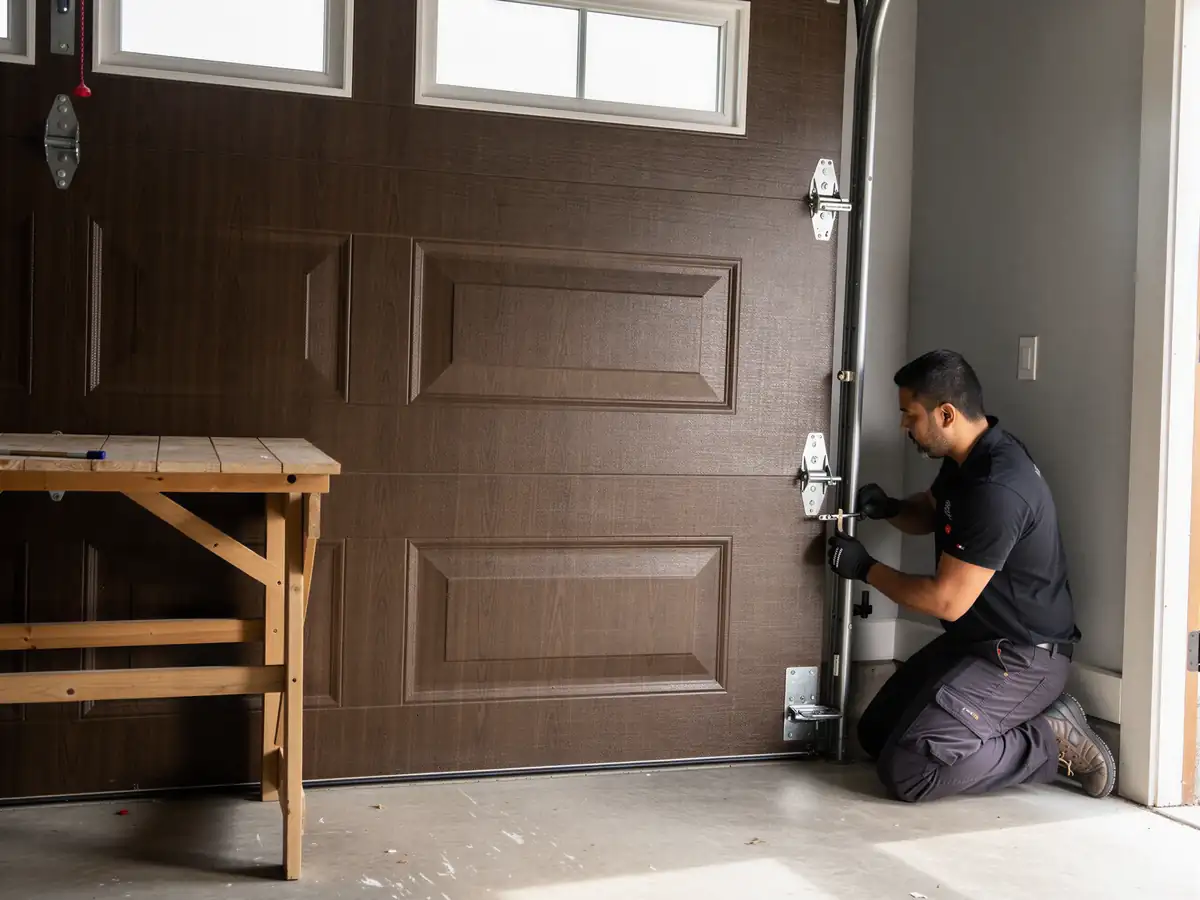
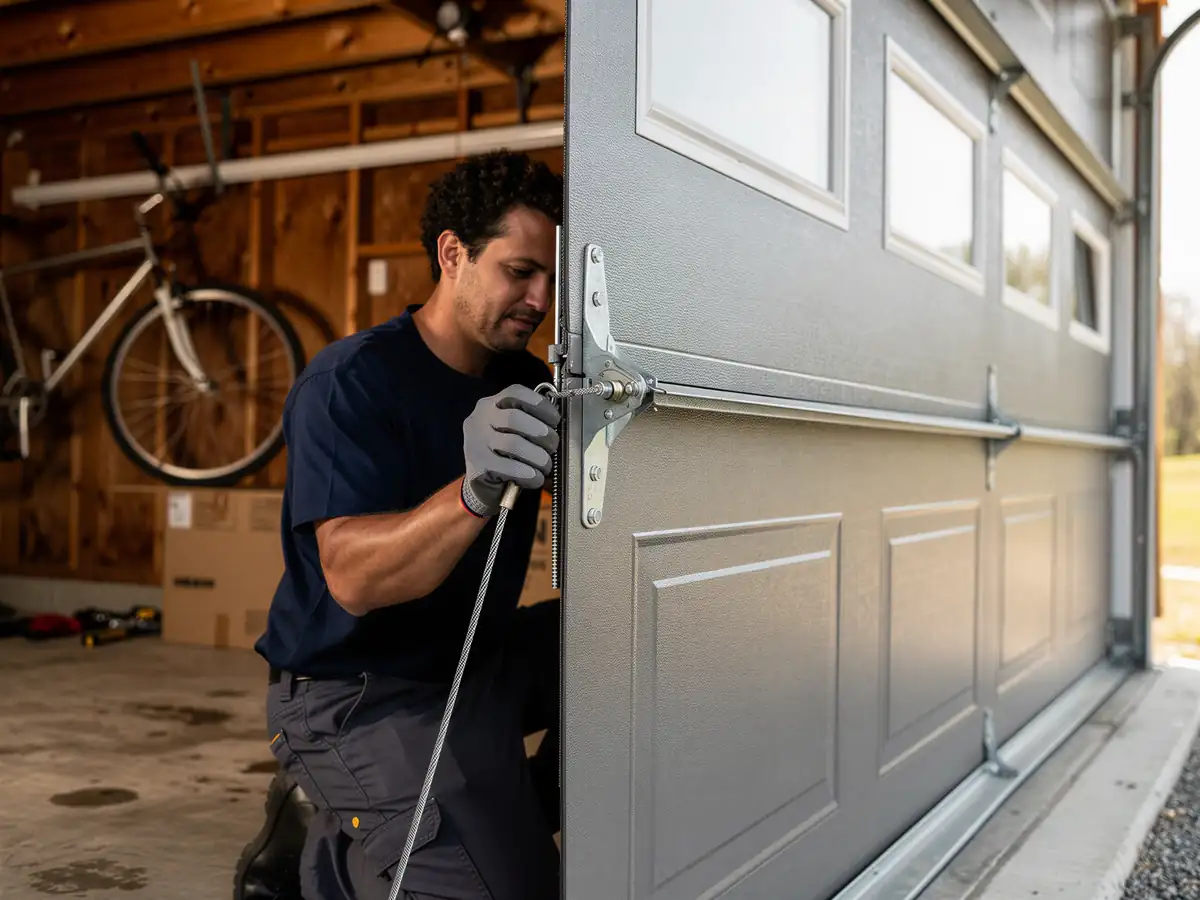
Cable work means pulling the old cable off the drum, checking the drum and bottom bracket for wear
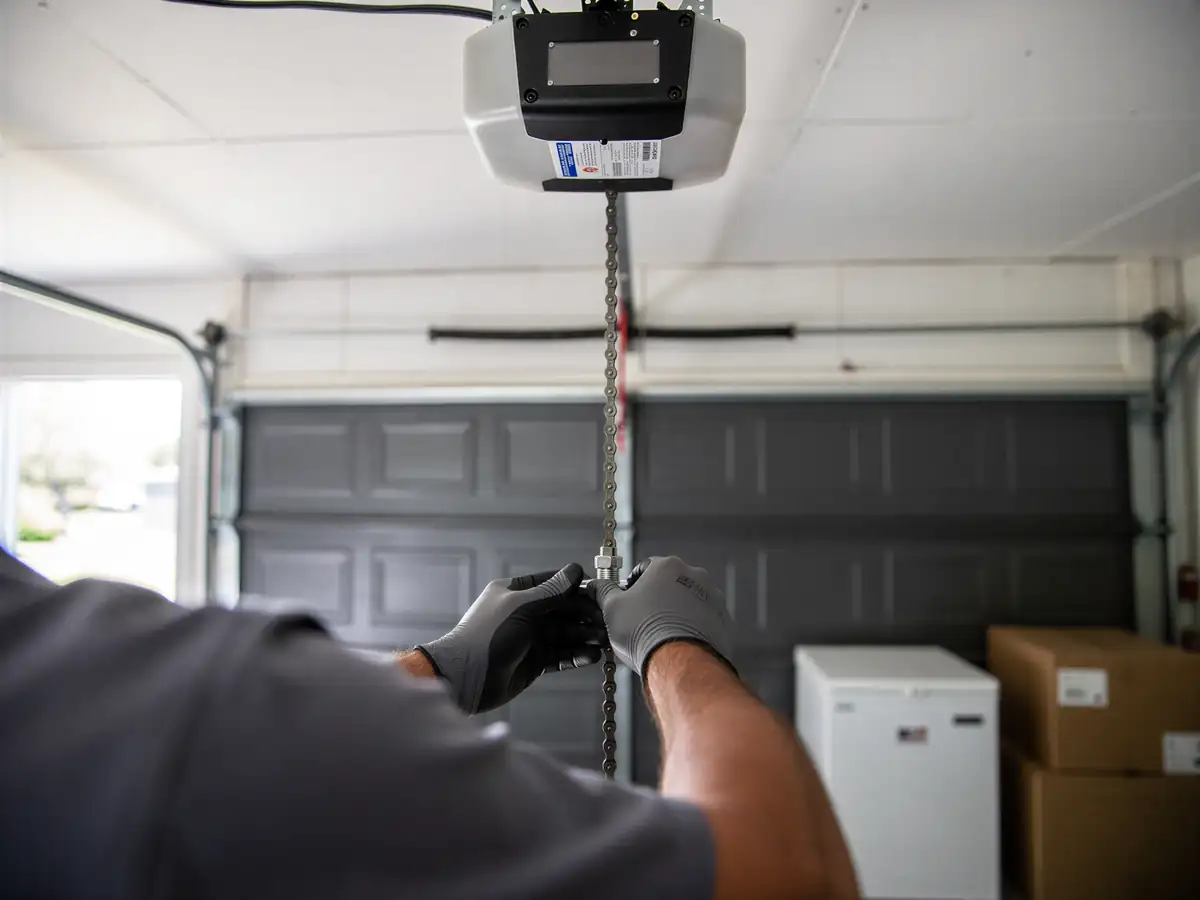
And running new cable at the right length so the door sits level on both sides. If the opener logic board has aged out - common on openers original to a 1990s build - we check whether it's a board-level fix or whether the unit is at the point where a new opener costs less than chasing parts for a 25-year-old board.
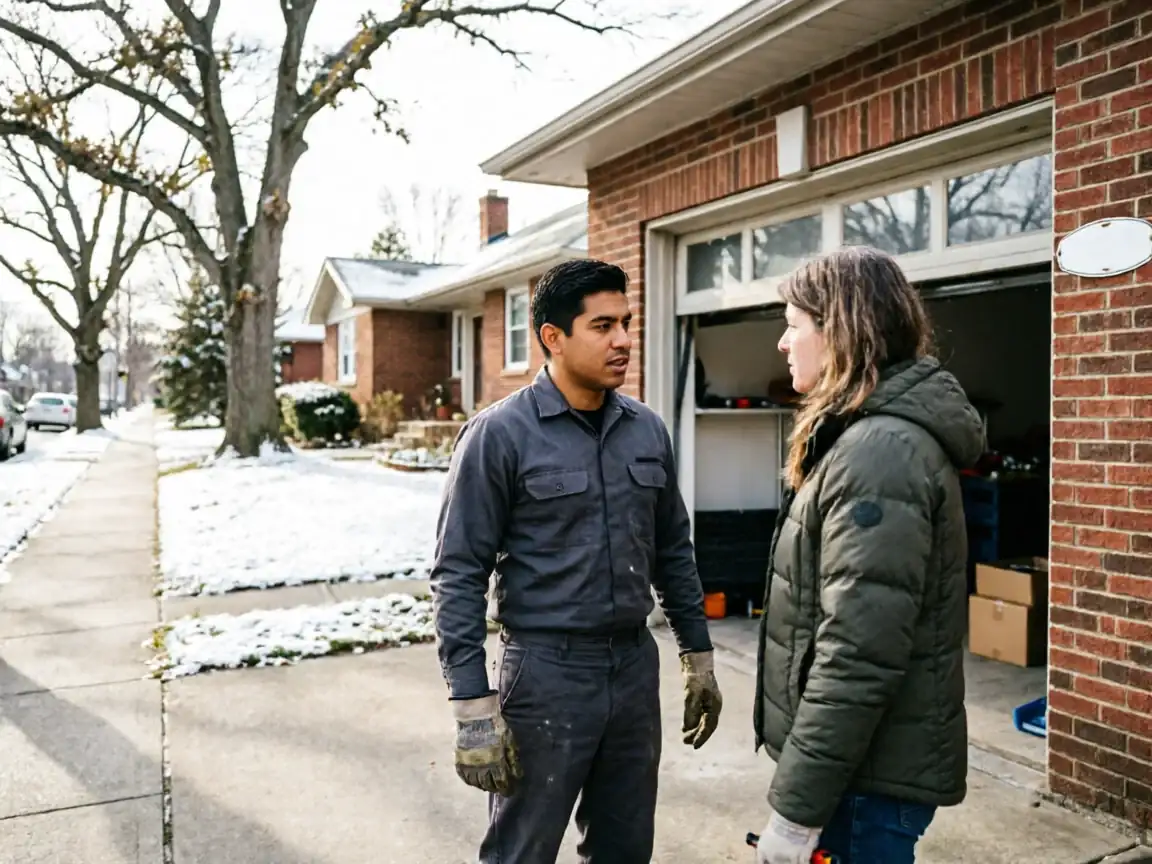
We come out from Aurora, four miles down the road for North Aurora calls
So travel isn't the long part of the job - diagnosis and doing it right is.
What Can Go Wrong
The honest limitation: if the opener logic board is the failure and it's an older model, we don't always have that exact board on hand, and some manufacturers have stopped making replacements for boards that age. In that case the real fix is a new opener, not a patched one, and we'll tell you that straight rather than charging you for a part that'll fail again in a year.
On the mechanical side, a broken cable under tension is dangerous to handle without the right winding bars and clamps - it can whip loose and take a finger or an eye with it. We've also seen homeowners replace a single cable without checking the drum it rides on; if the drum's grooved or cracked, the new cable wears through again in months.
And a door that's been forced closed against a jammed track can crack a panel seam that wasn't visible before - that turns a $200 repair into a door replacement, which is worse for everyone.
Doing It Yourself
Rollers and hinges are fair game for a homeowner with a ladder and the right socket - if a roller's worn down to the pin, swap it, same with a bent hinge. Lubricating track and hinges with a proper garage door lube (not WD-40, which attracts grit) is a five-minute job that extends everything else's life.
Springs and cables are not a DIY repair. A torsion spring under tension can break a wrist or worse if the winding bars slip, and there's no safe way to learn that lesson on your own garage. If your door is dropping fast, stuck half-open, or the opener is straining and reversing, that's a call-out, not a weekend project.
If you're not sure which category your problem falls in, a call that takes five minutes to describe the symptom saves you from guessing wrong on a 150-pound door.
Stocked Parts
For doors built in the late 1980s through early 2000s
Which covers most of North Aurora's housing - we stock the common torsion spring sizes, standard-gauge lift cable, rollers, and hinges on the truck, so a straightforward spring or cable job doesn't need a second trip. Opener parts are more model-dependent; current production belt and chain drive units we can usually turn around same visit, older board-level issues sometimes need an order.
If your door or opener is original to the house and you want to know what we're likely to have on hand before we come out
The North Aurora garage doors page has more on what's common in this town's housing stock. For the full rundown of how we handle after-hours and emergency calls across the service area, see the Aurora emergency repair page.