What Causes It Around Here
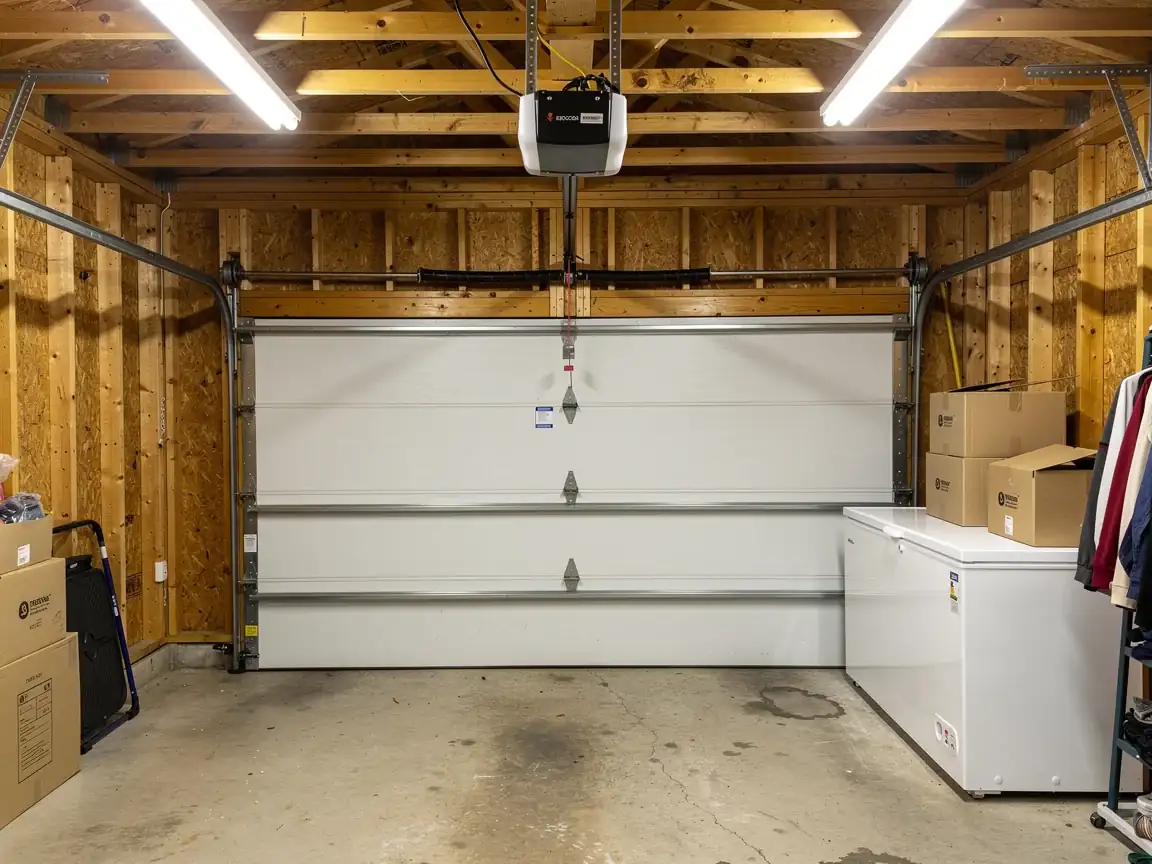
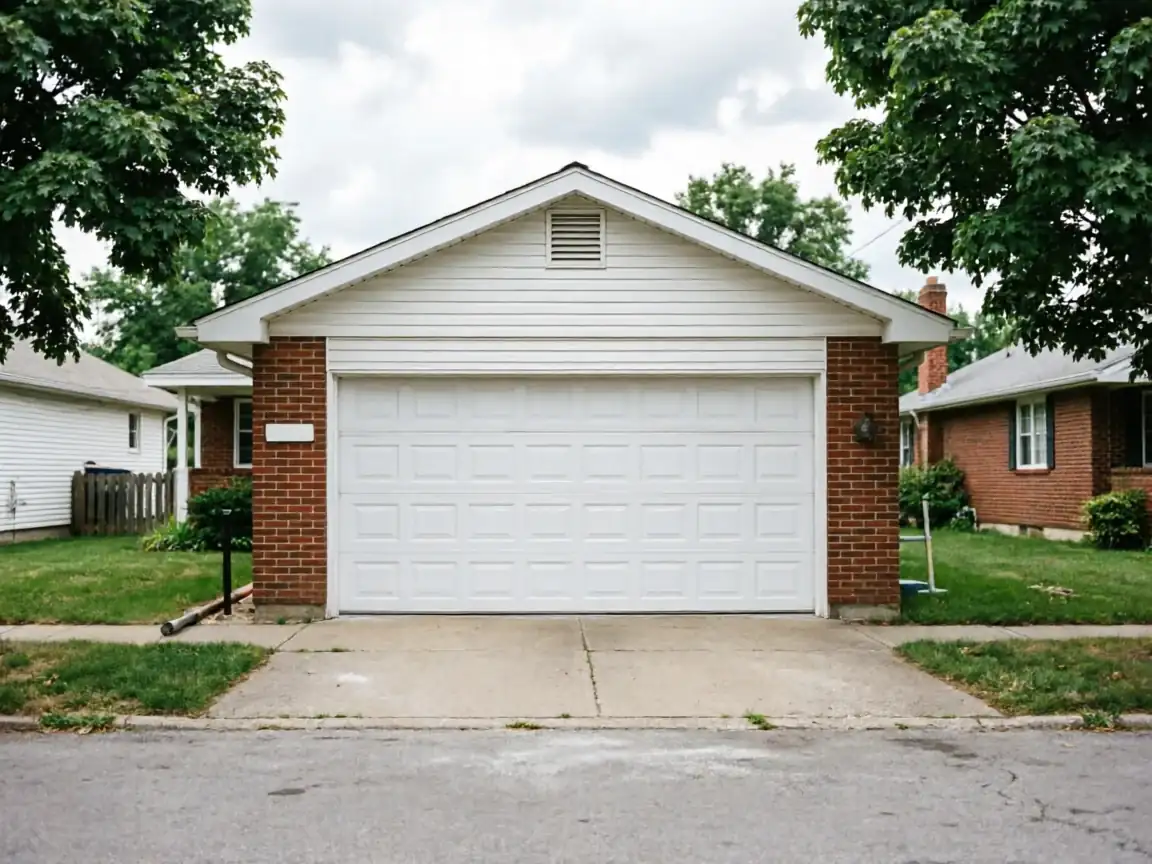
Across the wider Aurora service area, the typical house went up in 1981, back when chain-drive openers with mechanical limit switches were the standard install. North Aurora runs newer - the median home here was built in 1998, which puts most garages into the era of logic-board openers with gear-drive or screw-drive units, rolling-code remotes, and photo-eye safety sensors bolted on as a factory requirement rather than an afterthought. That shift matters for repair work. A board failure here usually means a sealed circuit board that can't be jumped or cleaned the way an older relay-based unit sometimes can - you're replacing the board or the opener, not soldering a contact. We also see more openers with built-in battery backup in this age bracket, and backup batteries that have quietly died without anyone noticing until a power blip leaves the door stuck down. Winters in this area sit in the cold-moderate band, and a 1990s-era opener that's never had its travel limits re-set for seasonal garage temperature swings will start grinding or reversing at the top of the cycle. None of this is dramatic - it's ordinary wear on hardware that's now old enough to have logic boards failing on schedule.
The Symptom
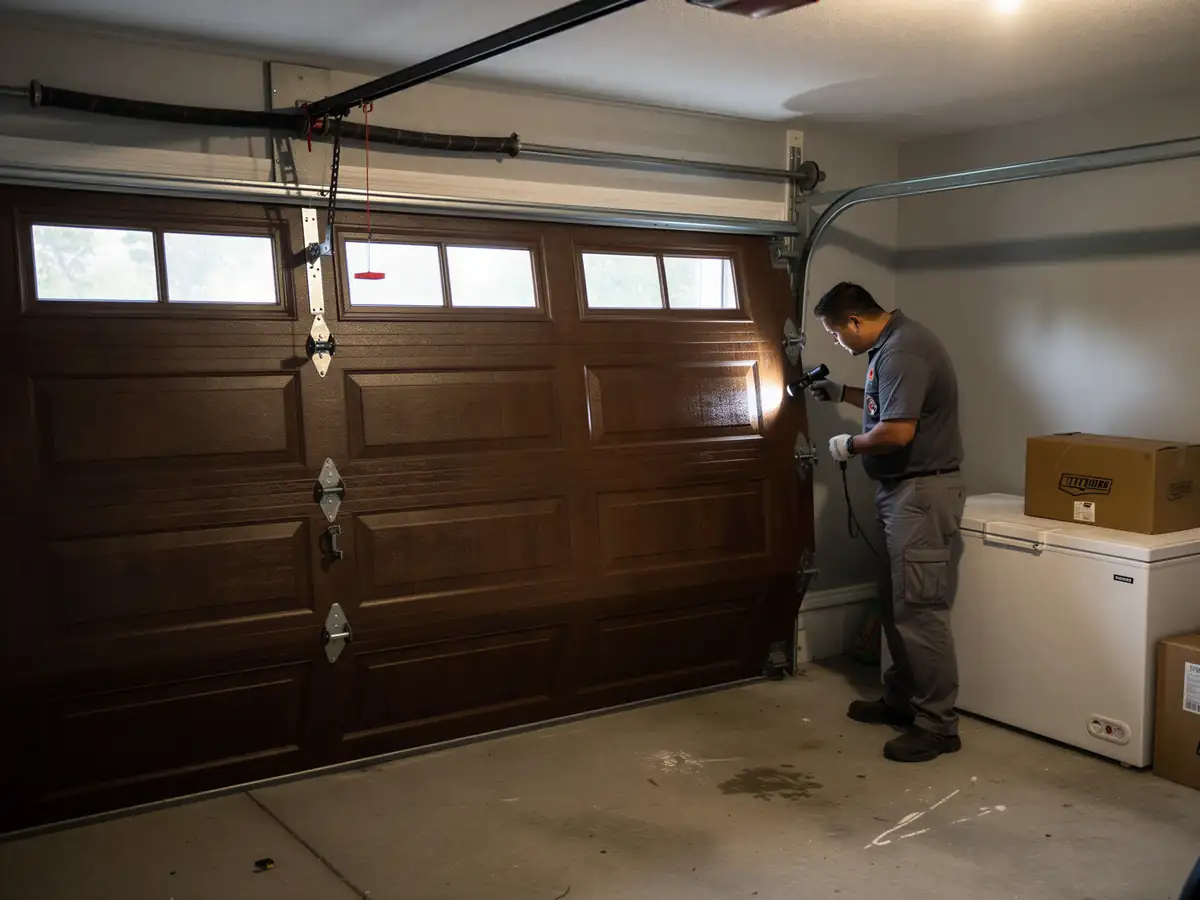
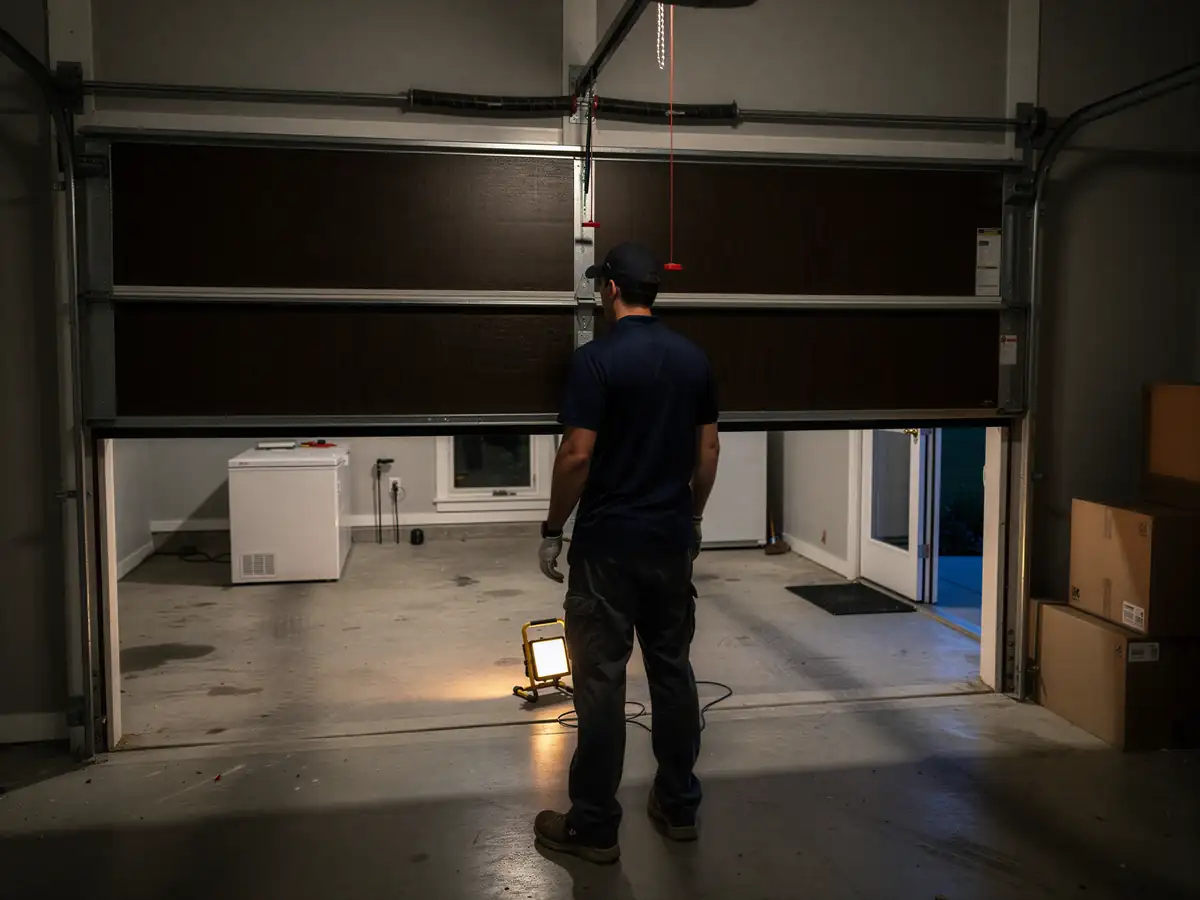
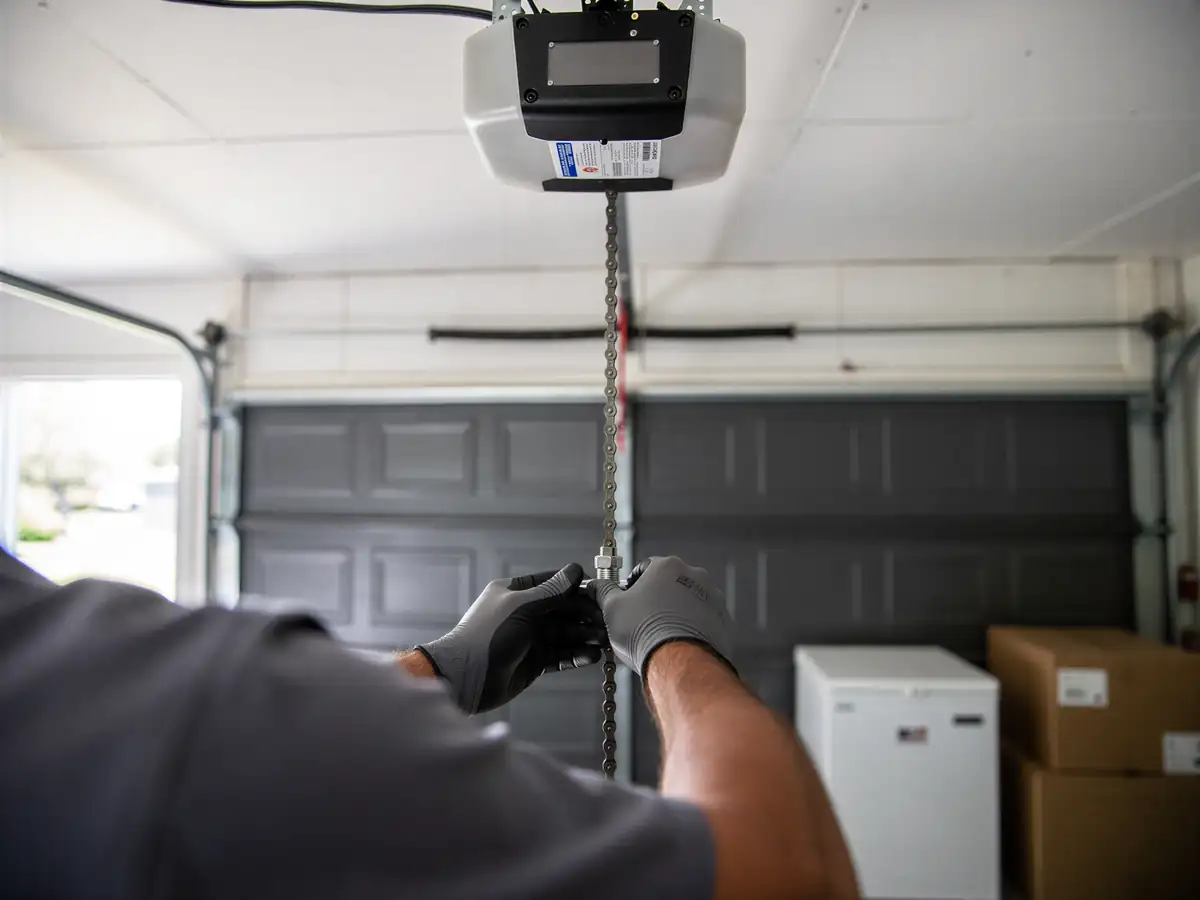
The most common call from this area is a door that opens partway and stops, or reverses right after the floor without ever touching anything. On a 1990s-to-2000s gear-drive opener, that's almost always the drive gear stripping inside the housing - a plastic part that was never meant to last forever, and on a house this age it's often original to the opener. Second most common: the opener runs, you hear the motor, but the door doesn't move at all. That's usually the same stripped gear, or a disconnected trolley on the rail. Remote that works intermittently, or only from inside the car with the window down, points to a dying coin-cell or a receiver board losing sensitivity - common on units that are now old enough to be on their second or third remote battery. Photo-eye lights blinking but the door won't close points to alignment, not a bad eye - these get knocked out of true by a stray basketball or a ladder leaned the wrong way more often than people expect.
What Can Go Wrong
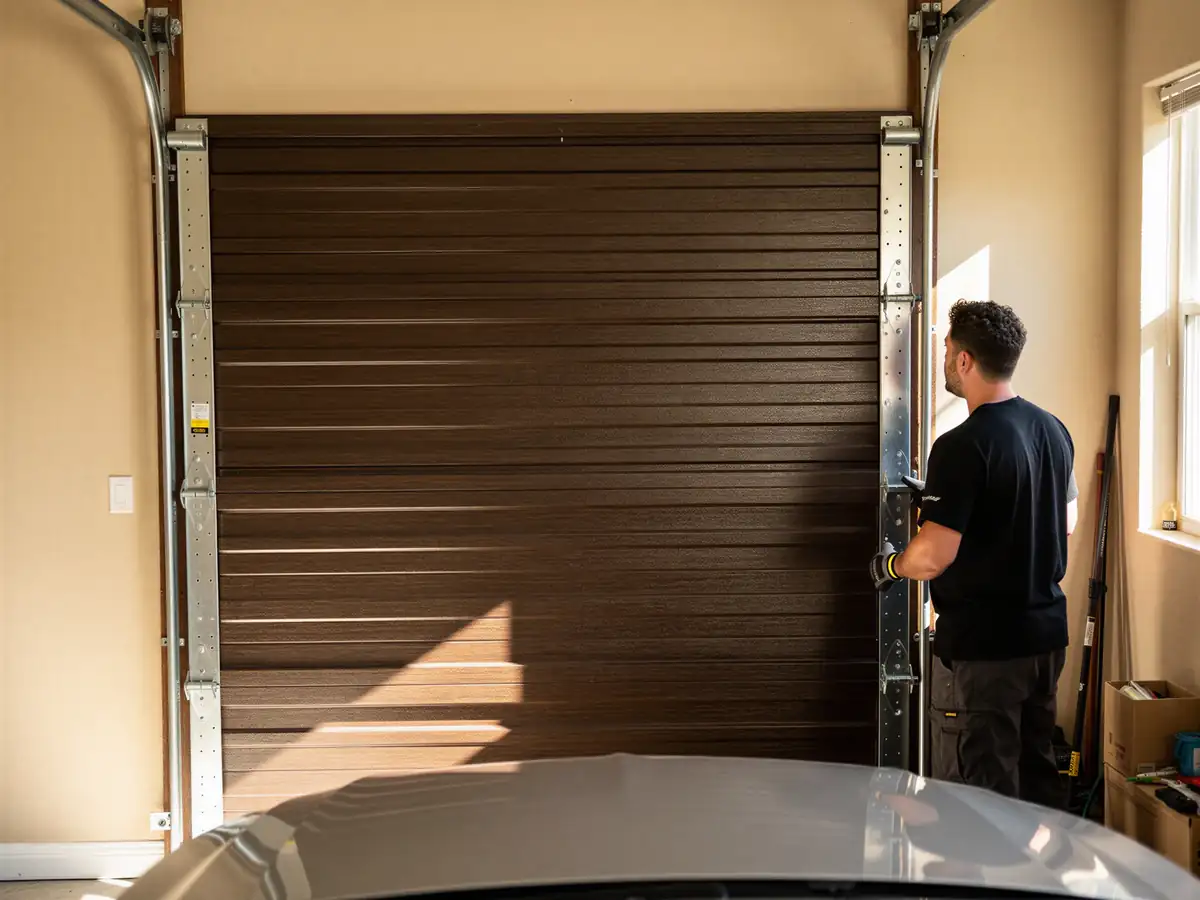
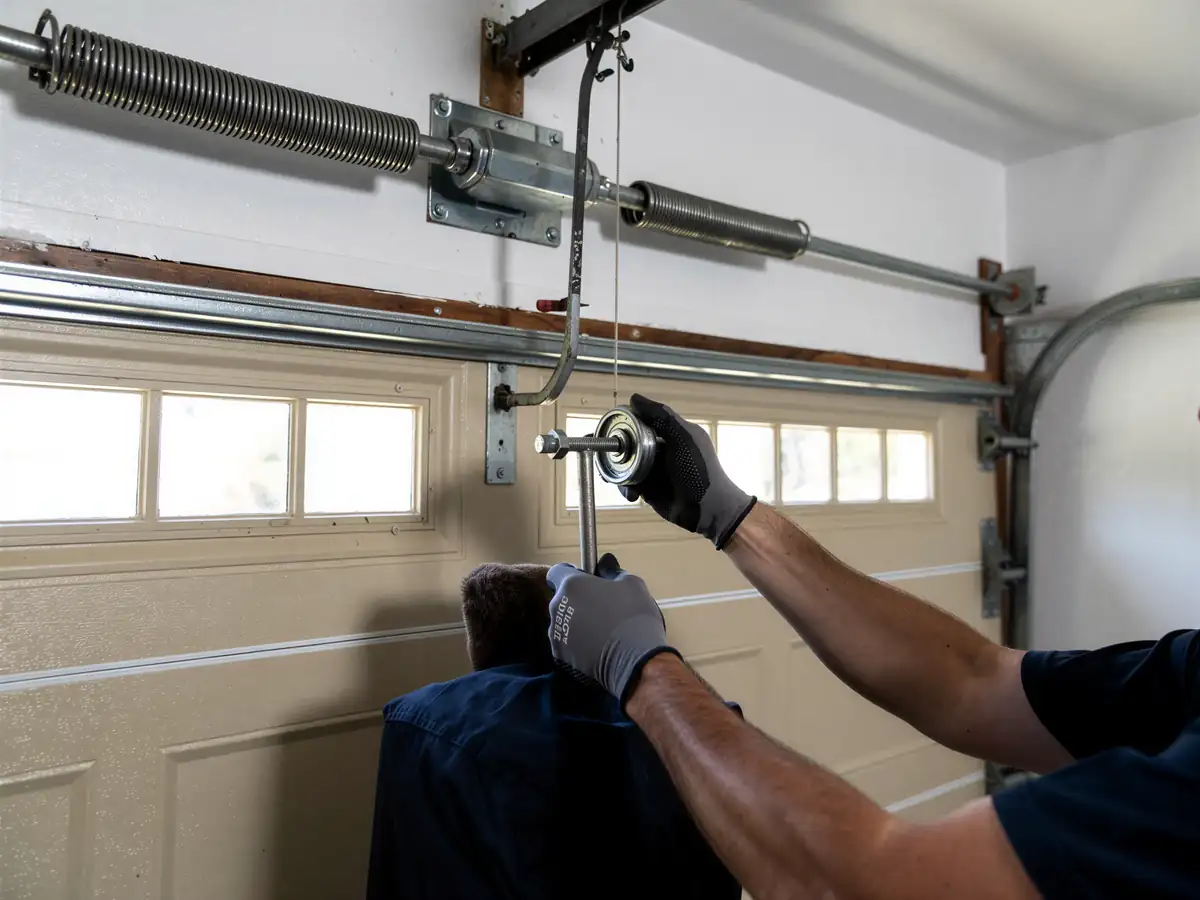
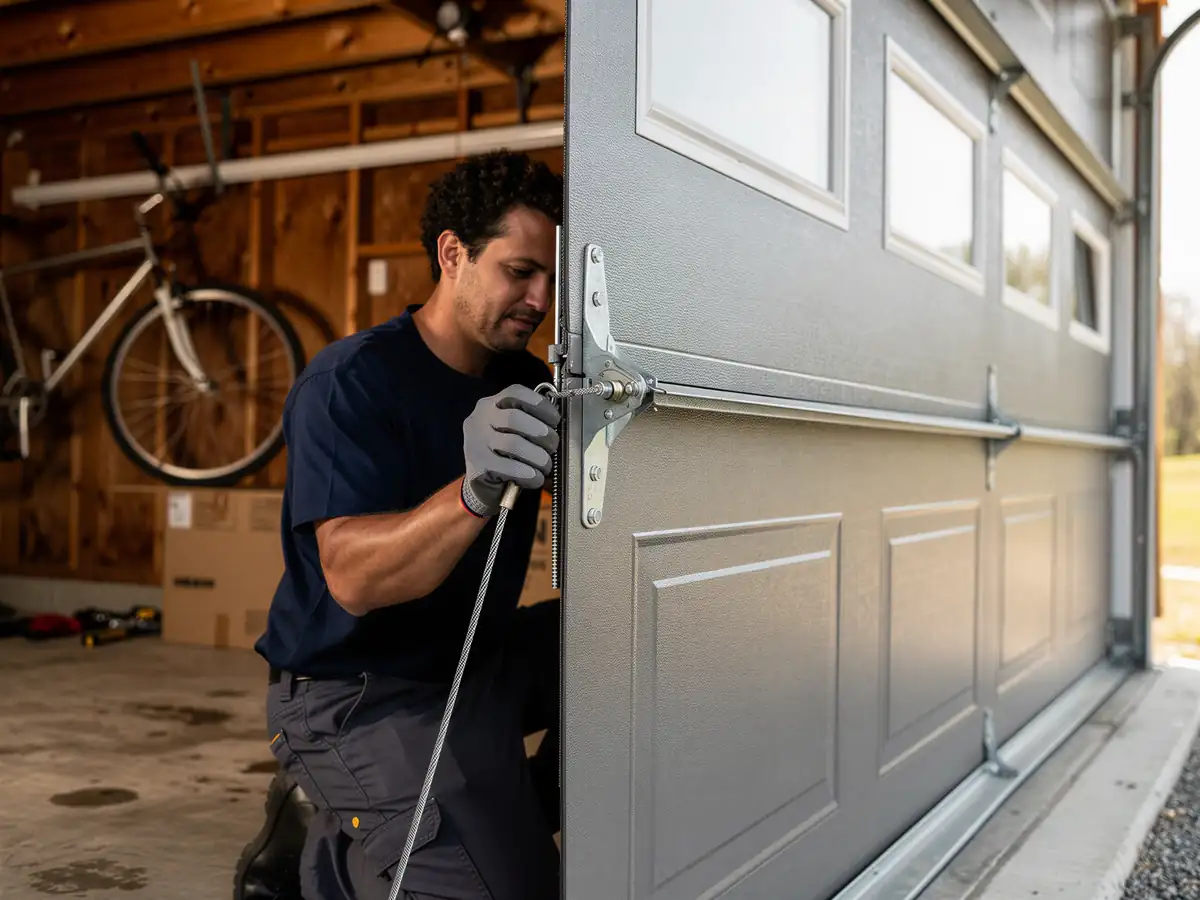
Replacing a stripped gear without checking the capacitor and board first is the most common callback we see on openers from this era - the gear fix holds, then the board dies two weeks later and it looks like a failed repair when it's really two separate problems. Re-setting limits without checking the door's spring tension first is another: if the spring is under-tensioned, the opener will struggle on the last foot of travel no matter how well the gear and limits are set, and you'll chase a phantom opener problem that's actually a spring problem. On gear-drive units specifically, forcing the door by hand while the opener is still engaged can shear the drive carriage - a part that's harder to source on an older unit than the gear itself. We've also seen DIY limit adjustments done with the door's weight unsupported, which risks the door dropping suddenly if a cable or roller was already marginal.
Doing It Yourself
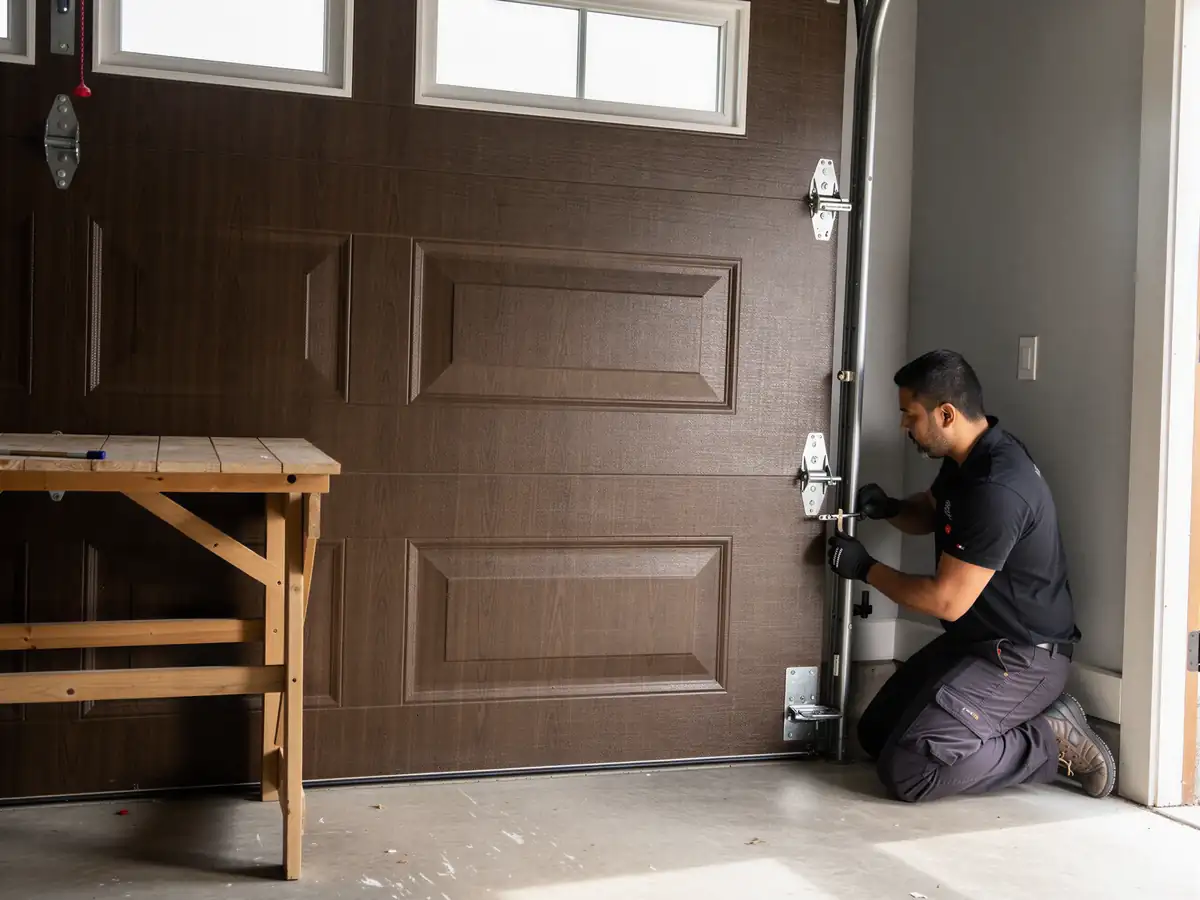
Swapping remote batteries, cleaning and re-aiming photo eyes, and lubricating the rail with the right white lithium grease are all reasonable owner jobs and won't void anything. Replacing the drive gear inside the opener housing is not - it means working with the door's spring tension unsupported, and on a gear-drive unit old enough to be original to a house built around 1998, the housing clips are often brittle enough to crack if you force them. If you're hearing grinding from inside the opener head and the door still moves, if slowly and unevenly, that's a gear on its way out - safe to keep using for a short while, not safe to open up yourself. We'll say plainly when a repair isn't worth the parts cost versus a new opener; we're not going to sell you a gear kit for a unit that's already failing on the board.