How Long You Are Without the Door
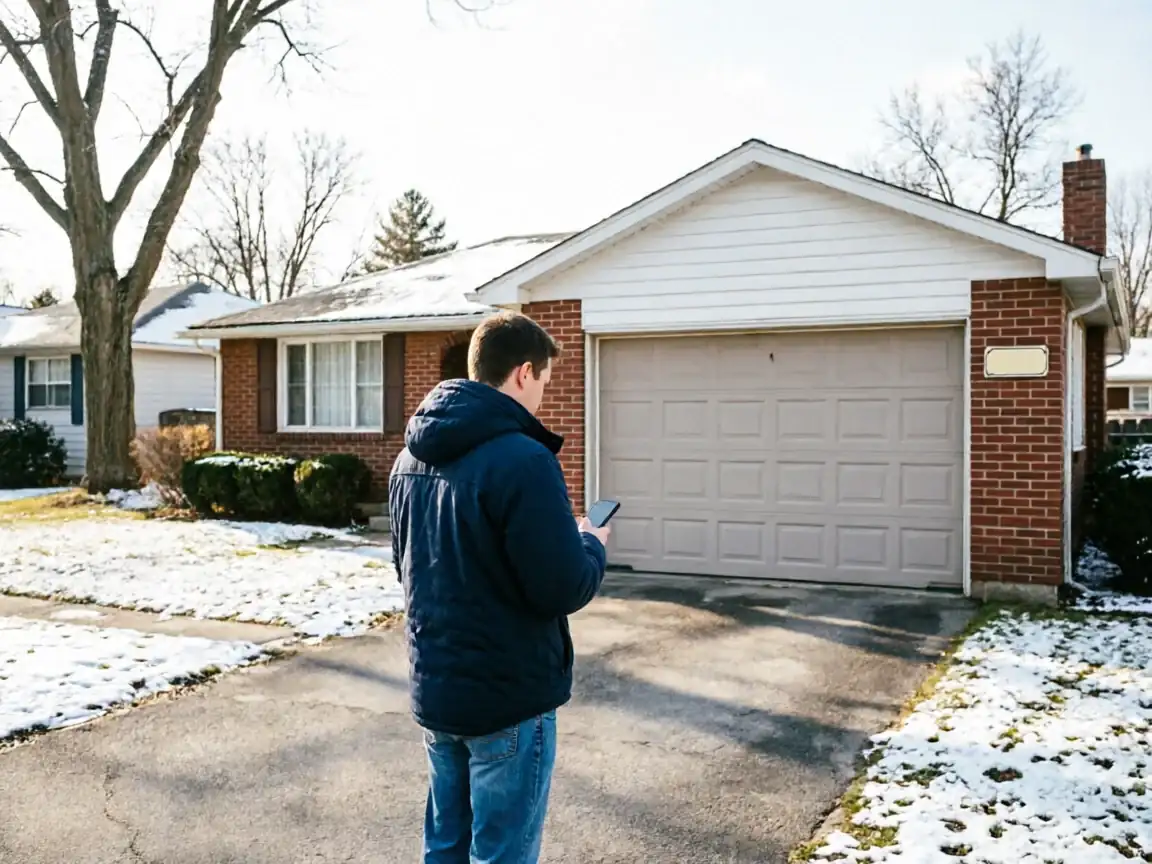
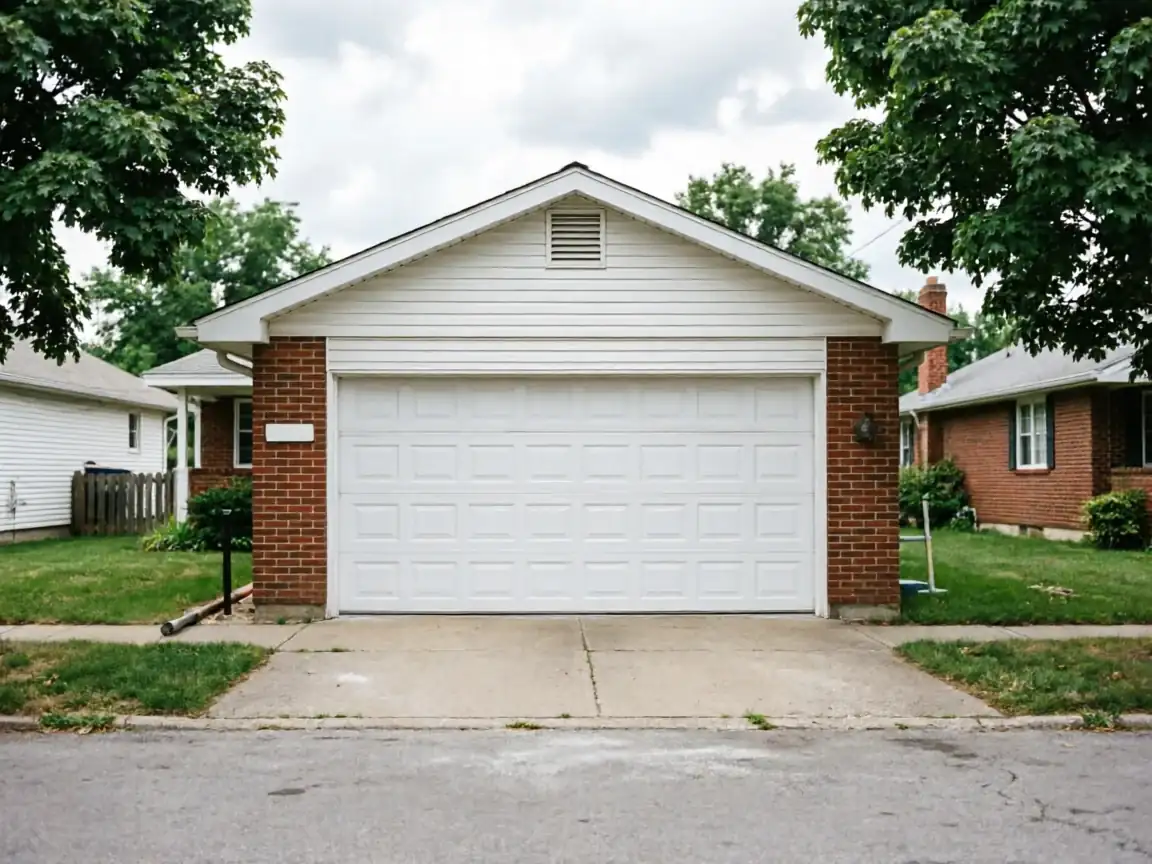
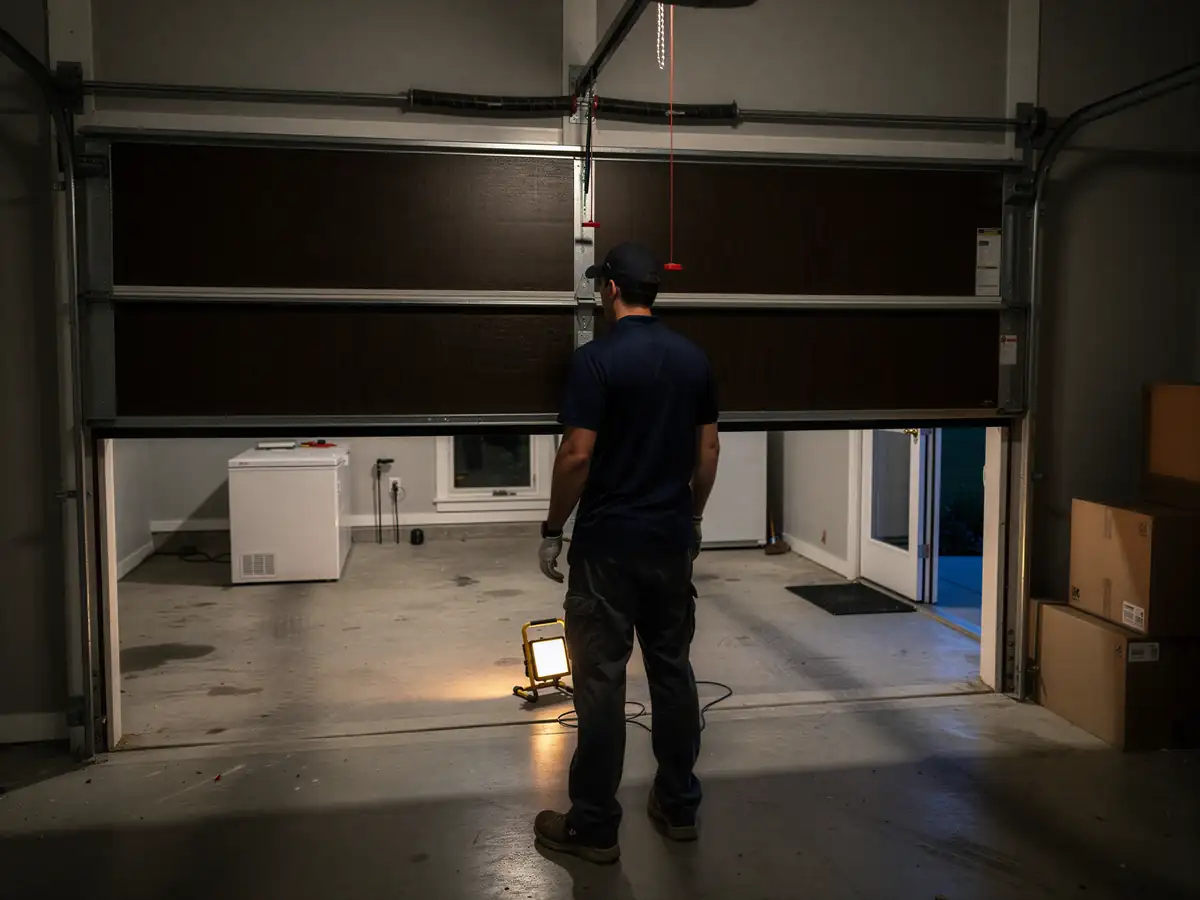
Montgomery's homes skew newer than most of the towns around Aurora - a lot of this area went up after 2003, well past the median build year of 1958-2003 that covers the wider service area. That matters for openers because it means most houses here got their first opener installed new, as part of the build, rather than retrofitted onto an older door later on. Those original units are now closing in on 20 years of duty cycles, and that's about where drive gears, circuit boards, and logic boards start to fail rather than wear gradually. We come out from Aurora, about 5 miles away, so there's no local branch or dispatch yard in Montgomery itself - we're driving in on the same call as everything else on the route that day. We don't promise a same-day window here; we tell you honestly when the truck can get to your address once we know what's wrong. If the opener is dead and the door is stuck down, we'll talk you through getting it open manually so you're not locked out of the garage while you wait on the appointment.
What Can Go Wrong
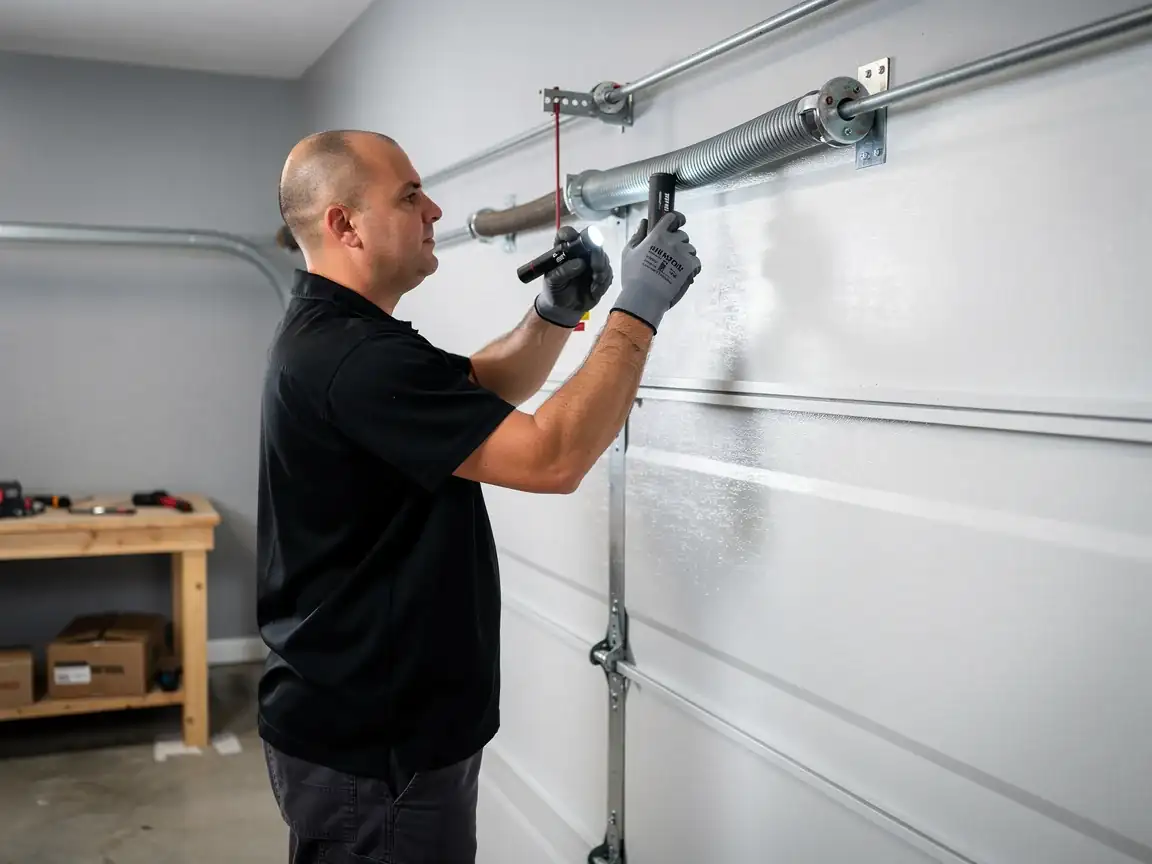
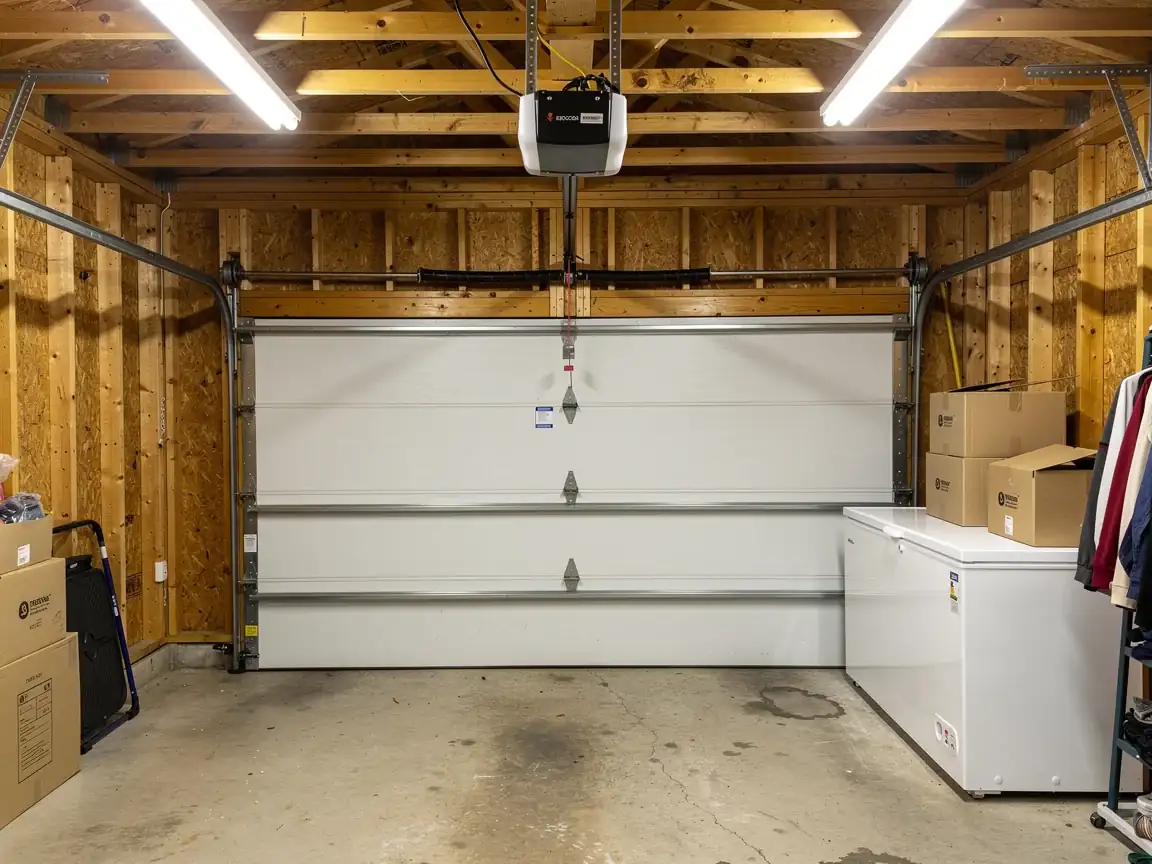
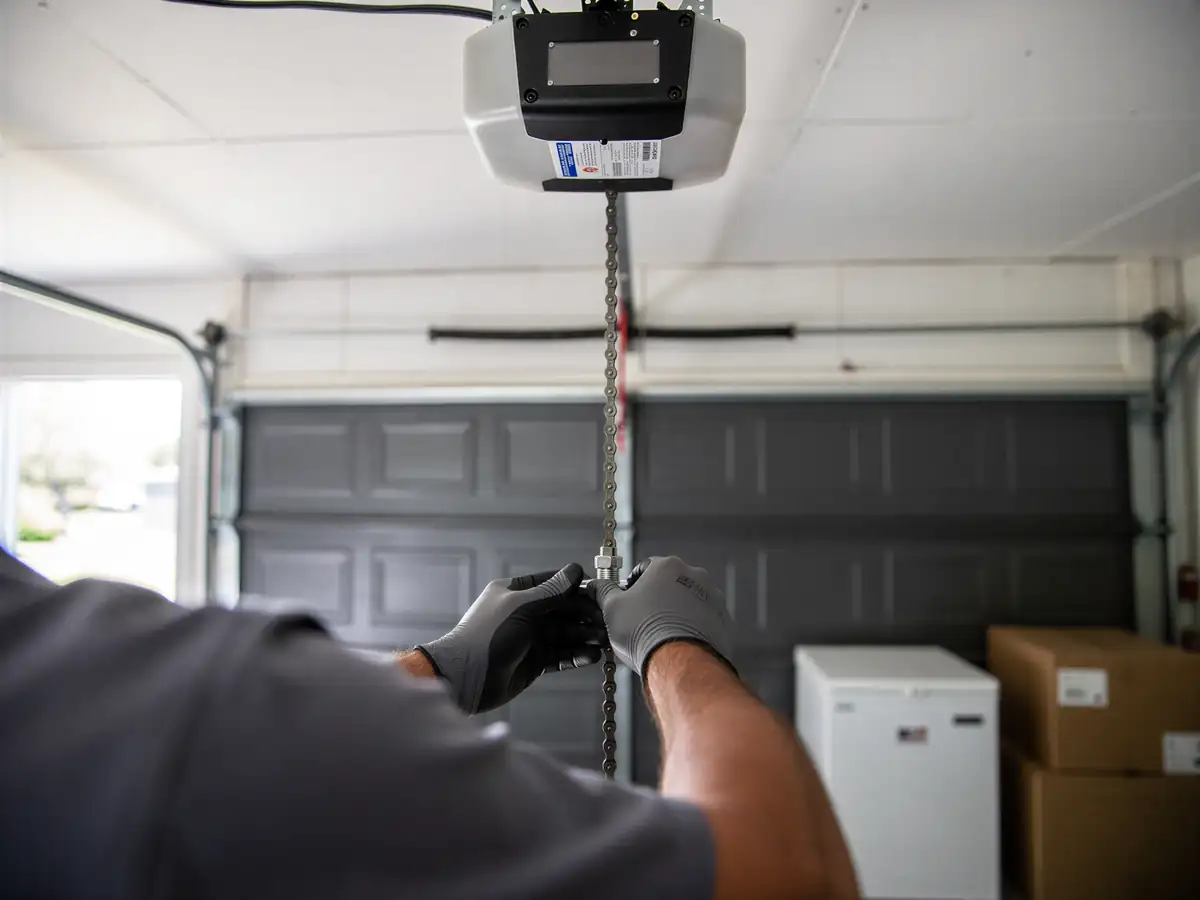
On a house built in the early 2000s, the most common call is a worn drive gear or a dying circuit board on a chain or belt unit - the kind of opener that was standard equipment in new construction through that period. You'll hear grinding before the gear strips, or notice the opener running but the door not moving. Logic board failures show up differently: lights flicker, the remote stops registering, or the unit reverses for no reason. Cold weather doesn't help. This area sits in a moderate-cold climate band, and freeze-thaw cycles stiffen grease in the gearbox and shorten the life of capacitors in the control board, which is part of why 18-to-22-year-old openers tend to fail in winter rather than summer. Safety sensors - the small eyes at the bottom of the track - are another common point of failure, since they're exposed and get knocked out of alignment by anything leaning against the track. We check those first on any no-close call, because it's the cheapest possible fix and the most overlooked.
Doing It Yourself
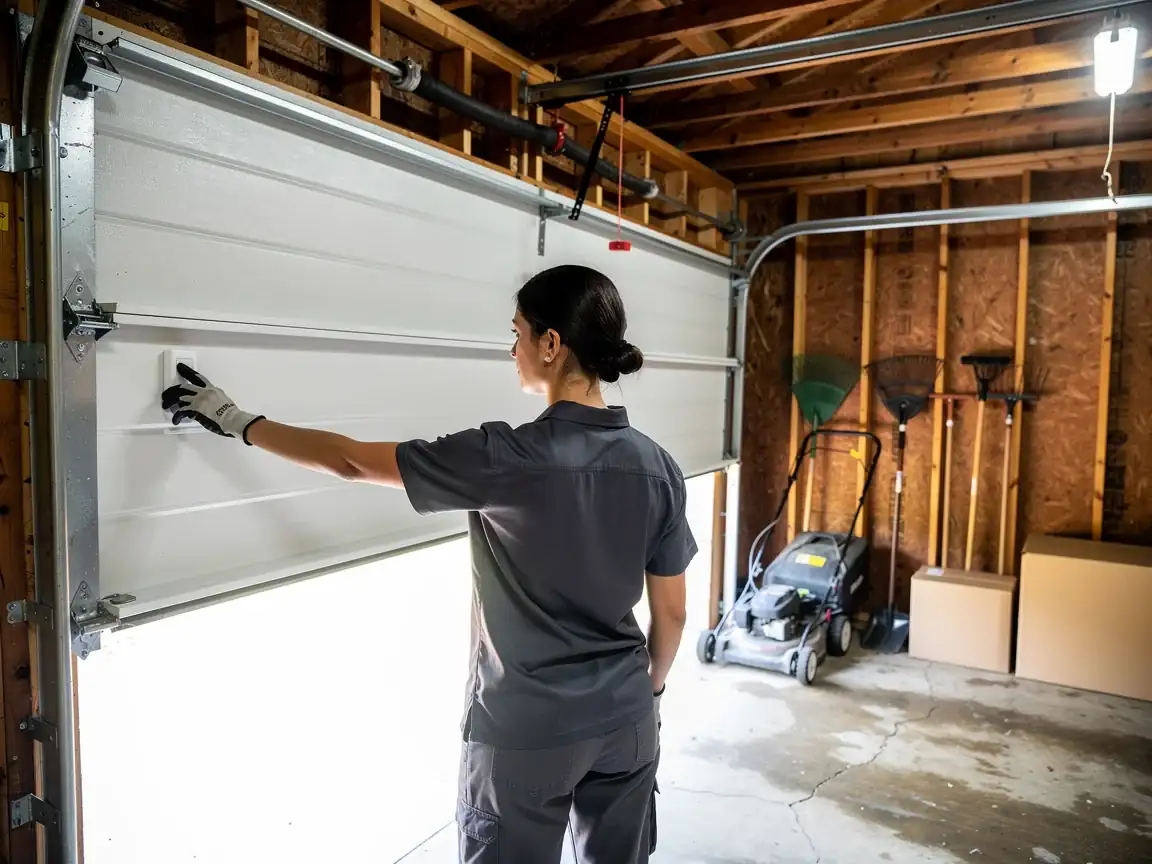
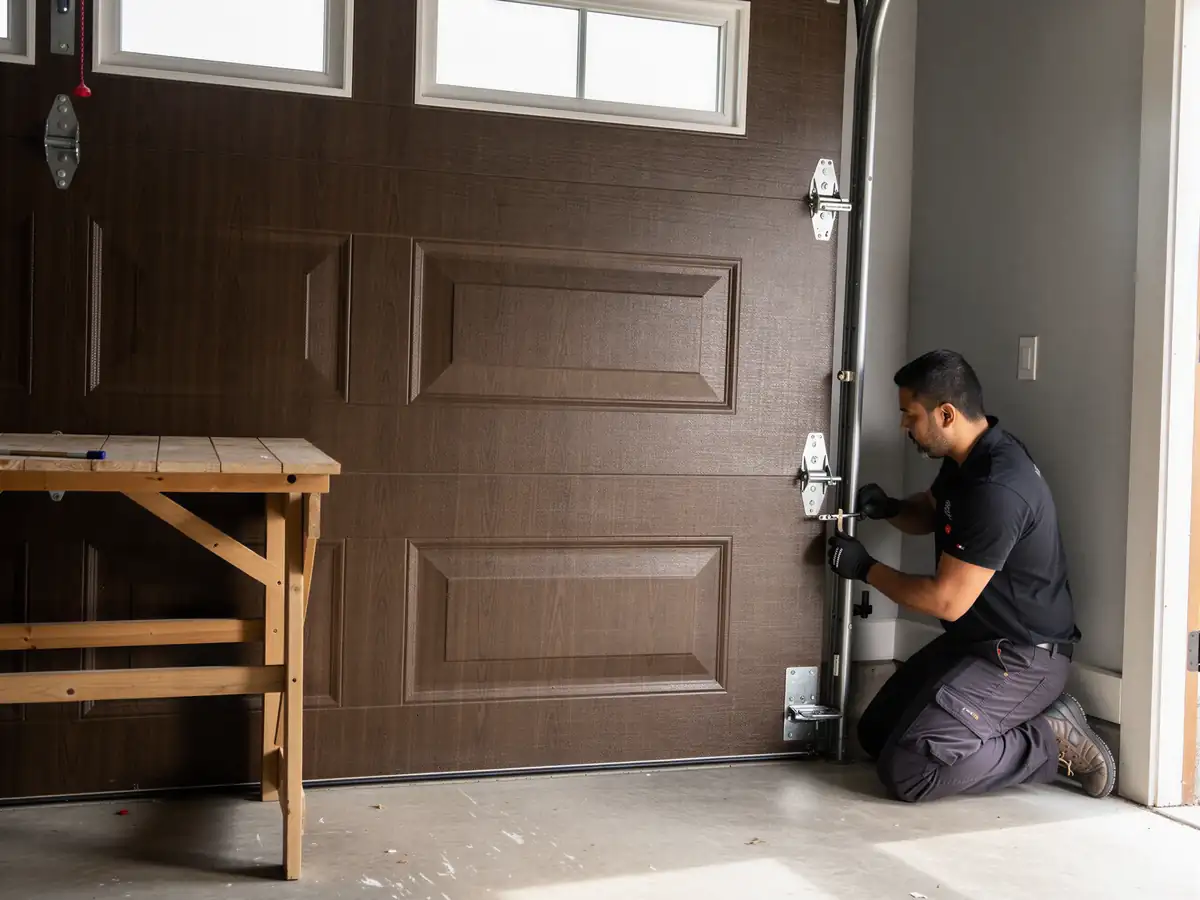
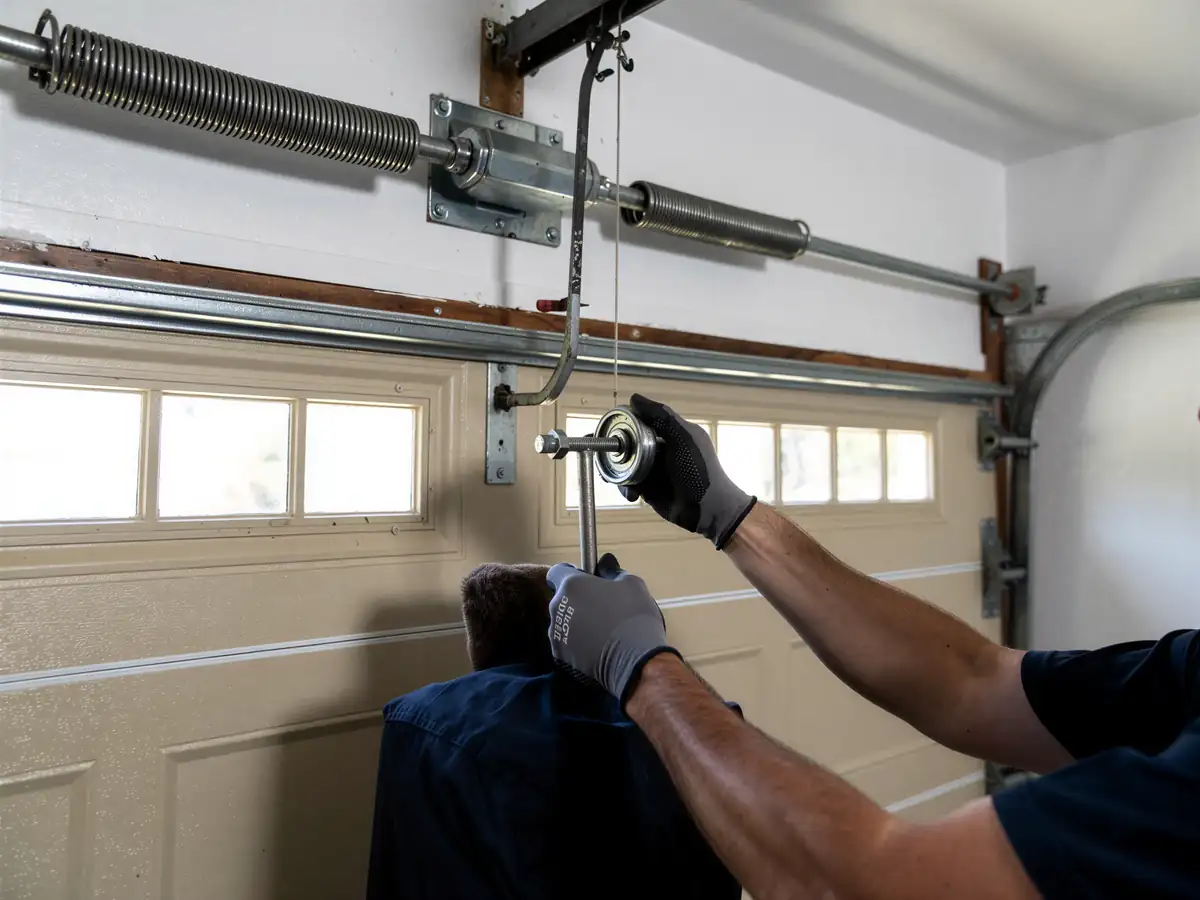
If the opener just stopped responding to the remote, check the wall switch first - if that doesn't work either, it's likely the board or the power, not the remote battery. Re-syncing a remote is usually safe to try yourself and takes a few minutes; most manuals have the steps printed inside the housing cover. What's not worth doing yourself: opening the control board housing, adjusting the force or limit settings without knowing what you're looking at, or working on the drive gear while the door is under spring tension. On a house from the early 2000s, the opener and the door's torsion spring are often close to the same age, and a spring under tension is dangerous to work near regardless of your opener skills. If you're not sure whether the fault is the opener or the door's hardware, that's worth a call rather than a guess - misdiagnosing it can mean buying parts you didn't need.
Stocked Parts
We carry the gears, sensors, and control boards that fit the chain and belt-drive openers most common in homes built from the 1980s through the early 2000s, which covers most of what's on Montgomery garages. What we don't always have on the truck is a board for an older or less common brand - some of those take a few days to source, and we'll tell you that up front rather than guess at an arrival date. If the opener is old enough that replacement parts are hard to find or cost close to a new unit, we'll say so instead of billing you for a repair that doesn't make sense.