How Long You Are Without the Door
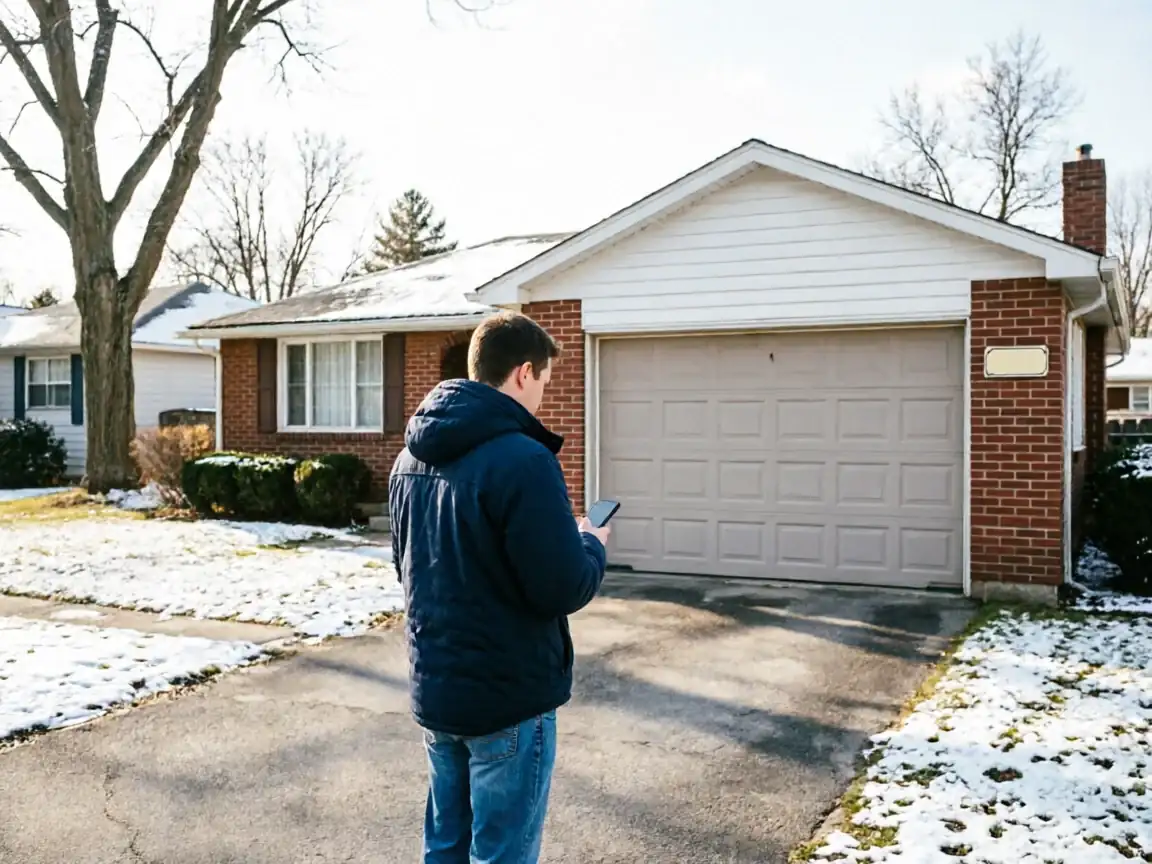
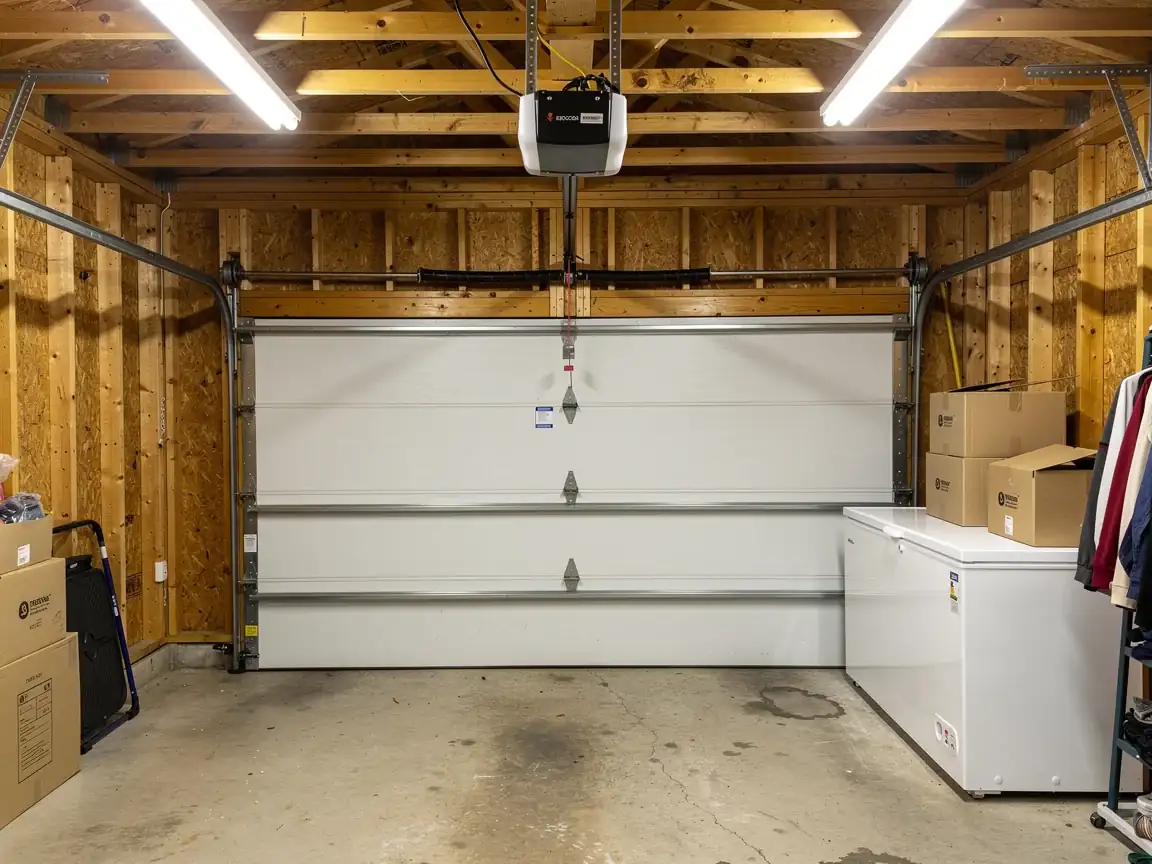
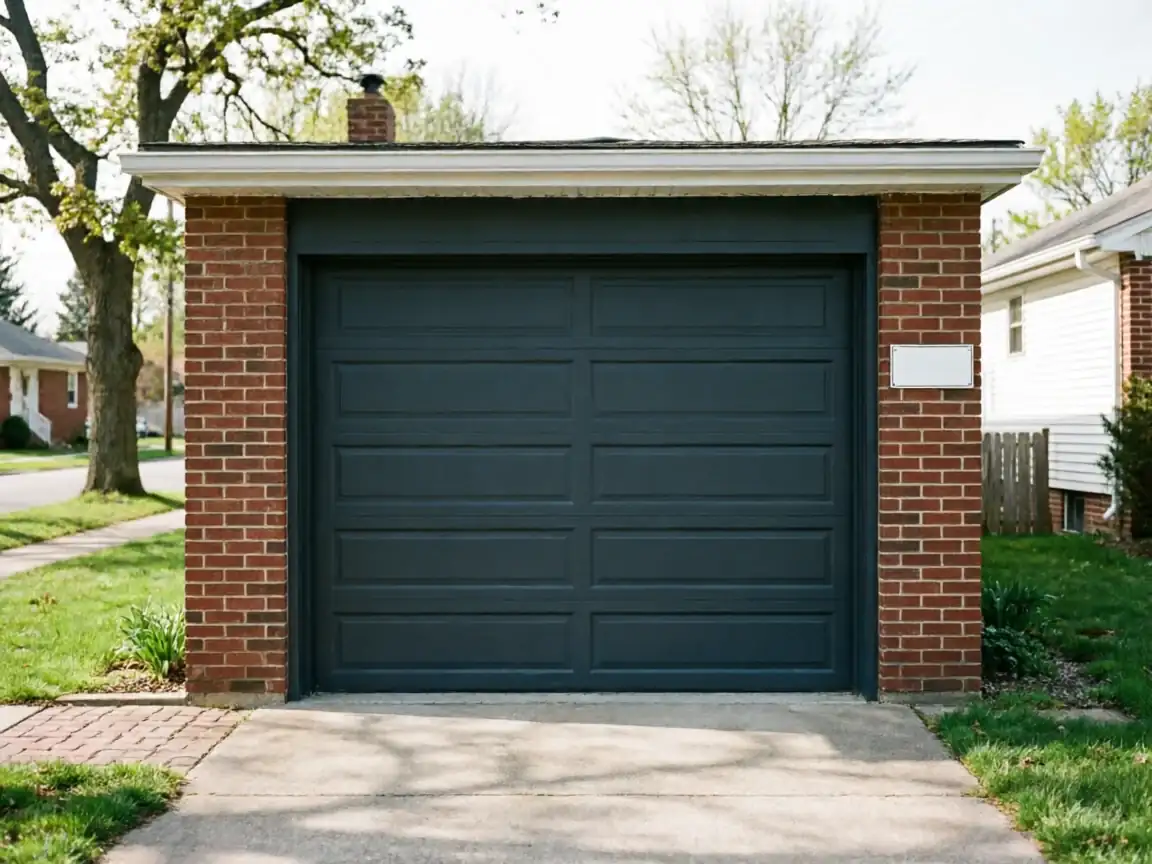
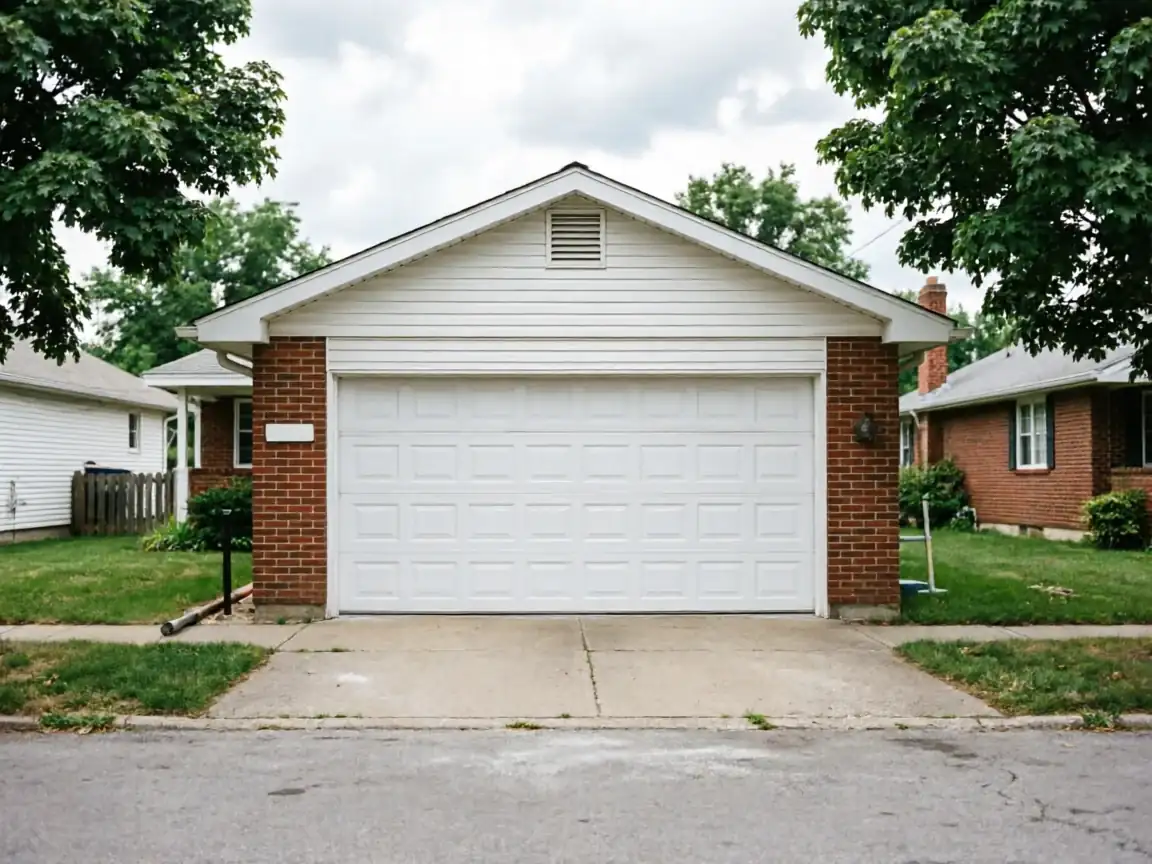
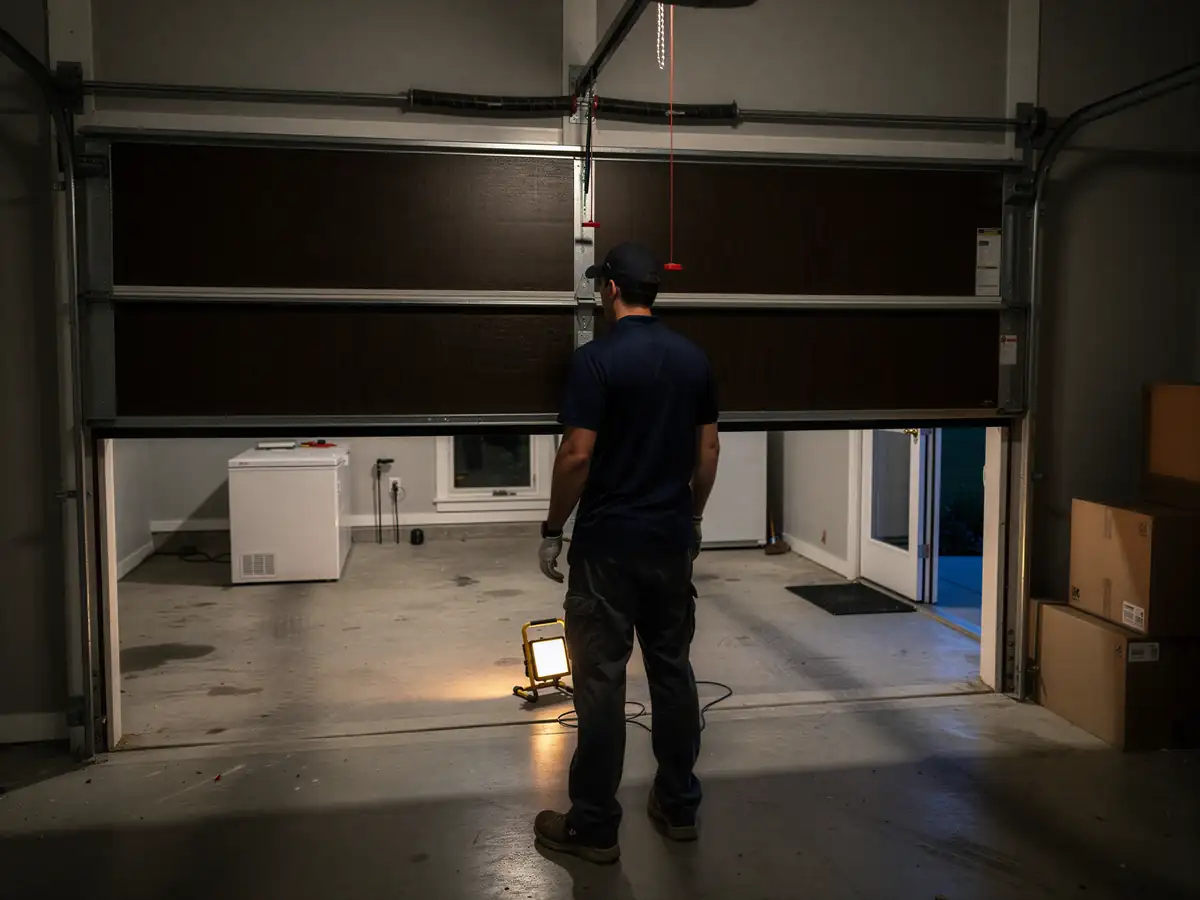
Most houses in Montgomery went up well after the rest of the Aurora area's housing boom - the neighborhood's median build year lands around 2003, newer than the 1981 median across the broader service territory. That means the doors here are mostly wide steel sectionals, 16 feet across for two-car garages, running on long horizontal tracks with roller carriages rated for that span. When one of those panels jumps the track, the door doesn't just stick - it can hang crooked across the full width of the opening, which puts more strain on the remaining rollers still seated in the rail.
We come from Aurora, about five miles out, so the drive itself isn't the holdup. What determines how long you're stuck with a door you can't trust is where the job falls in the day's schedule and how bad the off-track damage actually is. A panel that popped one roller and is otherwise straight is a different job than a door that's bent the track rail or torn a cable. We don't promise a same-day fix sight unseen, because we haven't seen the door yet - we'll tell you honestly on the phone what the fix is likely to involve once you describe what's happening.
What Can Go Wrong
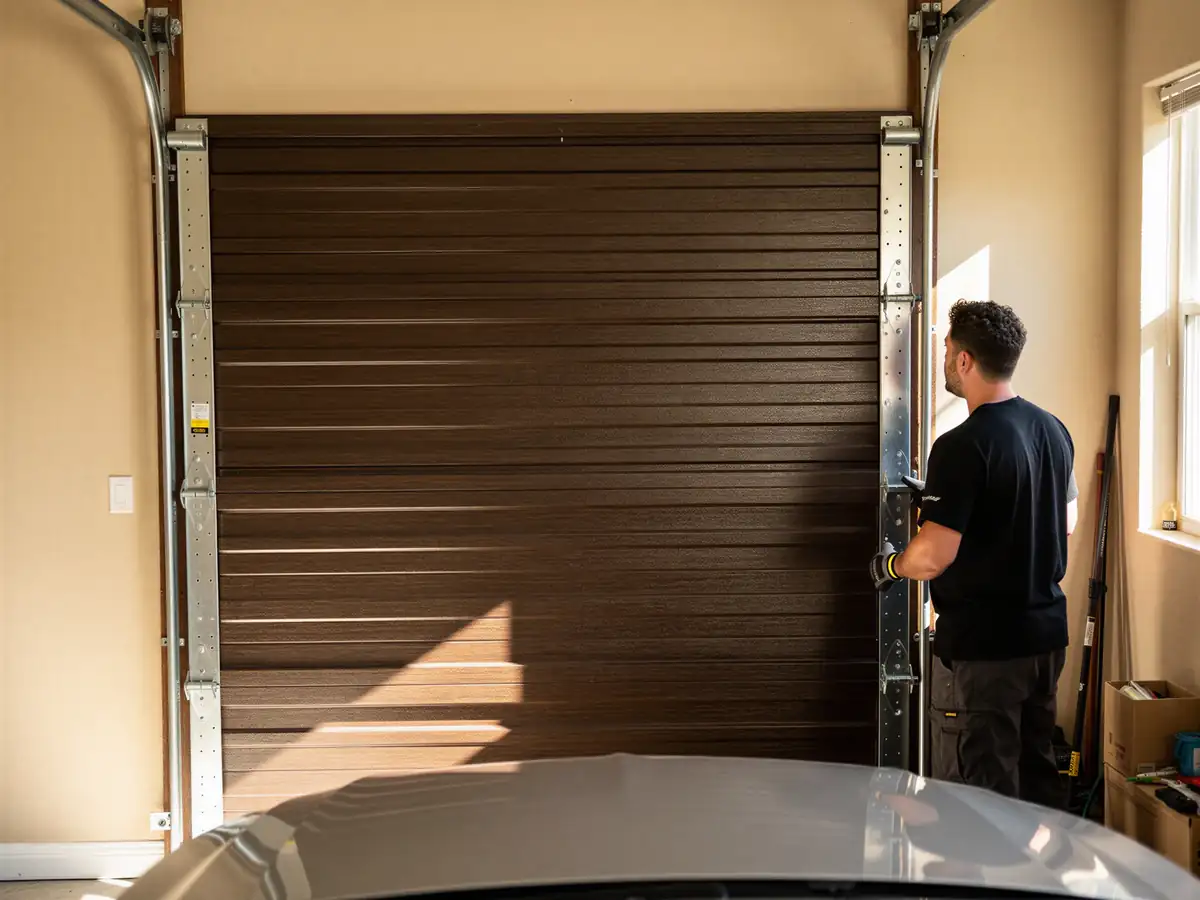
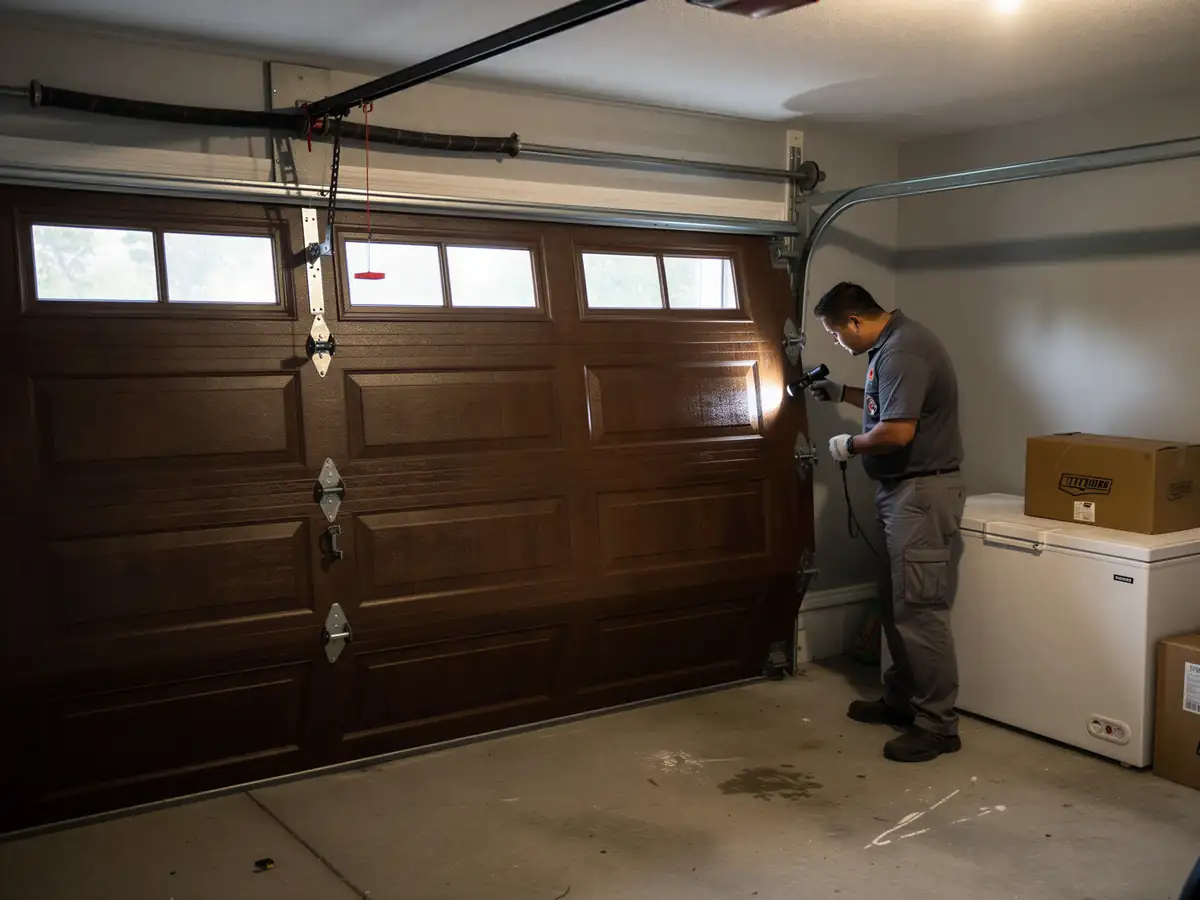
On the wider doors common in Montgomery's newer construction, off-track trouble usually starts at one of two spots: a bottom roller that's worn down and slips the rail under the door's own weight, or a track bracket that's worked loose from the framing over time. Because these are bigger doors on longer tracks than the older, narrower doors you'd find in some of the area's pre-1980s neighborhoods, a bent section of rail affects more of the door's travel - it's not a two-foot stretch of misalignment, it can be the whole run.
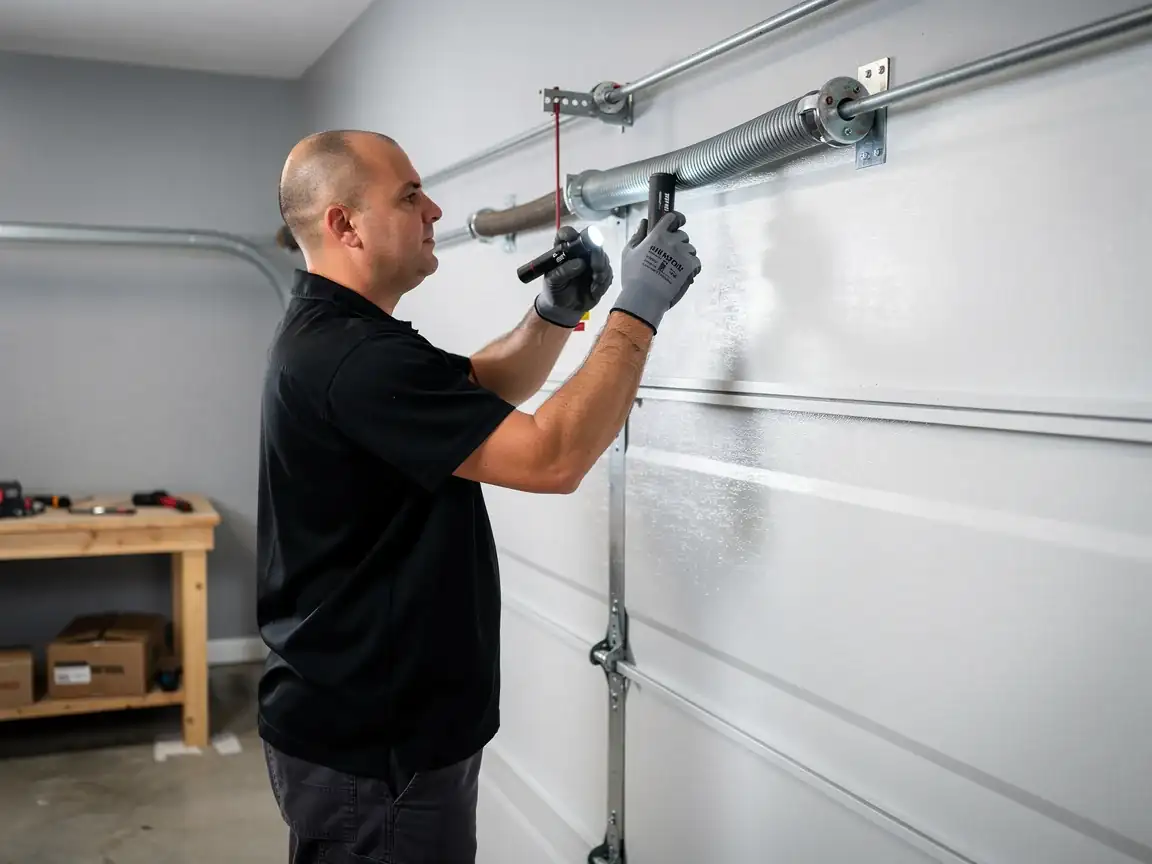
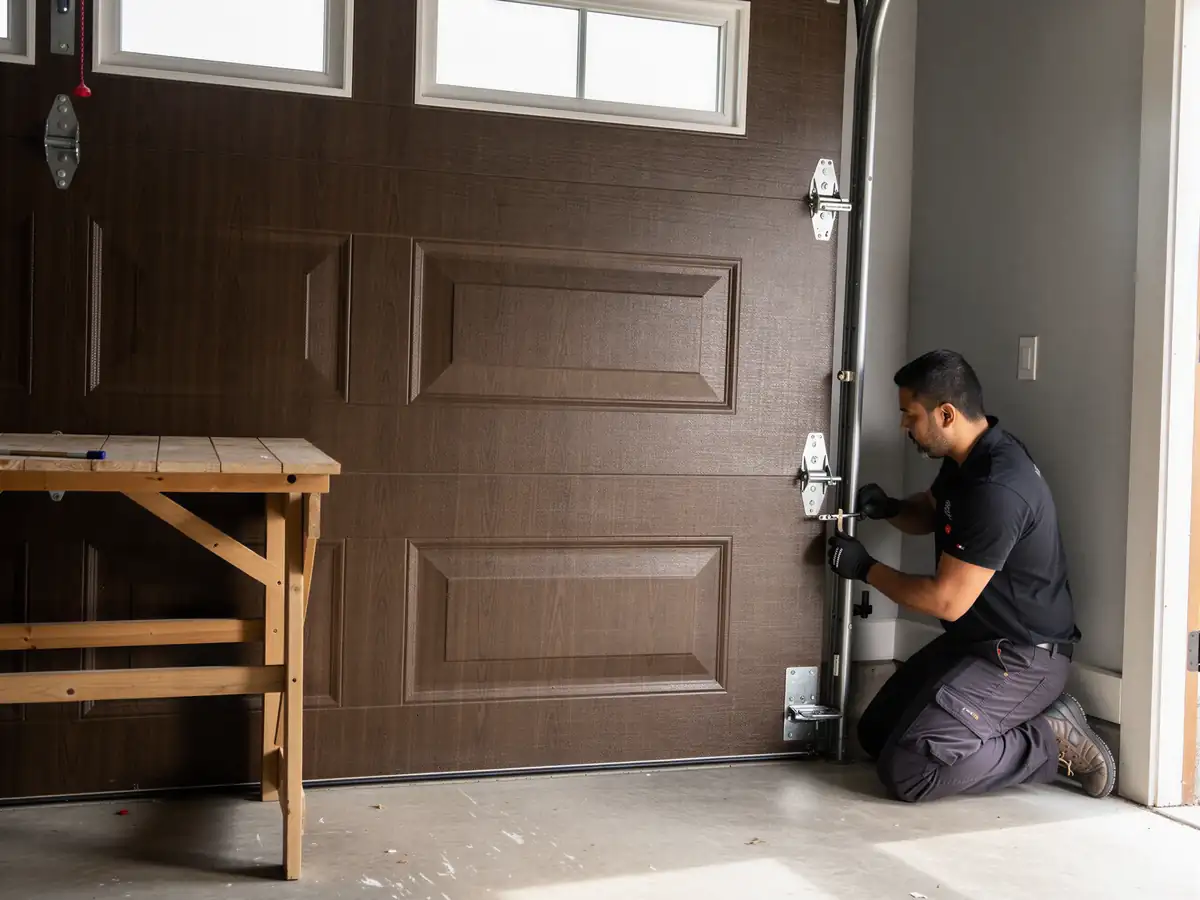
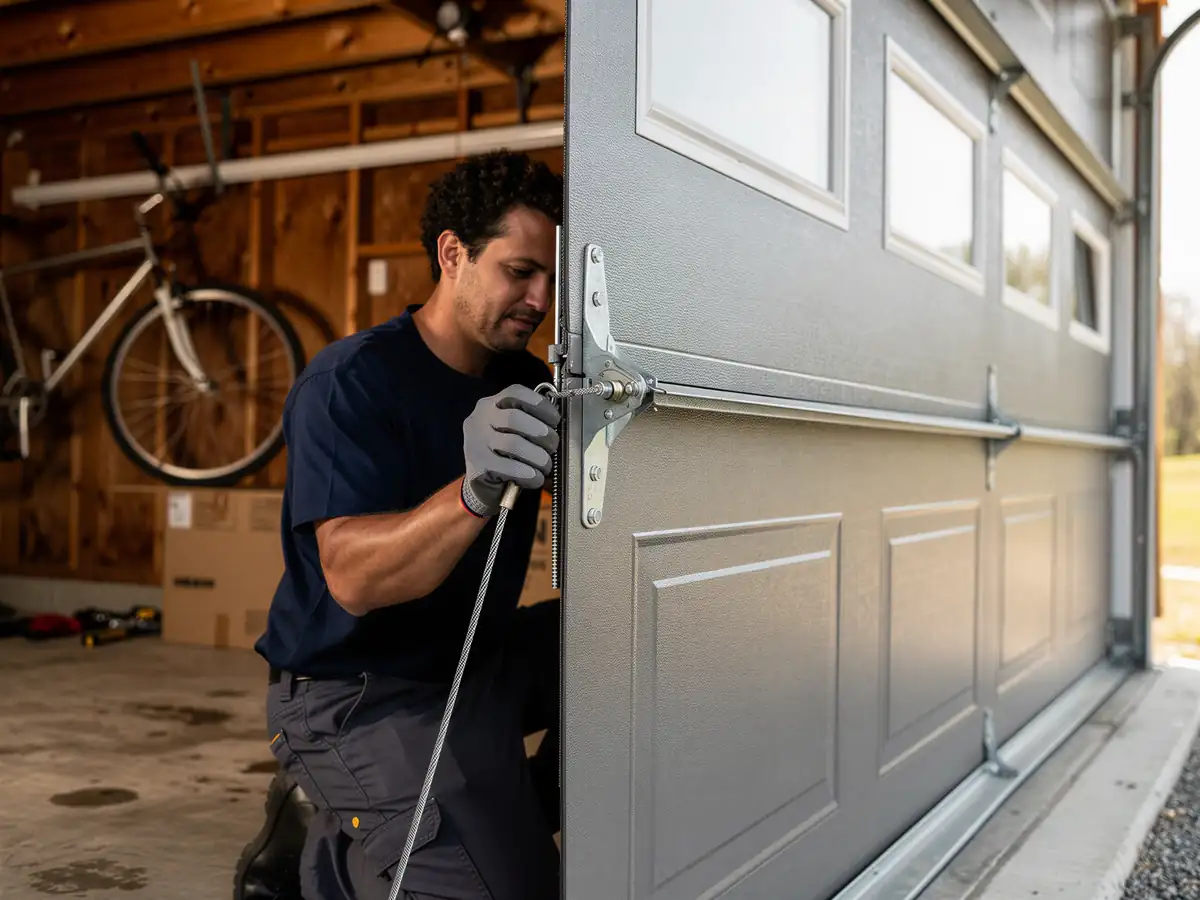
Winters here fall into a cold, moderate climate band, and that matters for off-track calls specifically: track hardware that's slightly loose in October can seize or shift once the metal contracts in a hard freeze, and that's often the week we get the call. Cables fraying at the bottom bracket, a sensor knocked out of alignment by the same impact that popped the roller, a hinge cracked where the panel bent - these show up together more often than people expect. The honest limitation: if the track itself is bowed rather than just loose, we're not straightening it on site. A bent track gets replaced, not bent back.
How to Book
Call and describe what you're seeing
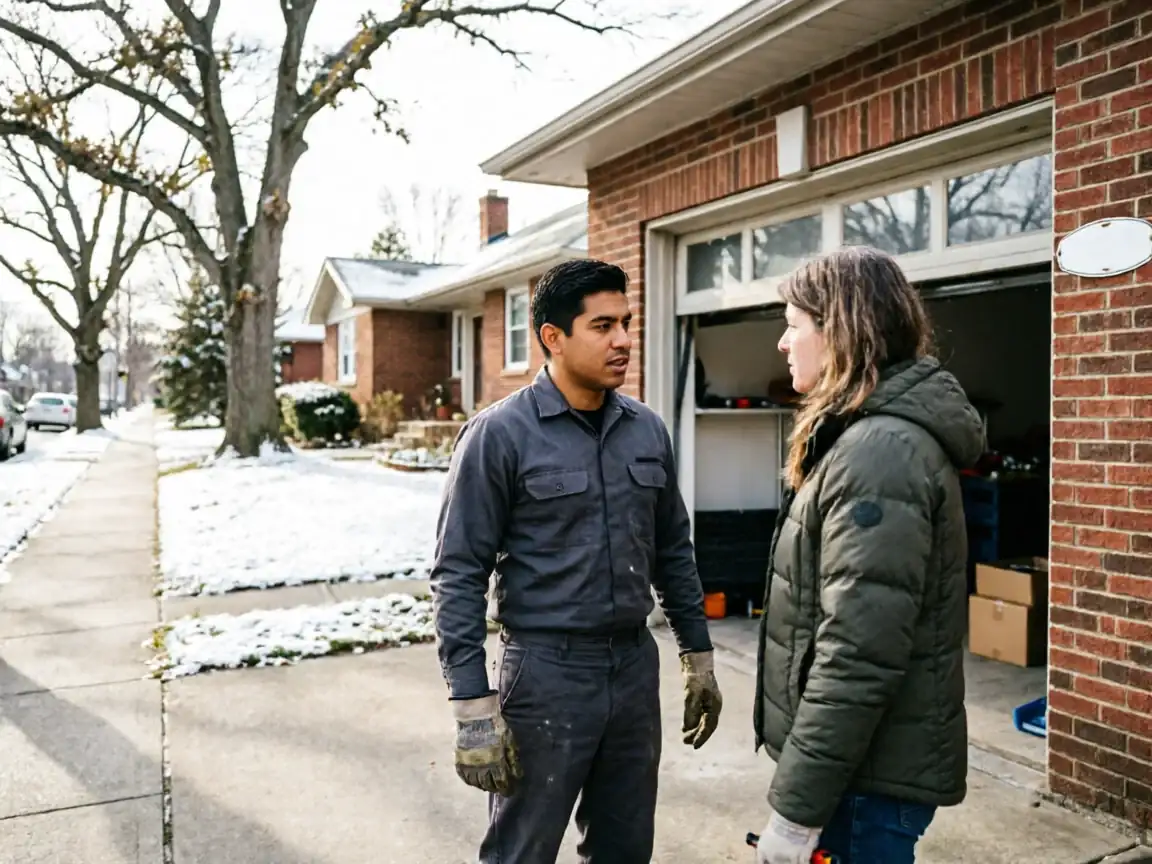
Which side the door came off on, whether it's still moving at all, whether you hear a cable snap or a bang before it happened. That tells us which parts to bring on the truck for the drive over from Aurora, which matters more here than it sounds, since a wider sectional door takes different roller and bracket sizes than a narrow single-car door.
Don't try to force the door closed or open once it's visibly off the rail
That's the fastest way to turn a roller job into a torn panel or a snapped cable. Leave it where it stopped, unplug the opener if you can reach it safely, and call before you touch it again.
Doing It Yourself
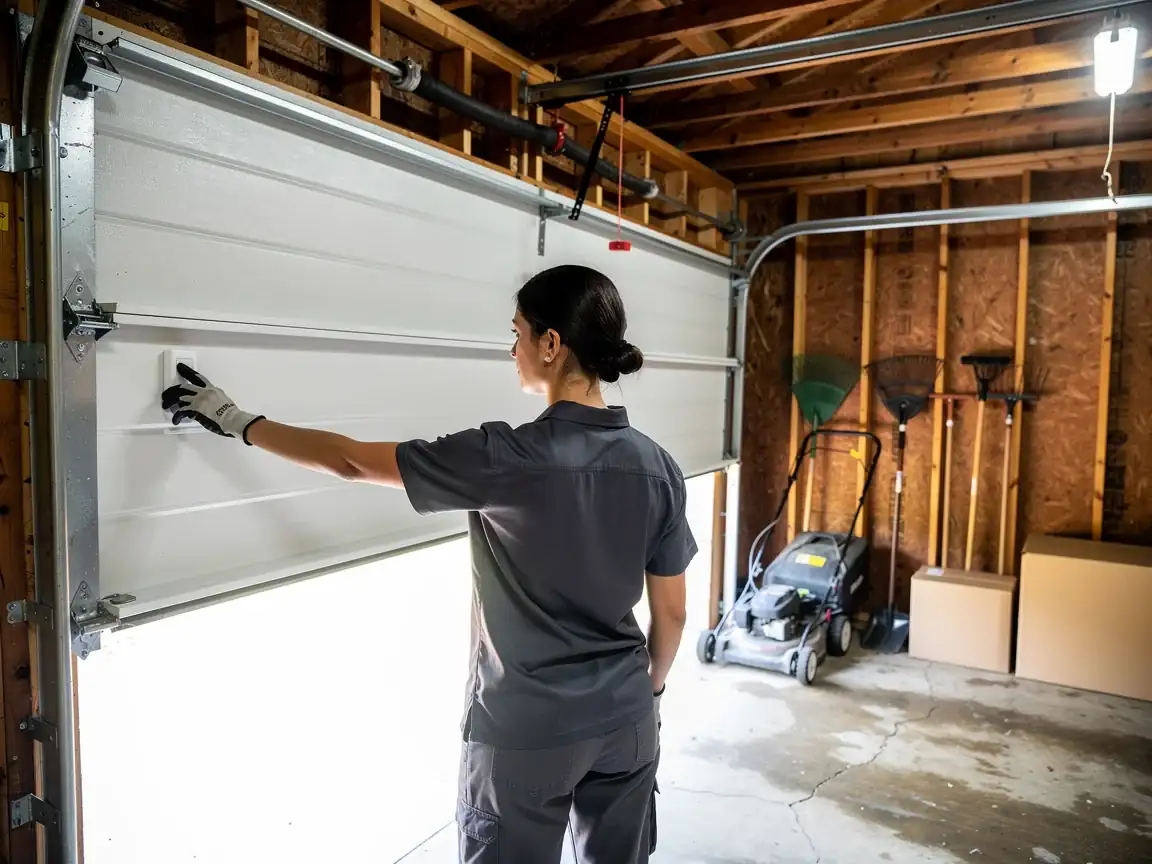
If a single roller slipped the track and the door is otherwise sitting straight and the cables look intact, some homeowners can reseat it themselves with the door manually lifted and a pry bar used carefully at the roller - but on a 16-foot double door, that panel is heavy, and doing this alone is how people get hurt. If there's any tension on the springs, if a cable looks frayed or loose, or if the track bracket has pulled away from the wall, that's not a DIY call. Spring tension on a door this size can put you in the hospital.
Our honest limit here: we'd rather talk you out of a repair you can safely do yourself than bill you for a ten-minute fix. But we'd also rather you call first and describe it than guess wrong on a door this heavy.
Stocked Parts
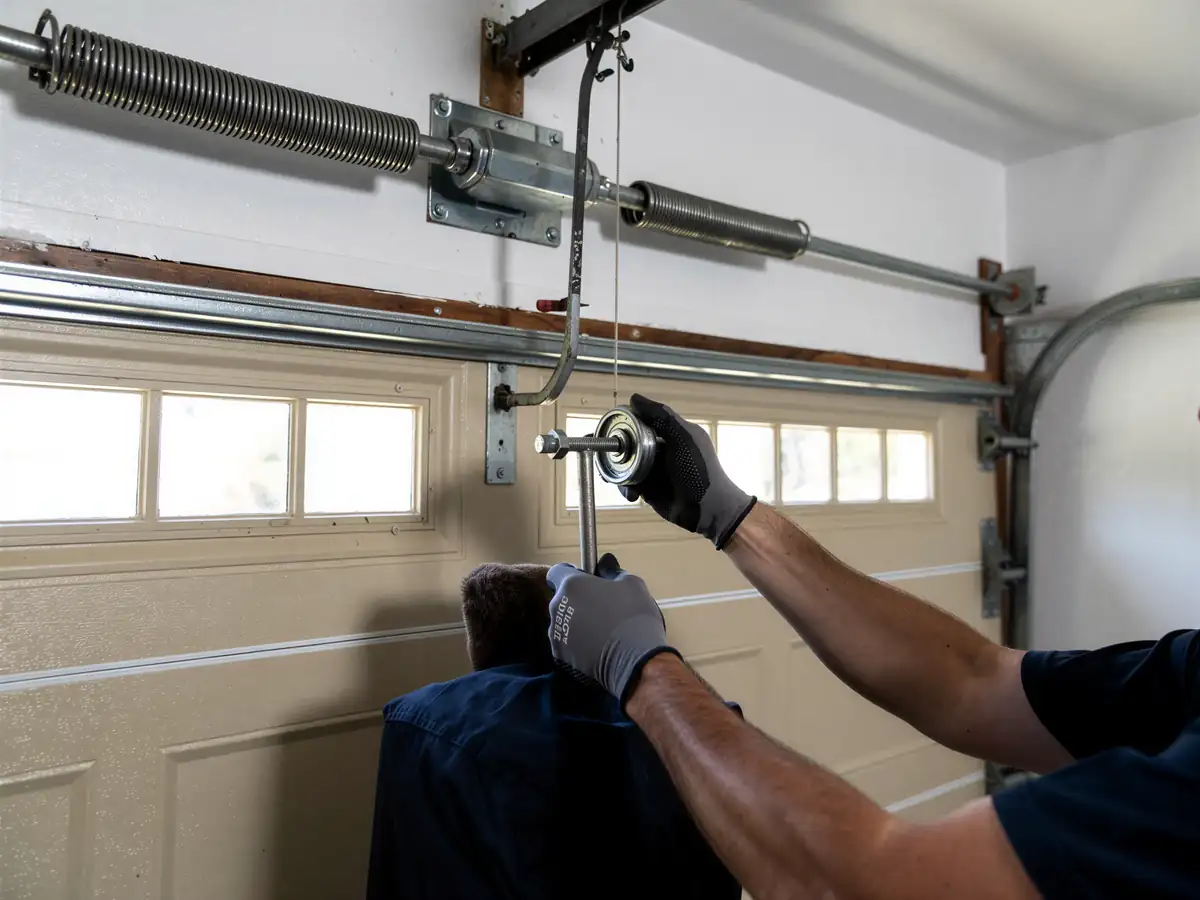
Because Montgomery's housing stock runs newer and the doors are wider than what you'll find in some of the service area's older neighborhoods, we carry rollers, track sections, and brackets sized for full two-car sectional doors on the truck, not just the narrower hardware older single-car garages need. Nylon and steel rollers, standard track brackets, cable and pulley assemblies - these are common enough that we don't usually wait on them.
Where we do run into a lead time is specialty track configurations or less common bracket styles tied to a specific door manufacturer - those sometimes need to be ordered rather than pulled off the truck. We'll tell you up front if that's what your door needs rather than quote a fix we can't start that day.