How Long You Are Without the Door
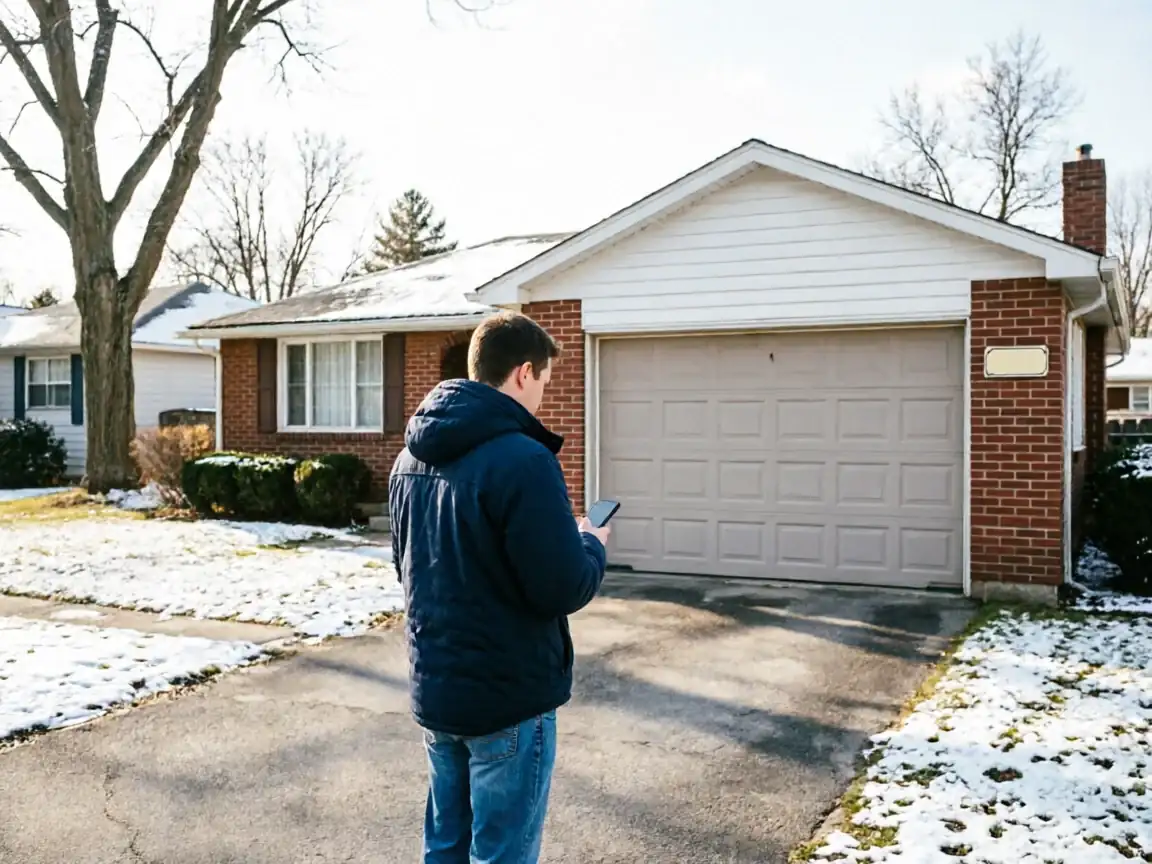
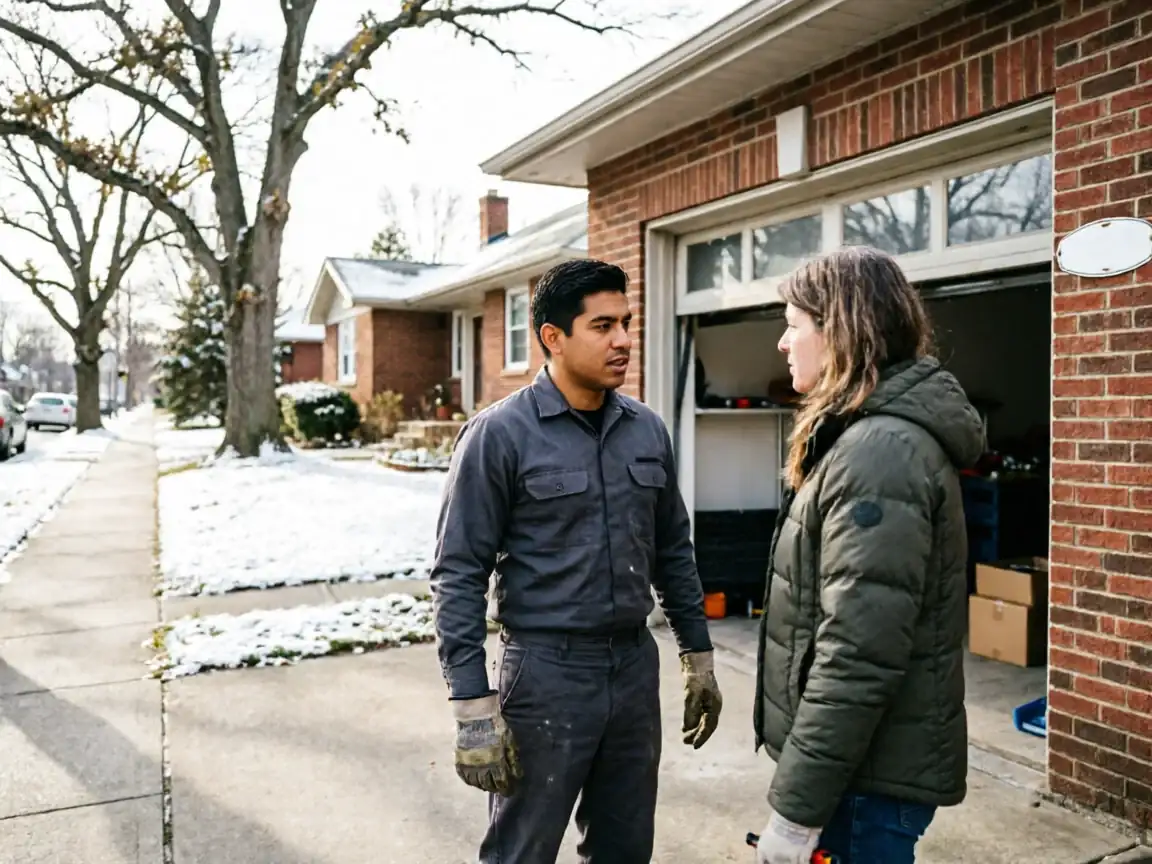
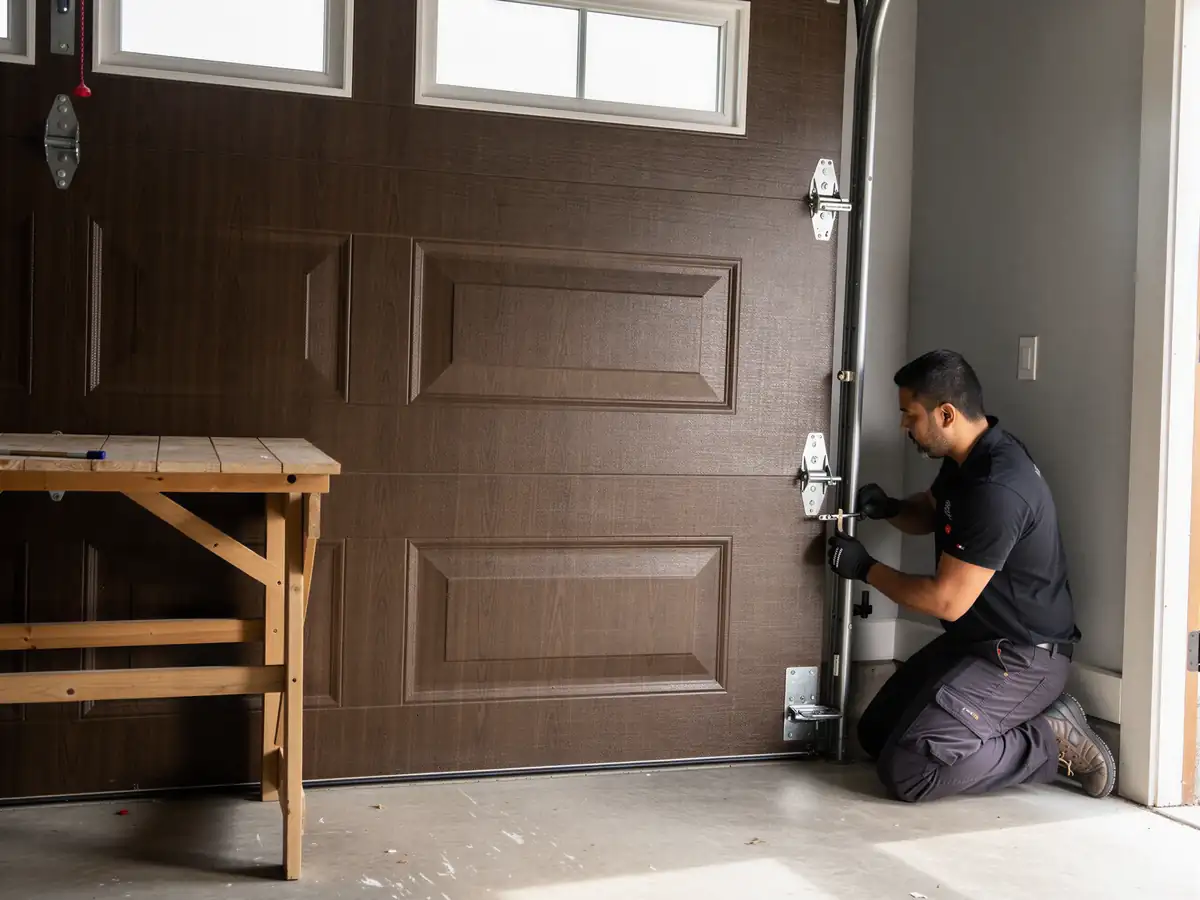
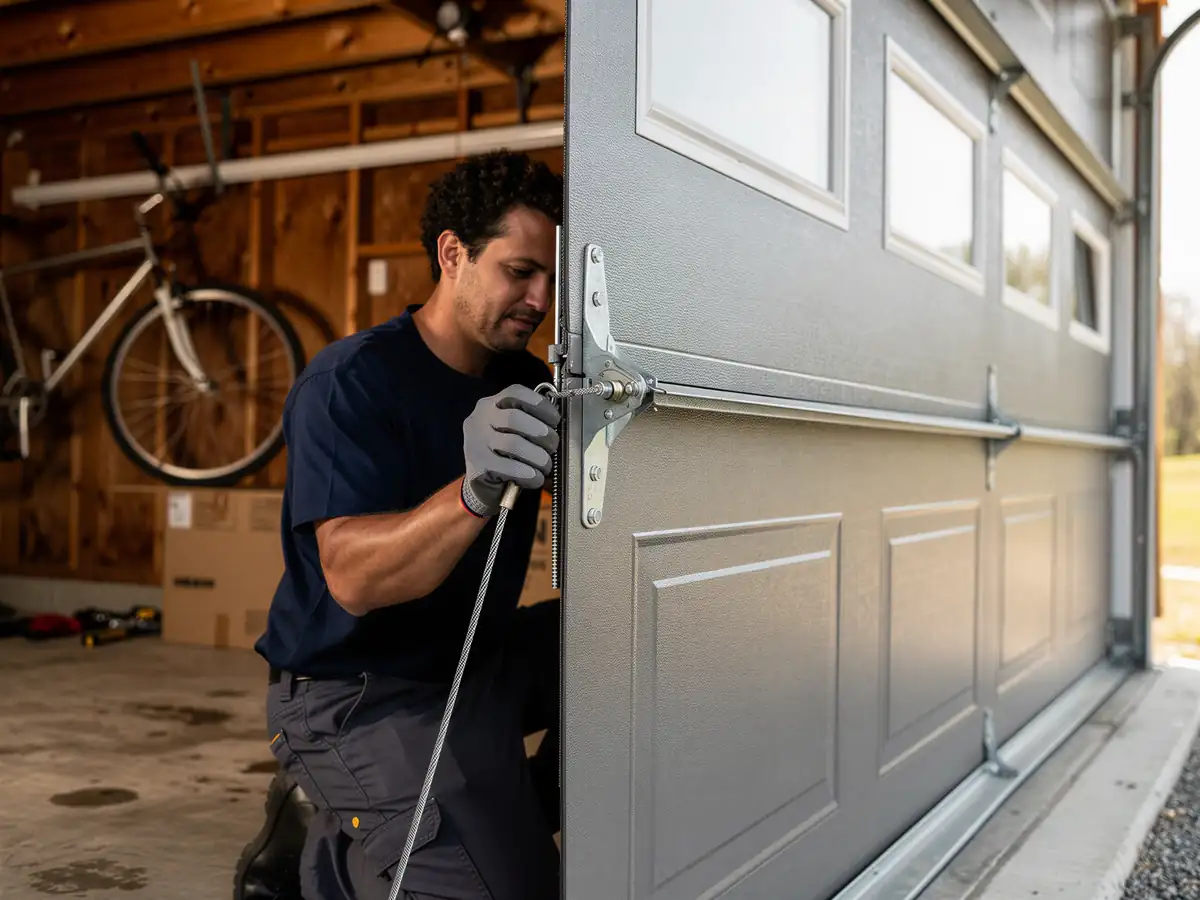
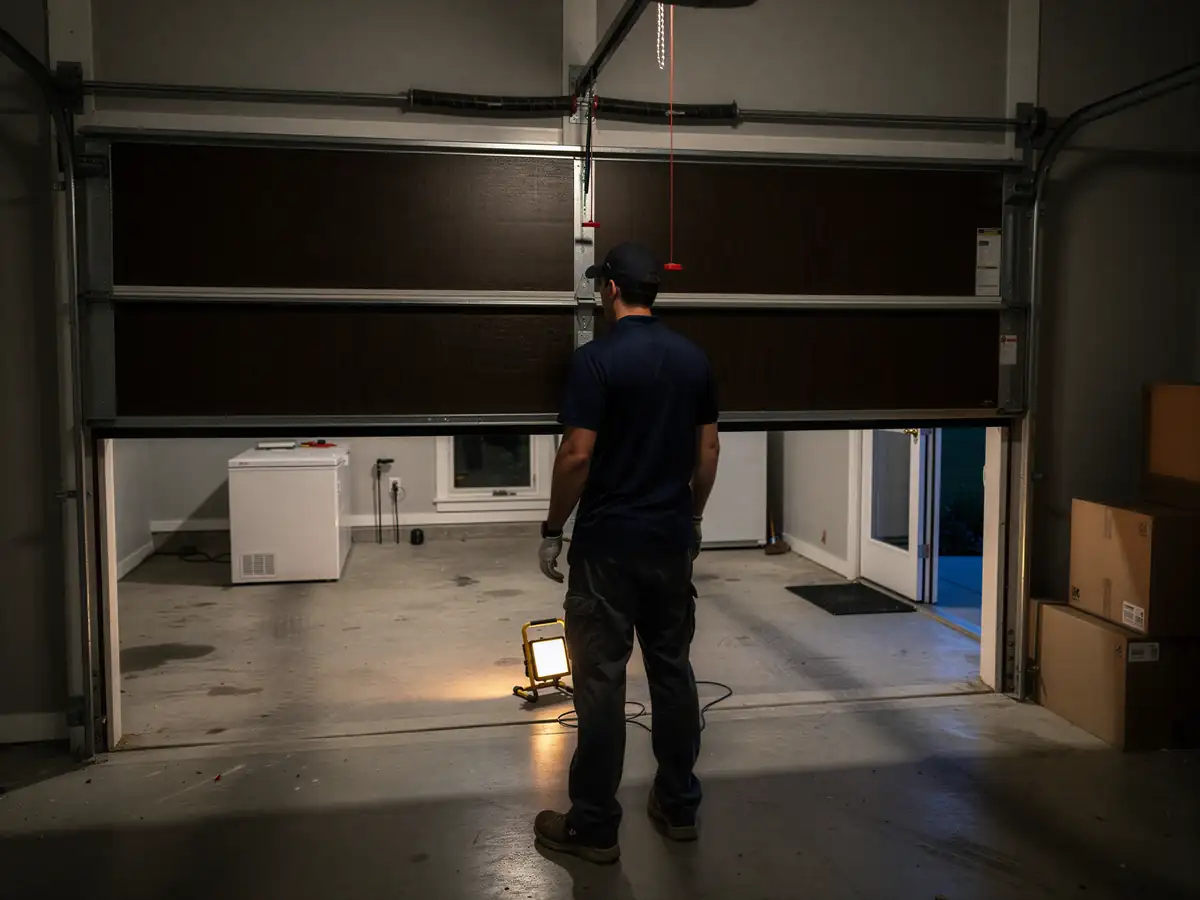
We're based in Aurora, and Montgomery sits about 5 miles out, so a call here doesn't mean waiting on a crew that has to cross the whole service area first. It's a short run, which matters on a spring job because once a torsion spring snaps, the door is dead weight - you can't safely force it open with the opener motor, and most people don't want a two-car garage pinned shut overnight. The short drive means we can usually work a Montgomery call into the same day's route instead of pushing it to tomorrow. We don't advertise a guaranteed response time here, because that depends on what else is already on the truck that day, but 5 miles is 5 miles - it's not the same conversation as a call from the far edge of the territory. Once we're in your driveway, the repair itself is usually under an hour for a standard double-door torsion spring, assuming the part is one we carry, which for a home built in the housing era common to Montgomery, it usually is.
What Can Go Wrong
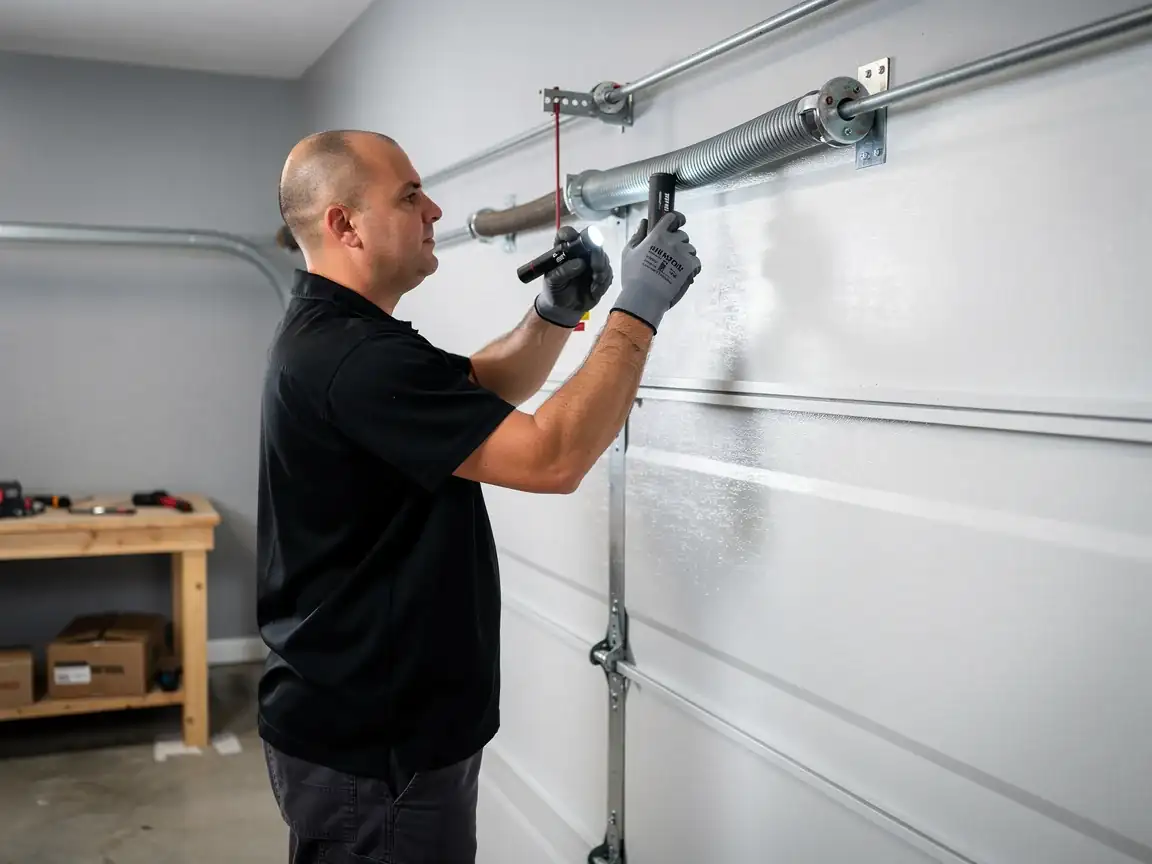
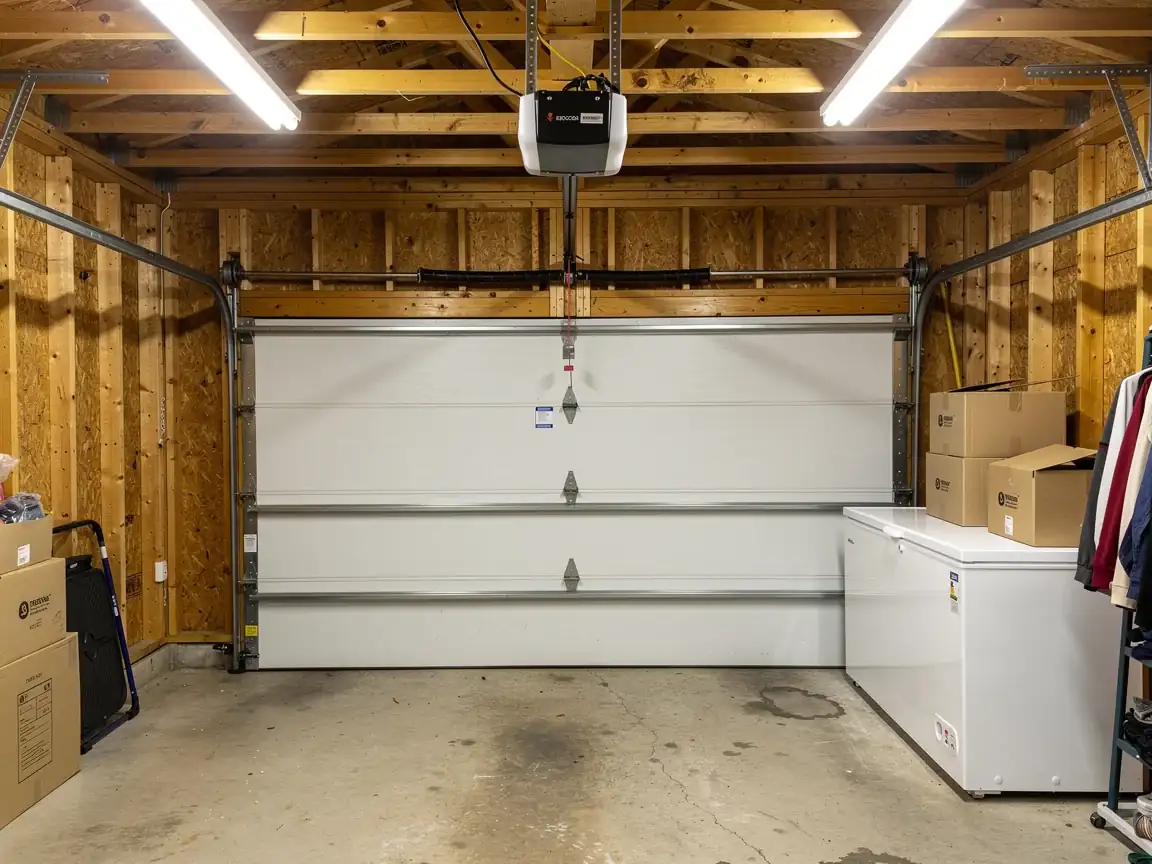
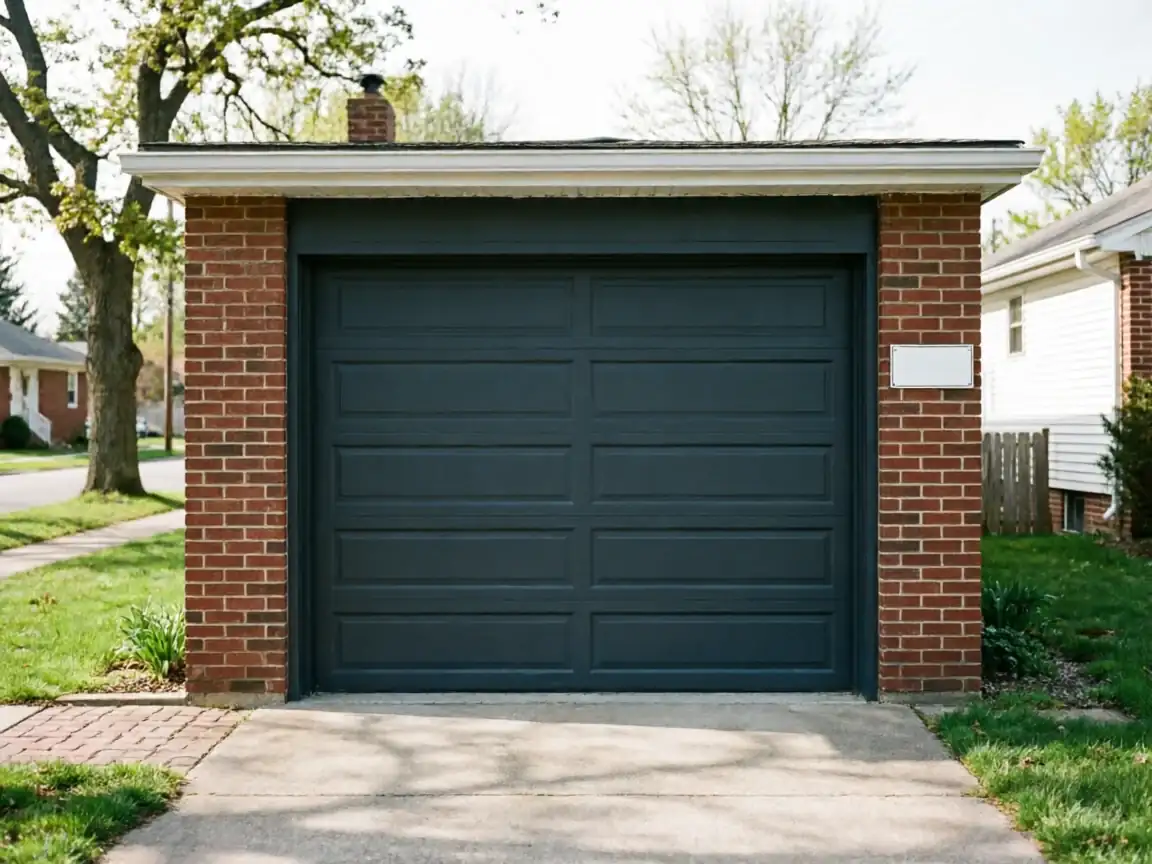
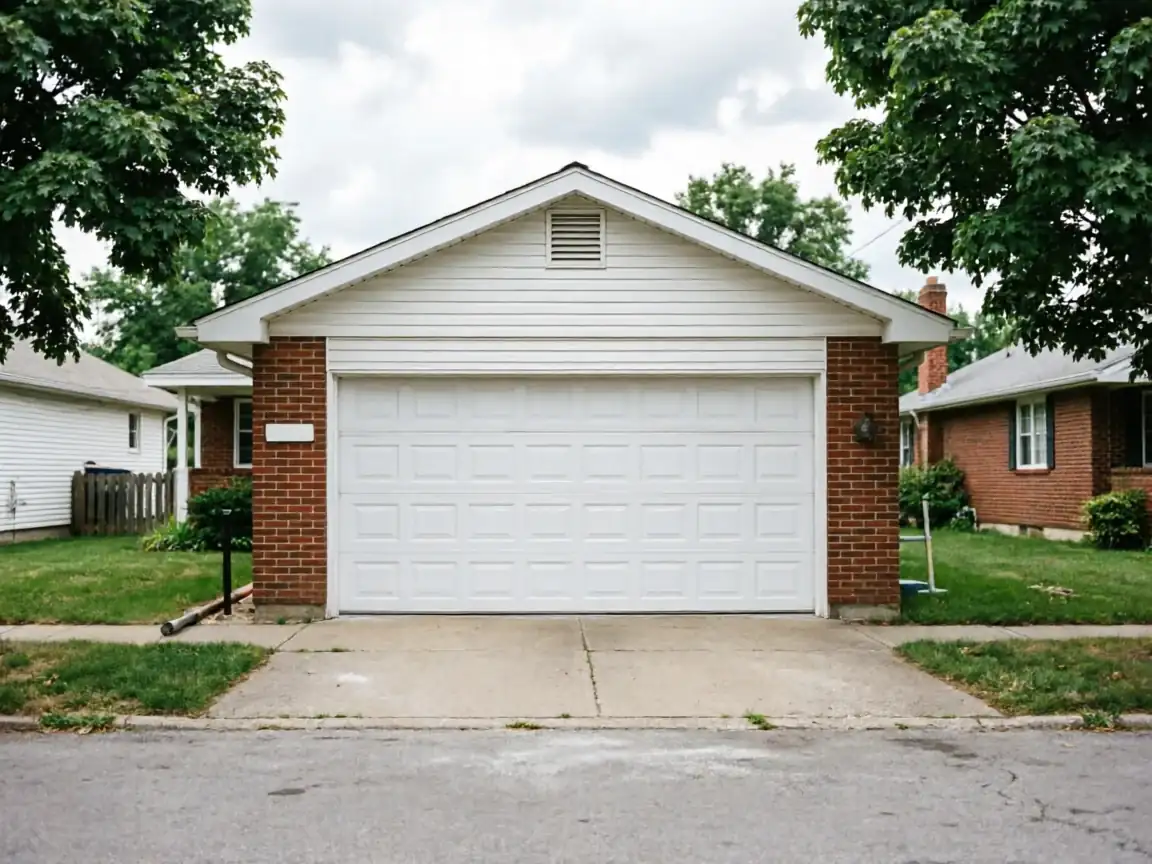
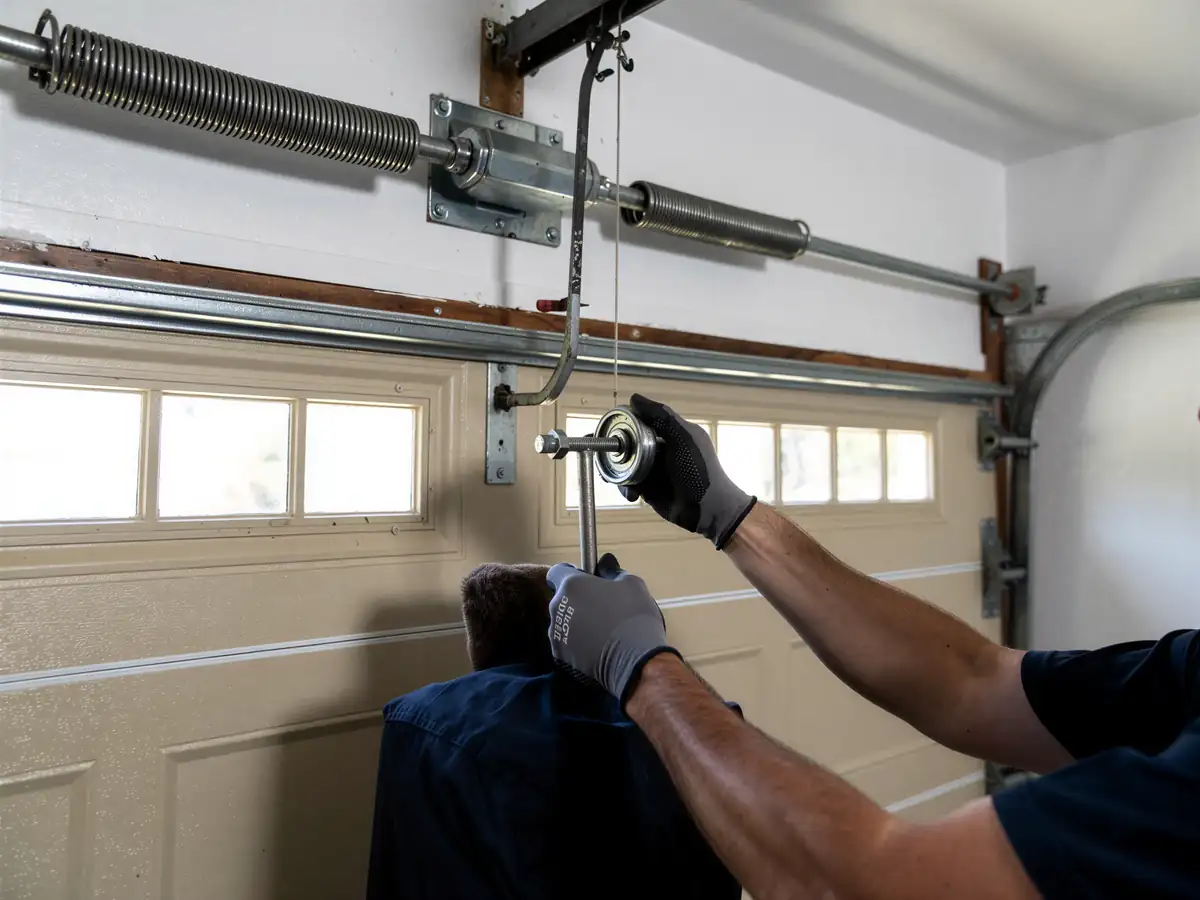
Montgomery's housing stock runs newer than a lot of what we service elsewhere in the area - the typical home here was built around 2003, compared to a median closer to 1981 across the wider territory. That matters for springs more than people expect. A torsion spring is rated by cycle count, not by calendar age, and a door installed in the early 2000s that's seen daily use for roughly twenty years is right in the window where the original spring gives out - sometimes the second one, if it was replaced once already and nobody kept track. Newer doors in this area also tend to run factory torsion setups rather than the older side-mounted extension springs you'd find on a pre-1980s door, so the failure mode is usually a clean snap at the center bracket rather than a frayed cable or stretched extension coil. Cold matters too - this area sits in a moderate-cold climate band, and a spring that's already fatigued is more likely to go in a cold snap when the metal is stiffer and the door is heavier to lift by hand. If your door suddenly feels like dead weight on a cold morning, that's usually the spring, not the opener.
Doing It Yourself
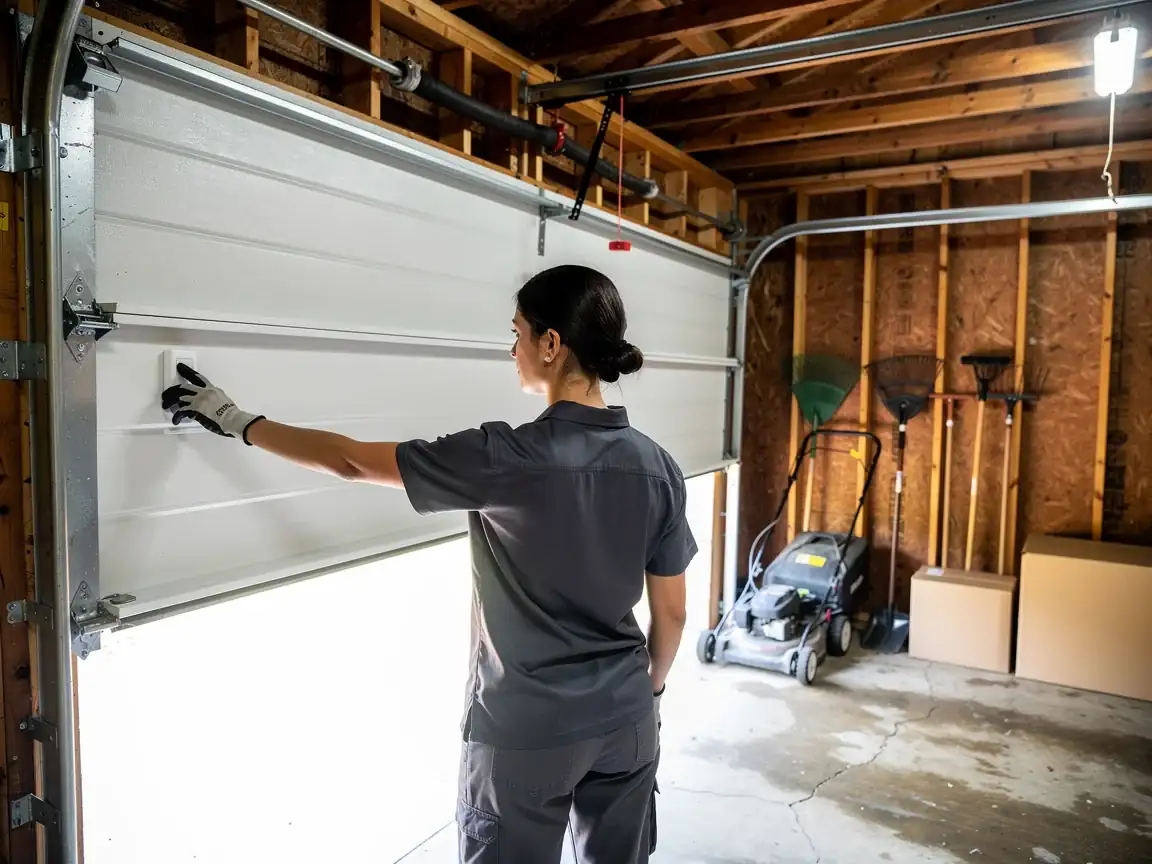
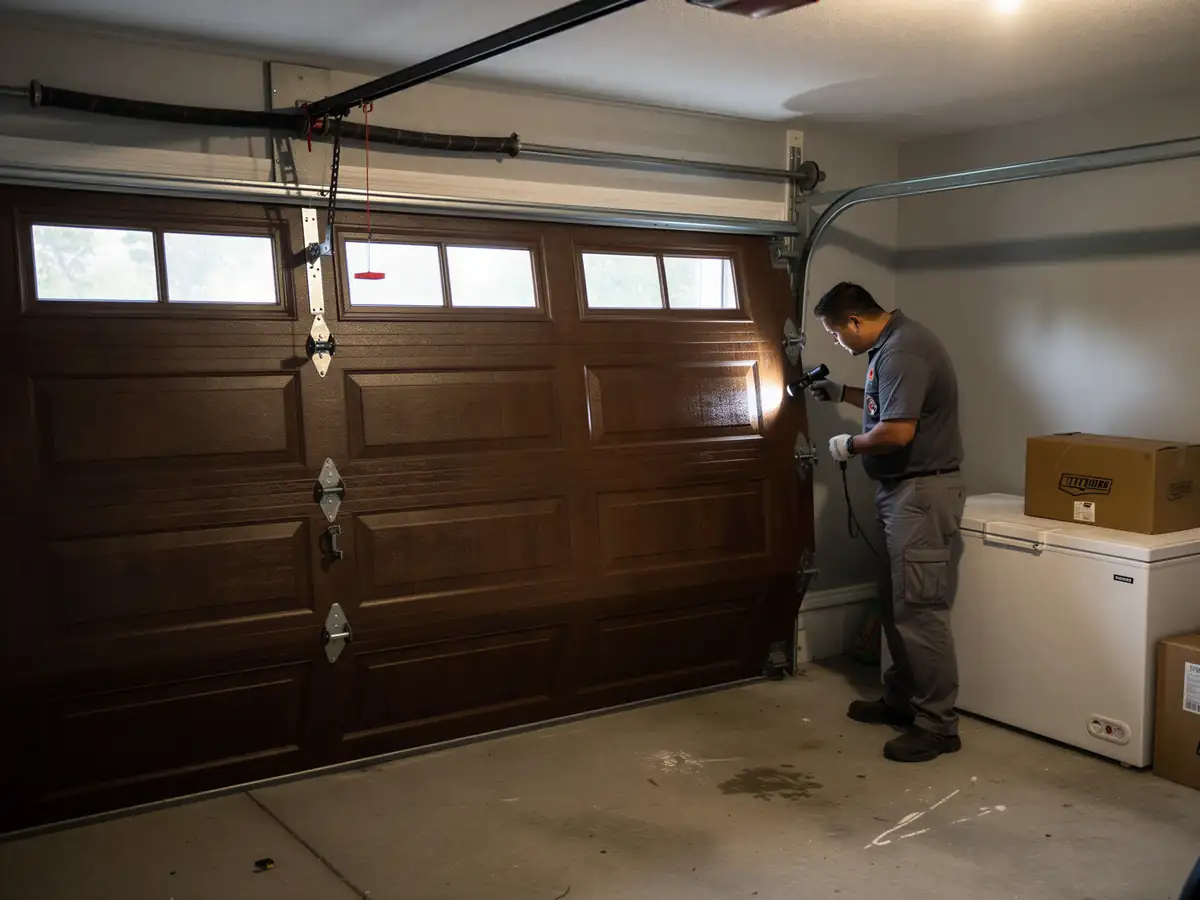
A garage door torsion spring is one of the few home repairs where we'll tell you flatly not to attempt it. The spring is wound under enough tension to break bones or worse if the winding bars slip, and that's true whether the door is five years old or twenty-five. Where homeowners can actually help themselves is in diagnosis - lifting the door by hand with the opener disconnected tells you a lot. If it's heavy and won't stay up on its own, that's a spring problem. If it moves but binds or jerks, that's more likely a track or roller issue, a different repair entirely. Montgomery's newer housing stock means fewer surprises underneath - you're less likely to find an old spring size that's been discontinued - but we still won't walk you through winding one over the phone. That part of the job is ours.
Stocked Parts
Because Montgomery's homes mostly date to the 1980s-through-2003 stretch common across this part of the territory, the torsion springs involved are standard sizes we carry on the truck - not the odd original-equipment parts you sometimes run into on much older housing stock elsewhere in the service area. That means most jobs here don't involve a special order or a second trip waiting on a part. What we don't stock are oddball or discontinued extension-spring kits from doors installed before that era, which show up more in older pockets of the territory than in Montgomery itself. If your door turns out to be one of the few older holdouts, we'll tell you straight that the part may need ordering rather than pretend we have it on the truck.