How Long You Are Without the Door
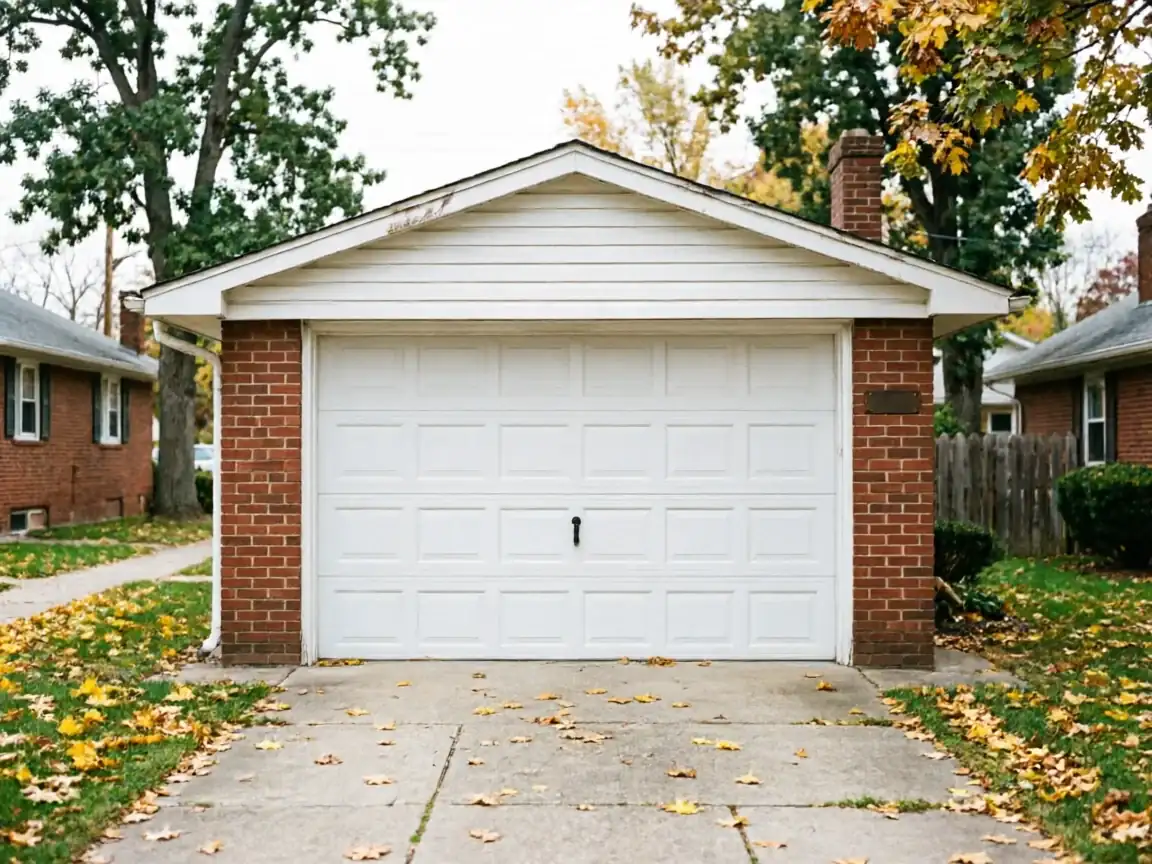
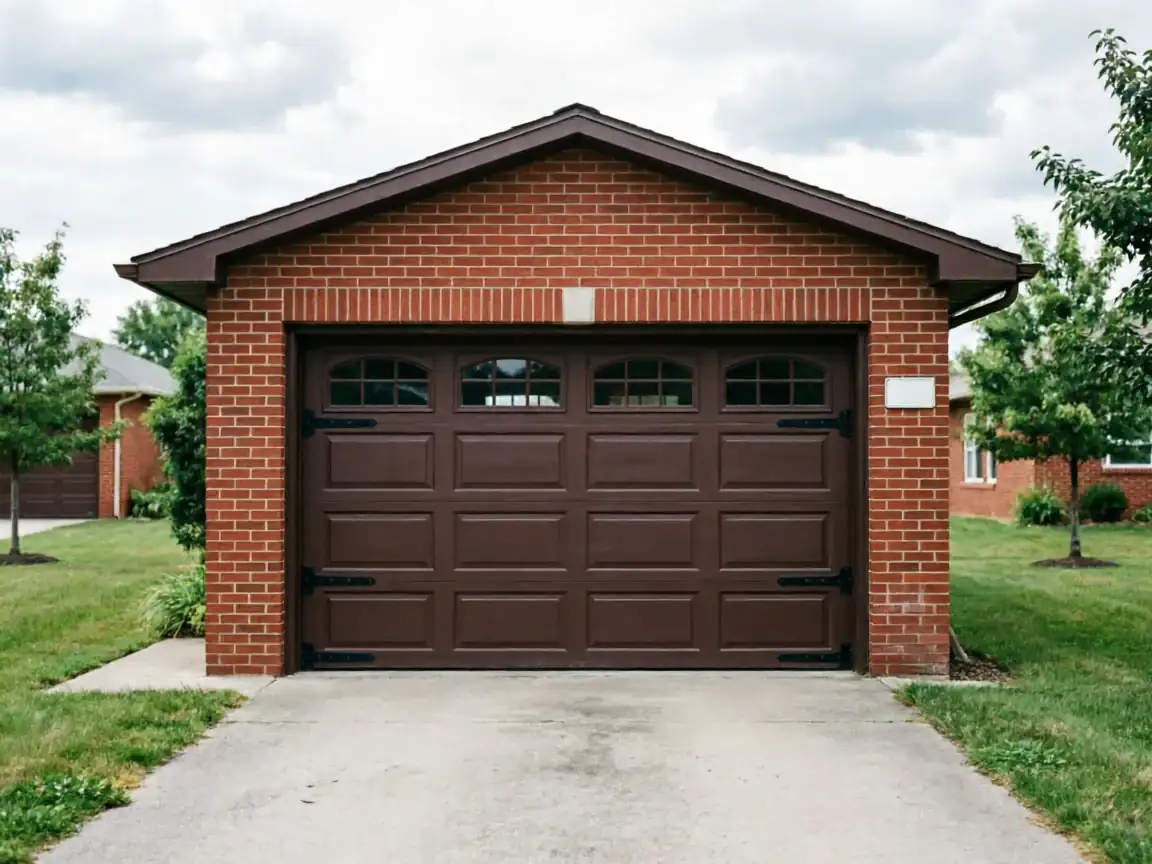
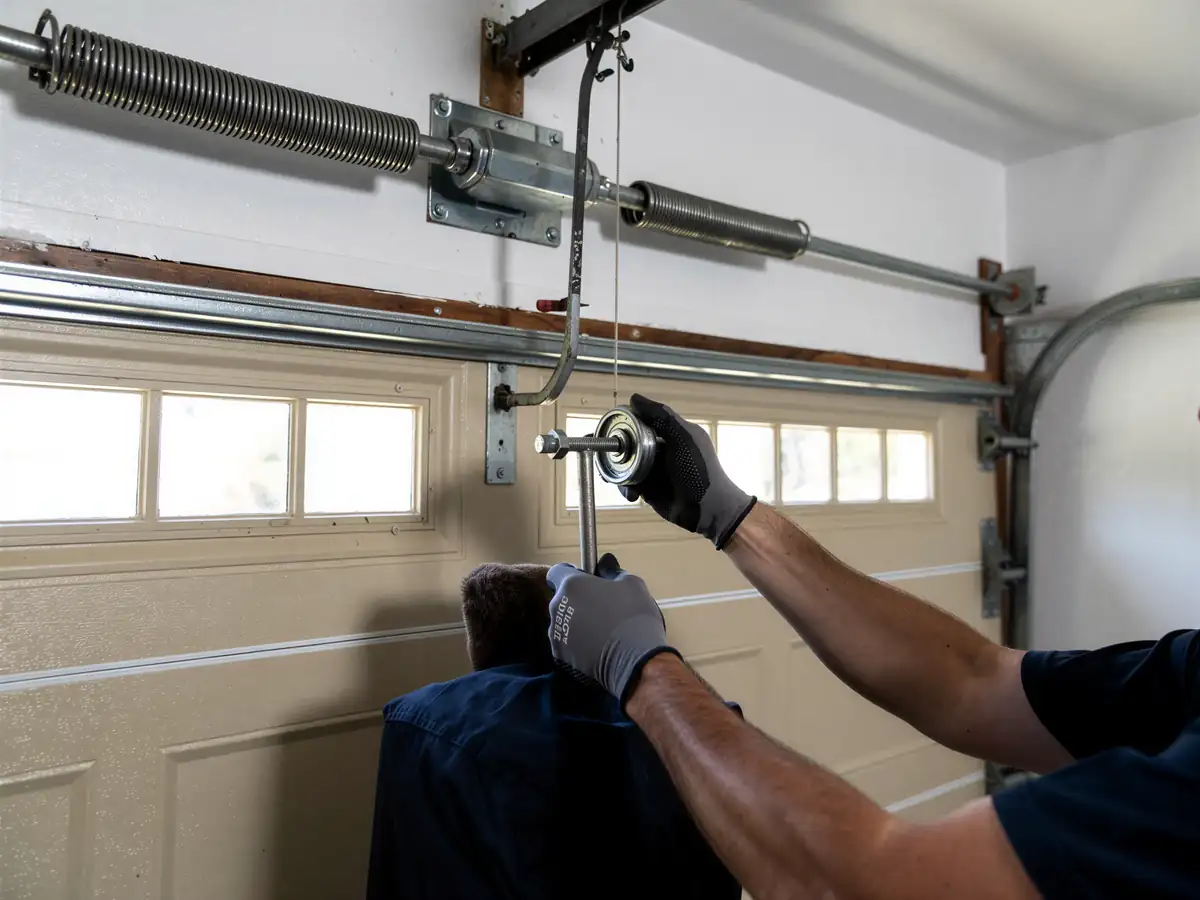
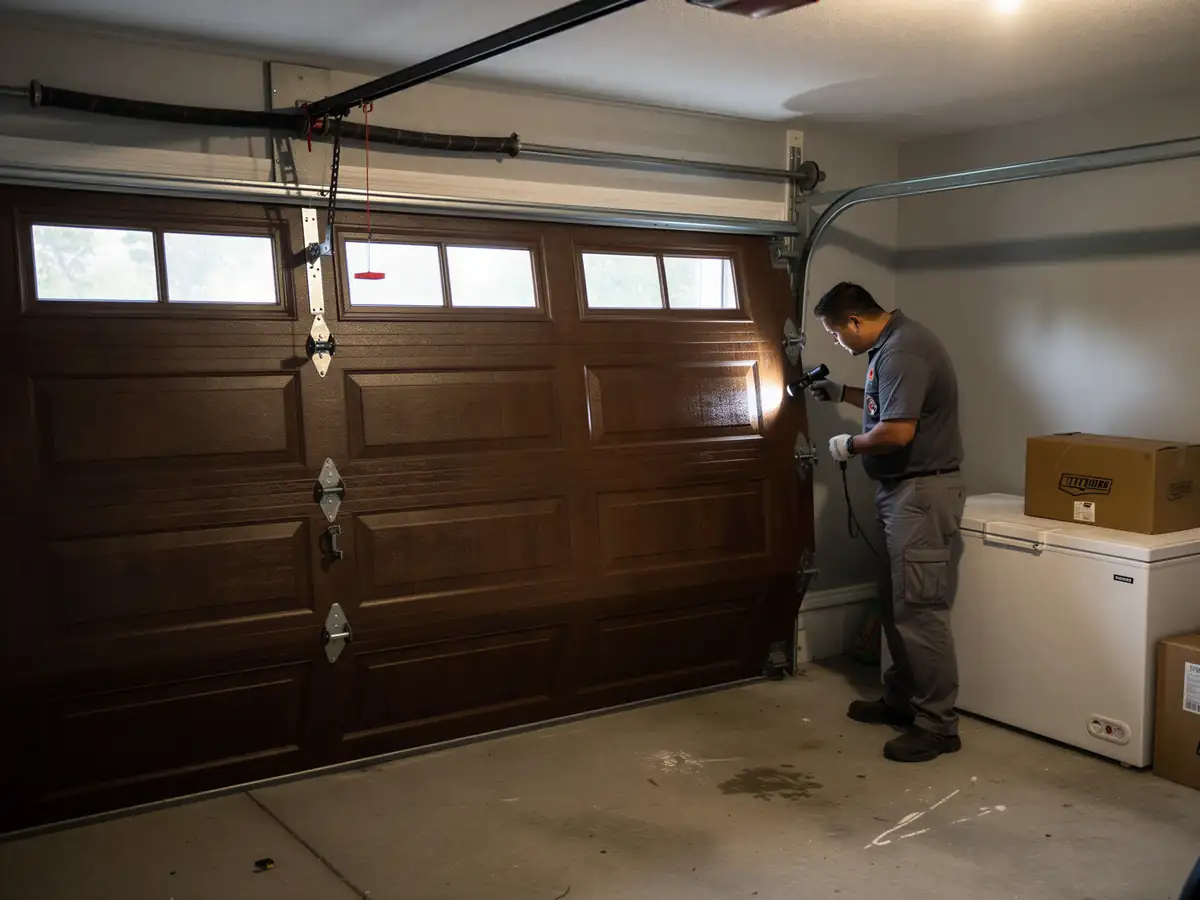
Montgomery's housing stock is younger than most of the towns we cover out of Aurora - the median build year here lands around 2003, not 1981. That matters more than it sounds like it should, because a house built in 2003 is now old enough that its original torsion spring, usually good for somewhere around 10,000 open-close cycles, is past due for failure. If your door won't open at all, it's very likely that spring, or the opener drive gear it was paired with when the house was framed.
We run out of Aurora, about 5 miles from Montgomery, so you're not waiting on a depot across the county - but you are waiting on a truck, not a storefront around the corner. We don't advertise a guaranteed arrival window on this page, because we'd rather tell you the truth: call, tell us what the door is doing (won't open, won't close, off the track, stuck halfway), and we'll give you a real estimate on timing once we know what's wrong and what's on the truck already.
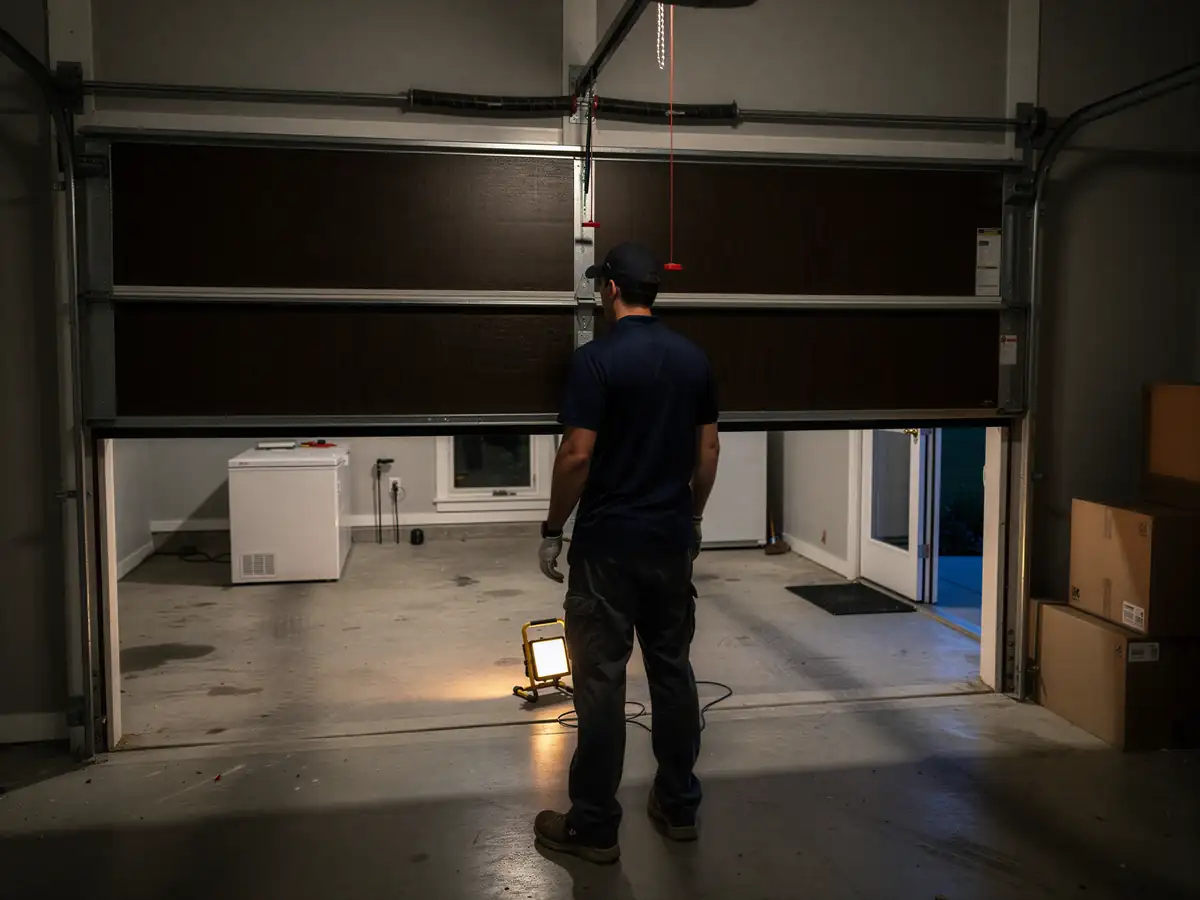
A broken spring on a double door is not a job to force open by hand. If the door is stuck down and the car's inside, that's inconvenient but safe to leave for a scheduled call rather than treating it as a true emergency.
What Can Go Wrong
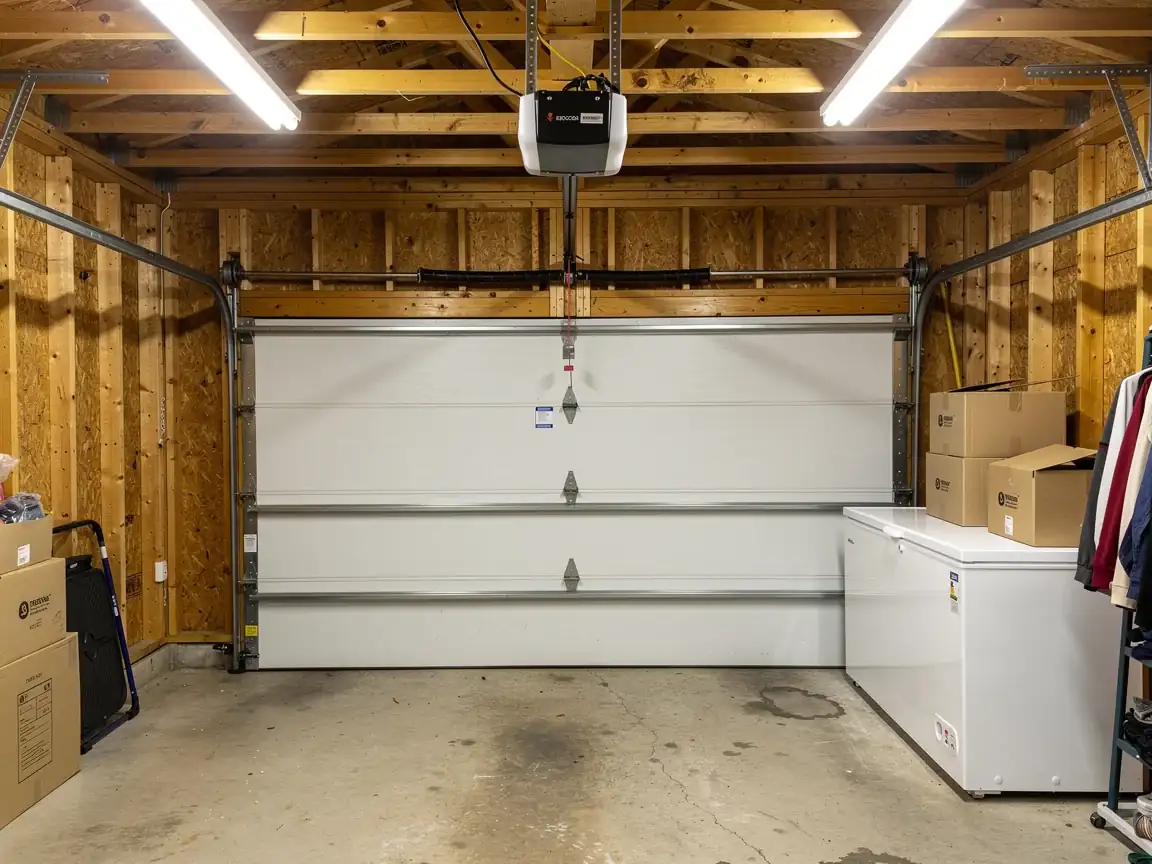
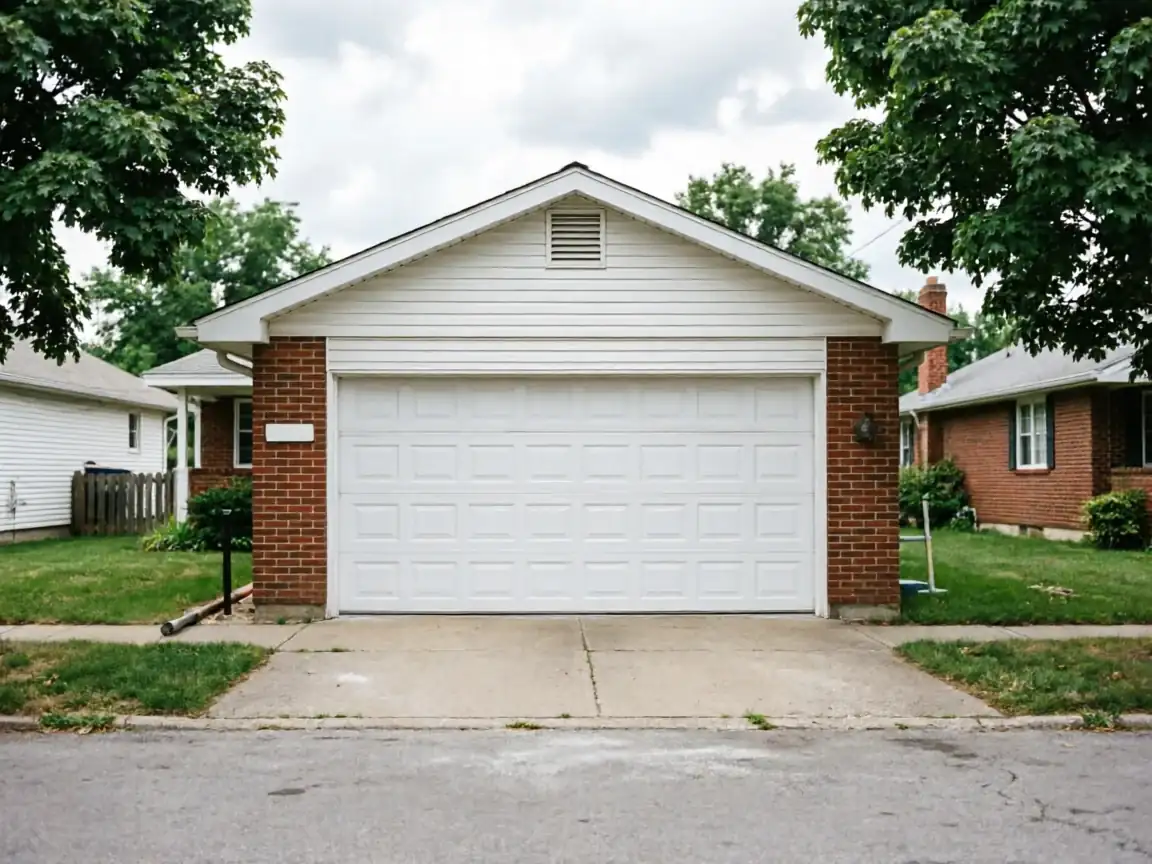
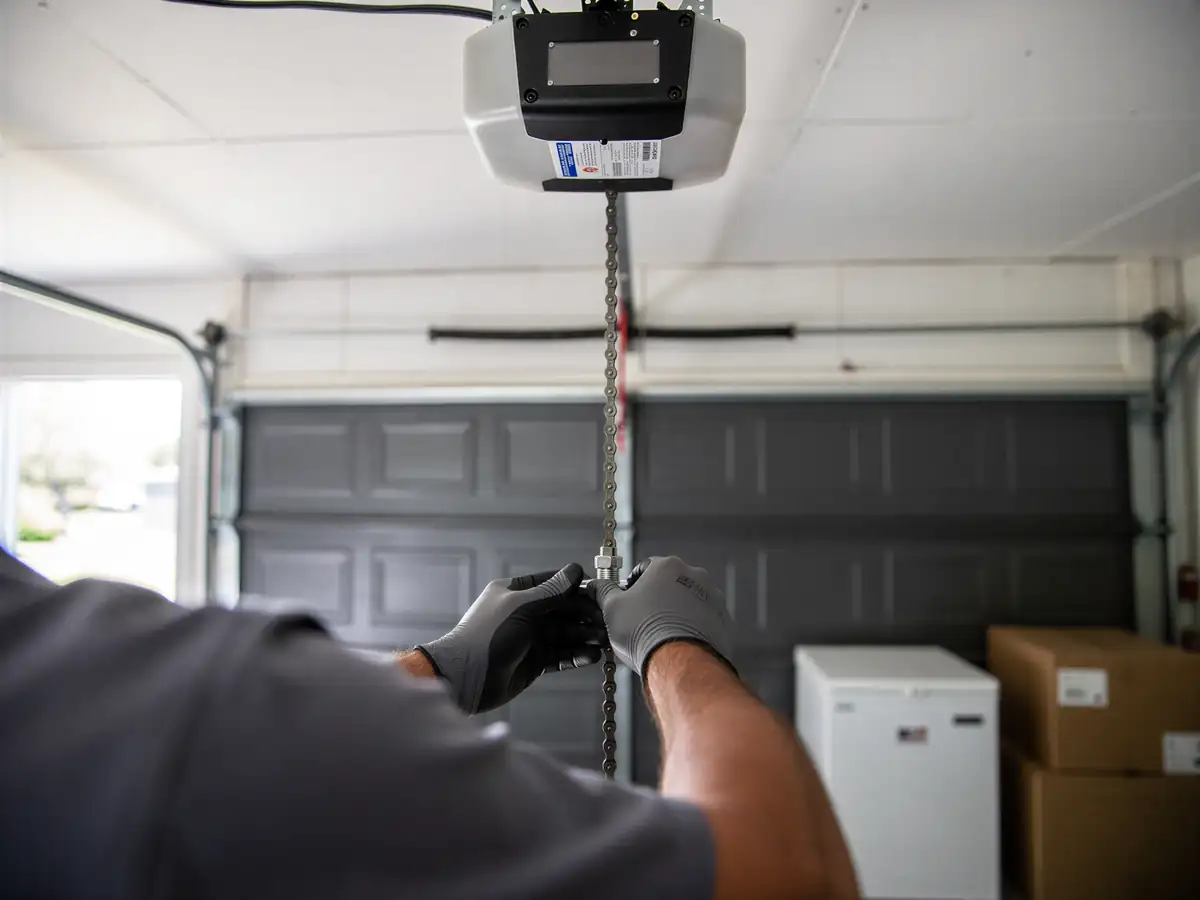
Because so much of Montgomery went up in the same narrow window - early 2000s builder tract construction - a lot of these garages share the same weak points. The original spring is the most common failure: it's cycled thousands of times over two decades and nobody thinks about it until it snaps. Next most common is the opener itself. Builder-grade openers from that era are chain-drive units with circuit boards that weren't built for 20-plus years of Illinois winters, and once the board goes, the door won't respond to the wall switch or the remote at all.
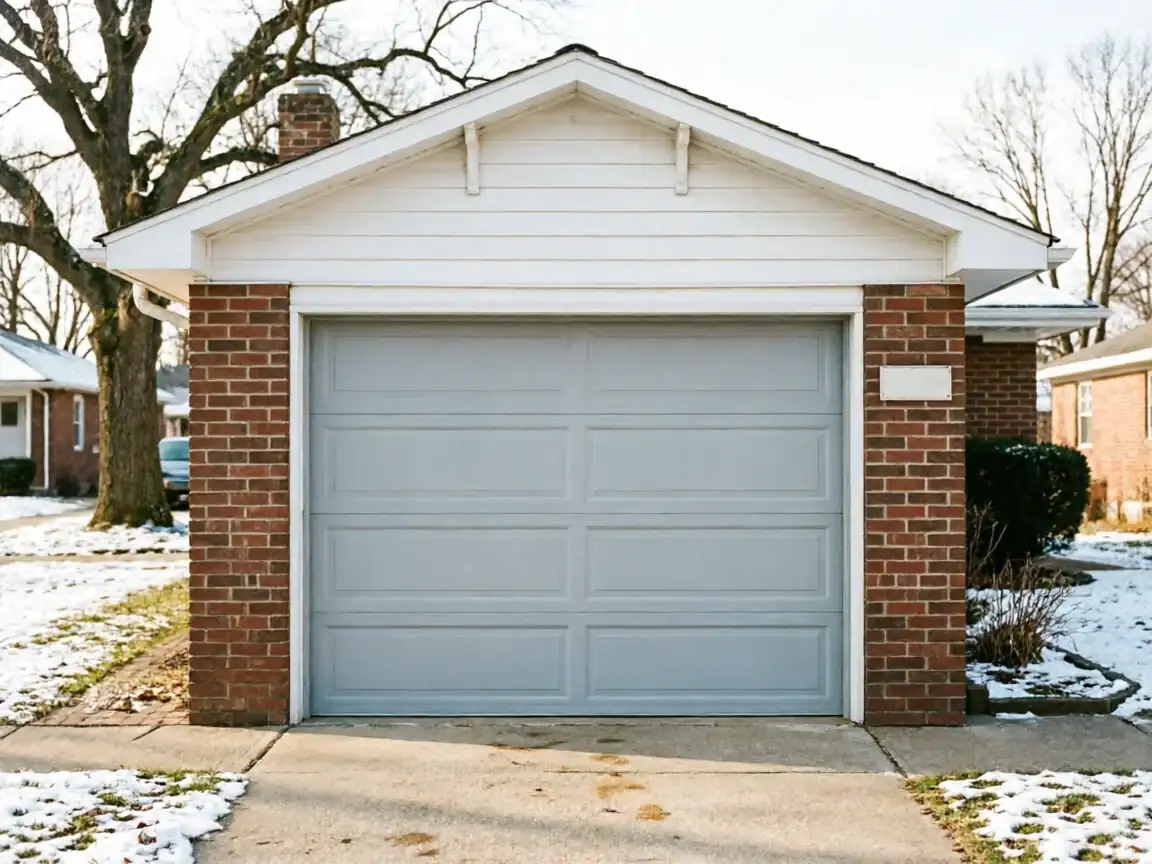
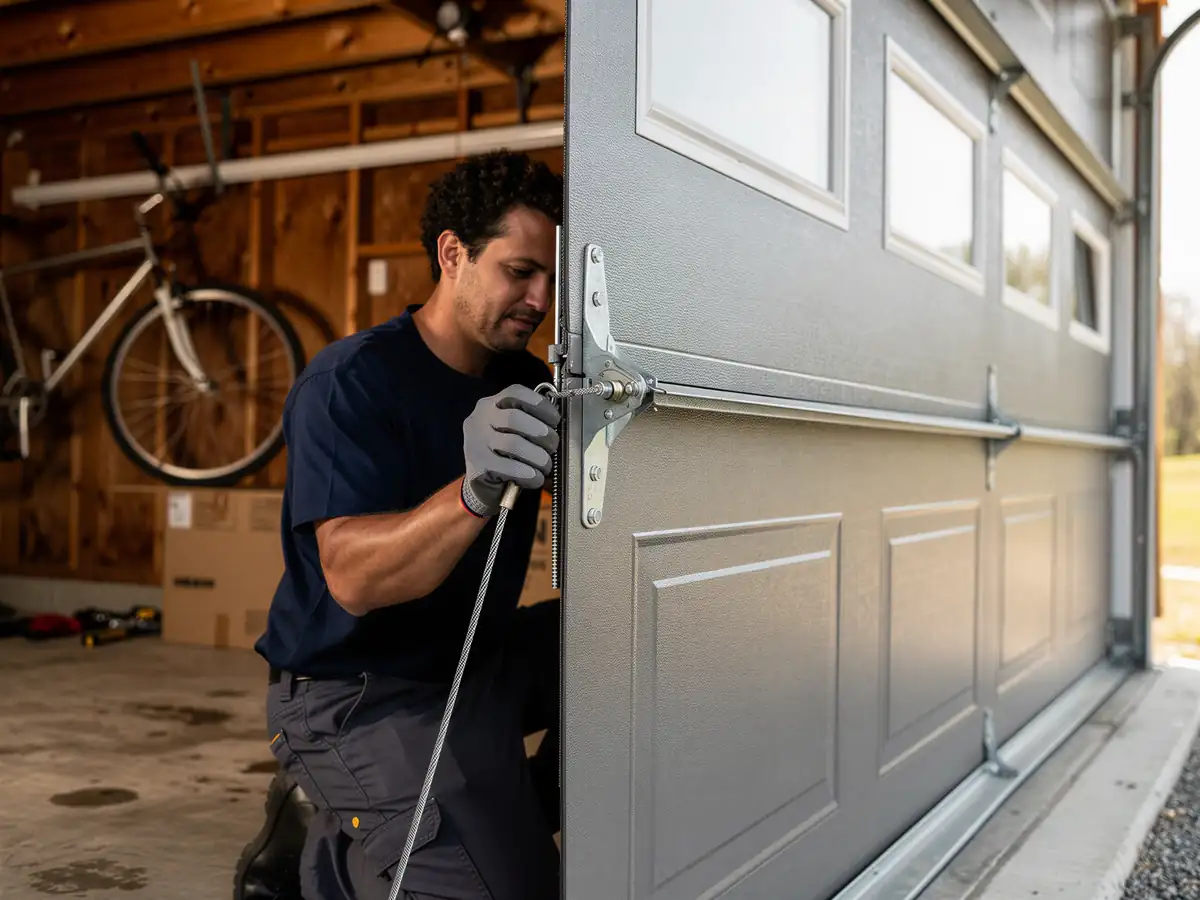
The cold-moderate climate this area sits in does real damage over a winter. Steel tracks contract, grease inside the opener and on the rollers stiffens, and a spring already near the end of its rated cycle count is more likely to give out on a cold January morning than a mild October afternoon. Cables fraying at the drum, rollers cracking in their brackets, and bottom brackets rusting through are the next tier down - all things that show up more on original hardware than on anything replaced in the last ten years.
If your door is slamming down fast instead of lowering evenly, stop using it. That's usually a spring that's already partly gone.
How to Book
Call and describe what the door is actually doing
Stuck open, stuck shut, moving unevenly, making a bang and stopping. That tells us which parts to load before the truck leaves Aurora, which is the real time-saver here, not a promise about minutes.
We'll ask the age of the house if you know it
Since Montgomery's stock runs newer than the rest of the territory and that changes what's likely to have failed. We'll also ask whether it's a single door or a double - doubles carry more spring tension and a snapped spring on a double is more dangerous to be near than on a single.
If it's safe to leave the car in the garage and the door closed, do that until we arrive
If the door is stuck open and the garage isn't secure, let us know - that changes how we prioritize the call, within what the schedule for that day allows.
You can see the general page for Montgomery garage door work
Or the broader emergency repair page we run out of Aurora, if you want the fuller picture before you call: Montgomery garage door services and Aurora emergency garage door repair.
Doing It Yourself
There's a short list of things worth checking before you call, and a longer list of things not to touch.
Check the obvious first: is the opener plugged in, has a breaker tripped, is the wall switch getting power. Check the photo-eye sensors near the bottom of the tracks - a knocked-out-of-alignment sensor is the single most common reason a door won't close, and it's a five-minute fix with no tools. If the remote works but the wall button doesn't, or vice versa, that's useful information to give us on the phone.
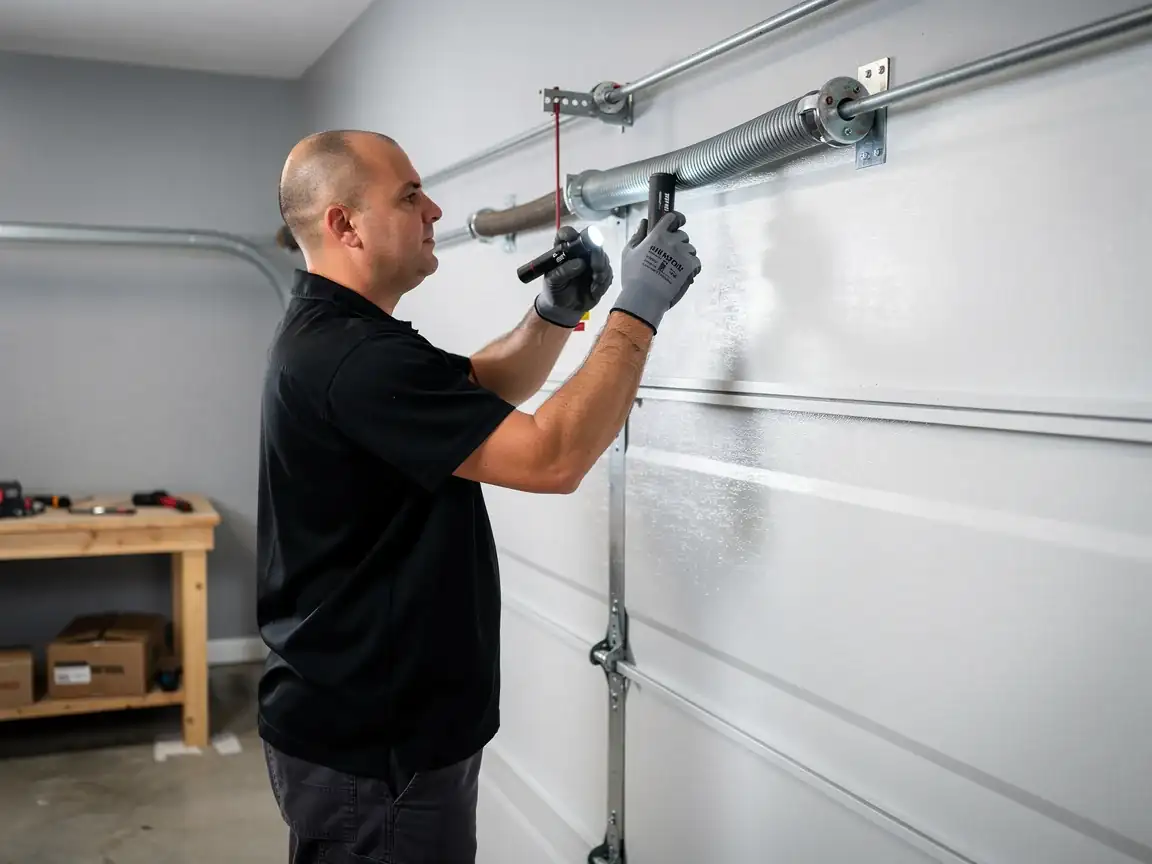
Do not touch the torsion spring. It's under enough tension to break a bone or worse, and on a house this age, it hasn't been serviced since it was installed. Do not try to force a door that's stuck on a bent track - you'll bend it further. And if the cable has visibly frayed strands, leave the door down and call; a cable under load that snaps while someone's under the door is a real injury, not a theoretical one.
Honestly, on hardware this old, a lot of what looks like a quick fix turns into a full spring and cable replacement once we're on site. We'd rather tell you that up front than have you spend an hour on something we're going to redo anyway.
Stocked Parts
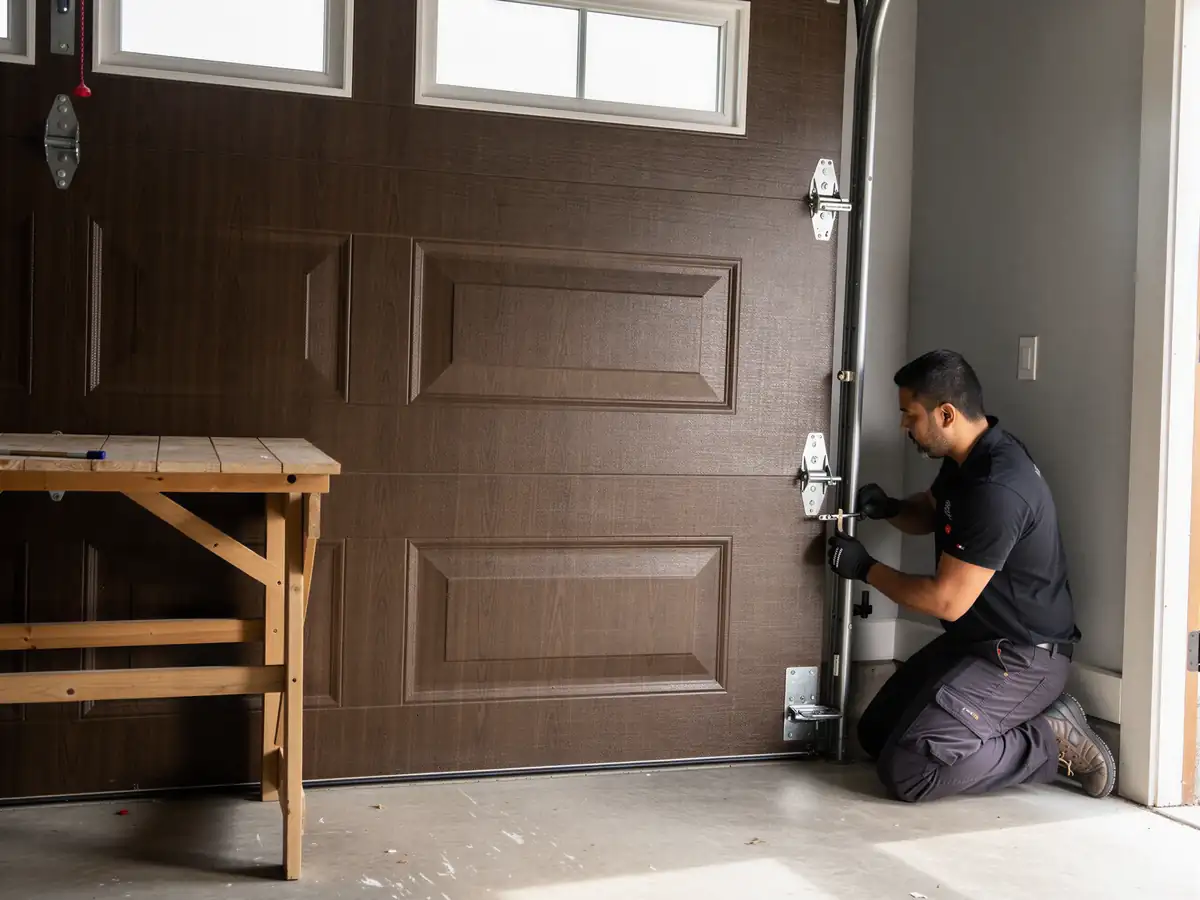
Because Montgomery's garages mostly date to the same narrow build window, we carry the parts that era actually needs, not a generic assortment. That means standard torsion springs sized for the door weights common in early-2000s tract construction, steel rollers and cable to match the drum sizes from that period, and chain-drive opener logic boards and gear-and-sprocket kits that fit the builder-grade units still running in a lot of these garages.
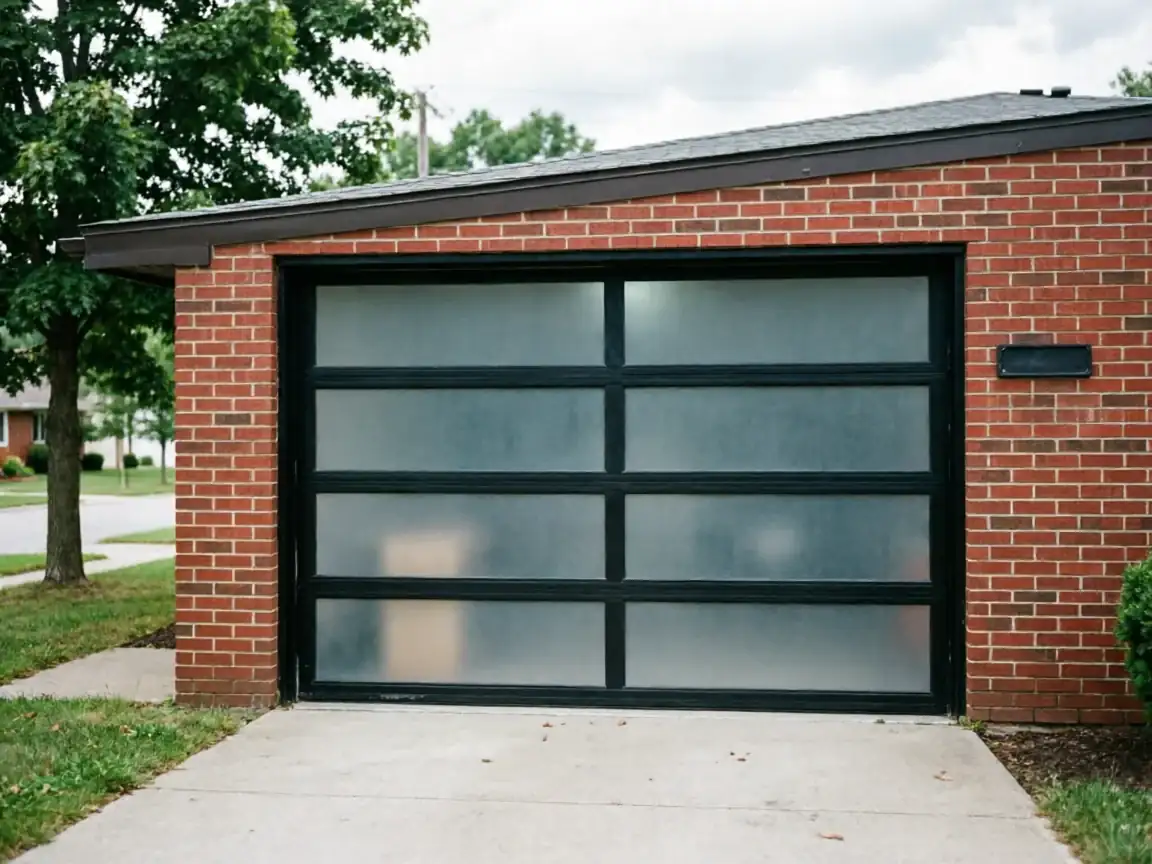
What we don't carry on the truck is anything specialty - a custom wood door, an odd imported opener brand, or discontinued parts for a door that's been modified from its original setup. Those jobs usually mean a return trip once the part's ordered, and we'll tell you that on the first visit rather than let you assume it's same-day.
With 7,088 households in Montgomery and a housing stock that's genuinely more uniform than most of the towns we cover, stocking for the common failure - original spring, original opener board, original rollers - covers the large majority of calls we actually get from this side of the territory. It's a narrower bet than we'd make in an older, more mixed neighborhood, and it pays off because the houses really are that similar.