Serving Aurora, IL & nearby
(630) 415-1529
Aurora, IL

Garage Door Repair for Bartlett Homes, Serviced from Aurora

Garage door repair for Bartlett's roughly 14,332 households, built mostly around 1992, serviced from Aurora with parts stocked for 1980s-2000s hardware.

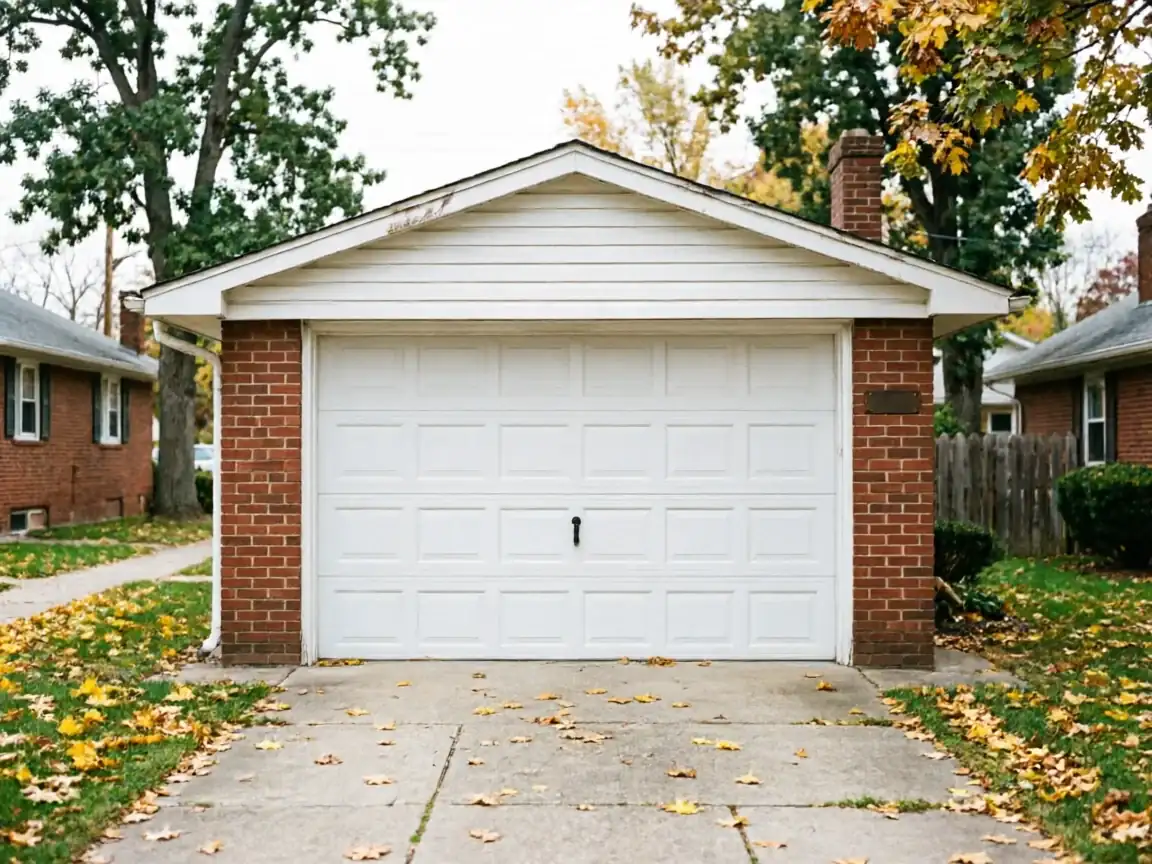
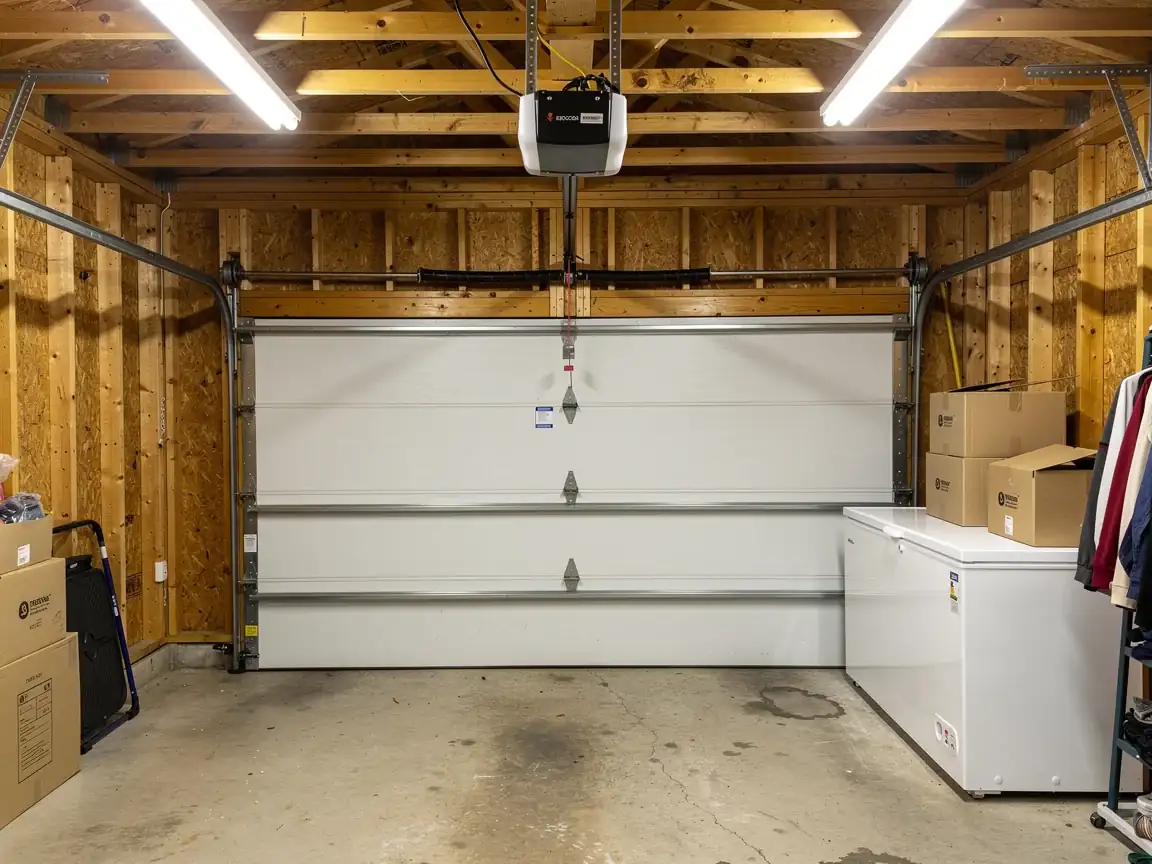
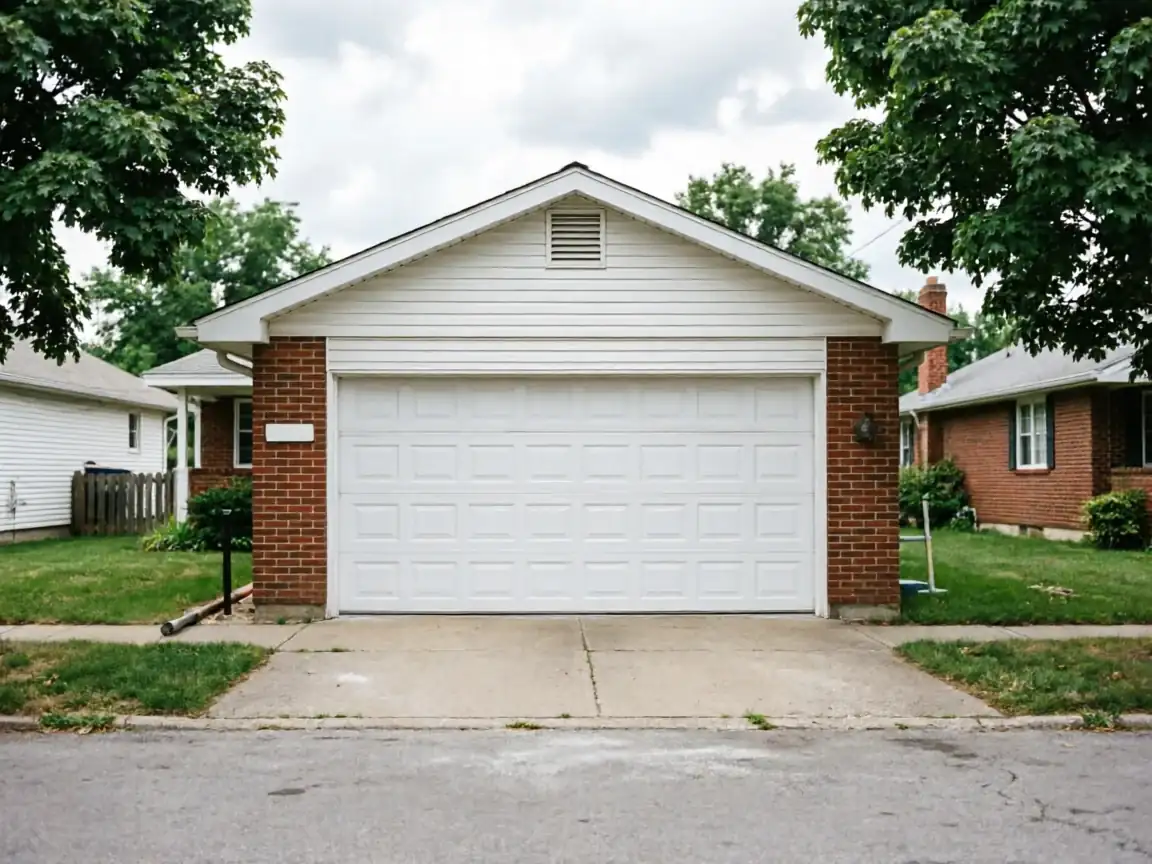
A white garage door on a brick house with white siding and a driveway.
Aurora, IL
8 services
6 service areas
Diagnosis first, then the fix

What Causes It Around Here

Bartlett has around 14,332 households, which is a small slice of the 311,217 across the wider service area, but it's enough that a handful of calls come out of this town every month, not a one-off. The housing here centers on a median build year of 1992, newer than the service area's overall 1958-2003 spread with its 1981 median. That later build date matters: Bartlett leans toward steel sectional doors on extension or torsion springs rated for a heavier insulated panel, not the older one-piece slab doors you'd find in a town built mostly before 1970. The failure we see most from this stock is spring fatigue - a 1990s torsion spring sized for the original door, now carrying 25-plus years of cold-weather cycling. Openers from that era are also aging out: chain-drive units with worn gears or dying circuit boards that can't be reflashed, only swapped. The climate band here runs cold-moderate, so winter is when steel contracts, grease stiffens, and a spring already near the end of its cycle count finally lets go. None of this is dramatic. It's just what happens to doors installed in the early '90s once they hit their third decade of Illinois winters.

Stocked Parts

Because so much of the housing in this part of the service area dates to the 1980s and 90s, the truck carries torsion and extension springs sized for that generation of door, plus rollers, cables, and hinges that fit the standard 7-foot sectional openings common to builds from that period. Openers get the same treatment - chain-drive replacements and circuit boards for the units that were common installs in the early '90s, when a lot of this housing went up. What we don't carry is anything for a door older than that stock typically runs, or a specialty panel size ordered custom from a builder; those get special-ordered, and that's the one real limitation worth saying plainly - a nonstandard part can mean a few extra days' wait rather than a same-visit fix. For the springs, rollers, and openers that actually fail most often in a town built out mostly in the 1990s, the parts are already on the truck before the call comes in.

How to Book

Service to Bartlett runs out of Aurora, about 15 miles away, so a call here gets scheduled as a routine stop on the route rather than treated as a special trip. You can request service through the Bartlett page or the general Aurora service page - both route to the same booking process. Tell us the door's approximate age if you know it (most in this area are 1990s installs) and whether it's the spring, the opener, or the track giving trouble; that lets us load the right parts before the truck leaves.

The Symptom

The door that won't budge, or opens six inches and stops, is almost always a broken torsion spring - common enough on 1990s double-car doors that it's the first thing we check. A door that reverses halfway down, or that the opener strains against, points to spring tension loss rather than the opener itself, even though the opener looks like the culprit. Grinding or popping from a roller track usually means a bent track rail or a roller that's worn through its bearing, both of which show up more in doors that have logged three decades of daily cycles. If the opener runs but the door doesn't move at all, check the trolley connection before assuming motor failure - on older chain-drive units that connection point wears loose over time. None of these are mysteries once you know the housing stock behind them; a door from 1992 fails in fairly predictable ways, and that predictability is what lets us carry the right spring weight and opener board on the truck instead of guessing.

Doing It Yourself

A loose track bracket, a dirty photo-eye sensor, or a roller that needs lubricant are reasonable DIY fixes on a door from this era - nothing about a 1990s build makes those harder than any other door. Where we'd tell you to stop is the spring. A torsion spring under tension on a standard double door holds enough stored force to break a wrist or worse, and the winding bars and cone sizes used on 1990s hardware aren't universal - using the wrong one can snap a shaft. If the door is heavy, insulated steel (typical for this build era) and the spring has let go, that's a call-in job, not a Saturday project. Lubricating hinges and rollers twice a year, keeping the track clear of debris, and testing the auto-reverse function are the maintenance tasks that actually extend the life of hardware built back in the early '90s - cheap insurance against the spring and roller failures that otherwise show up right on schedule.
How Long You Are Without the Door

Most jobs on a standard double door - spring replacement, roller swap, opener board - are a single visit once the part's confirmed on the truck, which is the normal case for the hardware common to Bartlett's 1992-median housing stock. What stretches it out is a nonstandard panel or an opener model old enough that the board isn't something we stock; that's the special-order case mentioned earlier, and it can add a few days. We don't sugarcoat that wait - if your door needs an odd part, you'll know it at the first visit, not after a second trip out from Aurora.

How it works

From “it’s stuck” to “it’s fixed”

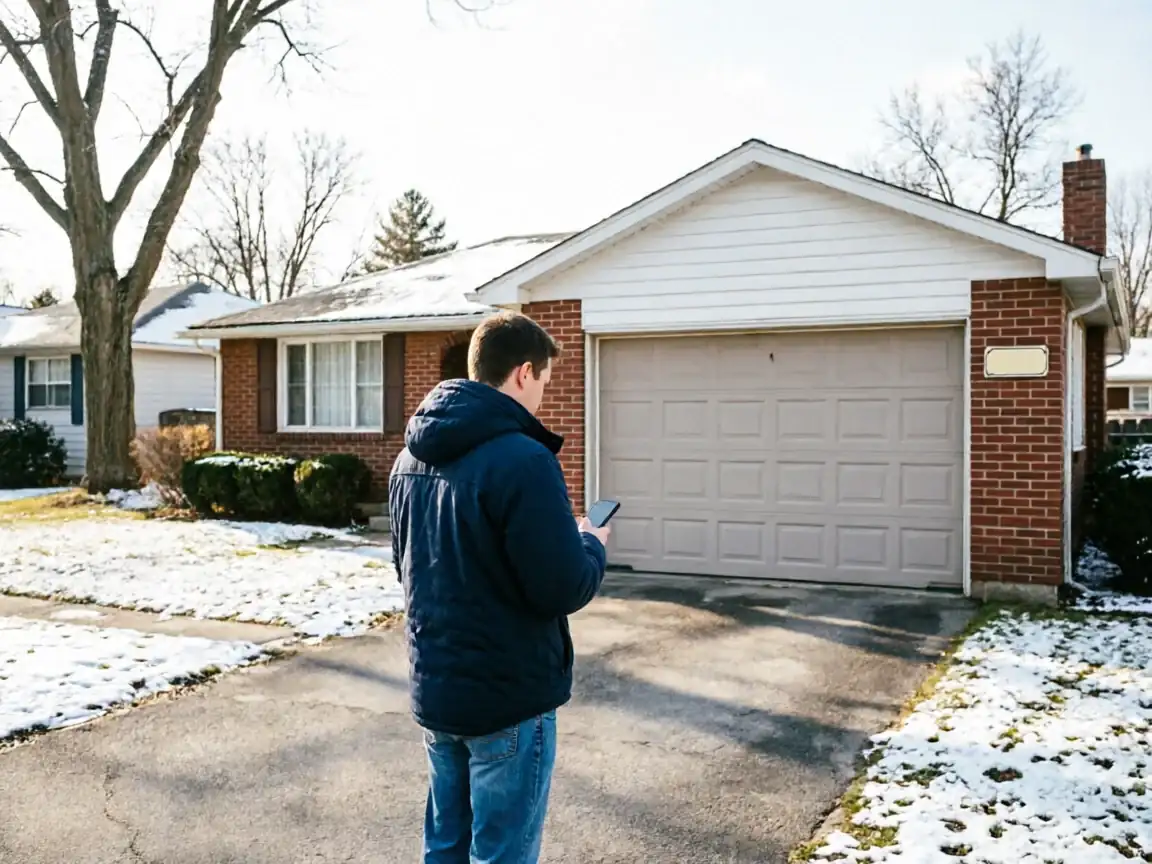
A man stands in a snowy driveway looking at his phone, facing a closed garage door.

Tell us what’s wrong

Describe the symptom - won’t open, loud bang, opener runs but the door won’t move.

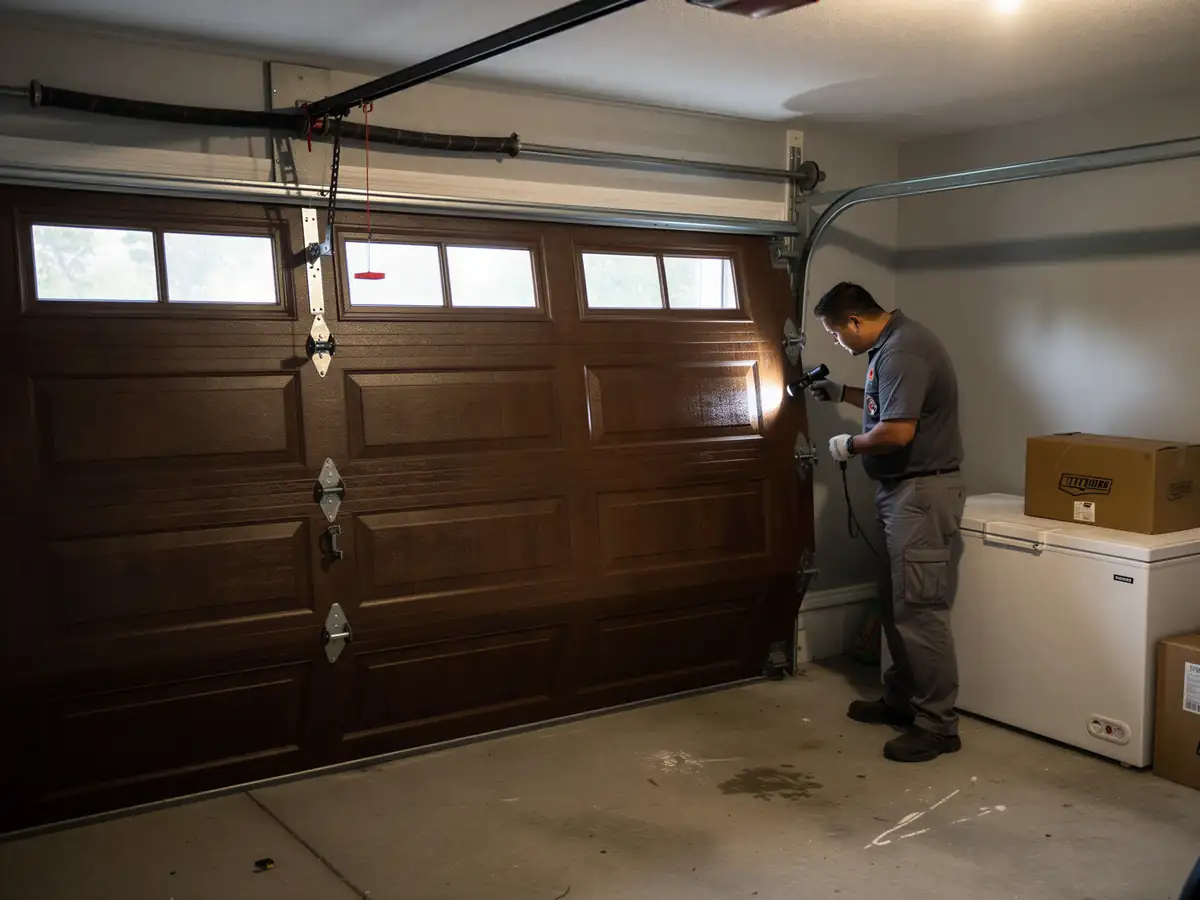
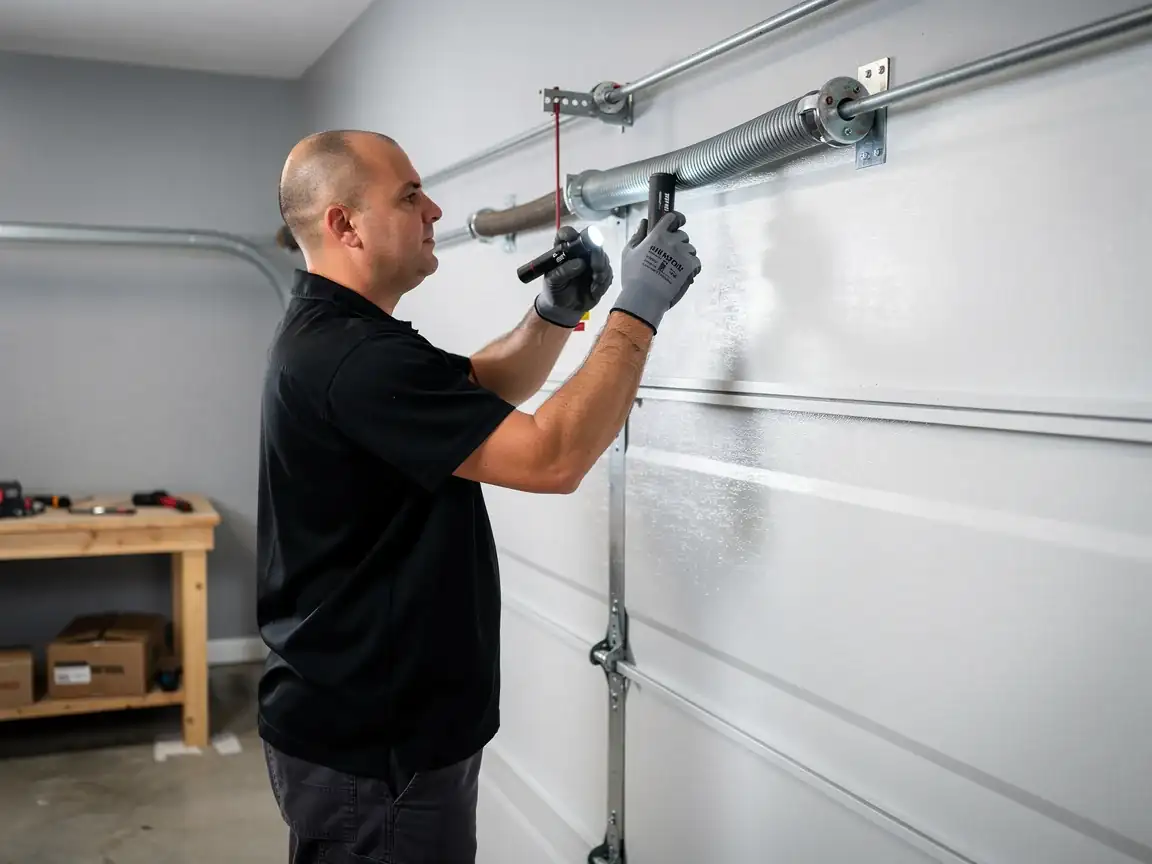
A technician inspects a garage door torsion spring with a flashlight.

On-site diagnosis

A technician tests the door under power and by hand and finds what actually failed.

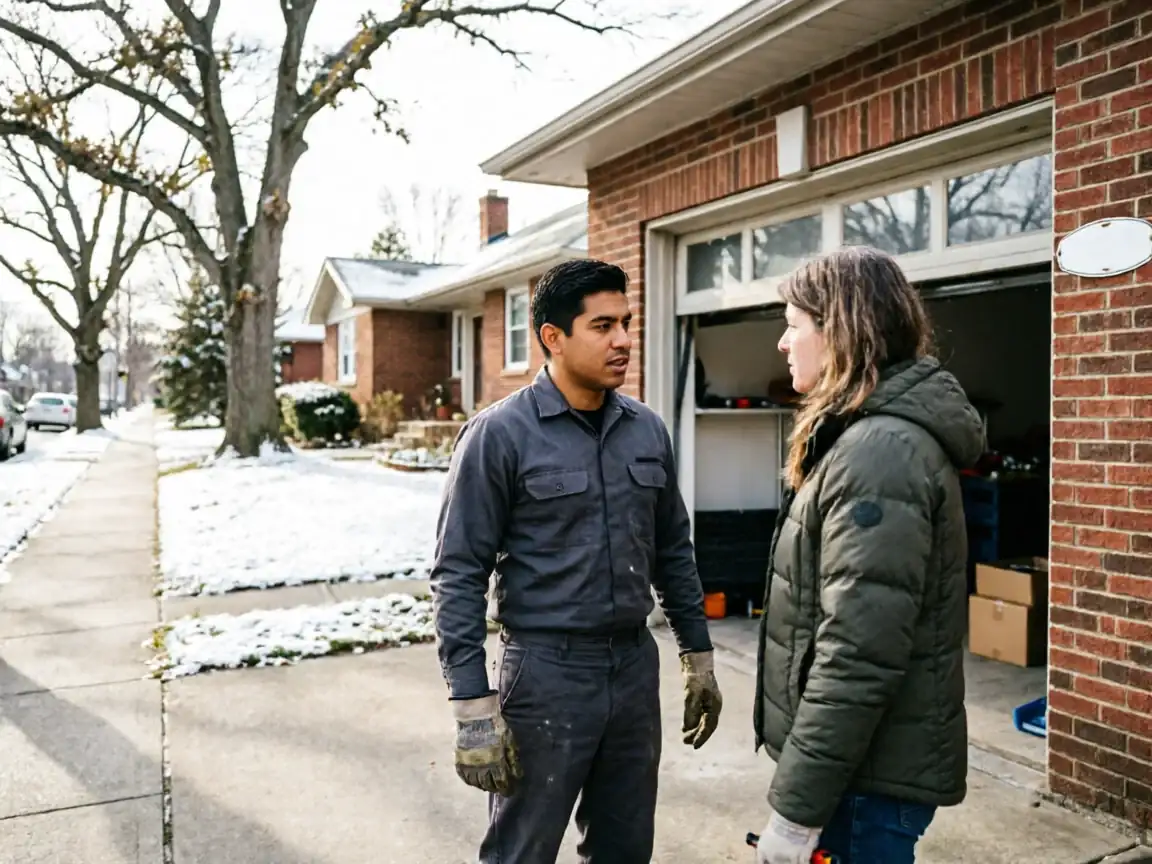
A technician talks to a woman in front of a house with an open garage door.

Clear, up-front plan

You get the fix that’s needed and what drives the cost - before any work starts.

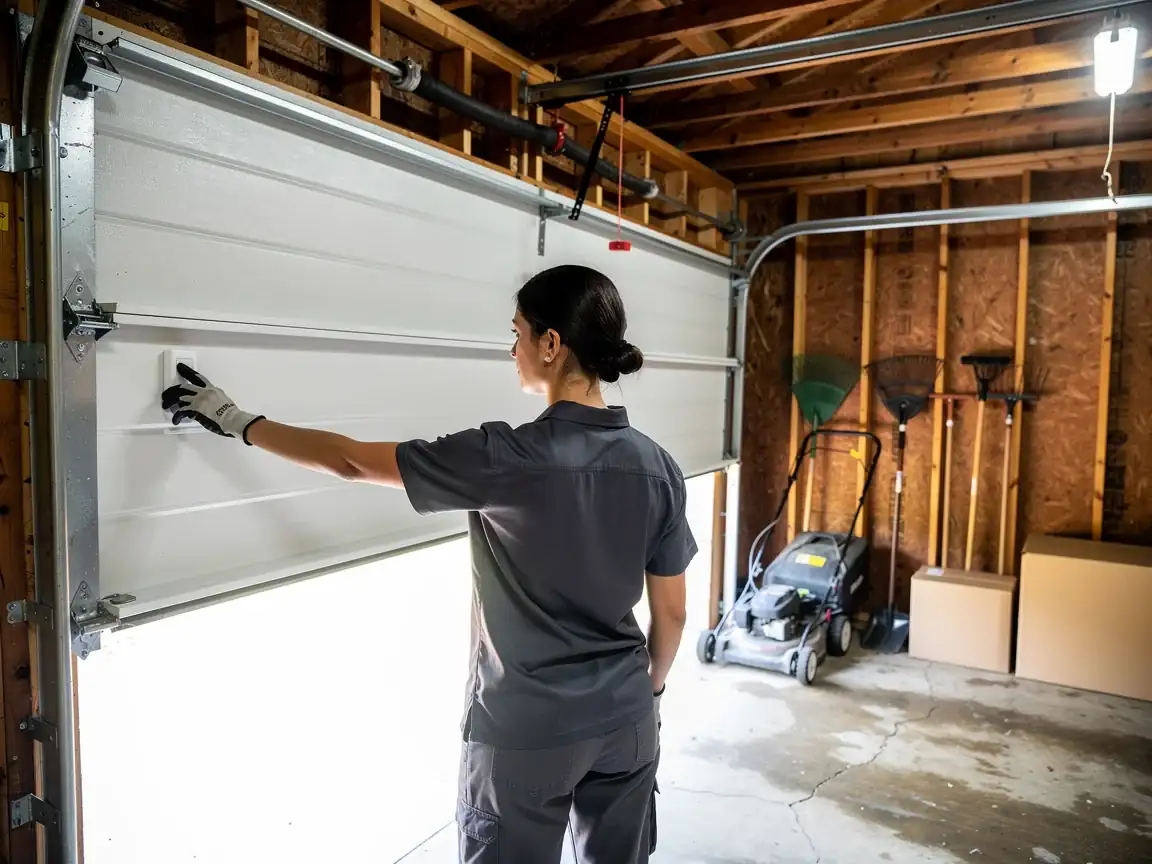
A technician in a gray uniform presses a button on a white garage door.

Repaired & tested

The repair is done, the door is set true and tested, and the work area left clean.

Not sure which repair your door needs in Aurora, IL? Describe what it’s doing - every job starts with a diagnosis.

How we work

What to expect

Diagnosis firstEvery visit starts by finding what actually failed - not a pre-written parts list.
The right part for the doorSprings and openers matched to the door’s weight and age, so the fix holds up.
Straight answersWhen a repair makes more sense than a replacement - or the reverse - you hear it plainly.
Clean, careful workTension released safely, hardware set true, the door tested under power before we leave.
200,661
Residents in Aurora
8
Garage door services
6
Neighborhoods & suburbs
IL
Serving Aurora, IL
Questions

Frequently asked

Straight answers about garage door repair in Aurora. Still unsure? Ask us directly.

Why does my 1990s garage door keep breaking the same spring?

A torsion spring is rated for a set number of open-close cycles, usually somewhere around 10,000. Doors built in the early '90s, common across this area, are well past that count by now, especially with daily use through cold winters. Once a spring's cycle life is spent, replacement is the fix - not a second spring of the same age and rating.

Do you have a branch in Bartlett?

No. Service here is covered from Aurora, about 15 miles out. Calls from Bartlett get scheduled onto the route the same as any other stop in the service area, not treated as a special trip.

Will a special part mean a longer wait?

For the springs, rollers, and openers typical of this area's 1980s-90s housing, parts are already stocked on the truck. A nonstandard panel size or an unusual opener board isn't something we carry, and that can mean a few extra days while it's ordered in.

Ready to get your garage door sorted?

Tell us what it’s doing and where you are in Aurora - we’ll take it from there.

Request a QuoteCall