What Causes It Around Here
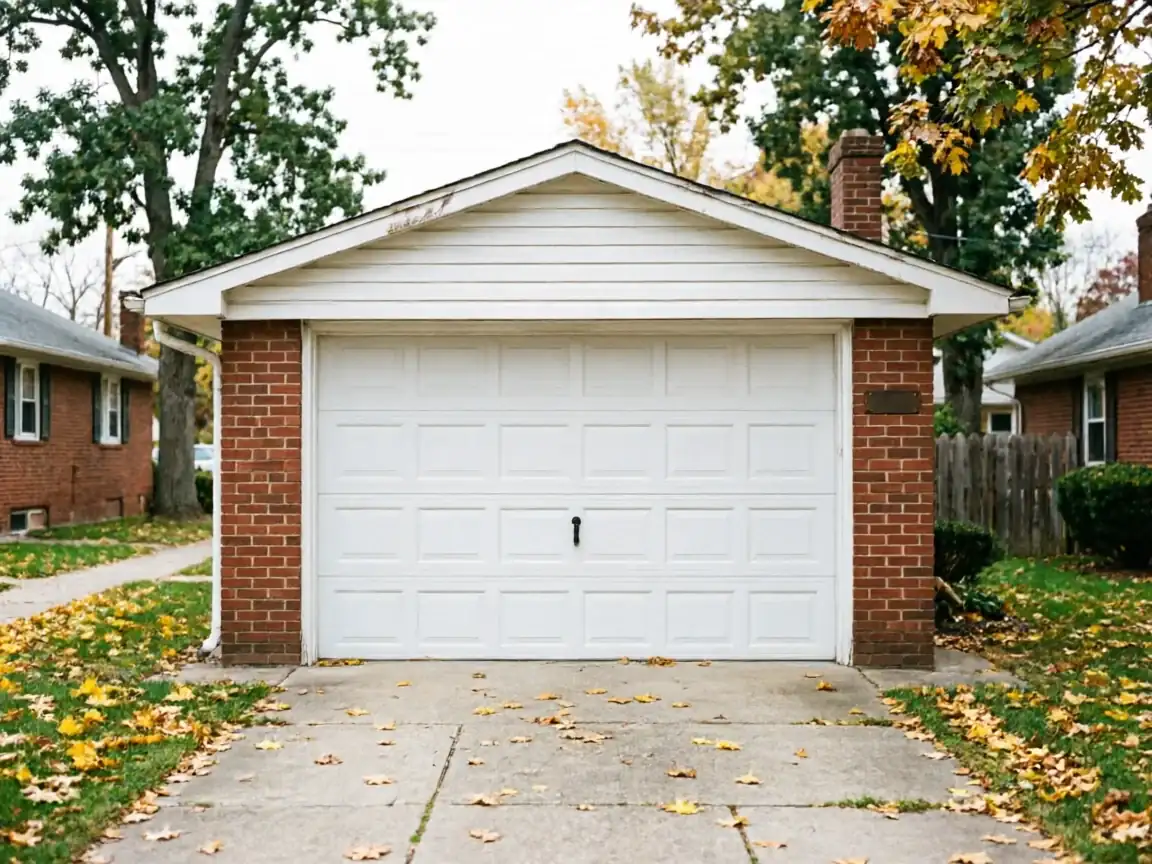
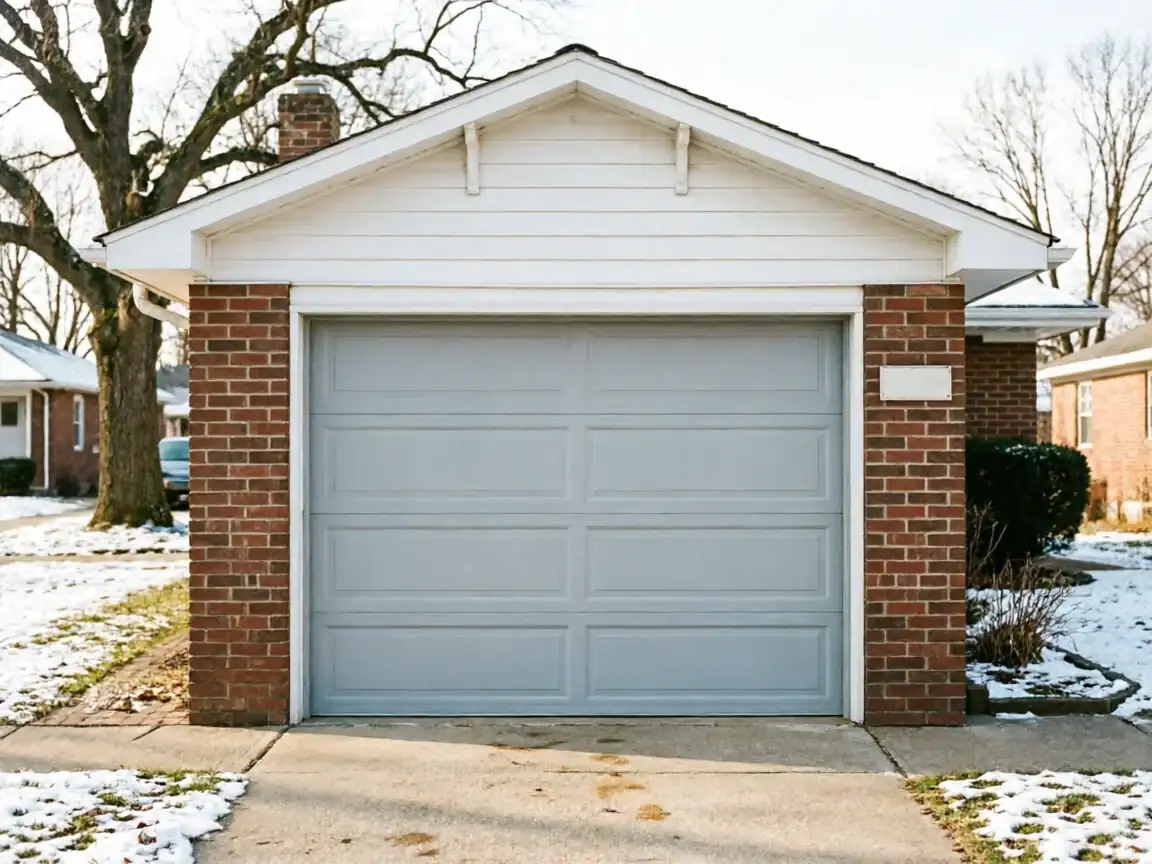
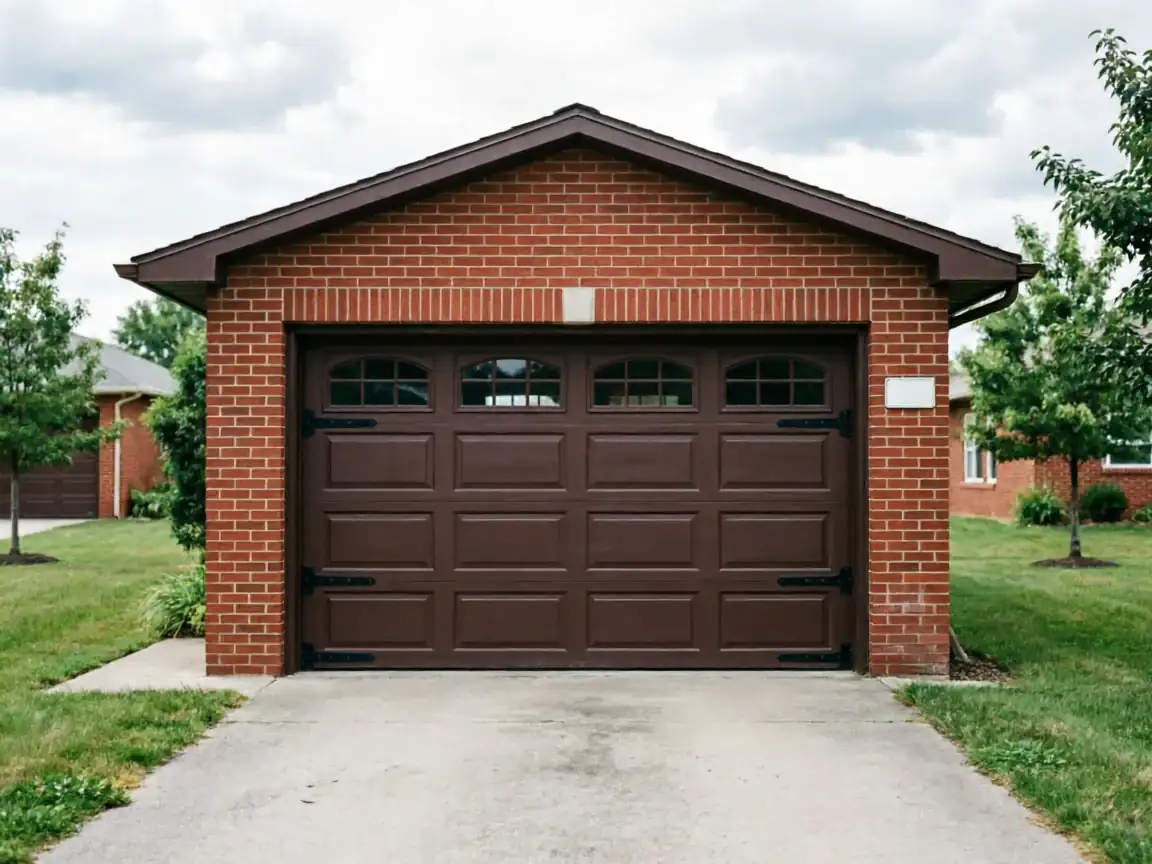
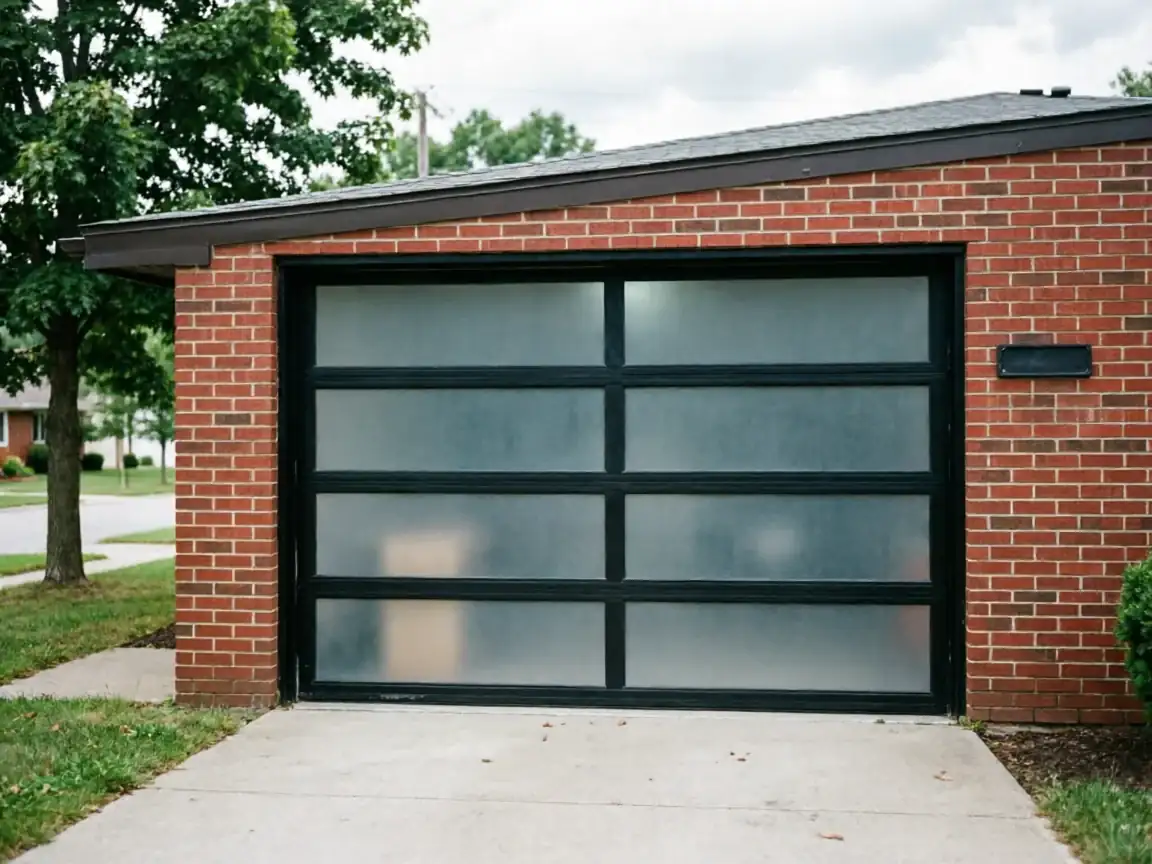
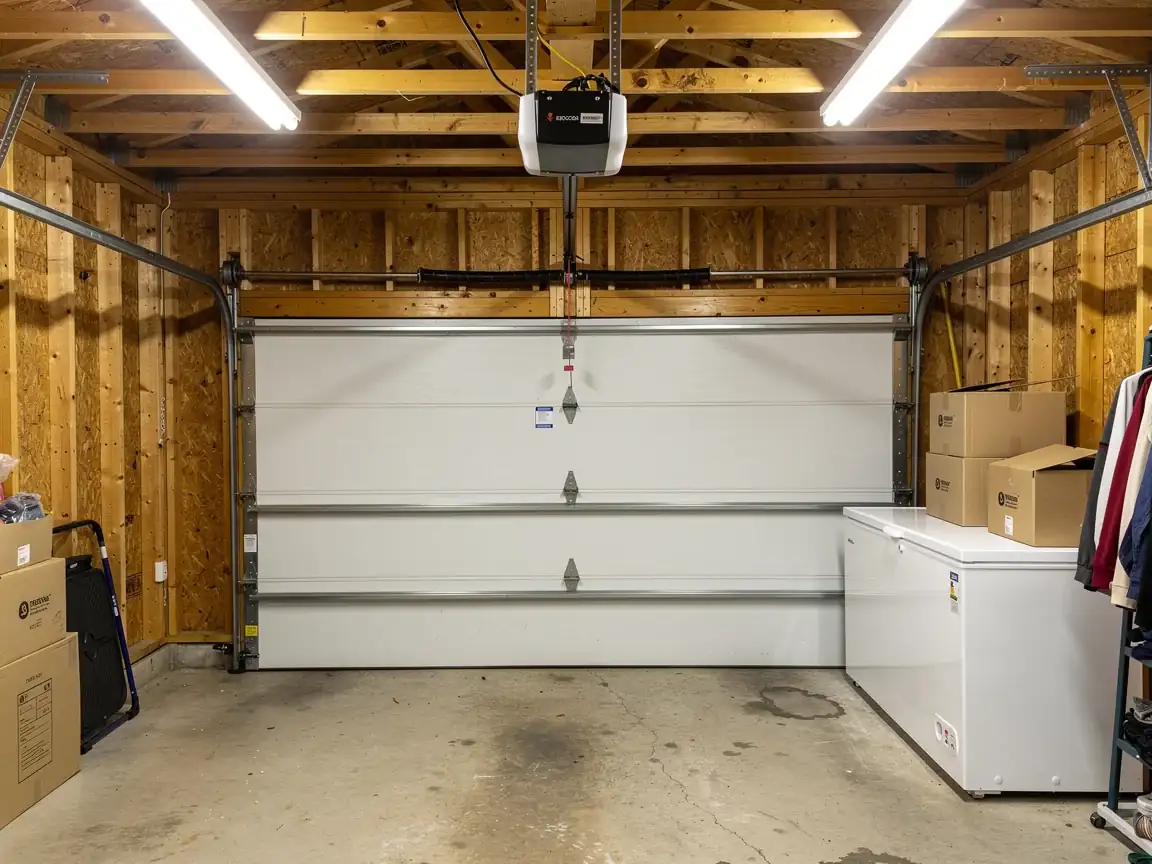
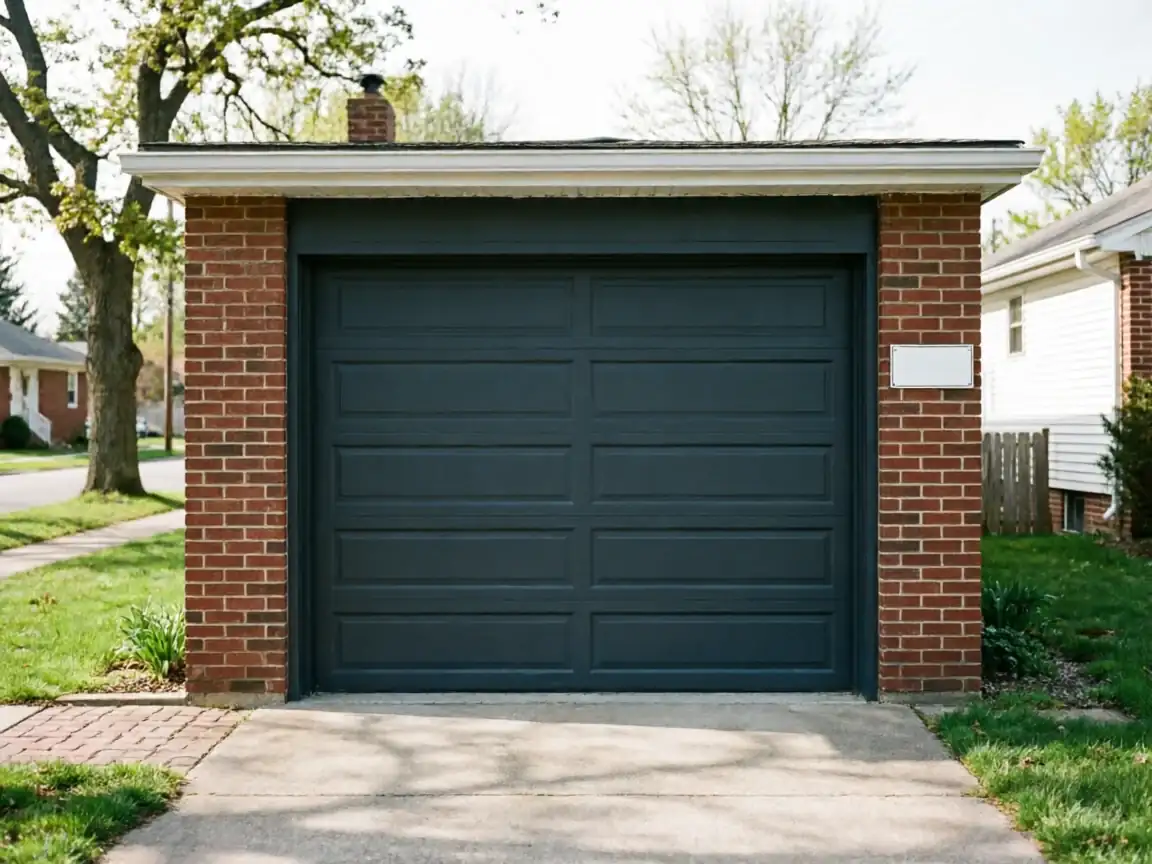
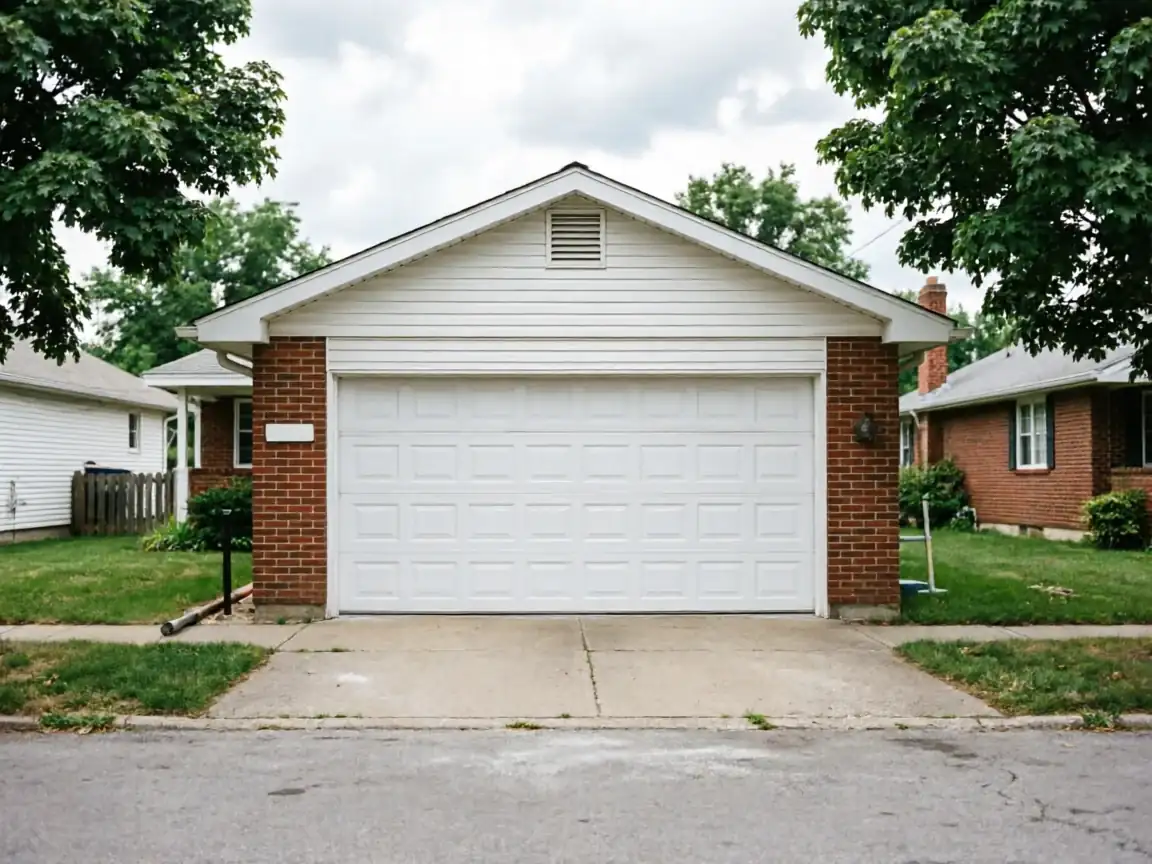
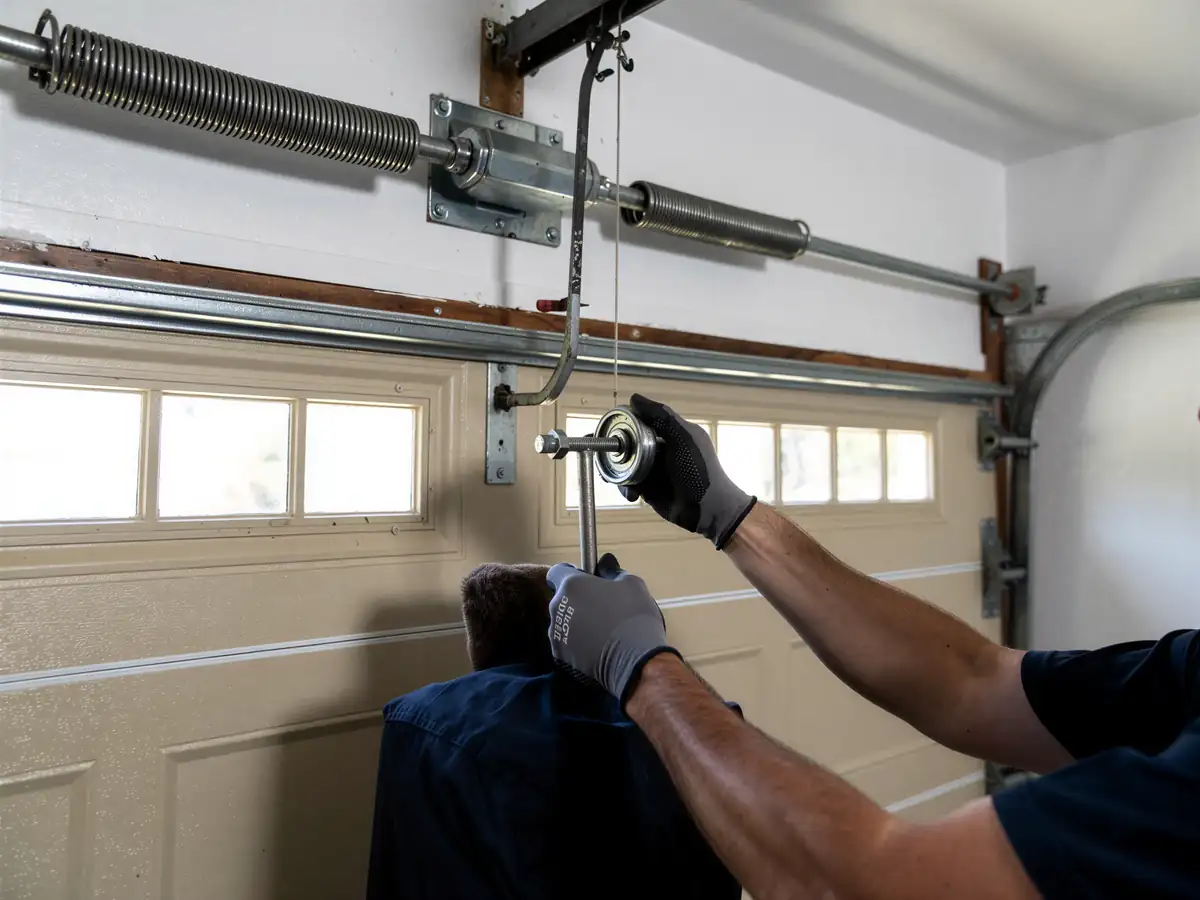
Bartlett's houses mostly went up around 1992, which puts this part of the service area on the newer end compared to the overall range we work across, 1958 through 2003 with a median closer to 1981. That ten-year gap matters for cable failures. Garages built in the early 90s almost all came with torsion spring systems and factory-installed galvanized aircraft cable wound on steel drums, not the older extension-spring setups with pulley cables that show up more in the earlier end of our service area's housing stock.
What fails on a torsion-era cable is usually fatigue at the drum, not a snapped pulley cable. Thirty-plus years of daily cycles wears the cable where it wraps the drum groove, and it frays there before it breaks outright. If you've noticed the door creeping crooked as it opens, or one side dropping a half inch lower than the other, that's the cable starting to let go at the drum, not the spring.
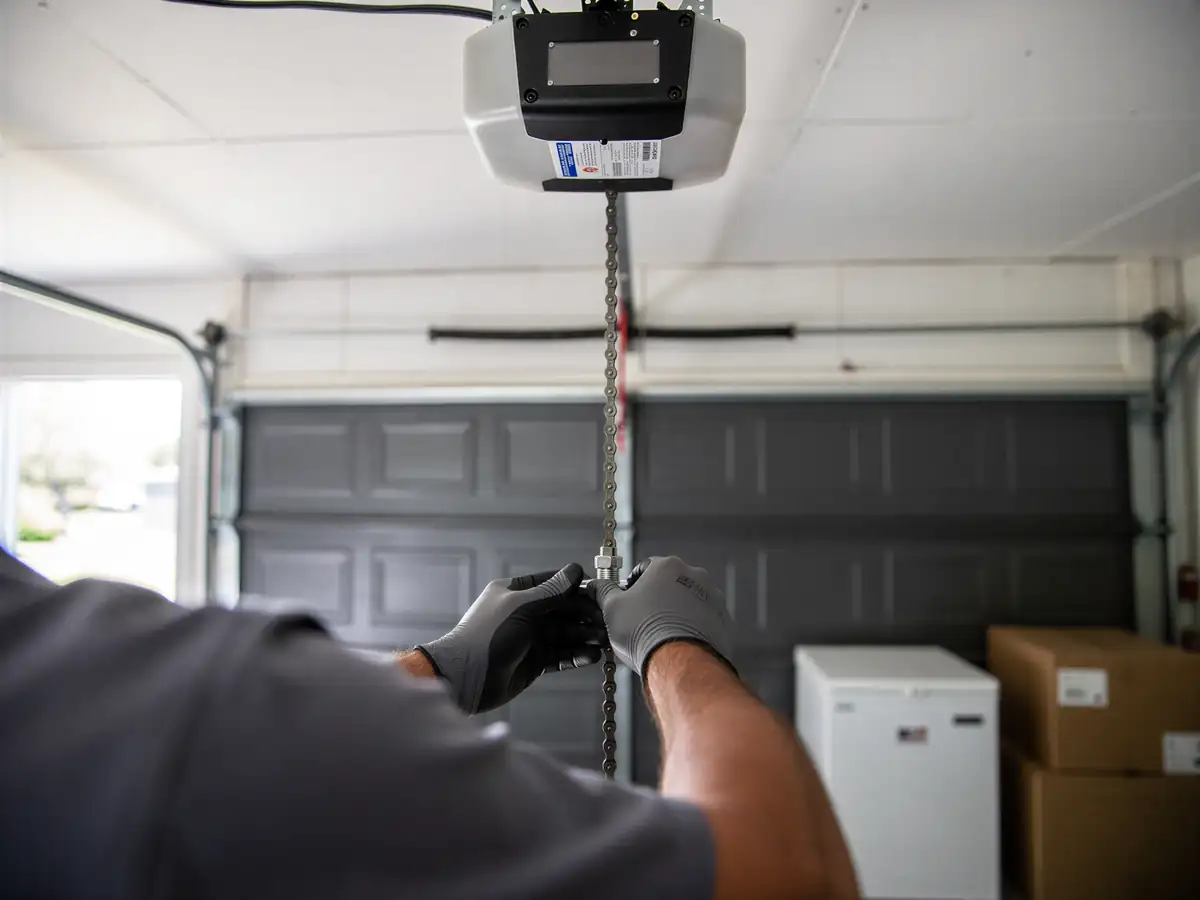
We come out from Aurora, about 15 miles away, so when we're called for a cable here we're already expecting torsion-drum hardware rather than the pulley-style systems, and we load the truck accordingly before we leave.
Stocked Parts
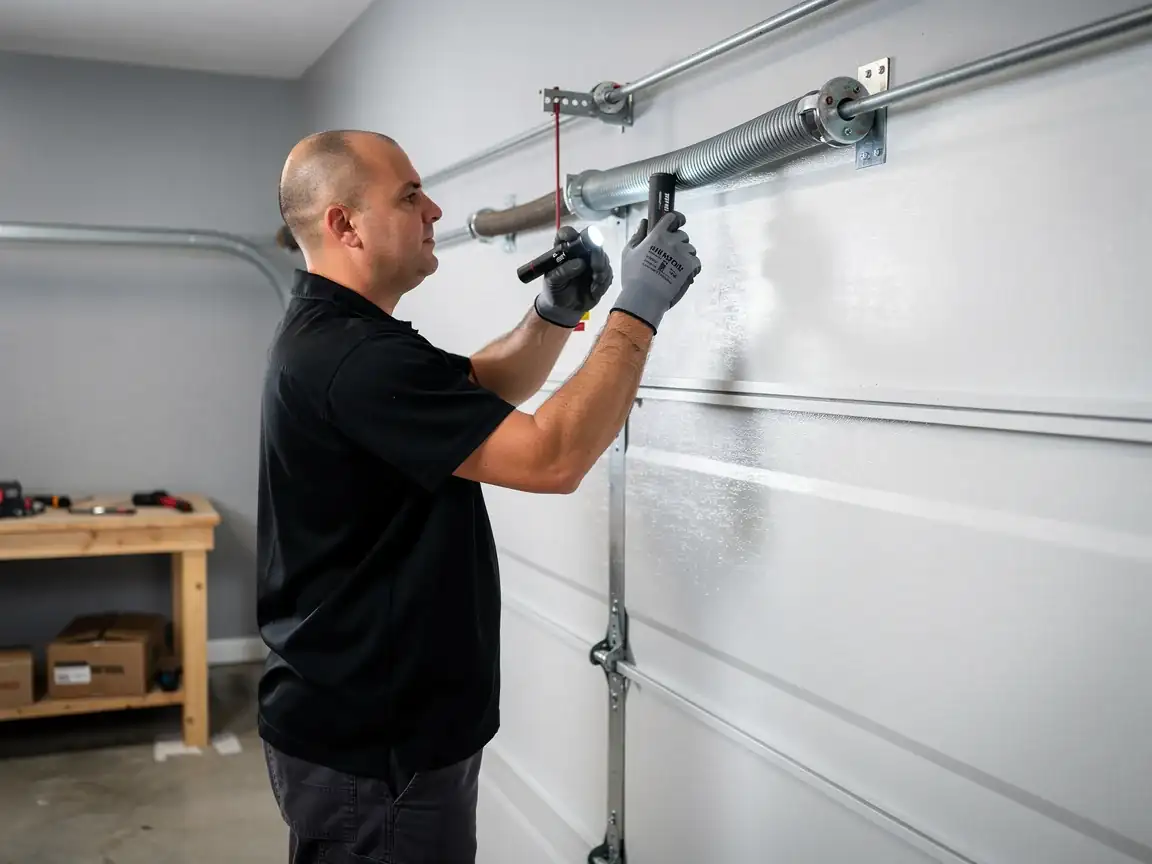
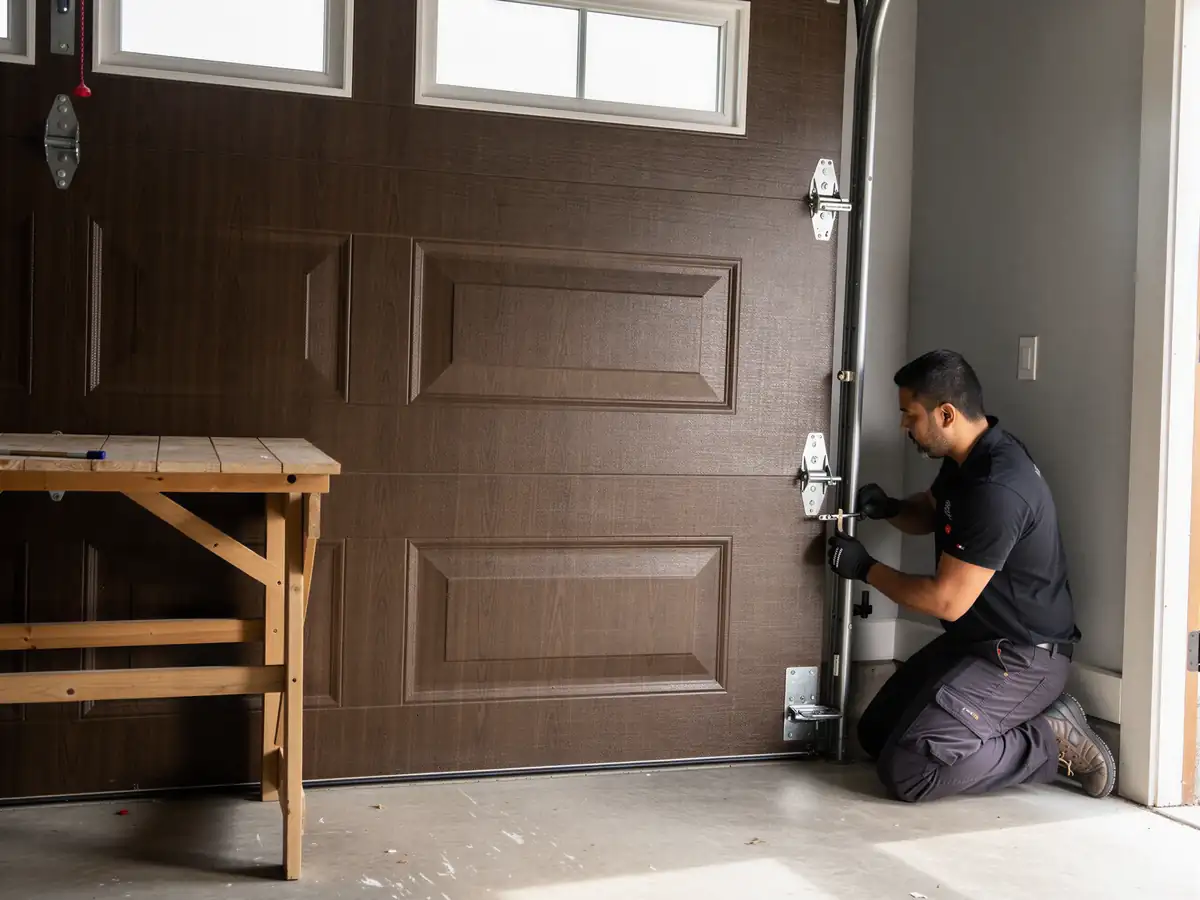
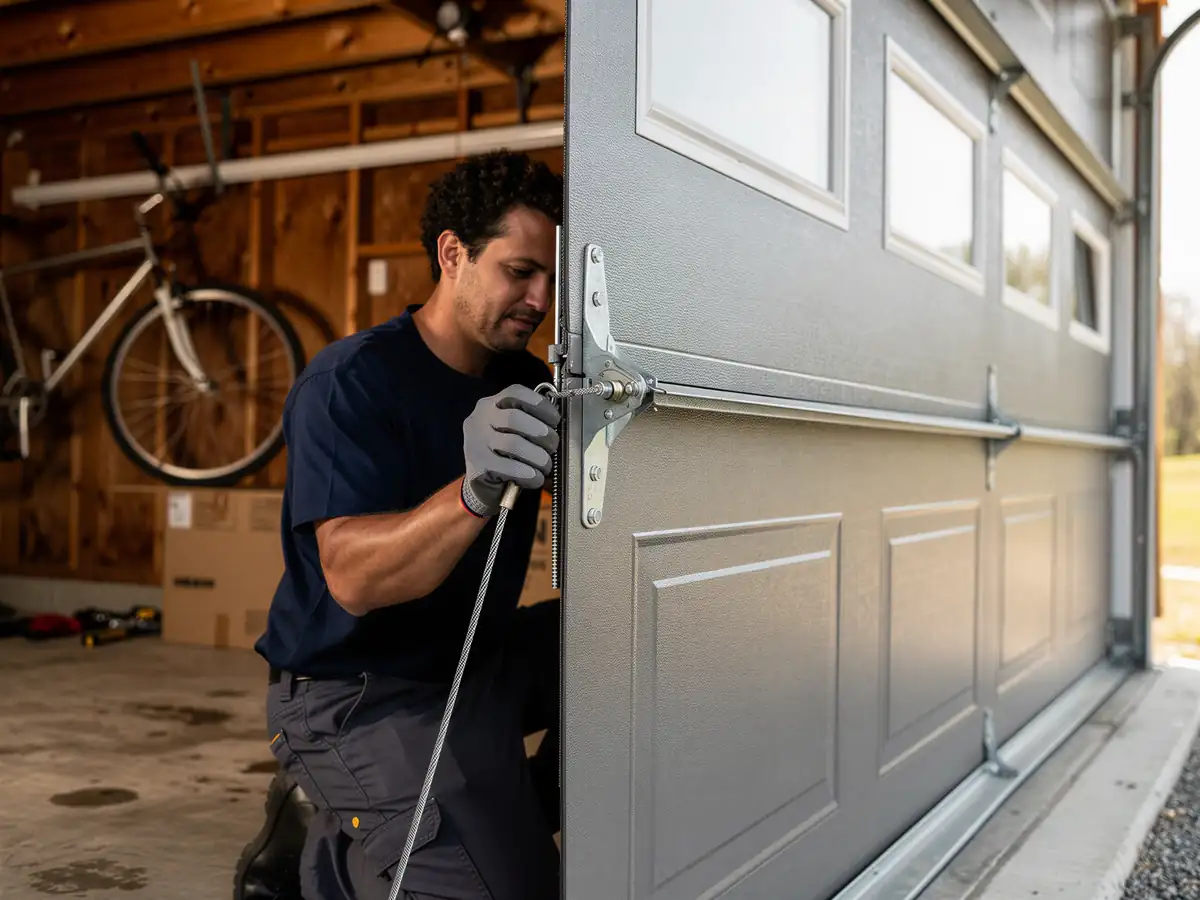
For torsion-drum setups like what's common on Bartlett's 1990s-era garages, we carry 7x19 galvanized aircraft cable in the standard diameters and lengths that fit factory drums from that build period. We also carry the clips and drum-end fittings that go with it, since a cable swap on a torsion system means pulling the drum off the shaft, not just rethreading a pulley.
We don't stock every obscure gauge or a cable cut to a custom length on the spot. If your door came with an aftermarket opener or a track conversion that changed the drum size, we may need to order that specific cable rather than swap it same visit. That's rare on houses from this era, but it happens, and we'd rather tell you that up front than pretend every job is identical.
The Symptom
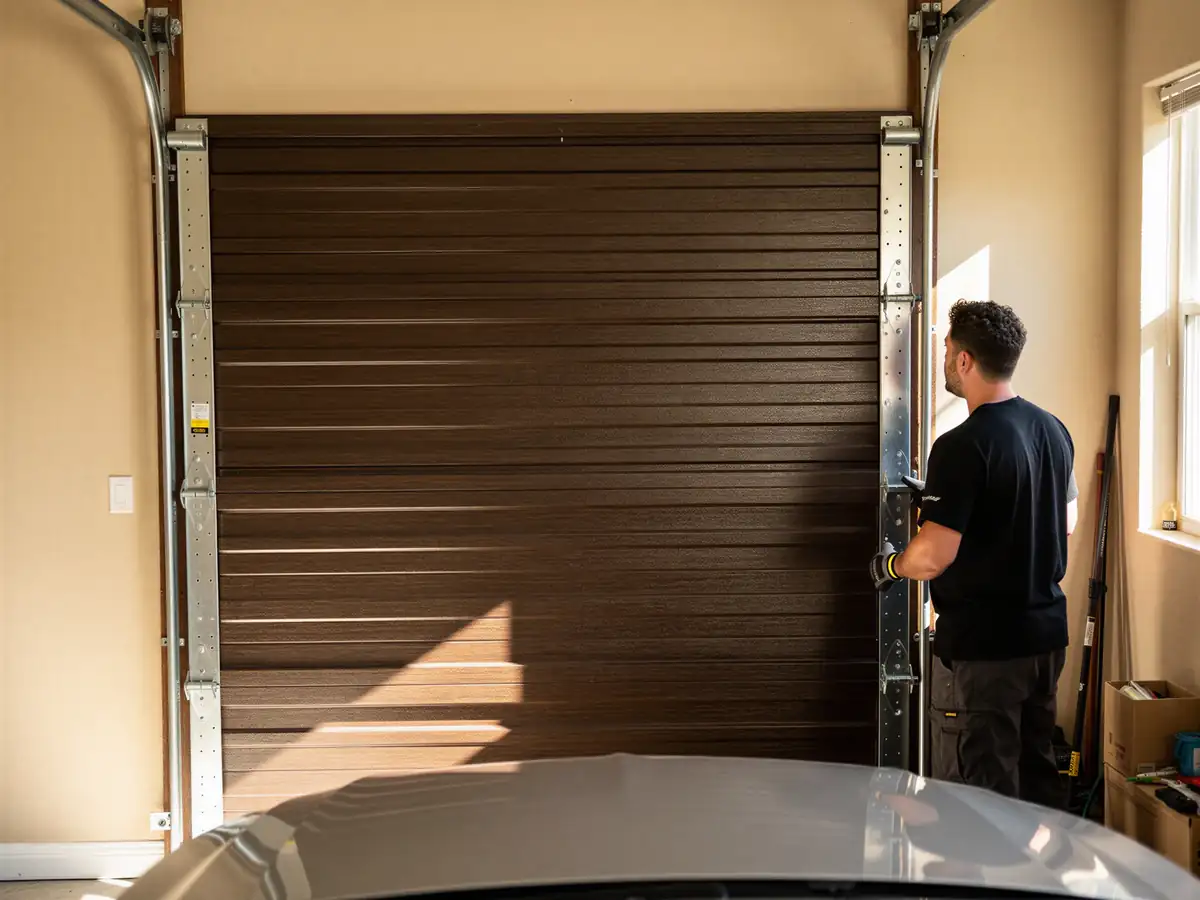
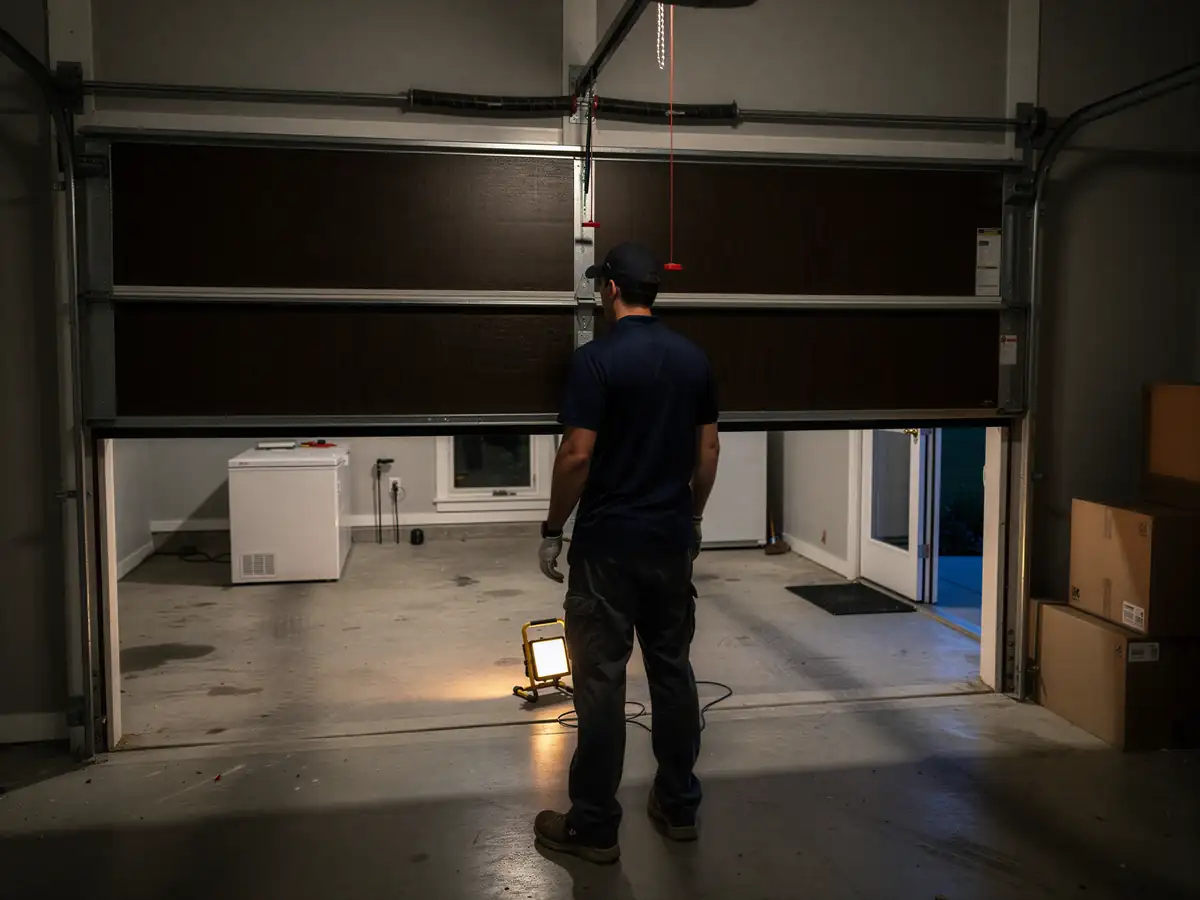
A cable going on a torsion-drum door usually shows up gradually before it shows up all at once. First sign is the door racking, meaning one side travels faster than the other as it opens or closes, because the cable is starting to slip or fray at the drum. Next is a visible gap where the cable has come off the drum groove entirely, which you can sometimes see by looking up at the top corners of the door when it's open.
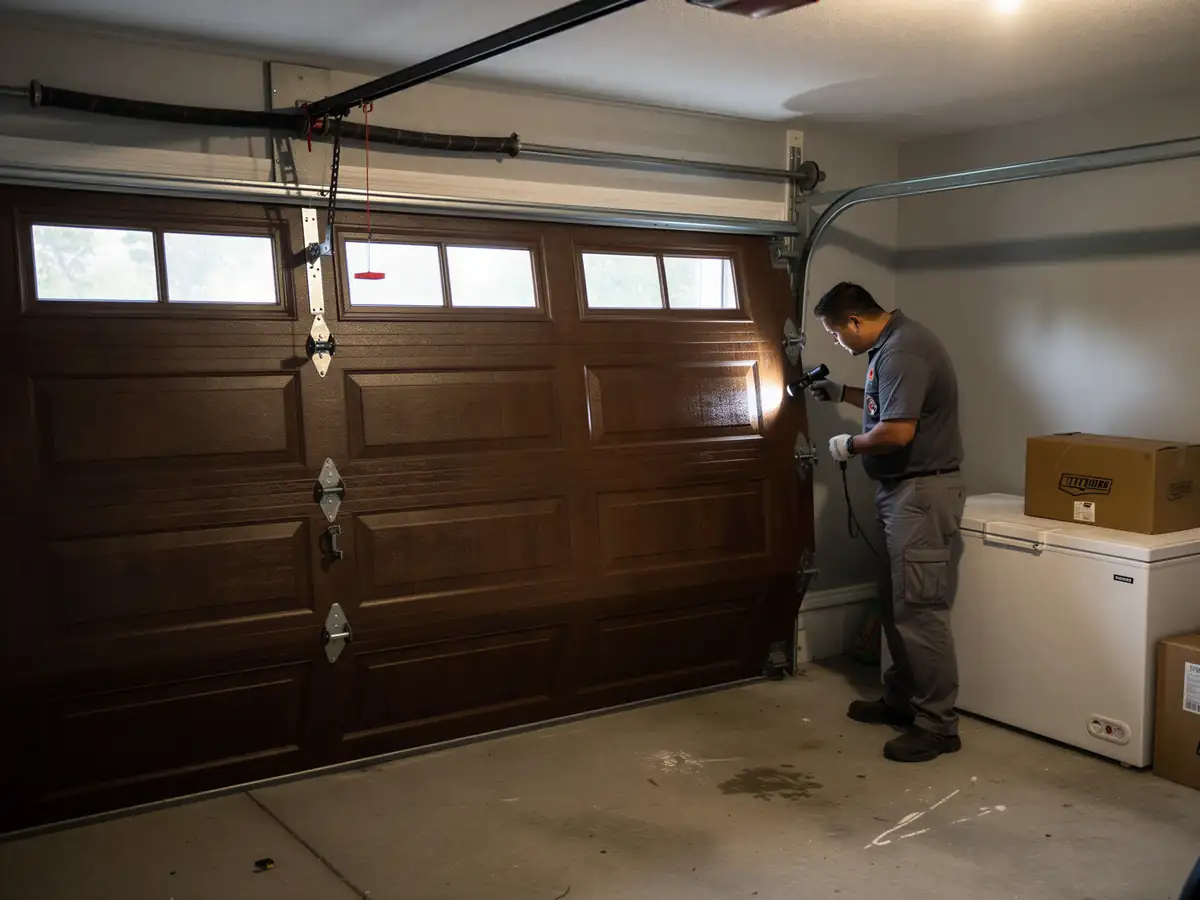
Once a cable actually snaps, the door usually won't open at all, or it opens a few inches and stops, because the opener senses the imbalance and the safety reverse kicks in. If the door is sitting crooked in the opening with one bottom corner touching the floor and the other hanging an inch or two up, that's a broken or badly frayed cable, not a spring issue, and the door shouldn't be forced up by hand or by the opener.
Doing It Yourself
We'll say this plainly: a torsion-drum cable job is not a weekend DIY project, and we won't walk you through doing it over the phone. The spring on these systems holds serious stored tension, and the cable is part of what's keeping that tension controlled. Loosening the wrong bolt on a wound torsion spring has put people in the hospital.
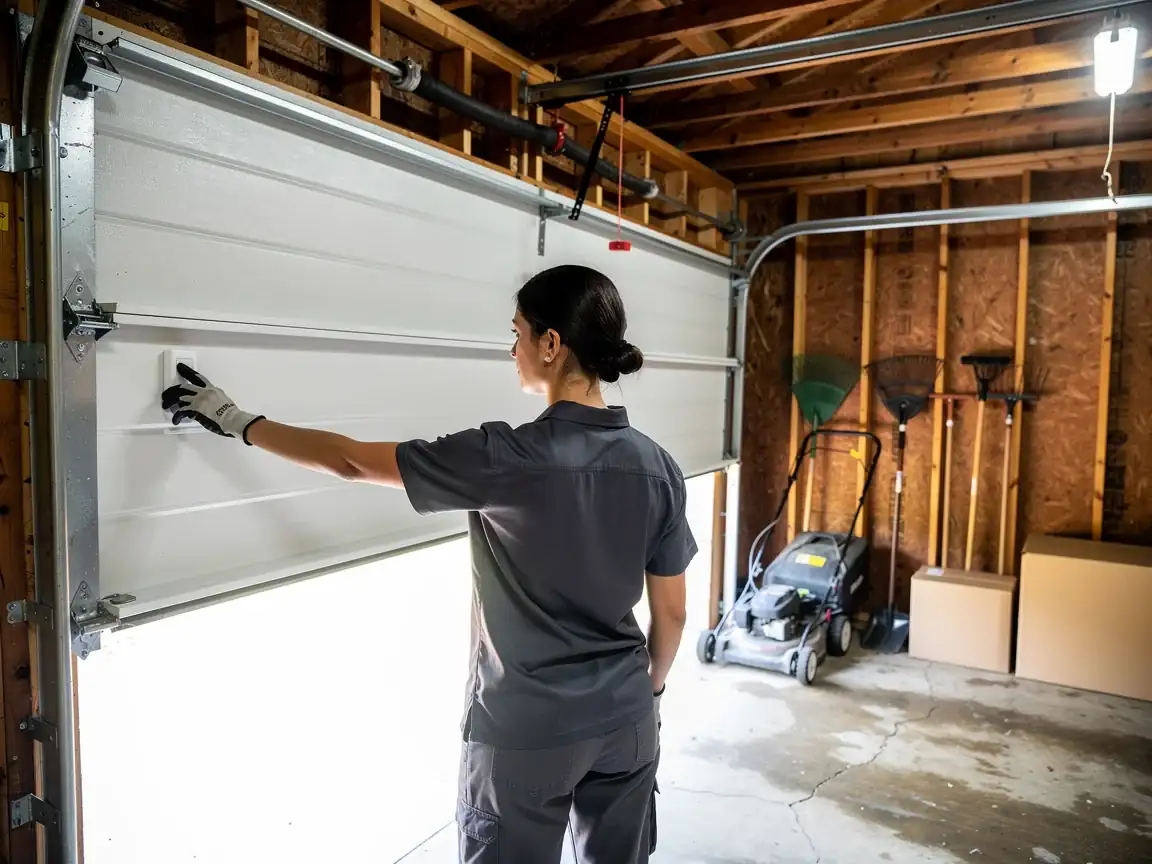
What you can safely do yourself is diagnose it: look at the door with the opener disconnected, check whether one side is visibly lower, and look at the drums at the top corners for a cable that's come off its groove or frayed into visible strands. That tells you whether it's a cable problem before you call anyone. Past that point, this is a job for someone who deals with wound torsion springs regularly, because the risk isn't the cable, it's the spring sitting behind it.
How Long You Are Without the Door
We're not going to put a number on how fast we can get to Bartlett
Since we're running the job from Aurora and that depends on where the truck already is that day and what else is scheduled. What we can tell you is that once we're on site with the right cable in hand, a torsion-drum cable swap on a single door is a same-visit fix, not a return-trip job, as long as the drum and spring themselves aren't also damaged.
If the drum groove is chewed up from the frayed cable
Or the spring shows wear from running unbalanced while the cable was failing, that can turn a cable call into a bigger repair. We'd rather find that on the first visit and tell you the real scope than quote a quick fix and have the door fail again in a month.