What Causes It Around Here
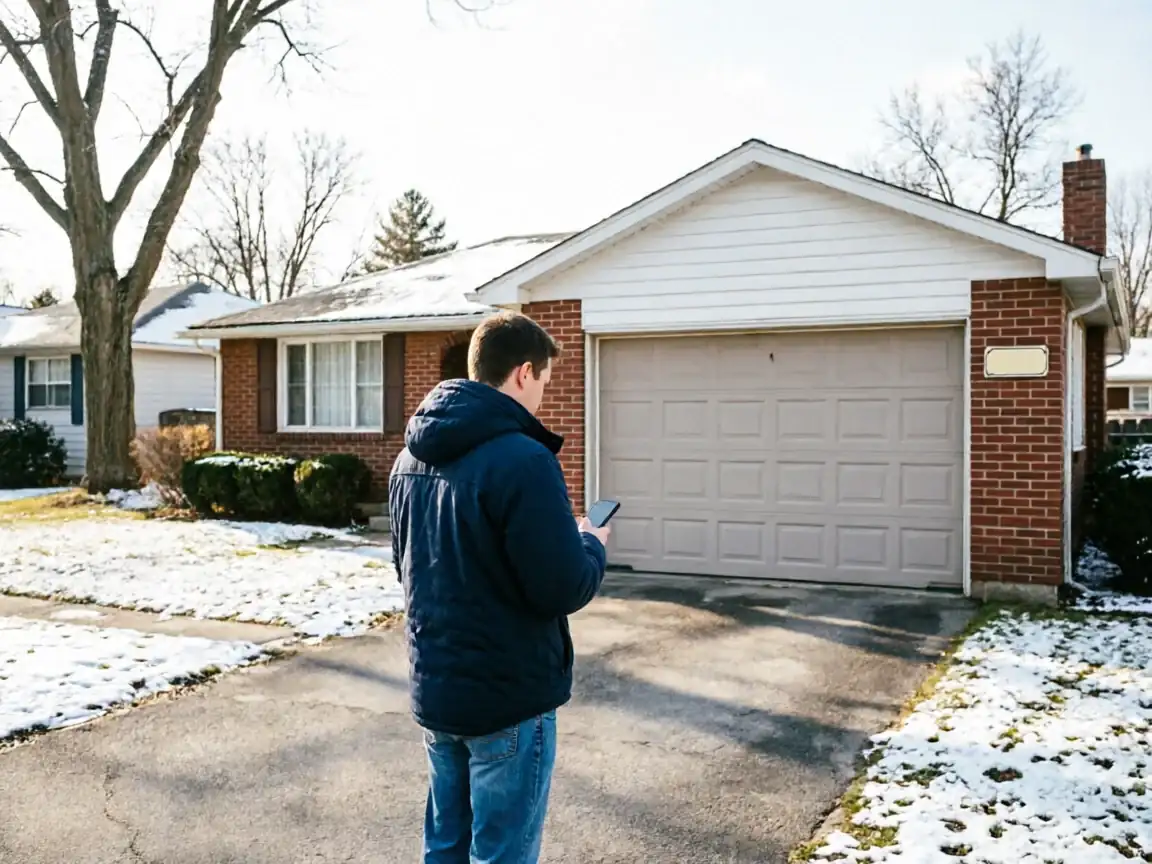
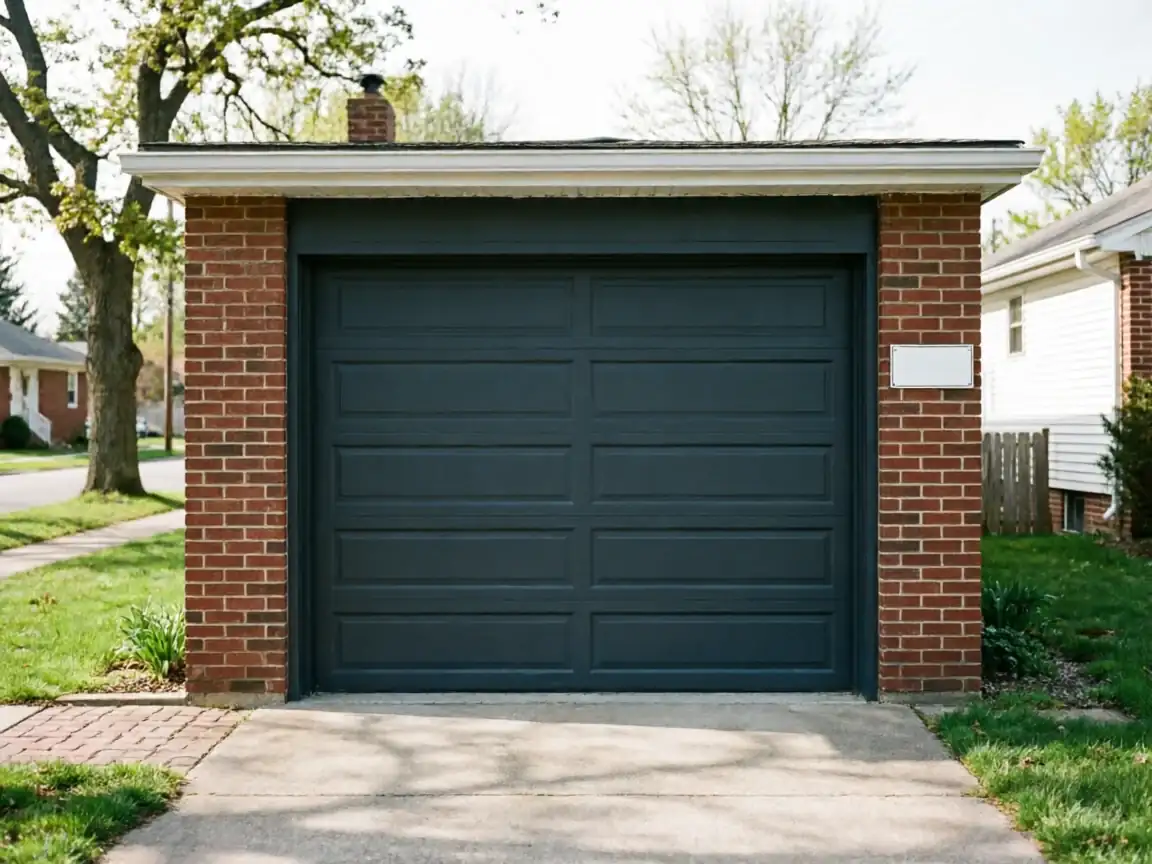
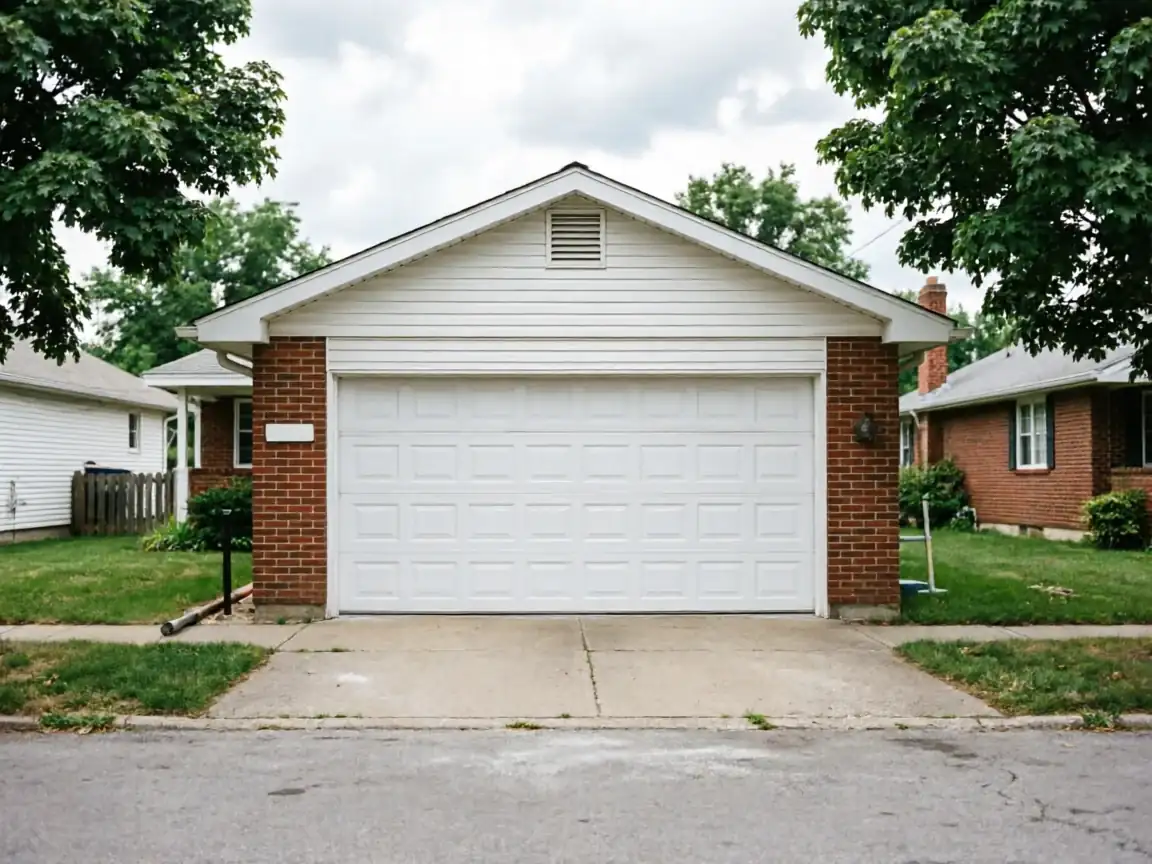
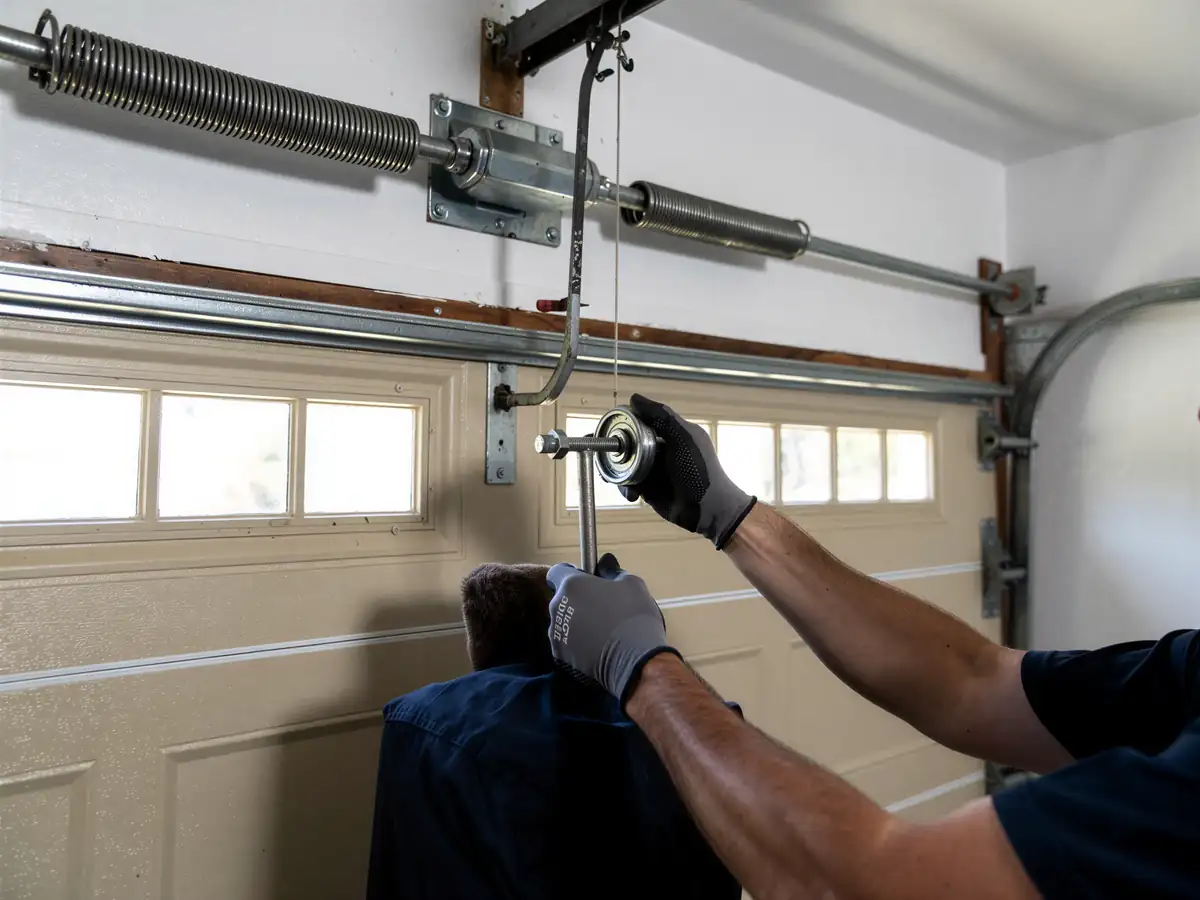
Most houses in Bartlett went up around 1992, which puts the neighborhood squarely in the builder-grade torsion spring era - a single pair of steel torsion springs on a shaft above the door, sized to the door's weight by a production-line chart rather than measured for the specific door. That hardware was built to last a fixed number of open-close cycles, and thirty-plus years later, a lot of those springs are sitting right at the end of that count. Add in the cold moderate climate band this part of Illinois falls into, and you get the second half of the story: steel contracts in winter, cycles harder during temperature swings, and the coating on older torsion springs starts flaking and weakening faster than it would in a mild climate. We see springs that look fine on the outside snap clean through on a January morning, not because anything was done wrong, but because 1992-era hardware plus thirty winters plus one more cold snap is a common combination. If your door is original to the house, the spring under it is original too, and it's not going to get stronger with age.
Stocked Parts
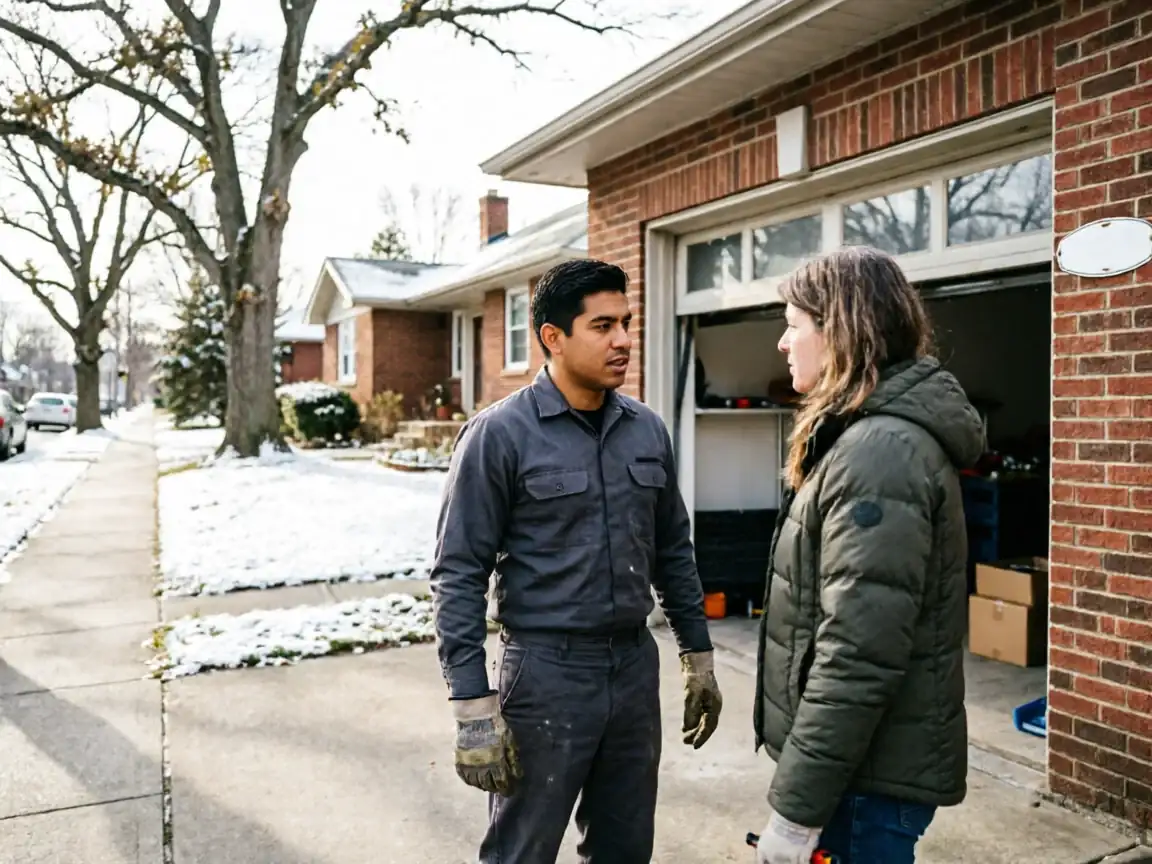
Because the housing stock in Bartlett clusters tightly around that early-90s build year, the torsion spring sizes we pull for these jobs are consistent - we're not guessing at wire gauge or shaft diameter from scratch on every call. A standard double garage door from that period runs on a predictable torsion spring pair, and we keep those sizes on the truck rather than special-ordering them after we've already opened up your door. What we don't stock on the truck are oddball or custom sizes - a door that's been upgraded with a heavier insulated panel, or hardware from a less common manufacturer, sometimes needs a part ordered in. We'll tell you on the spot if that's the case rather than pretend we can finish same-visit when we can't.
The Symptom
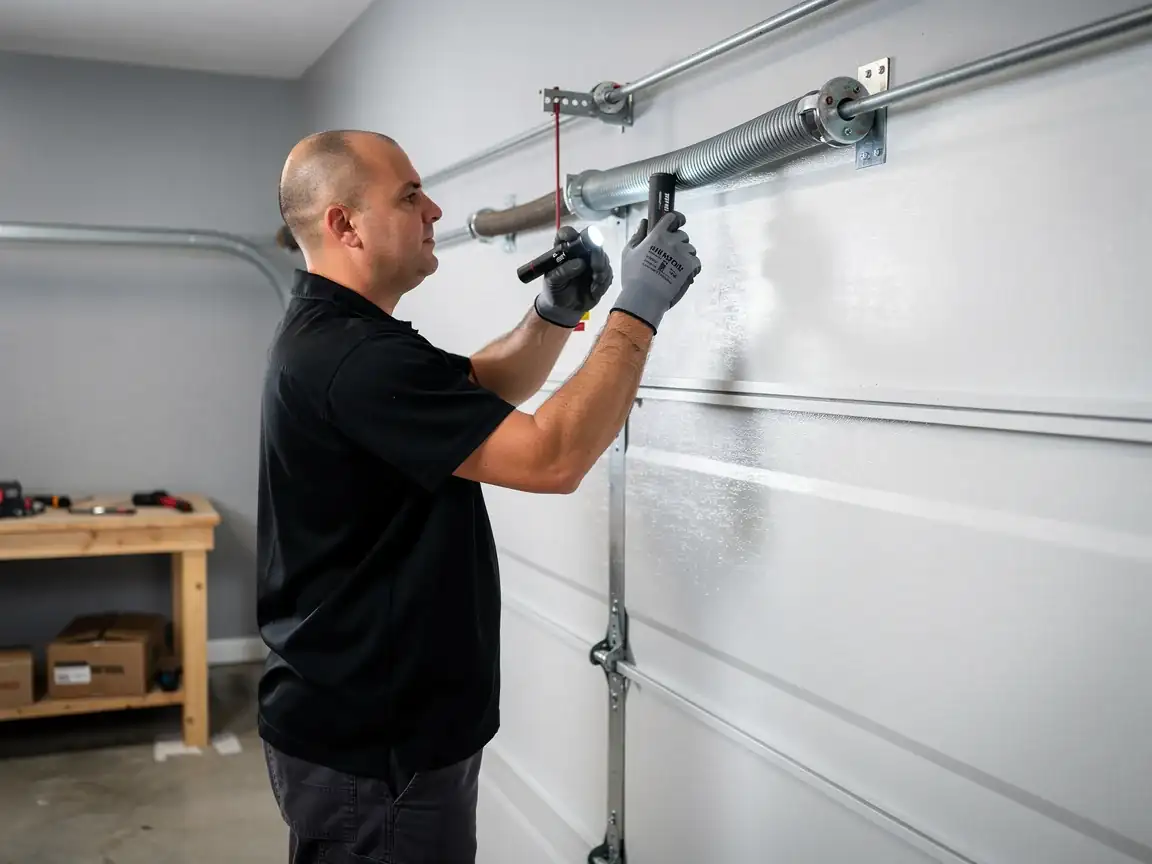
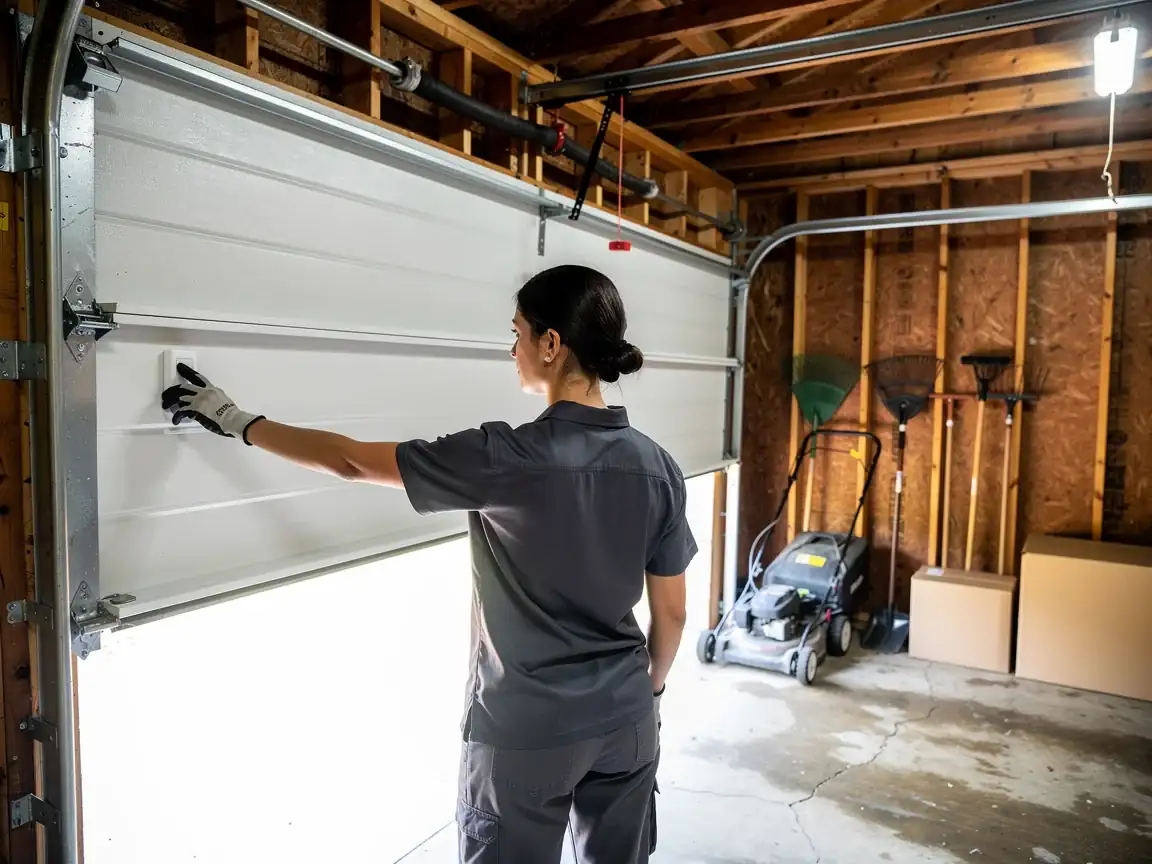
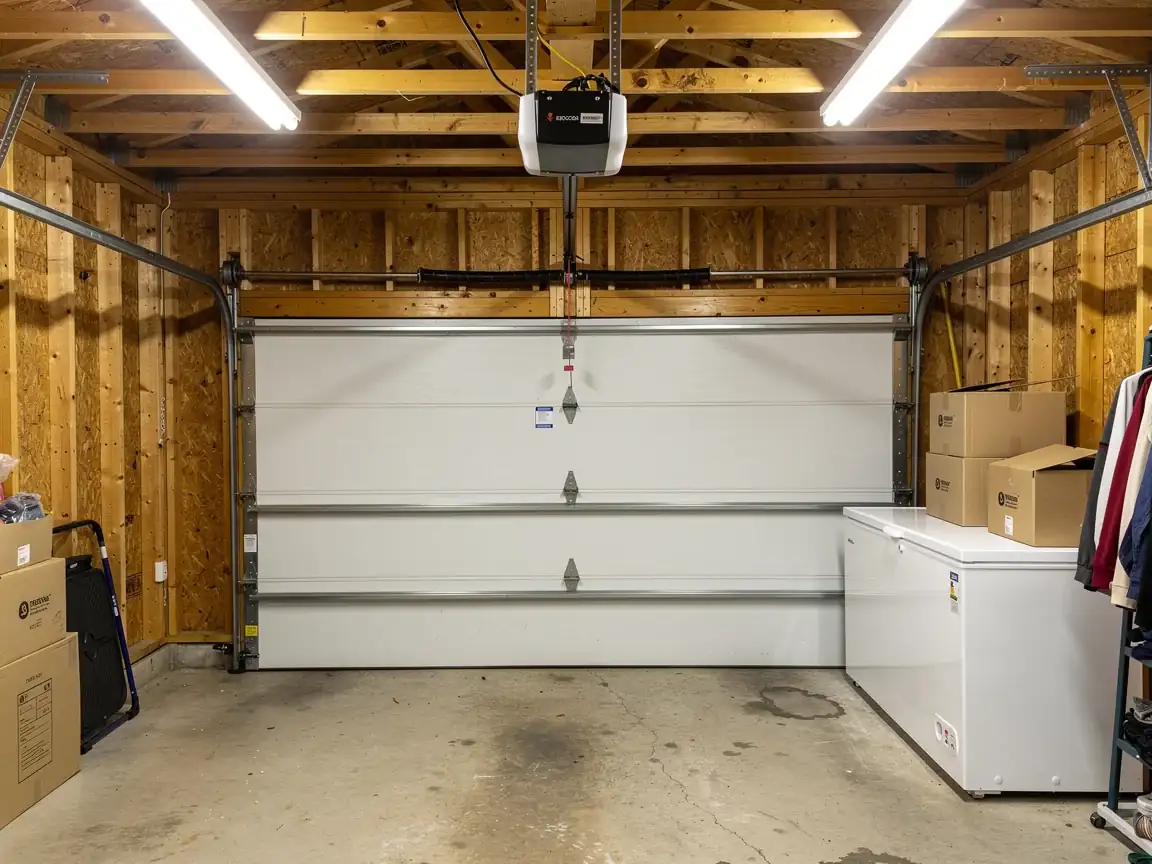
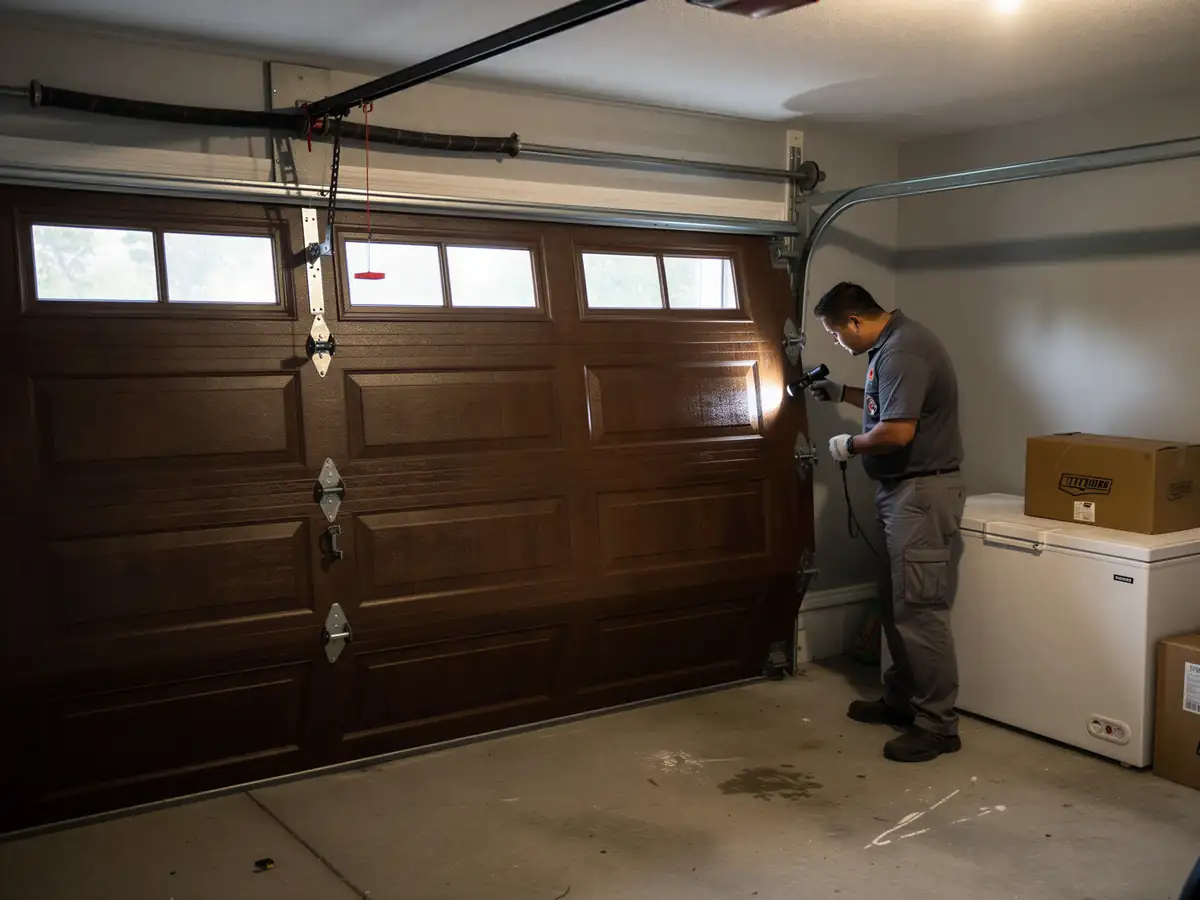
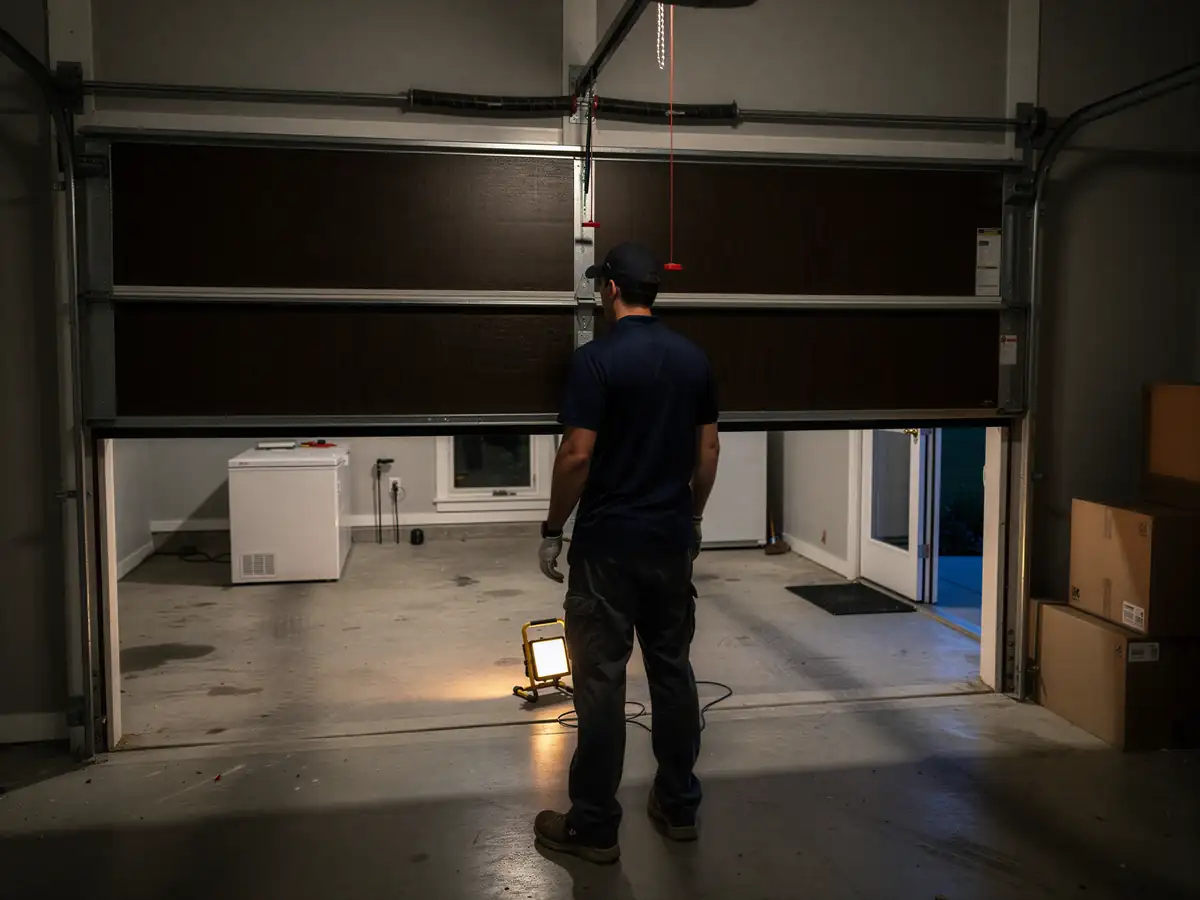
A broken torsion spring shows up a specific way: the door feels like dead weight the second you try to lift it by hand, or the opener strains, grinds, and stops partway instead of lifting smoothly. You might hear a bang from the garage - that's the spring letting go, usually loud enough to notice from inside the house. Look up at the shaft above the door; if one spring has a visible gap in its coils where the other doesn't, that's your broken one. Don't keep running the opener trying to force it through - that's how the opener's drive gear gets stripped on top of the spring problem, turning one repair into two.
Doing It Yourself
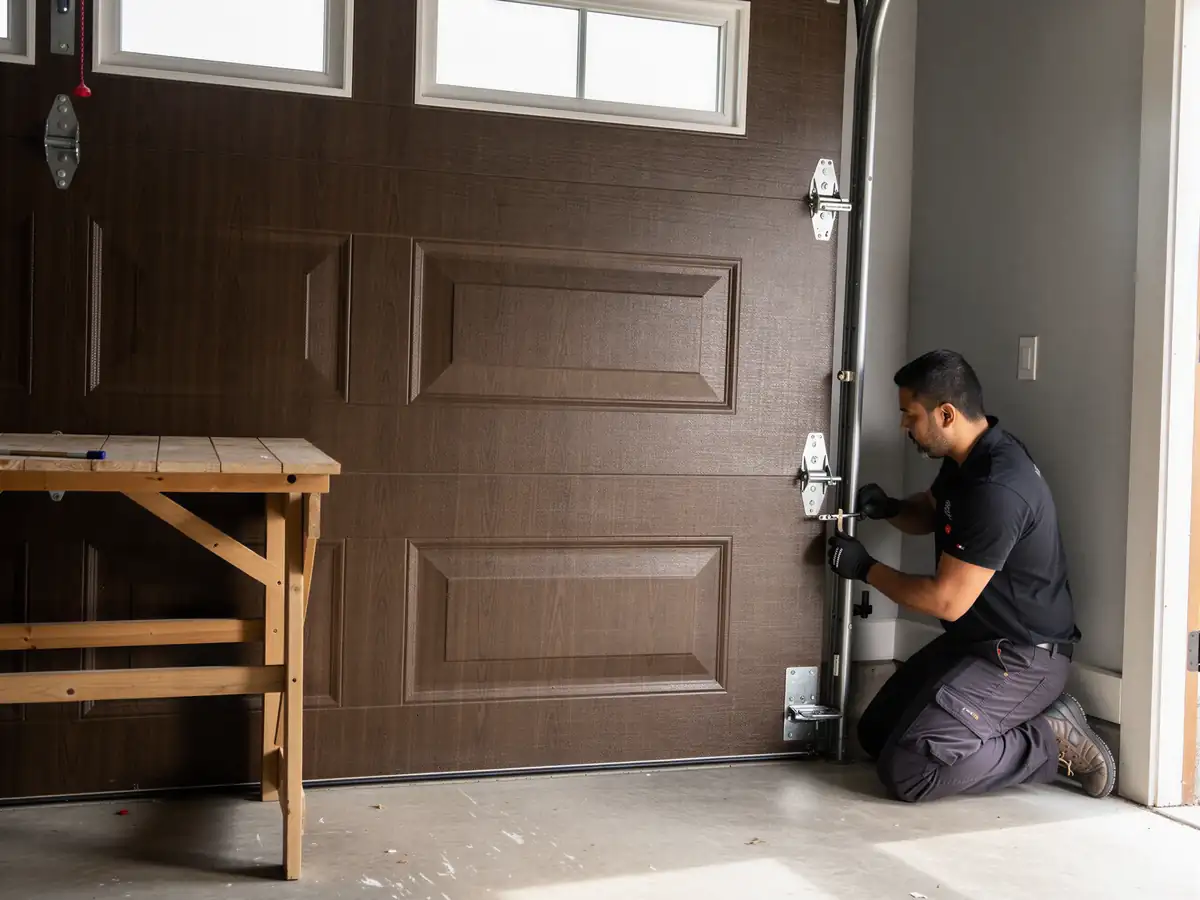
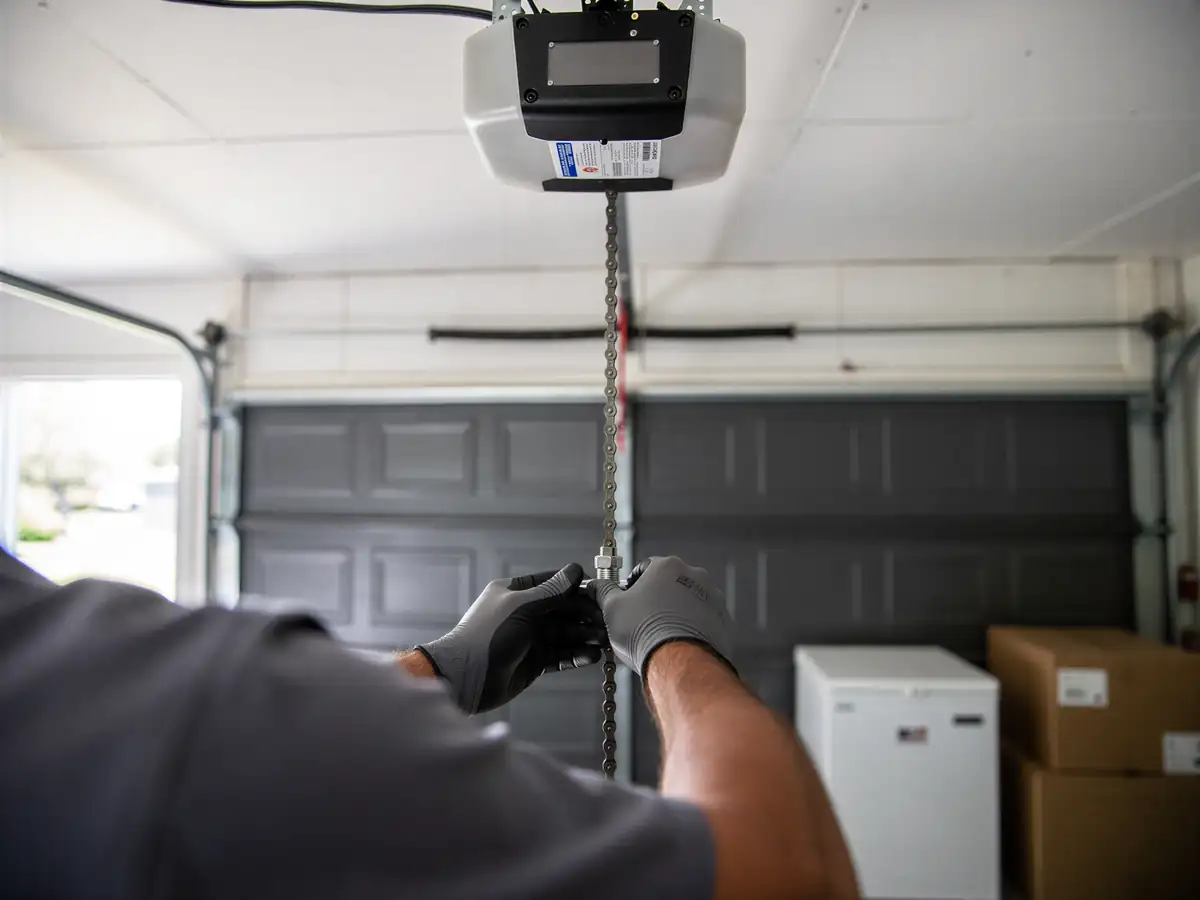
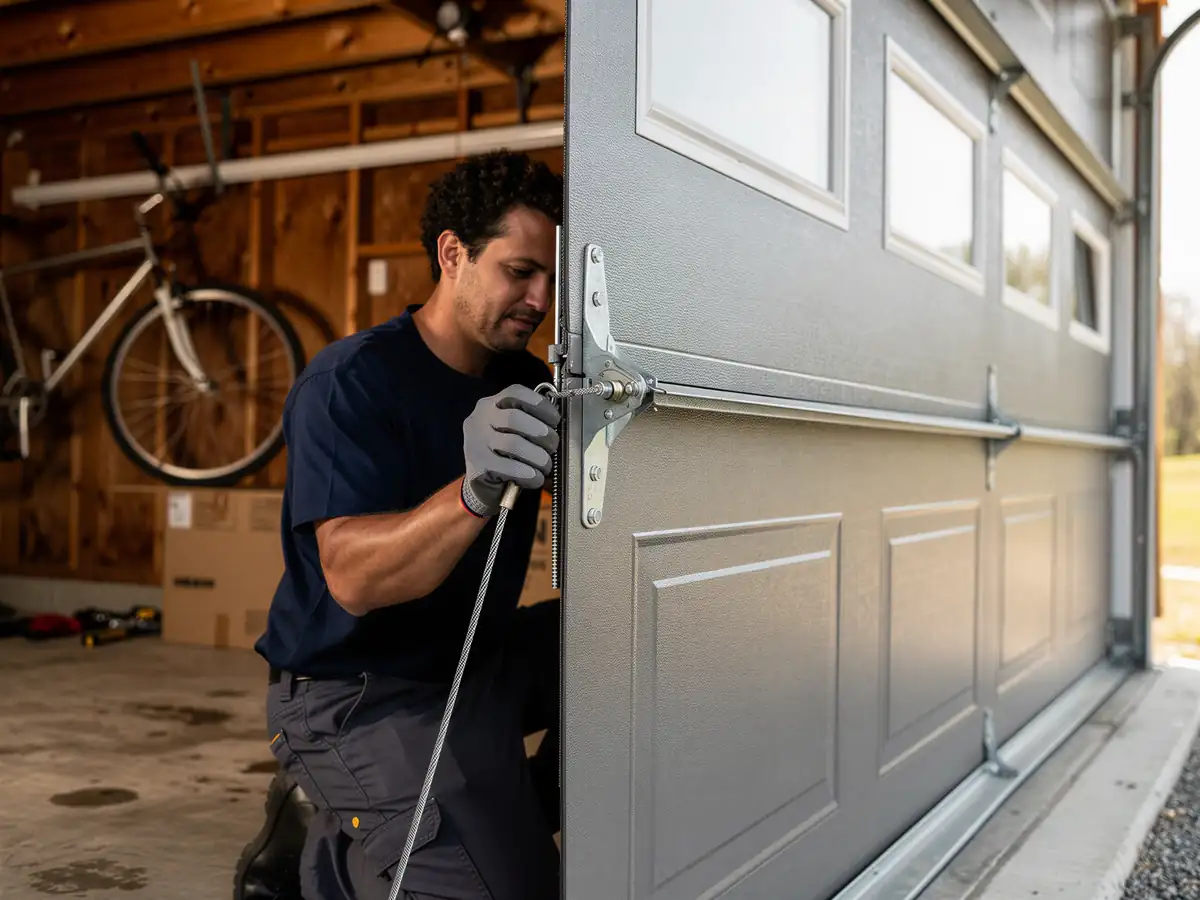
We'll say this plainly: don't attempt a torsion spring replacement yourself. These springs are wound under several hundred pounds of tension, and the winding bars and technique to release that tension safely aren't something to improvise with. People lose fingers and worse on this exact repair every year nationwide. What you can safely do is the diagnosis - check for the visible gap in the coil, confirm the door won't lift by hand, and disconnect the opener if you need to move the door manually in the meantime, using the release cord, not by forcing the motor. Past that point, it's a two-wrench, two-winding-bar job for someone who does it regularly.