What Causes It Around Here
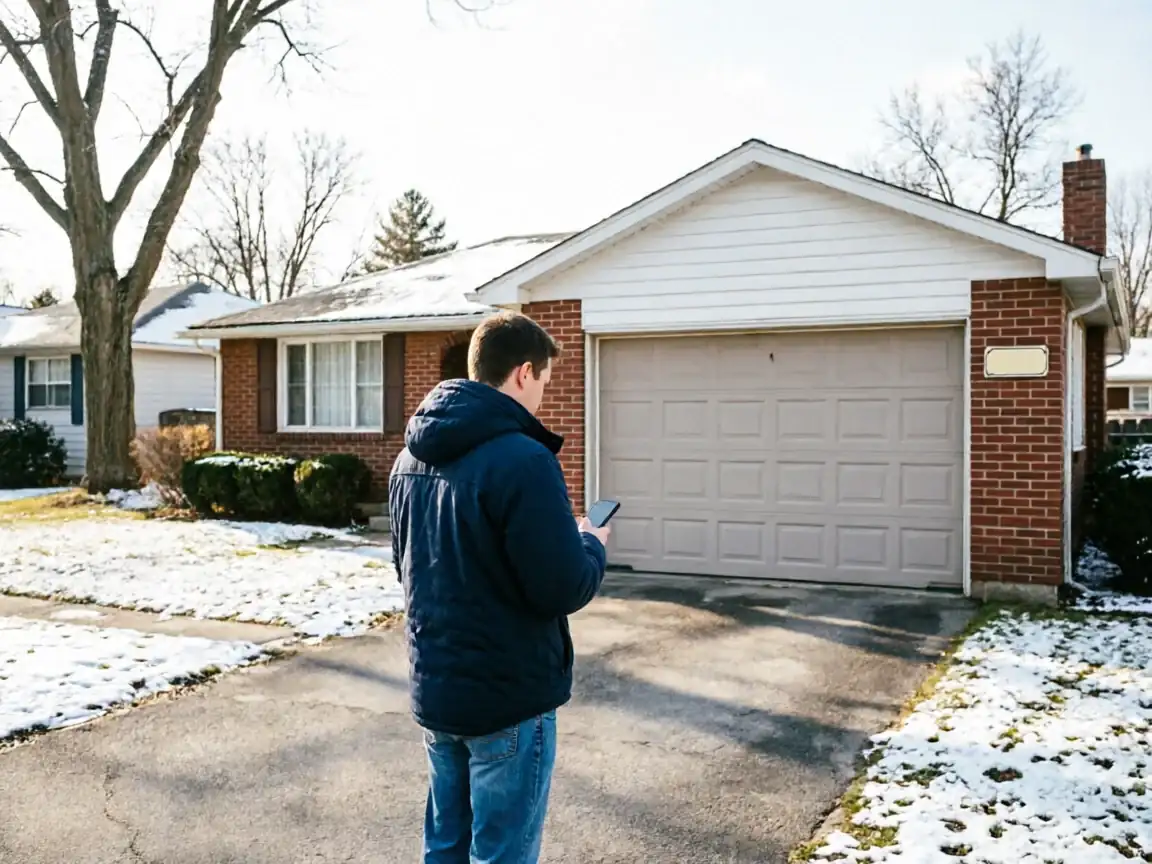
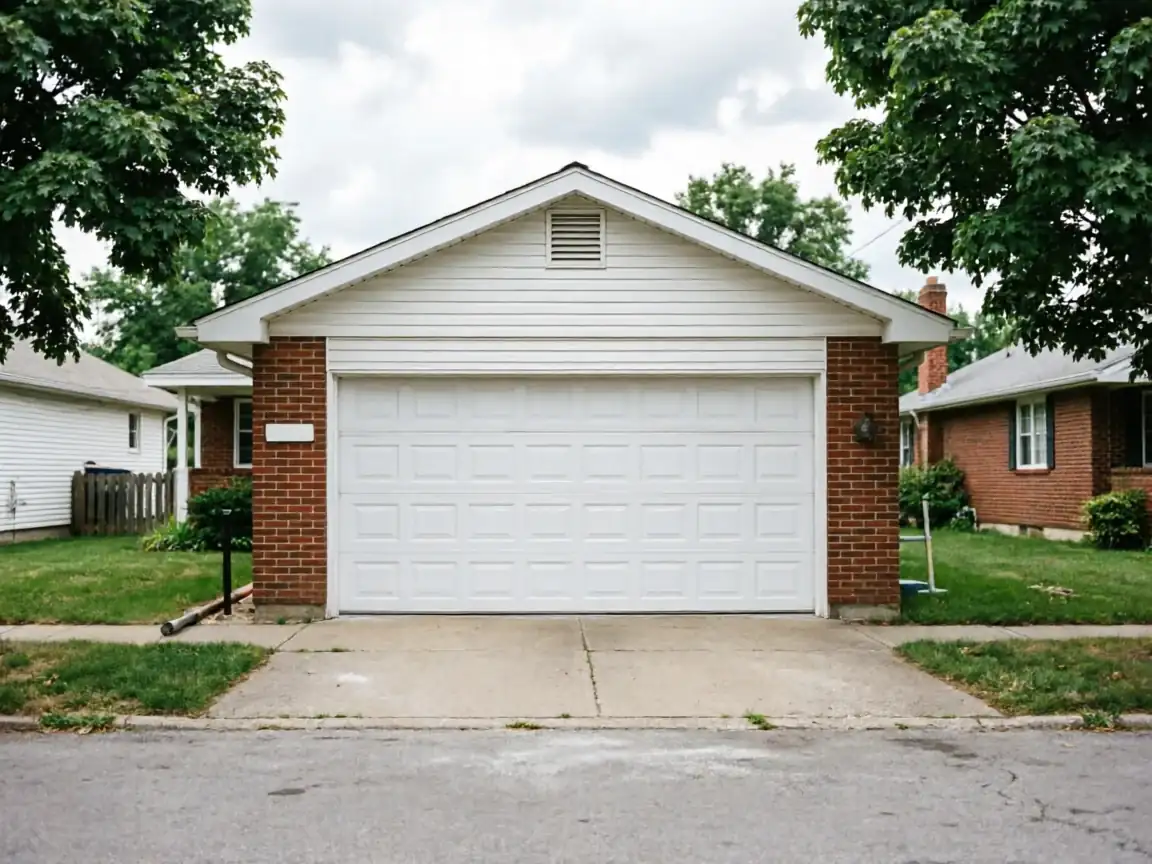
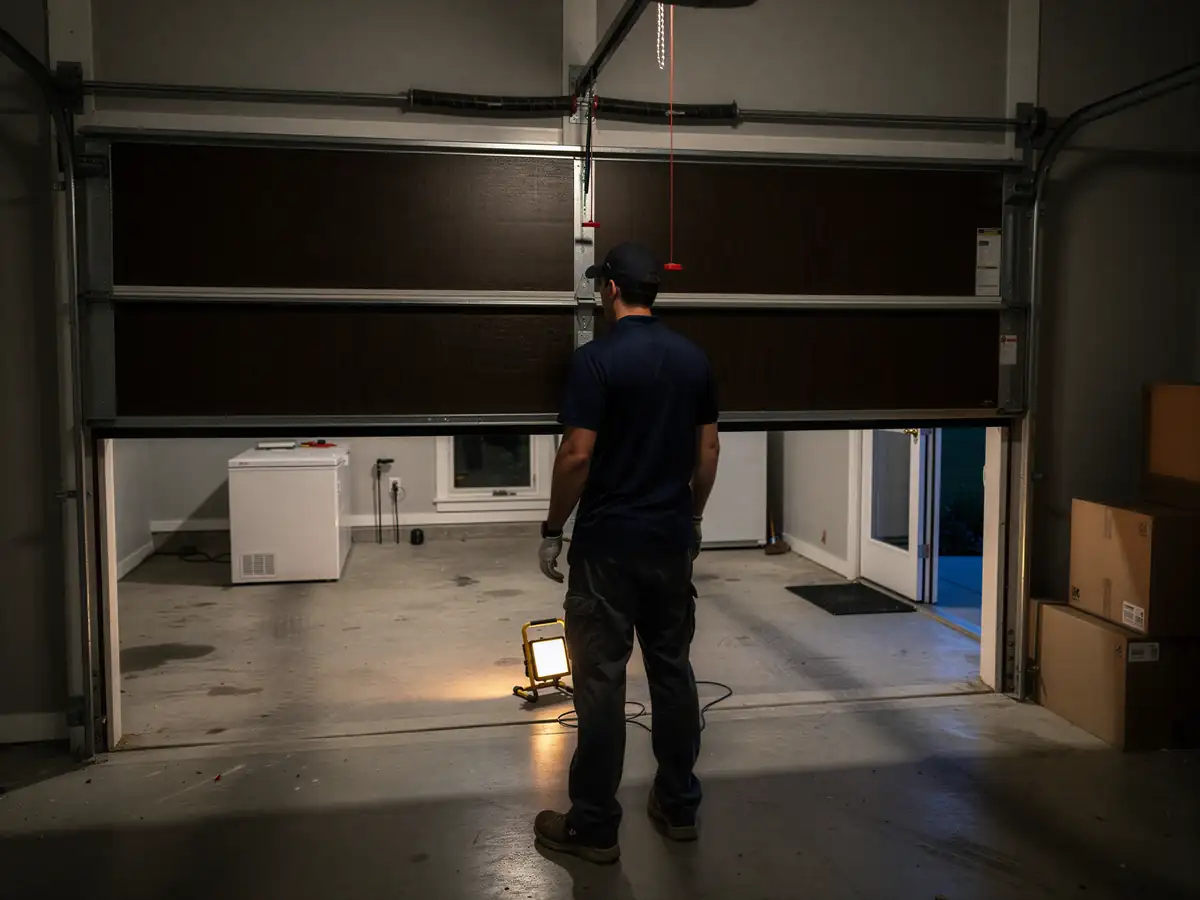
Streamwood's houses center on a median build year of 1981, and that number matters more than it sounds like it should. A torsion spring is rated for a set number of open-close cycles, typically good for somewhere between 7 and 12 years of normal use before the steel fatigues and breaks. Houses built in 1981 have had more than four decades to go through at least two, sometimes three, full spring lifecycles. Some owners have had the spring replaced once already and don't remember when. Others are still running on whatever went up with the house, and that's the one that tends to let go without warning. The area sits in a cold, moderate climate band, which means the steel sees real temperature swings between summer and winter use, and that cycling adds stress on top of simple age. With 13,041 households in Streamwood, this isn't a rare call. It's a routine one, tied directly to how old the stock is and how little most people think about a spring until it snaps.
What the Fix Involves
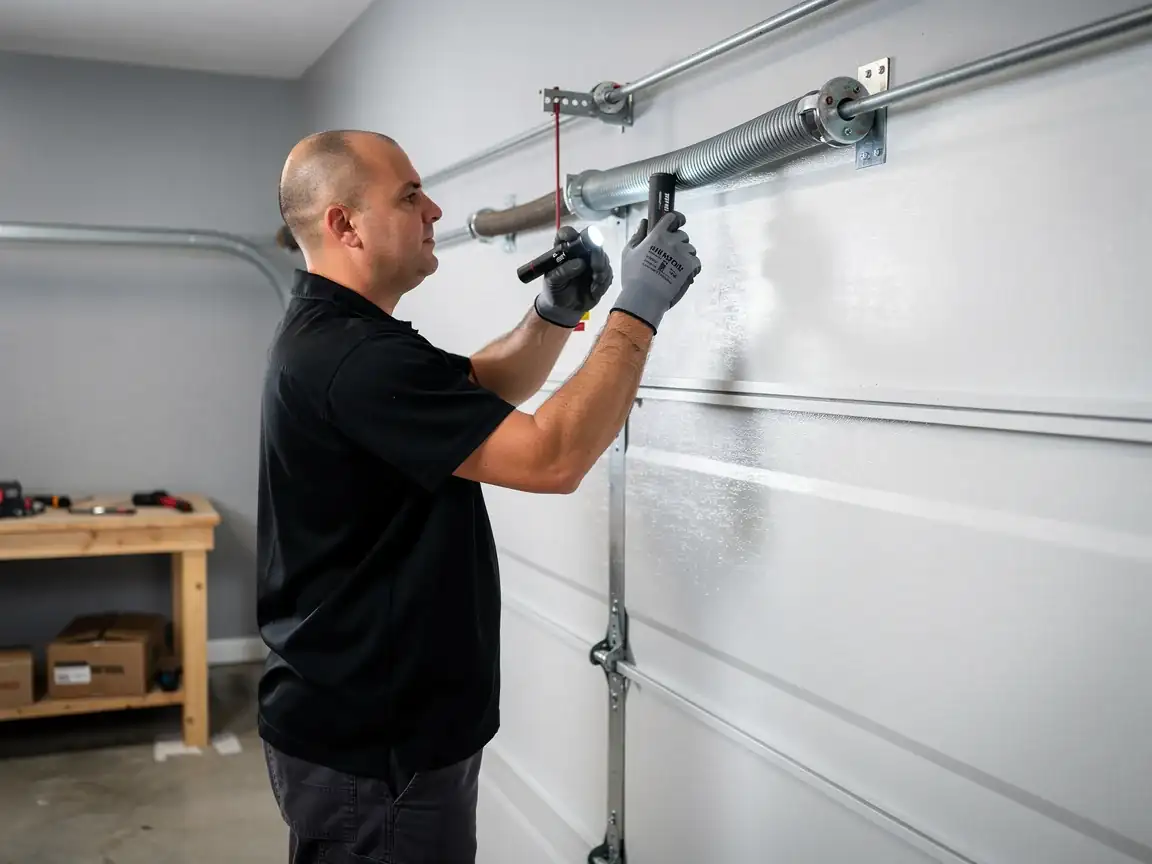
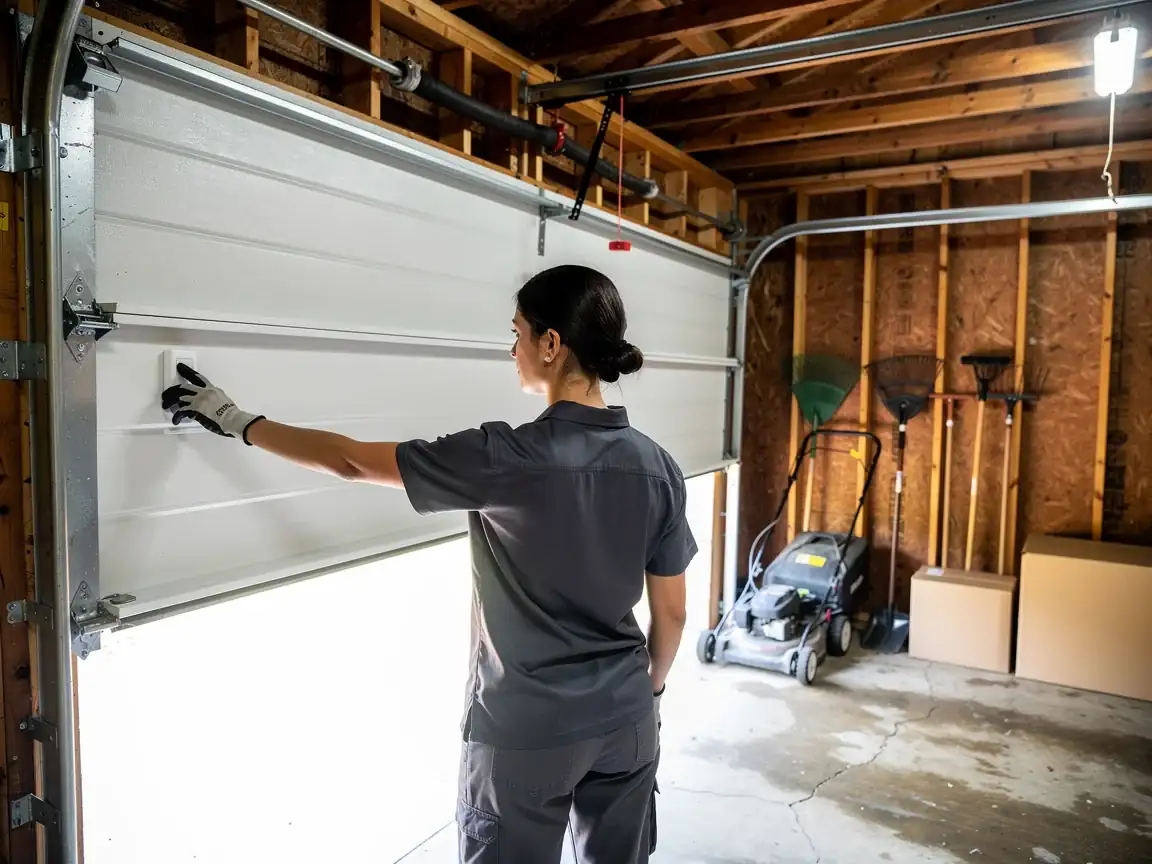
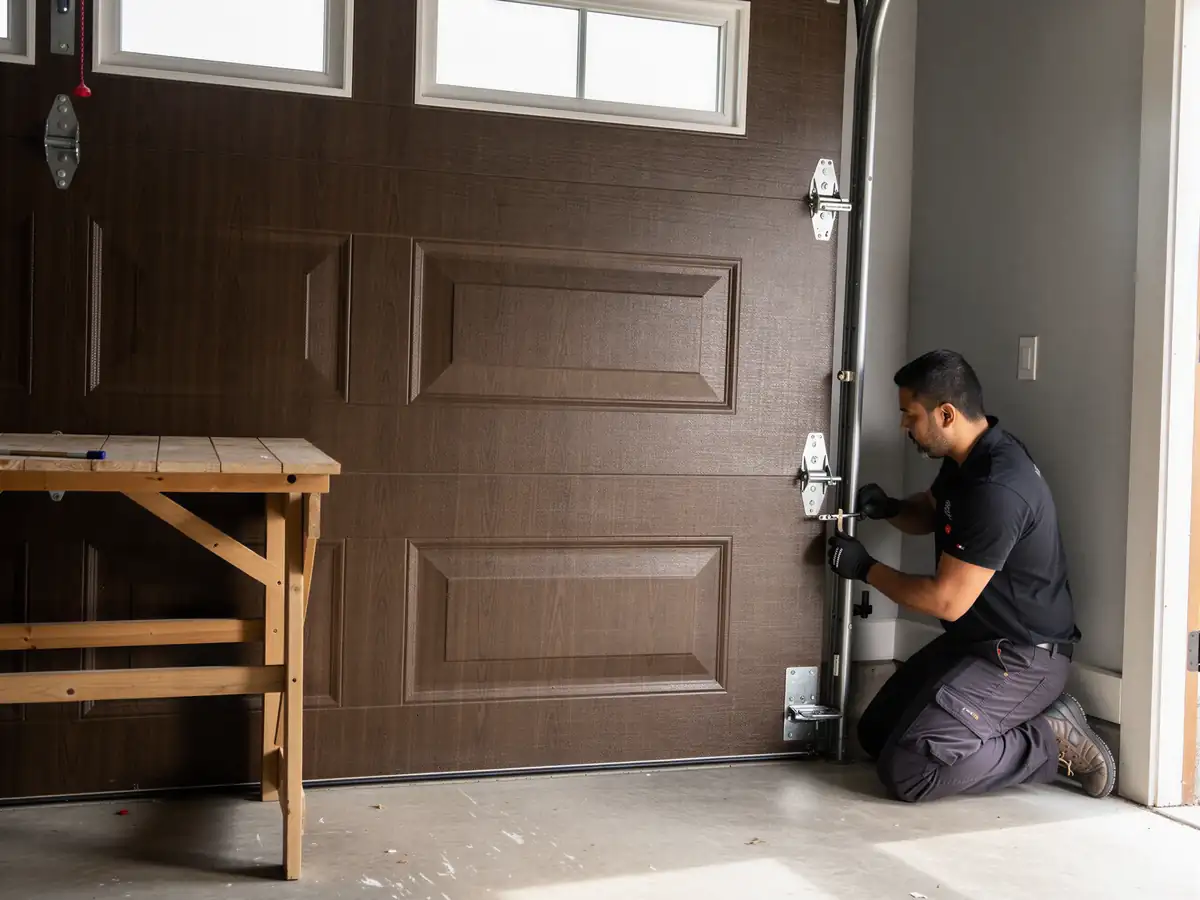
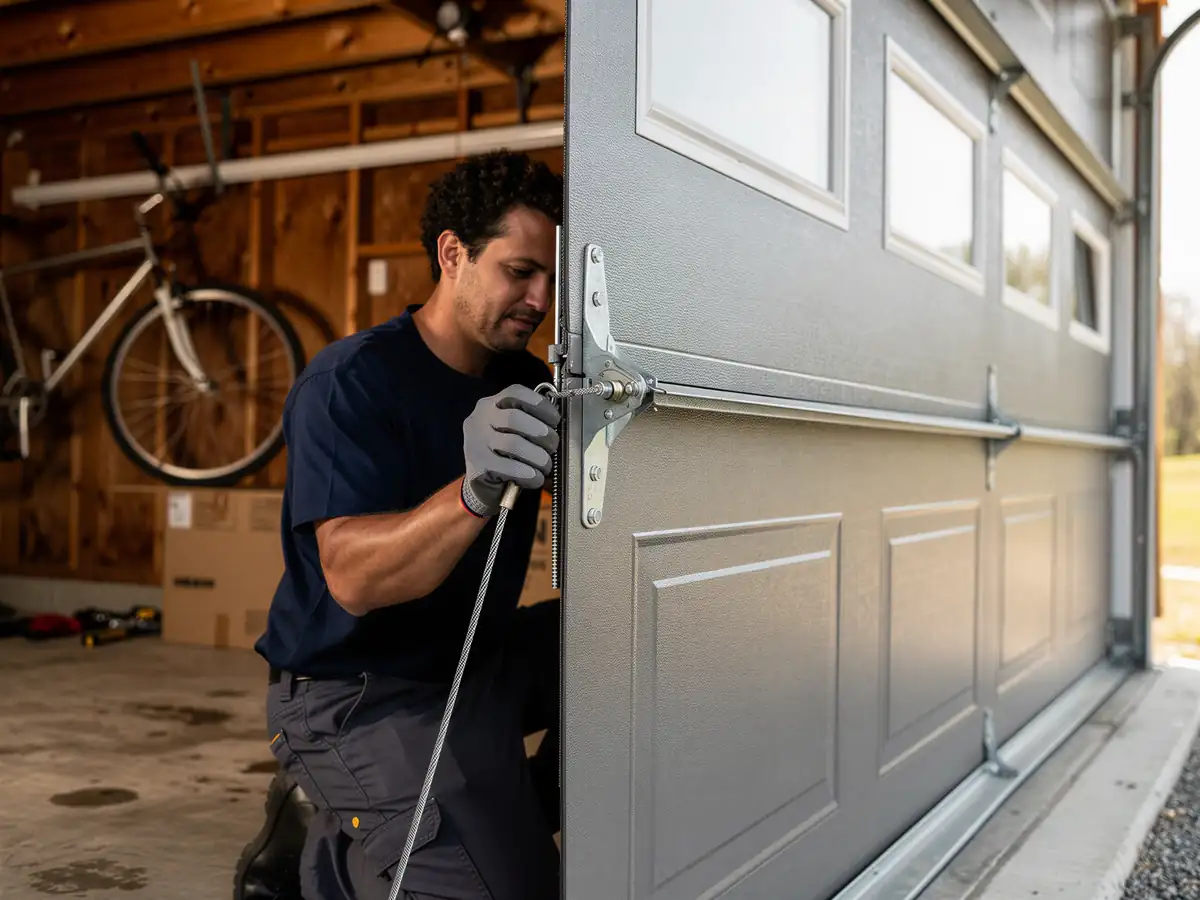
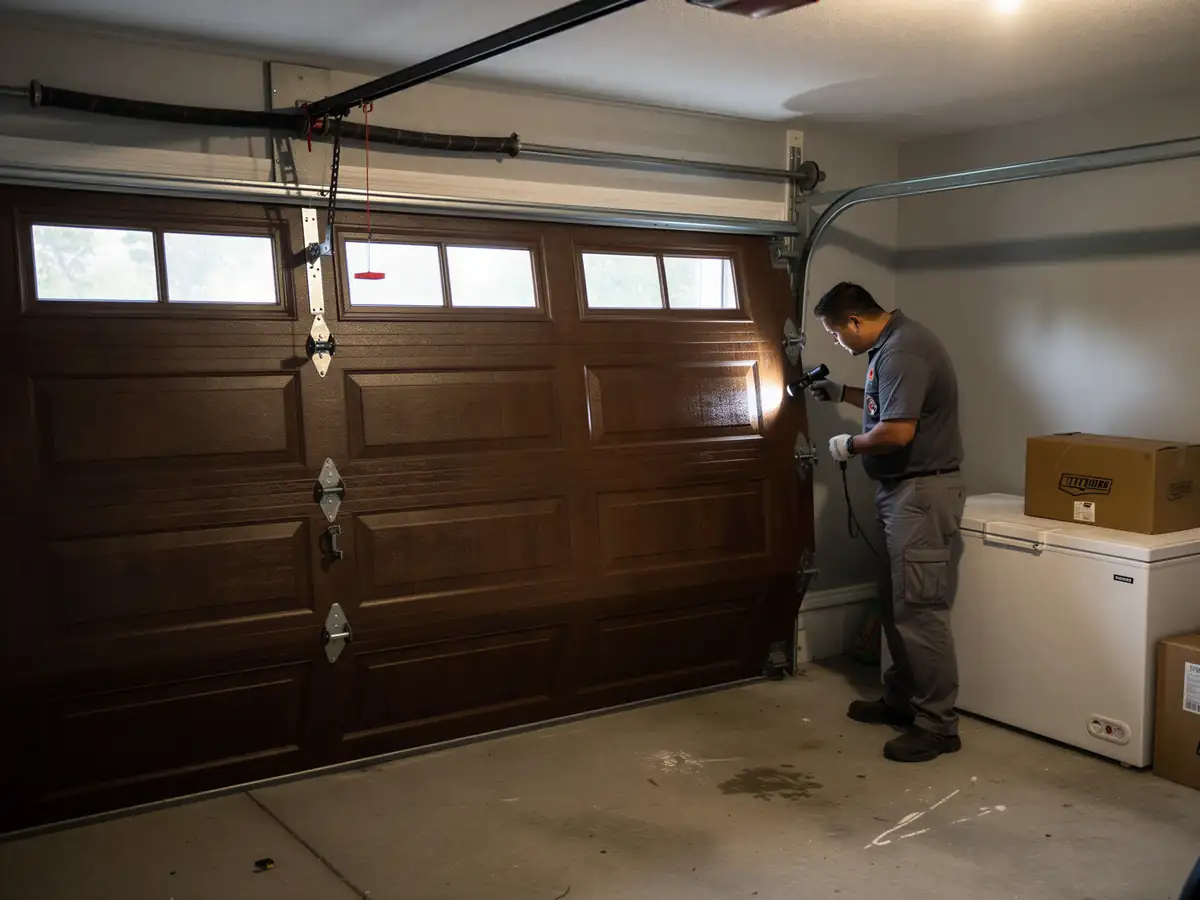
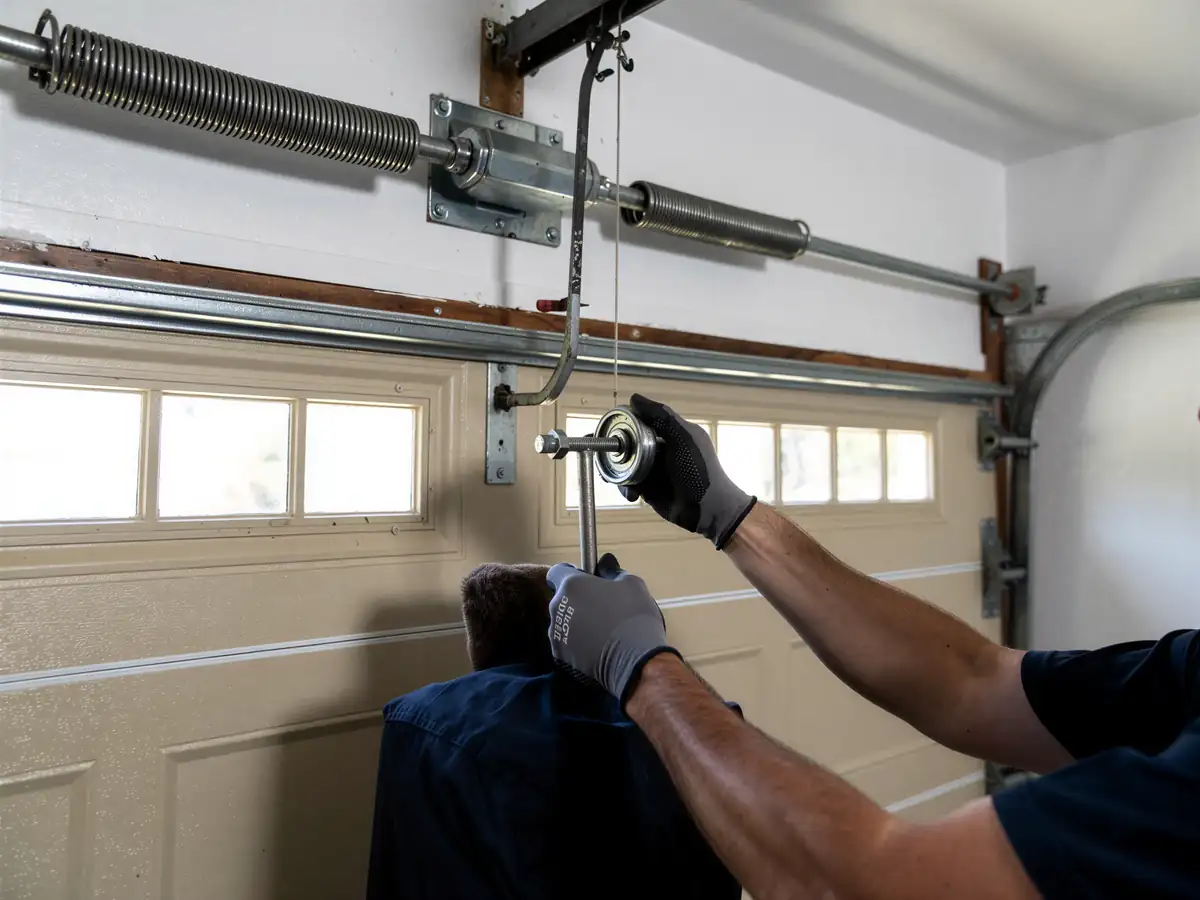
Before touching anything, we release tension and confirm the door is safely unloaded off the spring. Then we measure wire size, coil diameter, and length against the door's actual weight, not a guess based on what looks similar. Torsion springs are matched to the door, not to the opening, and an undersized spring wears out fast while an oversized one strains the opener and the header. We wind the new spring on the shaft, set the cones, and run the door through a full cycle test by hand before touching the opener again. On a double door we check both springs even if only one failed, since they carry the same cycle count and the second one is usually close behind. A safety cable gets run through the spring regardless of what was there before, since that's the one piece of hardware that keeps a broken spring from becoming a projectile. The whole job is mechanical, not electronic, and done right it doesn't need touching again for years.
Stocked Parts
Streamwood's homes fall into the broader stretch of 1980s and 1990s stock common across the area's 48 named neighborhoods, which means the torsion spring sizes we carry on the truck cover most standard single and double doors built in that window. Wire gauges and coil lengths for typical residential setups are routine inventory for us. Where it gets slower is anything outside that standard range: a heavier insulated door retrofitted later, a wind-rated spring, or a non-standard shaft diameter on an older custom installation. Those sizes aren't something we keep stacked ten-deep, and getting the exact match can add a day or two. We'd rather tell you that before the appointment than promise a same-visit fix we can't back up. For the common case, though, which is most of what we see on 1980s-era doors, the part is already in hand.
How to Book
We run out of Aurora, and Streamwood sits about 19 miles out, the longest drive among the suburbs we cover from that shop. That distance doesn't change what we bring or how the job gets done, but it's worth knowing we're not based in town. If you want the general rundown on how we handle spring jobs across the wider service area, that's covered on our Aurora spring repair page. For what else we handle specifically for houses in Streamwood, see our Streamwood garage doors page. To book, describe what the door is doing, whether it's a single or double, and roughly how old the house is. That's usually enough for us to bring the right spring on the first trip.