What Causes It Around Here
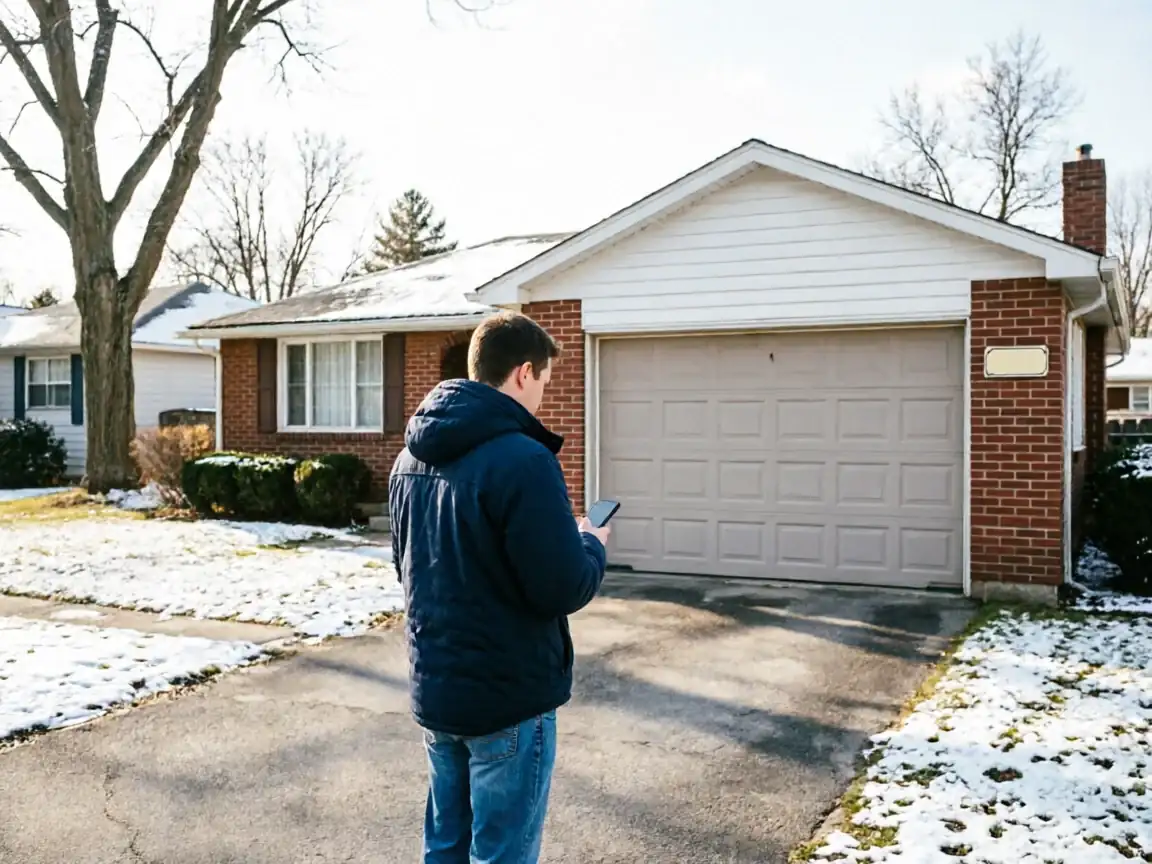
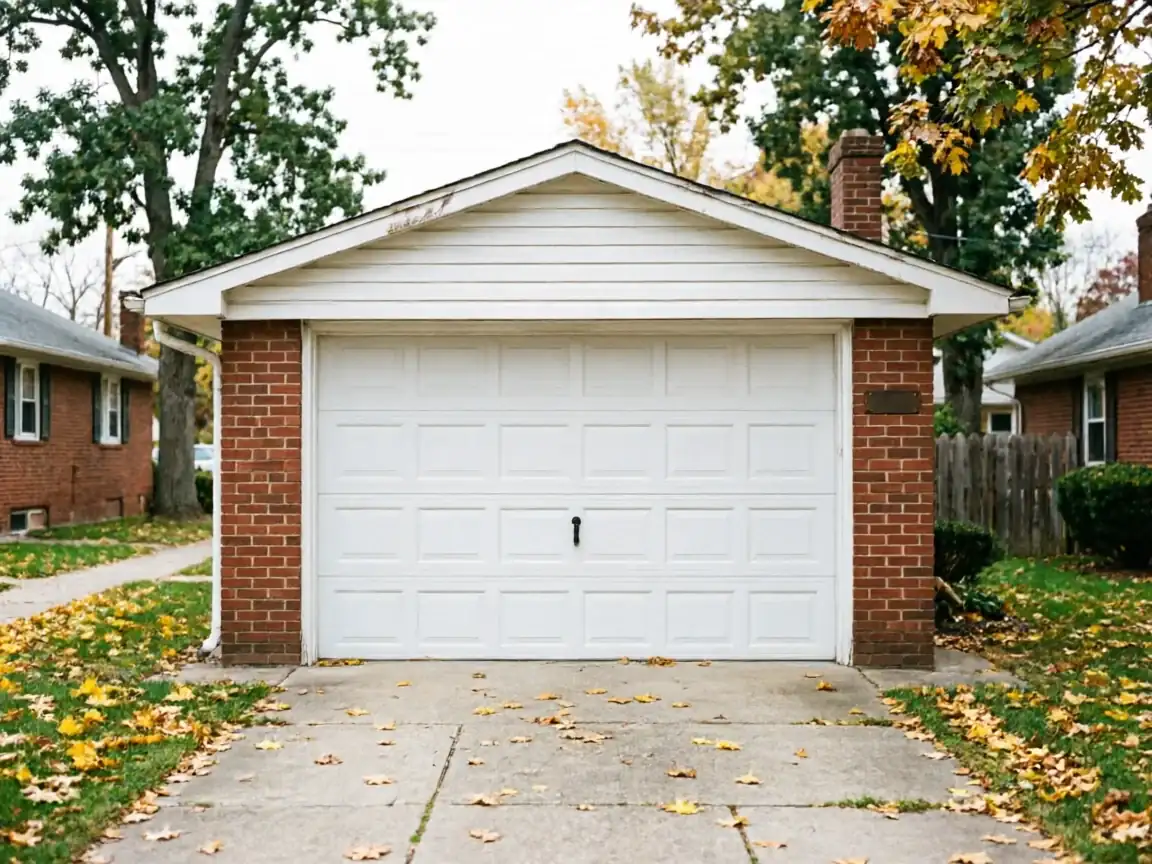
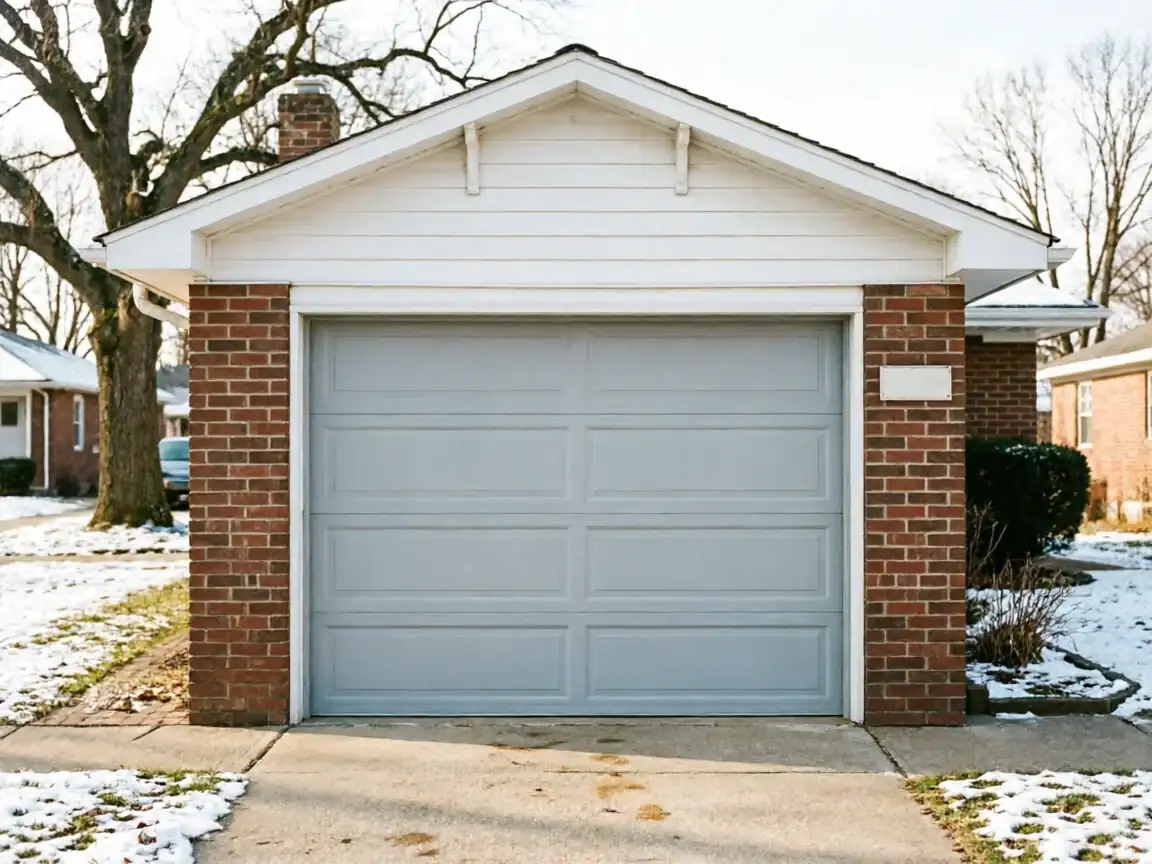
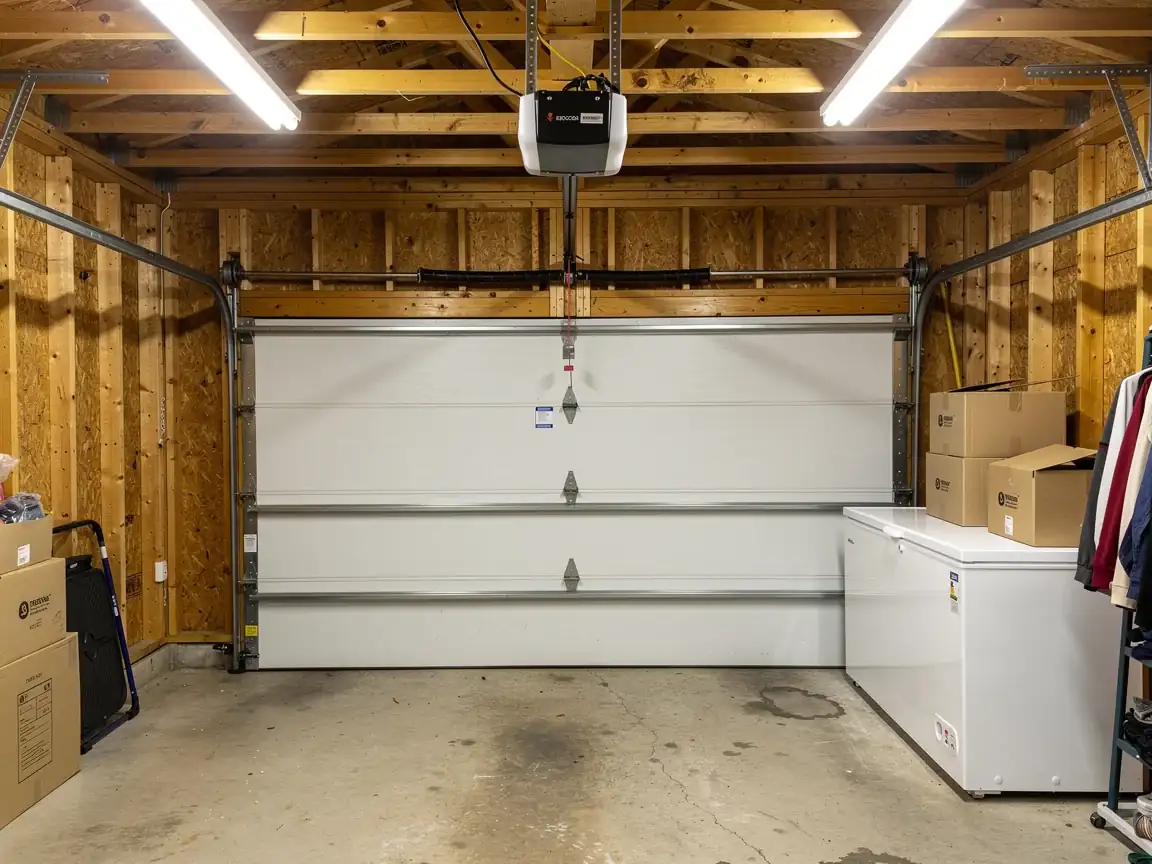
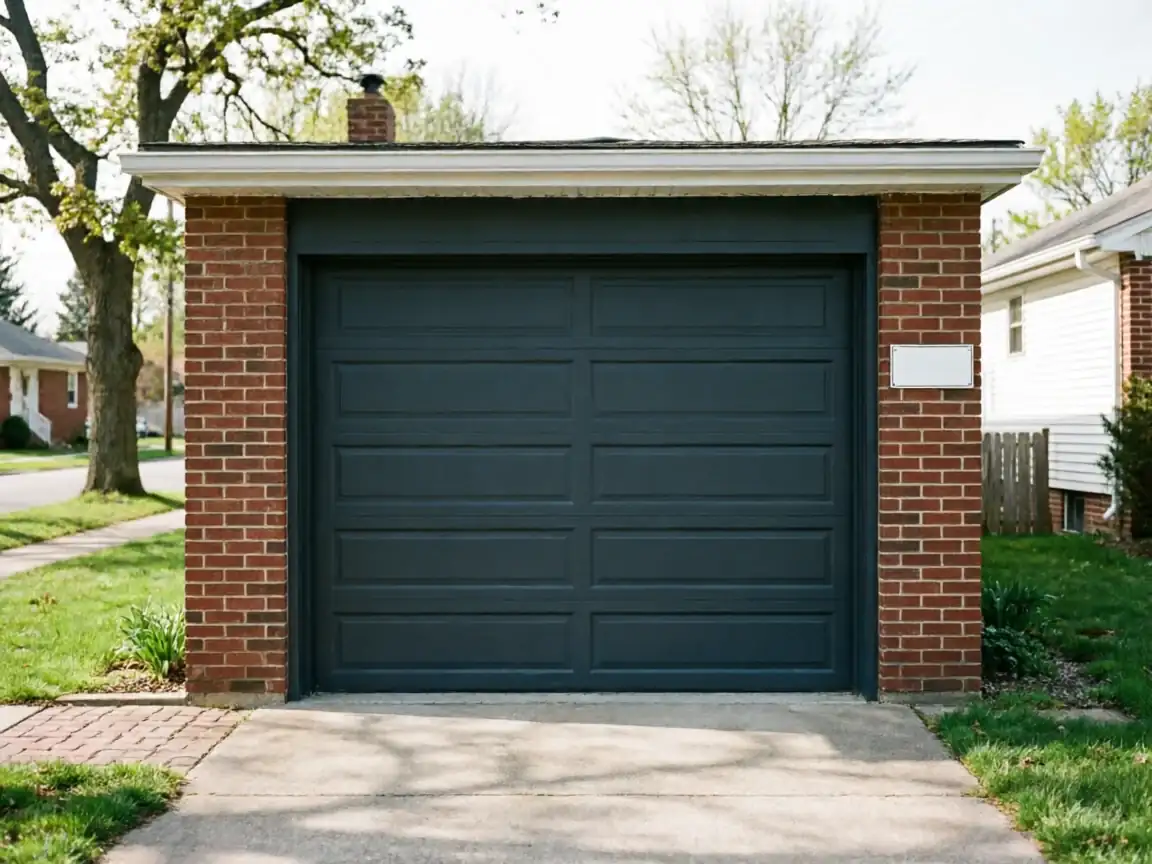
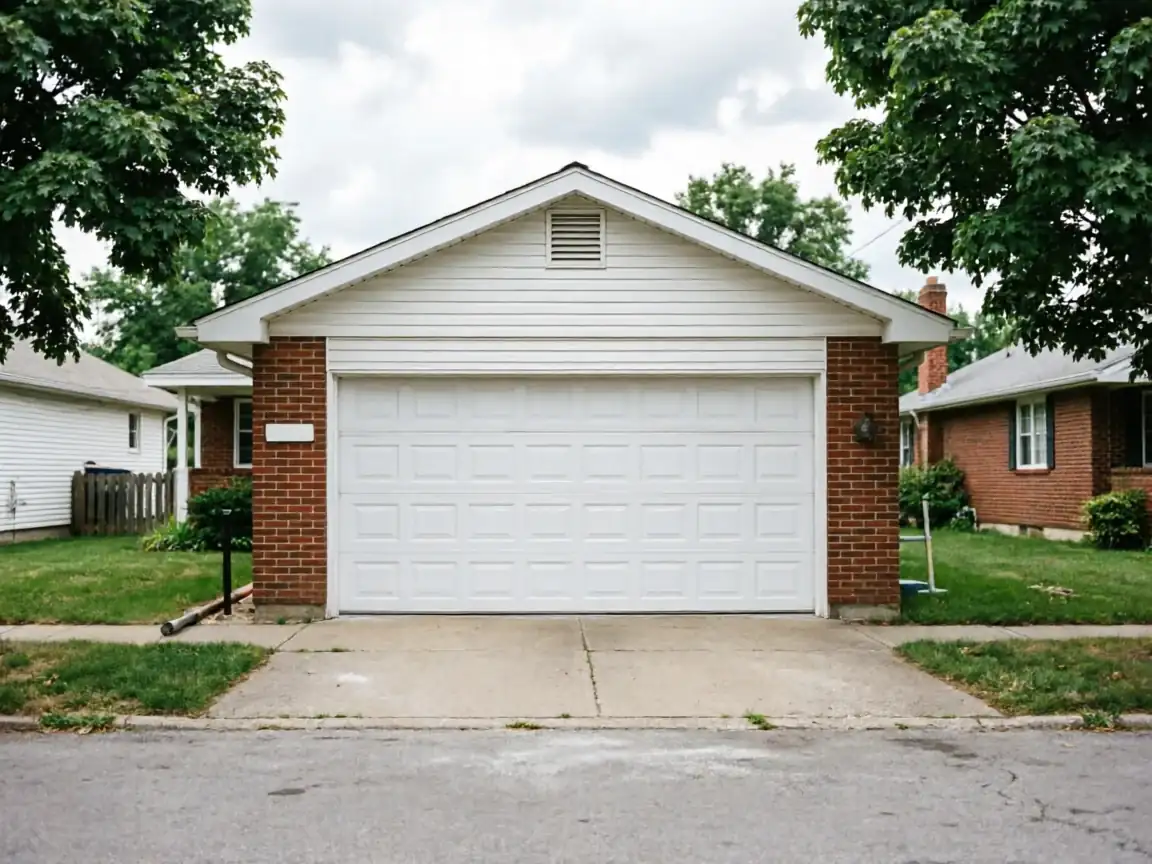
Most houses in Streamwood went up around 1981, which puts a lot of these garage doors squarely in that early-1980s wave of construction: single-layer steel sections, 7-foot panels, no foam backing, running on narrower tracks than you'd see on anything built in the last fifteen years. The torsion springs that came with those doors were wound for lighter, uninsulated panels, so when an owner swaps in a heavier replacement door later and keeps the old spring, the balance is off from day one.
The service area sits in a cold, moderate climate band, and that matters here specifically because steel contracts in winter faster than the grease in an original-era bearing can keep up with. Rollers that were fine in September start binding in January, and a spring that's been flexing for four decades loses temper faster once the cold sets in hard. That combination - old hardware, original torsion sizing, and a winter that stresses metal - is the pattern behind most of the service calls in this part of town. It's not a mystery fault. It's the math of a 40-year-old door meeting a Chicago-area winter.
What the Fix Involves
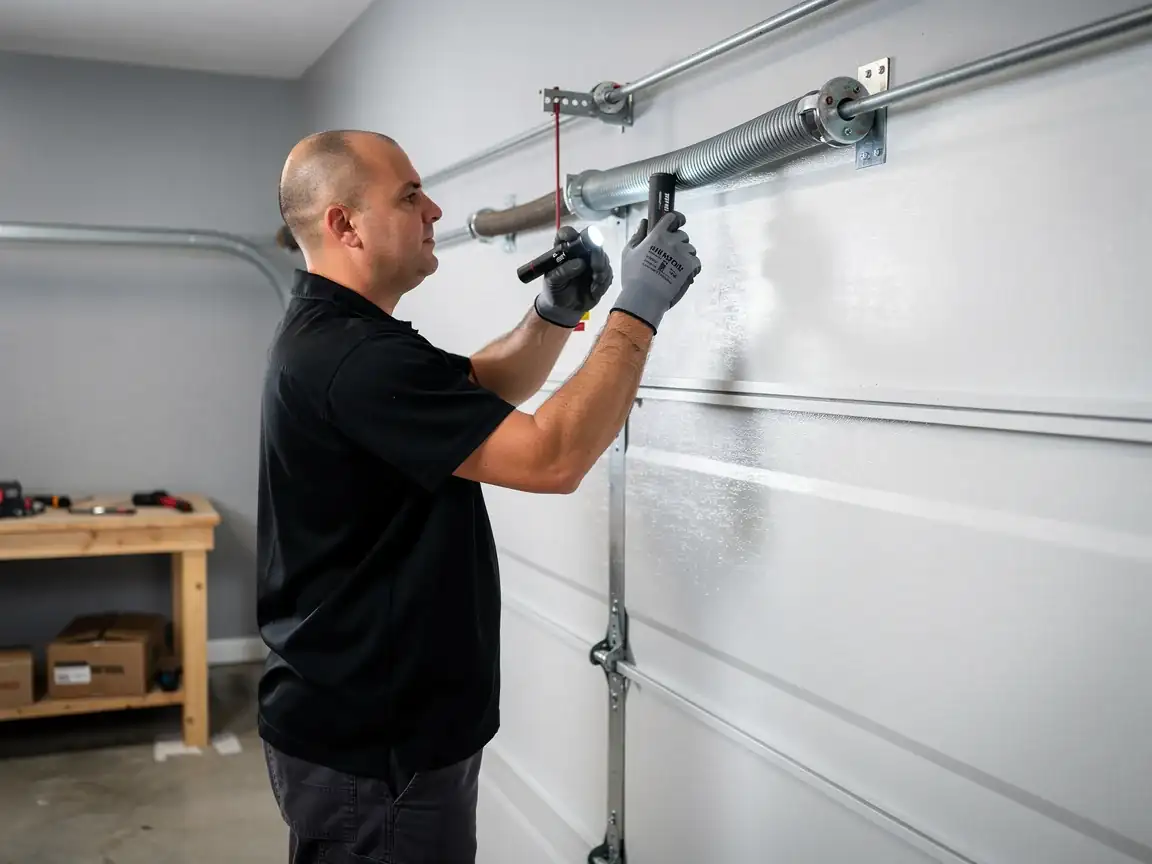
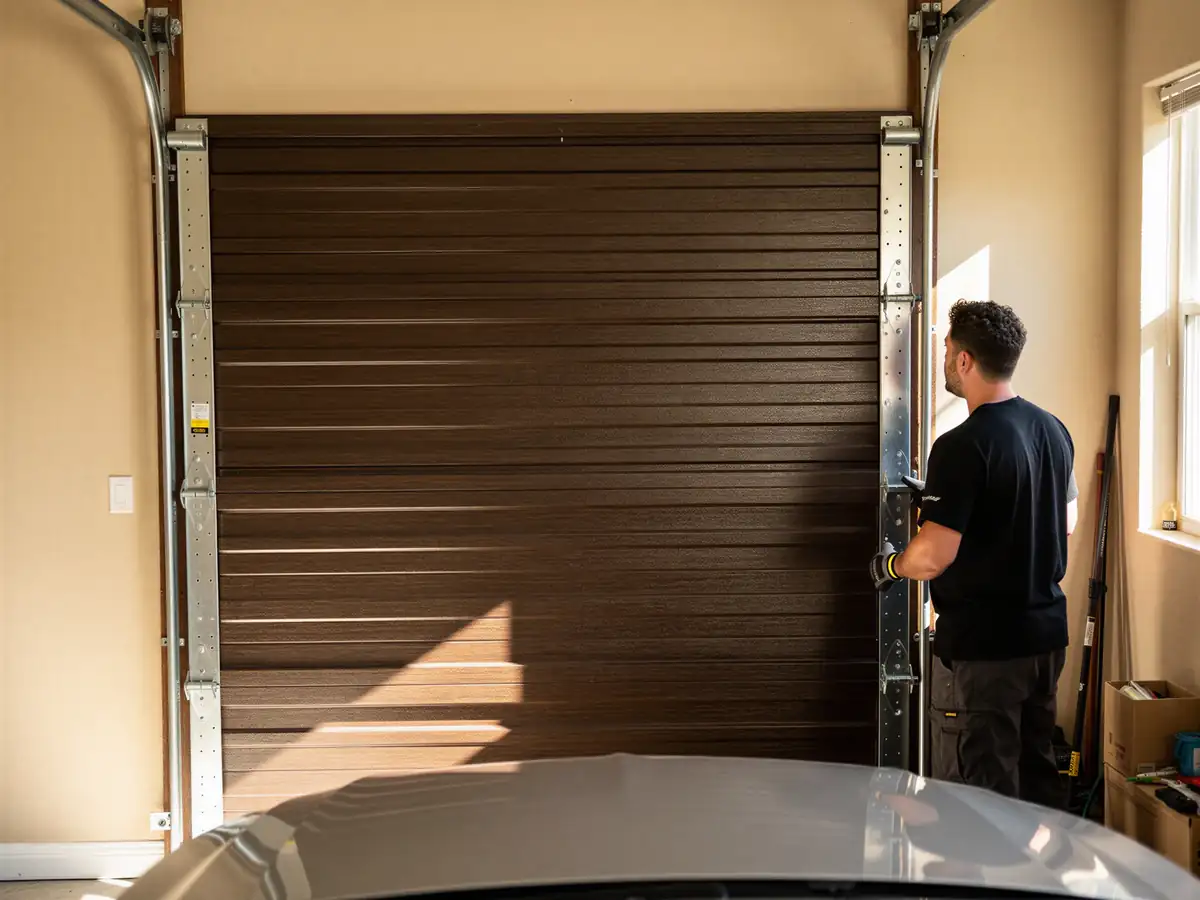
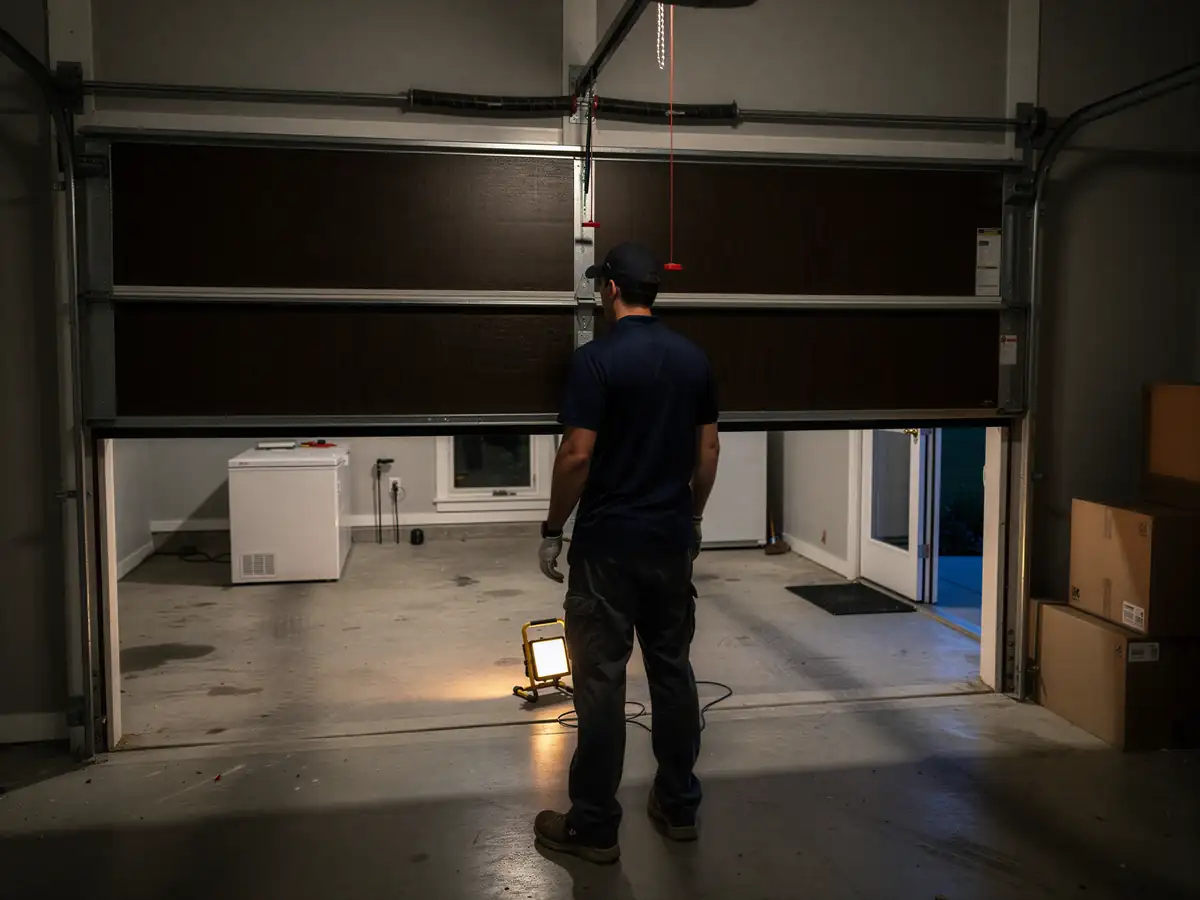
The first step is always weighing the door, not guessing at it. A torsion spring sized for a lightweight 1981-era steel panel is wrong for a heavier insulated replacement, and installing the wrong spring is how a door slams down on a cable instead of easing shut. We measure the panel, check the drum size, and match the spring to what's actually hanging on the track today, not what the paperwork says went up originally.
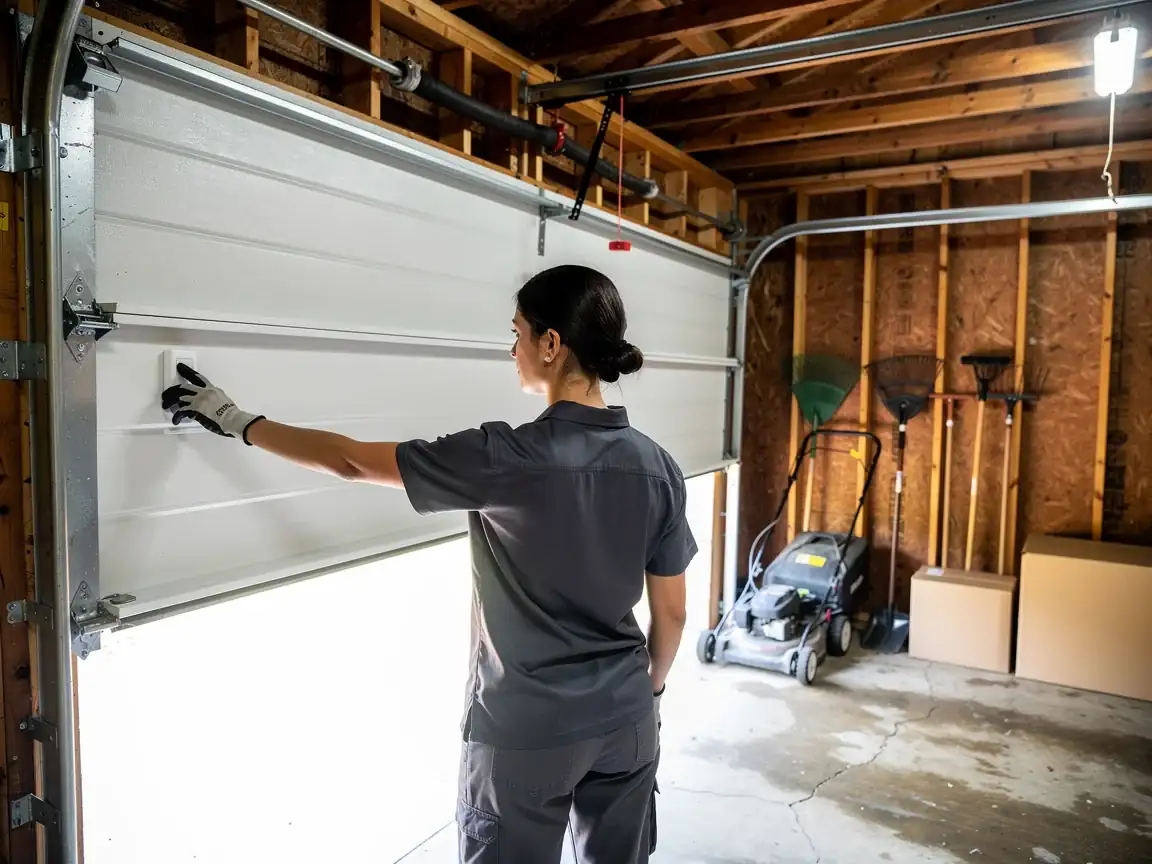
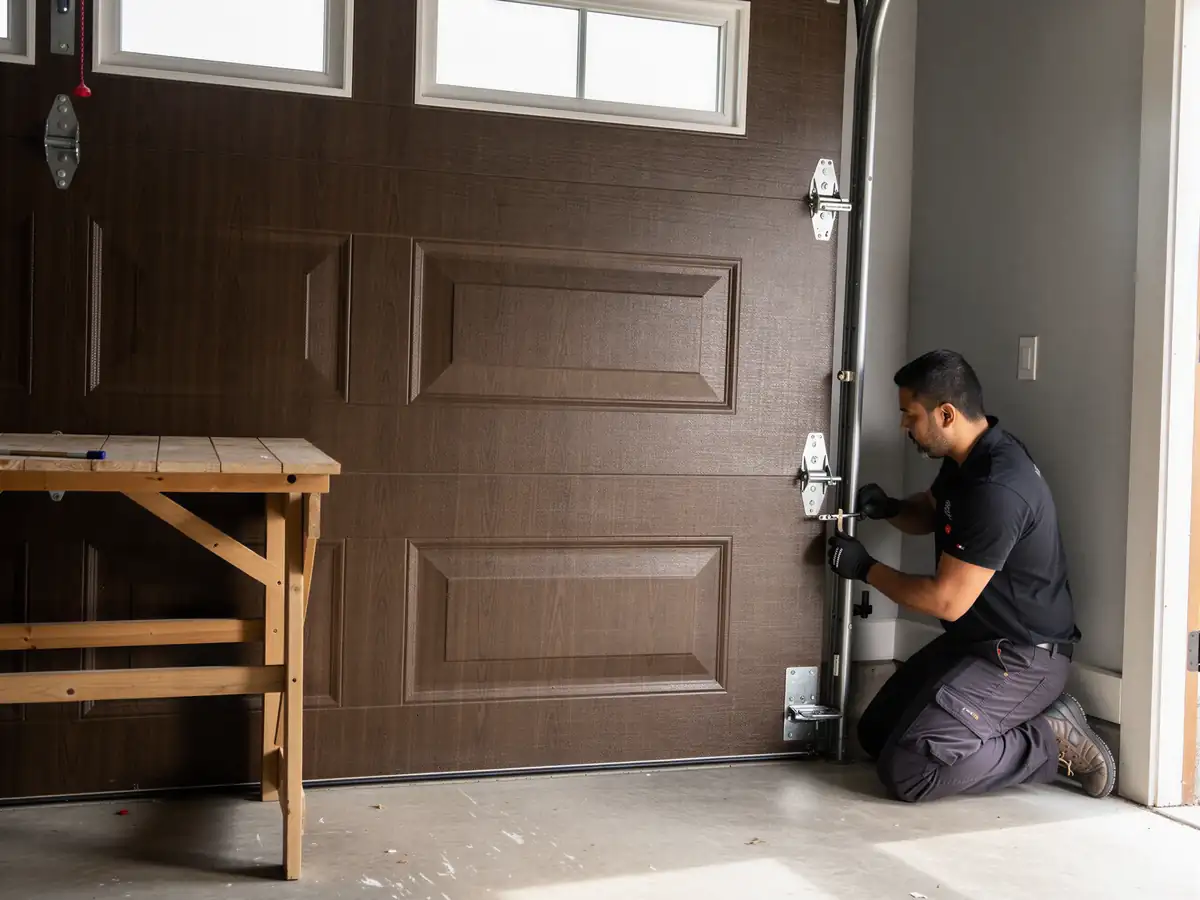
After that it's inspection down the line: track alignment, roller wear, cable fraying at the drum, and the condition of the bottom bracket, which on doors this age is usually the first thing to rust through from ground moisture. If the opener is original to the house, the gear set inside has usually stripped by now; we test it under load rather than by sound alone, since a quiet motor can still be slipping. The job closes with a full cycle test under spring tension, both halves of the door, to confirm the balance holds without the opener fighting it. We don't call a job done until that test passes clean.
What Can Go Wrong
Here's the honest part: not every panel from a 1981-era door is still made
If a single section cracks or dents and the rest of the door is sound, matching the exact ribbing and color on an obsolete panel isn't always possible, and sometimes the right call is living with a mismatched replacement panel rather than waiting weeks for a special order. We'll tell you that straight rather than promise a match we can't deliver.
The other risk is a torsion spring installed at the wrong wind count on an older drum
Original hardware from this era sometimes used a drum size that's been phased out, and forcing a modern spring onto it without adjusting the cable drum can throw the whole door out of level. We check drum compatibility before we order the spring, not after. And on any door this old, we'll flag if the track itself has started to pull away from the jamb - that's a structural issue, not a parts issue, and no spring or cable fix solves it.
Stocked Parts
The truck carries torsion springs sized for the common 7-foot and 8-foot panel heights that match Streamwood's housing stock, along with standard-drum cable sets, ball-bearing rollers, and hinges that fit the original-era track spacing. Bottom brackets and center struts for single-layer steel sections are also kept on hand, since those are the parts most likely to have rusted or bent on a door that's been cycling since the early 1980s.
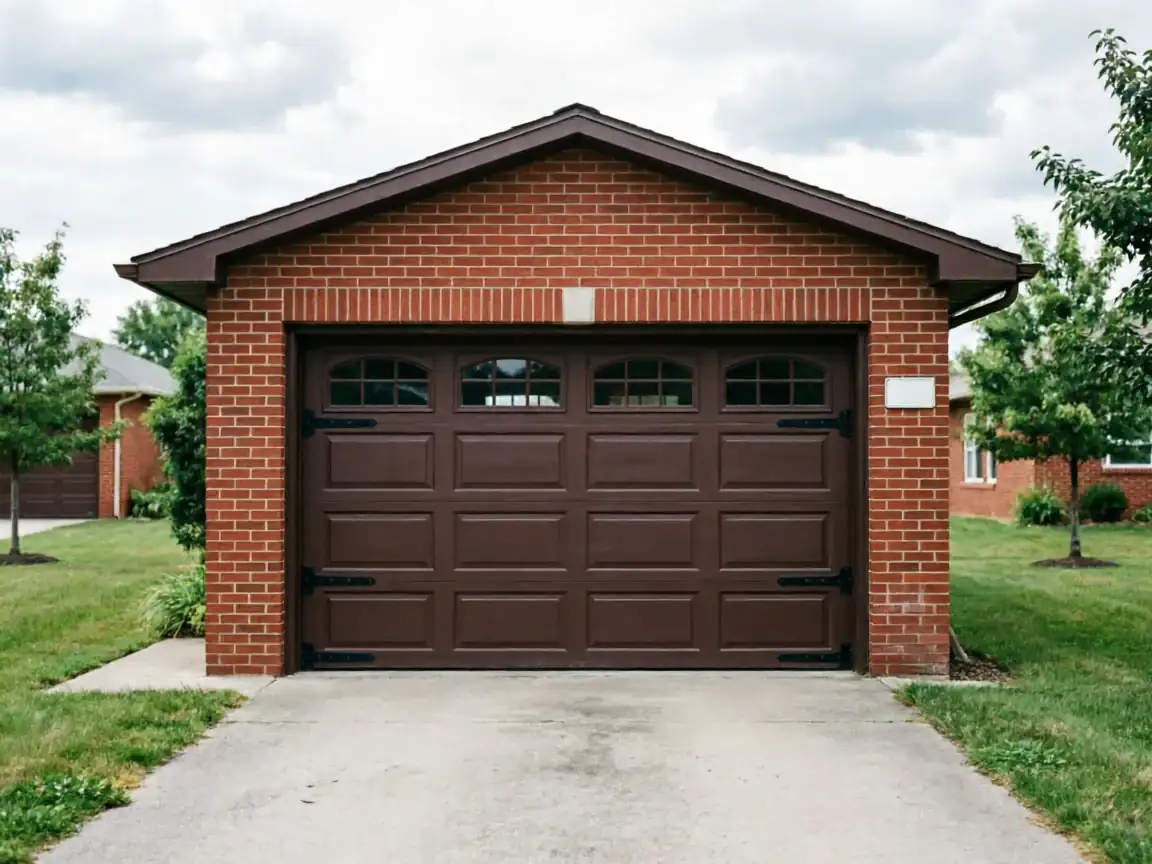
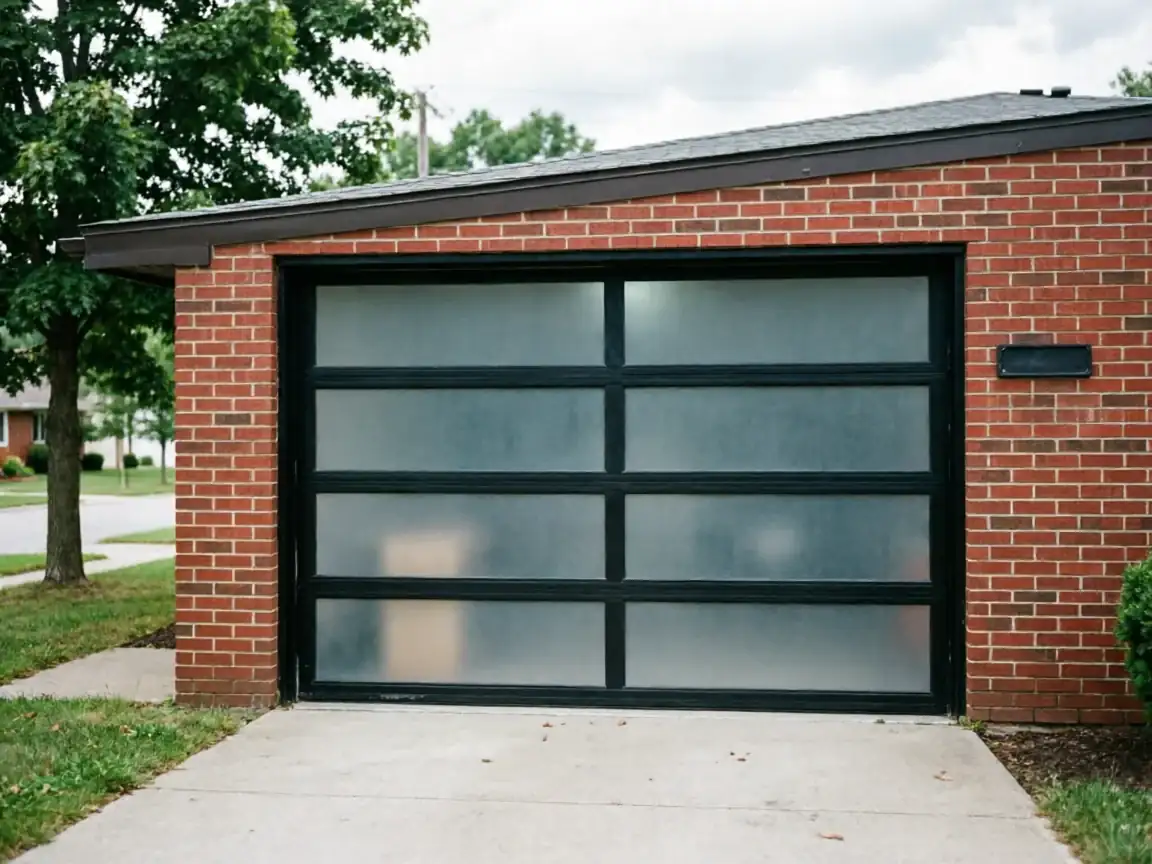
What isn't stocked: custom panel inserts, decorative window kits, or anything matched to a specific manufacturer's discontinued color run. Those get special-ordered once we've confirmed what's actually on the door, and lead time depends on what the supplier still carries for that era. For most torsion spring, cable, and roller calls on a door from this period, the parts needed are on the truck the day we come out.
How to Book
The crew runs out of Aurora, 19 miles from Streamwood, so there's no local branch and no same-day guarantee baked into the quote - we schedule the drive as part of the job, not as an afterthought. For a spring, cable, or roller repair on a door from this era, we ask for the panel height and whether the opener is original, since that tells us what's likely on the truck already versus what needs ordering first.
See more on what we handle in Streamwood at /streamwood-garage-doors/, or for the full rundown of repair work out of the Aurora shop, visit /garage-door-repair-aurora-il.