What Causes It Around Here
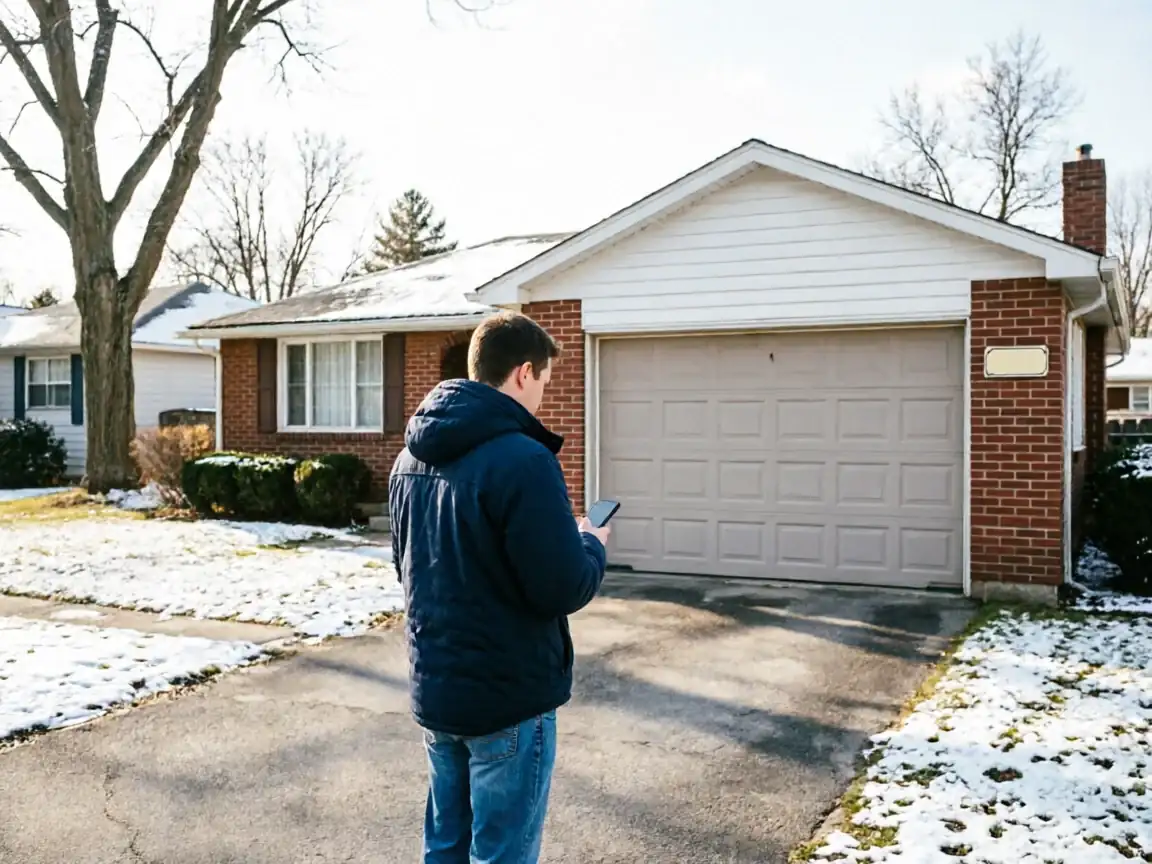
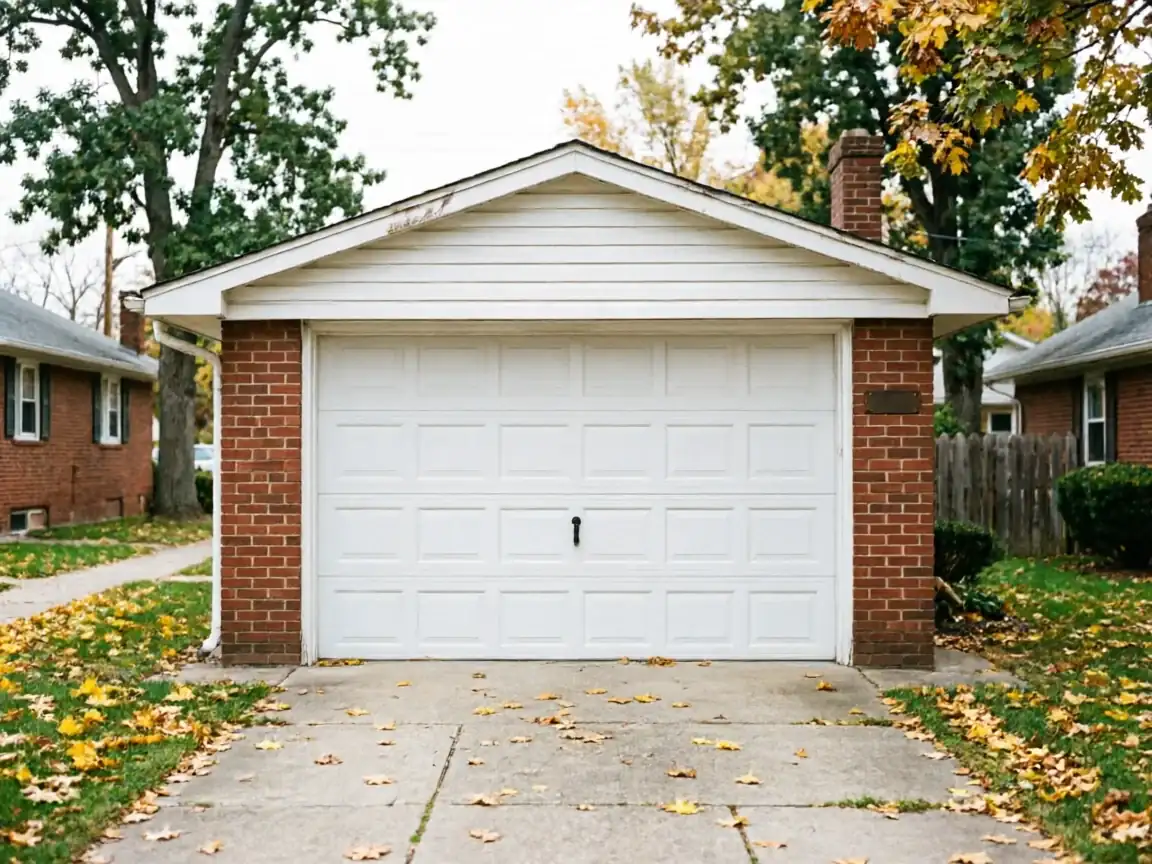
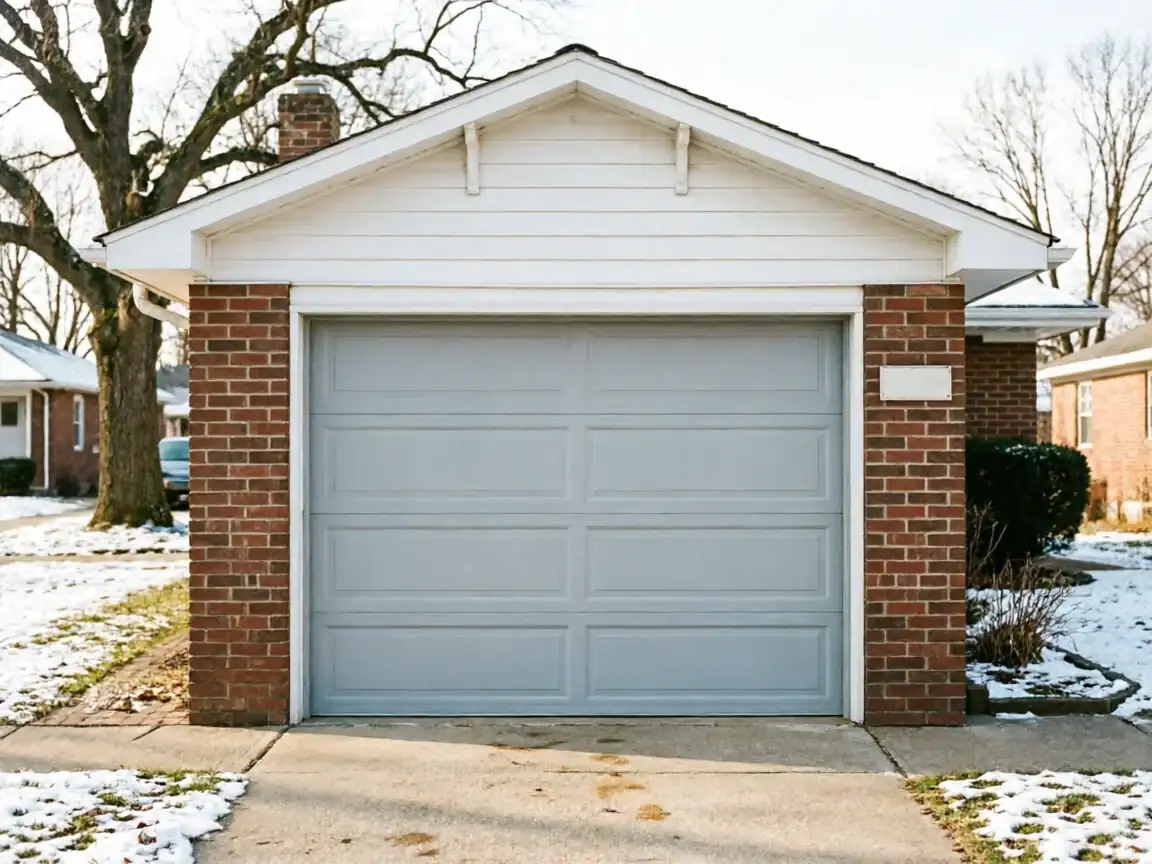
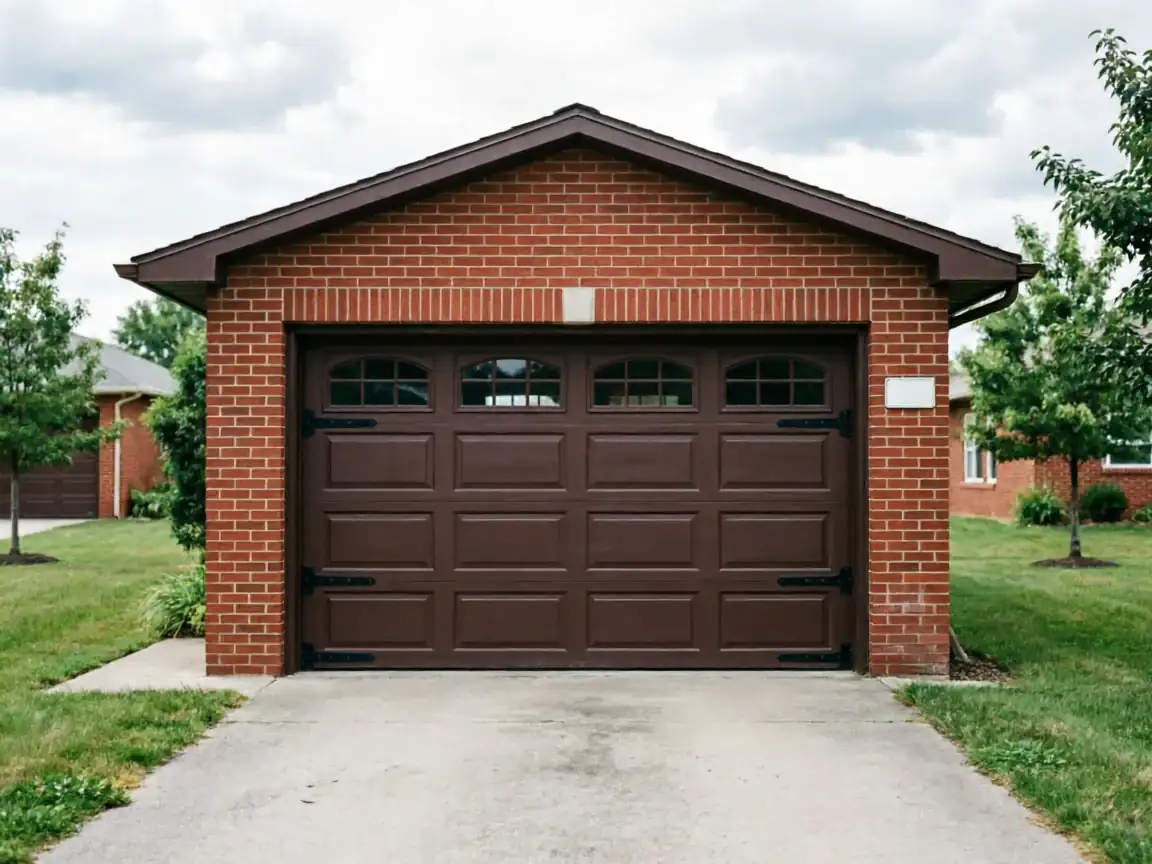
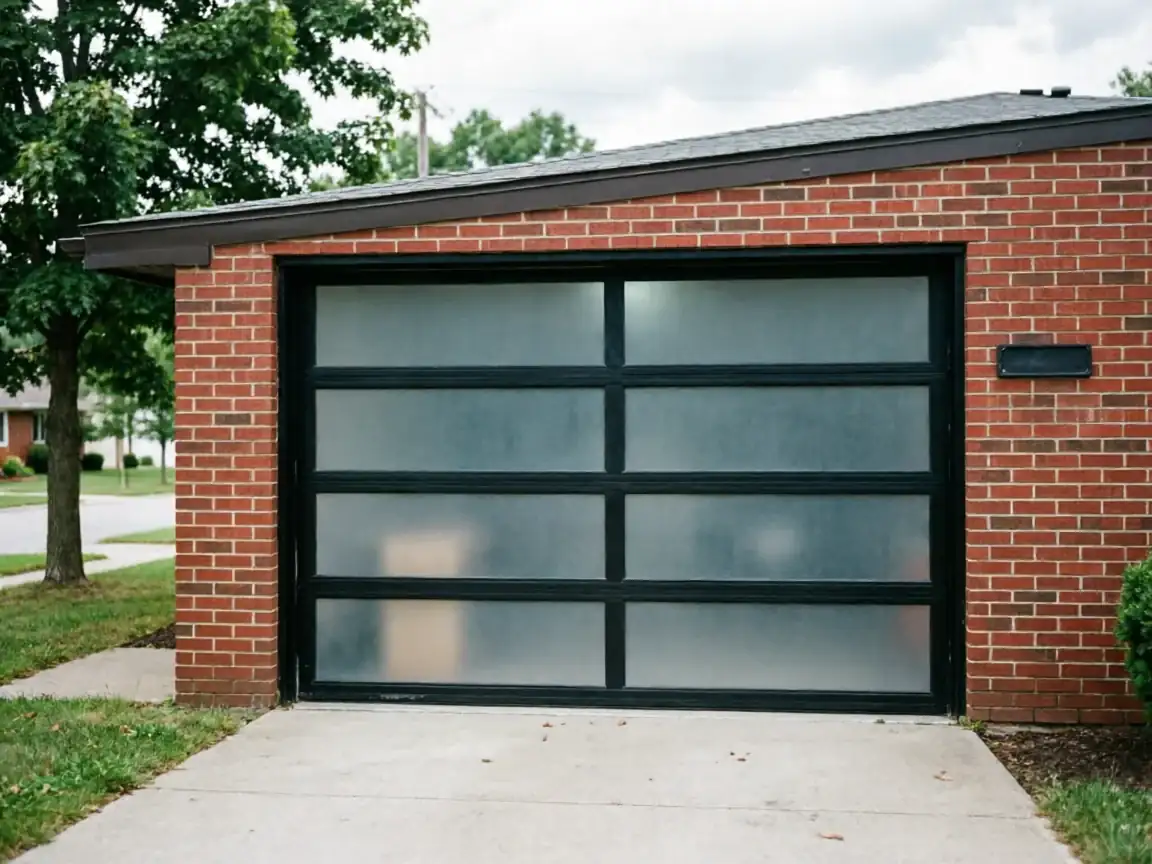
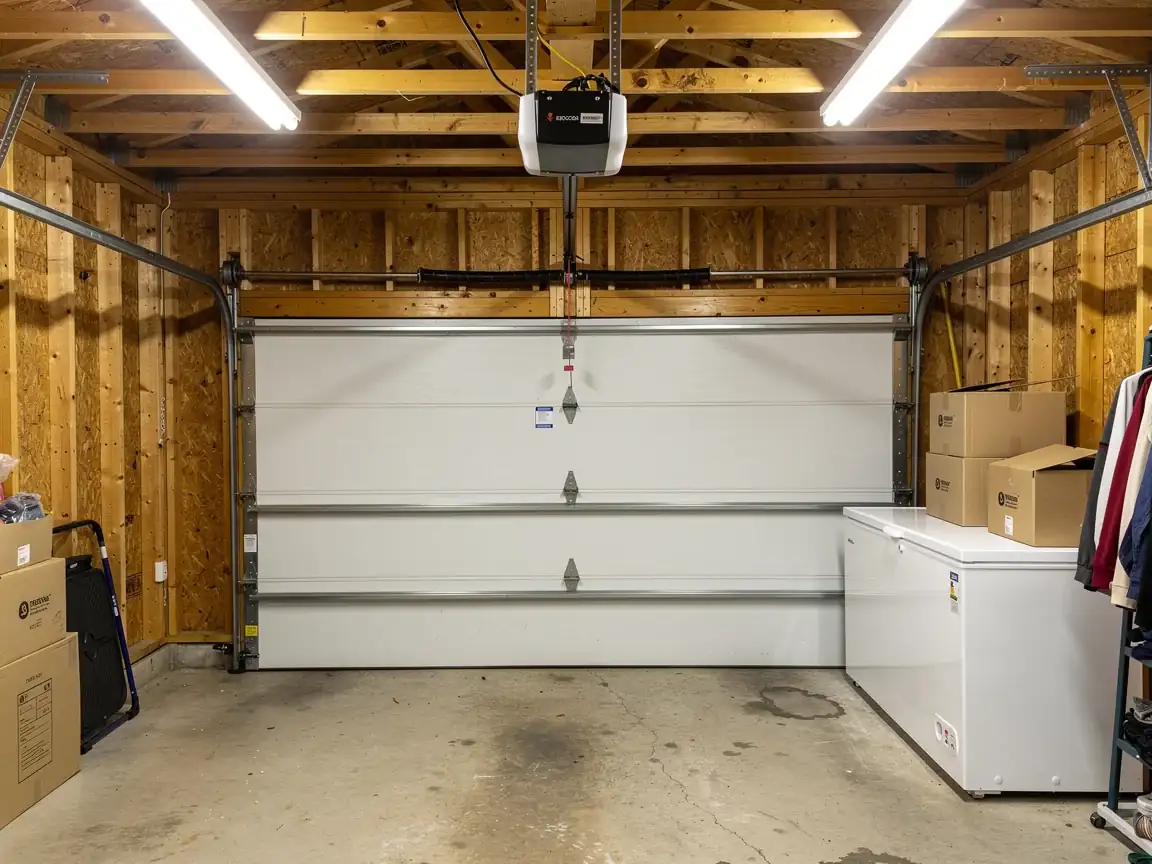
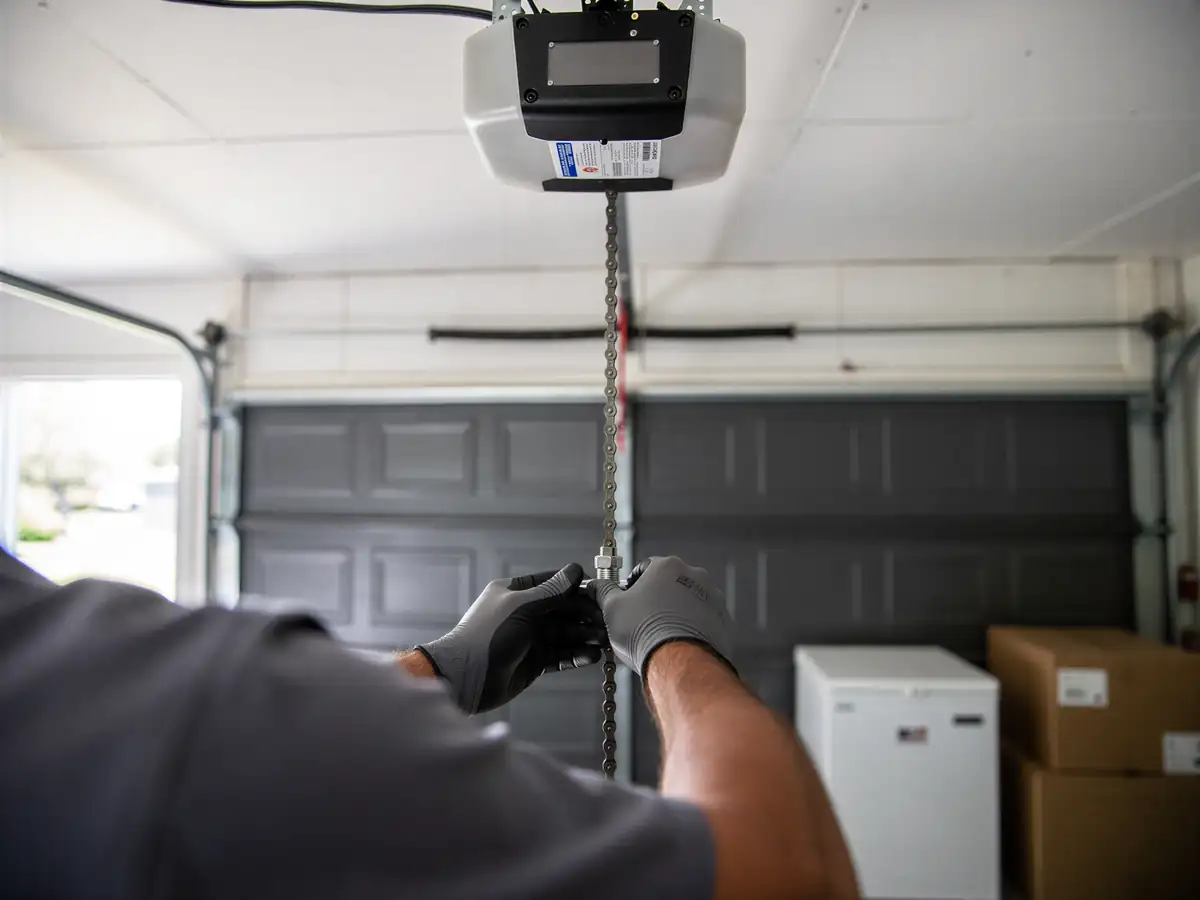
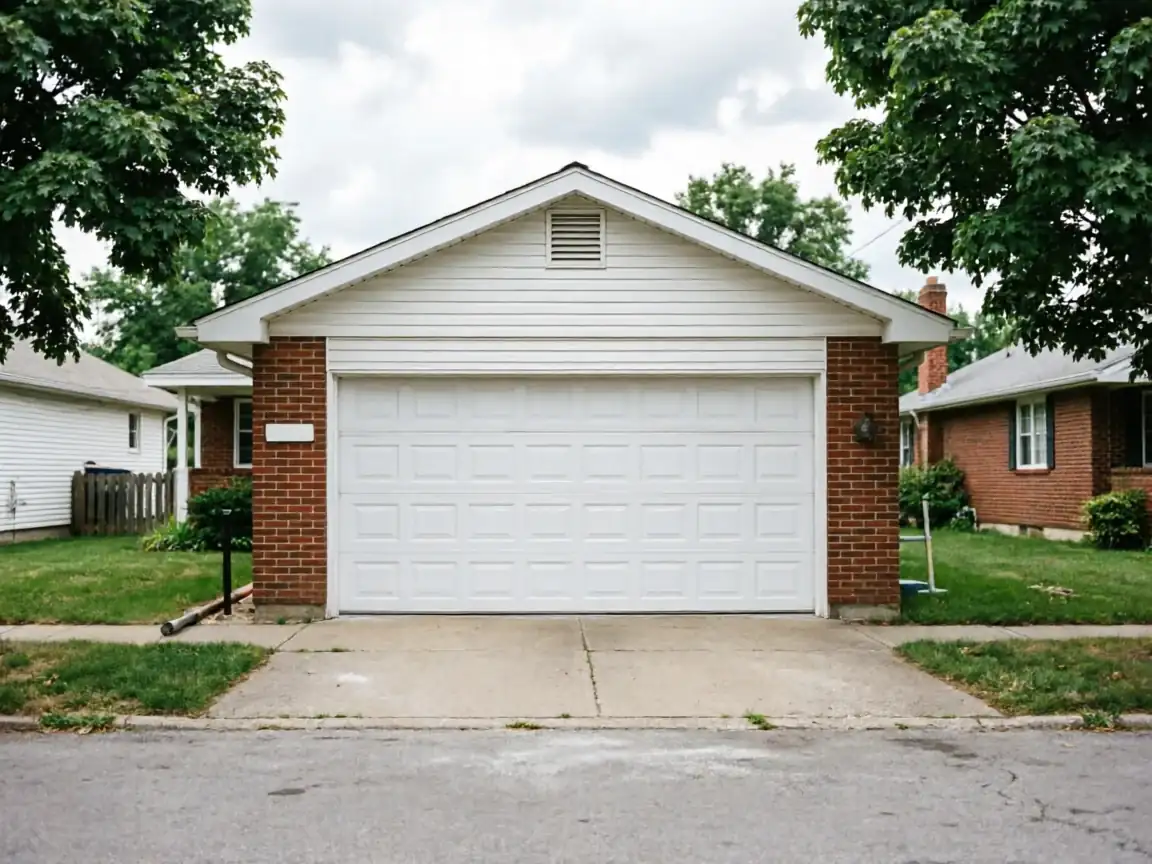
The median year a house went up in Streamwood sits at 1981, and that number matters more than it looks like it should. Doors built around then came with extension springs mounted along the horizontal track, not the torsion bar you'd find on anything built after the mid-1990s. A lot of those original doors are still hanging, because steel doors from that era don't rust out the way people expect - they just lose their spring tension in a specific, recurring way. The wider service area's climate sits in a cold-moderate band, and that swing between a humid summer and a dry, sub-zero winter is hard on galvanized coil springs that have been stretching and relaxing for four decades. Extension springs lose temper faster than torsion springs do under this kind of cycling, and once they go, they go with a snap, not a slow sag. If your opener is also original - the chain-drive units sold through the 80s and into the 90s - the gear sprocket inside it tends to wear out around the same age window the springs do, so both failures often land inside a year or two of each other. None of this means every door in Streamwood is original hardware; plenty have been swapped out over the years. But if yours hasn't been touched, the age of the house is the first thing worth checking before anything else.
What the Fix Involves
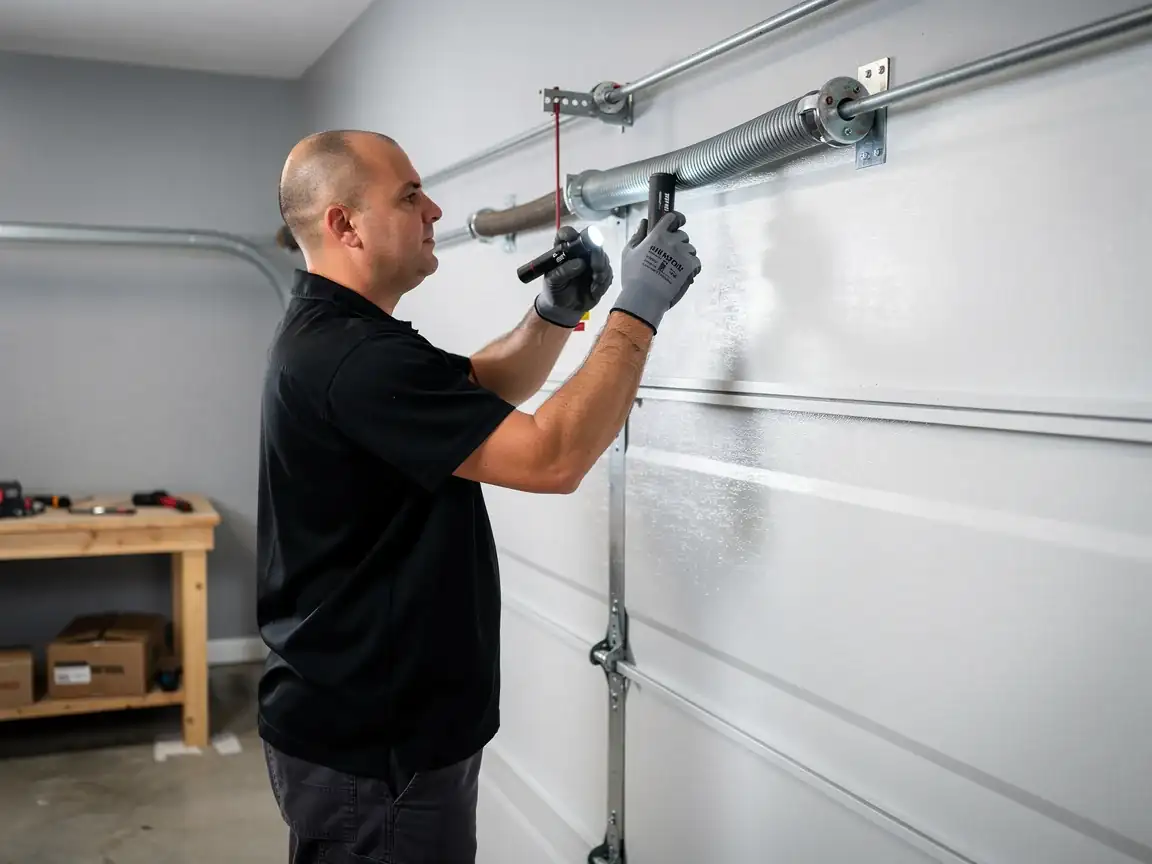
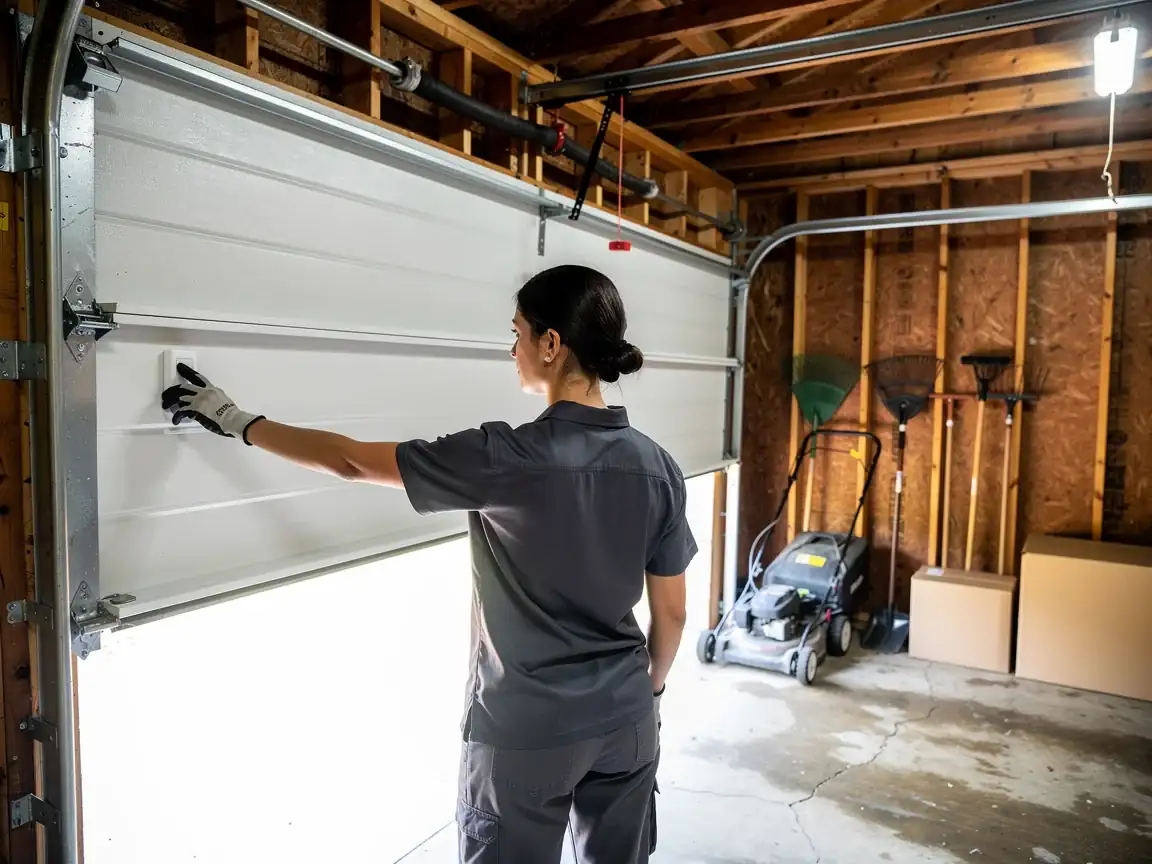
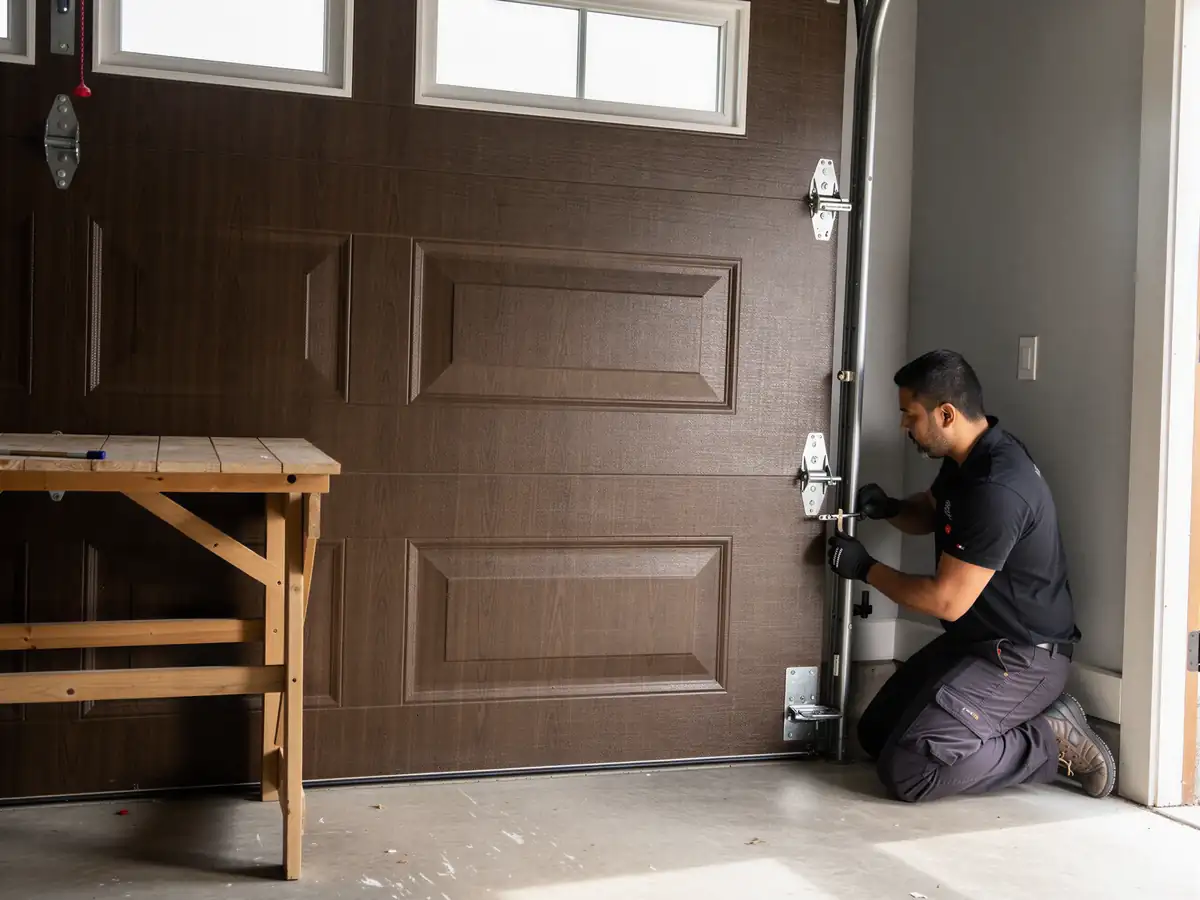
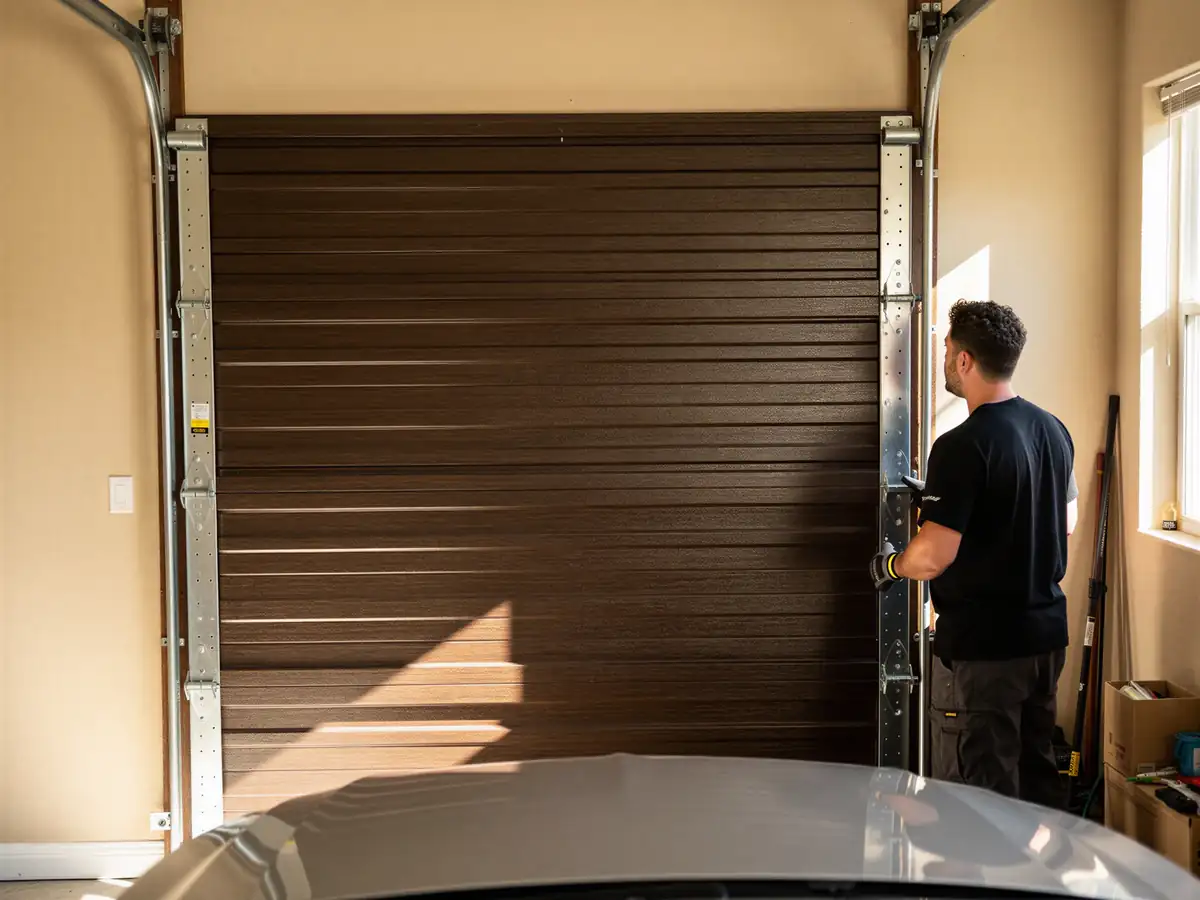
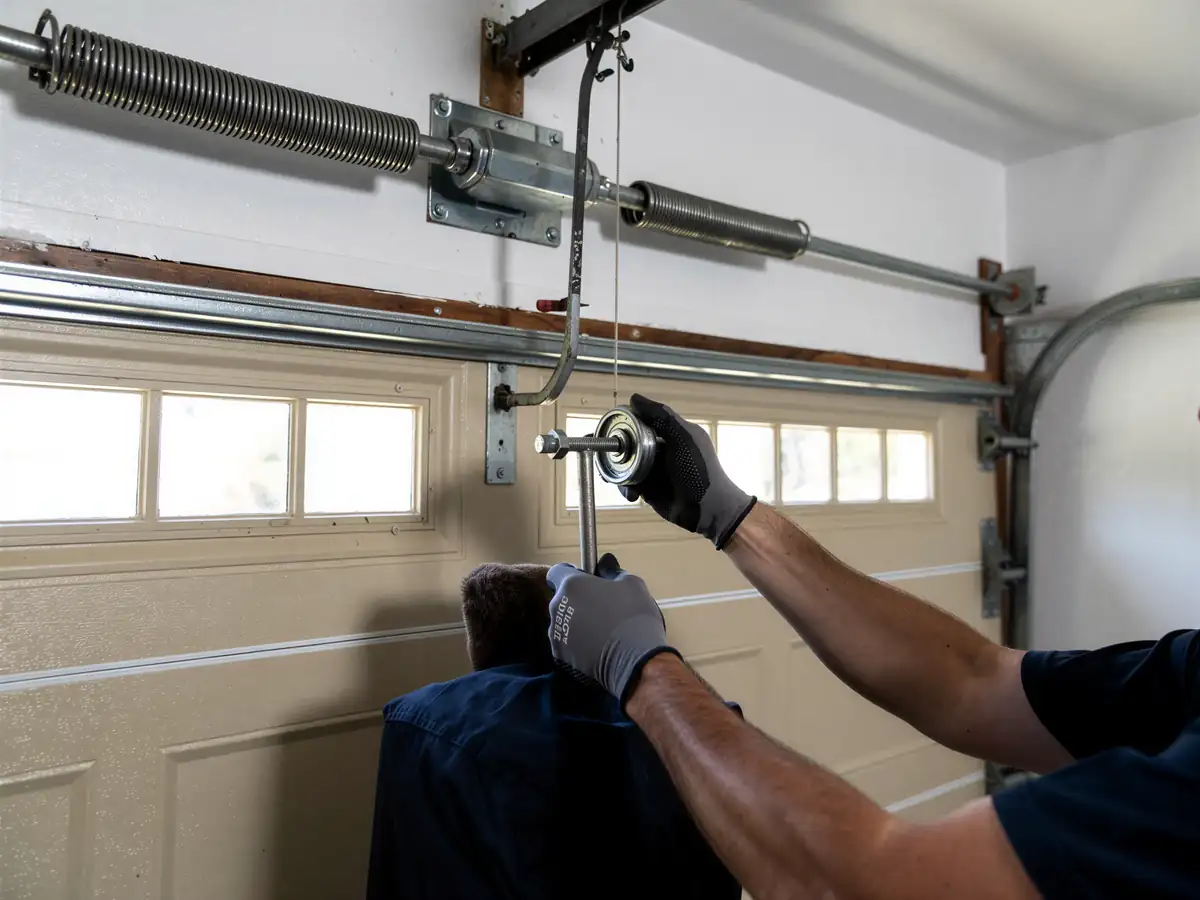
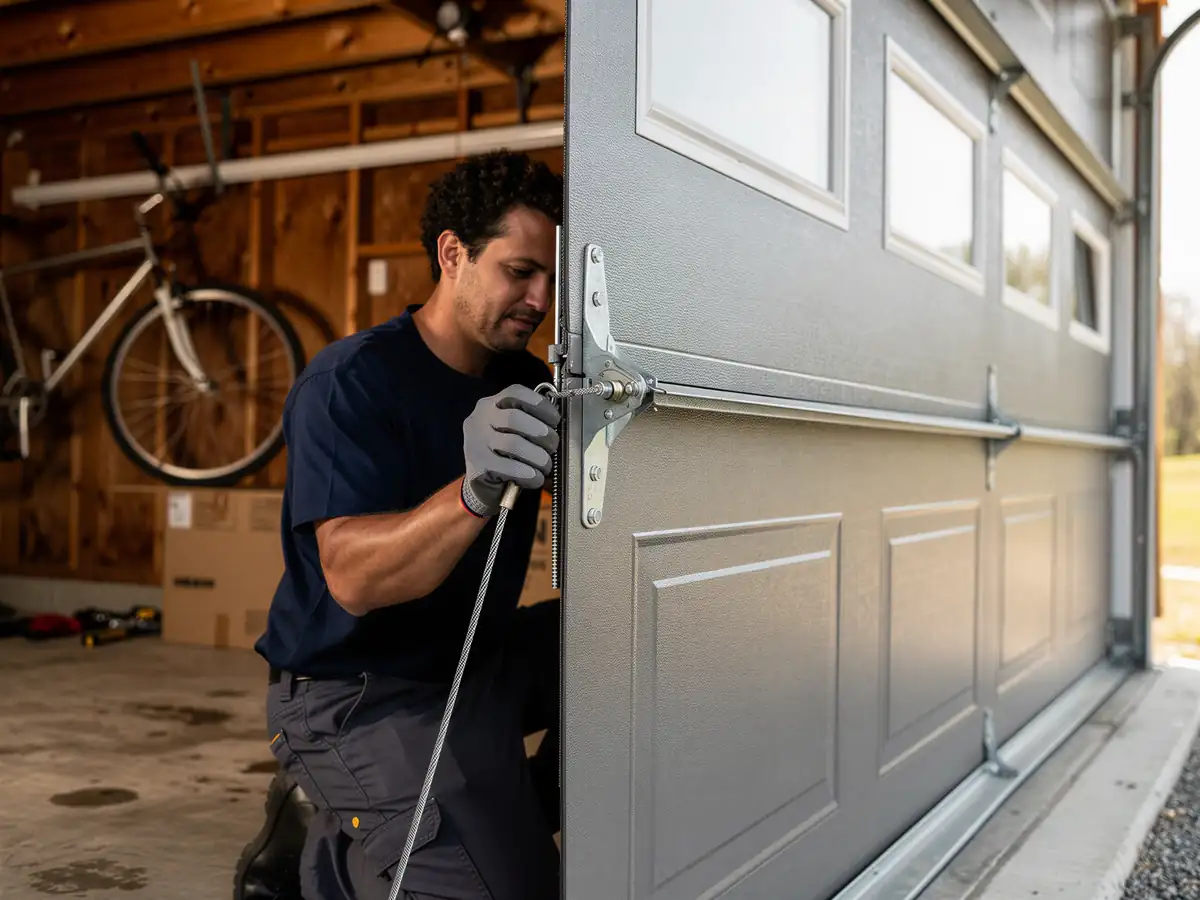
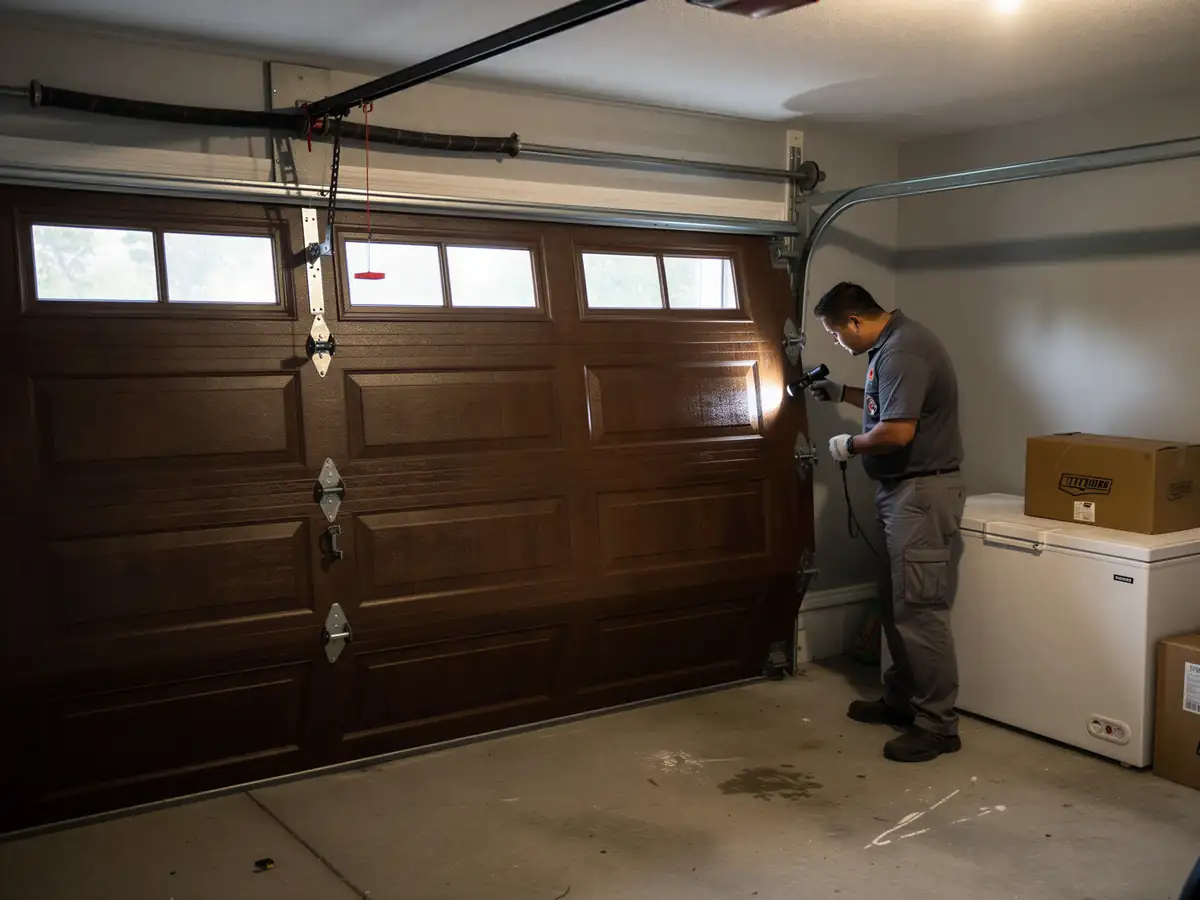
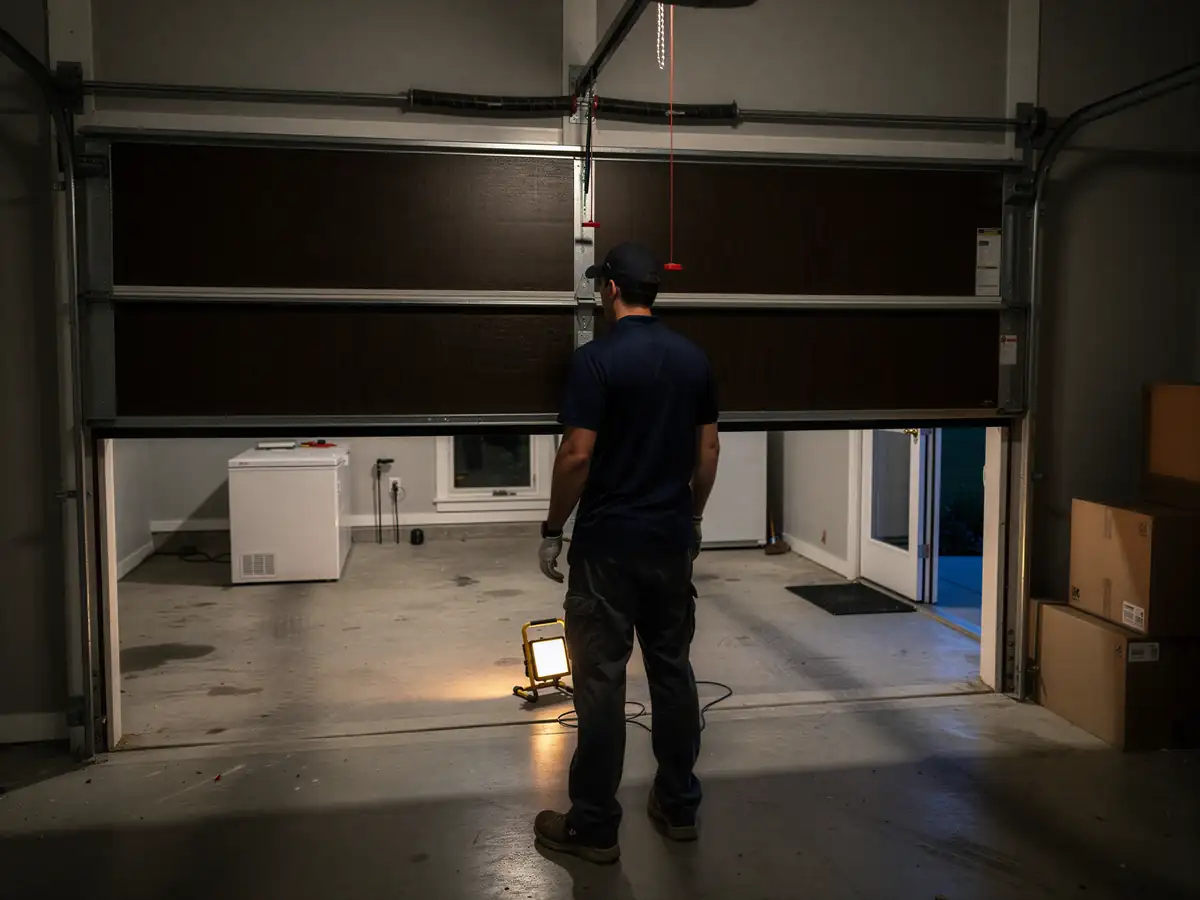
Replacing an extension spring on a door from this era isn't the same job as swapping a torsion spring on newer hardware, and it matters who's doing it. The springs mount on both sides above the horizontal track, which means the door has to come down evenly and get supported while both sides are worked - not just the side that broke. We match the spring to the door's actual weight and cycle rating rather than grabbing a generic length off the shelf, because a mismatched extension spring on an original door either won't lift the door fully or will slam it down too fast on the way shut. If the opener's drive gear is also original, we check it at the same visit - it's a five-minute look and it saves a second call. Track alignment gets checked too, since horizontal track on older installs tends to have sagged slightly where it bolts to the framing, and a spring replacement on track that's out of level will just fail again within a year. We don't replace parts that aren't worn; if the opener's gear still has life in it, it stays. On a house this age, the goal is matching the work to what's actually there, not upgrading hardware nobody asked to upgrade.
Stocked Parts
A truck running the 19 miles out from Aurora to Streamwood carries stock sized for exactly this kind of house - extension springs in the lengths and wire gauges that were standard through the 80s and 90s, plus the rollers, cables, and drive gears that wear out on chain-driven openers from the same window. With roughly 13,041 households in Streamwood and most of them sitting in that same build era, the parts that get used here repeat enough that it's worth loading them before the call rather than after it. What doesn't ride along as standard stock: specialty widths for doors that were custom-ordered outside the common sizes, or parts for openers that are genuinely obsolete rather than just old. Those get special-ordered, and we'll say so on the visit rather than promise a same-day fix we can't back up.
How to Book
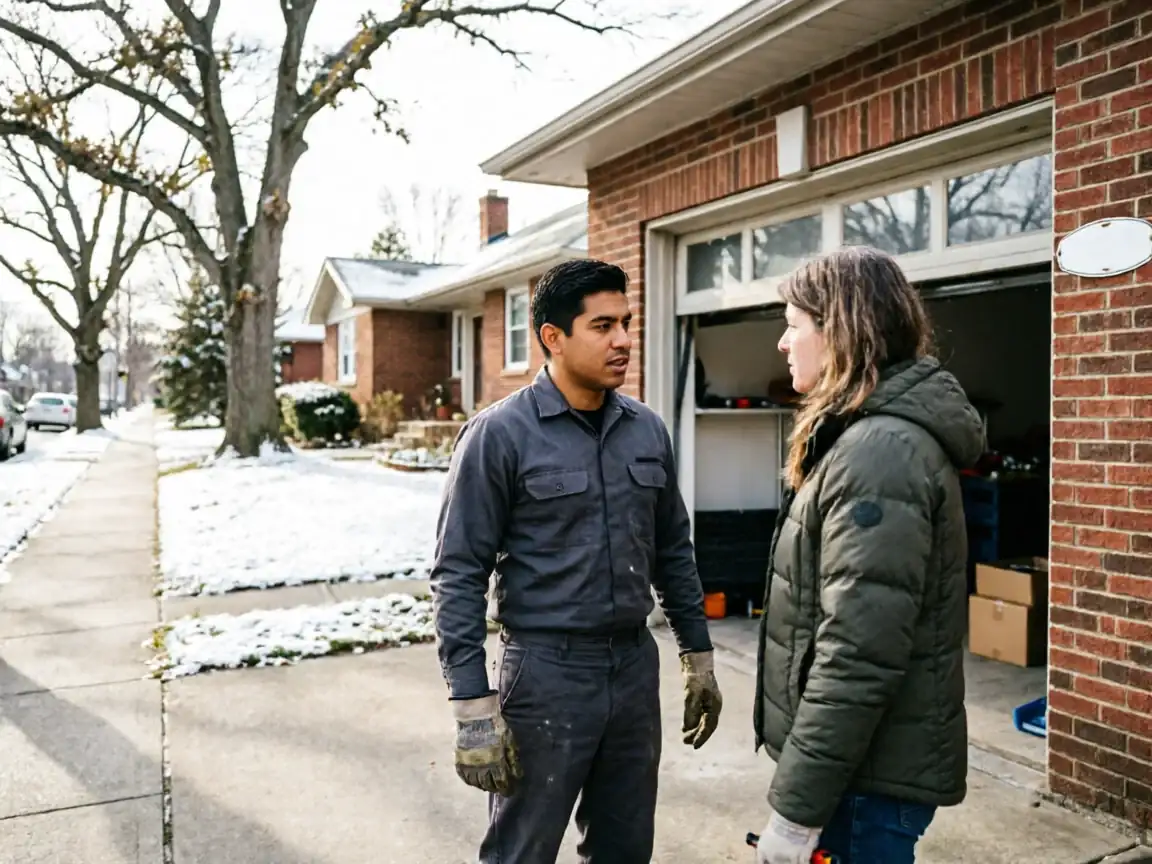
If you're in Streamwood and the door's making a noise it didn't used to make, or a spring's already let go, get in touch through the Streamwood page and we'll get a truck routed out from Aurora. For the full list of what the company handles across the wider service area, the Aurora garage door service page covers that. Booking from Streamwood doesn't get you a different crew or faster truck - it's the same team covering the same 19-mile route they run regularly for a town with this housing profile.